




Understanding the General Motors V8 Engine Recall and Consolidated Class Action Lawsuit
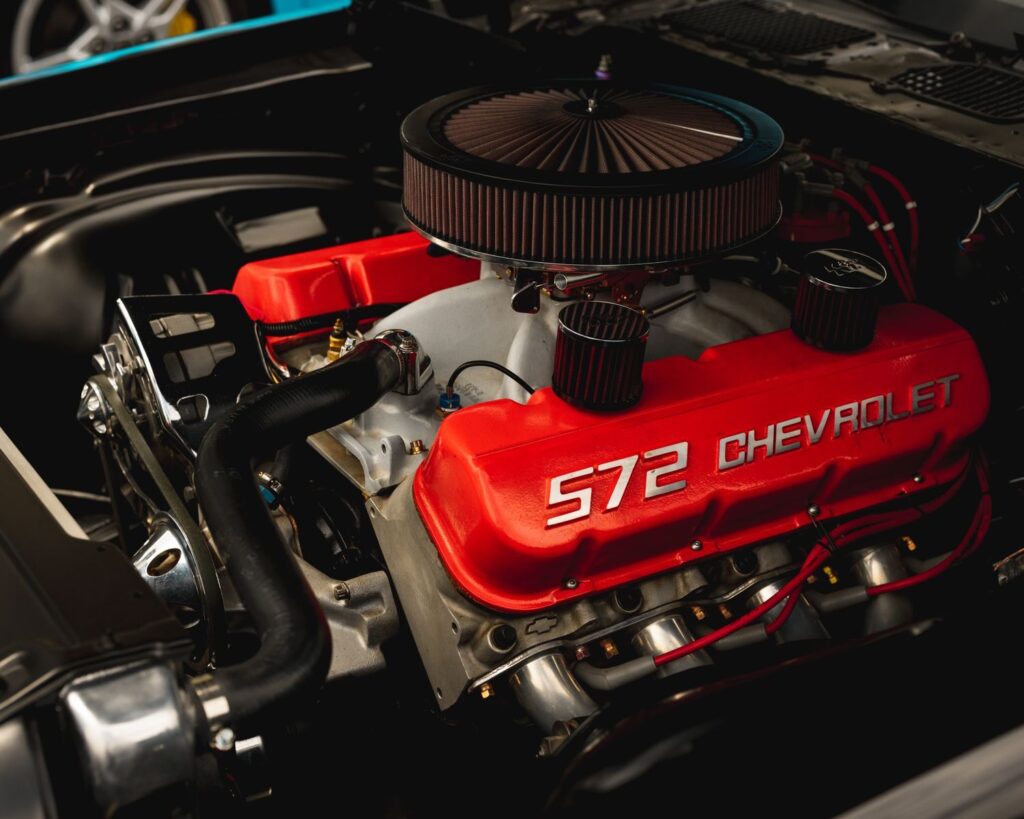
Driving one of General Motors’ newer big, body-on-frame trucks or full-size SUVs? You had better be looking at the engine under that hood closely. Whether you own the 6.2L V8 or the 5.3L V8 this controversy that involves a growing number of consumers, regulatory bodies, and even court dockets centers around engine flaws and the unexpected engine blow-outs GM is facing.
These engines are found in frequently purchased vehicles like the Chevrolet Silverado 1500, GMC Sierra 1500, Chevrolet Tahoe, Chevrolet Suburban, GMC Yukon, GMC Yukon XL, and Cadillac Escalade. Drivers that spend considerable amounts of money for these trucks and SUV don’t reasonably expect their vehicles’ engines to fail in a matter of years.
It’s concerning consuming too much oil, worn valve lifters, bearing wear, and unexpected engine failure. More than 1,000 consumer complaints citing loss of drive power of the 6.2-liter engine are what sparked NHTSA’s investigation. GM recalls about 600,000 vehicles for the problem, under NHTSA campaign 25V-274.
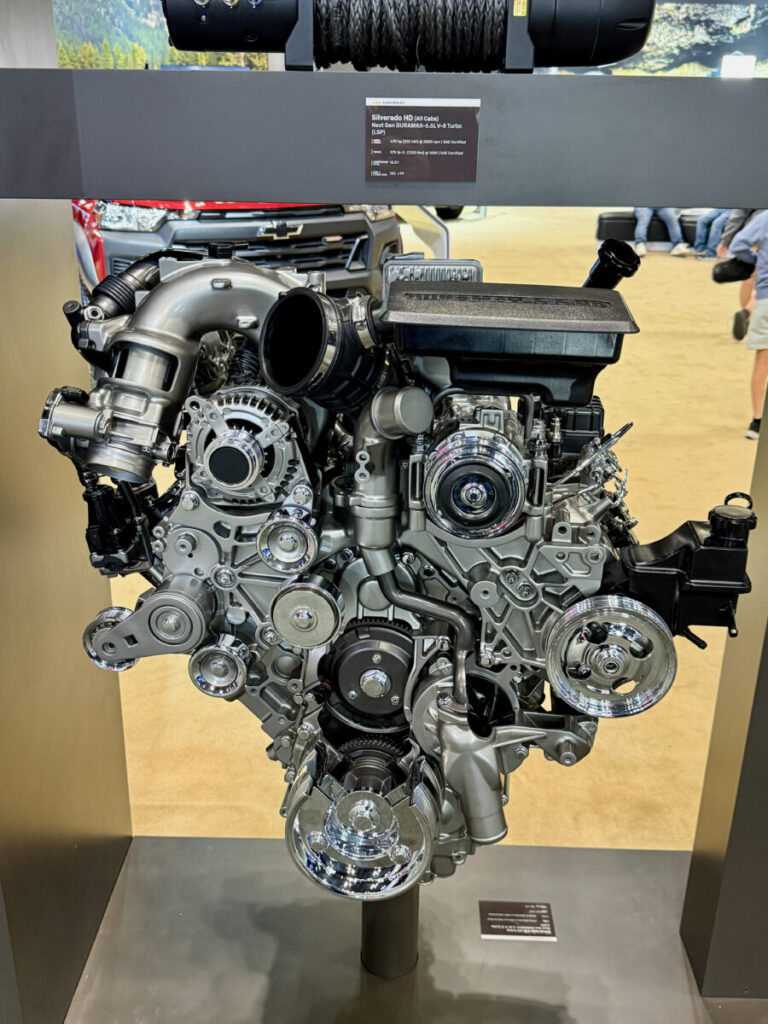
1. The GM 6.2-Litre V8 Recall
One of GM’s workhorse engines for trucks and SUVs, the 6.2-litre RPO L87 V8 is found in everything from the Chevrolet Silverado 1500, GMC Sierra 1500 all the way to the Chevrolet Tahoe, GMC Yukon and Cadillac Escalade. The engine appears in the most premium of trim levels that will require better performance and ruggedness.
Key Details of the L87 Engine Recall:
- Approximately 597,000 vehicles are affected
- Covers certain 2021-2025 model-year vehicles
- Involves the 6.2-litre L87 V8 engine
- Concerns connecting-rod bearing failures
- Includes issues involving out-of-spec crankshaft components
The primary concern regards the failure of internal components within the engine itself-more specifically, those that do not operate to the required standard including connecting-rod bearings, as well as crankshaft assemblies. When these parts fail they can cause significant internal damage and ultimately bring the engine to a complete stop without warning.
GM announced that they would be recalling about 597,000 cars from 2021-2025 model years that came equipped with the problematic 6.2-liter L87 engine. This recall is tied to the potential rod bearing failure and out-of-spec crankshafts, making official inspections and repair for impacted owners readily available.
2. What GM’s Recall Remedy Involves
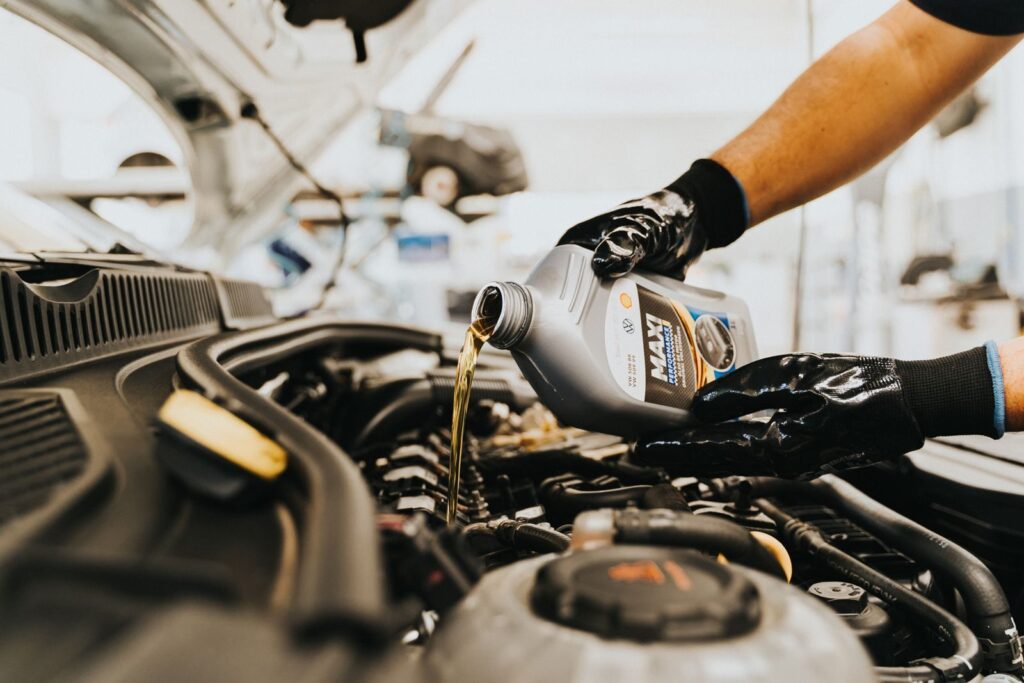
For the impacted vehicles, GM formulated a bespoke fix: Service procedures, if the vehicle’s recalled engine passes its dealer inspection at the dealership, involves swapping out 0W-40, higher-viscosity oil for the installed stuff and putting a new oil fill cap and revised manual insert regarding the update.
Key Elements of the Recall Remedy:
- Dealer inspection of the affected engine
- Replacement with higher-viscosity 0W-40 oil
- Installation of a new oil fill cap
- Updated manual information for owners
- Complete engine replacement when damage is found
An issue related to engine bearing protection is the cause of the oil change. GM states that due to the specific operation conditions related to the recall concern, the higher viscosity of the oil is able to offer more protection to the internal moving parts.
However, a vehicle whose engine exhibits signs of internal damage needs more extensive repairs. In that situation, the remedy under recall entails a full engine replacement (as opposed to an oil and filter change). That distinction matters; some owners initially believed that an oil and filter change would take care of a potential issue that they saw as more fundamentally stemming from the engine’s design or manufacture.
3. Reports of Failures After Recall Repairs
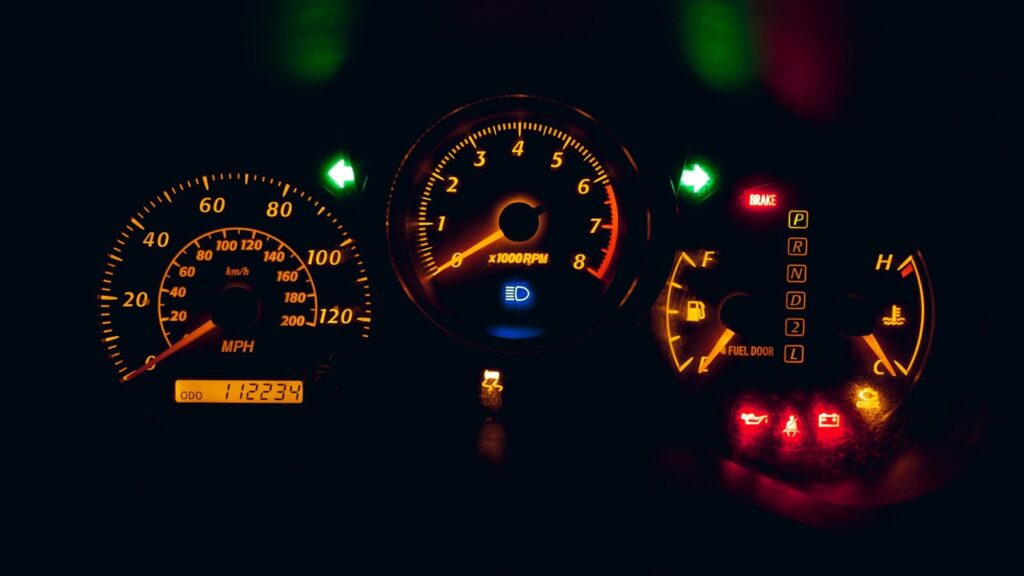
Owners of vehicles have raised concerns about engine failures persisting even after carrying out the official recall work. Accounts have been provided through consumer reviews of severe engine failures of vehicles shortly after performing the recall remedy on the vehicles with the concern as to if the recall truly corrects the issue.
Concerns Reported After Recall Repairs:
- Engine failures following completed recall work
- Problems reported shortly after servicing
- Replacement engines developing later failures
- A reported failure 36 days after replacement
- Additional federal scrutiny of the remedy
Replacement engines have also come under fire after developing some issues with some of the instances reported. One of such instances relates to an owner that had his replacement engine malfunction on just day 36, with the family being caught while driving at the highway speed. Such instances have raised concerns among owners who expected a lasting solution from the replacement.
The complaints added fuel to the ongoing federal oversight. In Jan. 2026 NHTSA’s Office of Defects Investigation started a new probe in the effectiveness of the remedy after receiving 36 reports concerning engine failures following completion of the recall repair.
4. NHTSA’s Continuing Investigation
Why it matters The investigation, a potential preview into how existing auto recalls are resolved, will explore if the recall remedy offers adequate protection to owners of recalled GM truck and SUV models where engine bearings are failing. In addition to auto manufacturers not carrying the liability in recalls that happen when consumers have an out of warranty issue, regulators for more than 1,100 reports involving a failed engine bearing will have data to draw upon.
Areas Under Federal Review:
- Effectiveness of the existing recall remedy
- More than 1,100 reported bearing failures
- Approximately 597,000 affected vehicles
- Reports involving 2026 model-year vehicles
- Potential need for additional corrective action
Regulators also said in the investigation that they were aware of reports from some 597,000 vehicles that had the 6.2-litre L87 engine and are from model year 2021 to 2025 and the 2026 models where the engine shut off after driving just 1,500 miles.
The new reports have driven the investigation toward a more detailed engineering approach. Regulators are focusing on how the current remedy adequately mitigates the risk of engine failure and if a recall may be necessary at some point.

5. The Consolidated Class Action Lawsuit
Although NHTSA focuses on the engineering aspects of the problem, owners affected are also taking legal action. Individual claims brought by owners of trucks and SUV’s in many different states have been consolidated into Federal cases to group together the similar claims.
Claims Raised by Vehicle Owners:
- Alleged defective engine design
- Alleged manufacturing defects
- Breaches of express and implied warranties
- Claims involving inadequate consumer warnings
- Compensation for repairs, towing, and diminished value
In December 2025, a federal judge for the District of Michigan consolidated the individual actions as Powell et al. V. General Motors, LLC. The 389-page consolidated complaint is on behalf of owners of Chevrolet, GMC, and Cadillac vehicles from the 2019-2024 model years.
The plaintiffs claim flawed design and workmanship as to internal components of the engine, violated expressed and implied warranties, and failed to adequately warn consumers, and contend that GM’s oil change cure does not address the stated flaw, seeking reimbursement for repairs, towing and lost vehicle value.

6. GM’s Response to the Litigation
General Motors denies these accusations and assures it is behind its vehicles and handled the issue appropriately with a recall program. On June 8, the company filed a motion to dismiss the multidistrict class action suit, which at best puts the case at a critical milestone in the litigation.
Key Developments in GM’s Legal Response:
- GM has rejected the plaintiffs’ allegations
- The company supports its recall programme
- GM filed a motion to dismiss
- The motion was filed on June 8, 2026
- Further proceedings depend on the court’s decision
The court must now evaluate GM’s defenses as the rest of the lawsuit proceeds. Whether or not this motion to dismiss is granted or denied may influence how the other portions of the suit develop and advance in federal court.
Continuing Procedure- Pretrial Discovery Pretrial discovery also continues as the case progresses. If a case moves onward toward trial, experts of opposing sides can also review technical records, internal communications, test data, maintenance history records, and a host of other data to analyze the claimed engine defect and the GM repairs to be sufficient or otherwise.
7. Why Cylinder Deactivation Matters
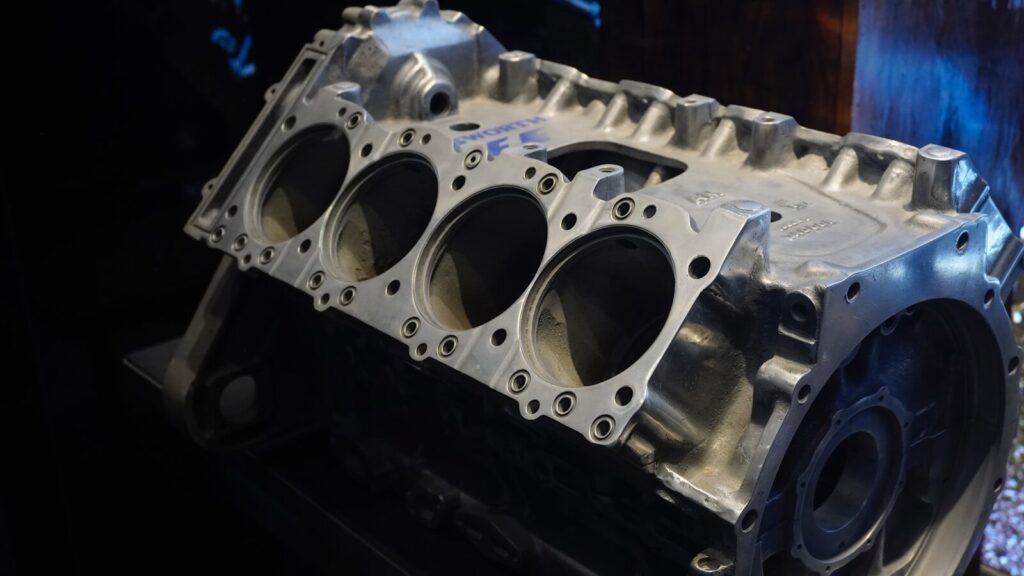
So, with a look at GM’s cylinder deactivation technology, that’s the technical background involved here. The reason GM introduced it, via first the AFM (Active Fuel Management) system and then the more sophisticated DFM (Dynamic Fuel Management) system was to increase fuel economy by shutting down cylinders intermittently in lighter load conditions.
How GM’s Cylinder Deactivation Works:
- AFM can deactivate four cylinders
- V8 engines can operate as four-cylinders
- DFM uses 17 cylinder-deactivation patterns
- Systems adjust operation according to driving demands
- Additional components increase mechanical complexity
AFM will shut off two cylinder banks, permitting a V8 engine to act like a 4-cylinder when necessary. DFM goes one step further, implementing a palette of 17 cylinder deactivation modes, based on your specific driving needs and operational circumstances.
These systems have been implemented with efficiency concerns in mind, but they contribute to more complexity to the valvetrain and lubrication system of the engine. These have been lumped together with the problems related to piston rings, cylinder walls, valve lifters, and oil burning due to broader litigation and owner complaints.
8. Oil Consumption and Lifter Failures
Excessive oil consumption is arguably one of the most commonly reported issues among owners of these concerned GM V8’s. There have been owners stating that they add a quart of oil every 1,000 miles or less. This is obviously a serious problem when there is not an easily identifiable external oil leak.
Common Concerns Linked to Oil Consumption:
- Frequent need to add engine oil
- Oil loss without visible external leaks
- Potential lubrication problems
- Valve lifter oil-pressure issues
- Ticking, misfires, and rough engine operation
For determining if there’s within GM’s operating limits, there are whispers of GM establishing a consumer boundary of one quart consumption per 2000 miles that if they achieve less mileage will not consider excessive. This leaves for questions for car owners experiencing rapid oil loss, “Am I normal here?” Or “is my car about to blow a gasket?”
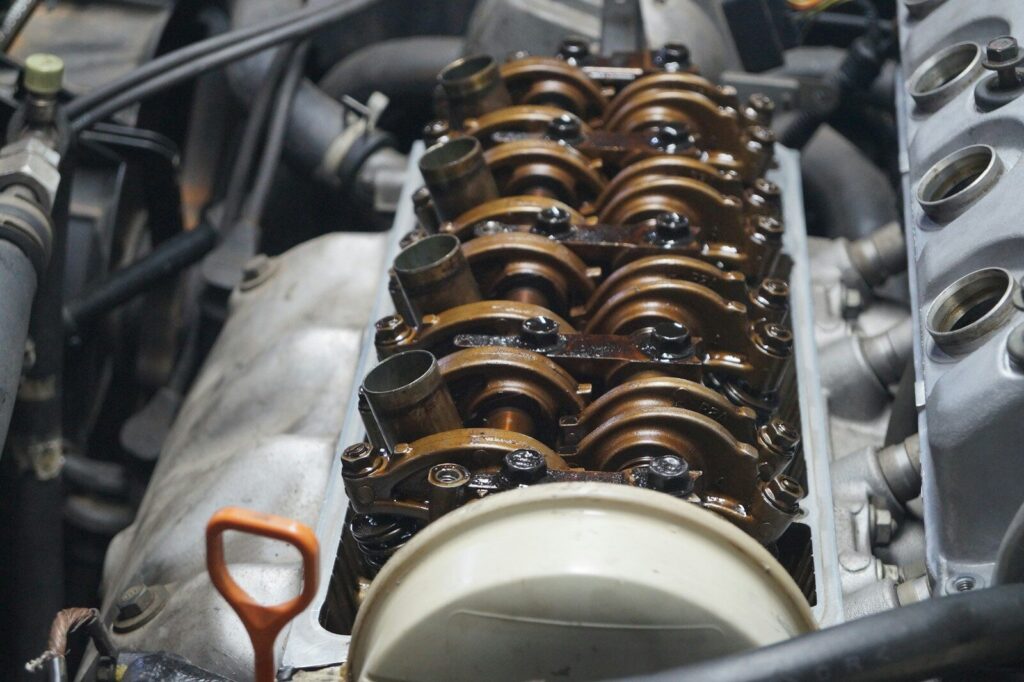
Low oil pressure may lead to a lubrication issue that can affect valvetrain components. The Valve Lifter Oil Manifold provides oil pressure to deactivating lifters and has been proven to be a failure point. If a lifter begins to fail, characteristics of a failing lifter can include ticking sounds, poor idling, misfiring, an oil-pressure warning lamp, or engine failure.
9. The 5.3-Litre V8 and Vehicle Eligibility
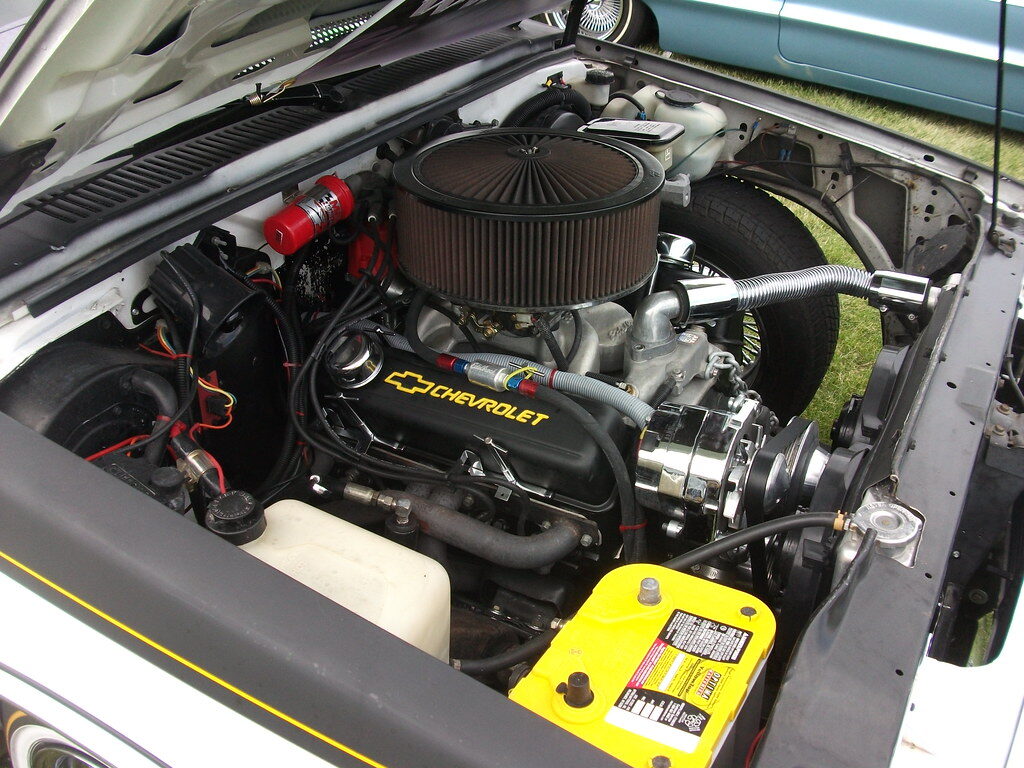
It’s not just the 6.2L V8 L87 affected by legal wrangling though. The GM EcoTec3 5.3L V8 engines specifically the L83 and L84 have similarly received numerous complaints in relation to extreme oil consumption and lifter failures.
Engines and Model Years Involved:
- L83 5.3-litre V8 used from 2014-2021
- L84 5.3-litre V8 introduced for 2019 applications
- L83 uses Active Fuel Management
- L84 uses Dynamic Fuel Management
- Litigation may depend on model year and vehicle
The 5.3-liter L83 V8 engine was installed in 100s of 1,000,000’s of Chevrolet Silverado 1500, Chevrolet Tahoe, Chevrolet Suburban, Chevrolet Yukon, and GMC Sierra 1500 vehicles, that were built between model years 2014 to 2021. Its had active fuel management and direct injection for performance; an updated L84 that features dynamic fuel management was introduced on 2019, and newer.
Vehicle owners with these engines might need to ascertain whether their specific vehicle is included within the lawsuit or warranty parameters. While the EcoTec3 oil consumption suit involves model years 2014 through 2021, the Powell consolidated suit covers some model years 2019 through 2025.

10. Protecting Your Records and Legal Position
Buyers whose car is one of those affected Should keep records Of engine repairs, Maintenance The sale contract, Purchase lease agreement, Receipts for oil services, Warranty claims and tow service orders; All such records can be valuable in the event a claim under contract or a warranty arises.
Records Worth Keeping:
- Purchase or lease agreements
- Dealership service and repair orders
- Oil-change receipts
- Warranty documentation
- Towing invoices and repair bills
Taking pictures of low-oil lights, check-engine lights, broken parts or warning lights is also an effective tool. Clear logs of when an issue first began and when it was repaired can prove to be helpful in terms of defining events.
But time is also an issue because statues of limitations are different from state to state. The initial law articles mention limitations ranging from four to six years, with California and Texas usually implementing a four year window for complaints, New York a six year window and Florida a five year window. Owners of 2020 and 2021 cars, be very careful of possible limitations in 2026.