



Unpacking the Ford Mustang Cobra LM Concept and Its Mid-Engine V8 Supercar Vision
Ford Mustang Cobra LM, an automotive rendering, that has both fans excited and a tad annoyed in the performance car segment. Automotive designer Karanadivi has designed what Ford could do in case they decide to metamorphose its iconic muscle car into a focused, mid-engine supercar.
While Ford has already pushed its modern S650 ‘Stang platform and all of its more specialized cousins like the Dark Horse and ultra-track ready GTD just about as far as they’ll go with the same ol’ tried-and-true front engine, the Cobra LM goes quite a bit farther by dropping the engine upfront and merging our favorite Mustang cues with something closely resembling the legendary Ford GT40.
With its Cobra emblems, the rear taillights and quarters which pay homage to its heritage, and muscular shoulder lines which recall the original vehicle, there’s a clear link between that car and this. Everything else to complement these features is another breed of automotive transport. The slung-low roof line, cockpit moved toward the front, mid-engine placement and endurance racing aerodynamics moved this Cobra LM directly into modern exotic status.
1. A Mustang Reimagined as a Supercar
The Cobra LM represents a dramatic reinterpretation of what a Mustang-badged vehicle could become. Rather than refining the established pony-car silhouette, the rendering begins with a completely different mechanical foundation and then carefully introduces recognizable Mustang characteristics into the resulting supercar proportions.
Defining Elements of the Cobra LM:
- Reimagines Mustang as dedicated supercar
- Uses an entirely different mechanical foundation
- Places engine behind passenger compartment
- Transforms stance, balance, and cooling
- Preserves recognizable Mustang design characteristics
Its mid-engine configuration separates the design from every regular production Mustang created since the original 1964½ model. The engine no longer occupies the space beneath a long front hood. It sits behind the passenger compartment, changing the vehicle’s stance, balance, cooling requirements, and overall visual identity.
Karanadivi’s concept avoids appearing like a conventional Mustang body placed over an exotic chassis. Familiar themes have instead been abstracted through the lighting, shoulder lines, quarter windows, muscular surfaces, and wide rear stance. The result feels connected to Mustang history without being restricted by it.
2. Abandoning the Traditional Long-Hood Formula
Moving the V8 behind the driver fundamentally changes the Cobra LM’s proportions. The cockpit shifts forward, the front overhang becomes as short as crash protection and cooling systems allow, and the long hood traditionally associated with the Mustang virtually disappears from the design.
Changes Created by the Mid-Engine Layout:
- Cockpit moves toward the front
- Traditional long hood virtually disappears
- Short overhang accommodates essential crash protection
- Lower roof reduces vehicle frontal area
- Rear bodywork displays mechanical power
A steeply angled windshield, low roofline, and forward-positioned cabin immediately communicate that this is a purpose-built supercar. These features also reduce frontal area and help control airflow over the roof, around the body, and toward the aerodynamic surfaces located at the rear.
Without an extended hood providing visual presence, the design uses width and muscular bodywork to express power. Sculpted surfaces rise over the rear wheels, clearly revealing where the engine and most of the vehicle’s mechanical mass are positioned. Its form follows the requirements of the new layout.
3. Functional Bodywork Shaped Around the V8
The Cobra LM’s bodywork operates as a functional wrapper around its mechanical components. Large side intakes direct air toward the engine, intercoolers, and cooling systems while creating deep channels through the doors and rear haunches. These openings give the car an aggressive appearance without feeling purely decorative.
Functional Features of the Exterior Bodywork:
- Large intakes deliver essential cooling air
- Deep channels shape doors and haunches
- Rear deck accommodates mechanical components
- Wide stance reflects Mustang design heritage
- Aerodynamics determine the vehicle’s final shape
Across the rear, a high and wide decklid forms around the intake plumbing, exhaust routing, suspension geometry, and engine compartment. The substantial rear volume reinforces the car’s mid-engine configuration while creating a strong visual contrast with the short, low front section.
Traditional Mustang cues remain visible through the assertive stance and pronounced shoulder lines. However, the concept does not depend on excessive retro styling. Its design recognizes the Mustang’s heritage while allowing aerodynamic performance, cooling requirements, and mechanical packaging to determine the final shape.
4. A Driver-Focused Supercar Cockpit
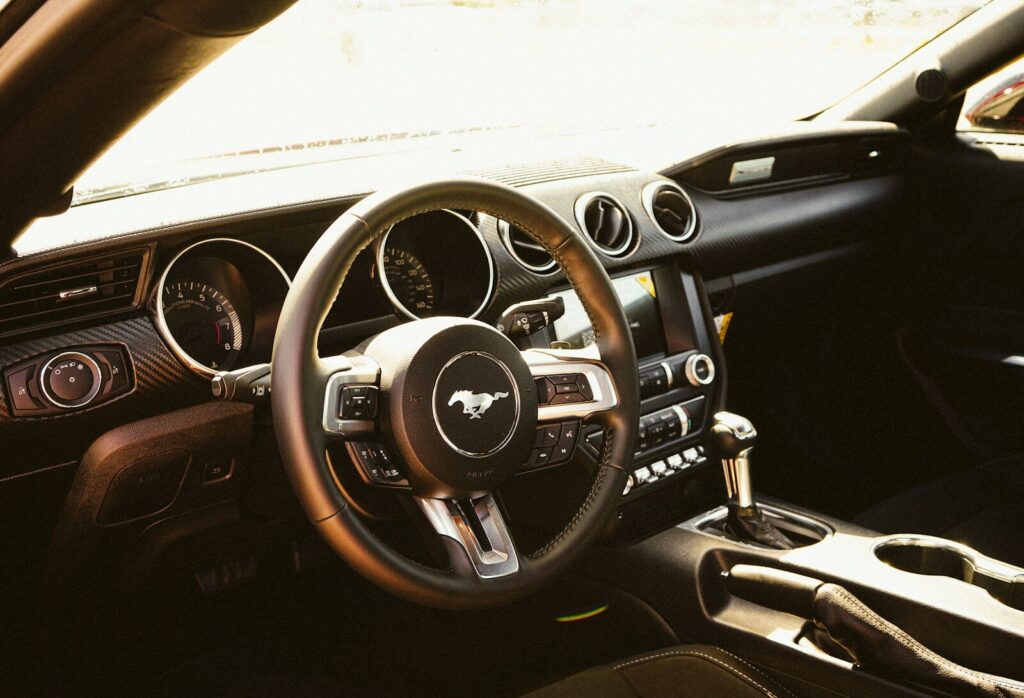
Inside the Cobra LM, low and reclined seating would position the driver and passenger close to the vehicle’s center of gravity. This arrangement could improve the driver’s physical connection with the chassis while reducing unnecessary movement during hard acceleration, braking, and high-speed cornering.
Important Features of the Driver’s Cockpit:
- Low seating improves chassis connection
- Reclined position reduces unwanted body movement
- Forward cabin provides excellent outward visibility
- Low dashboard helps drivers judge corners
- Direct controls minimize unnecessary driver distraction
The forward-shifted cabin could also provide excellent visibility compared with many traditional mid-engine exotics. A low dashboard, steep windshield, and carefully positioned front fenders would help the driver judge corners accurately during demanding road or track use.
Rather than filling the interior with decorative technology, the concept suggests clean and direct controls. Every essential function would remain accessible without distracting the driver. Such an approach would fit the Cobra LM’s identity as an endurance-inspired performance machine rather than a luxury-focused grand tourer.
5. Predator V8 Power Behind the Driver
Performance speculation naturally points toward Ford’s supercharged 5.2-liter Predator V8. The engine already produces 815 horsepower in the Mustang GTD, making it an appropriate foundation for a mid-engine Ford carrying both the Cobra name and the endurance-inspired LM designation.
Potential Performance Components and Capabilities:
- Supercharged Predator V8 produces 815 horsepower
- Specialized tuning could increase engine output
- Dual-clutch transmission enables rapid gear changes
- Track suspension improves high-speed handling
- Advanced aerodynamics support competitive lap times
A specialized tune, revised cooling system, and less restrictive exhaust could potentially increase the output even further. Paired with a high-speed dual-clutch transmission, track-focused suspension, and extremely capable performance tires, the engine could turn the Cobra LM into a formidable circuit machine.
Enthusiasts imagine this theoretical combination as a direct response to advanced versions of the Chevrolet Corvette, including the ZR1X. With sufficient aerodynamic development and chassis tuning, the Cobra LM could be engineered to pursue demanding Nürburgring lap times while maintaining the unmistakable character of a powerful American V8.
6. The Physics Behind the Mid-Engine Layout
Positioning the engine between the axles provides important mechanical advantages. A theoretical 45/55 front-to-rear weight distribution would place slightly more weight over the driven rear wheels while preserving enough front-end load to maintain responsive and predictable steering.
Mechanical Benefits of Centralized Engine Placement:
- Improves front-to-rear vehicle weight distribution
- Adds traction over driven rear wheels
- Preserves responsive and predictable steering
- Reduces the polar moment significantly
- Improves stability through rapid directional changes
Concentrating the vehicle’s heaviest components near its center would reduce the polar moment of inertia. The Cobra LM could therefore rotate more quickly during corner entry, maintain greater stability through fast changes of direction, and generate stronger traction when accelerating away from a corner.
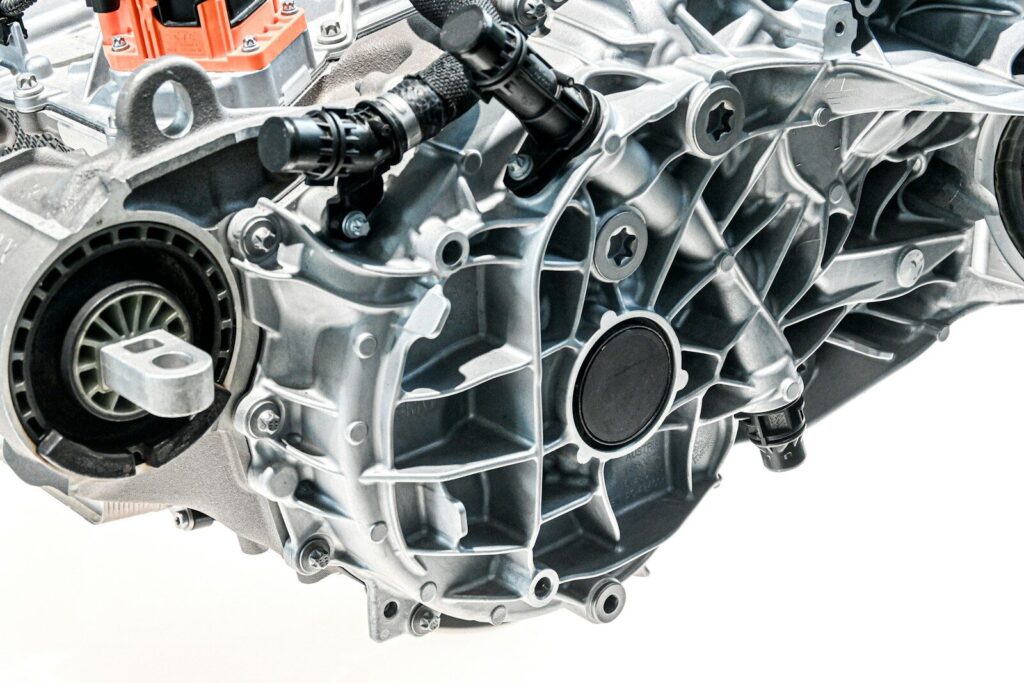
A rear-mounted transaxle combining the transmission and differential would further organize the mechanical package. This configuration could improve mass centralization and power delivery while creating a structural layout more suitable for extreme performance than the traditional front-engine, rear-wheel-drive Mustang arrangement.
7. Engineering a Track-Ready Structure
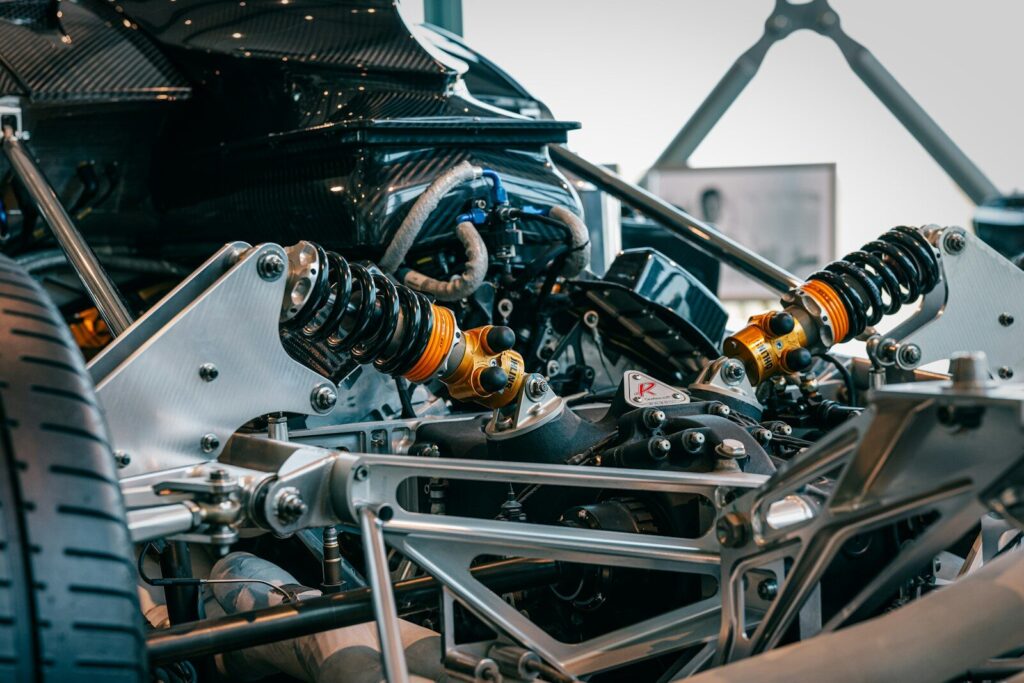
Reaching these performance levels would require an entirely new chassis rather than a modified version of the existing Mustang platform. A bonded aluminum tub or lightweight spaceframe could provide the necessary rigidity while supporting the mid-mounted engine, rear transaxle, and specialized suspension mounting points.
Essential Requirements for Track-Ready Engineering:
- Entirely new chassis architecture required
- Lightweight structure provides essential rigidity
- Control-arm suspension manages precise wheel movement
- Specialized crash structures ensure road safety
- Advanced cooling prevents severe heat soak
Control-arm suspension at all four corners would allow engineers to precisely manage wheel movement, camber, and tire contact during demanding track driving. The chassis would also need carefully engineered crash structures that meet road-car requirements without compromising the Cobra LM’s compact proportions.
Thermal management would present another major challenge. A supercharged V8 positioned behind the cabin would require side-mounted radiators, carefully shaped ducts, and controlled airflow through the engine compartment. Without an effective cooling strategy, severe heat soak could quickly limit performance during extended track sessions.
8. A Challenge to Mustang Tradition
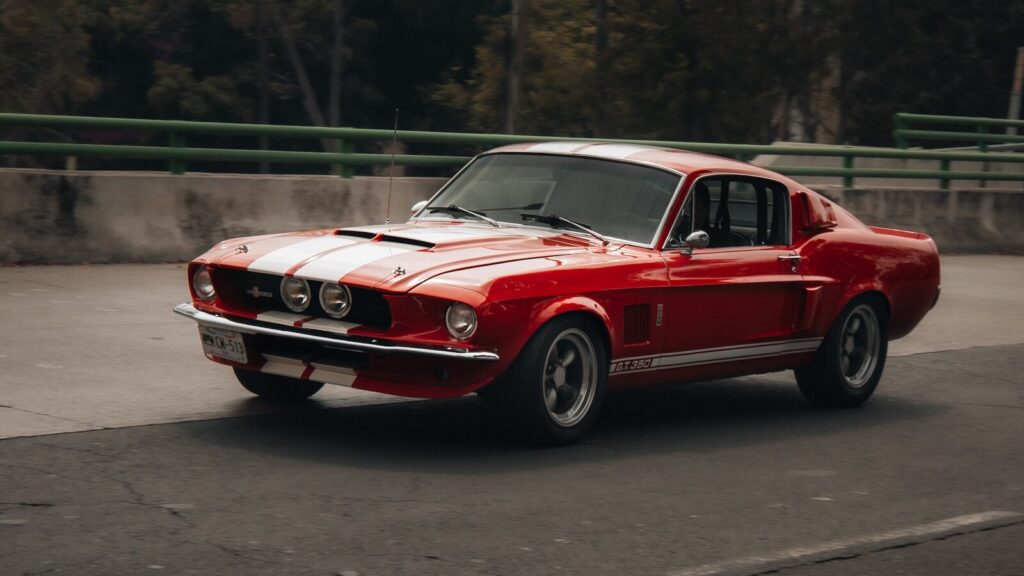
The Cobra LM directly challenges more than six decades of Mustang identity. Since 1964½, the basic formula has remained centered on a front-mounted engine, rear-wheel drive, accessible performance, and the distinctive visual relationship between a long hood and a compact passenger compartment.
Traditional Mustang Characteristics Being Challenged:
- Front-mounted engine defined Mustang identity
- Rear-wheel drive supported accessible performance
- Long hood created distinctive proportions
- Historic models maintained established mechanical configuration
- Mid-engine placement replaces traditional Mustang formula
Historic track-focused models such as the Boss 302, Boss 351, Shelby GT350, and Shelby GT500 achieved legendary status while respecting that established configuration. They proved that Ford could generate remarkable acceleration and cornering ability without abandoning the practical foundation of a traditional American pony car.
Moving the V8 behind the driver would not simply update the formula. It would replace it. The LM designation strengthens this transformation by referencing Le Mans prototypes and GT racers, where weight balance, thermal endurance, aerodynamics, and high-speed stability take priority over everyday boulevard cruising.
9. Why Production Remains Unlikely
The Cobra LM faces serious manufacturing and economic obstacles. Standard Mustang production depends on scalable tooling, shared assembly processes, and relatively high sales volumes at facilities such as Flat Rock. A mid-engine model could not easily benefit from the same production infrastructure.
Major Obstacles Preventing Cobra LM Production:
- Requires specialized low-volume manufacturing infrastructure
- Cannot share regular Mustang assembly processes
- Bespoke chassis significantly increases development costs
- Limited production raises expected retail pricing
- Exclusivity conflicts with Mustang’s attainable mission
Building it would require a bespoke frame or bonded tub, specialized crash structures, unique body panels, complex cooling systems, and dedicated transaxle mounting points. Chevrolet spread the development cost of the mid-engine C8 Corvette across substantial production volumes, but Ford lacks an equivalent strategy for a mid-engine Mustang.
The expected price would create another problem. Development and low-volume production could push the Cobra LM well beyond $150,000. At that level, it would stop serving as an attainable performance car and become an exclusive collector vehicle, conflicting with the Mustang nameplate’s longstanding mission.
10. Ford GT Territory and the Cobra LM Legacy
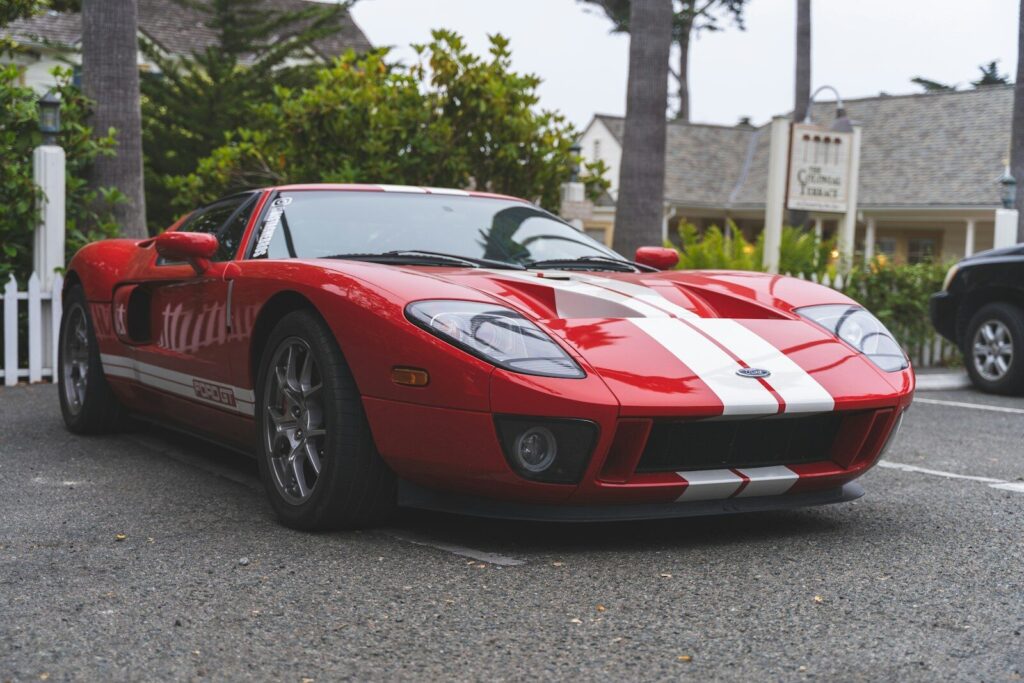
Ford’s internal performance hierarchy creates an equally complicated challenge. The Mustang traditionally represents attainable American performance, while mid-engine construction, extreme pricing, and Le Mans prestige have been reserved for halo vehicles carrying the Ford GT name.
Challenges Within Ford’s Performance Hierarchy:
- Mustang represents attainable American performance
- Ford GT occupies flagship supercar territory
- Mid-engine Mustang could overlap significantly
- Specialized servicing would challenge regular dealerships
- Unbuilt status strengthens its lasting appeal
A mid-engine V8 Mustang could overlap dangerously with the Ford GT in cost, performance, reputation, and visual purpose. It might confuse buyers while weakening the carefully protected identity surrounding Ford’s flagship exotic. Dealerships would also need specialized technicians, diagnostic equipment, tools, and service facilities.
The Cobra LM may therefore remain alongside unrealized Dearborn concepts such as the 1990s Ford GT90. Even as a digital creation, it demonstrates how convincingly Mustang character could merge with supercar engineering. Its unbuilt status only strengthens its appeal, preserving it as a thrilling vision of muscle-car soul meeting mid-engine perfection.