Inside General Motors 6.2-Liter V8 Engine Teardown and Manufacturing Recall
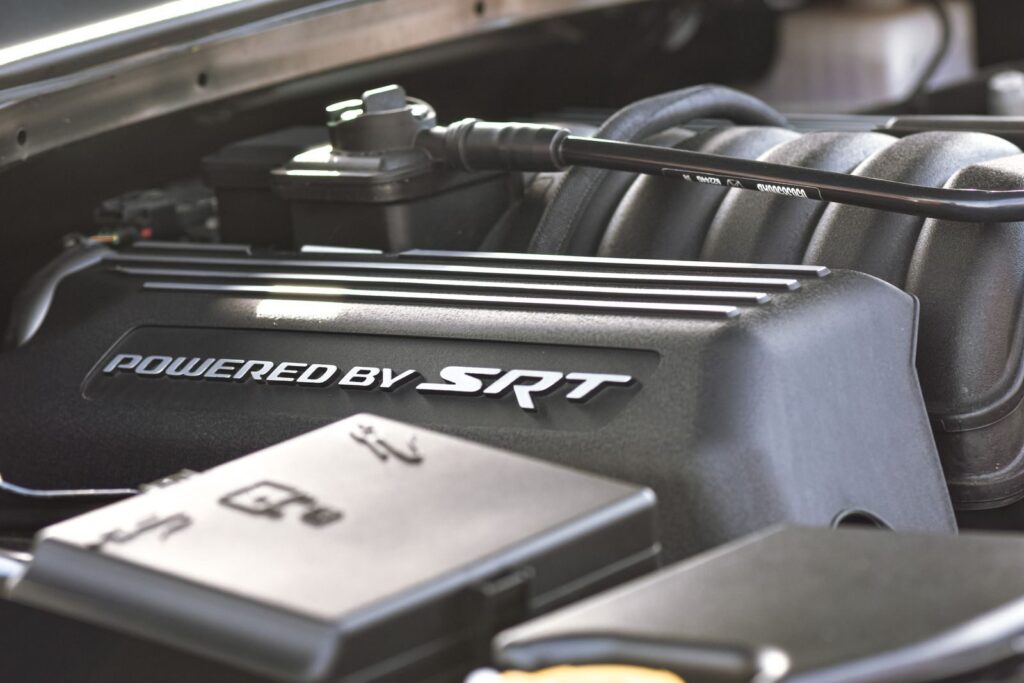
6.2-litre V8 engine The 6.2-litre L87 V8 engine recall has brought to light some of the most serious issues with the most popular trucks and SUVs from GM, after the NHTSA launched an investigation into the issue. This resulted in the launch of the safety recall 25V274, which is now referring to over 200,000 affected vehicles, due to knocking, engine stall, and dislodged internal components causing general catastrophic damage. This investigation led to the discovery of various manufacturing defects, including debris left over from machining processes, and irregularities with the crankshaft that could lead to oil flow disruption, resulting in various internal component failures.
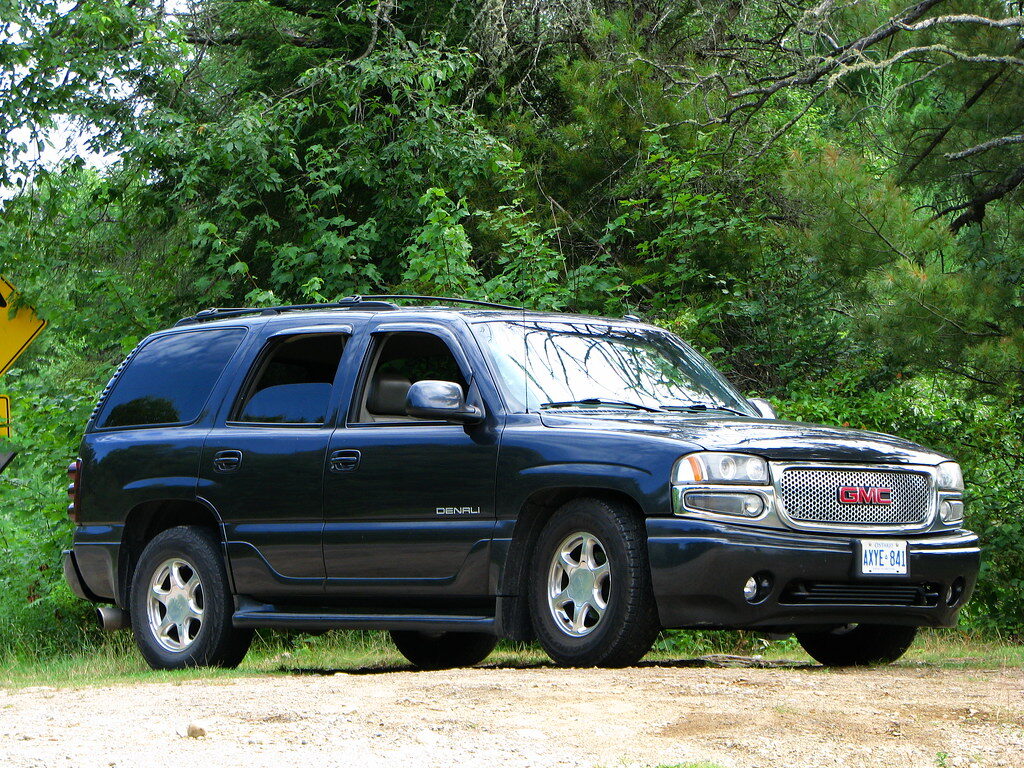
We performed a teardown of a 2022 GMC Yukon Denali that was under recall to document the damage in detail, including the connecting rod bearings destroyed, engine oil, and internal engine parts broken. General Motors implemented a recall solution which included an engine inspection, replacement engines as needed, and a switch to 0W-40 engine oil if the vehicle passes inspection. Despite this, continued owner reports of engine failures after the recall repairs and ongoing owner complaints are raising new questions about the recall and its effectiveness. In this blog, you will learn about the manufacturing defects that caused the damage, the teardown, GM’s recall solution and the recall protection owners can take.
1. General Motors Faces Federal Scrutiny Over L87 V8 Engine Failures
GM drew significant attention from the US government after the NHTSA investigation into the 6.2-litre L87 V8 engine. This investigation led to the creation of safety recall 25V274, which involved hundreds of thousands of full-size trucks and SUVs built between March 2021 and May 2024. Among the models affected were the GMC Yukon, Yukon XL and Sierra 1500, as well as the Chevrolet Silverado 1500, Tahoe and Suburban and the Cadillac Escalade. Thousands of injury reports detailed internal engine failures where vehicles lost power and experienced knocking, stalling and even engine seizure on the road. The results of the NHTSA investigation cast doubt on GM’s flagship V8 engine.
Vehicles Affected by the GM Recall:
- GMC Yukon and Yukon XL
- GMC Sierra 1500 pickup trucks
- Chevrolet Silverado 1500 models
- Chevrolet Tahoe and Suburban SUVs
- Cadillac Escalade luxury SUVs
The recall was for widespread internal damage to the engine’s bottom rotating assembly. The failures weren’t a problem of a solitary part, but a fault common to manufacturing issues with the lubrication and wear of the crankshaft. They stated there were two defects caused during the manufacturing of the engine at GM’s Tonawanda Propulsion plant. The problem could damage essential internal parts over time until the engine was no longer able to run efficiently. The recall was a major safety issue for owners of the trucks and SUVs involved and forced further investigation into how these parts were manufactured and what was being done to address the problem.
2. Manufacturing Defects Behind the L87 Engine Failures
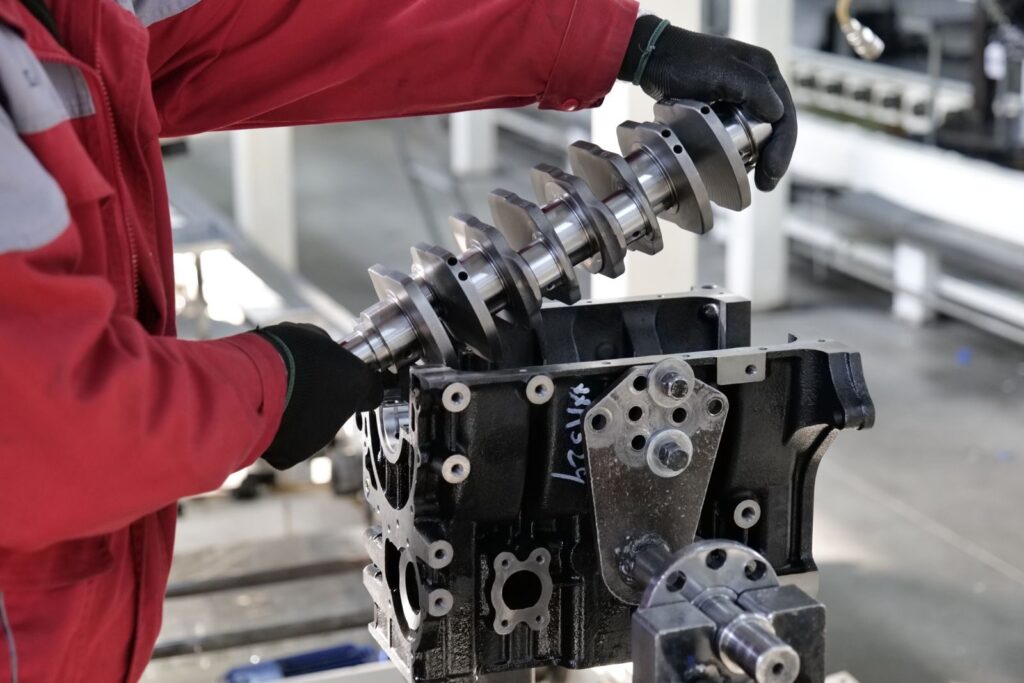
The investigation uncovered two manufacturing defects that had been introduced into the General Motors 6.2-litre L87 V8 engine. Firstly, sediment left in the engine from bearing machining could plug oil passages inside the connecting rods and crankcase oil galleries. The second, dimensional and surface-finish anomalies on the journals of the crankshaft had increased the rate of wear in these areas. Both of these anomalies could affect the capacity of the engine to lubricate the surfaces of metal components that are in contact with each other. Usually, a film of oil separates these surfaces and reduces the effect of friction, but when that film of oil was compromised, the heat generated by that much friction rapidly increased and the engine components could seize up.
Key Manufacturing Defects Identified:
- Machining sediment contaminates oil passages
- Crankshaft journals show surface irregularities
- Incorrect dimensions accelerate component wear
- Protective oil films break down
- Excessive friction causes mechanical seizure
The severity of these manufacturing problems cannot be overstated because the engine’s rotating assembly relies on good clearances and consistent lubrication. Contaminants within oil passages can disrupt the flow of oil to critical components, while rough or scuffed crankshaft journals can prematurely destroy bearing surfaces. When both of these conditions occur together, engines can experience a gradual, sustained loss of lubricating and cooling effectiveness. Both defects were tracked back to their common origins in GM production at the Tonawanda Propulsion plant. More importantly, the timing of these events can begin to explain why engines experienced massive internal failures instead of a minor, easily remedied fault. An understanding of these manufacturing issues is key to understanding what destroyed the engines during the engine teardown.
3. Inside the Engine Teardown of a Recalled GMC Yukon Denali
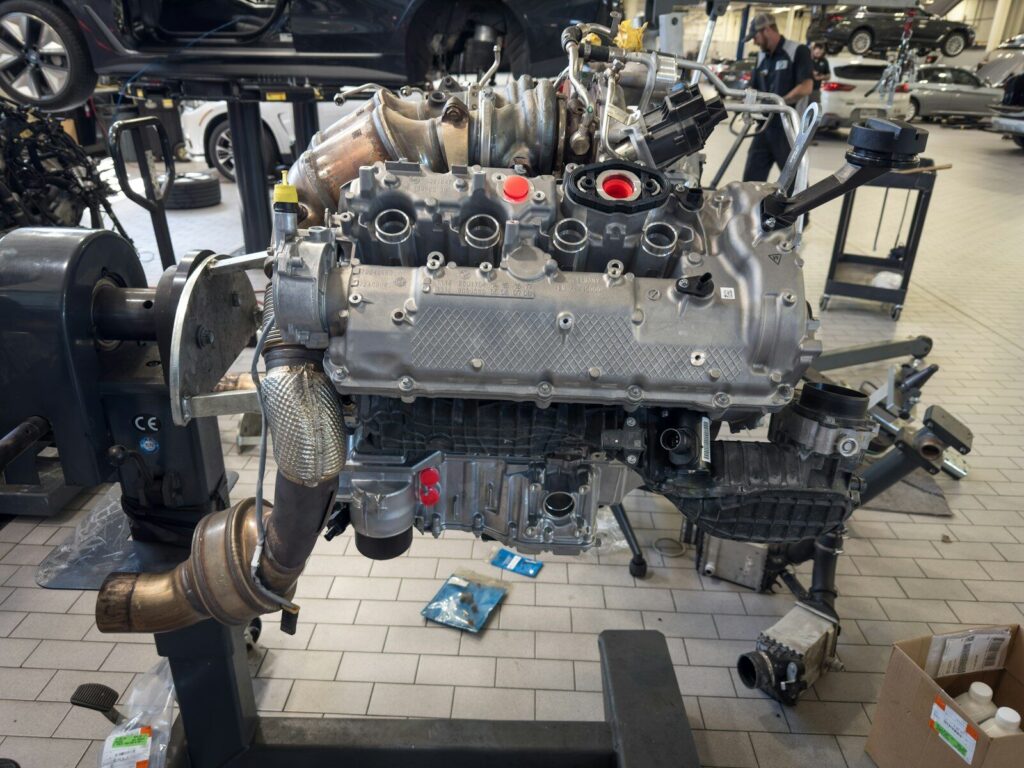
Car fans got a closer look at the failed component during a live engine teardown carried out by Eric, host of the YouTube channel I Do Cars. He pulled apart a 6.2-litre L87 V8 engine extracted from a recalled 2022 GMC Yukon Denali. The engine could be turned by hand, although that was in part thanks to a technician who had loosened a number of the crank assembly bolts. During the teardown, Eric was able to see the internal components to identify the damage caused by the manufacturing error, rather than just explain what was in the recall paperwork machinery with worn parts and significant lubrication failure.
What the Teardown Revealed:
- Recalled 2022 Yukon Denali engine
- Engine previously had loosened bolts
- Internal components showed widespread destruction
- Damage matched suspected manufacturing defects
- Rotating assembly suffered severe deterioration
Engine disassembly confirmed the internal damage was much more severe than what could be assessed from the outside of the engine. While the engine was initially able to turn, that did not necessarily mean the engine was internally still in working order. Further disassembly revealed damage to a number of engine components, illustrating more clearly exactly how the failure occurred. The results also correlated with the mechanical issues cited in the recall, specifically noting the severity of the parts that were affected because of poor lubrication. The inspection also demonstrated why it is necessary to examine an engine that has experienced knocking, overheating, or seizure on the piston and piston ring level. During disassembly the damage could be directly associated with manufacturing contamination and excess clearances.
4. Worn Pushrods and Damaged Lifters Reveal Early Warning Signs
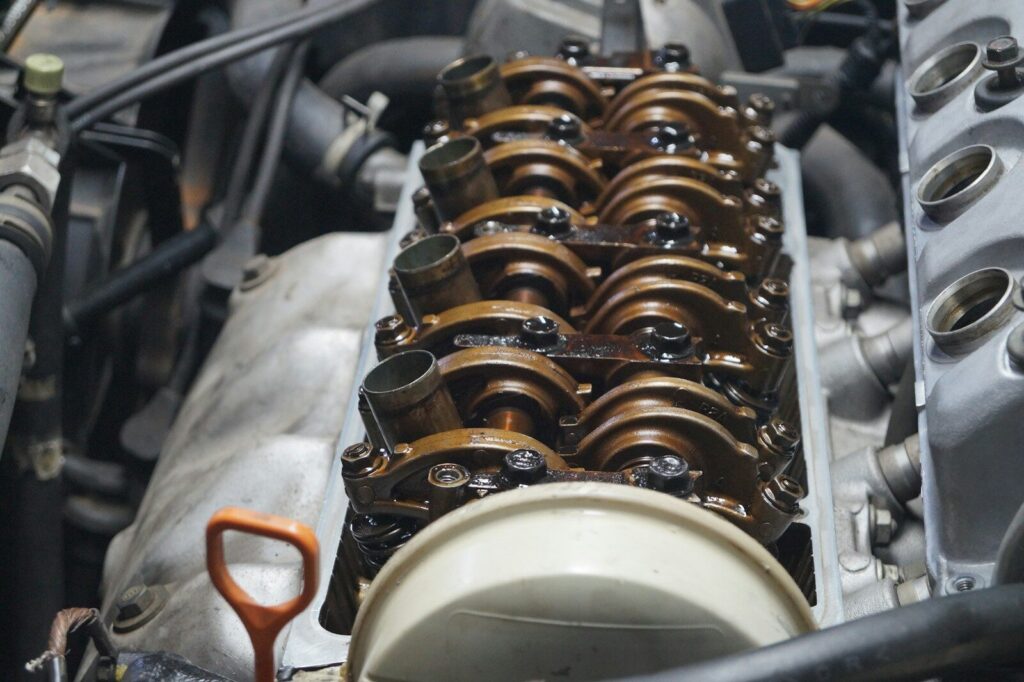
After removing the uppermost components of the engine and taking an initial look, the teardown didn’t look quite as sinister as we’d expected. There was typical oil residue on everything, and no obvious loose metal shavings. But upon removing the valve train components, that’s when the real damage became clear. Several of the pushrods had telltale signs of abnormal wear along the length of the shaft, indicating that the engine had been going beyond the minor issues indicated by the original inspection. When the mechanic removed all of the lifters, everything took a turn for the worse; all of the lifters had traces of metallic debris on their surfaces, and one roller had badly broken apart with a sizeable piece of metal missing.
Early Signs of Internal Engine Damage:
- Pushrods displayed abnormal shaft wear
- Lifters showed metallic debris exposure
- One lifter roller suffered severe damage
- A substantial metal chunk disappeared
- Initial oil residue appeared relatively normal
These observations went on to show that the engine could have sustained serious damage internally even though the upper levels of the engine might not show such damage immediately. The damaging of the lifters was a serious cause for concern as all these units were found to be contaminated with metallic debris. The damaged roller was even more indicative of the fact that these metallic components had failed after sustained use. Such failures were also likely to explain how the debris would have then flown throughout the engine, damaging other moving parts as well. However, on first glance the engine did not show signs of any loose metallic debris but once the examination was carried out the opposite was true.
5. Oil Breakdown and Destroyed Bearings Expose Severe Crankcase Damage
When the oil pan was removed, the severity of the internal damage to the engine became clear. Rather than a thin layer of golden liquid oil on top of the engine, the entire crankcase was filled with blackened sludge from top to bottom. This evidence of extreme thermal damage in the oil supplied confirmation that the affected engine had suffered severe heat buildup within the engine. A look at the engine’s rotating assembly also uncovered further evidence the wear surfaces on all eight connecting rod bearings had been worn clean, leaving behind a series of smooth, unblemished gold-colored surfaces. We got our photographic confirmation that the L87 V8 does, indeed, experience serious lubrication problems.
Evidence of Severe Crankcase Damage:
- Thick black sludge covered crankcase surfaces
- Extreme heat damaged engine lubricant
- Oil lost its protective properties
- All eight connecting rod bearings failed
- Bearing surfaces were completely wiped
What made the condition of the bearings so significant is that bearings have to be kept separated from a metal-to-metal contact by a proper oil film. So, if the lubrication gets too bad, it’s easier for a part to generate excess heat, and that same excess heat then leads to still more damage. The black sludge seen in the crankcase was an indicator of how badly the oil had become contaminated during operation, while the destruction of all eight connecting rod bearings indicated this was an entire rotating assembly that had gone down. The combination of the deteriorated oil and the obliterated bearings tells the story of just how a lubrication problem could quickly snowball into a full-scale mechanical failure inside the 6.2-litre V8.
6. Damaged Camshaft and Engine Block Show the Extent of Destruction
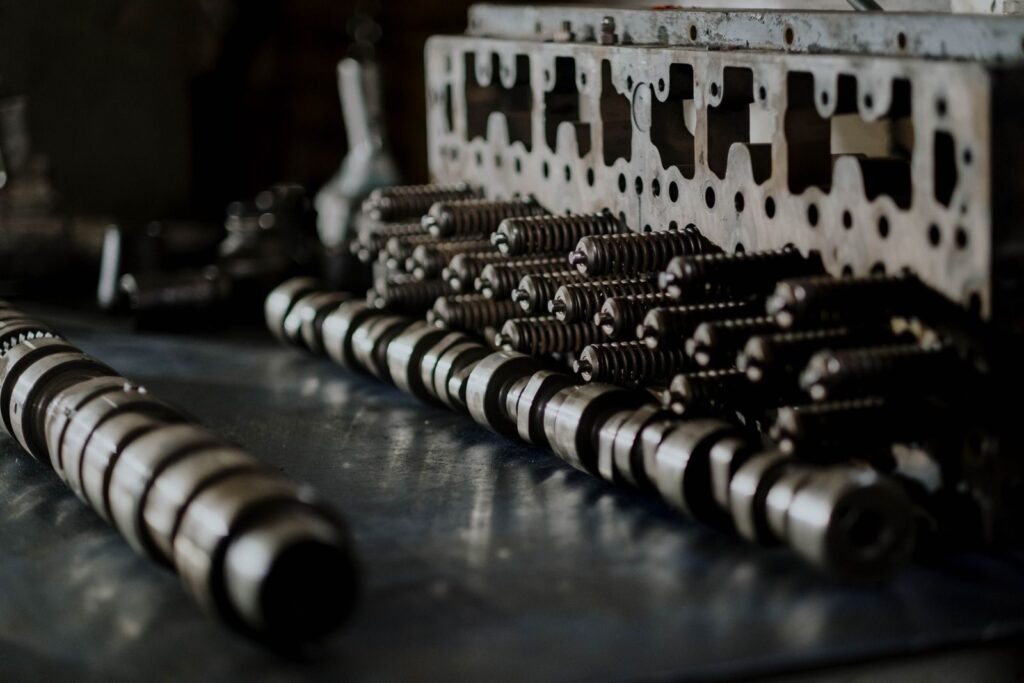
Digging into the engine block revealed other damage in addition to the connect rod bearing failure. One of the camshaft lobes was missing a large piece of metal, clearly showing that another key internal part had suffered severe wear. The front face of the block was heavily scored, and in fact the teardown revealed that the vibrating crankshaft had actually struck the aluminium casting. This indicated that the failure had gone beyond the degradation of lubricant and bearing surface, with multiple internals having taken damage so the engine has broken down into lots of smaller parts that can’t all be understood by looking at the single rotating assembly.
Major Components Showing Physical Damage:
- Camshaft lobe lost substantial metal
- Engine block face showed severe scoring
- Crankshaft struck the aluminium casting
- Rotating assembly suffered extensive deterioration
- Multiple internal components showed failure
The state of the damaged parts illustrated some of the types of problems that manufacturing contamination and improper clearances could have caused. When lubrication stops working and the parts wear faster, failures can propagate throughout the engine. The fact that the crankshaft was rubbing on the engine block was particularly indicative of the amount of movement or engine vibration taking place in the assembly; the destruction of the camshaft’s lobe highlighted the serious damage that other internal components had taken on. All of this went toward indicating that what we had was more than just a defective part: we were witnessing a series of engine failures that must have culminated in total engine replacement.
7. GM’s Recall Remedy Introduces Engine Inspections and Thicker Oil
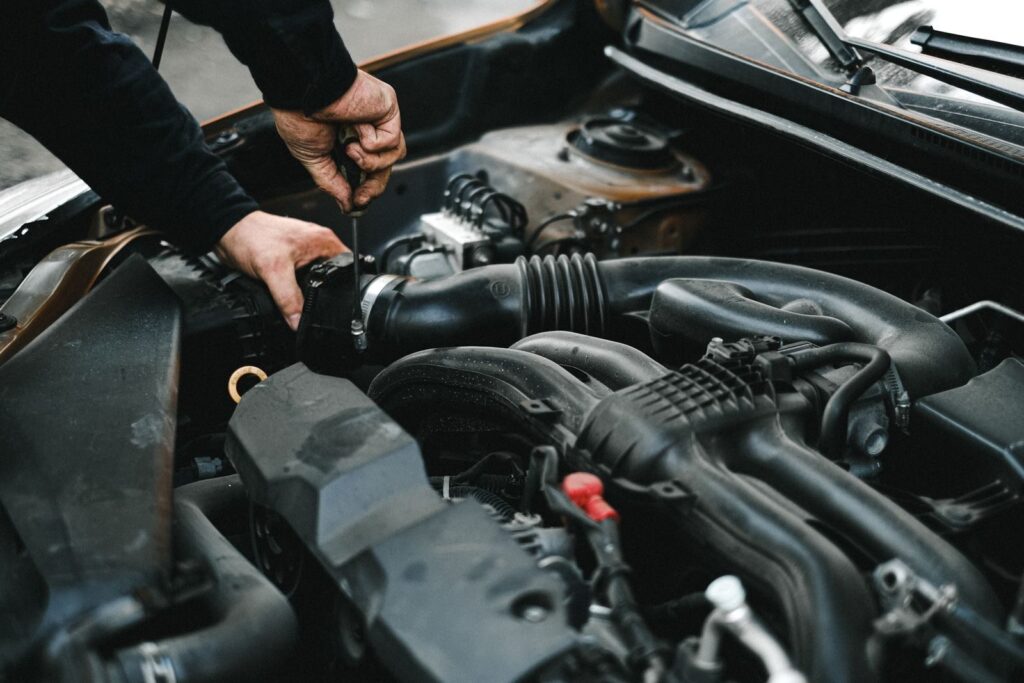
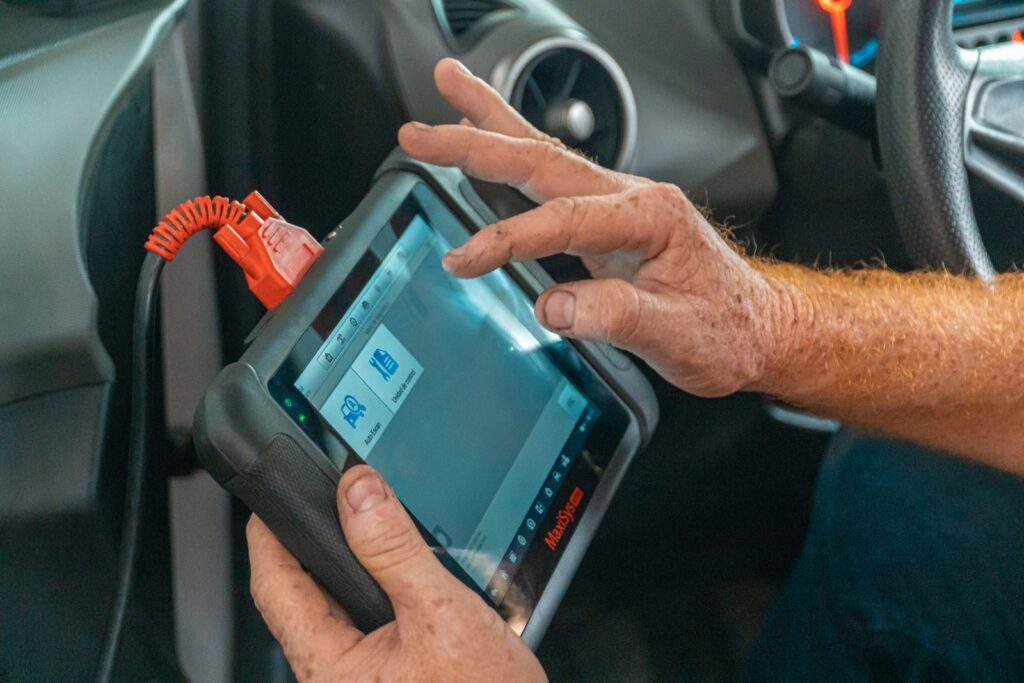
The company that makes the L87 V8, General Motors, have since issued a formal recall campaign 25V274 to deal with the failures. The repair starts with dealers who use a diagnostic tool to scan the engine for abnormal knocks, noises, and signs of internal damage. Should an engine be deemed as showing significant damage, or not pass the diagnostic test, GM will replace the engine with a new long-block at no charge. Engines that pass the diagnostic will get a different solution that, under the remedy, will have the aim of protecting the rotating assembly.
Key Steps in GM’s Recall Remedy:
- Dealership technicians inspect engine condition
- Diagnostic tools identify abnormal engine noises
- Severely damaged engines receive replacement
- Eligible engines receive revised maintenance
- Replacement long blocks supplied free
The service update also contains a change in the recommended engine oil specification. Vehicles will switch from using the original 0W-20 engine oil that was factory fill to the slightly thicker 0W-40 grade. GM’s goal is to supply a thicker film of lubricant, which would better protect engine bearings and crankshaft journals at high temperatures. A new oil filter is installed by the dealer, with the oil filler cap replaced by a new version labeled “0W-40”, and revised owner’s manual documentation provided to dealers to replace what is in the vehicle’s owner’s manual. This remedy is meant to provide enhanced protection to properly functioning engines, and a different approach is necessary for engine already suffering major damage.
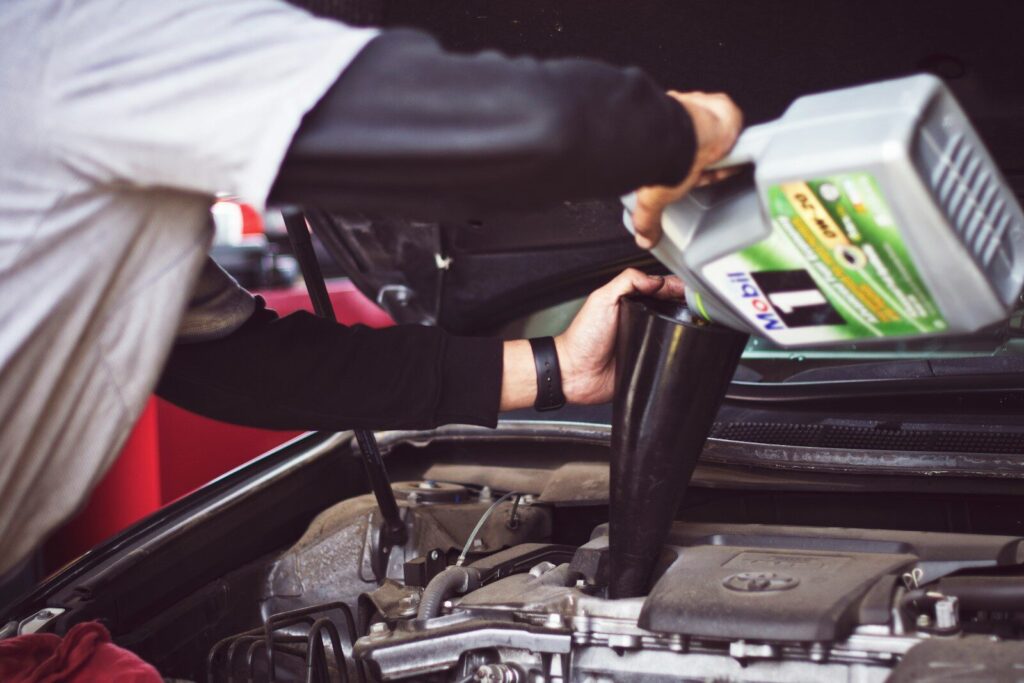
8. Owners Challenge the 0W-40 Oil Change as an Incomplete Solution
Even with GM’s capsulated recall, the new specification for the oil has been heavily criticized by owners of the car. Owners question if the switch from 0W-20 to 0W-40 is a band-aid solution or a real fix for the manufacturing flaws. GM and others have argued that high-viscosity oil has no ability to magically reverse the crankshaft journal scoring or pull the machining debris from within the engine’s oil galleries. This concern centers on whether or not the oil change would be enough to remedy the damage that has been caused by debris and deformed surfaces from the engine’s components. Car owners also wish to know what the indefinite future holds in terms of costs that may be associated with the new specification including driving reduced fuel economy.
Concerns Raised by Vehicle Owners:
- Thicker oil cannot reverse existing scoring
- Trapped machining sediment may remain
- Manufacturing defects require effective solutions
- Lawsuits allege reduced fuel economy
- Owners face potential long-term costs
In a class-action lawsuit against VW, the car maker has been accused of causing a permanent fuel economy hit of three to four per cent by switching to a 0W-40 oil. That, of course, would mean owners would pay a fuel surcharge for as long as they kept their cars. That fear of either being hose to high heaven or haulin’ in some desperate mileage has led to a fair bit of anger among owners and a wringing of hands among pundits who want to know whether the remedy hit is getting to the root of the problem, or merely lavishing additional lubrication on the engine. The argument is that VW should have eliminated the cause of the failures rather than cleaning up the engines with a new oil.
9. NHTSA Investigates Continued Engine Failures After Recall Repairs
Fears over the lasting effectiveness of the company’s proposed recall remedy prompted the National Highway Traffic Safety Administration to begin a follow-up investigation in early 2026. The probe aims to determine whether a sense of the repair measures that services users received under recall 25V274 are properly resolving engine issues. Over 1,000 consumer complaints have been submitted on vehicles that experienced continued engine issues after receiving a recall remedy. Dozens of official Vehicle Owner Questionnaires document engines that continue to experience stalling or catastrophic mechanical failure after receiving a recall remedy.
Post-Recall Problems Under Investigation:
- Follow-up investigation launched in early 2026
- Over 1,000 consumer complaints reported
- Some engines failed after recall servicing
- Vehicle owners reported continued stalling
- Catastrophic failures raised further concerns
One particularly troubling complaint involved a GMC Yukon Denali whose engine reportedly failed completely at a traffic light after only 3,000 miles had elapsed since the recall fix was installed. This example points out why an ongoing review of complainant data is critical to evaluating the success of a solution to a widespread mechanical problem. While a recall repair is supposed to temporarily fix a specific defect, reports of further breakdowns can nonetheless lead to concerns that the remedy may not be enough for all cars potentially affected by the mechanical failure. The follow-up probe allows regulators to analyze these claims and determine if GM is doing enough. For owners, this ongoing complaints process shows why it is wise to keep track of back-to-back problems and get repair help if engine trouble persists after the recall.
10. Newer Models, Recall Checks and Steps Owners Should Take
Vehicles of model year 2025 equipped with the 6.2-litre L87 V8 do not have to undergo safety recall 25V274. The automaker told us that it performed “full production-level vehicle build modifications” at its Tonawanda Propulsion plant on or before 1 June 2024 that addressed the internal contamination and crankshaft dimensional issues identified in the investigation, with the intention that the redesigned engine assemblies will leave the factory clean and with the proper clearances. Legal investigators are still keeping an eye on whether 2025 owners might encounter other reliability issues as a result of certain parts, like the Dynamic Fuel Management system. The exemption from the safety recall doesn’t negate the need to monitor the condition of one’s vehicle and follow all relevant maintenance recommendations.
Essential Steps for L87 V8 Owners:
- Check your vehicle’s recall status
- Verify the VIN through NHTSA
- Schedule required dealership inspections promptly
- Monitor unusual engine noises carefully
- Keep complete maintenance and service records
All owners of 2021-2024 trucks and SUVs should check their VIN on NHTSA site or with local dealer to see if they are impacted. In a worst-case scenario, they will need to make an appointment for inspection or service as soon as possible. Stay alert for cold-start ticking, deep mechanical knocking and low oil pressure warnings, as well as a sudden loss of power. Keep a record of oil changes, visits to the dealership, diagnostic reports and all texts and letters from the manufacturer and dealer, and always make sure you’ve followed GM’s new oil rules. All of these are good ideas that can help owners manage the ongoing ambiguity of the L87 V8 recall while offering a sense of control and ownership.