




Lexus Lifespan and Expected Mileage: A Comprehensive Model Reliability Breakdown

Lexus cars were designed from the ground up to marry luxury with comfort and mechanical integrity over the long run. As is the case with many luxury cars, they become more complex and expensive the longer you keep them. That being said, the owner’s history of the average Lexus vehicle indicates that they continue to be able to achieve upwards of 250,000 to 350,000 miles. This equates to roughly 15-20 years of everyday driving while not sacrificing the comforts you expect from Lexus vehicles.
Certain robust body-on-frame vehicles from this same brand can push this number well beyond 400,000 or 500,000 miles. It’s attributed to Lexus’s patient approach to engineering, solid powertrains and platforms that are time-tested, and easy access to parts. Lexus tends to take perfectly good mechanicals, polish them up a bit, without overcomplicating them just for the sake of seeming hi-tech. That balance allows much of Lexus to deliver a luxury ride without sacrificing the basic hardiness and repairability that you’ve always counted on to get you home when driving a proper Toyota.
There are other key factors in achieving those higher mileages, and responsible ownership. Maintaining regular oil, transmission-fluid changes, water-pump replacement, ensuring corrosion protection, and understanding potential problems specific to your Lexus model will affect its length of life. Lexus vehicles also age differently; an ES sedan driven gently will likely outlive a more aggressively used IS sedan, and a GX that has spent many years in road salt could need more protective attention, so learn what factors affect the specific Lexus model you wish to purchase, and inspect and care for it accordingly.
1. Why Lexus Vehicles Last So Long
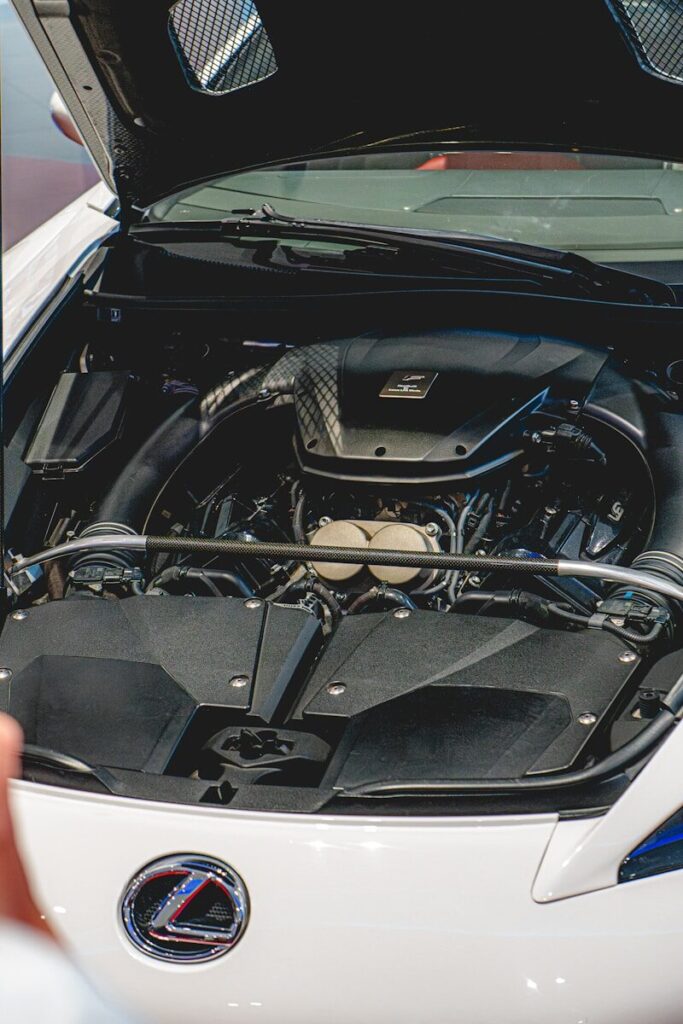
Thanks to Toyota, Lexus has years of knowledge of producing durable vehicles with world relevance to draw from. Most of Lexus engines, transmissions, hybrid systems and chassis, for example, are optimized versions of parts used in enormous production numbers, meaning flaws can be identified and corrected while ensuring easy replacement with parts is continued. It relies more on utilizing trusted mechanicals with additionals like better materials, a better insulated cabin, more features, and finer suspension settings than it relies on entirely exotic hardware to create luxury.
Foundations of Long-Term Lexus Reliability:
- Proven Toyota engineering supports durability
- Conservative powertrains reduce mechanical stress
- Shared components improve parts availability
- Familiar systems simplify independent servicing
- Durable platforms support extended ownership
Conservatism Long Term Reliability While other manufacturers push components hard to extract maximum output Lexus usually favors a conservative power delivery. If the engine isn’t always running at the top of its potential with regard to cooling, timing, electronics and forced induction; it’s probably working under less stress with mileage well into the hundreds of thousands. This isn’t to say a Lexus is incapable of problems, it just exposes the vehicle to fewer problem prone systems compared to its competition.
Another real world benefit of many of these older Lexus’s is the ready availability of replacement parts. Lexus commonly use many of the same parts as their Toyota cousins, which can make them significantly cheaper and easier to find than rare or custom parts needed for many specialty luxury cars. These many of these systems are also the kind of thing many independent mechanics have seen and know about how to repair it, meaning you aren’t beholden to a dealership whenever something needs routine attention.
2. Lexus RX Lifespan and Common Maintenance
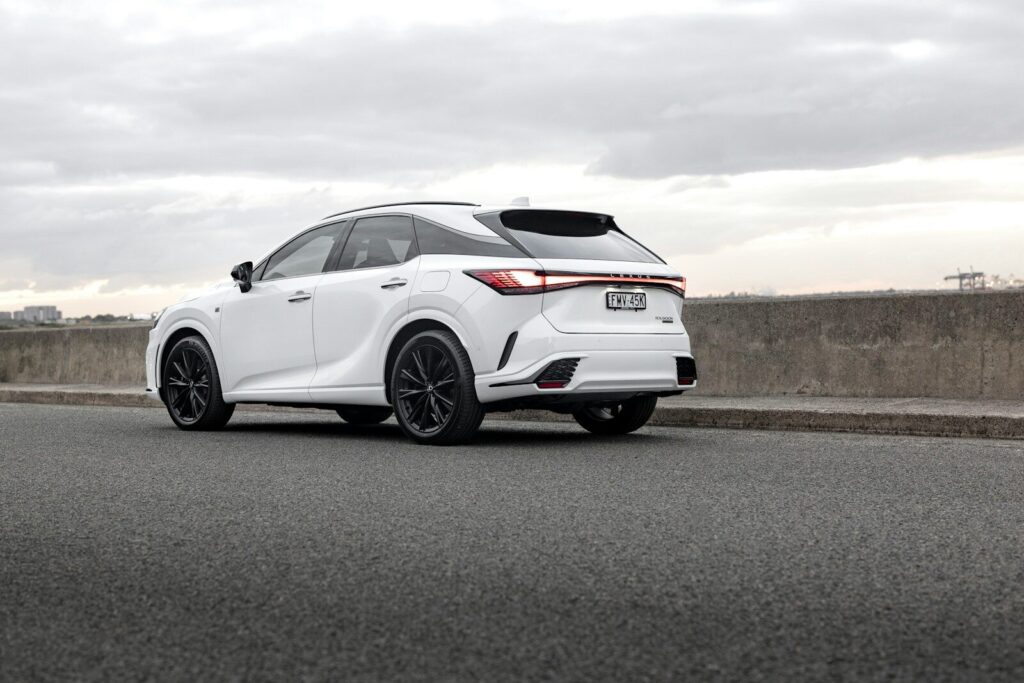
The Lexus RX is pretty much the gold standard for a trustworthy luxury crossover. With decent care, plenty of these well maintain RX crossovers can go for 250,000 to 300,000 miles and that’s why people always snatch them up. Plus finding both readily available parts and well-qualified mechanics is quite easy too for the vehicle. It doesn’t tend to reach the dizzyingly levels of complexity sometimes present with luxury European SUVs and its comfy and easy driving experience has helped many find them the perfect people-hauler for a number of years.
Important Lexus RX Maintenance Requirements:
- Lifespan reaches approximately 300,000 miles
- Early transmissions need regular fluid changes
- Steering racks may develop leaks
- Water pumps require timely replacement
- Direct-injection engines need carbon cleaning
Although the earliest 1999-2003 versions of the RX 300 are built to last, their U140F automatic gearbox will need good service. Draining the fluids around every 30,000 miles will slow down wear on the internal components and keep shifts smooth, but neglect can easily lead to transmission failure no matter what the car’s overall value is. Check the previous owner’s service history if buying one of the earlier examples, as there’s no guarantee that even one will be free of mechanical fault.
The 2004-2009 RX 330 / 350 use tough V6 engines; however, they may not last the lifetime of the vehicle without leakage of power steering racks (expect 150k), and dashboards often develop cosmetic cracks with time. On 2010-2015 RX 350 models, water pump failure by 100-130k is common. On more modern 2016-2022 DI models, an 80-100k mileage walnut blast may keep the intake valves clean.
3. Lexus ES Lifespan and Reliability
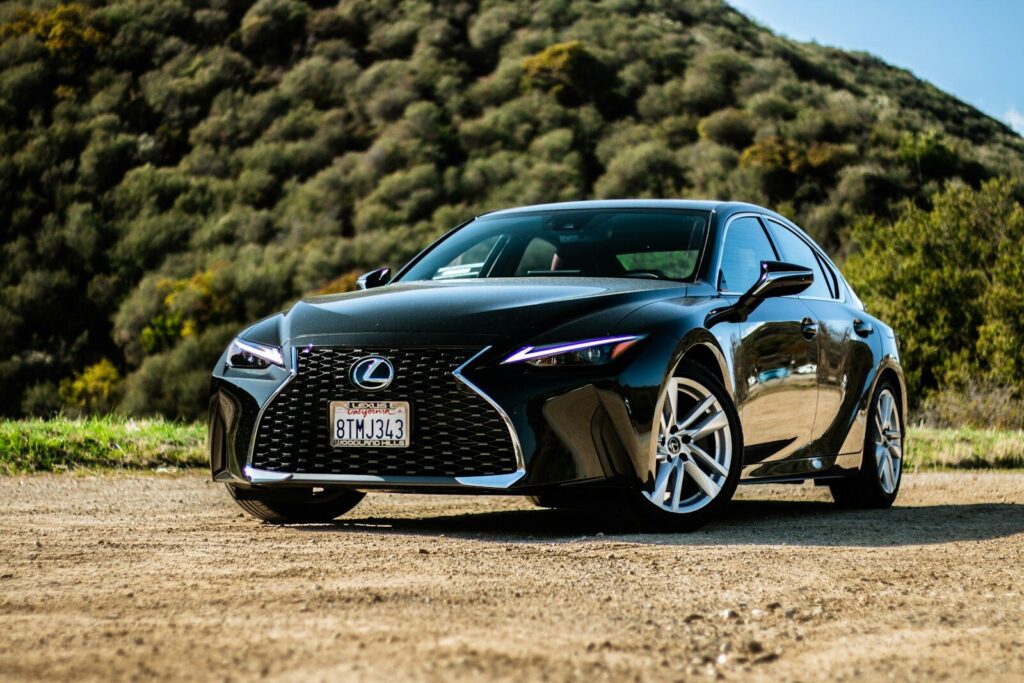
For ultimate sedan durability from the brand, the Lexus ES is one of the top candidates. While its underlying platform architecture, engineering and powerplants are closely related to the Toyota Camry, you’ll notice a more hushed, luxurious interior as well as a more compliant drive. Well-maintained examples will often exceed 250,000 and even 350,000 miles. Since the ES isn’t a sporty sedan, it generally avoids being pushed hard, thus saving wear and tear on the engine, transmission, suspension and brakes.
Factors Supporting Exceptional ES Longevity:
- Camry-based engineering provides proven reliability
- Gentle driving reduces component wear
- Synthetic oil prevents engine gelling
- Reliable V6 requires limited repairs
- Modern hybrids improve operating efficiency
Older ES 300 and ES 330 models produced between 1997 and 2006 require disciplined oil maintenance. Their 1MZ-FE and 3MZ-FE engines can experience oil gelling when service intervals are neglected or poor-quality oil remains in use too long. Synthetic oil changes approximately every 5,000 miles significantly reduce this risk. A documented maintenance history is particularly important because existing internal deposits may not become obvious during a short inspection or routine test drive.
The 2007 to 2018 ES 350 uses Toyota’s highly regarded 2GR-FE V6. Its main significant maintenance requirement is generally water-pump replacement between approximately 100,000 and 120,000 miles. Models produced from 2019 onward use the TNGA platform, improving body rigidity, efficiency, and driving refinement. The ES 300h also uses a fourth-generation hybrid system, delivering strong fuel economy without compromising the durability expected from the ES during high-mileage daily driving.
4. Lexus IS Lifespan and Generation Differences
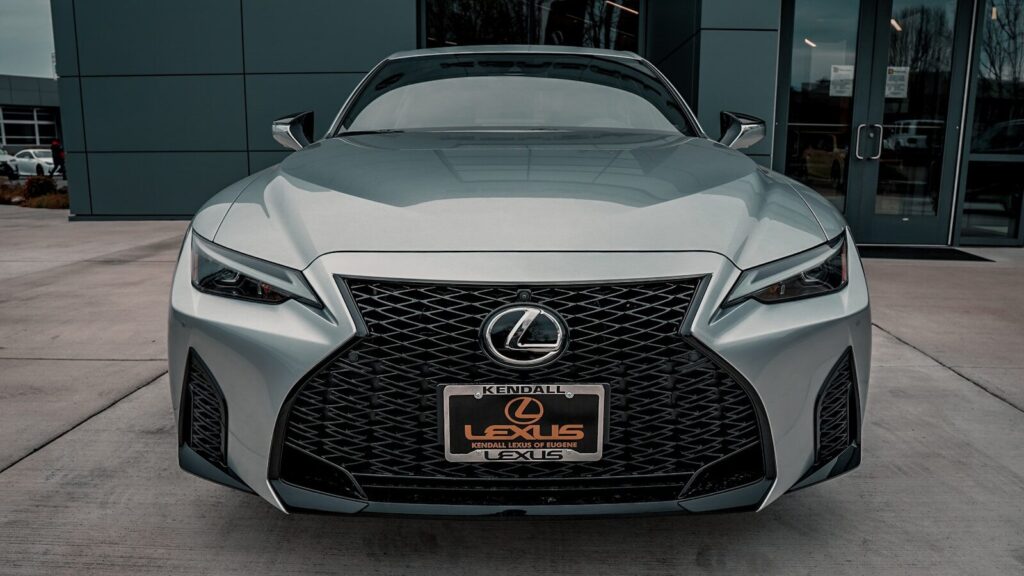
However, I expect the average lifespan of the Lexus IS to be between 200,000 and 280,000 miles. This is a respectable age for a compact luxury sport sedan, though somewhat less than what I estimate for the ES model, given drivers can be more inclined to tap into its sporting capabilities, as well as some wear being incurred by the sport-tuned suspension and more intricate chassis components. Still, when well-cared for, the IS should serve its owners well for many years and is quite a bit more fun to drive than Lexus’ more sedately equipped offerings.
Key Differences Between IS Generations:
- Lifespan can reach 280,000 miles
- Sporty driving creates additional wear
- Original models feature durable 2JZ engines
- IS 250 suffers carbon buildup
- Newer generations remain mechanically dependable
The stock 2001-2005 IS300 is admired primarily for its 2JZ-GE inline-six. The engine is famously bulletproof; though it seems automatic transmission vehicles may start being prone to hard shifting in the 150k or so mileage. Check its full service history and smooth operation when you’re looking at older IS300s. Also understand that although the 2JZ is famously robust, materials other than the long-life engine have age limits over two decades of existence so inspect all rubber parts of the suspension, etc.
Among the 2006 to 2013 models, the IS 350 is often favored over the IS 250. The direct-injected 2.5L engine that powers the IS 250 is also prone to building up significant amounts of carbon deposits in the intake valves. As an added maintenance item to worry about, in third generation IS 300s and IS 350s after 2014, the powertrain is strong and minor electrical issues are the more commonly encountered problems over outright powertrain failures. Careful engine choice and verified maintenance schedules will have significant impact on the long-term reliability of ownership.

5. Lexus GX Durability and Ownership Concerns
One of the best offers from Lexus to anyone looking for the most durable luxury vehicles on the planet is the Lexus GX. This car is built on a stout body-on-frame chassis that it shares with the Land Cruiser Prado as well as engineering that’s tied into the 4Runner. Well-maintained versions can easily reach or exceed 300,000-400,000 miles. It offers its buyers off-road chops, towing power along with luxury which are elements the GX can provide to those requiring a truck-based SUV over more of a glorified car-a crossover.
Major Lexus GX Ownership Considerations:
- Lifespan exceeds 400,000 miles
- Rugged platform supports demanding use
- V8 engine provides exceptional durability
- Air-injection systems may require repairs
- Frame corrosion needs preventive treatment
The 4.6-litre V8 is notorious for its mechanical robustness. As long as the vehicle gets regular oil changes, good cooling system service and its transmission gets serviced regularly, the engine should not have problems for a very long time. Between 100,000 and 150,000 miles the secondary air injection system may stop working, costing between $500 and $1,000 to repair or to build and fit an overflow bypass modification costing some $200, although such an upgrade should always be checked with authorities and local emission rules of your country.
Another top concern, especially for owners in northern salt belt areas, is frame corrosion on GX and body-on-frame SUVs in general. Road salt and moisture accumulating on exposed undersides of bodies held up on frames will eat through those members and compromise integrity over time. In the 100-200 range, undercoating an SUV annually will likely keep the chassis going a lifetime or better. Regardless of the reliability of the motor, a frame eating through may make the GX undrivable or non-repairable far sooner.
6. Lexus LX Long-Term Endurance
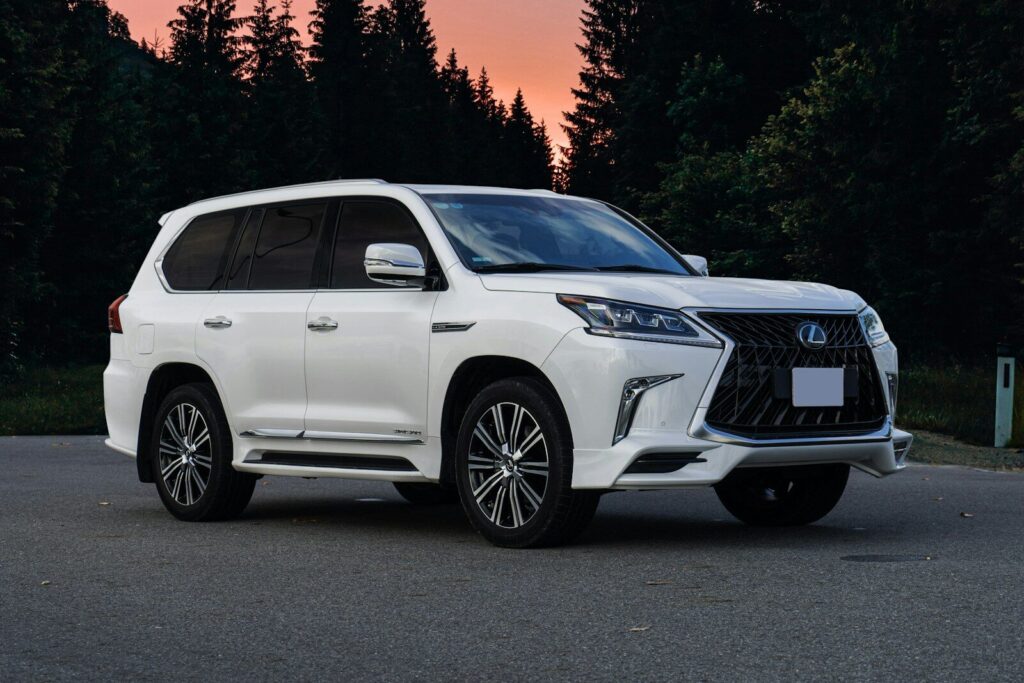
It’s Lexus’ best luxury vehicle in a traditional SUV, hard-worn form. Atop global Toyota Land Cruiser underpinnings, the LX is designed with a robust body-on-frame chassis underneath a sumptuous and well-appointed cabin. With diligent maintenance, the Lexus LX will continue to run for a 300,000-to-500,000-mile span, if not beyond. That makes the LX quite possibly the last-longest-lived luxury SUV you’ll ever need or buy in essence, engineering to last in harsh climes, isolated spots and rugged operational conditions.
Reasons Behind Outstanding LX Endurance:
- Land Cruiser platform delivers durability
- Lifespan can exceed 500,000 miles
- Heavy-duty construction handles demanding conditions
- Durable V8 avoids frequent repairs
- Regular servicing preserves drivetrain strength
Produced between 2008-2021, all LX uses an excellent, long-wearing 5.7 litre V8 engine, generally less problematic with fewer major issues compared with many high-end, performance-luxury SUV engines. Regular fluid maintenance, cooling system care, and proactive component replacement are still necessary. Since the LX is both big and heavy, it makes good sense to check out suspension, brakes, driveline, and underbody of vehicles being evaluated for wear-whether it be previously toed and-or been used for rough, off-roading duty.
The LX’s major trade-offs are gas economy, the price of tires and ownership of a big luxury car over and above powertrain durability, even though the powertrain should prove solid. A big body, and its accompanying weight, are going to lead to higher daily and weekly costs regardless of which reliable mechanical bits it has. Big luxury parts and systems can also be costly to repair as they get on in years. Prospective buyers need to get past good long-term mechanical life for the lowest overall cost, although if you plan long-term, the LX is good for exceptionally high miles if the budget is appropriate for maintaining that capability.

7. Lexus Maintenance Costs Compared With Rivals
Lexus generally costs less to maintain after its original warranty expires than many competing luxury brands. Between the fifth and tenth years of ownership, a typical Lexus may require approximately $500 to $800 in average annual maintenance. Actual expenses depend on the model, mileage, condition, and regional labor rates, but the overall pattern remains favorable. Proven mechanical components reduce exposure to complex repairs that can make an older luxury vehicle financially difficult to justify.
Average Annual Luxury Maintenance Costs:
- Lexus averages $500 to $800
- BMW can exceed $1,800
- Mercedes-Benz may reach $2,000
- Audi averages up to $1,700
- Acura remains closer to Lexus
Comparable BMW models may require around $1,200 to $1,800 annually, while Mercedes-Benz ownership can average between $1,200 and $2,000. Audi estimates frequently fall between $1,100 and $1,700. These higher figures reflect complicated cooling systems, air-suspension faults, oil leaks, timing-chain concerns, electronic failures, and specialized labor. Japanese competitor Acura sits closer to Lexus but may still average approximately $600 to $900 annually because of occasional transmission and air-conditioning compressor repairs.
A Lexus often feels closer to maintaining a well-equipped Toyota than a specialized European performance vehicle. Routine costs commonly involve predictable wear items such as brake pads, tires, fluids, batteries, and occasional water-pump replacement. Shared Toyota components are generally easier to source and more affordable. This does not mean every repair is inexpensive, especially on flagship models, but Lexus owners are less exposed to recurring failures that can exceed an older vehicle’s remaining market value.

8. Oil and Transmission-Fluid Maintenance
Regular synthetic oil changes are among the most effective ways to help a Lexus reach its full mileage potential. An interval of approximately 5,000 to 7,500 miles provides reasonable protection for many engines, depending on conditions and manufacturer guidance. Short journeys, extreme temperatures, heavy traffic, towing, and extended idling may justify more frequent servicing. Clean oil reduces internal wear, controls deposits, and helps prevent the oil-gelling problems associated with neglected older Lexus V6 engines.
Essential Fluid Maintenance Practices:
- Use high-quality synthetic engine oil
- Follow appropriate mileage-based service intervals
- Consider time alongside annual mileage
- Replace transmission fluid around 60,000 miles
- Always use manufacturer-approved fluid specifications
Owners should not assume that low annual mileage makes oil maintenance unnecessary. Moisture, fuel dilution, and combustion byproducts can contaminate engine oil even when the vehicle covers relatively short distances. Service intervals should account for both time and mileage. Maintaining clear records also improves resale value and gives future buyers evidence that the engine received consistent care. A dependable powertrain can only achieve its expected lifespan when routine maintenance occurs before visible damage develops.
Transmission-fluid maintenance deserves similar attention. Although Lexus may describe the fluid in some models as a “lifetime fill,” many experienced technicians recommend draining and replacing it around every 60,000 miles. Fresh fluid supports lubrication, temperature control, and smooth gear engagement. Owners should use the correct specification and avoid careless procedures on high-mileage transmissions with unknown histories. A measured maintenance approach can preserve refined shifting and prevent premature wear throughout decades of regular vehicle use.

9. Water Pumps, Carbon Cleaning, and Hybrid Batteries
Water-pump condition becomes particularly important as a Lexus approaches 100,000 miles. A small coolant leak may appear harmless, but allowing it to worsen can reduce coolant levels and eventually cause severe overheating. Replacing the pump when seepage appears can prevent much more expensive engine damage. The service point varies by model, but many Lexus V6 engines require attention between approximately 100,000 and 130,000 miles, making inspections during this period especially worthwhile.
Important Long-Term Mechanical Service Areas:
- Inspect water pumps near 100,000 miles
- Repair coolant leaks before overheating
- Clean direct-injection intake valve deposits
- Monitor long-term hybrid battery condition
- Keep battery cooling intakes unobstructed
Newer direct-injection engines, including certain 2016-and-later RX and IS versions, may accumulate carbon on their intake valves because fuel no longer washes across these surfaces. Walnut-blast cleaning every 80,000 to 100,000 miles can remove deposits and preserve smooth performance. The procedure may cost approximately $400 to $600. Not every vehicle requires cleaning at exactly the same point, so symptoms, inspections, driving patterns, and professional advice should guide the decision.
Lexus hybrid batteries generally demonstrate strong longevity and can last between 200,000 and 300,000 miles. Battery condition depends on age, climate, cooling-system cleanliness, usage, and charging cycles. Replacement costs have declined and may range from approximately $2,000 to $3,000, depending on the model and whether new, refurbished, or independent repair options are used. Keeping the battery’s cooling intake clean can reduce heat buildup and help extend its effective operating life.
10. Preventive Care and Smart Lexus Ownership
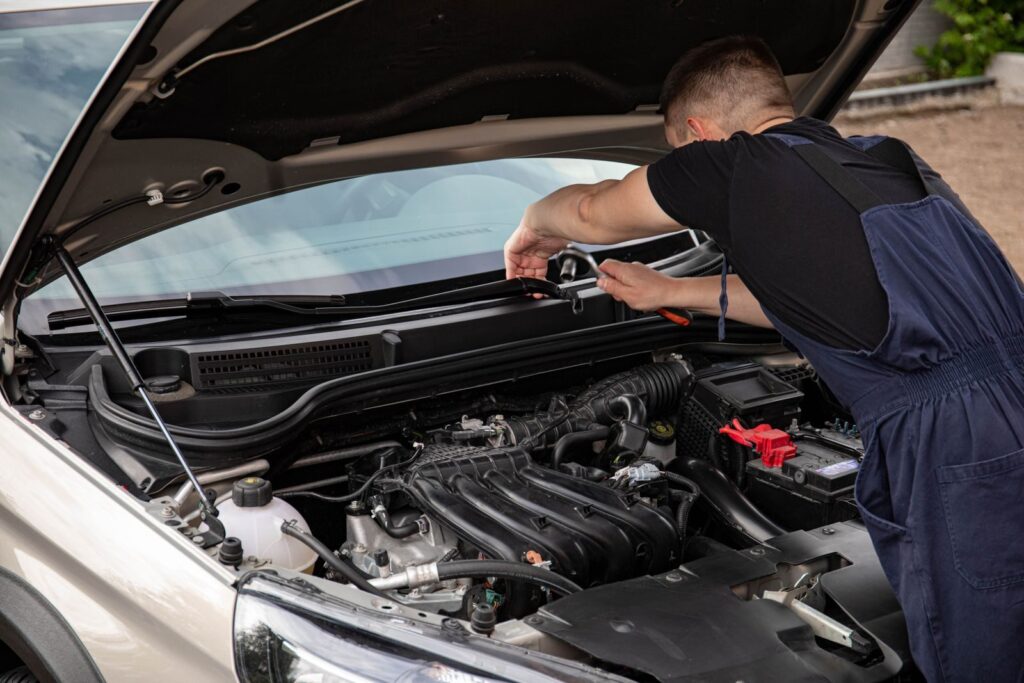
Generation-specific knowledge helps owners address small problems before they become expensive. GX drivers should monitor secondary air-injection components and frame condition, while older RX owners should watch for power-steering leaks and dashboard cracking. Some models may develop sunroof drainage problems between approximately 20,000 and 30,000 miles. Clearing blocked channels early can prevent water from entering the cabin, damaging interior materials, causing unpleasant odors, or affecting sensitive electronic components beneath carpets and panels.
Smart Practices for Long-Term Ownership:
- Research known generation-specific vehicle concerns
- Maintain complete and accurate service records
- Arrange professional pre-purchase vehicle inspections
- Address leaks before serious damage
- Prioritize condition over odometer mileage
A thorough pre-purchase inspection remains essential when buying any used Lexus. Brand reputation cannot compensate for neglected oil changes, collision damage, corrosion, overheating, or poor ownership. Service records, fluid condition, warning lights, suspension noises, tire wear, and leaks should all be reviewed. A high-mileage Lexus with documented maintenance may represent a safer purchase than a lower-mileage example with an unclear history. Condition and care frequently matter more than the odometer reading alone.
Choosing a Lexus can offer an effective balance between premium comfort and long-term financial practicality. With timely servicing, sensible driving, and attention to known model-specific concerns, many examples can provide hundreds of thousands of dependable miles. The brand’s greatest achievement is not simply building vehicles that last, but making luxury ownership manageable after the warranty expires. For buyers seeking refinement without excessive repair risk, a carefully selected Lexus remains a compelling long-term choice.