

The Automotive Design Shift: How Polarizing SUVs Evolved into Luxury Range Rover Lookalikes
Cars are an artistic form in and of itself and elicit all kinds of feelings about them, but automotive history shows us a number of cars that brought people into collective bafflement. It seems that designing good-looking SUVs is hard and creating bad-looking ones is ridiculously easy, which led to some of the worst-looking shapes in automotive history ever created. In the last few decades, a few big manufacturers have tried their hands at styling and created quite a few memorable design blunders that serve as examples of the ways you shouldn’t do things.
But this isn’t the end of the story because the market that created these design flops has managed to change quite dramatically. Modern budget-friendly SUVs now feature luxurious styling reserved for premium luxury brands in the past, proving that there is indeed room for improvement in any budget-friendly vehicle’s design. From painful plastic-body cladding flops to sleek modern lookalikes that borrow a lot from Range Rover, let’s take a look at how that design revolution has come into being.
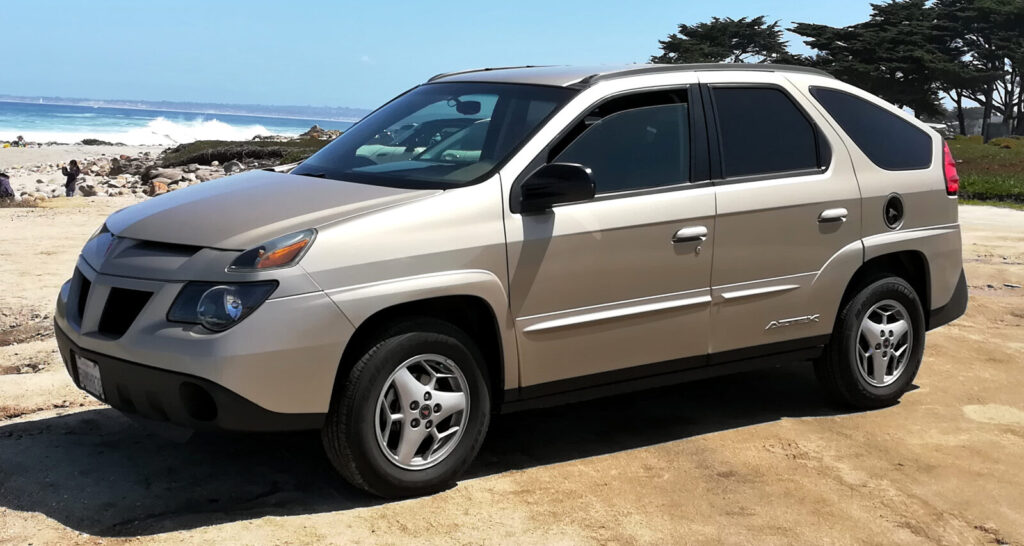
1. Pontiac Aztek
The Pontiac Aztek represents one of the biggest monuments to design going into oblivion. Featuring heavy plastic body cladding, awkward proportions and geometric lines, the Aztek quickly became a subject of derision all over the automotive world and earned a reputation that has remained with it ever since, becoming a hallmark of an absolutely terrible-looking vehicle.
Pontiac Aztek Design Missteps:
- Heavy plastic body cladding
- Irregular, awkward geometric lines
- Ungainly overall proportions
- Awkward rear glass line
- Misshapen, poorly integrated headlights
However, its awkward rear glass line, misshapen headlights and burrowing stance overshadowed its practical cabin and clever utility features that in their turn represented quite innovative ideas back in the days of its release. But the Pontiac Aztek has become a perfect example of what can happen to a well-engineered and clever vehicle if its design is a total failure.
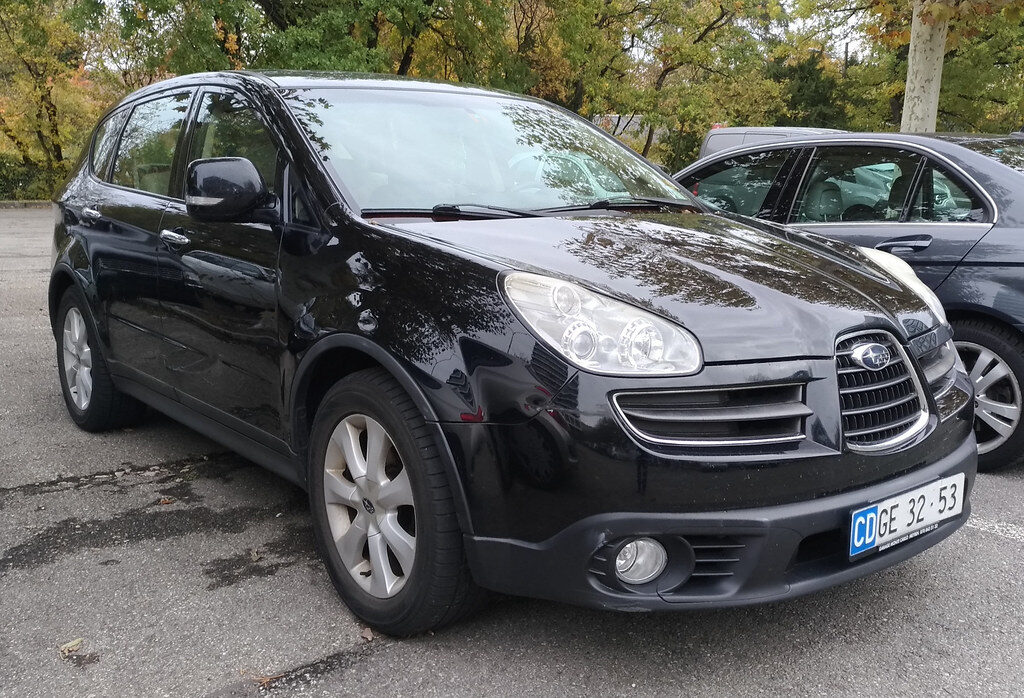
2. Subaru B9 Tribeca
Subaru was not spared the fate of design disaster either with its original B9 Tribeca, released in 2006. Trying to pay tribute to Japanese aviation history, the designers fitted the front of the SUV with a centrally located propeller or flying gill that represented an aircraft’s grill and unfortunately turned out to be quite a failure.
B9 Tribeca Styling Struggles:
- Aviation-inspired propeller grille
- American buyers largely rejected
- Bland, minivan-like body profile
- Lacked rugged SUV presence
- Multiple failed styling revisions
Unfortunately, American buyers refused the aircraft-inspired grill and the rest of the body design was quite bland and minivan-like, failing to represent the rugged SUV presence expected from it. Subaru tried multiple times to change the styling of the B9 Tribeca without success until the company replaced the model line completely.
3. Jeep Cherokee (2014-2018)
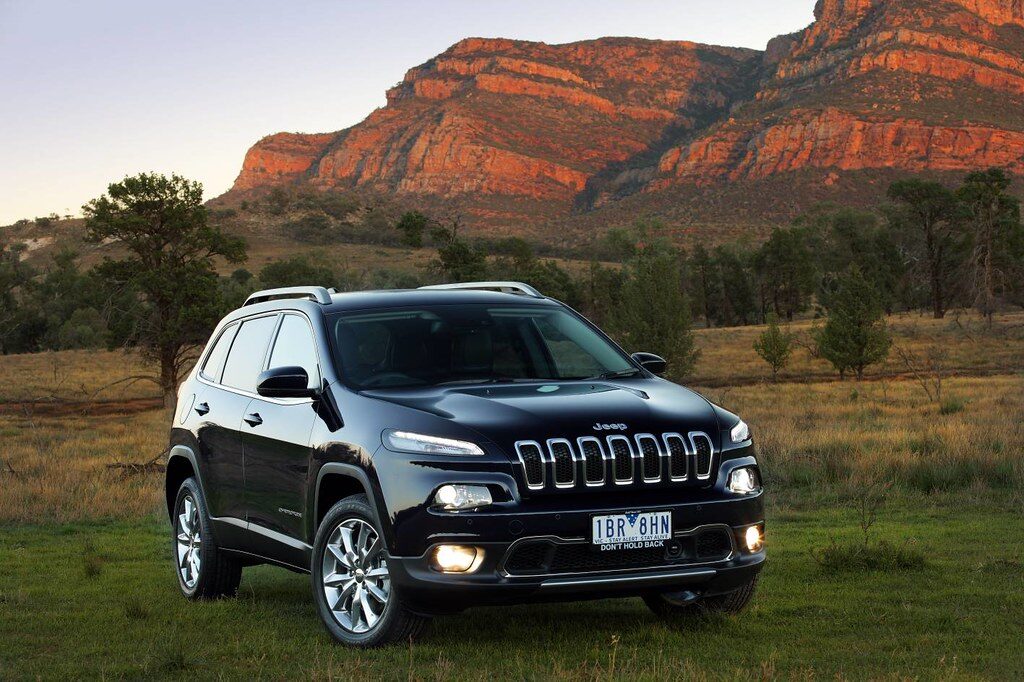
One of the biggest visual controversies has been caused by Jeep Cherokee that was sold in 2014-2018. Stylists deviated from traditional Jeep design and separated the LED daytime running lights from the main headlamps, installing a bent and fanged seven-slot grille and creating a quite confusing design for longtime Jeep customers.
Cherokee’s Split-Light Controversy:
- Split daytime running lights design
- Bent, fanged seven-slot grille
- High-mounted rear tail lamps
- Large unadorned rear sheet metal
- Comprehensive restyle arrived 2019
The rear design of the car was also quite peculiar with its high-mounted tail lamps close to the rear window and large unadorned rear sheet metal. Although the car had solid mechanical credentials and was able to offer quite powerful engines (3.2L V6 and nine-speed automatic transmission), the split daylight front face design polarized buyers until the comprehensive redesign came out in 2019.
4. Infiniti QX56
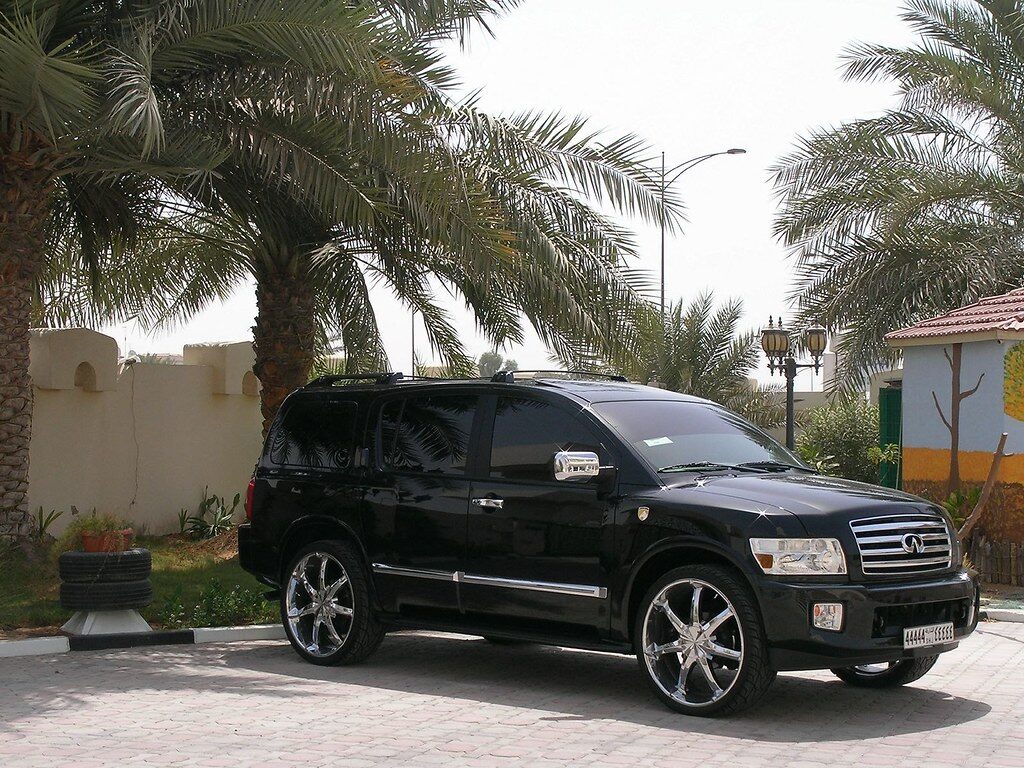
Luxury brands were certainly not immune to these aesthetic blunders. When the full-size Infiniti QX56 debuted, its half-height headlights mounted onto full-height fenders created an uncomfortably simian front fascia, a proportion mismatch that drew immediate and widespread criticism from automotive reviewers and buyers alike.
QX56 Proportion Problems:
- Half-height headlights, full-height fenders
- Uncomfortably simian front fascia
- Roofline looked like two vehicles
- Later generation raised the hood
- Chrome portholes resembled cheap trim
Quite strange roofline arched over the passenger compartment and then flattened over the cargo area, making the truck look like two different vehicles put together and thus ruining the luxurious positioning of Infiniti’s product. In the next generation of the QX56, the designers tried to fix those design problems by raising the hood line, lowering the grille and installing chrome portholes that resembled cheap aftermarket trim.
5. Isuzu VehiCROSS and Nissan Juke
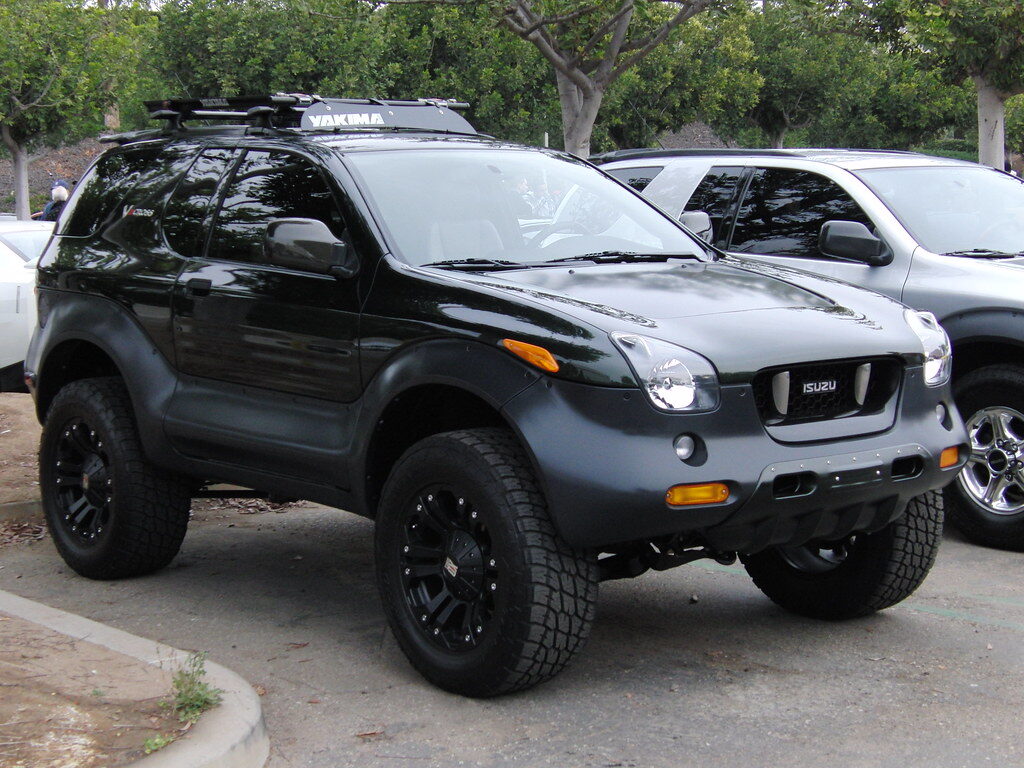
Off-roaders and crossovers also suffered from design flops. Isuzu VehiCROSS tried to achieve a futuristic style but ended up creating an awkward combination of clashing cladding materials and strange angles, paying attention from buyers more to its unusual look rather than off-road capabilities provided by 3.5L V6 powertrain.
Quirky Crossover Missteps:
- Clashing cladding materials used
- Strange, futuristic angular styling
- High-mounted Juke parking lights
- Bug-eyed Juke headlight design
- Frog-like overall front appearance
However, the unconventional Nissan Juke also had its high-set parking lights and bulging headlamps, which made its face resemble that of a frog, another design choice that was equally controversial as the VehiCROSS when it came to compact crossover buyers. Both models illustrated that being too eager to be noticed can quickly turn into something unappealing for regular consumers.
6. 1983 Glenfrome Facet
Even specialized coachbuilders joined in on these design misadventures, as seen in the 1983 Glenfrome Facet, which took a classic Range Rover chassis and transformed its elegant lines into a boxy, wedge-shaped body. This transformation stands out as a particularly striking example of a design choice reshaping an already well-regarded vehicle into something far less visually appealing.
Glenfrome Facet’s Bold Redesign:
- Based on classic Range Rover
- Transformed into wedge-shaped body
- Lost original elegant proportions
- Boxy, angular coachbuilt styling
- Demonstrates risk of reshaping icons
Thus, this historic design misfit shows how easily the idea of good-looking concept can ruin the vehicle’s visual appeal, especially when based on such a renowned car as Range Rover. Glenfrome Facet serves as a perfect transition between the era of design disasters and the era of modern design revolution based on the same Range Rover.
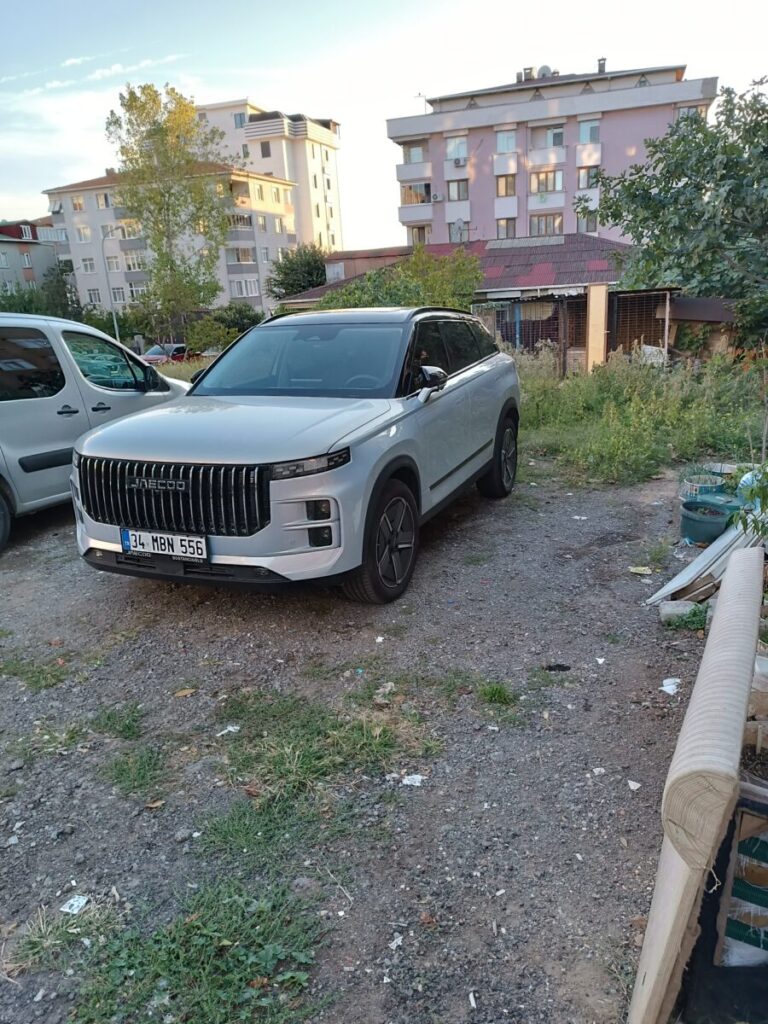
7. The Modern Design Revolution and Jaecoo’s Rise
What a revolution the modern automotive world has experienced! While in the previous decades we had to deal with weird plastic body claddings and strange grilles, nowadays we see a completely new era of modern design revolution. The automakers finally managed to understand the secrets of creating a sleek-looking budget SUV and now we see it everywhere in the market.
Jaecoo’s Design Breakthrough:
- Chery’s lifestyle-oriented Jaecoo brand
- Jaecoo 7 and J5 EV models
- Nicknamed “Temu Range Rover”
- Polished silhouette, crisp rear styling
- Full-length glass roof included
One of the leaders of this style revolution is a lifestyle-oriented brand of Chery called Jaecoo. This brand offers stylish models like Jaecoo 7 and J5 EV, so beloved by enthusiasts that they named them “Temu Range Rover” due to the uncanny resemblance to the legendary Range Rover Evoque.
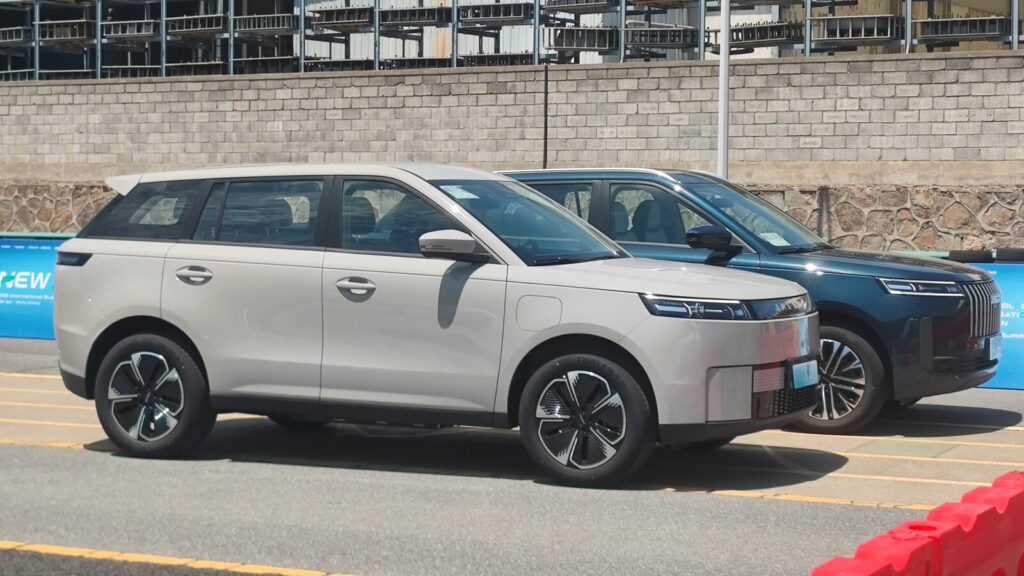
8. Jaecoo J5 EV Design and Powertrain
The J5 EV doesn’t have bizarre proportions of the previous generations but instead has a polished silhouette, crisp rear styling and full-length glass roof with the electric blind. Instead of the previous awkward design, the new budget-friendly SUV has a stylish look, combined with the innovative technical characteristics.
J5 EV Powertrain Specs:
- 58.9 kWh battery pack
- Front-mounted electric motor
- 150 kW power output
- 288 Nm of torque
- 0-100 km/h under 8s
Models such as the Jaecoo J5 EV provide smooth acceleration using their electric motors, accelerating from 0 to 100 kilometers per hour in less than eight seconds, but at the same time consuming only 15.2 kWh of energy per 100 kilometers traveled. These facts prove that the revolution in design has been matched by the revolution in electric powertrain technology of these cars.
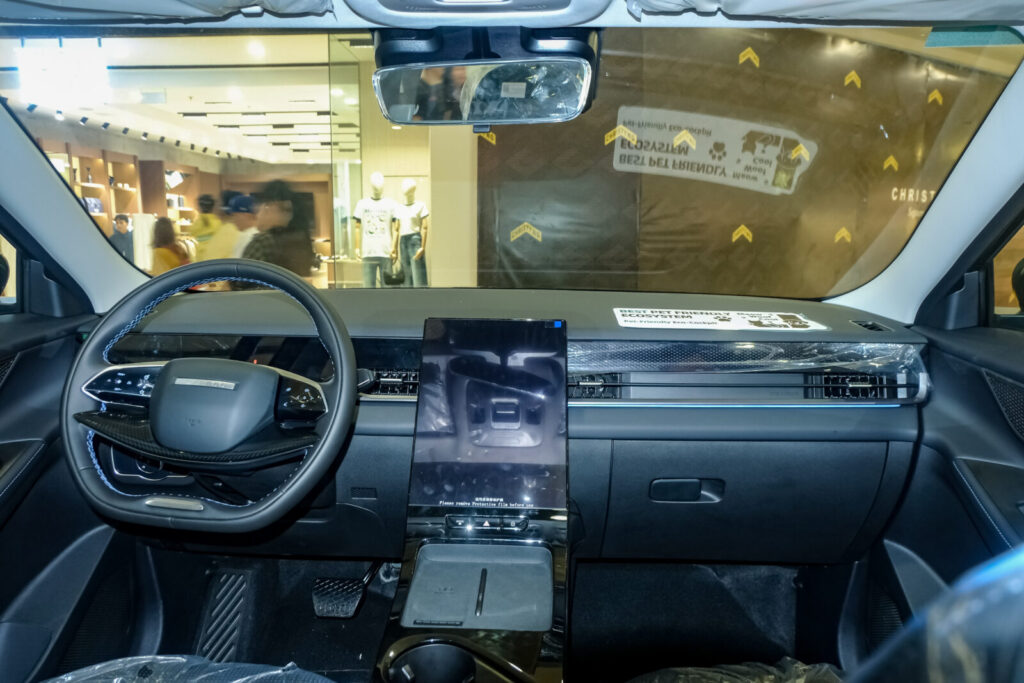
9. Inside the New Budget Luxury Cabin
Opening the door of this modern challenger gives you the opportunity to notice how far both the visual and cabin engineering have come. No longer do you see scratchy cheap plastics, instead the J5 EV offers soft touch two-tone synthetic leathers and floating center console that can compete with the high-end luxury cabins costing much more.
J5 EV Interior Highlights:
- Soft-touch two-tone synthetic leathers
- Floating center console design
- 8.9-inch digital gauge cluster
- Portrait-oriented infotainment screen
- 480 liters of cargo space
The tech suite is very much contemporary as well, with an 8.9-inch digital gauge display and a portrait-style infotainment system running down the center console. In the case of the additional cargo space of 480 liters and the cleverly designed sub-floor storage, these examples show that practicality need not compromise on visual elegance anymore.
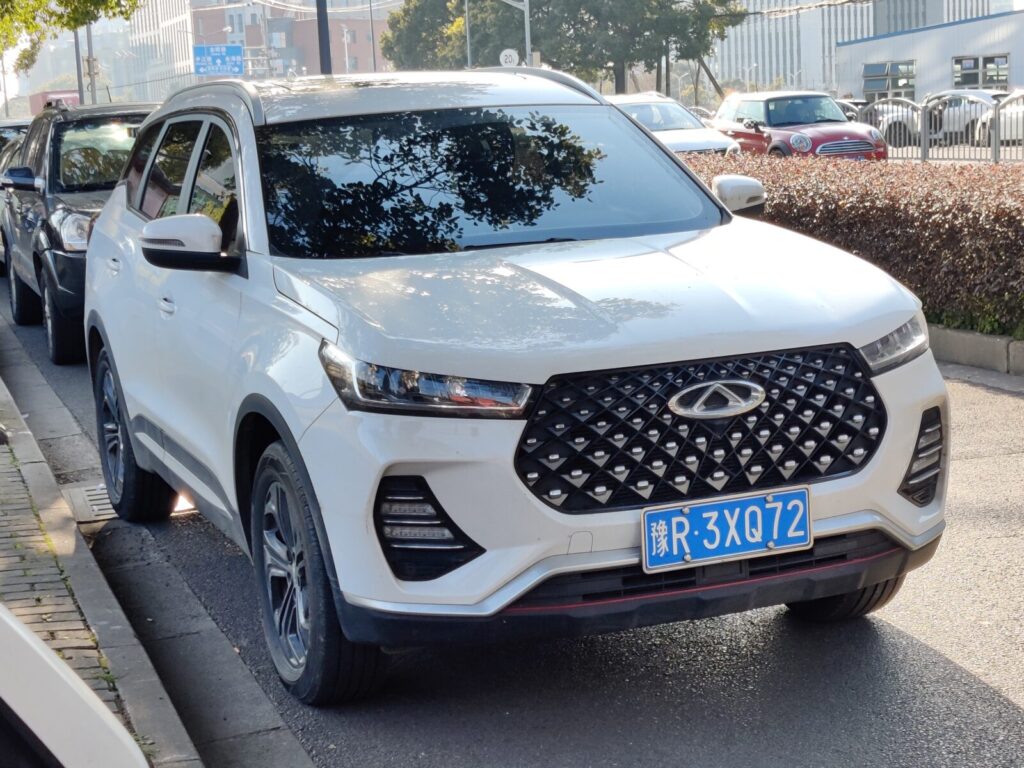
10. Global Competitors Joining the Luxury-Look Movement
The current aesthetic revolution is gaining ground very fast around the globe, thanks to a new group of competitors with amazing luxury styling. The Chery Tiggo 7 has an almost identical appearance to the Range Rover Evoque but costs less than £25,000. On the other hand, the Omoda 7 comes with a Super Hybrid System providing 745 miles of range, a sliding 15.6-inch infotainment screen, and a Sony sound system.
Competing Budget Luxury Rivals:
- Chery Tiggo 7 under £25,000
- Omoda 7’s 745-mile hybrid range
- Sliding 15.6-inch infotainment screen
- GWM Haval Jolion Pro’s hybrid engine
- Range Rover Evoque nears £60,000
Models like the GWM Haval Jolion Pro come with 1.5L hybrid engines as well as safety features like the Automatic Emergency Braking, and yet, they offer buyers a “luxury look” at a cheaper price inspired by the Range Rover Evoque but at a fraction of £60,000, which is the starting price of the Range Rover Evoque and more than £105,000 for other models.