Ford Acknowledges Strategic Missteps and Prepares to Revive Iconic Passenger Car Nameplates
Ford is critically evaluating its product strategy and choices that have helped reinvent the brand in recent years. They have gradually admitted that severing ties with emotionally driven, characterful products and disappearing well known names brought repercussions that cannot be offset by a move towards cars like sedans, trucks, and SUV’s. Whether for hardcore enthusiasts or more budget conscious consumers, the names like Fiesta, Focus, and Fusion all were relatively inexpensive stepping stones to the greater Ford line, building on loyalty through sales.
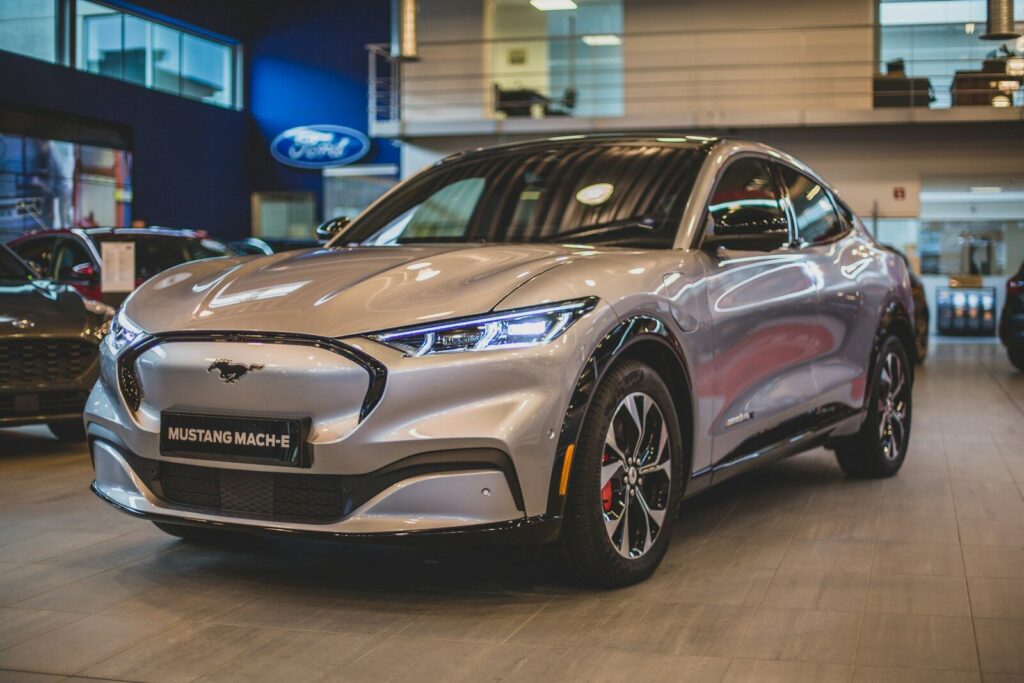
The rest of the auto industry likewise realized that hybridization and crossovers wouldn’t simply render all prior categories obsolete. The lessons Ford has gotten from the Mustang Mach-E and F-150 Lightning showed that customers can be very sensitive about tech altering the image, price and utility of their preferred vehicle. Instead of viewing gasoline, hybrids, extended-range hybrids and BEVs as options competing against each other, the automaker now appears more open to simply applying a powertrain to a customer segment that can accept it.
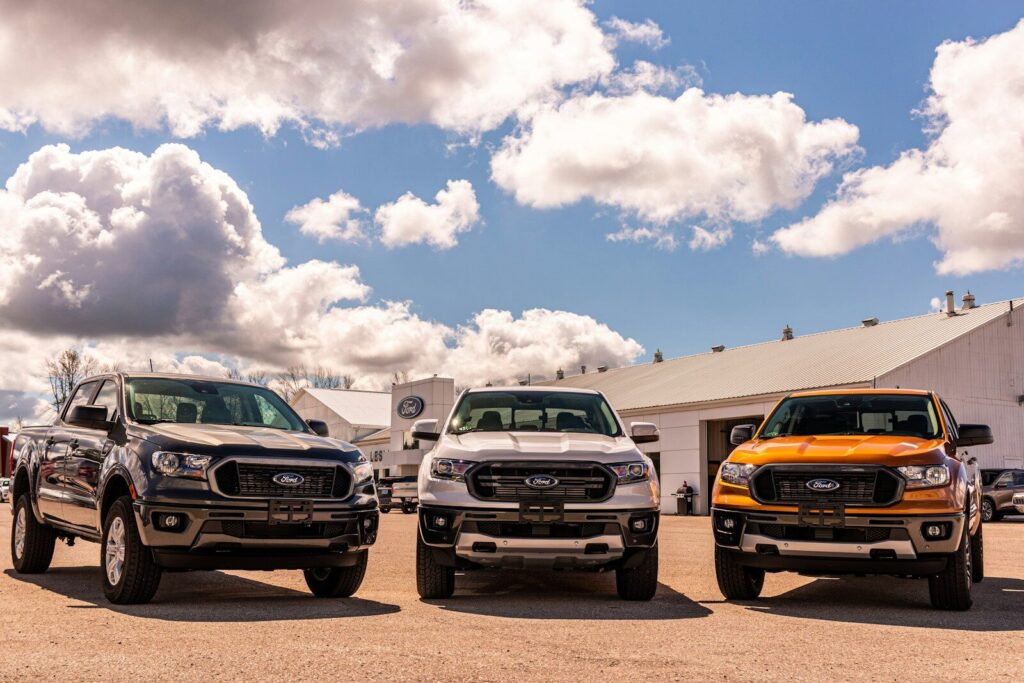
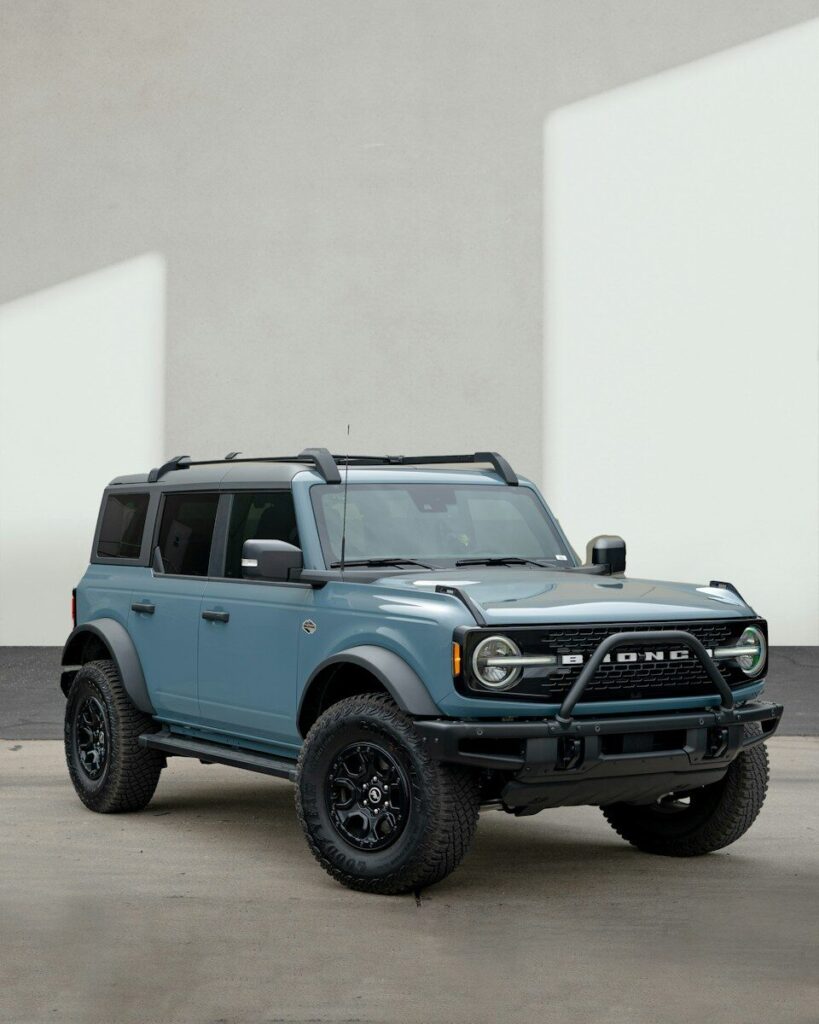
Ultimately, this reset represents nothing less than an attempt to forge a better relationship between Ford and the end consumer. Proof that honest cars can generate passion-the return of the Bronco and Ranger as strong, credible vehicles engineered to hit their desired segments square-on-is already in hand. Discontinued sedans, special models, worldwide compact cars, versatile engine philosophies-all these become components of the conversation that is Where Fords go from here.
1. Ford Admits Its Previous Product Strategy Went Too Far
This led Ford to focus increasingly on trucks, sport utility vehicles and crossovers in North America over a period of years, shedding traditional passenger car lines. These were the end of more than mere car lines; the Fiesta, Focus and Fusion were entry-level transportation for youthful owners and urban drivers, and simply a way for value-conscious owners to get into the Ford brand. These products being gone created a hole in inexpensive personal transportation between cheap compacts on one hand, and significantly more expensive transaction pricing on the other.
The product gaps that changed Ford’s lineup:
- Fiesta provided affordable compact transportation
- Focus connected practicality with driving enjoyment
- Fusion offered accessible midsize transportation
- Crossovers could not replace every buyer
- Entry models supported long-term brand loyalty
Just shifting the customers upstairs to the crossovers did not always occur. Buyers looking for a Fiesta, Focus or Fusion prior to it being canceled were not necessarily looking for an Escape or Explorer. These people could readily move to competitor brands which still offered what they wanted: Toyota, Honda, Hyundai or Volkswagen. Moving the customer base away not only cost an immediate sale, but also development of an ongoing loyalty within the customer base for future Ford customers.
The brand and dealership impacts of this were evident as well. Historically, the bottom of the product pyramid provided dealers with reason to bring a variety of customers onto their lot-offering the potential for upgrades, financing, service relationships, future purchases. It’s been the erosion of a variety of entry points that limited these prospects, and left dealerships relying even more heavily on their top-tier products. Ford’s reset, therefore, seems to acknowledge that a sustainable automotive lineup is only profitable if customers have relatively attainable models that give them a foothold in a brand-whether in a truck, an SUV, or a car.
2. The Mustang Mach-E Exposed the Importance of Brand Identity
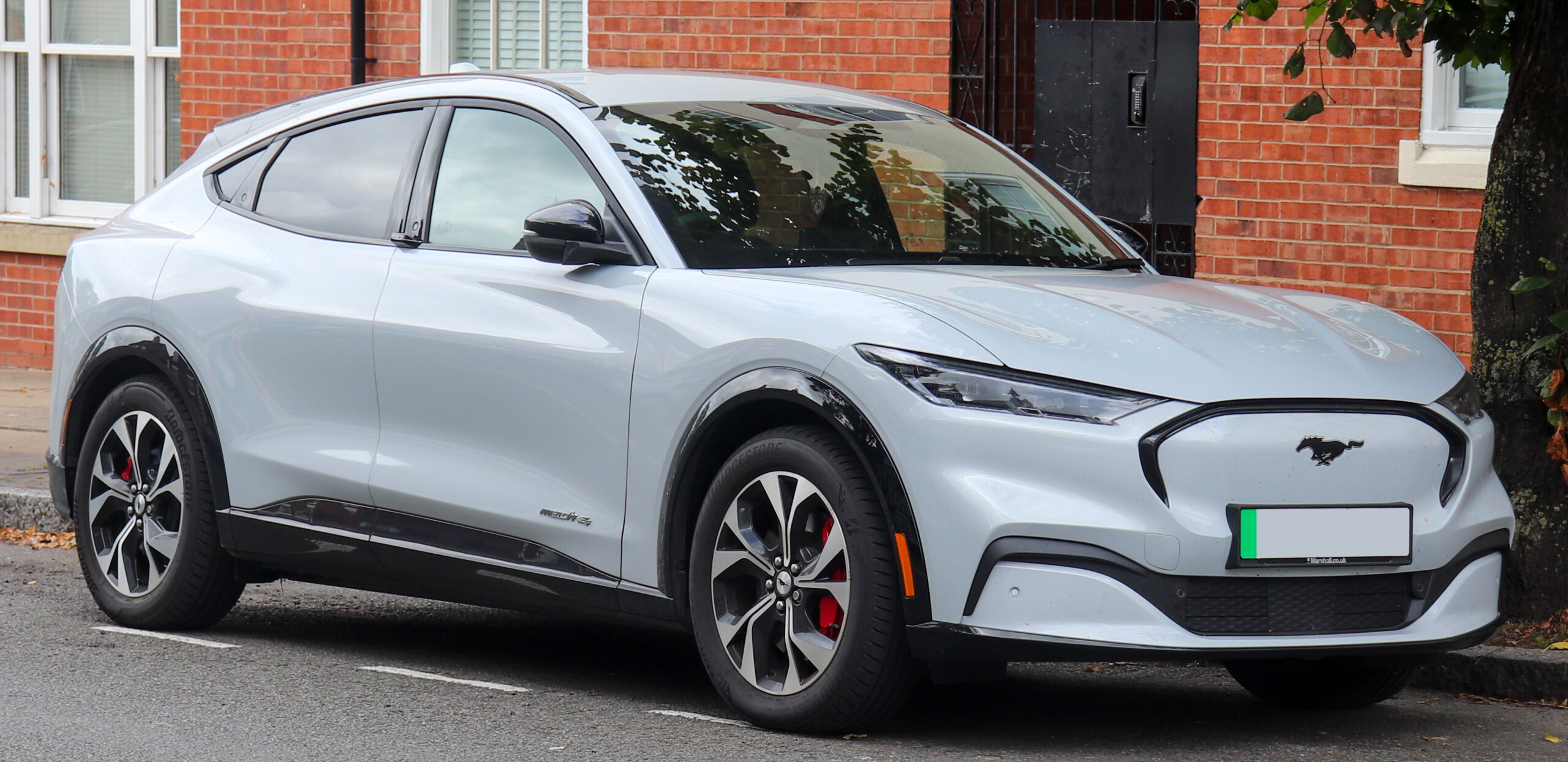
The use of the Mustang name for an electric crossover by Ford sparked heated debate given the heritage of strong performance cars the Mustang name has represented for decades. The Mustang Mach-E produces very brisk electric torque and is blisteringly quick on account of its powerful EV powertrain and the advantages of having electric power and so it gives you the goods, but its body shape and its concept is totally removed from a conventional rear-wheel drive sports coupe. For enthusiasts, part of the definition of “Mustang” lies in the proportions of its form and, its mechanical feel and being seen in a low slung, fast car.
The Mustang badge carries powerful expectations:
- Mustang represents established performance heritage
- Mach-E introduced an electric crossover
- Body style changed the driving concept
- Enthusiasts noticed the identity difference
- Technology did not erase expectations
This showed that not all brand nameplates can be marketed in quite the same way. Brand heritage is a powerful force that expectations from generations can be transferred to any new object wearing its badge – performance figures can be very different from what potential buyers expect from something wearing a name like Mustang. The Mach-E showed that Ford was more than able to compete in terms of an electric car, but in terms of image it also had something that could work, and that they need to make work to match them with technological change, and their badge that stands above all of that.
This insight is shaping the broader strategic review. All electric is not necessarily equal to the loss of everything which initially made a car appealing. What seems clear is that future iterations and, especially, future products at Ford will rely increasingly on applying specific technology in order to maintain specific personality traits of individual vehicles-at least as far as performance saloons were concerned. Such personality could be considered to be an assurance of involvement at the driving controls or on the part of the people piloting it-and it’s the application of such an outlook at what Ford has termed “the edges,” such as trucks-ensuring the rugged, capable element and not the biggest battery-fitment for compact vehicles-which this suggests.
3. Ford’s More Flexible Approach to Electrification
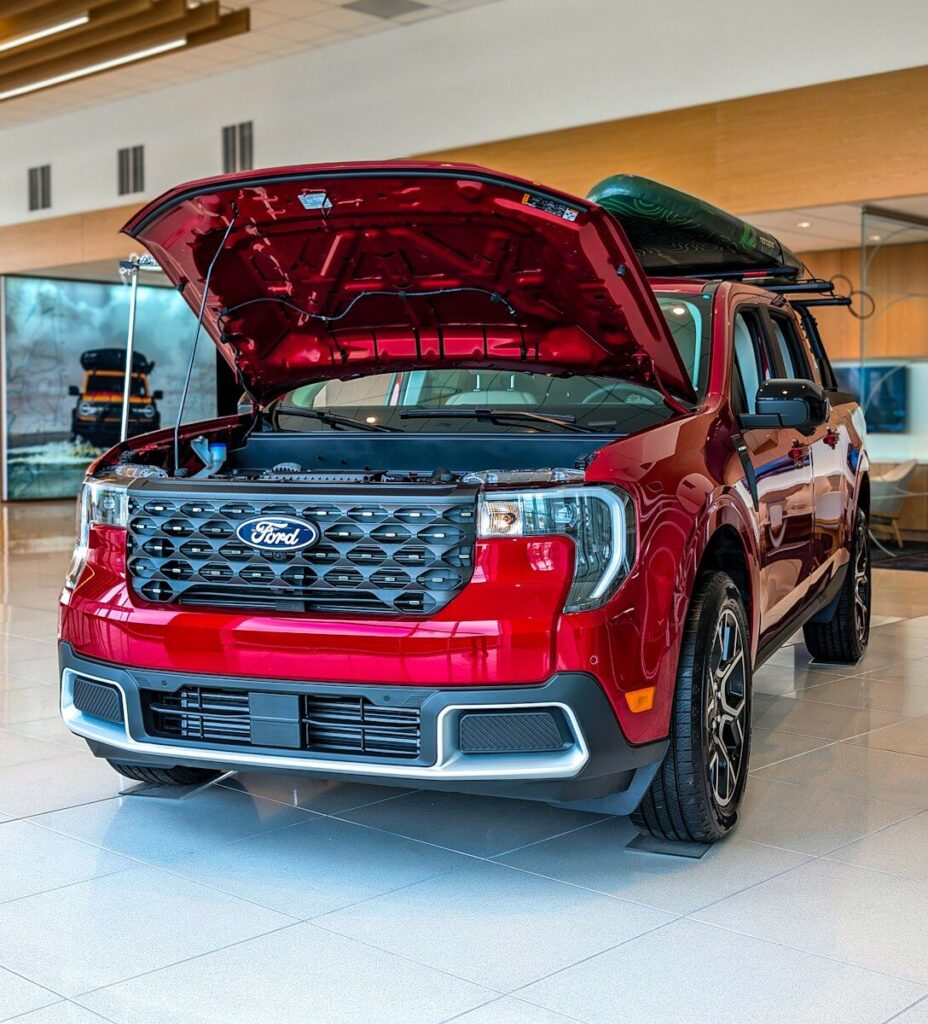
Ford’s early electric-vehicle strategy pushed aggressively toward battery-electric products, but real-world market conditions forced the company to reconsider how quickly every customer could transition to a fully electric vehicle. The F-150 Lightning became an important example of this challenge. Although the electric pickup offered impressive acceleration and useful technology, questions surrounding towing range, charging infrastructure, production scaling, and purchase cost affected consumer enthusiasm and forced Ford to recalibrate its approach.
Different powertrains can serve different needs:
- Battery-electric suits predictable daily driving
- Hybrids add efficiency and electric torque
- EREVs extend long-distance flexibility
- Gasoline supports demanding travel requirements
- Customer use should guide technology
The company’s evolving strategy places greater emphasis on flexibility. Hybrid systems, extended-range electric vehicles, traditional internal-combustion engines, and battery-electric vehicles can each serve different purposes depending on how customers use their vehicles. A driver with predictable daily commuting needs may find a battery-electric vehicle ideal, while someone who regularly tows long distances may prefer a hybrid or extended-range configuration. This broader approach allows Ford to respond to actual customer behavior instead of assuming one powertrain will fit every market.
That flexibility also creates opportunities to use electrification as a performance technology rather than merely an environmental feature. Hybrid systems can provide immediate electric torque, helping sharpen throttle response and supplement gasoline engines. Extended-range electric systems can deliver electric driving characteristics while retaining long-distance flexibility. Ford’s reset therefore does not represent a retreat from technology. Instead, it reflects an attempt to make technology work around real customer requirements and the characteristics that make different vehicle types desirable.
4. Reviving the Fiesta, Focus, and Fusion
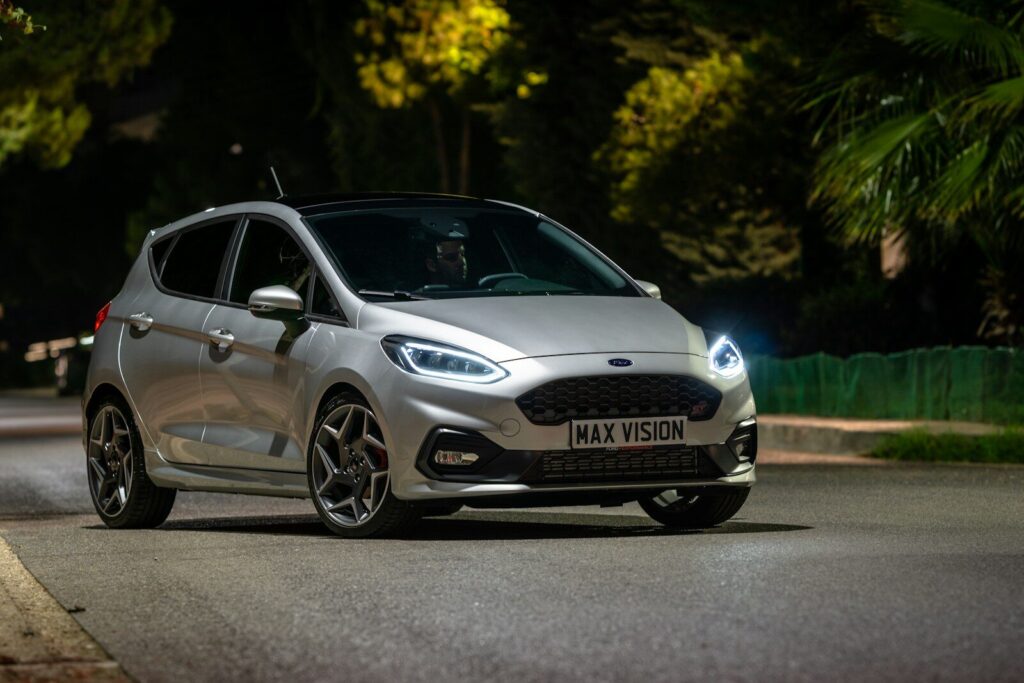
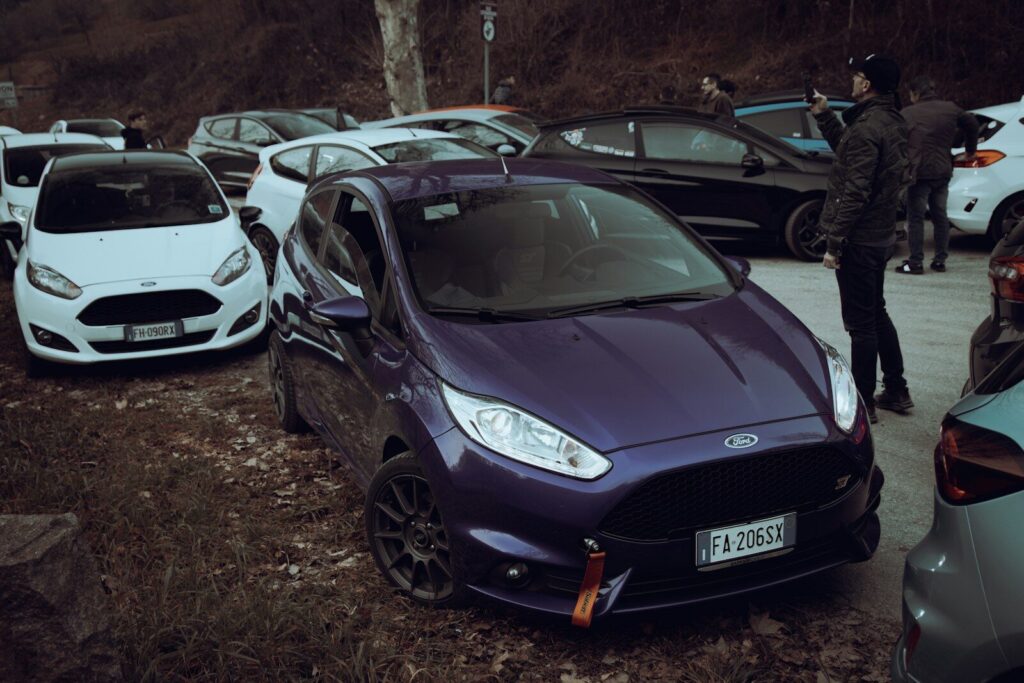
Among the discontinued models that could benefit from a modern return, the Fiesta and Fiesta ST represent particularly important entry points. The Fiesta offered a combination of compact dimensions, affordability, and agility that appealed to younger and urban drivers. A modern version could use efficient hybrid technology as its baseline while retaining a lightweight character and responsive handling. A target curb weight below 3,000 pounds and a turbocharged engine could demonstrate that engaging performance does not require enormous horsepower figures.
Each returning nameplate could serve differently:
- Fiesta could target compact-car buyers
- Fiesta ST could restore affordable performance
- Focus could emphasize handling and practicality
- ST or RS could revive enthusiast appeal
- Fusion could return as an electrified sedan
The Focus represents another significant omission, particularly because it had strong global recognition. Its departure from North America left a substantial compact-car gap that competing manufacturers could exploit. A revived Focus could use modern modular architecture while emphasizing handling, efficiency, and practicality. Independent rear suspension and responsive turbocharged four-cylinder engines would help preserve the characteristics that made the model attractive to driving enthusiasts, while future ST or RS variants could restore an important performance connection to the Ford brand.
The Fusion could occupy a different role as an electrified midsize sedan. Rather than returning simply as a conventional gasoline car, a new Fusion could emphasize hybrid and plug-in hybrid powertrains, aerodynamic efficiency, and comfortable long-distance travel. A sedan would also give Ford an opportunity to offer something genuinely different from its SUV-heavy lineup. Together, the Fiesta, Focus, and Fusion could create a more complete range of affordable cars that reconnect Ford with buyers who do not want a high-riding crossover.

5. The Taurus and the Return of Performance Badges
The Taurus name carries considerable historical significance for Ford, particularly because earlier generations helped redefine American family-sedan design. A modern Taurus could occupy a more premium-adjacent role, emphasizing long-distance comfort, substantial dimensions, all-wheel drive, and high-output powertrains. Instead of simply recreating an old formula, Ford could use the name for a flagship sedan that complements the company’s truck and SUV products while giving customers another high-speed highway-oriented option.
Performance variants would need genuine hardware:
- ST badges should represent meaningful upgrades
- RS models could emphasize sharper dynamics
- Limited-slip differentials could improve traction
- Stronger brakes would support performance
- Suspension tuning should match the badge
Performance badges would also need to become an integral part of any returning-car strategy. ST and RS have traditionally represented more than appearance packages because they communicate meaningful changes to suspension, braking, drivetrain, and overall character. Future performance versions could incorporate limited-slip differentials, motorsport-influenced suspension tuning, stronger brake systems, and carefully calibrated steering. Making these capabilities part of the architecture from the beginning would allow Ford to create genuine performance products rather than simply adding cosmetic upgrades afterward.
This performance focus matters because enthusiast credibility cannot be created entirely through advertising. Drivers judge performance cars through the way they respond on real roads, corners, and racetracks. Ford’s most successful enthusiast products have earned loyalty because their engineering supported the badges they carried. Building that philosophy into future platforms would allow the company to regain credibility with driving enthusiasts while also creating halo products that strengthen the perception of the wider Ford lineup.
6. Modern Design Without Forced Retro Styling
A successful Ford revival would not necessarily require copying historical models line for line. Instead, future products could use modern interpretations of proportions and design principles that made earlier vehicles attractive. Lower cowl heights, longer wheelbases, purposeful body proportions, and better outward visibility could create vehicles that look contemporary while still feeling connected to Ford’s heritage. This approach would avoid turning every new model into a nostalgia exercise.
Modern styling can respect heritage naturally:
- Lower proportions can improve visual balance
- Longer wheelbases can create presence
- Aerodynamic surfaces should serve functions
- Individual models need distinct personalities
- Heritage should not become forced nostalgia
Exterior design could also emphasize function rather than decorative aggression. Real aerodynamic elements, useful brake cooling, purposeful intakes, and carefully controlled body surfaces could communicate the engineering purpose of each vehicle. A Focus would not need to look like a Mustang, just as a Taurus would not need to imitate a classic muscle car. Each product could develop its own personality while sharing recognizable Ford design characteristics.
Interior design could follow a similar philosophy. Large displays have become common across the industry, but Ford can balance digital technology with physical controls for frequently used functions. Tactile switches for climate settings, drive modes, and audio controls can make everyday interaction easier and more satisfying. Combining modern interfaces with straightforward physical controls would support the broader goal of making vehicles feel intuitive rather than technologically complicated simply for the sake of appearance.
7. Global Modular Platforms and Diverse Powertrains
Keeping costs under control will be critical if Ford wants to return to more vehicle segments. Shared global modular platforms can allow several models to use common structural and electronic foundations while maintaining different dimensions, suspension tuning, styling, and personalities. A Focus could prioritize agility and steering response, while a larger Taurus could emphasize ride comfort, wheelbase length, cabin isolation, and highway stability. Shared architecture does not have to mean identical driving experiences.
Flexible platforms can support varied products:
- Shared structures can lower development costs
- Different suspensions create distinct personalities
- Powertrains can match individual vehicle purposes
- Global architecture can improve flexibility
- Common technology can support multiple segments
Powertrain choices can also be matched to each vehicle’s purpose. Gasoline engines remain relevant where customers prioritize long-distance flexibility, while hybrids can provide efficiency and additional electric torque. High-output six-cylinder engines can continue serving performance applications where their characteristics justify their complexity. Electric powertrains can be introduced where battery weight, charging access, and vehicle packaging make sense rather than being applied identically across every segment.
This approach could allow Ford to make its lineup more resilient to changes in consumer demand. If battery-electric adoption accelerates in one market, Ford can expand the appropriate technology there. If hybrid demand remains stronger elsewhere, the company can respond without abandoning customers. The strategic goal is not simply to offer more powertrains, but to create a portfolio capable of adapting as technology, infrastructure, regulations, and consumer preferences continue to change.
8. Competition Shows Why Heritage Still Matters
Ford’s competitors have demonstrated different ways of maintaining strong connections with customers. General Motors has continued to support performance icons such as the Corvette, Toyota has built loyalty through consistency in its products and engineering philosophy, and Stellantis has used heritage extensively across brands and vehicle segments. These approaches show why established identity can remain a valuable competitive asset when it is supported by genuinely relevant products.
Successful heritage depends on clear purpose:
- Familiar names can create recognition
- Products still need modern relevance
- Ranger demonstrates segment-specific authenticity
- Bronco reinforces genuine off-road purpose
- Nostalgia alone cannot sustain demand
The lesson is not that every old model should automatically return. Heritage works best when a nameplate is connected to a clear customer expectation and when the new vehicle delivers something meaningful. The Ranger and Bronco are useful examples because their returns were based on more than nostalgia. Both were developed around recognizable purposes, with the Ranger addressing the midsize pickup market and the Bronco emphasizing authentic off-road capability.
Those successes provide Ford with a framework for deciding which discontinued products deserve another opportunity. A revived vehicle needs a clear reason to exist, an identifiable audience, and engineering that supports its reputation. If Ford can apply those principles to future compact cars, sedans, and performance models, it can rebuild parts of its portfolio without simply recreating outdated products.

9. Dealership Experience and the Broader Ford Ecosystem
The strategic reset reaches beyond vehicle engineering because customers experience the Ford brand through dealerships as well as through the products themselves. A broad portfolio can give retailers more opportunities to serve customers with different budgets, lifestyles, and transportation requirements. Dealerships such as Sarasota Ford in Sarasota, Florida, illustrate how inventory, financing, service, customization, and customer support can become part of the overall ownership experience.
A broader lineup can strengthen dealerships:
- More models attract varied customer groups
- Trucks remain important showroom anchors
- Performance products add enthusiast appeal
- Customization creates additional ownership opportunities
- Service supports long-term customer relationships
A dealership with a wide selection can serve buyers ranging from customers interested in efficient crossovers to truck shoppers looking for an F-150 or performance-oriented buyers considering a Raptor. Appearance packages, specialized trucks, suspension upgrades, and other customization options can provide additional ways for customers to tailor their vehicles. A stronger range of Ford products would therefore benefit not only consumers but also retailers that depend on having compelling reasons for customers to enter their showrooms.
The ownership relationship continues after the purchase. Ford-trained technicians, genuine replacement parts, financing programs, maintenance services, and digital scheduling all contribute to the customer experience. Used vehicles also provide an important entry point for buyers who cannot justify the price of a new truck or SUV. A healthier product portfolio can therefore strengthen the entire ecosystem, from first-time buyers to long-term owners returning for service and eventually purchasing another Ford.
10. A More Authentic Future for the Blue Oval
Ford’s strategic reset represents a shift toward balancing innovation with the characteristics that made its vehicles desirable in the first place. The company is no longer treating electrification, SUVs, trucks, performance cars, hybrids, and traditional powertrains as competing philosophies that require one category to eliminate another. Instead, the emerging strategy recognizes that different customers use vehicles in different ways. Ford can therefore pursue technological progress while still protecting affordability, performance, utility, and recognizable vehicle identities.
The emerging strategy centers on product balance:
- Compact cars can restore affordable entry points
- Performance variants can rebuild enthusiasm
- Flexible powertrains can broaden customer choice
- Shared platforms can control development costs
- Authentic products can strengthen Ford loyalty
The potential return of compact nameplates, stronger performance variants, flexible electrification, and globally shared platforms could give Ford a more balanced lineup. Products such as a modern Fiesta, Focus, Fusion, or Taurus would not need to replicate their predecessors exactly. They would need to preserve the qualities that made those names meaningful while adapting them to modern safety requirements, efficiency expectations, digital technology, and changing customer preferences.
Ultimately, the reset is about restoring a sense of purpose to the Ford lineup. The company’s strongest products have historically succeeded because customers understood what they represented, whether that meant affordable driving enjoyment, practical family transportation, rugged truck capability, or serious performance. By rebuilding that connection instead of relying exclusively on market trends, Ford has an opportunity to make the Blue Oval feel distinctive again. The future may be electrified and technologically advanced, but it can still have the character that made Ford vehicles worth caring about.