





When Bugatti Built Four-Door Saloons: Inside the Story of the EB 112
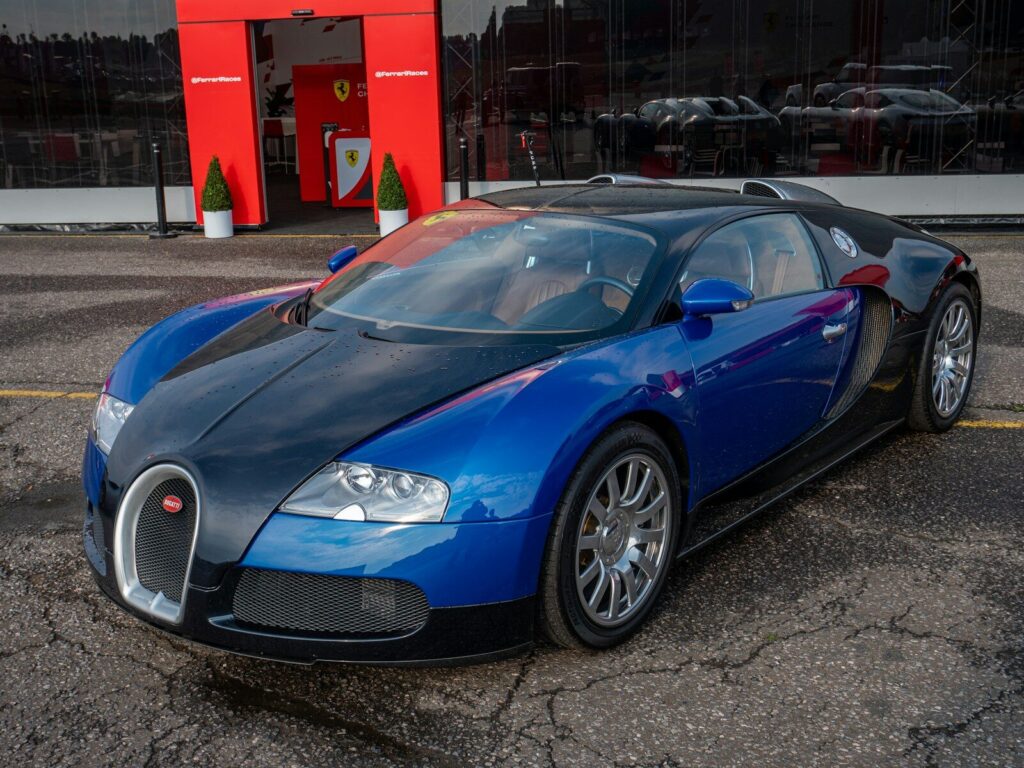
These days, when one mentions Bugatti, there is an instant association with extremely fast hyper-cars, like the Veyron, Chiron, and the 1,775 horsepower hybrid Tourbillon. Yet, what was known as a company that made some of the fastest and most expensive cars ever manufactured had an unexpected turn of events during the 1980s and 1990s, thanks to the initiatives of an Italian entrepreneur named Romano Artioli.
The revival of the company came into light on September 15, 1991, when EB 110 was launched at the well-known avenue in Paris called Champs-Elysées Avenue. This car was created to commemorate the 110th birthday of Ettore Bugatti and stood out from other cars because of its elegant design, small size, and scissor doors. The fact that it had a carbon fiber monocoque chassis was unique too.
Engineering was no less progressive when it came to the body of the EB 110. The mid-engine 3.5 liter V12 had four turbochargers, double intercoolers, and even a 60-valve configuration inspired by F1 engineering. Power was transmitted to the wheels through a six-speed gearbox and the all-wheel drive system. While the regular car was said to produce 553 hp, the lighter Super Sport model produced 603 hp and allegedly could reach a maximum speed of 351 km/h. But Bugatti did not limit itself to manufacturing only two-door sports cars. There was another, even more interesting, car concept under consideration.
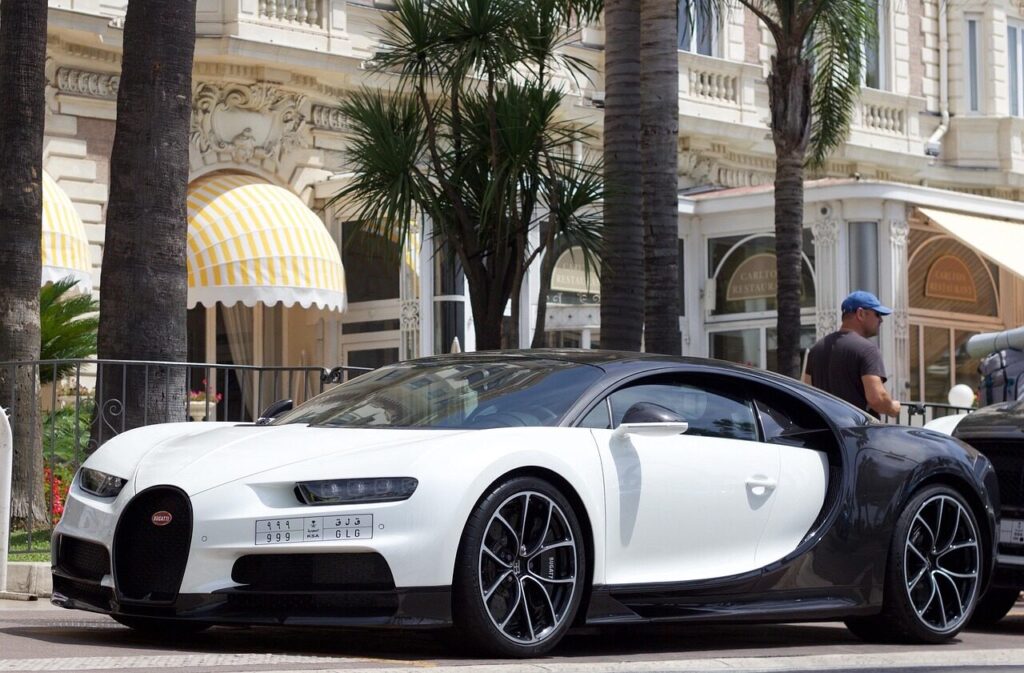
1. The EB 110 Sets the Revival in Motion
The EB 110 was a key element of Romano Artioli’s attempt to bring Bugatti back into the top echelon of automotive performance. The introduction of the model was especially noteworthy since it managed to blend the classic elements of Bugatti with technological innovations that were very cutting edge for the early 1990s. The carbon fiber monocoque chassis, quadruple turbo-charged 60-valve V12 engine, and all wheel-drive system allowed it to distinguish itself from many of its competitors.
Engineering Excellence Behind the EB 110:
- Carbon monocoque delivered exceptional structural strength
- Quad-turbo V12 created immense performance
- All-wheel drive improved overall traction
- Advanced technology challenged established supercars
- Limited production increased its exclusivity
The competition that surrounded it highlighted just how aggressively the EB 110 had been engineered. With the introduction of the Diablo, Lamborghini boasted 492 horsepower being transferred to the rear wheels, with the arrival of all-wheel drive coming later with the VT model. Four-wheel traction and quad-turbos were available from Bugatti right away, helping the EB 110 become one of the most aggressive supercars in terms of technology at that time. It was a unique blend of its construction and powertrain that helped set the EB 110 apart from other performance machines of that time.
There were also some equally shocking costs associated with this engineering marvel. The standard model of EB 110 was priced initially at 450 million liras, while the Super Sport cost 550 million liras. In all, Bugatti made only 135 units, which included 95 standard cars and 39 Super Sports. One of the owners of EB 110 is none other than Michael Schumacher, a Formula One driver who has won seven titles in the game and had bought his own bright yellow EB 110 SS.
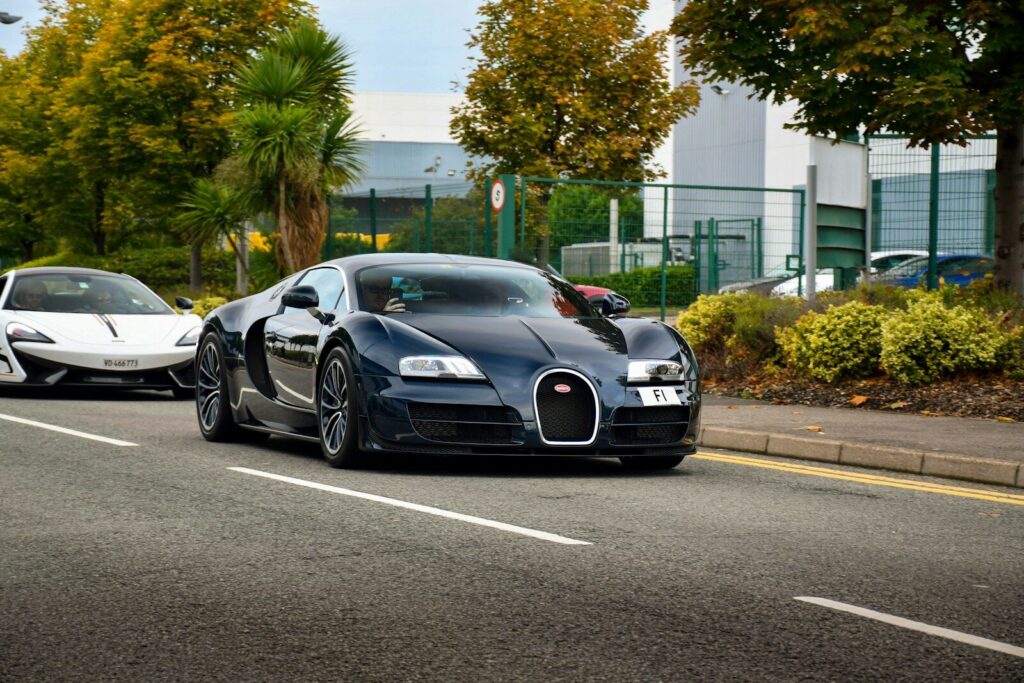
2. A Rare Supercar Becomes a Collector Treasure
This very low production of the EB 110 has made it one of the most interesting collector’s cars of the 1990s. The unique nature of the car, its rarity, unusual technical features, and an exciting story of the company at that time all contribute to making it more than just another exotic sports car. This car embodies the short-lived period during which Bugatti tried to redefine itself.
Why Collectors Value Its Rarity:
- Extremely limited production increased collector interest
- Unusual engineering strengthened its historical importance
- Corporate history added another layer
- Auction prices reflected growing collector demand
- Early purchases became valuable investments
It is a thing that has been receiving increasing attention on behalf of the car enthusiasts. The EB 110 car whose price tag is approximately €280,000 as of 2011 has received immense appreciation from its enthusiasts ever since. This is evident in the fact that one of the cars was sold for nearly $2.15 million in a Sotheby’s auction. This simply goes to show how important these cars have become to the car enthusiasts now-a-days. This is due to their scarcity and unique automotive history.
This story gets even more fascinating in light of the fact that the EB 110 was not the only visionary design to have come from under Artioli’s leadership. Even before the finished supercar made its way to the Paris Motor Show, renowned car designer Giorgetto Giugiaro was already contemplating what the reborn Bugatti should turn out to be. This work of Giugiaro would further pave the way for an equally unconventional path for the Bugatti brand through the creation of the EB 112.
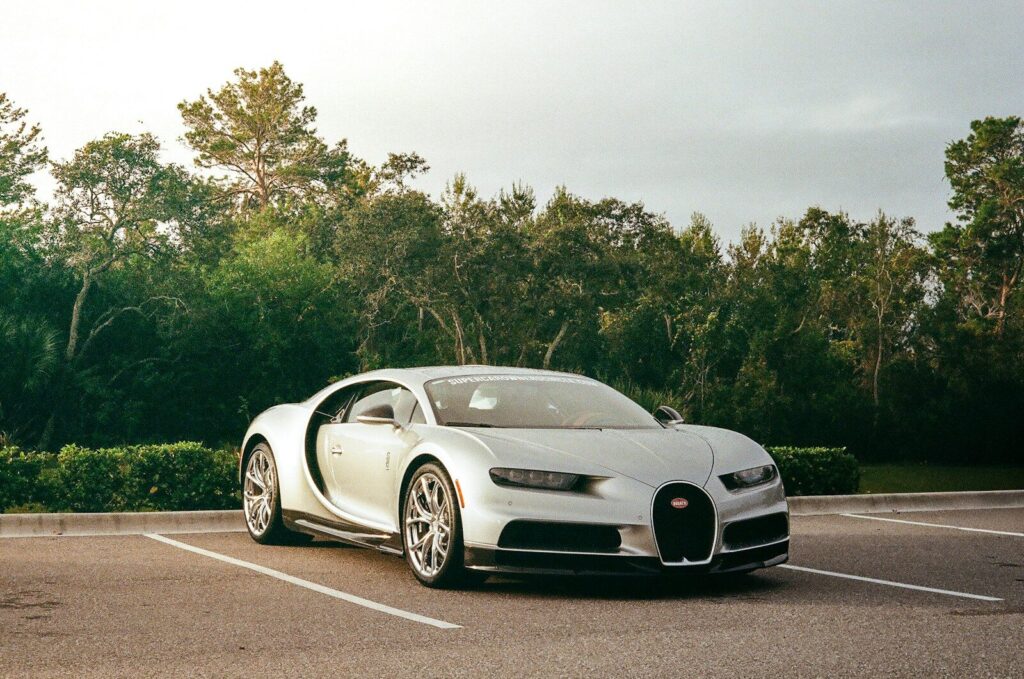
3. Giugiaro’s Vision Appears at Turin
The Bugatti ID 90 concept was unveiled at the Turin Motor Show in 1990 by Giorgetto Giugiaro. The model gave some insights into the design philosophy that was being created for the re-established brand. The ID 90 concept vehicle shared several technical features with the EB 110 model such as mid-engine with a 3.5 liter, quadruple turbo-charged V12 and all-wheel drive platform.
Design Features Linking Heritage And Innovation:
- Mid-mounted V12 powered the concept
- Quad-turbocharging reinforced its performance credentials
- All-wheel drive supported its capabilities
- Glass canopy defined its distinctive appearance
- Historic wheels referenced classic Bugatti heritage
The ID 90 was supposed to achieve a maximum speed of 174 mph, or 280 km/h. It had much rounder and sophisticated design when compared to the angular design of EB 110, which gave the car its unique style while at the same time alluding to the technological capabilities of the new Bugatti. The main distinguishing factor of this car was its huge glass canopy and vents aimed at assisting with engine bay cooling. The unusual body shape made the car look like it came from the future but had a relation to the new Bugatti philosophy of performance.
Giugiaro also drew on some references from the past when designing the concept car. Specifically, the design of the wheels of the vehicle referred to that of the 1926 Bugatti Royale. It was intended to be a link between the glorious past of the Bugatti Company and its future direction. In other words, the ID 90 not only served as a stylistic demonstration but a showcase of the ability of Bugatti to integrate its past, its technology and current Italian style.
4. Bugatti Takes a Four-Door Turn
The aspirations of Bugatti were not limited to only producing super cars with low chassis and middle engine. At the 1993 Geneva Motor Show, the company launched EB 112, which was a full-size luxurious sedan produced by Bugatti. The car aimed at replicating the style of EB 110 in a totally different category of car. It was evident from this car that Bugatti wanted to explore luxury too.
A New Direction For Bugatti Luxury:
- Four-door body emphasized luxury and comfort
- Art deco styling reinforced historical connections
- Type 57SC Atlantic inspired exterior details
- Carbon-fiber structure reduced structural weight
- Powerful V12 preserved supercar performance
Nonetheless, the EB 112 had a completely different shape and use from the EB 110. While the EB 110 was all about performance and light weight, the EB 112 was a four door big body with luxury items in it. It also took inspiration from art deco designs as well as other Bugatti designs from the earlier years, like Type 57SC Atlantic. The shape of the car ensured that it had a very impressive appearance of a luxury saloon.
Notwithstanding its size, the EB 112 was far from a soft luxury cruiser. Underneath the carbon fiber body was an air-cooled naturally aspirated 6.0-liter V12 engine which delivered 455 horsepower. This engine was mid-mounted in the front position of the car and it used all-wheel drive transmission to get the saloon to 186 mph top speed while 0 to 62 mph acceleration took place in just 4.3 seconds. These specifications put the EB 112 into the high performance range although it had executive car body dimensions.

5. A Luxury Saloon With Supercar Performance
The description of “go-kart-like handling” of the EB 112 by Romano Artioli reflected the special character that Bugatti sought in this car. Even though the car was big, it was not designed for mere transportation of the passengers, but also for giving the driver some pleasure from driving. This way, the EB 112 became a unique mixture of executive luxury and high-performance cars.
Where Luxury Meets Driving Excitement:
- Go-kart handling defined its personality
- Leather created a traditional luxury atmosphere
- Walnut trim added warmth inside
- Video screen introduced modern technology
- Heritage remained central throughout design
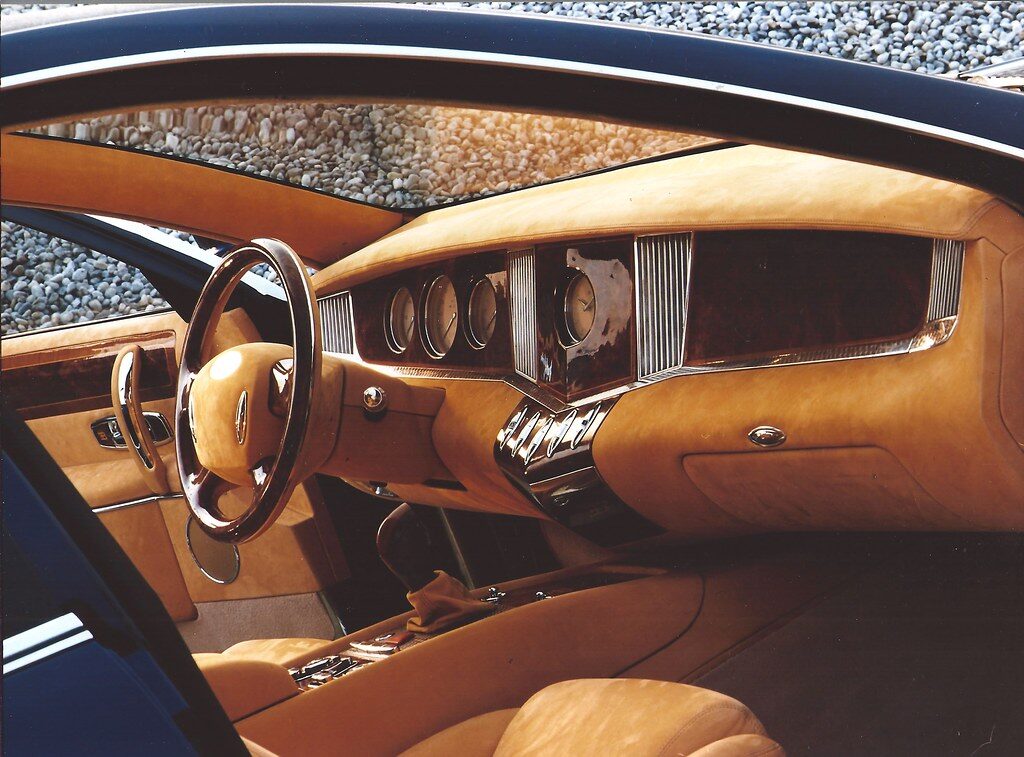
The interior of the EB 112 maintained the same mixture of luxury and technology. Luxurious leather and warm walnut trim made for a luxurious ambience, while the video screen built into the dash offered a more modern aspect. The design of the interior was meant to be exclusive while still being true to the legacy of the company. The materials were used to build the ambience desired in a high-end grand touring car.
Indeed, the blending of both the past and the future was what defined EB 112. The former was captured in the appearance of the car, which echoed past Bugattis, whereas the carbon fiber body, the V12 engine, the all wheel drive, and the electronics brought it into the future. In essence, the EB 112 can be viewed as an executive car designed using the mind set of a super car maker. It was this approach that made the EB 112 unique compared to other luxury sedans.
6. Bankruptcy Stops the EB 112
The EB 112 was never mass-produced because Bugatti Automobili S.p.A. declared bankruptcy just two years after the concept car was revealed. The financial troubles of the company abruptly ended the grand scheme of Artioli, leaving many of his most exciting ideas unfinished. One of the most interesting ideas which were not materialized by the company was the EB 112.
How Financial Trouble Changed Its Fate:
- Bankruptcy halted planned series production
- Only one prototype was completed
- Two unfinished chassis were later completed
- Monaco Racing Team finished additional cars
- Three examples ultimately survived worldwide
The development of only one prototype of the EB 112 was completed at the factory, but that did not mark the end of the story. The Monaco Racing Team managed to finish two other unfinished chassis, so only three cars of this model exist today. The fact of completing these two unfinished vehicles made sure that the project would not vanish into oblivion along with the bankruptcy of the firm.
These three cars were painted red, black, and dark blue; thus, they became a very unique item in Bugatti history. The very small number of these items emphasizes the fact that these particular cars almost disappeared because of the bankruptcy of the company in the era of Artioli. Unlike the usual production, they represent a rather rare phenomenon in the history of the brand. The fact that these cars have managed to survive means that people can enjoy something that once was just a prototype.
7. The EB 112 Becomes a Collector’s Dream
This is due to the fact that the EB 112 is exceptionally rare, which has made the existence of such automobiles a coveted item for those who collect these automobiles seriously. These cars come under the category of being both historically important and technologically sophisticated as well as a failed ambition, put in the form of a four-door automobile.
What Makes The Surviving Cars Special:
- Only three examples exist worldwide
- Rare chassis attracted serious collectors
- Auction value reflected historical significance
- Matching luggage accompanied the vehicle
- Custom accessories strengthened its uniqueness
One of the three vehicles, the one that had chassis number ZA9CC030ERCD39003, turned out to be sold at an auction by RM Sotheby’s in Monaco. Its sale price was close to two million dollars, which proves how much value is placed on this kind of Bugatti. However, for the collector, the vehicle is not everything. The extremely low number of units produced makes each of them valuable for the company’s recent history.
The victor of the auction was also rewarded with luggage that matches the set and includes a special tool roll, as well as an EB 112 umbrella that bears an official EB 112 design with an elephant handle on it. All of these details make the car even more extraordinary as a time capsule of Bugatti’s luxurious aspirations at the company’s most stormy period. These items contribute to maintaining the originality of the presentation of this concept.
8. Volkswagen Revives Bugatti’s Wild Ideas
However, Bugatti’s passion for creating flamboyant luxury vehicles had not ended after the failure of the company belonging to Artioli. In fact, Volkswagen purchased the rights to use the Bugatti nameplate in 1998, and yet another era in the modern life of the car brand began. Once again, Giorgetto Giugiaro was back in the limelight with his incredible concept car.
The W18 Era Begins With New Ambitions:
- Volkswagen acquired Bugatti rights in 1998
- Giugiaro returned with another concept
- EB 118 debuted in Paris
- W18 engine produced 555 horsepower
- All-wheel drive supported enormous performance
The EB 118 debuted at the Paris Motor Show in 1998 as a grand touring coupe. However, what made the EB 118 stand out from all the other concepts that premiered at the show was the engine hidden under its massive hood. It was a 6.3-liter engine W18 that generated 555 horsepower. It was the first ever 18 cylinder engine that was incorporated into a passenger vehicle.
This engine featured three rows of six cylinders configured in a W layout. Together with all-wheel drive, this powerful engine made it possible for the car to reach a maximum speed of 199 miles per hour. Inside the vehicle, the concept retained its design philosophy through an interior design characterized by a minimalistic approach with very few buttons. This resulted in the creation of a unique grand tourer due to a combination of tremendous power and minimalist interior design.
9. The EB 218 Brings Eighteen Cylinders to Four Doors
However, the innovations did not stop there for Bugatti. In 1999 at the Geneva Motor Show, the concept car EB 218 was introduced as the further development of the concept a four-door luxury sedan. This was the further development of the concept of the brand as a vehicle that combines amazing power and dimensions of a luxury car.
An Unprecedented Blend Of Size And Power:
- Four-door body expanded the concept
- W18 engine delivered enormous power
- Diablo VT system provided all-wheel drive
- Acceleration remained impressive for its size
- Production plans never moved forward
The EB 218 employed the same amazing 18-cylinder engine and implemented the Lamborghini Diablo VT all-wheel-drive system to cope with its immense power. Though its four-door body was bigger, it still managed to speed up to 60 miles per hour in about 4.5 seconds and achieved 155 mph as its top speed. Such figures showed that being a bigger car with luxurious intentions did not stop Bugatti from developing an impressive level of performance.
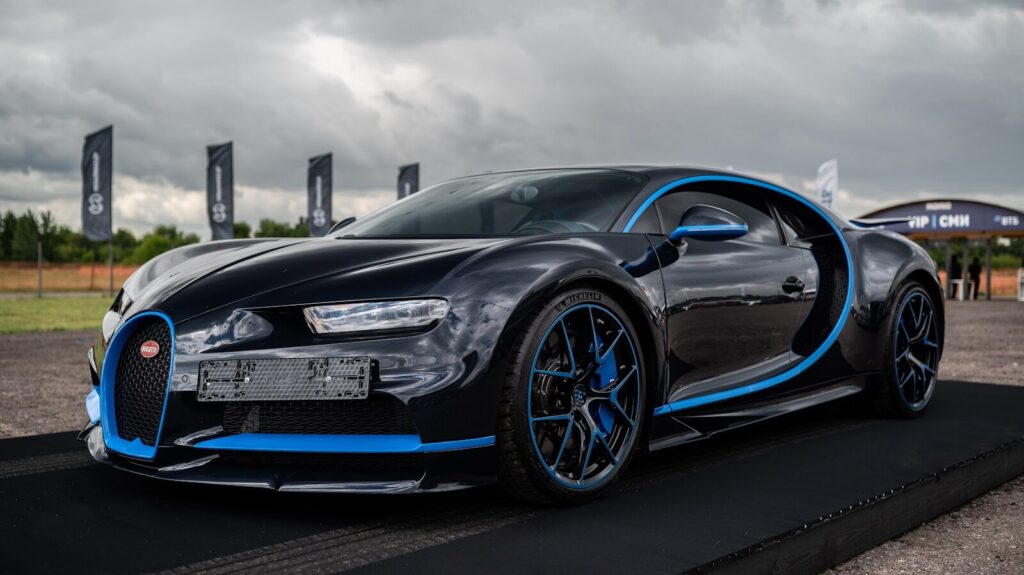
Neither the EB 118 nor the EB 218 made it into production. However, their significance lay in more than just being extremely impractical concepts. The testing of the W18 engines paved the way for the concept of quad-turbos on W16 engines that would later be featured in the Veyron and the Chiron. In this context, the concept cars served an important purpose, even if they never got to become production cars.
10. Bugatti Was Always About More Than Supercars
As we reflect upon the EB 112, EB 118 and EB 218, we see another aspect of Bugatti that tends to go unnoticed while the discussion is confined to its modern-day super cars. In the past, Bugatti has always been dabbling with grand tourers and luxury saloons, along with engines that seemed impossible to manufacture and designs which were almost unbelievable.
The Ambition That Defines Bugatti:
- Luxury remained alongside extreme performance
- Historic styling shaped modern concepts
- Unconventional engines expanded engineering boundaries
- Four-door designs challenged traditional expectations
- Mechanical excess remained part of Bugatti
EB 112 has special value as an example of the fact that the aim of Bugatti was to create not just the fastest two-door car. EB 112 aimed at the combination of business comfort, elegance, modern engineering, four-wheel-drive capabilities, and a powerful V12 engine in a large car. The result was a car absolutely different from other supercars. Unique size and concept of this car have given it uniqueness as an interpretation of the new Bugatti.
An attitude of being too much is definitely something that is rooted in the Bugatti tradition. It is certainly a very interesting thought of seeing in the showroom the EB 112 model standing alongside the 1,775 horsepower Tourbillon. Going from the daring comeback done by Artioli to the present day hybrid models, Bugatti has always had an attitude of trying out some ideas that other brands would find totally out of their league. These ideas have always shown what an explorer such an attitude really is, and how much more there is to Bugatti’s history than just its hypercars.