Volkswagen Multivan Arrives with Seven Seats and Up to 745 Miles of Range
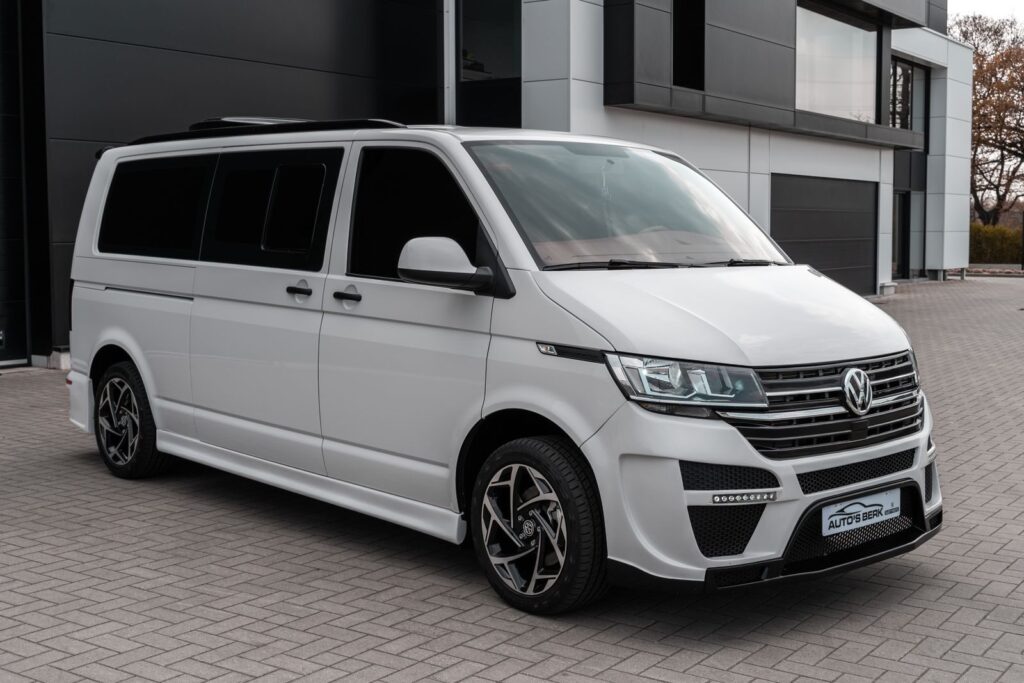
Volkswagen is entering the fiercely competitive people-mover market in Australia with the new-generation Multivan, a people mover designed to take on established rivals in the segment, including the Kia Carnival. Underpinning the new Multivan is Volkswagen’s adaptable MQB architecture, and unlike previous generations, the new Multivan is built on a platform designed for passenger-cars, offering a more car-like driving experience and an extremely adaptable interior. Australians will have the choice between a short-wheelbase and long-wheelbase version, with a seven-seat layout for the standard model, which is available with both a long-range diesel and a plug-in hybrid due later in 2026.
The diesel version of the Multivan can cover up to 1,200 km (744 miles) between refills, while the upcoming Multivan e-Hybrid is expected to reach 94 km of purely electric driving in the combined cycle according to WLTP. The interior of the Multivan is extremely passenger-oriented, with a strong emphasis on storage, technology, comfort and seat flexibility. The rear seats in the vehicle are individual, can be moved separately on rails in the vehicle, can be rotated and used as a backward-facing seat or completely removed from the vehicle if more cargo space is needed. Although it is not the van-based MPV with the most occupants, the ultimate Multivan, with its array of luxurious features, retractable seats, impressive range, and incoming PHEV technology, is a very unique family package.
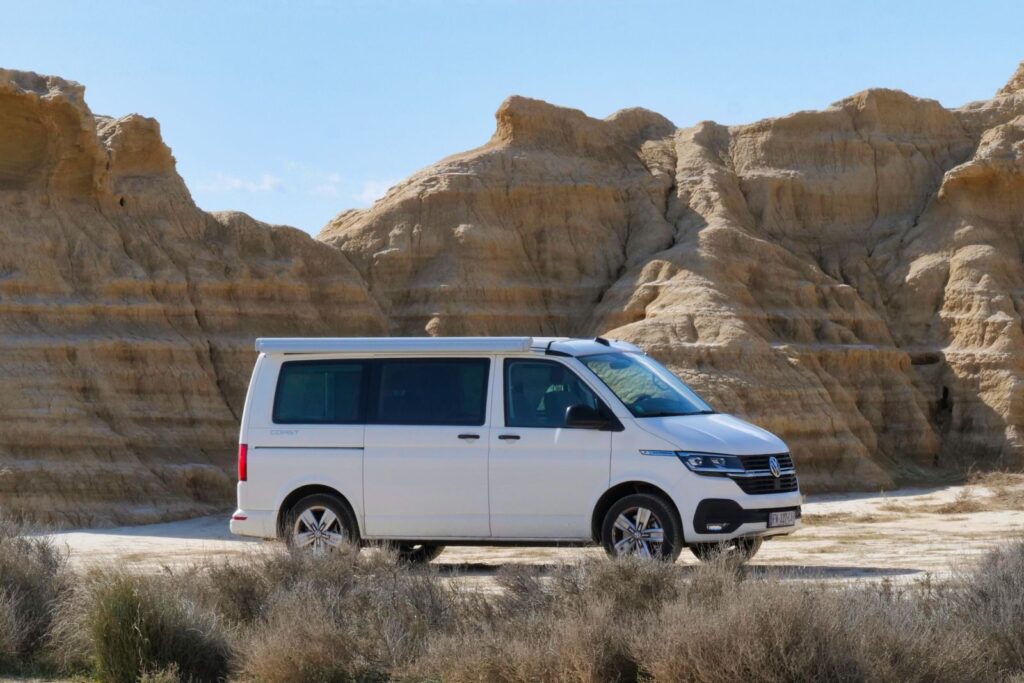
1. MQB Platform, Body Lengths, and Australian Pricing
The VW Multivan is a big departure from the old model as it is based on VW’s MQB platform. This upgrades it from the traditional commercial-van archetype to a more passenger-car-like. Australian buyers are offered two body lengths, with the short wheelbase now the standard footprint, and an extra-long wheelbase model added for the long version. The SWB Multivan is priced from AUD 75,990 (roughly USD 49,000). Those looking for the extra cabin space the LWB adds can pay an extra AUD 3,000 (around USD 2,000). This small price differential makes for a much more family-friendly vehicle, adding space for the family and their gear while leaving the principles of the Multivan intact.
Multivan Platform and Pricing:
- MQB platform underpins the Multivan
- Two body lengths are offered
- SWB starts at AUD 75,990
- LWB costs AUD 3,000 more
- LWB adds useful interior space
These two body styles enable customers to select the Multivan based on their application. The short-wheelbase model provides the flagship seven-seater configuration, while the longer version offers more practicality for households that need to carry both people and luggage at the same time. The added length comes into play when all rear seats are in use, as it ensures that the extra body room is less likely to compromise boot volume. Volkswagen’s decision to offer both versions ensures you don’t have to move into a significantly larger machine just to gain a little bit more living space. The MQB architecture is what further separates the Multivan from earlier commercial-style vans, thanks to the passenger-oriented makeup of the platform. The structure of the MQB-enabled platform, along with the two wheelbase variations and an easily digestible pricing grid, form the basis for the rest of the Multivan lineup.
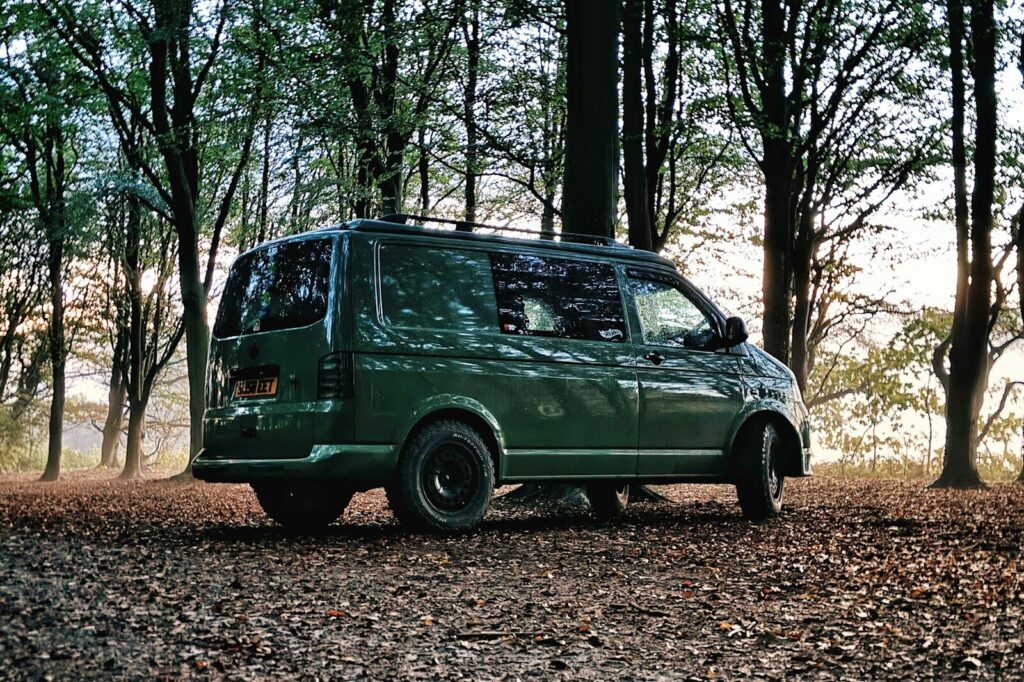
2. Diesel Engine Delivers 745 Miles of Range
The standard Multivan has a turbocharged 2.0-liter four-cylinder diesel engine that makes 150 horsepower and 36.7 km, or 265 lb-ft of torque. Those figures are all about maximum fuel economy rather than performance, but what stands out most about this drive train is range. VW claims the diesel Multivan is capable of covering up to 1,200 km, or roughly 745 miles, on a single tank of gas. This makes the engine an excellent choice for long-range family trips when stopping for fuel can be an inconvenience, and the focus is on remaining on the road rather than any in-car features.
Diesel Powertrain Highlights:
- 2.0-liter turbocharged diesel engine
- Produces 150 horsepower
- Delivers 265 lb-ft torque
- Maximum range reaches 745 miles
- Designed for long-distance cruising
The Multivan’s extra driving range has implications when it comes to long-distance driving, whether for work or family. A potential 1,200-km range could allow drivers to cover longer distances without stopping to refuel, which is a benefit of this diesel engine when traveling down the highway. The truck’s torque output also lends itself well to a vehicle that transports a lot of people, where having lots of torque to growl down the road is less important than smoothness and delivery. Given the Multivan is supposed to be as focused on travel as it is on people-hauling, that diesel engine settles into a very natural role. It offers buyers an old-school powertrain to access, and Volkswagen quickly gets to prepare the added e-Hybrid model, which tows that long-distance light-duty load and perhaps offers alternative transportation for interested buyers.
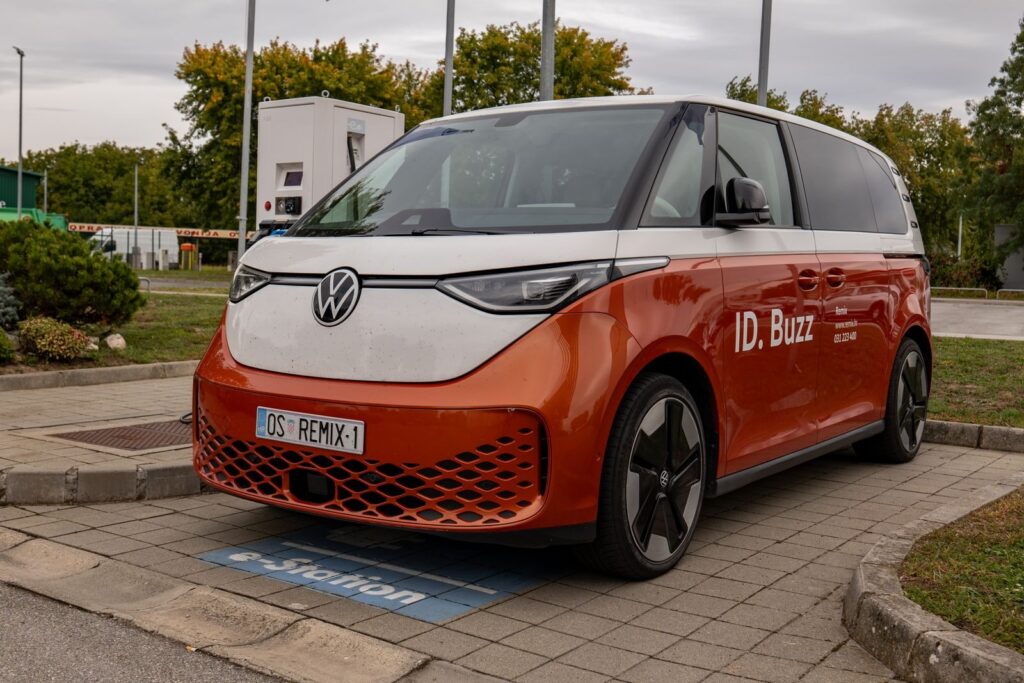
3. Multivan e-Hybrid Brings Plug-In AWD Technology
Volkswagen is unveiling an energetic electrified version of the Multivan lineup with the e-Hybrid, which will land in Australia in the beginning of 2026. This is an extra uncommon announcement, because the e-hybrid is actually “the nation’s first plug-in hybrid minivan,” Volkswagen Australia mentioned in a press launch. Its powertrain, which mixes a 1.5-liter turbocharged three-cylinder gasoline engine and electrical motors on the entrance and rear axles to make an all-wheel drive setup, produces a mixed 245 hp and 35.7kgfm (263 lb-ft) of torque-a way more advanced powertrain than the common-issue diesel-powered model.
e-Hybrid Powertrain Details:
- Scheduled for early 2026
- Uses 1.5-liter turbocharged gasoline
- Front and rear electric motors
- Produces 245 combined horsepower
- Provides all-wheel-drive capability
A new aspect to the plug-in hybrid that Volkswagen has developed is the fact that it can still operate in rear wheel drive when in EV mode, which is not something you often see in electric-only drivetrains. The e-Hybrid derives its energy from a 19.7-kWh lithium iron phosphate battery system that is well above the size of Volkswagen’s older PHEV’s. In top of the line Style guise, the Multivan e-Hybrid is estimated to have a price tag of around AUD 100,000 ($64,027 USD) but the standard variants are estimated to be quite a bit less expensive at the top end of the scale.
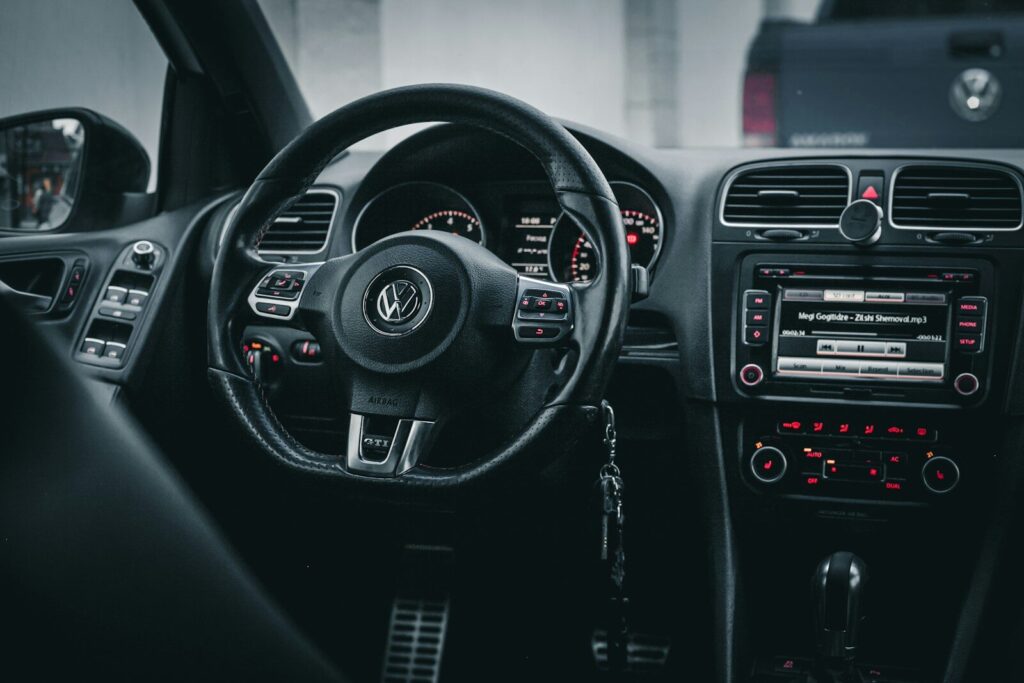
4. Premium Technology and Standard Equipment
Driving The VW Multivan Doesn’t do it’s luxury status any favors with a long list of technology and comfort features that are fitted across the range. All models feature a 10.0-inch touchscreen infotainment system, wireless Apple Car Play, and wireless Android Auto. Also included are powered sliding side doors, three-zone automatic climate control, and a powered tailgate. These features will make things easier for those who have to live with a large family car on a daily basis. The sliding doors open easier and means passengers can get in and out easily, three-zone climate control allows you to have control over different zones in the vehicle, and the powered tailgate makes light work of opening the large tailgate.
Standard Multivan Features:
- 10-inch infotainment touchscreen
- Wireless Apple CarPlay included
- Wireless Android Auto included
- Power sliding side doors
- Three-zone climate control
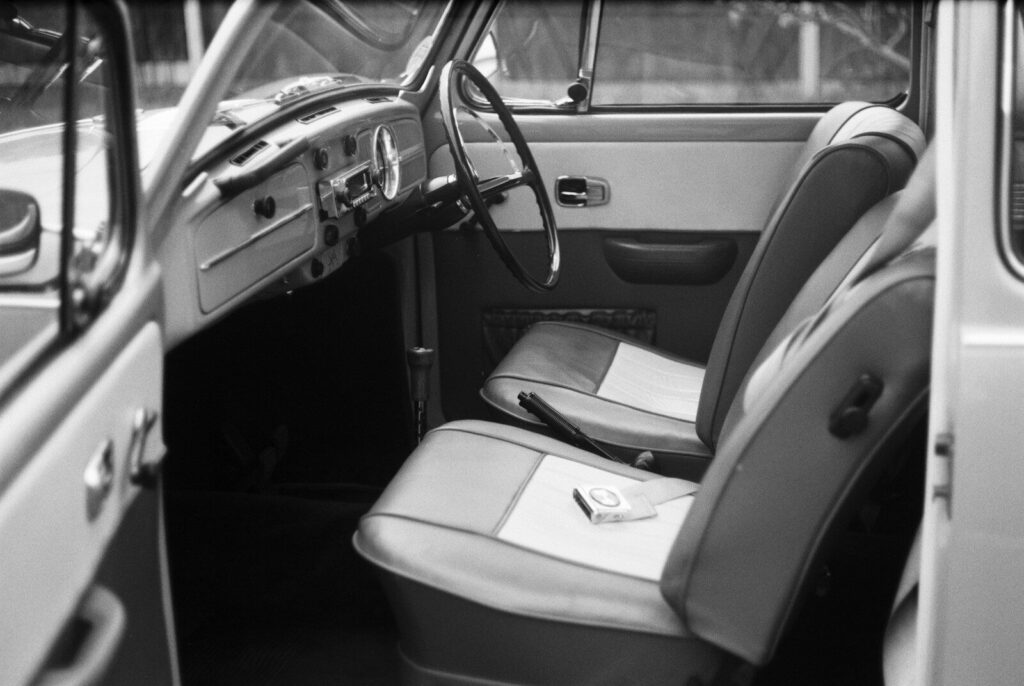
The front cabin also includes a range of storage options to support everyday driving. Alongside the substantial glovebox are a multi-level door bin system and covered storage at the top of the dashboard. In the center of the dash, a small cubby slides open to reveal a pair of cupholders and a mount for smartphone storage. Buyers opting for the Style trim level will get a phone mount with a wireless charging pad that Volkswagen seamlessly integrated into the holder, while lower-grade trims utilize two USB-C charging ports. Details such as these bolster the Multivan’s practicality on long-distance trips where driver and passengers are likely to be carrying numerous electronic devices.
5. Family-Focused Safety and Car-Like Front Cabin
The safety equipment supports the family focus of the Multivan. As standard, full-length curtain airbags extend across all rows of the interior and therefore add to protection during an impact. Active electronic driver assistance systems are also available in the Multivan to support the driver, including lane-keeping and cruise control. Semi-autonomous drive functions help the driver during long trips. Since families are likely to spend a lot of time on the highway, the dimensions and requirements of the Multivan used to have to belong to the domain of passive occupant protection. Volkswagen offers airbags together with electronic driver assistants that support the driver during a long trip.
Safety and Front-Cabin Features:
- Full-length curtain airbags included
- Lane-keep assist provides support
- Adaptive cruise control included
- Semi-autonomous driving capabilities available
- Front seats offer extensive adjustment
The atmosphere of the driving environment aims to be like that of a passenger car more than a commercial van. The front occupants are in a car-like seating position rather than the corporate-bus seats typical of older vans. The front seats are very well padded and offer comfortable manual and power adjustment, as do the driver and passenger seats which each get their own armrests on both sides for a more relaxed seating for cross-country driving. When combined with the driver aid technology, this is designed to make longer road trips less tiring. The end result is a front cabin that is as passenger vehicle-centric as it can be but with all the physical roominess of a large family van.
6. Flexible Seven-Seat Interior and Multiple Configurations
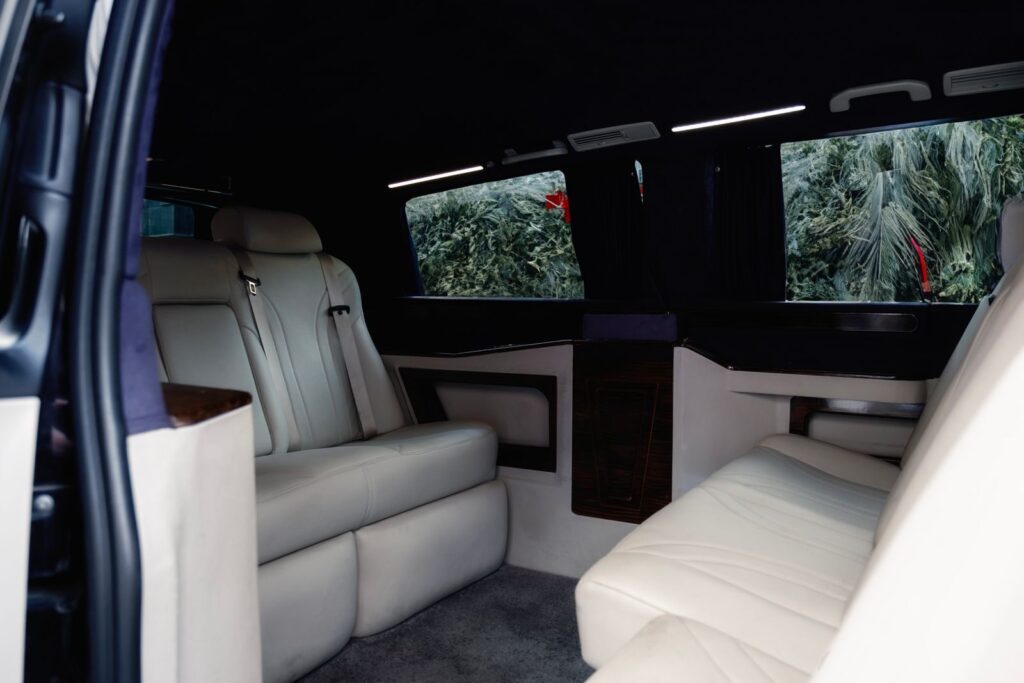
The real flexibility of the Multivan becomes more obvious in the rear cabin. VW offers up to five different seat configurations that the owner can use to make the vehicle fit their passenger or cargo needs. The most common is a 2-2-3 layout, but options for a 2-3-2 and 2-2-2 are available. For a more premium feel, an optional six-seat configuration with four individual captain’s chairs in the back is available. A family might want to have the seats configured in a way that best fits their needs, without needing to get a different vehicle completely.
Rear Seating Flexibility:
- Standard layout seats seven
- Five seating configurations are available
- 2-2-3 layout comes standard
- Six-seat luxury layout offered
- Rear captain’s chairs add flexibility
The individual rear seats also bring another major benefit each seat has its own floor track, allowing them to slide back and forth independently. This lets owners get plenty of legroom on the driver’s side, while leaving more room in the back for boot space. The seats can even be rotated to face backwards, forming a face-to-face seating layout. Five adults at six feet could all sit comfortably in the back, with room to spare. The versatility of having completely independent seats which can both slide and rotate in combination is what makes the Multivan so flexible, instead of forcing people to put up with a single seating arrangement, Volkswagen lets the cabin adapt to the needs of both passengers and cargo.
7. LWB Model Improves Passenger and Luggage Flexibility
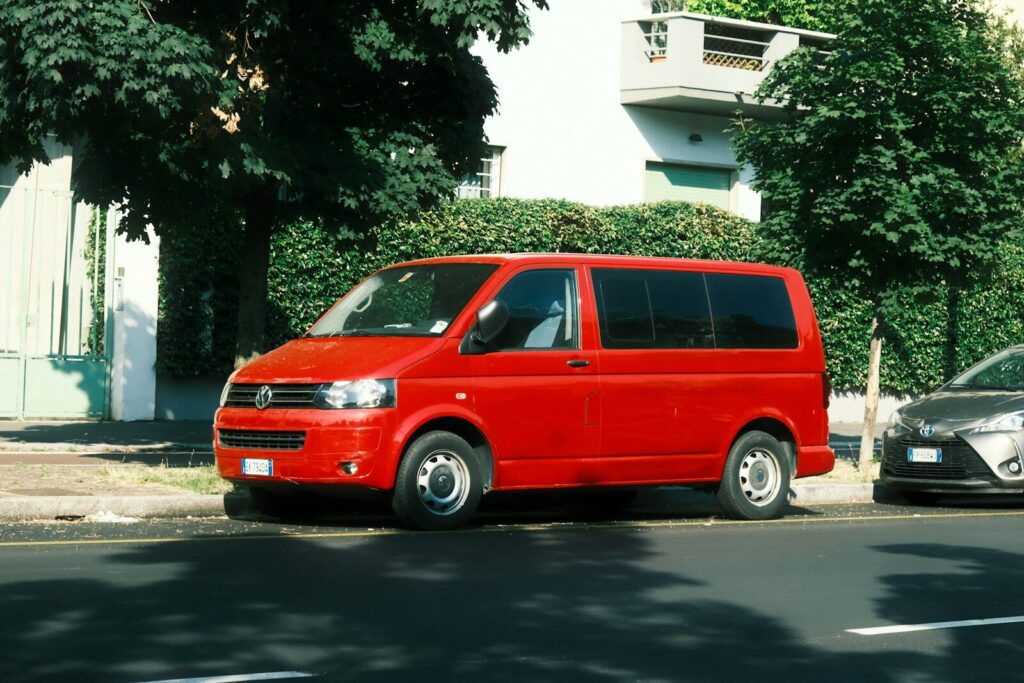
The extended wheelbase is great for families who tend to have five passengers in the car each time you use it, or if you’re taking a long trip. The standard-wheelbase seats all five kids way back, which takes up most of the boot (boot capacity of 1620 litres with five seats in use). The problem is that the kids need maximum legroom and you need to carry luggage. The LWB, then, gains additional body length so that the baby seats can go further back (meaning more room for passengers), and there’s more space for a family holiday.
Long-Wheelbase Advantages:
- Adds useful body length
- Improves rear passenger space
- Preserves more luggage capacity
- Helps full passenger loads
- Suits extended family trips
That little bit of extra sheet metal on the LWB model can have a real impact on how the Multivan’s interior can be packaged. Families no longer have to make as hard a compromise between the maximum amount of rear legroom and the practical amount of boot space. And that compromise is especially important for taller occupants, because they can sit further back without a drastic shrinking of the luggage compartment. The standard-wheelbase model still allows for that compromise, but the longer body allows the long-wheelbase buyers to get a little extra practicality, especially those venturing on a long road trip where both the short term interior comfort and luggage capacity can become increasingly relevant.
8. Easy Third-Row Access and Sliding Cabin Features
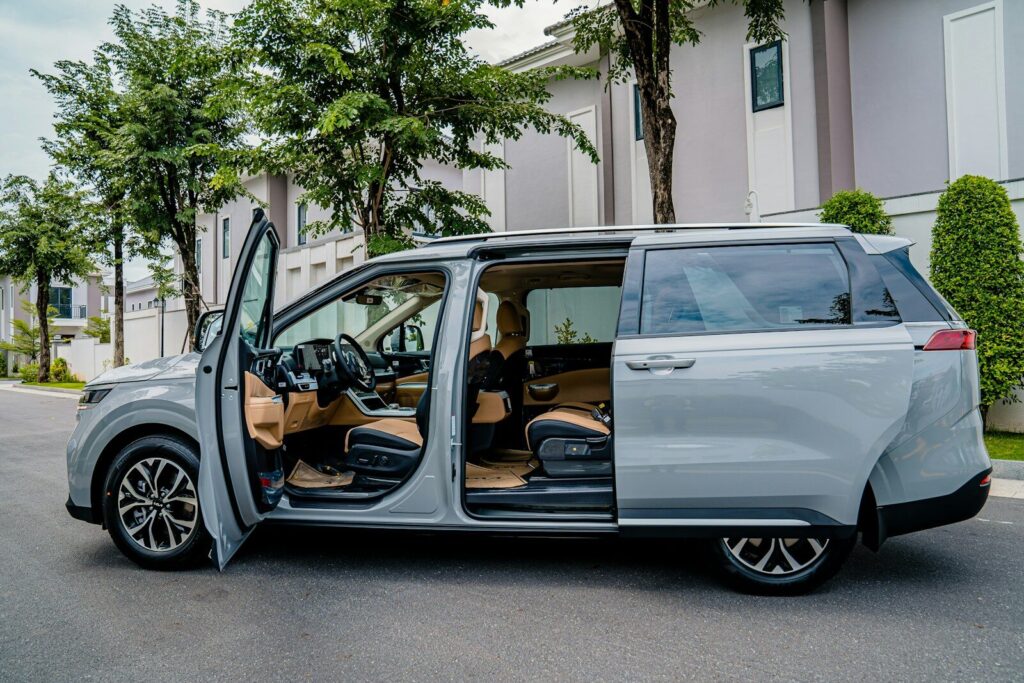
Getting to the third row is pretty easy, thanks to Volkswagen’s sliding-seat setup. The middle-row seats slide forward and fold out of the way, offering a clear path to the back of the van. And when you couple those doors with the giant sliding side doors that move out of the way, access to the third row is easier than trying to carefully squeeze through a narrow, fixed opening even if they’re a little bit more difficult to open up on steep hills. Plus, they slide to the side of the van when open, rather than swinging out and potentially banging into a nearby car, which is helpful in tight parking spots.
Passenger Access and Convenience:
- Middle seats slide forward
- Wide openings improve third-row access
- Large sliding doors aid parking
- Style trim adds powered doors
- Rear console provides useful storage
Style trim helps with side door operation by opening and closing them electrically. Passengers in the back cabin enjoy a sliding center console that slides back and forth on floor tracks. When passengers press a button, the console raises to reveal two airline-style folding tables, cupholders and a deep bin. Side trim adds more cupholders and USB-C charging ports alongside panels, with additional side-trim mounted folding tables built into the backs of the front seats for passengers in the second row. The cabin has everything you need to work on your laptop or an iPad while you eat your favorite snack, or while you are comfortably seated on a long trip.
9. Cargo Space, Folding Seats, and Rear Loading
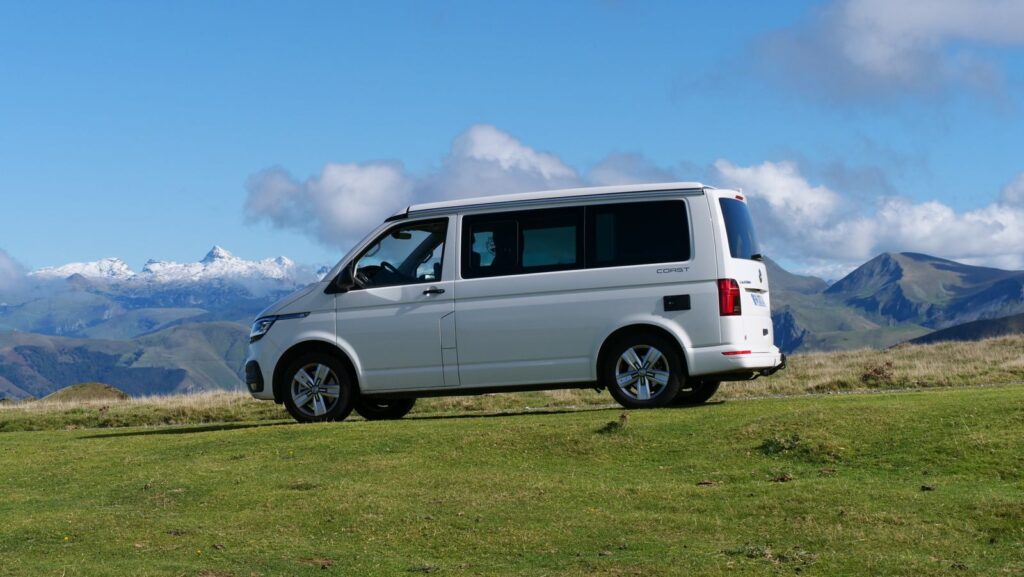
Cargo Volume The Multivan offers a useful amount of cargo capacity although the amount you get depends on body length and whether it is measured to the load cover or the roof line. Volkswagen claims a cargo capacity of 469 liters to the roof in the standard-wheelbase version when fully loaded. The Long-wheelbase versions with the load cover cut that to 763 liters, but measured to the rear window line is somewhat more restrictive. The Multivan thus offers a helpful amount of storage, but families with large suitcases or bulkier support gear may need to fold the rear seats forward to gain extra space.
Multivan Cargo Measurements:
- SWB offers 469-liter capacity
- LWB reaches 763 liters
- Roof-height measurements increase capacity
- Third-row seats can slide forward
- Large tailgate simplifies loading
While they fold flat, the seats don’t stow totally out of the way, unlike in some traditional MPVs and seven-seat SUVs. Folding all seats forward opens up the floor area for medium-sized objects, though to get the full seven seats worth of cargo capacity, the seats need to be unlatched from the cabin (easier than in previous versions thanks to lighter individual seats versus heavy bench seats of Caravelle). Once they are out of the way though, there is somewhere to put the seats while the vehicle still needs space to store them. The wide rear tailgate, low load height and wide-opening means bulky items can easily be taken in, and this powered tailgate on base models takes the effort out of opening the hatch.
10. Multivan’s Position Against Rival Family Vans
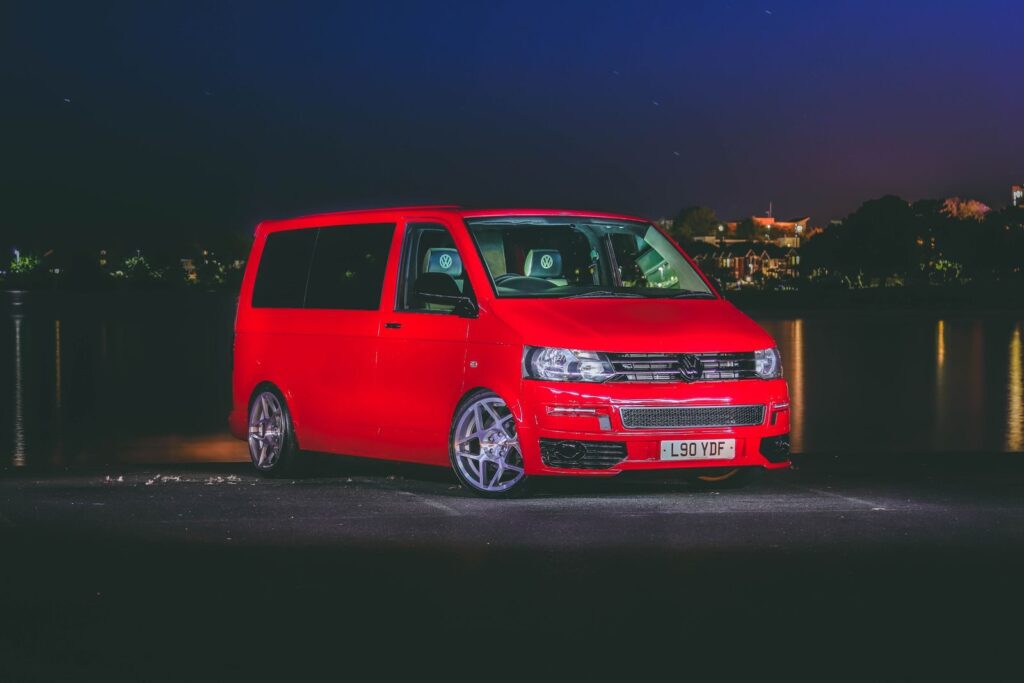
Volkswagen is directly targeting Australia’s family-van segment with its Multivan while also wanting to catch up on the broader full-electrification wave sweeping the industry. That Multivan is targeting established rivals like the Kia Carnival, but offering something markedly different in its focus on flexible seating, passenger comfort, premium kit and a range of powertrain options. While its standard seven-seat setup is versatile, it isn’t the most spacious offering in the segment, with the Ford Tourneo Custom can offering up to six seats in the rearmost row, and nine with a front bench, while other van-based MPVs can offer more passengers in commercial shuttle duties or massive families.
Multivan Market Position:
- Targets Kia Carnival directly
- Standard configuration seats seven
- Rivals offer higher seating capacity
- Focuses heavily on passenger comfort
- PHEV expands Volkswagen’s strategy
The Multivan is less focused on maximum seats for minimum cost and more on personalised comfort for six or seven passengers. With its versatile rear seats, a long-wheelbase option, a range of luxury cabin technology, a diesel drivetrain range and an e-Hybrid powertrain on the way, it can do a lot. Volkswagen also has a plug-in hybrid version of its Transporter commercial van in the pipeline alongside the Multivan e-Hybrid, illustrating that what is developed for the one will not necessarily be rolled out for the other but applies to one plus its big brother. The Multivan will serve both as a workhorse for long-distance diesel towing and as an electric-preferred PHEV and hybrid option to take advantage of growing Australian demand for electrified transportation.