California Lawmakers Pass Leno Law to Offer Smog Check Relief for Classic Cars
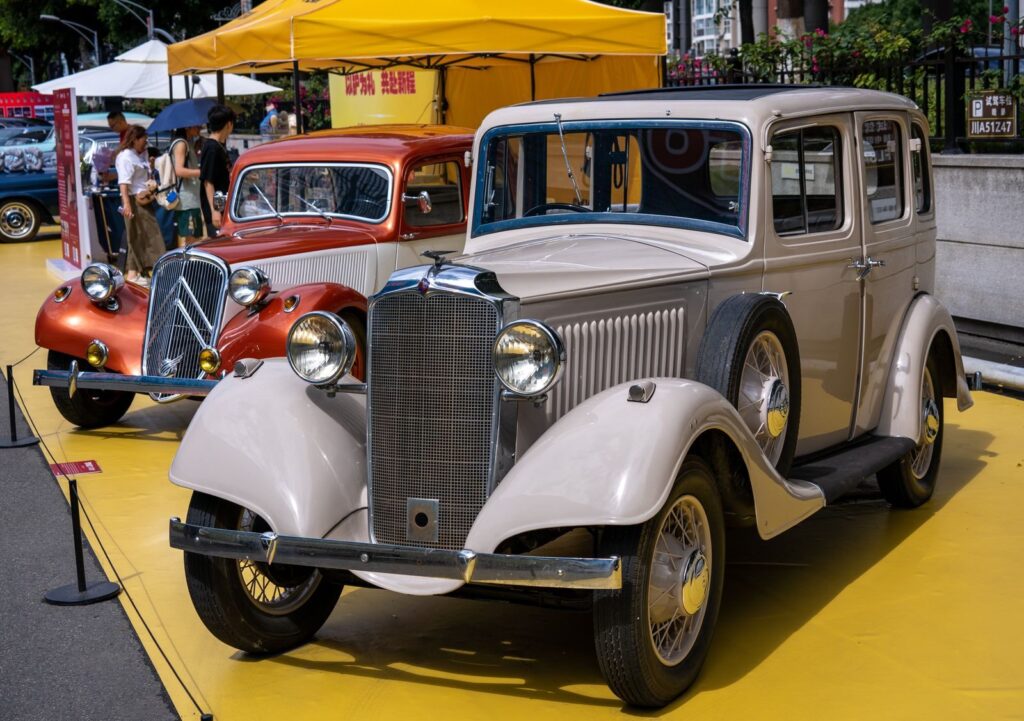
This is American car history that is showcased on a global stage. Los Angeles’ famous desert roads, scenic coastal highways and diverse urban settings all feature plenty of classic cars and trucks still integral to the state’s well traveled visual DNA. And now, in California, some of the nation’s most restrictive emissions regulations are about to get another facelift with the passage of SB 1392 “Jay Leno’s Law.”
Written by Democratic Senator Dave Cortese, with Republican Senator Shannon Grove as co author, the bill was approved by the California Legislature on August 31 by a 49 4 margin and is awaiting approval or veto by Governor Gavin Newsom. If signed, the bill would be the biggest expansion of collector vehicle smog check exemptions in more than 20 years. The legislation is already a major breakthrough for enthusiasts, mechanics, restorers and the California car community at large.
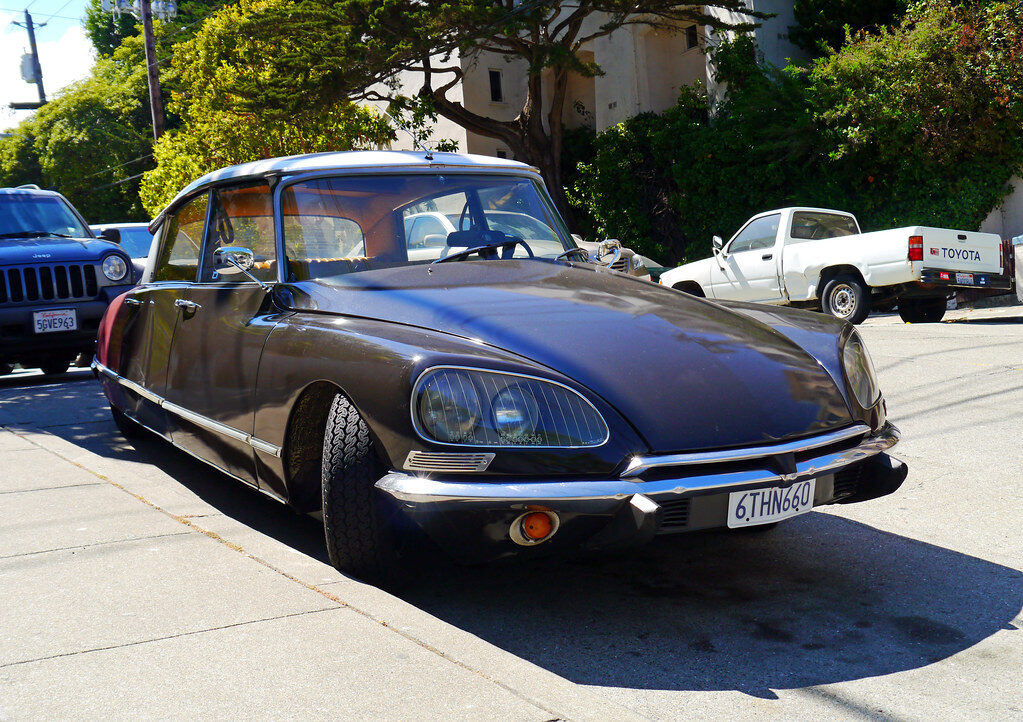
1. California’s Classic Cars Meet Strict Smog Rules
Classic Cars, High Mileage (California’s Biggest Auto Market) Classic cars and trucks have long been a part of California’s automotive culture, from Pacific Coast highway cruising to desert access roads to city streets. But a new law now aims to make it easier to maintain and operate older vehicles, despite California’s tight emissions standards. When Californian lawmakers last month passed SB 1392, better known as “Jay Leno’s Law,” it was the first time in 20 plus years that the state lawmakers had greatly expanded collector vehicle smog exemption eligibility. The bill was authored by Democratic Senator Dave Cortese and coauthored by Republican Senator Shannon Grove, and is currently awaiting the signature of Democratic Governor Gavin Newsom.
A Major Shift for Classic Owners:
- California has strict emissions rules
- SB 1392 passed 49-4
- Governor Newsom awaits decision
- Collectors could receive smog relief
- Restoration community could benefit
The bill seeks to resolve a tension between California’s already stated requirement for reducing emissions and the higher but clearer emissions standards applicable to its older market for collector cars. The legislation is viewed by its backers, which include individual car enthusiasts and related businesses, as a way to help keep the interest of using collector cars alive without placing every old car on the road. The bill was being considered by both houses of the Legislature with past support from Cortese and Grove and the vote marked a big milestone for car collectors, who previously saw their attempts to cover a wider section of the market fall short of moving forward. The bill is now in Newsom’s hands, waiting for his decision on whether to sign or veto it.
2. Why the Law Is Called Jay Leno’s Law
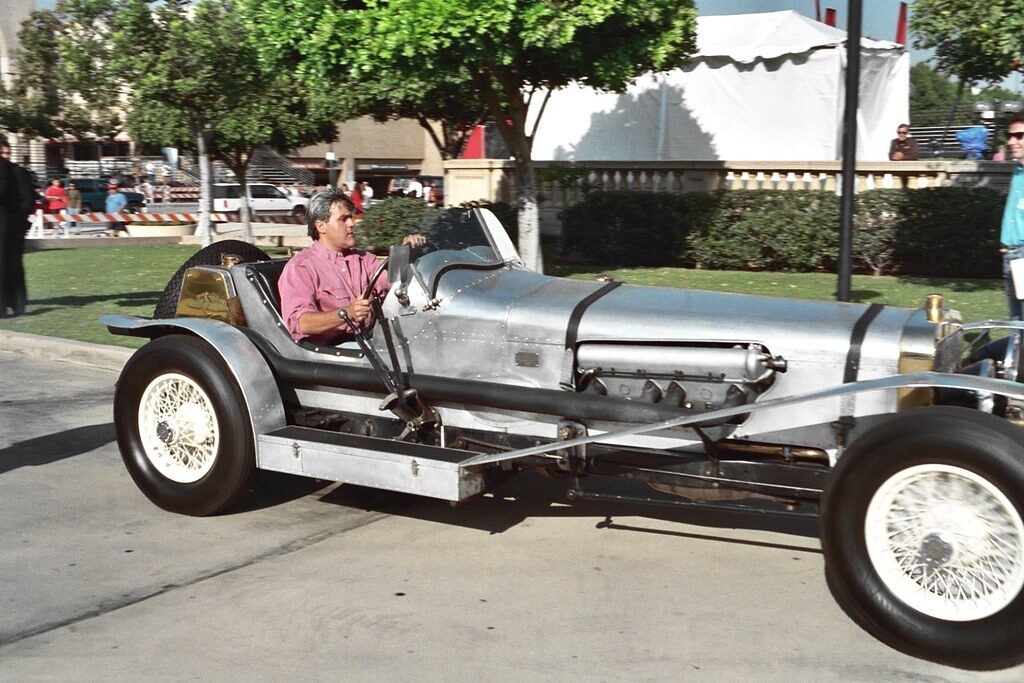
The bill is named after legendary comedian and auto enthusiast Jay Leno, who supported the bill with the language, “This act shall be known and may be cited as Jay Leno’s Law.” Leno has long been an advocate for historic cars and supporting legislation that promotes vehicle preservation. He believe that many owners of older vehicles are experiencing financial and technical hardships due to smog testing requirements, as older vehicles are tested at a rate that is up to 6 times more expensive than more modern vehicles, and many shops and technicians lack the ability to properly test and work on older vehicles. The bill name, Jay Leno’s Law, is in reference to this broader issue of vehicle preservation and registration and the realities of testing older cars.
Why Leno Became the Namesake:
- Leno publicly backed legislation
- He advocates vehicle preservation
- Older testing can cost more
- Some shops lack proper equipment
- Official text names Jay Leno
The name ties the bill to a person commonly associated with owning and preserving cars. For owners of older cars, it’s not just a matter of dodging an inspection. The source explains that smog inspections can become expensive and difficult for some older cars to pass: a test may cost up to six times as much as one for a newer car, and many conventional shops lack the equipment to perform the test. These factors can create a particularly tough situation for enthusiasts trying to keep older cars on the road, which was highlighted by the public support of Jay Leno, while the bill also sets out the specifics of which cars would be eligible for exemption and when.
3. SB 1392 Creates a Narrow Collector Exemption
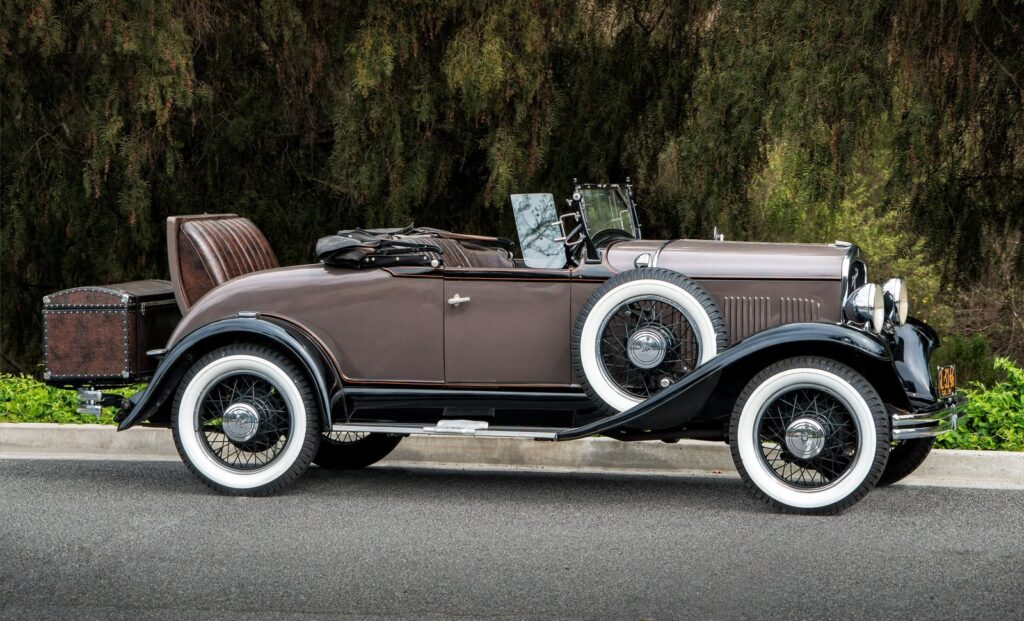
A common misconception is that SB 1392 will make every old car exempt. That is not true. The bill establishes a narrow, phased exemption process for qualifying collector vehicles built between 1976 and 1985. SB 1392, the enrolled bill, would make collector vehicles built before 1981 exempt beginning on Jan. 1, 2028 and would then exempt the next model year every year after that. So a vehicle built before 1986 would be exempt by 2033. That grandfathering of vehicles before 1976 is retained. Instead, owners of vehicles before 1981 who don’t qualify now can plan to keep those cars on the road to be fully exempt in the future.
The Exemption Follows a Timeline:
- Collector vehicles receive phased relief
- Vehicles before 1981 qualify first
- Exemption begins January 1, 2028
- One model year expands annually
- Pre 1976 exemption remains unchanged
SB 1392’s 9-year window from 1976-1985 is a crucial part of the bill. Not establishing an open ended exemption based only on age, the bill rather creates a class of identified vehicles and creates a phase in, beginning with qualifying vehicles built before 1981, which would be exempt in 2028, then a new set of model years each year until the eventual 1986 cut off is reached in 2033. The one way we would be able to know exactly when this exemption would go into effect for a given owner would be to know the year their car was made, but the bill still retains the pre 76 exemption that is currently in law, so owners and regulators would at least still have that baseline.
4. Collector Vehicles Must Meet Use Requirements
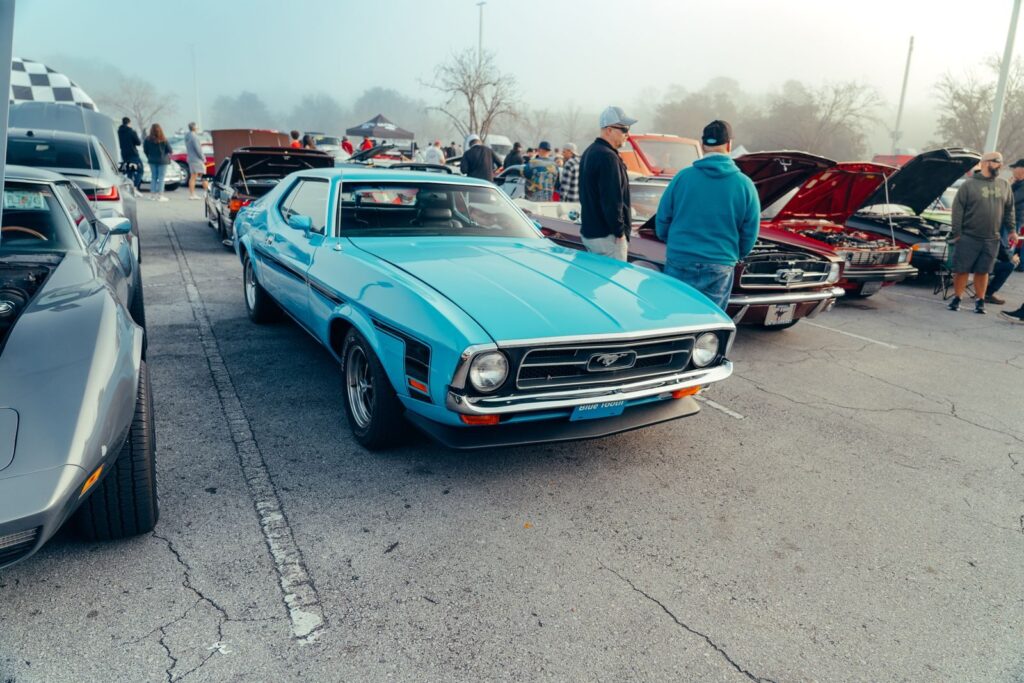
The proposed relief is not intended to be used as a free ride for normal commuters or poorly maintained vehicles. The collector use criteria required of qualifying vehicles would establish that the vehicle is used mainly for showing, parades, charitable purposes and historical exhibitions. Owners would be required to meet verification standards indicating that the vehicle qualifies as a hobbyist collector vehicle. This is relevant because the legislative effort is to differentiate the collector vehicle from normal transportation. The legislative effort is designed to identify vehicles that spend more time in the garage and at car shows than on the roads for daily transportation, and the proposed collector use criteria are an important feature of the exemption process.
Collector Status Requires Verification:
- Vehicles must meet collector criteria
- Daily commuters remain outside
- Shows qualify as collector use
- Parades are included purposes
- Historical exhibitions also qualify
The use requirements aim to ensure that the exemption is limited to the types of vehicles that the law is trying to allow. Like the legislator, supporters have maintained that a collector vehicle that is used mostly for shows, parades, charity functions and displays of historical interest is simply not a daily driver. Given the so called “historic and collector vehicle” purpose of the exemption, the measure simply was not meant to redefine all older vehicles as “classic” daily drivers, and buyers would have to meet verification standards in order to prove that their collector vehicle is just that a collector vehicle. The hope here is to ensure that there is a difference between a collector vehicle and an everyday vehicle.
5. Insurance and Mileage Rules Add Safeguards
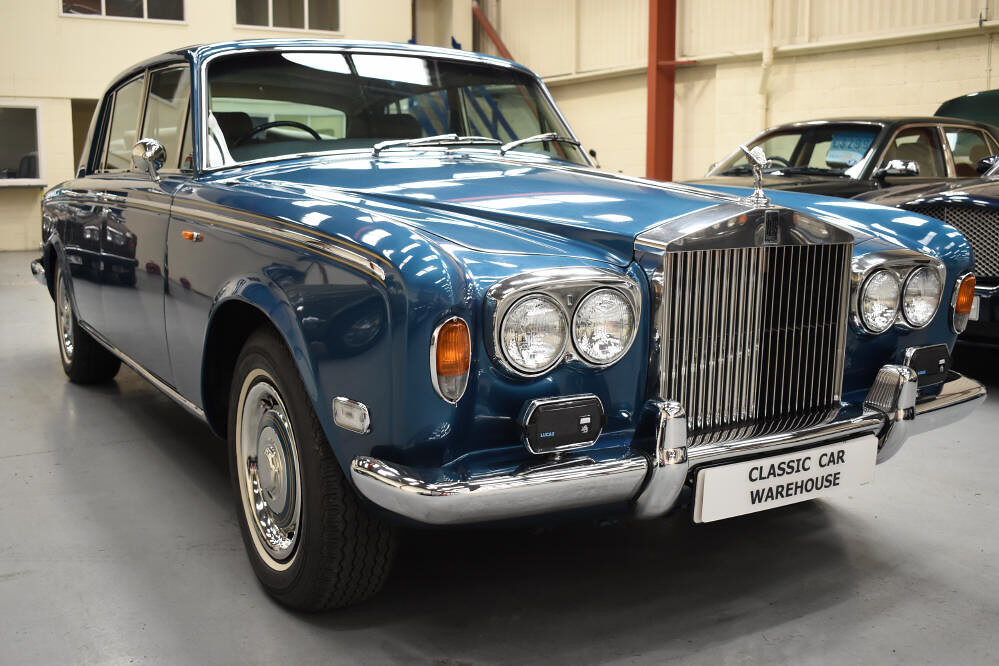
SB 1392 contains protections to try to prevent owners from going through a “collector loophole” with their cars in the form of daily drivers. Owners would need to either have a special collector car insurance policy, or show DMV verification that the vehicle is driven under 1,000 miles annually. These are additional requirements on top of the collector use requirements in order to provide a safeguard to curb abusers of the loophole, and address what issues everyone is concerned about with the daily driver loophole. Those who only keep their cars in a garage most of the time will find these demands be a relatively small price to pay for exemption, and the bill thus tie(s) the collector use standards and these verification standards together to try to more accurately prevent drivers not in the spirit of the law from being granted an exemption, looking at how the car is being driven or insured rather than solely relying on its age.
Safeguards Protect Collector Intent:
- Specialized collector insurance qualifies
- DMV verification can demonstrate mileage
- Annual driving limit is 1,000
- Daily driver loopholes face restrictions
- Garage kept vehicles fit intent
The safeguards, if enacted, give collectors something very valuable in any case: the ability to distinguish between keeping and showrooming. There’s a path to establishing one’s collector car status (specialized collector car coverage), and there’s another (DMV assessment of driving fewer than 1,000 miles a year). A response to criticism leveled by such supporters that the law’s special provisions could otherwise be exploited by owners of decades old drivers; owners who mostly keep their vehicles in garages or near it and regularly deploy them in pursuit of collector car activities are the hypothetical the legislation was envisioned to accommodate. And that’s the way the safeguards are intended to serve the core purpose of the legislation.
6. Earlier Smog Exemption Efforts Failed
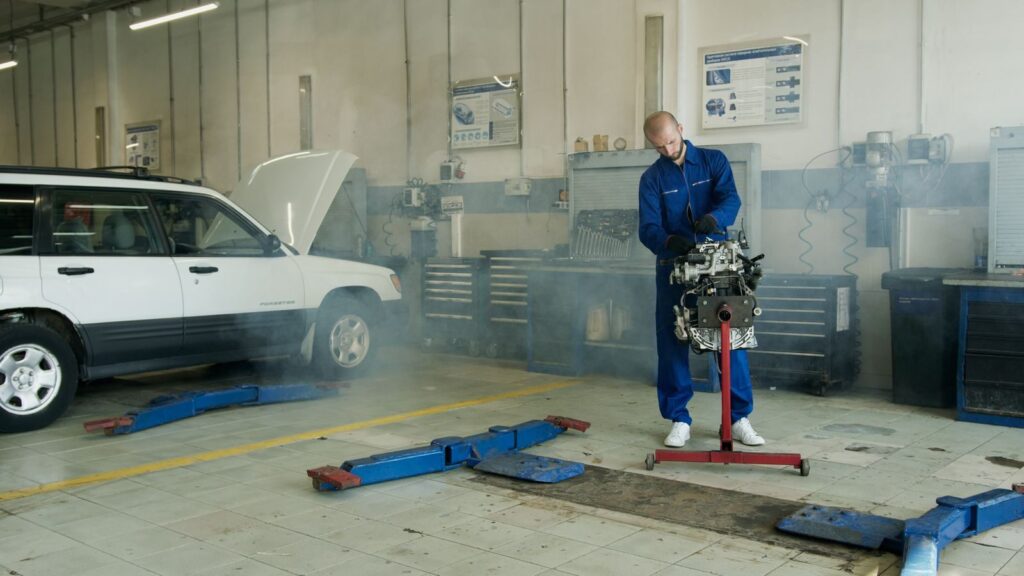
Jay Leno’s Law is not the first effort to get a bill of this type through the Legislature. Another bill, SB 712, was a bill that proposed to exempt cars 35 years and older but it was defeated by the Assembly Appropriations Committee. Concerns raised included a loss of revenue from the smog check program and concerns about conflicting with the state’s air quality goals. Previous bills had enjoyed enthusiasm from the political parties. That doesn’t mean the political parties didn’t still have a committee fight over the bill. That history of SB 712 is how Jay Leno’s Law ended up being an important step for collector vehicle advocates. Instead of just being a blanket exemption for vehicles of a certain age, the new bill uses an alternate route by narrowing the exemption to applicable collector vehicles and a gradual timeline.
Previous Proposals Faced Major Obstacles:
- SB 712 targeted older cars
- The bill died in committee
- Revenue concerns created opposition
- Air quality conflicts were raised
- Support still faced hurdles
These earlier efforts suggest just how difficult it has been to strike the right balance between collector interests and California’s emissions priorities. SB 712 would have provided an exemption for vehicles 35 years and older but was defeated in the Assembly Appropriations Committee due to concerns over loss of revenue to the smog check program and the potential erosion of state air quality standards. While previous efforts garnered support from a diverse group of enthusiasts as well as bipartisan members of the Assembly, they faced hurdles at the committee level that resulted in failure. SB 1392 sets forth a narrower category of qualified collector vehicles and an implementation plan that would phase in the exemption more slowly over time, thus receiving two votes from each house.
7. Automotive Businesses Formed a Strong Coalition
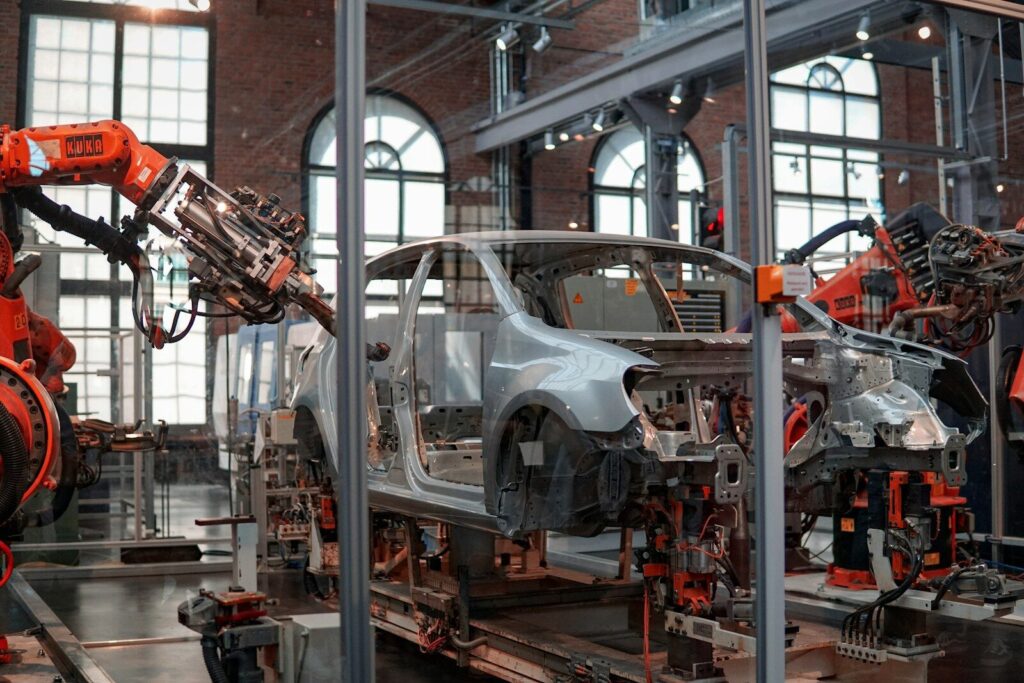
The SB 1392 campaign successfully drew disparate organizations together including the automotive industry, classic car community, and grassroots organizations. SEMA emerged as the bill’s leading advocate and supporter. Using their own resources, Paul Lee and Jack Tolbert of Pasadena Classic Car, Chris Jacobs and Carmen Vera helped rally grassroots support for the effort, helping make the case that classic car revival was not merely a hobby for the ultra rich but also connected to a larger engine of economic activity. California has over 1,500 SEMA member companies and the automotive aftermarket directly supports nearly 150,000 jobs, with more than $40 billion in economic activity, $13 billion in wages and benefits, and $6 billion in state and local tax revenue.
The Automotive Community United Strongly:
- SEMA backed the legislation
- Jacobs supported through advocacy
- Vera amplified preservation efforts
- Businesses support thousands of jobs
- Automotive activity drives economic value
The coalition supporting the bill makes the case that it has implications across the broader economy, too. SEMA’s involvement meant an established automotive advocacy group was on board, while Chris Jacobs and Carmen Vera helped get classic cars’ voices heard on the campaign trail. The source’s reported stats reveal the size of the aftermarket sector in the state. Over 1,500 SEMA member companies are located in California, which is also home to roughly 150,000 aftermarket jobs, and the aftermarket industry there generates over $40 billion in economic activity each year, creates $13 billion in employee wages and benefits, and contributes $6 billion in state and local tax revenue to other local economies.

8. Grassroots Support Helped Push Passage
Among others, the campaign gained a lot of support from the grassroots side. The lowriders submitted more than 1,700 letters of support for the legislation, completing what was easily the biggest group to file comments in the campaign. The FIA International Historical Commission also backed the bill, complementing what it described as a reasonable compromise of conservation and the environment. Hagerty went further, saying that the passage was amazing after years of repeated failures. Sen. Dave Cortese summed up the argument succinctly, saying, “California can support clean air without killing our car culture.” He said a collector’s car that only spends a handful of days a year on the road is different from a daily driven car and said California legislation should reflect that.
Grassroots Voices Strengthened Support:
- Lowriders sent 1,700 letters
- FIA commission endorsed legislation
- Hagerty recognized major progress
- Preservation remained central
- Environmental balance received praise
The numbers indicate that the legislation appealed to more than one basic demographic of classic car enthusiasts. The number of letters from the lowrider community (over 1,700) not only indicated grassroots activism but also the level of well organized interest in the effort, the FIA International Historical Commission followed with its support for balancing preservation with air quality concerns, and the supporters in the movement showed how far they had come from the early efforts to passage, Hagerty noted. Cortese summed up the larger point behind the bill: clean air legislation and automotive history need not be set at odds. His analogy of a garage kept classic to a daily driver speaks to the profile of the collector vehicle exemption requirement and its application.
9. Classic Car Owners Face Real Technical Problems
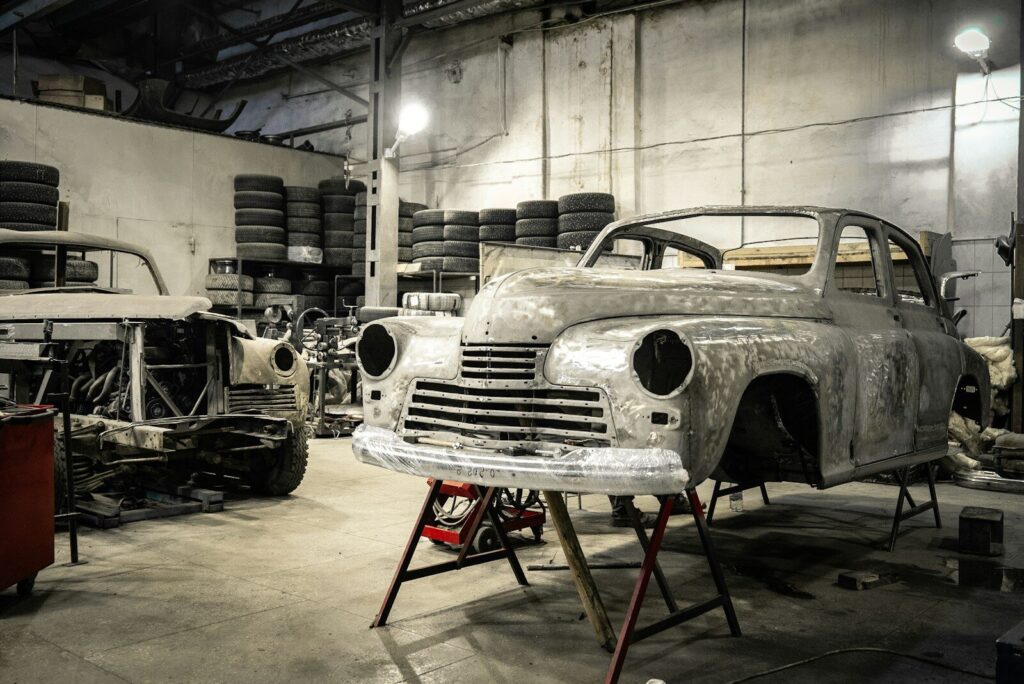
Those practical challenges become all too clear with the 1970s and early 80s vehicles with the original engines with either carburetors or fuel injection systems. 78,000 mile 1985 jeep j10 original vehicle. How hard is it to keep a carbureted 1980s truck Smogging? It can seem almost impossible: failing a test to find expensive, often discontinued original emissions equipment that can even make your engine perform worse. And yet an engine swap with a monster swap may be one of the best options if your low mileage original vehicle isn’t an original tech vehicle.
The Transitional Era Creates Problems:
- Carbureted engines face challenges
- Original emissions equipment gets difficult
- Engine swaps become complicated
- Low mileage complicates decisions
- Some owners park vehicles
These ownership issues help explain why the 1976 1985 period is singled out so heavily in the law. All 1976 1985 vehicles already fall outside the above smog check instructions, and newer factory injected vehicles may be relatively free of burdens. As a result, some transitional period vehicles can find themselves in a real dilemma. A 1985 Jeep J10 with a carbureted engine and 78,000 miles is on the mercy of whether or not an owner can get the beast through smog: to make the original truck smog legal again, an owner must scavenge and either restore a part, perhaps swap out the engine, spend hundreds of dollars and numerous hours, or sell the truck and park it, or register it out of state including Montana.
10. Leno’s Law Could Preserve California Car Culture
While newer factory fuel injected vehicles have fewer issues in the above examples, a 1989 Chevy K1500 with throttle body injection and 1991 Jeep Wrangler YJ can routinely pass smog check, and when they do not, an O2 sensor or catalytic converter can often fix the problem. The 1966 Ford Mustang and 1958 Willys CJ 3B are not subject to the smog check requirements above. That leaves the 1976 1985 pre fuel injection era in the crosshairs, and SB 1392 which is currently in the hands of Governor Newsom for approval would allow those vehicles to still be on the road without require impossible to meet requirements. California is often a test case for the entire country, so what happens here could set the stage for our clean air requirements nationwide.
California’s Automotive Future Remains Active:
- Transitional vehicles need practical relief
- Fuel injected cars face fewer hurdles
- Classic communities remain deeply involved
- California continues protecting automotive heritage
- Final decision awaits Governor Newsom
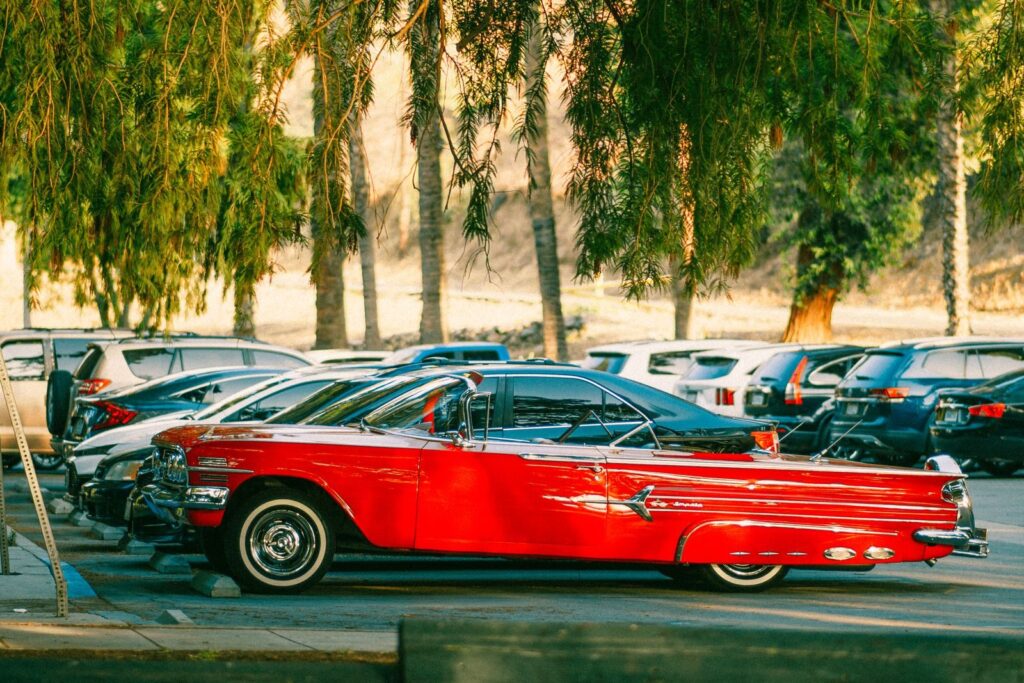
The bill comes as California’s vibrant classic car world continues to buzz on parking lots, driveways, under the shaded trees of numerous shade tree mechanics, at cars clubs across the state, in residential garages and at car shows, cruises and cruise ins and lowrider parades. “Classic cars are a bridge between generations: from grandparents and parents to children, working together to repair a vehicle,” said Senator Shannon Grove, R Bakersfield. “Leno’s Law will help small restoration shops in California, and most importantly, will help car enthusiasts restore and enjoy their prized collector vehicles for generations to come.” SEMA President and CEO Mike Spagnola called the Assembly vote a giant step forward and thanked Cungy, Groves and the bill’s authors for their leadership while urging the governor’s office to sign the bill.