2026 Toyota RAV4 Plug-In Hybrid Delivers 50 EV Miles with Lower Pricing
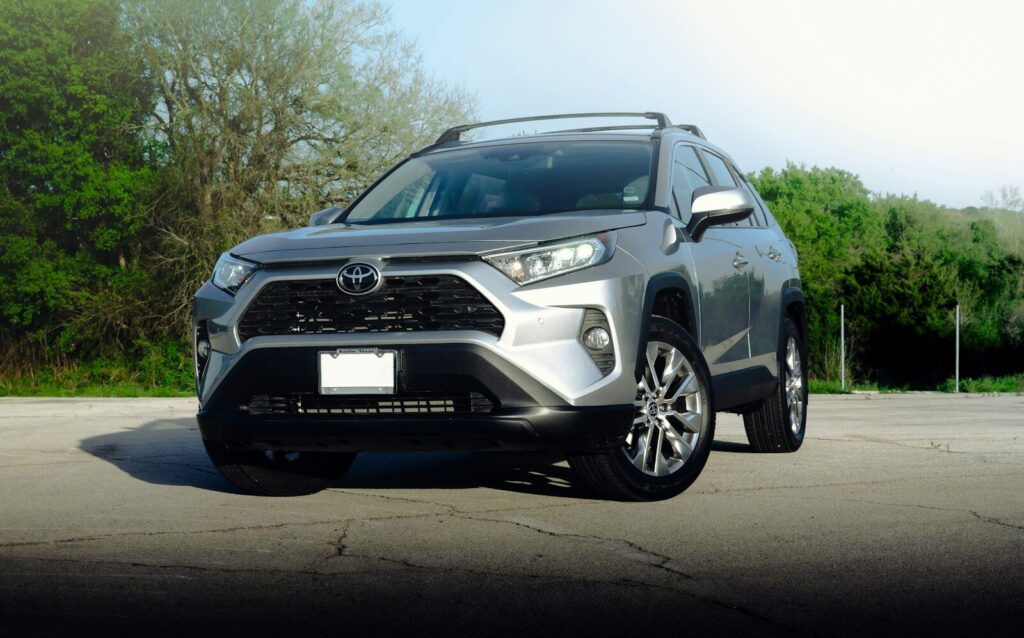
The 2026 Toyota RAV4 represents a major shift for one of America’s most familiar compact SUVs, combining a completely redesigned vehicle with an electrified-only powertrain strategy. Toyota has eliminated conventional nonhybrid powertrains for the new generation, leaving buyers with hybrid and plug-in hybrid choices designed around efficiency, practicality, and stronger performance. The plug-in hybrid receives especially significant attention, gaining more power, a substantially longer electric-driving capability, additional trim choices, and new technology. Toyota’s official specifications currently list the RAV4 Plug-in Hybrid with up to 324 net combined horsepower and an EPA-estimated electric range of up to 54 miles for the SE.
Pricing also gives the redesigned RAV4 a different position within Toyota’s electrified lineup. The 2026 RAV4 Plug-in Hybrid currently starts at $41,500 before delivery, processing, handling, taxes, and other charges, while the range expands through Woodland, XSE, and GR SPORT versions. Toyota’s current published prices list the Woodland at $45,300, the XSE at $47,200, and the GR SPORT at $48,500 before applicable fees. That four-grade strategy gives the PHEV a much broader identity than the previous generation, allowing the same basic powertrain concept to serve efficiency-focused drivers, outdoor-oriented owners, technology seekers, and buyers interested in sportier chassis tuning.
Underneath the new exterior, Toyota has concentrated on making the RAV4 more powerful without sacrificing the everyday practicality that established the model’s reputation. Hybrid versions produce 226 horsepower with front-wheel drive and 236 horsepower with all-wheel drive, while the plug-in hybrid system delivers 324 net combined horsepower according to Toyota’s latest specifications. The PHEV also uses standard all-wheel drive and can operate as an electric vehicle for daily driving before transitioning into hybrid operation when additional range is needed. With a redesigned cabin, updated multimedia technology, Toyota Safety Sense 4.0, and the company’s new software architecture, the 2026 RAV4 attempts to combine familiar crossover usefulness with a much more electrified driving experience.
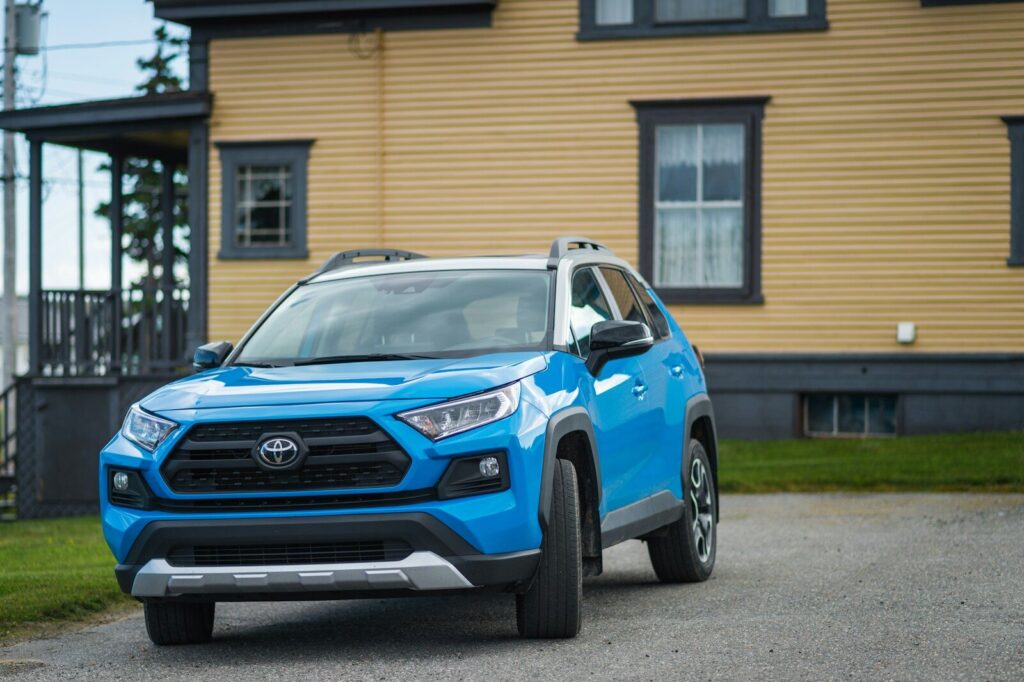
1. Toyota Gives the RAV4 an Electrified-Only Lineup
The single most important change for 2026: The RAV4 is ditching traditional, gas-only powertrains in favor of Toyota’s cleaner, more efficient hybrid and plug-in hybrid powertrains. (Again, notice that all three electrified models are compact SUVs; no new RAV4 engines are coming for the new sixth-gen model.) All hybrid grades are available with front-wheel drive or (as in the past) electronic on-demand all-wheel drive, and all three PHEV options are all-wheel drive as standard. Toyota says this sixth-generation RAV4 is part of its broader plan to sell just electric vehicles in the future.
Powertrain choices defining the new RAV4:
- Hybrid-only U.S. lineup
- Front-wheel-drive hybrid option
- Available electronic all-wheel drive
- Standard AWD for PHEV models
- 226 or 236 hybrid horsepower
For those who want a more efficient driving experience without any modification to their charging practice, the conventional hybrid remains the more simple option. The front-wheel-drive model makes 226 net combined horsepower, and the all-wheel-drive models make 236 horsepower. A Toyota spokesman said the new-generation AWD hybrid provides a gain of sorts over the previous-generation’s 219 horsepower. This offers buyers one more alternative to seek out efficiency and cut operating expenses without the need for a bigger battery or an auto-charging schedule, resulting in a more diversified electrified approach, rather than a one-size-fits-all mentality.
The upgrade is even more dramatic for plug-in hybrid shoppers. The new system features a larger drive battery in addition to using Toyota’s newest hybrid system architecture to boost both electric range and overall system output. Toyota claims the new PHEV system extends all-electric range about 23 percent over the prior-gen model, with estimates by the automaker in the 52-mile range for the new PHEV, and the current Toyota website noting an EPA-estimated 54-mile rating for the SE, making the new RAV4 PHEV significantly more efficient for daily driving before having to dip into hybrid operation.

2. The 2026 RAV4 PHEV Brings More Power and Four Trims
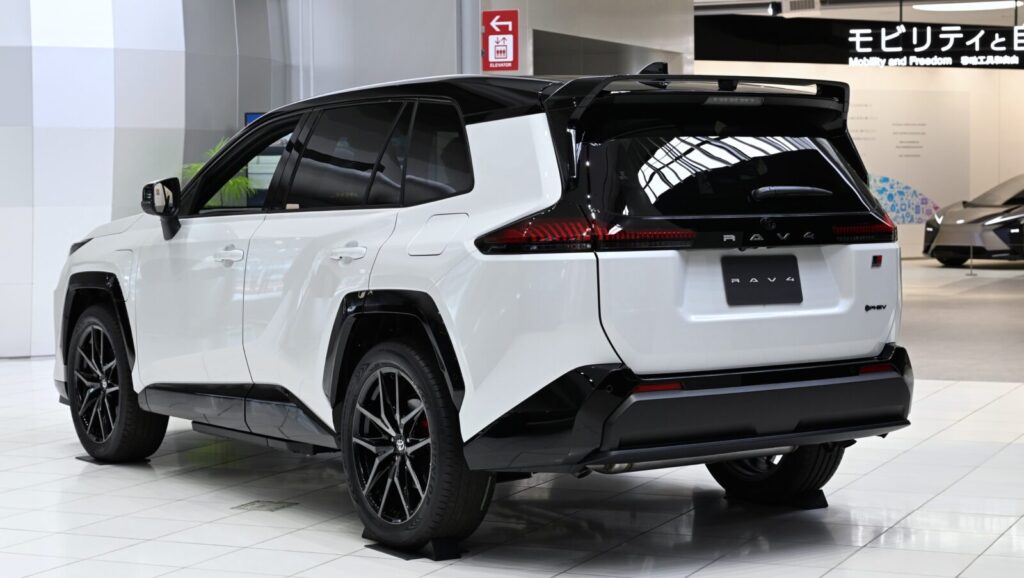
Toyota increases the RAV4 PHEV lineup from 2 trims to 4 trims for 2026, offering a wider gap between the different trims The PHEV version of the RAV4 will be available as the SE, Woodland, XSE, and GR SPORT trims, each of which highlight a certain aspect of the vehicle. The SE is the more affordable entry-level model, Woodland is built for off-road capability, XSE offers more standard features and sporty styling, and GR SPORT brings a chassis and steering tuning that was developed by Gazoo Racing. It allows customers to choose a PHEV that fits their needs not only on a budget but on the application as well.
Four PHEV grades serving different buyers:
- SE entry-level PHEV
- Woodland adventure-focused configuration
- XSE premium-oriented grade
- GR SPORT performance-focused version
- Standard AWD across PHEV trims
Performance is yet another aspect of the new model. The new specifications for the 2026 RAV4 Plug-in Hybrid show a net combined horsepower of 324 for the PHEV (an increase over the previous system), and Toyota lists 0-to-60-mph time at 5.4 seconds for the PHEV adding some performance to a compact SUV that would otherwise seem to be waiting in the wings for many shoppers. Electric motors respond immediately, while the gasoline engine responds when the vehicle operates as a hybrid. The PHEV therefore has a more performance-oriented identity rather than simply leveraging power as a byproduct of electrification.
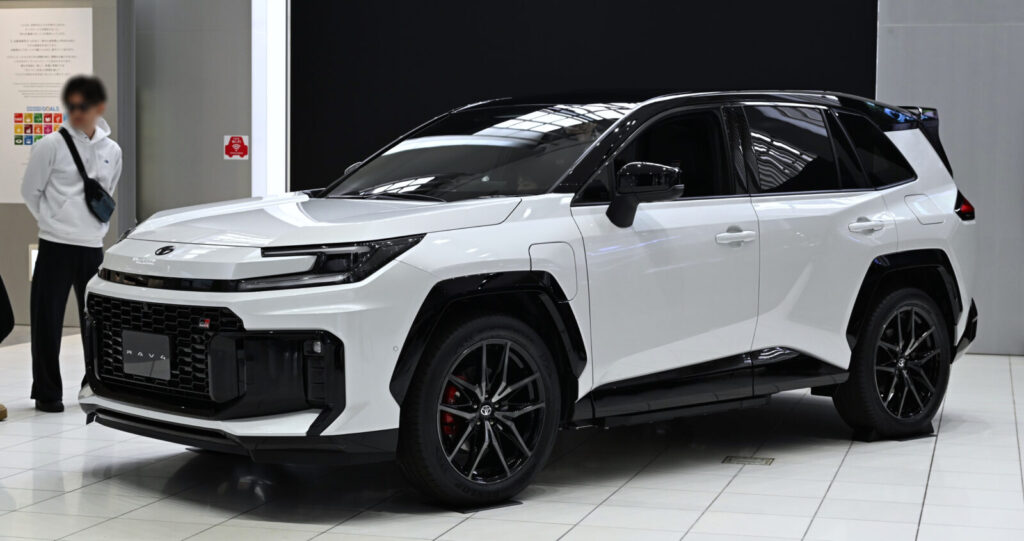
What makes the grade stand out in this pre-production form is its Toyota Gazoo Racing inspired design direction and the fact it will only be offered as the flagship plug-in hybrid grade. GR tuning has been applied to the suspension and steering, with additional body strengthening and one-inch larger tyres on a set of unique to the grade wheels further adding to the GR SPORT character. There are also exterior design cues to further differentiate this grade from other RAV4 models, once again Toyota setting out to do more with the GRSPORT trim rather than simply offering a different look.
3. The New PHEV Battery Extends Electric Driving
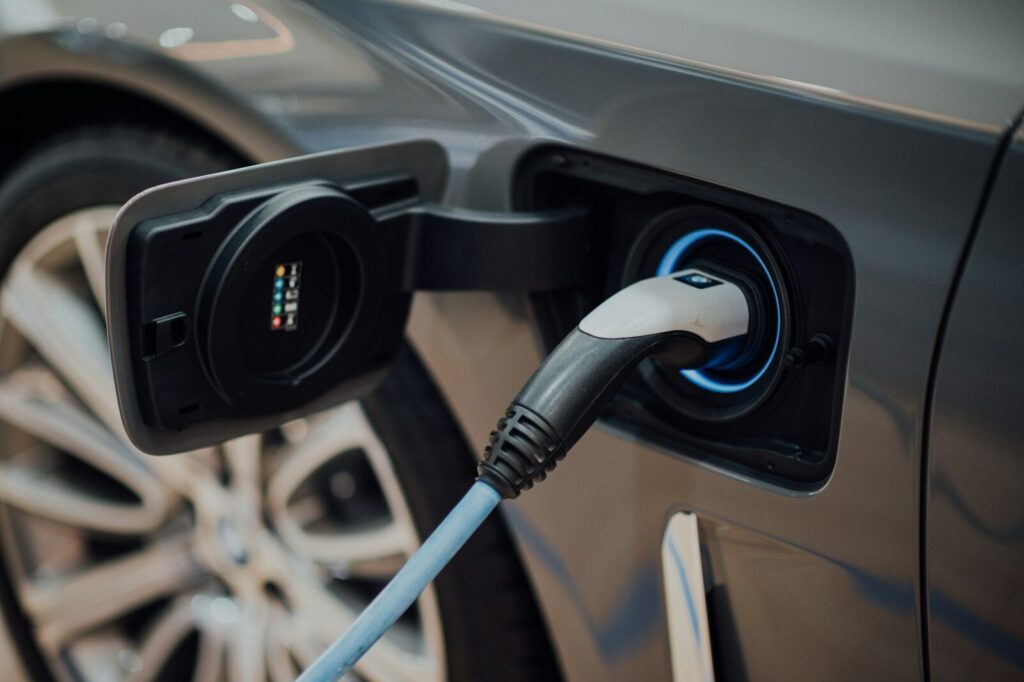
Range is perhaps the largest pro to the all-new RAV4 PHEV and Toyota offers a significant step forward here. Toyota originally announced an up to 50-mile all-electric range, but their previously published consumer information official up to date mentions an EPA-estimated 54-mile all-electric range for the SE. Toyota’s sales information also mentions a manufacturer-estimated 48-52 mile range for the various PHEV grades. Either way, the key takeaway is that the new RAV4 PHEV can go a lot further while running on purely electric power.
Electric-range improvements supporting daily use:
- EPA-estimated 54-mile SE range
- Manufacturer estimates vary by grade
- About 23 percent range increase
- Longer electric commuting capability
- Gasoline backup for extended travel
This increased electric range can really alter the role the RAV4 PHEV plays in a home’s daily life. A driver with a typical, shorter daily drive can power much of a traditional day’s work with the electric range then use the hybrid range when heading further in a traditional day’s work than the battery’s range. Unlike a traditional battery electric SUV, you don’t have to plan every long distance trip around fuel stops because gas is still an option. This offers your household a vehicle that can help cut fuel use, but without completely abandoning internal combustion.
Charge availability increases in importance as the battery size does. Toyota announced that Woodland and XSE PHEV grades are capable of using DC fast-charge stations and reported they can fully recharge the battery from 10-80% capacity in around 30 minutes when conditions permit. In regards to the charging port, Toyota notes a CCS1 connector, for those trims, while the SE and GR SPORT utilize a J1772 charging port. This means there will be varying charging characteristics within the lineup and shows Toyota has done much more with the RAV4 PHEV then just add a larger battery.
4. Woodland and GR SPORT Create Two Very Different Personalities
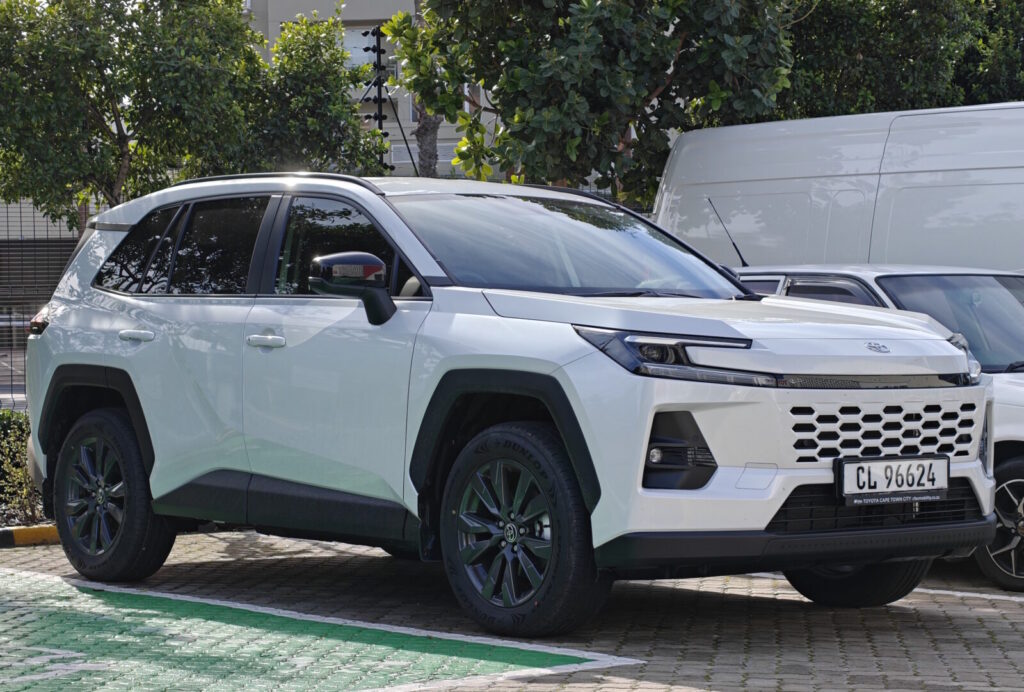
Toyota believes that the Woodland PHEV appeals to buyers looking for an electrified RAV4 that embraces a more adventurous exterior and interior design. Its trim and features are largely geared toward supporting trips over more rugged terrain than typical paved roads. Whether Toyota will design this model specifically as an outdoor-centric version of the RAV4 or more simply as a trim grade that utilizes electrification and a more rugged design language remains to be seen. But combining a plug-in hybrid system and outdoor gear doesn’t seem to be forcing compromises between utility and efficiency.
Woodland and GR SPORT take different approaches:
- Woodland emphasizes outdoor capability
- Rugged-focused exterior presentation
- GR SPORT targets sharper handling
- GR-tuned suspension and steering
- Unique 20-inch GR SPORT wheels
Over on the far side of the spectrum, the GR SPORT also tracks the same underpinnings but from a dynamics point of view. Suspension and power-steering calibration has been done in collaboration with Toyota Gazoo Racing, and its body has even been stiffened up and fitted with our special 20-inch wheels to improve its on-road behavior. Instead of merely dressing up the most powerful RAV4, the new GR SPORT package will denote a chassis modification that has been made to better accommodate the extra juice of the PHEV for the driver who prioritizes steering feedback, control, and character.
Between these two grades, Woodland and GR SPORT, the cross-section of what Toyota intends the new family RAV4 to represent to customers is clear. Woodland is expressing the spirit of adventure, traction and function, while GR SPORT is all about response, stance and driver engagement. Both are also rooted in the same plug-in hybrid core, so Toyota can place that technology behind two very different clienteles, while also differentiating the RAV4 from more modestly equipped traditional compact crossovers where the difference of trim and content is usually merely cosmetic. In the new RAV4, your choice of grade may indeed dictate your intended purpose.
5. The Cabin Combines Practicality With New Technology
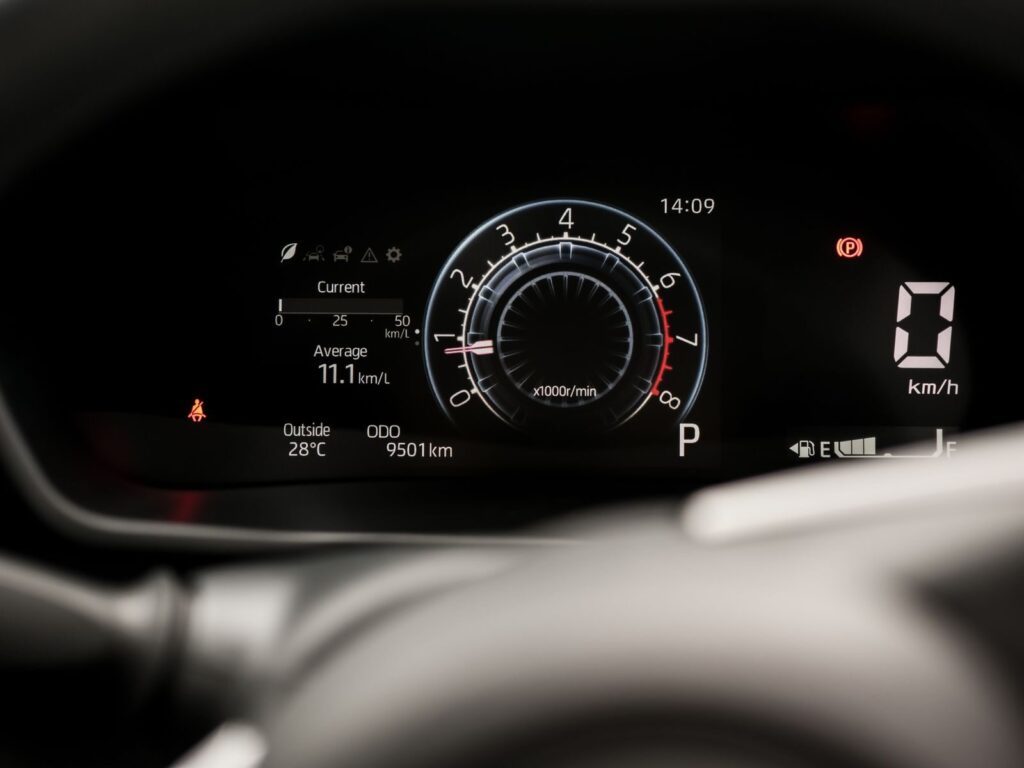
The new sixth-gen RAV4 continues the Toyota tradition of offering a simple, practical layout in the interior of the compact SUV. The interior of the seventh-generation RAV4 features a fresh new look with a 10.5-inch multimedia display as standard across most of the lineup and a 12.9-inch display optional higher-up the range. The cabin also features a 12.3-inch digital screen that features as a standard fit in some models. Apple Car Play and Android Auto connectivity are both wireless units, and the new Toyota Audio Multimedia system offers a more responsive interface alongside upgraded connected technologies, maintaining a simple but tech-enabled cabin.
Interior technology supporting everyday convenience:
- 10.5-inch multimedia display
- Available 12.9-inch touchscreen
- 12.3-inch digital gauge cluster
- Wireless Apple CarPlay
- Wireless Android Auto
The cabin, like the exterior, is geared towards a five-passenger crossover, with Toyota focusing more on how the vehicle can be flexible and spacious inside without trying to inject an overly gimmicky luxury element into the styling. Different grades will get different upholsteries, with entry-level versions keeping it simple and basic and upper grades getting more premium-looking materials as well as sporty accents. The upright shape continues to make for practical space inside the SUV while cargo space is just as much a part of what makes this model so appealing. The compromise is important, because the larger-capacity battery pack could raise concerns about taking away some of the utility that appeals to families.
As consumers move up the lineup, convenience and audio equipment also becomes more complex. Available upgrades consist of a nine-speaker JBL audio device and, for increased trims degrees, a head-up display and digital rearview mirror. Toyota has injected its latest computer software system in the new RAV4, too, with the Arene program system that underpins pc software growth and automobile systems. Which means that the tech change are more than simply updating a bigger monitor, because Toyota is transitioning its hardware and pc software foundation through the RAV4 while re-designing its indoor and outside.
6. Safety Technology Becomes Standard Across the Lineup
Active safety tech also is standard on the entire redesigned RAV4 range, as every 2026 RAV4 gets Toyota Safety Sense 4.0, which comes with Dynamic Radar Cruise Control, the Pre-Collision System with Pedestrian Detection, Lane Departure Alert with Steering Assist and Lane Tracing Assist. Toyota says the latest generation has the system searching for potential threats more proactively than the last generation. Available across every trim level of the RAV4 Hybrid, as well as the base LE trim for the gas-powered RAV4, a buyer potentially could get the full suite of the safety features without having to spring for one of the pricier grades.
Safety systems included across the range:
- Toyota Safety Sense 4.0
- Dynamic Radar Cruise Control
- Pedestrian-detection pre-collision system
- Lane Departure Alert
- Lane Tracing Assist
Technology further enhances parking and low-speed driving, depending on the vehicle. Systems that are on the table include front and rear parking assist with automatic braking, blind-spot and rear cross-traffic alert, and a handful of other comfort-based items that make it easier to maneuver a relatively modern compact SUV into parking spaces when space is tight. Vehicles equipped with a 360-degree camera system provide a larger camera view of the area surrounding the SUV which can be handy as vehicles continue to increase in size and height.
But the safety approach also impacted the RAV4’s electronic architecture. Toyota’s Arene software platform is being deployed with the sixth-generation RAV4, also to provide a bedrock for vehicle software and safety-related systems. This is relevant as today’s vehicles rely more and more on software not just for infotainment, but for driver assistance, connectivity and system management; deploying the platform at the same time as the freshened RAV4 establishes a technical foundation which Toyota plans to ride out the end of the vehicle’s mechanical refresh. The software transition is thus a key component of the new RAV4.
7. The RAV4 PHEV Delivers Stronger Real-World Performance
The added strength from the new plug-in hybrid system means that the 2026 RAV4 delivers performance that would have been rare in a popular compact SUV just a few years ago. In the U.S., the RAV4 Plug-in Hybrid currently advertises 324 net combined horsepower and 5.4 seconds to accelerate from 0 to 60 mph. Electric motors take the lead and offer instantaneous action during the initial moments of getting underway, while the gas engine makes substantial contributions during as a hybrid system. This enables the RAV4 to operate with an emphasis on efficiency without requiring a sluggish start.
Performance figures behind the PHEV system:
- 324 net combined horsepower
- 5.4-second 0-to-60-mph time
- Immediate electric-motor response
- Standard all-wheel drive
- Hybrid operation for longer journeys
The hybrid versions, too, are reasonable gains over the prior model. The AWD hybrid models now make 236 net total horsepower, and FWD makes 226hp. Toyota says that’s an increase from the previous 219 in the last RAV4 hybrid, meaning it delivers more torque without sacrificing any of the hybrid’s existing layout. Consumption is still a core goal of that powertrain, with Toyota listing an estimated combined rating of up to 44mpg for the FWD hybrid, so the new RAV4 goes in the opposite direction from the Prime in attempting to prioritize power output while maintaining its fuel economy.
The performance of the PHEV gains another value: Drivers can power this PHEV electrically for instant, silent torque-assisted acceleration within the city, and then switch over to the gas engine for higher-mileage highway cruising once the battery has run out of juice. Toyota also offers all-wheel drive on every PHEV model in the lineup, which means the more powerful models also get extra traction than you can get in the gas engine models. While the RAV4 remains more about family utility than performance, the PHEV’s combination of electric torque, 324 horsepower, and standard AWD broaden the package’s performance breadth considerably.
8. Towing and Utility Remain Part of the RAV4 Formula
The RAV4’s functional obligations haven’t gone away because of the all-electric tech. The small SUV still has a tall body, room for five, and adaptable cargo space, meaning it can still be a people-hauler and a daily driver. By the same token, it can still be a towing machine, depending on what setup a RAV4 owner gets. That’s crucial because not all PHEVs are seen as all that useful, and Toyota is making sure the utility of the RAV4 is nearly unchanged, even as it exists at the very far end of the spectrum of electrification.
Practical qualities supporting RAV4 versatility:
- Five-passenger crossover configuration
- Flexible rear cargo area
- Available all-wheel drive
- Outdoor-focused Woodland grade
- Multiple powertrain configurations
The different grades allow buyers to select a balance of capability suited to their lifestyle. Woodland is particularly relevant for customers who carry outdoor equipment or travel toward less-developed destinations, while the sport-oriented versions place greater emphasis on road manners and appearance. Hybrid models provide an option for owners who want electrification without charging equipment, while PHEV models suit those who can make use of regular charging. This breadth means the RAV4’s utility does not depend on a single interpretation of what a compact SUV should be.
Cargo flexibility remains important because strong efficiency and impressive technology cannot compensate if a vehicle cannot handle everyday belongings. The RAV4’s upright proportions are useful beyond their visual effect, providing space for passengers while retaining a practical rear cargo area. Folding the rear seats expands the available space for larger objects, adding further versatility. That functionality complements the PHEV system particularly well for owners who want one vehicle capable of handling commuting, family transportation, road trips, recreational equipment, and occasional towing duties.

9. Ownership Costs Include Warranty and Maintenance Support
Toyota has also attempted to make the ownership proposition of the electrified RAV4 easier to understand through warranty and maintenance coverage. Toyota’s current information states that RAV4 Plug-in Hybrid models receive a 10-year or 150,000-mile hybrid battery warranty, whichever comes first. ToyotaCare also provides an initial maintenance plan and 24-hour roadside assistance on eligible new vehicles. These programs do not eliminate every ownership expense, but they can reduce uncertainty around scheduled service and major hybrid-system coverage during the early years of ownership.
Ownership factors worth considering with each trim:
- Ten-year PHEV battery warranty
- 150,000-mile battery coverage
- ToyotaCare maintenance support
- Roadside assistance availability
- Charging access and energy costs
The choice between a conventional hybrid and a plug-in hybrid can also affect ownership costs depending on how the vehicle is used. A standard hybrid does not require regular charging and automatically manages gasoline-electric operation, making it straightforward for drivers with unpredictable travel patterns. A PHEV requires charging to realize its greatest efficiency advantages, but regular charging can allow owners to complete many shorter trips using electricity. The financial value of that difference depends on electricity prices, gasoline prices, driving habits, charging access, purchase price, and applicable incentives rather than electric range alone.
Resale value can also influence the long-term cost of ownership, although future used-vehicle prices cannot be guaranteed. The RAV4’s established position in the compact SUV market gives the redesigned model a familiar nameplate, while its electrified-only lineup creates a different ownership proposition. Buyers can also consider whether higher-priced equipment is necessary for their needs, particularly when larger wheels and additional technology may increase initial and replacement costs. A complete ownership calculation should therefore consider purchase price, energy costs, maintenance, insurance, warranty coverage, and expected ownership duration together.
10. The 2026 RAV4 Expands What a Mainstream PHEV Can Do
The redesigned 2026 Toyota RAV4 brings together several changes that become significant when considered as one package. Toyota has removed conventional gasoline-only powertrains, increased hybrid output, expanded the PHEV range to four grades, increased electric-driving capability, added faster charging to selected versions, and introduced a GR SPORT model with dedicated chassis tuning. At the same time, Toyota has redesigned the cabin, expanded connectivity, introduced newer software architecture, and made Toyota Safety Sense 4.0 standard. The result is a RAV4 that changes substantially beneath the familiar compact-SUV formula.
Major changes shaping the sixth-generation RAV4:
- Electrified-only U.S. powertrain lineup
- Up to 324 PHEV horsepower
- Up to 54-mile EPA EV range
- Four PHEV trim choices
- New software and safety systems
The PHEV occupies an unusual position because it combines several characteristics that traditionally required different vehicles. It can function as an electric commuter for shorter journeys, operate as a hybrid for longer trips, provide standard all-wheel drive, and deliver 324 horsepower with an EPA-estimated electric range reaching up to 54 miles for the SE. The four available grades then adapt that technology toward different priorities, including affordability, adventure, premium equipment, and sportier handling. Toyota’s current specifications show that the PHEV has become a major part of the RAV4 family rather than simply an add-on to the conventional lineup.
The most significant change is ultimately the way Toyota has combined electrification with the qualities that made the RAV4 successful. It remains a practical compact SUV with five-passenger seating, useful cargo space, available all-wheel drive, and a broad selection of trims, but its powertrains now place electrification at the center of the vehicle. For buyers who can regularly charge, the PHEV can cover many everyday journeys electrically while retaining gasoline-powered flexibility for longer travel. For those who prefer not to charge, the conventional hybrid provides an electrified alternative without requiring a new daily charging routine.hat a mainstream compact crossover can deliver by blending cutting-edge electric range with bulletproof daily usability. It stands as a masterclass in modern automotive engineering, providing an irresistible bridge between traditional efficiency and the electrification of tomorrow. Whether navigating busy suburban school runs or embarking on weekend mountain escapes, this tech-packed SUV delivers uncompromising peace of mind for every mile ahead.