








The History and Engineering Behind Chevrolet High Output 425 Horsepower Muscle Engines
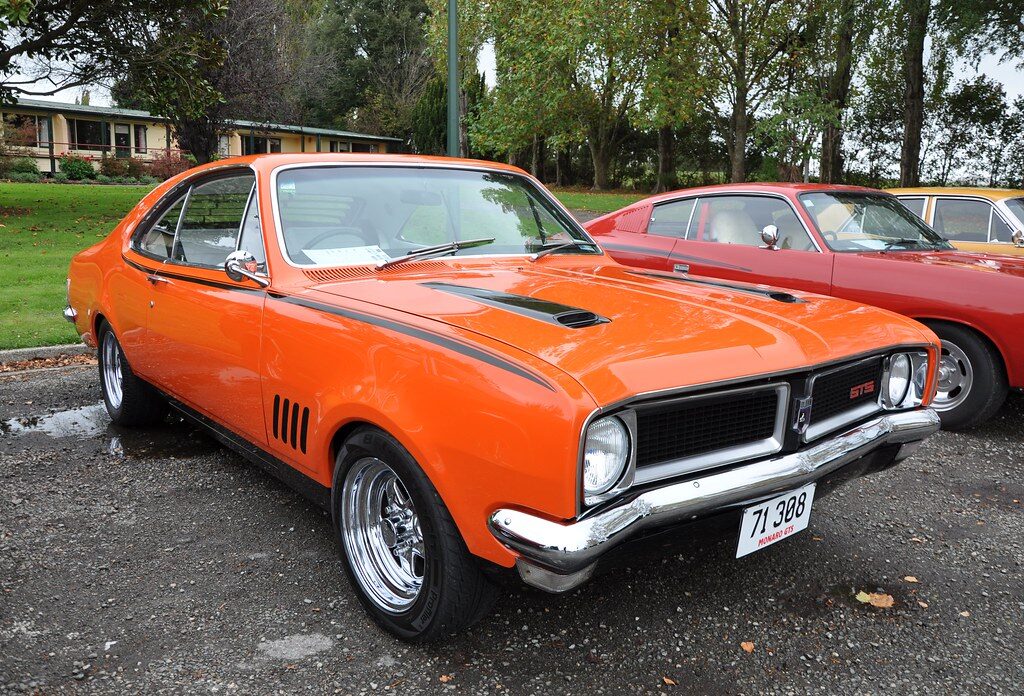
A new era began in 1965, when the mechanically destructive Mark IV big-block was introduced by Chevrolet. This engine was actually the result of the top-secret ’63 “Mystery Motors” program and replaced Chevrolet’s previous line of W-series powerplants, including the 348 and 409. The 396-cubic-inch V8 instantly became known as the “Rat Motor,” and was the first in Chevrolet’s larger “Mouse Motor” family. Sitting atop the list of the original lineup was the high-performance L78, which was installed as the standard engine in the ’65 Chevrolet Corvette. The L78 was rated at 425hp at the factory, a performance milestone for a production Chevrolet engine.
But the true story behind the L78 goes deeper than just its horsepower. Chevrolet created seven factory 396 versions that represented a variety of performance levels and applications, but not a single later factory 396 engine matched the original 1965 L78’s 425-hp (317 kW). The combination of cylinder-head flow with beefy internal components, high compression, and mean induction configuration made this engine family one of the all-time classic big-block power plants during the musclecar war. The 396 family would go on to evolve into the 402 cubic-inch (6.6 L) big block while still being used in Chevrolet’s most-iconic high-performance cars and trucks.
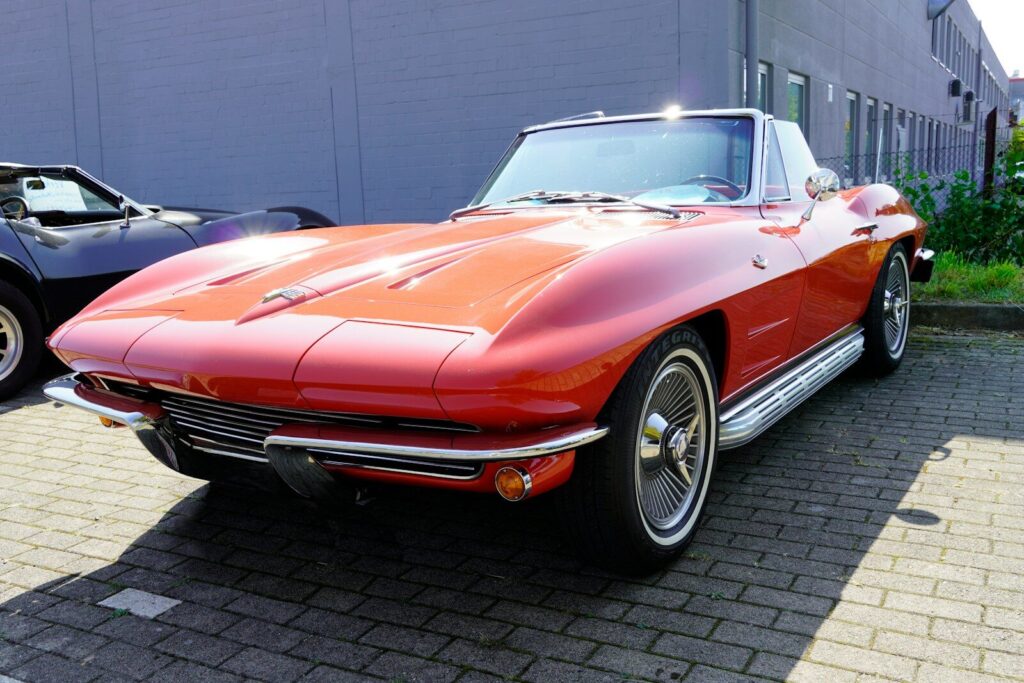
1. The 1965 L78 Created a 425 Horsepower Benchmark
The 1965 L78 396 big block was the premier engine of Chevrolet’s inaugural Mark IV production line, powering the 1965 Chevrolet Corvette with 425-horsepower and proving the extent of factory performance had developed since the series’ 1950s heyday. The engine was part of the same family that replaced the former 348 and 409 W-series engines, but with much greater design potential. Chevrolet built seven different 396 engine types including the 350-to 360-horsepower L34, 325-horsepower L35, 375-horsepower L37 Z16 Chevelle, and the ultra-rare aluminum-headed L89; at the bottom of the line were the 265-horsepower L66 and 1969 LS-3.
Original L78 Performance Legacy:
- 425 horsepower factory rating
- 396 cubic-inch Mark IV
- Introduced during 1965
- Installed in Chevrolet Corvette
- Highest-output production 396
Even with numerous later incarnations, there was never a higher-than-original factory 396-horsepower engine offered during the 396 engine’s run of production, and it was the first L78 that stood as the pinnacle of factory 396 horsepower. Chevrolet utilized the 396 in an incredible array of vehicles, from the Chevelle SS and the Impala, to the Biscayne, Bel Air, Caprice, the Camaro SS, Nova, and the C/K trucks, and within each model, each buyer could choose from various combinations of engine configurations and output. Despite that, the original 1965 L78 was the benchmark for factory 396 horsepower.
2. Chevrolet’s “Porcupine” Cylinder Head Engineering
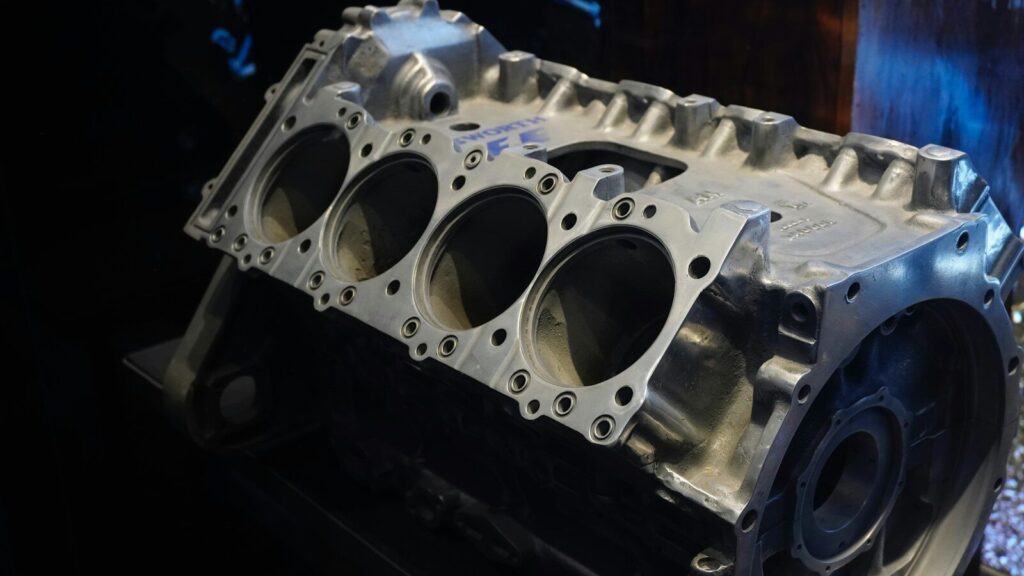
The bulk of the impressive horsepower of the Mark IV came from its odd architecture of the cylinder-head. Instead of the typical parallel arrangement, the engineers put into place a sloped or canted valve configuration whereby the intake and exhaust valves were tilted away from one another. This created more room for the combustion chamber in addition to permitting Chevrolet to mount larger valves that open inward toward each other but allowed more airflow through the intake and exhaust passages. This smart configuration played a part in helping the Mark IV arrive at its breathing ability for high-power applications.
Mark IV Cylinder-Head Design:
- Canted valve arrangement
- Larger intake and exhaust valves
- Improved cylinder airflow
- Cast-iron engine blocks
- Oval and rectangular ports
It was obvious the valve layout was going to be distinctive and the family acquired the popular “porcupine” moniker. Cylinder heads were available in oval-port or rectangular-port designs, depending on the application and the nature of the vehicle. The high-output application could benefit from a more aggressive, high-lift camshaft and a head with a more-efficient entry path to the combustion chamber, while its lower-output brethren used a lower cost alternative better suited to regular use.
3. Inside the High-Output L78 396
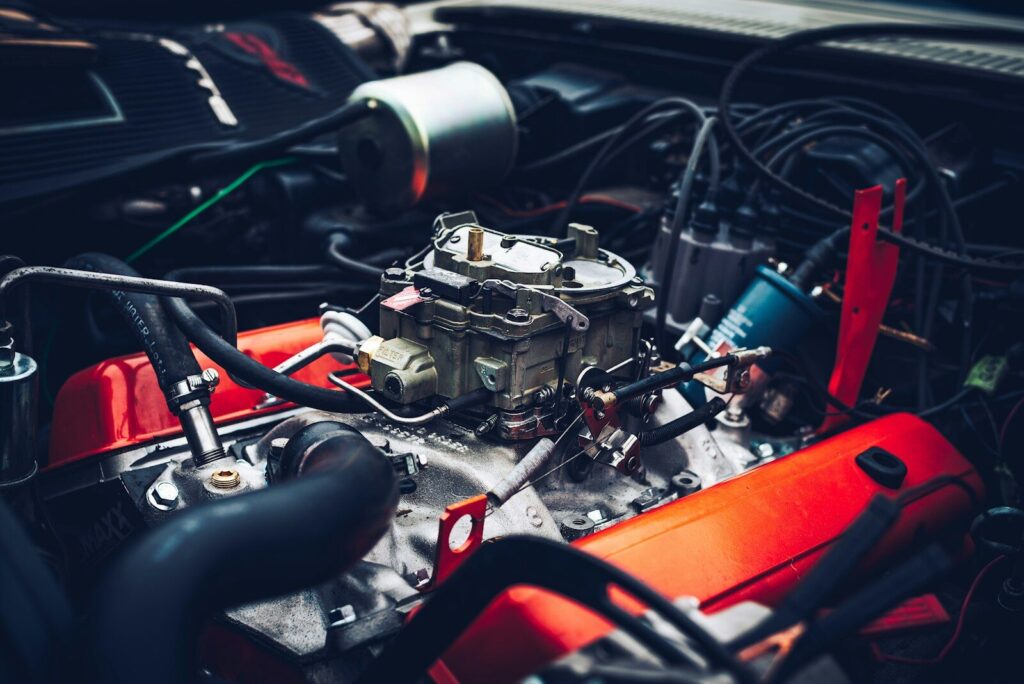
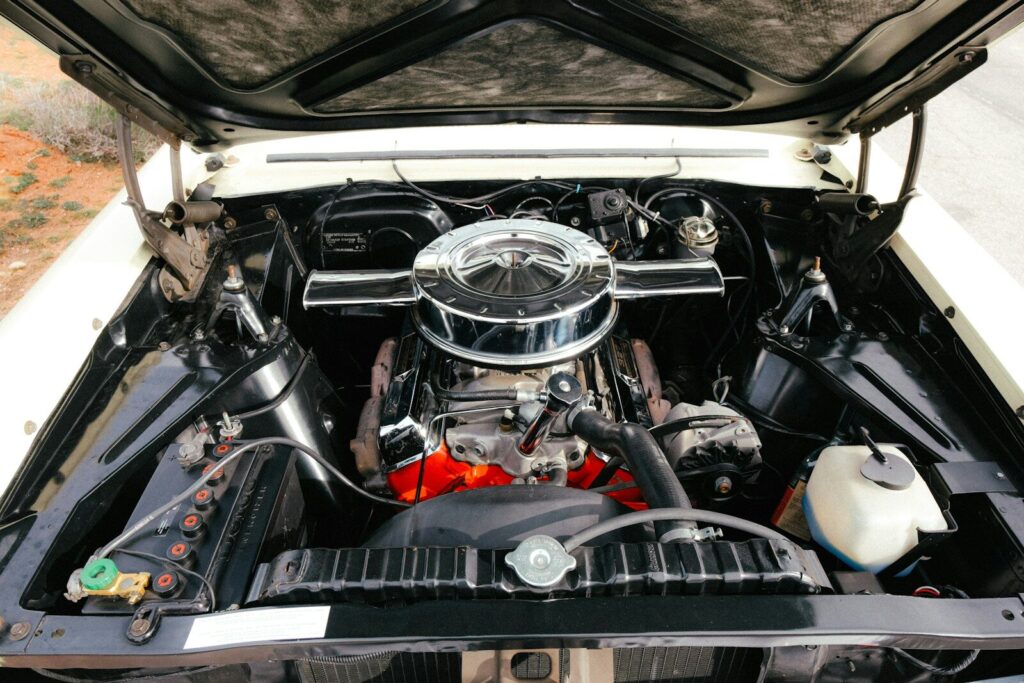
With a 425-hp rating, the L78 had to be built tough for what was surely some serious torture tests, but light in the right places too. Its aluminum high-rise intake manifold hung an 800 cfm Holley four-barrel carburetor (see engine details above). The engine delivered its power on a 11.1 compression ratio, with forged-steel crankshaft and four-bolt main bearing caps to keep the whole thing stable. Lower rated 396s came with nodular cast-iron crankshafts and either Rochester Quadra Jet carbs or two-barrel versions.
L78 High-Output Hardware:
- Aluminum high-rise intake manifold
- 800 cfm Holley carburetor
- 11.0:1 compression ratio
- Forged-steel crankshaft
- Four-bolt main caps
The internal variations among 396 engines mirror Chevrolet’s wider utilization of that engine family. Some engines were intended for daily driving needs, low-cost production and other engines were fitted with heavy-duty hardware, and all high-powered engines sported more aggressive parts. Tall-deck blocks were briefly used in early-1965 models, but practically all production 396 engines were standard-deck blocks after 1966. That formidable combination of top-level internals and cylinder-heads provided the roots of the Rat Motor’s reputation for durability and street results.
4. The 396 Became a 402 Big Block
Chevrolet shifted the displacement calculation in 1970 by boring the 396 cylinders out 0.03 inch. The bore went from 4.094 inches to 4.125 inches while the 3.760-inch stroke was retained. The result was an increase to 402 cubic inches. For fun, Chevrolet’s marketing department continued to label many of these as 396 big blocks and even used the “Turbo-Jet 400” moniker. However, during this period, Chevrolet also offered a 400-cubic-inch small-block engine that was sold as the “Turbo-Fire 400” to confuse the hell out of customers.
402 Big-Block Development:
- Bore increased to 4.125 inches
- Stroke remained 3.760 inches
- Total displacement reached 402
- Marketing retained 396 branding
- Turbo-Jet 400 name appeared
The 402 was in Chevrolet’s lineup until 1972, where it powered everything from the Monte Carlo and El Camino to the Chevelle, Camaro, and C/K trucks. Only three 402 configurations were used in production: the original L34 and L78, along with the hardier LS-3. As emissions regulations became tighter, the compression ratio eventually dropped to 8.5:1, with open-chamber cylinder heads on top. Chevrolet discontinued the 402 after 1972, but it was the first genuine Mark IV engine, and its engineering ability was well-rooted.
5. Why 425 Horsepower Became a Street Car Sweet Spot
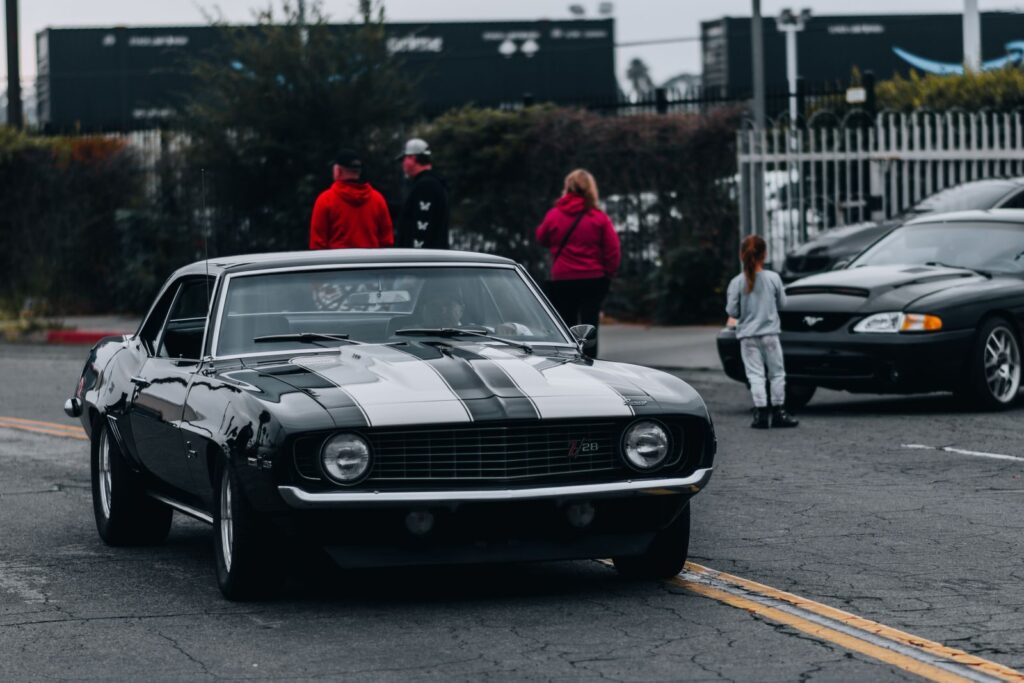
Chevrolet Street Machine When you move to a street machine in this power range, say 425hp, you’re getting a perfect combination of true street performance along with extreme street viability. Depending on the weight of the muscle car in question (say a 3,200-to-3,600-plus pound example), that level of power can really rocket you off the line and net some good quarter-mile numbers as well. With the provided power outputs, expect 0-60s of between 3.5 and 4.5 seconds, and quarter-mile times of between 11.5 and 13.5 seconds; that’ll certainly get you down the road in a hurry.
425-Horsepower Street Performance:
- Strong launch capability
- 3.5–4.5-second 0–60
- 11.5–13.5-second quarter-mile
- Useful highway passing power
- Manageable street-car output
The upside of this power level is the obvious performance-to-operating-characteristic ratio. Very high-output combinations can require more thermal management effort, greater fuel consumption, more strength in chassis parts, and can raise operating costs. A street car with 425 horsepower can still be an ultimate big-block experience and still be road worthy on a daily basis. For the enthusiast who just wants to go fast, but doesn’t want a dedicated race car, it’s a nice point to shoot for.
6. Modern Crate Engines Can Recreate the Formula
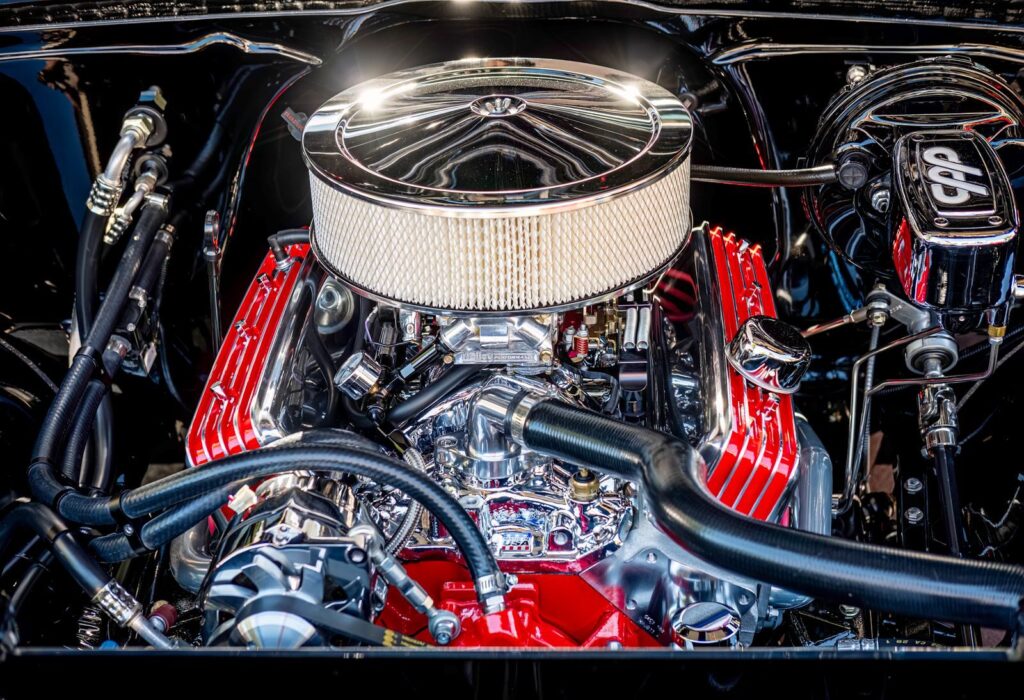
Achieve the 425-horse power goal with turnkey crate engines and engine-swap packages built to your specs. Phoenix Engine has a Chevrolet-specific package using seasoned blocks, Phoenix Pro Aluminum Heads, Roller Cam Packs, and hypereutectic pistons. A dual-plane intake with Holley or Edelbrock carburetors and electric chokes will sound like a classic big block, blow an impressive 425-horse power out of the dyno, and allow traditional big block-style street performance.
Modern 425-Horsepower Engine Builds:
- Seasoned Chevrolet engine blocks
- Phoenix Pro Aluminum Heads
- Roller Cam Pack
- Hypereutectic pistons
- Dual-plane intake systems
A new option available from today’s LS3 and LT1 crate engines also offers a step toward a reliable street machine. An LS engine swap into an old-school chassis can be an appealing way to combine the old-school style of a vintage car with the technology of a modern engine, offering power and longevity, as an alternative to rebuilding a Rat Motor. When building a 425-horsepower, reliable street machine, there are several options available from crate engines and none are the same as employed with the 1965 L78.
7. Factory Chevrolet Platforms Already Deliver Strong Power
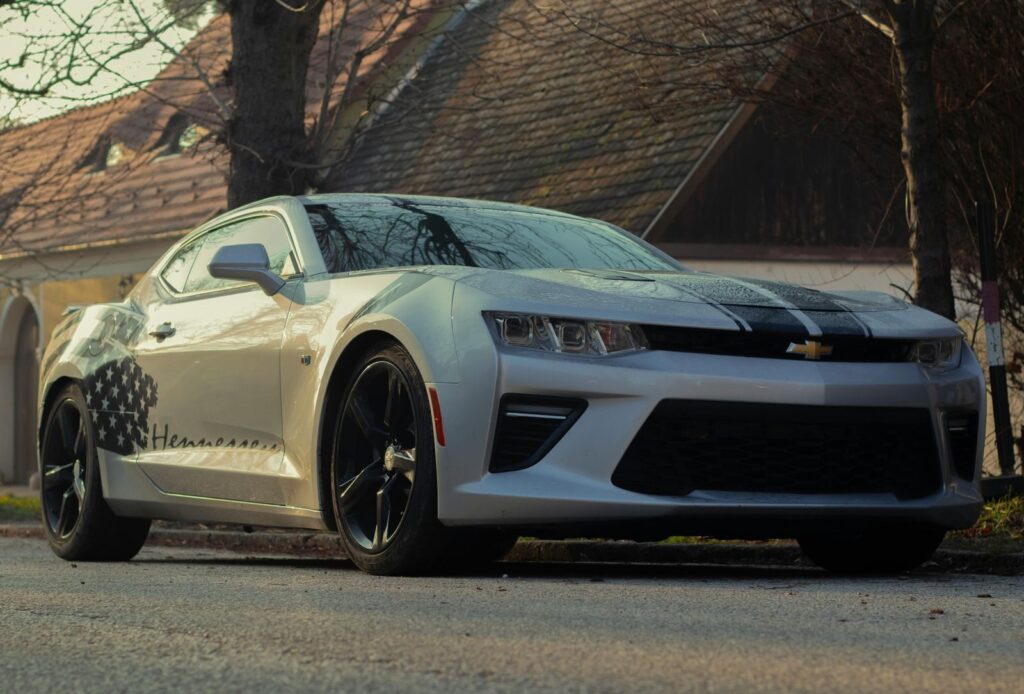
Chevrolet also has factory cars that race right in the middle of this performance pecking order. LS3-powered Camaro SSs and C6 and C7 Corvettes are massive performers, but don’t need to be built to a custom engine specification. With light-weighting, better breathing, and sophisticated engine-management, they can be made to take well to the balanced, conservative tuning of a modern ECU and normal bolt-ons, with the aim of developing a broad, usable torque curve rather than a huge peak figure.
Factory Performance Hardware:
- LS3-powered Camaro SS
- C6 and C7 Corvettes
- High-flow intake systems
- Long-tube headers
- Upgraded exhaust systems
Basic bolt-ons that add power but still leave a broad and useful powerband include high-flow intake, long-tube headers, and performance exhaust systems. Everything provided here is aimed at building a flat torque curve between about 2,500 and 5,500 rpm. The stock parts, from Brembo brakes to upgraded cooling packages to FE3 suspension setups, are also key to helping you apply that power to the pavement rather than merely gain a huge number on the dyno.
8. The Drivetrain Must Match the Engine Output
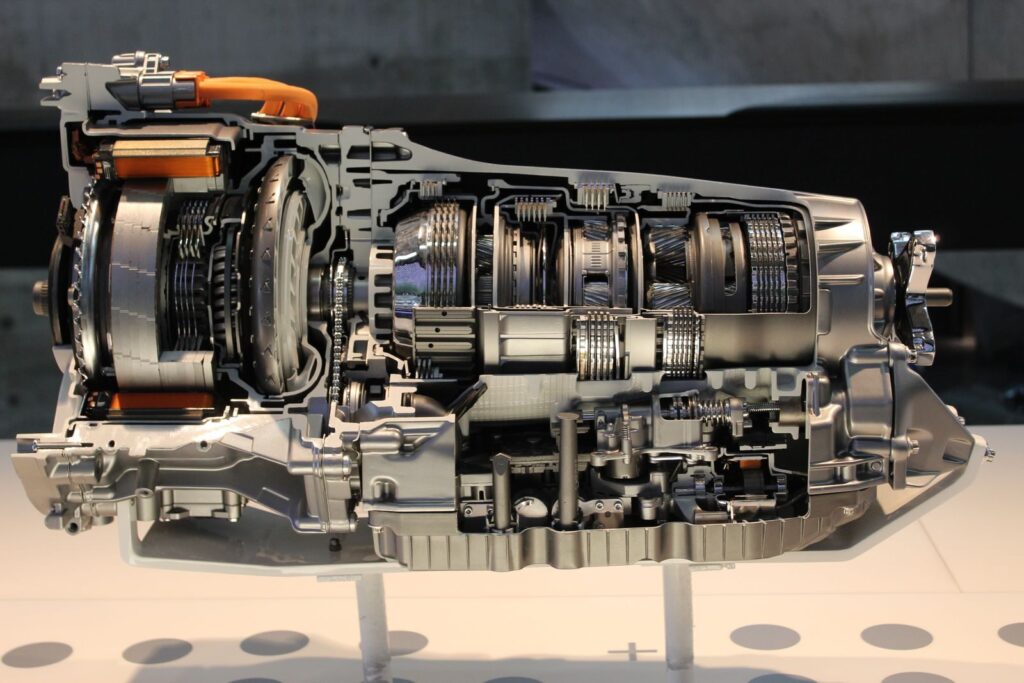
No matter how much power you generate, 425 horses isn’t much without a drivetrain that can handle it without putting down a bunch of wheelspin. Higher-horsepower combo automatic transmissions should be equipped with a 1,800-to-2,500-rpm stall-speed torque converter to make the most of the engine’s powerband. Manual-transmission street machines can use a close-ratio Tremec transmission to help keep the engine in the middle of the powerband for best acceleration.
Essential Drivetrain Components:
- 1,800–2,500 stall converter
- Close-ratio Tremec gearbox
- Quality limited-slip differential
- High-strength rear axles
- Stiff driveshaft construction
High rpms require a strong rear end/drive shaft combination. To take high rpm torque to usable traction, you need a good limited-slip rear end and high-strength axle shafts. Add a stiff driveshaft to transfer the power from the transmission to the rear end, and you have the entire drive train. These parts are important because even the most powerful engine cannot provide consistent acceleration without being able to support the torque.
9. Smart Buying Requires Careful Inspection
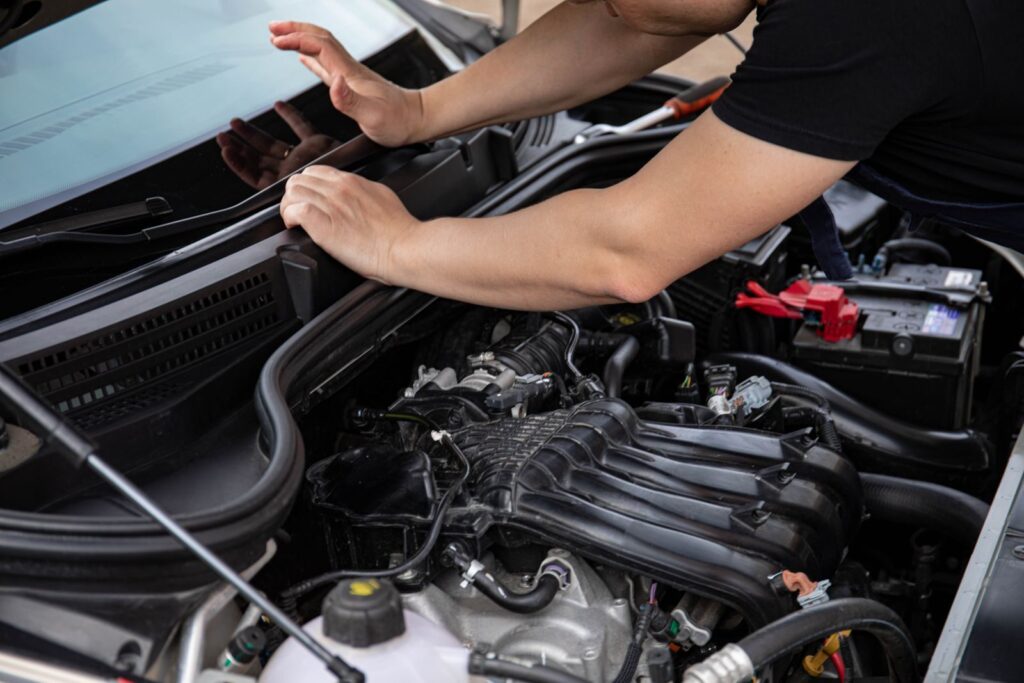
When shopping for or building a 425-horsepower Chevrolet street machine, you need to look beyond the inline-horsepower number being advertised. Whenever possible, demand date-stamped dyno sheets to substantiate wheel-horsepower numbers. Original window stickers and comprehensive service records can also shed some light on how the car has been treated; observation points should include aftermarket wiring and intercooler kits, and track-fresh fluids and unevenly worn tires reveal how hard the machine was driven.
Important Buyer Inspection Areas:
- Request date-stamped dyno sheets
- Check original window stickers
- Review maintenance records
- Inspect aftermarket wiring
- Look for track abuse
Compression testing may be another helpful pre-purchase indicator of the engine’s condition. When buying a modified vehicle that will be registered, emissions compliance must be checked as well CARB-legal components or an OBD-II calibration are the easiest way to prevent issues. This is particularly true with high-horsepower street vehicles, because modifications that boost power will also add, or perhaps complicate, mechanical, electrical and legal issues.
10. Maintenance Keeps High Output Chevrolet Power Reliable
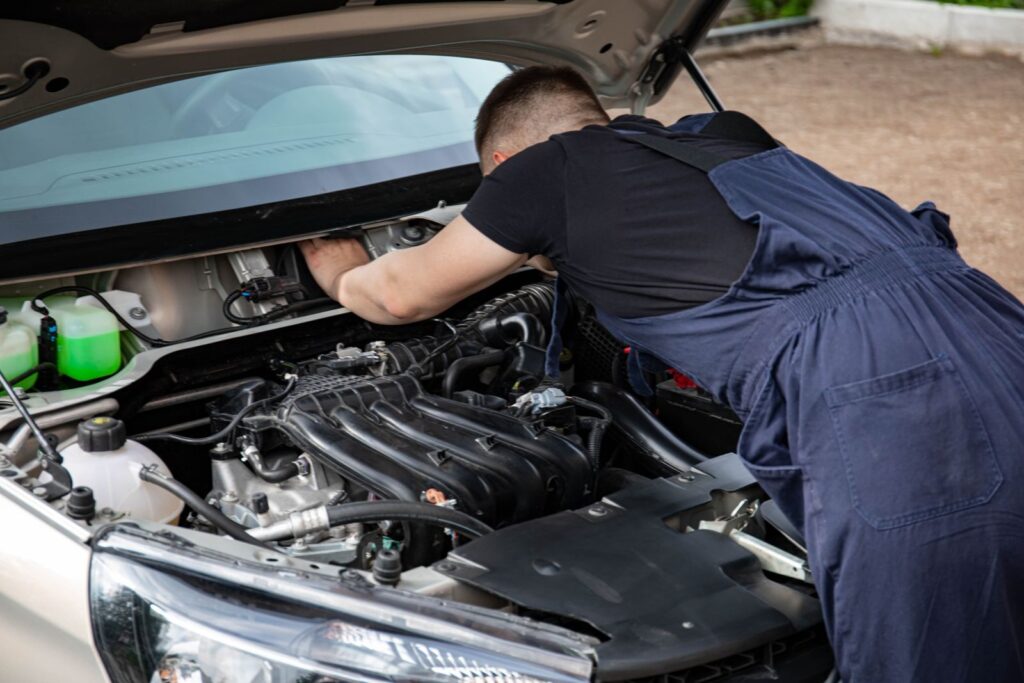
Heavy-Duty First, these owners will want to adhere to a strict routine if they hope to keep their high-output street car reliable for years and years of their street-strip use. The factory maintenance schedule included annual or 5,000-to-7,500-mile full-synthetic oil changes with frequent cooling-system checks. The cooling system needs close attention, as does the fuel delivery system. The transmission will also need close inspection, due to the additional wear from hard-weekend launches.
High-Output Maintenance Priorities:
- Change synthetic oil regularly
- Inspect cooling systems frequently
- Monitor fuel delivery
- Watch transmission wear
- Maintain supporting factory hardware
A well-cared-for 425-horsepower Chevy can give you the best of American muscle and reliable street driving. The 1965 original L78 proved that with high-end engineering, beefed internal components, and an unrelenting approach to airflow, Chevy could offer you a 425-horsepower package right off the showroom floor. Today you can achieve similar power with crate engines, LS-based swaps, improved drivetrains, and factory performance offerings. Whether you use a legendary Rat Motor or a modern Chevrolet performance engine, the most important part of your horsepower equation is that the entire car and all of its systems were built and maintained to make that power.


