








Comparing the Toyota bZ and Lexus RZ Amid Rising Electrified Vehicle Sales
Auto and Beyond Automotive buffs and everyday drivers are witnessing a very exciting change in the world of electric cars from Toyota’s side of the car industry. When other manufacturers are shrinking their electric-car lines, Toyota is making three new electric models as well as discounting the electric version of its bZ electric crossover SUV. At the heart of this expansion are two very similar electric models the 2026 Toyota bZ and the 2026 Lexus RZ. Both offer the same architecture at the core of their platform, as well as the same basic driving experience quiet, smooth and comfortable with a quick throttle response and quickness in acceleration. But their pricing is a bit different, and they end up serving two different segments of the market.
Toyota’s wide-ranging approach is far more comprehensive than just those two electric cars. The automaker also sells hybrid, plug-in hybrid, battery-electric and hydrogen-powered cars, and its electrified vehicles have become the majority in its portfolio, beating out regular gasoline-only engines. In the U.S., in June 2026, Toyota Motor North America sold 212,793 vehicles, with 122,063 of that tally being electrified which accounted for 57.4% of all of its sales. That was similar to its first-quarter tally, when Toyota sold 383,091 electrified cars and trucks as opposed to 673,971 total units, with 56.8% of all that sales share going to electrified vehicles. Buyers of Toyotas and Lexuses now have 33 different electrified options to choose from, demonstrating how the multi-roadpath approach is transforming the brand’s American portfolio.
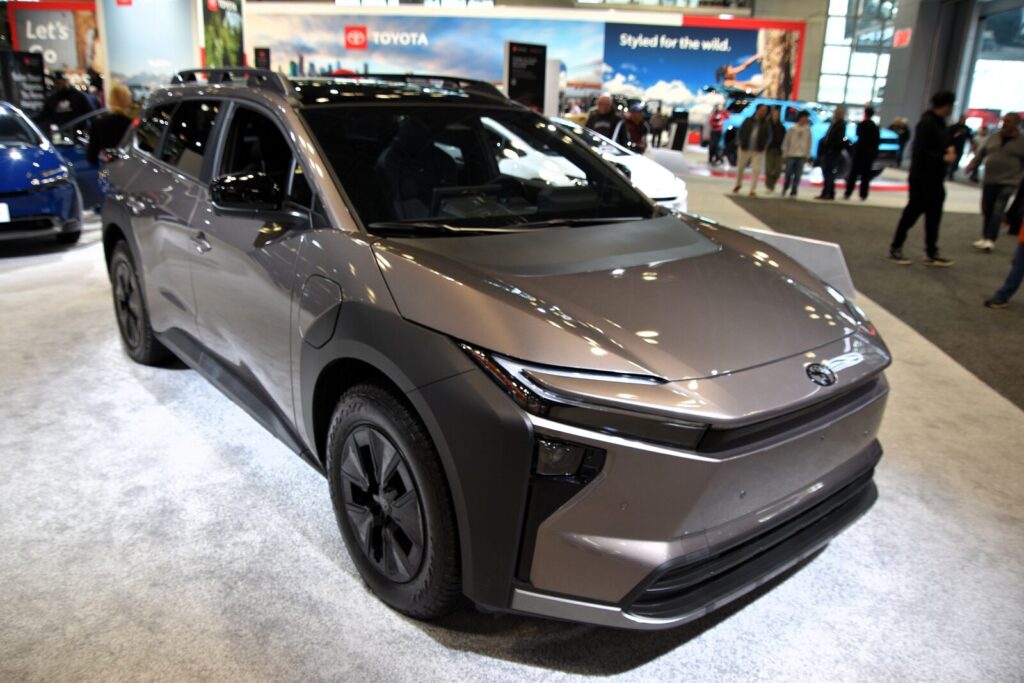
1. 2026 Toyota bZ
Toyota bZ 2026 The all-electric Toyota bZ is arguably better than ever in 2026. After a midcycle refresh introduced in 2025, the 2026 bZ added 25 percent more battery range to its battery, and was named the “Most Improved EV” by ARS Technica. The 2025 Toyota bZ also received a Top Safety Pick+ award from the Insurance Institute for Highway Safety, but the 2026 model didn’t quite measure up to the new highest level of their testing. Between this model and its competitors such as the Chevrolet Blazer EV, the bZ is distinguished by its unique design of exterior and interior features, and offers a smooth, quiet and comfortable ride, plus agile handling and quick acceleration.
2026 Toyota bZ Highlights:
- 25% more battery range
- Most Improved EV award
- Distinctive exterior design
- Spacious interior
- Swift acceleration
The 2026 bZ will also be attractive as it is priced within reach in the modern new-car market. The base bZ XLE begins at $34,650 (plus taxes and delivery fees), and the range-topping Limited starts at $43,300. In addition to the all-wheel-drive version, the Limited adds a split roof rear spoiler and a panoramic roof with a power sunshade. The bZ employs a lithium-ion battery in front- or all-wheel-drive form, Toyota says, with a single motor in the former and twin motors in the latter. In total system power, the automaker claims up to 338 hp. Estimated range per charge for the front-wheel-drive models is 314 miles, and a test base car lost less than 20% of its charge after a week of localized driving, while interior and rear-cargo space is practical for everyday use.
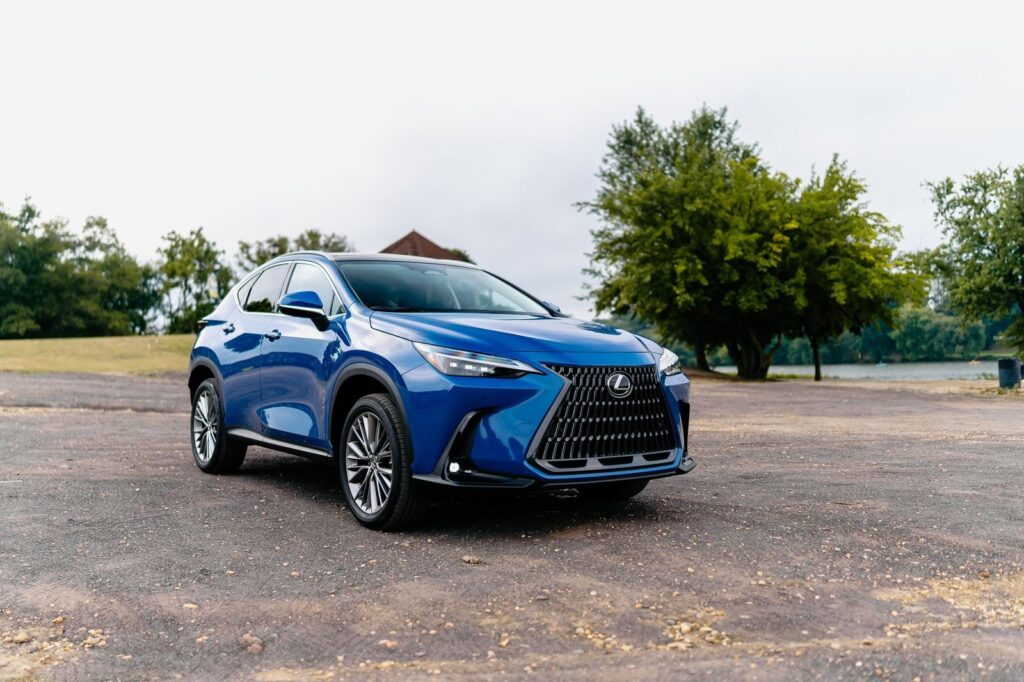
2. 2026 Lexus RZ
2026 Lexus RZ The Lexus RZ 2026 is the luxury counterpart of Toyota’s Zero Emission Plans. By using the Toyota bZ as a foundation, the Lexus RZ offers a quiet, smooth and plush ride with excellent handling and acceleration. The Lexus RZ 350e starts at $47,395 excl. Taxes & other fees) in the 350e trim and is available in 6 trims. The top ranges out at the RZ 550e F Sport, which begins at $58,395. Lexus brings the cachet of a luxury brand, leather seats, and slightly bigger dimensions, while earlier versions of the Lexus RZ have won multiple awards such as the 2023 Grand Prix Auto Moto “Green Car of the Year” in France.
2026 Lexus RZ Features:
- Starts at $47,395
- Six available trims
- Standard heated leather seats
- Slightly larger body
- Luxury nameplate
This, the high performance RZ 550e F Sport, uses an alternate concurrent synchronous electric motor that produces a combined system output of up to 402 horsepower. With an estimated range of 229 miles per charge, this model is more of a luxury/performance proposition than one solely focusing on maximum range. While adding luxury features and raising its price, the driving experience from the Lexus RZ to the Toyota bZ is incredibly similar. That makes for an interesting dollar value proposition. While priced higher than the less luxurious and less powerful base version of the Lexus RZ, the loaded bZ Limited costs less than an entry-level Lexus RZ, and since both share the same underlying platform architecture and key driving traits, can make financial sense for buyers who want maximum range, maximum space, and the latest amenities.
3. Toyota bZ XLE Trim
The Toyota bZ XLE is the entry level trim of the 2026 bZ lineup, starting at $34,650 before destination charges and taxes. While its prices are competitively low given the current era of new car prices, a decent-sized new-car city-runner is relatively low-cost for an all-electric crossover SUV. The bZ marries this relatively affordable starting price with a space for cargo and a space for people that is fit for an everyday driver. The infotainment system has a large screen with Android Auto and Apple Car Play. The front-wheel-drive model uses one electric motor, while the all-wheel-drive version uses two motors. Toyota claims the new car can get up to 338 total system horsepower, while front-wheel-drive models estimate 314 miles per charge.
XLE Trim Key Details:
- Starts at $34,650
- Front-wheel-drive available
- Single electric motor
- Up to 314-mile range
- Large infotainment screen
The bZ XLE is an easy choice for people who want a Toyota EV without the significant investment of the Limited trim. Its front-wheel drive powertrain achieves the highest claimed range of 314 miles per charge, while the cabin and cargo space are sizeable and practical for everyday driving. The interior features a large infotainment touchscreen with Android Auto and Apple Car Play capability. Toyota’s electric crossover delivers comfortable, quiet performance with a slick handling feel and quick acceleration. If affordability, maximum range and contemporary features are your top priorities, the bZ XLE is an excellent entry point for the 2026 Toyota bZ offerings.
4. Limited Trim
The Limited trim of the Toyota bZ raises the price up to $43,300.00 (before taxes and any other fees). Even at that price, the bZ Limited is still $2,950.00 less than the entry level Lexus RZ base model. The Limited stands apart from the entry level XLE with features that include all-wheel drive, a split roof rear spoiler and a panoramic roof with power sunshade which add to the feature count that the bZ has over the Lexus RZ. The Limited continues to have the smooth quiet comfortable ride, nimble responsive handling and quick acceleration of the bZ making the Limited a significant alternative when comparing the Toyota bZ to the Lexus RZ.
Limited Trim Highlights:
- Starts at $43,300
- Adds all-wheel drive
- Split roof rear spoiler
- Panoramic roof
- Power sunshade included
But what does the pricing relationship between the Limited and the Lexus RZ make the bZ Limited an interesting proposition. Despite being the most expensive bZ available, the Limited’s starting price of $43,300 is still less than the Lexus RZ 350e which starts from $47,395, meaning that those who are after the more expensive Toyota trim can save thousands of dollars and still go without the luxury nameplate. For those that want the greatest amount of space, modern features and value without the associated prestige, then that price difference easily makes the more affordable bZ-Limited the standout for many buyers. The slight variances in driving experience between the two are so minimal that it makes the budget Toyota all the more tempting.
5. Toyota Motor North America
Toyota Motor North America’s electrification focus includes hybrid, plug-in hybrid, battery-electric and hydrogen-powered vehicles, which has helped make market share for electrified vehicles surpass gas-only engines in everything from hybrid to the hybrid electric and everything in between. In June 2026 alone, Toyota Motor North America sold 212,793 total new vehicles in the U.S., a 10.1% increase from the year before. Of those, 122,063 were electrified, meaning they represented 57.4% of total sales, while the segment grew 35% from the same time the prior year. This showcase how well electrified models continue to perform at Toyota’s American operation amid a mix of powertrain options.
Toyota Sales Momentum:
- 212,793 June sales
- 122,063 electrified models
- 57.4% electrified share
- 10.1% total sales growth
- 35% electrified sales growth
Total share in second quarter 2026 was 56.8% via 383,091 electrified vehicles out of 673,971 total vehicles, a 19.5% increase over the second quarter of 2025. All told, the automaker offered 33 models across Toyota and Lexus to choose from, the most ever of any brand. “Our multi-pathway approach is clearly resonating with consumers of all life stages,” Andrew Gilleland, senior vice president of Toyota Motor North America, said in a statement. “Toyotas are for go-getters, tech lovers, traditionalists, adventurers, eco-conscious drivers, and now for everything in between.” Gilleland said the automaker’s multi-pathway approach may be broad and diverse, but it may be just right, because it gets buyers into electrified vehicles without exclusively focusing on BEV sales.
6. Camry
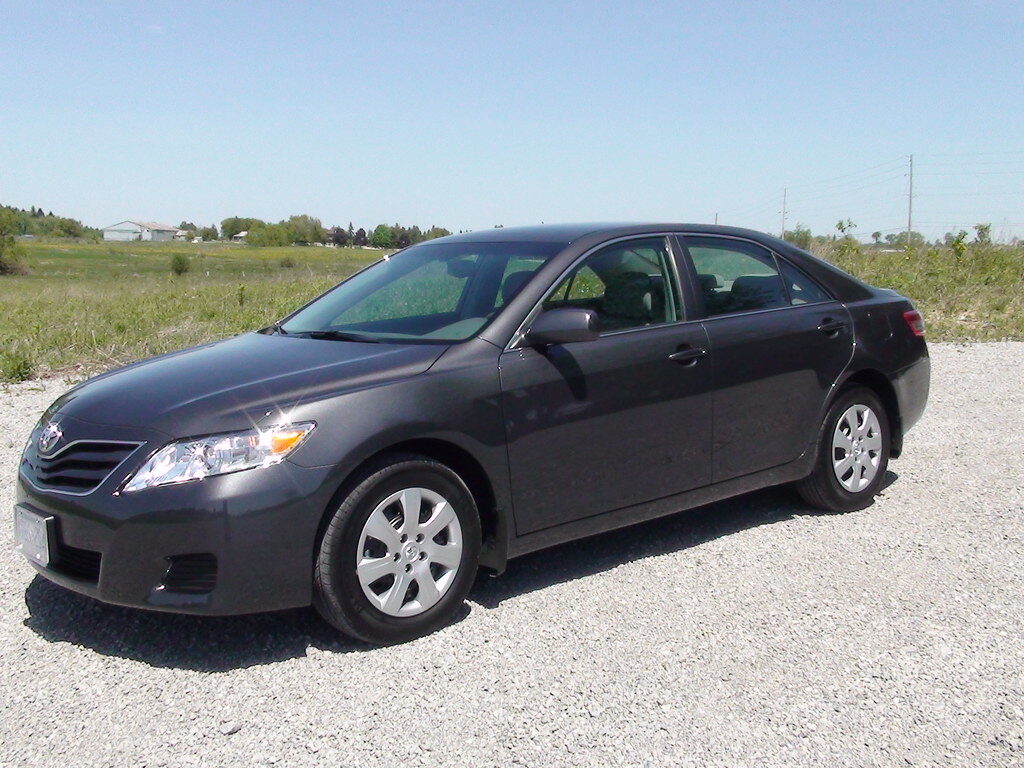
The Camry has again claimed its spot as Toyota’s best-selling passenger vehicle, with a 24.6 per cent lift to 31,573 vehicles. The model’s strong result is part of a wider trend seen across the Japanese brand’s line-up, in which some models are selling very strongly while it’s expanding its new electrified line-up. The Corolla also achieved positive numbers, with sales jumping 6.5 per cent to 19,873 sales while the Prius gained 9.4 per cent. While the changing direction of its electrified line-up is evident, so too is continued demand for much-loved, long-running passenger-vehicle nameplates.
Passenger Car Sales:
- Camry led passenger cars
- 31,573 Camry units
- Camry sales rose 24.6%
- Corolla sales rose 6.5%
- Prius sales rose 9.4%
The 24.6% sales growth for the Camry is among the best examples of solid demand across Toyota’s entire passenger-car line-up. Corolla sales arThe momentum continued through the second quarter of 2026. Toyota Motor North America moved 673,971 total vehicles between April and June, with electrified models accounting for 383,091 sales. That represented 56.8% of total quarterly sales and a 19.5% increase compared with the same period last year. Across Toyota and Lexus, consumers can now choose from 33 distinct electrified models, giving shoppers one of the broadest selections of green vehicles in the industry. Andrew Gilleland, senior vice president of Toyota Motor North America, pointed to the multi-pathway approach as something that is clearly resonating with modern drivers. Toyota’s strategy therefore extends beyond simply increasing battery-electric sales and instead gives buyers several electrified powertrain choices. e also moved north by 6.5% to 19,873 units, with Prius sales rising 9.4%. These numbers now sit alongside Toyota’s new, growing line of battery electric and hybrid models, rather than replacing them. That means Toyota is able to continue selling many of the popular nameplates that have contributed to the model line-up so far while adding more electrified options to the mix. The bZ 59.7% movement is a good example of how many fully electric models Toyota has in the pipeline to sit alongside what consumers are buying.
7. 4Runner
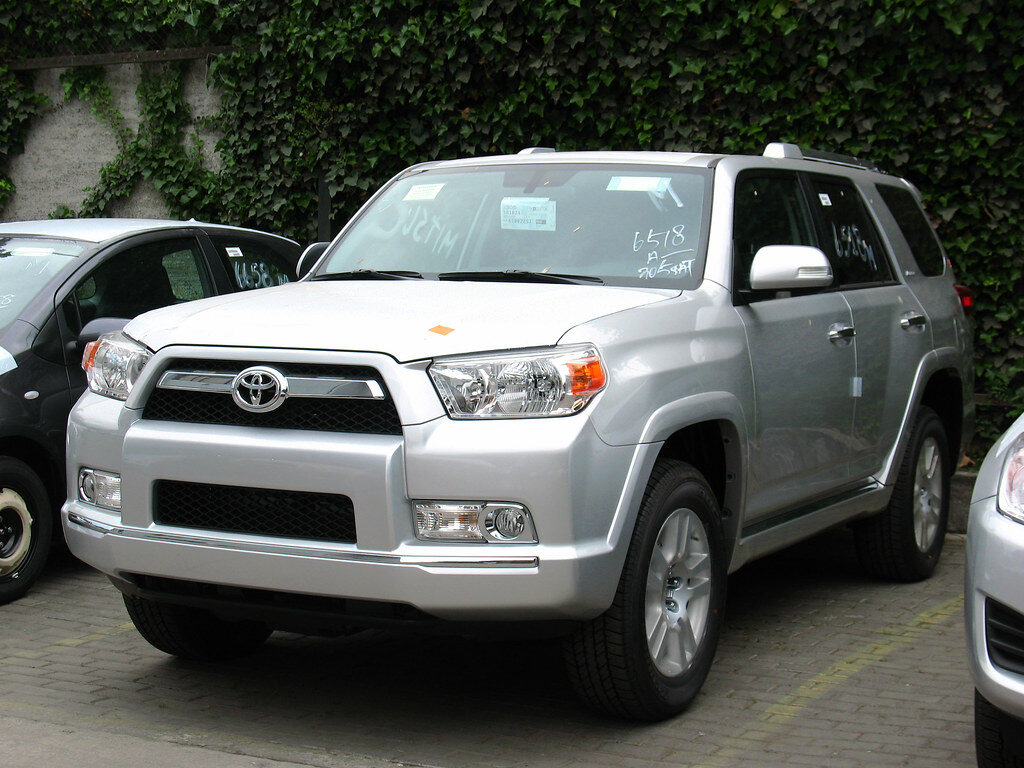
The 4Runner performed remarkably well in the Toyota family of SUVs, with sales up 125.6% year-over-year to 12,981. This speaks to the popularity of the SUV while Toyota’s hybrid lineup continues growing. The 4Runner volume is also encouraging considering it’s part of a family of big hybrid SUVs that’s gaining momentum. Overall, the SUV market as a whole within the Toyota family has seen some interesting trends where hybrid variants of larger models have gained just as much traction as the 4Runner. This includes gas, hybrid, plug-in hybrid and fully electric vehicles, all of which show how Toyota is electrifying their entire lineup.
4Runner Sales Surge:
- Sales reached 12,981 units
- Sales rose 125.6%
- Strong SUV performance
- Hybrid demand expanding
- Part of wider lineup
The 4Runner’s 125.6% year-over-year increase ranks well among Toyota’s individual model results. Its 12,981 unit result reflects the high demand for SUVs in the Toyota model lineup and what that can do to your numbers in the American market. At the same time, Toyota is witnessing a major move to hybrids in larger SUVs (Grand Highlander Hybrid, Highlander Hybrid, 4Runner Hybrid). 4Runner Hybrid sales are nearly doubling, which shows how shoppers are now able to go hybrid without leaving the SUV segment. That aligns perfectly with Toyota’s multi-pathway approach where car shoppers are choosing different forms of electrified powertrains rather than being forced to one. It creates a wide-ranging, big-tent SUV segment.
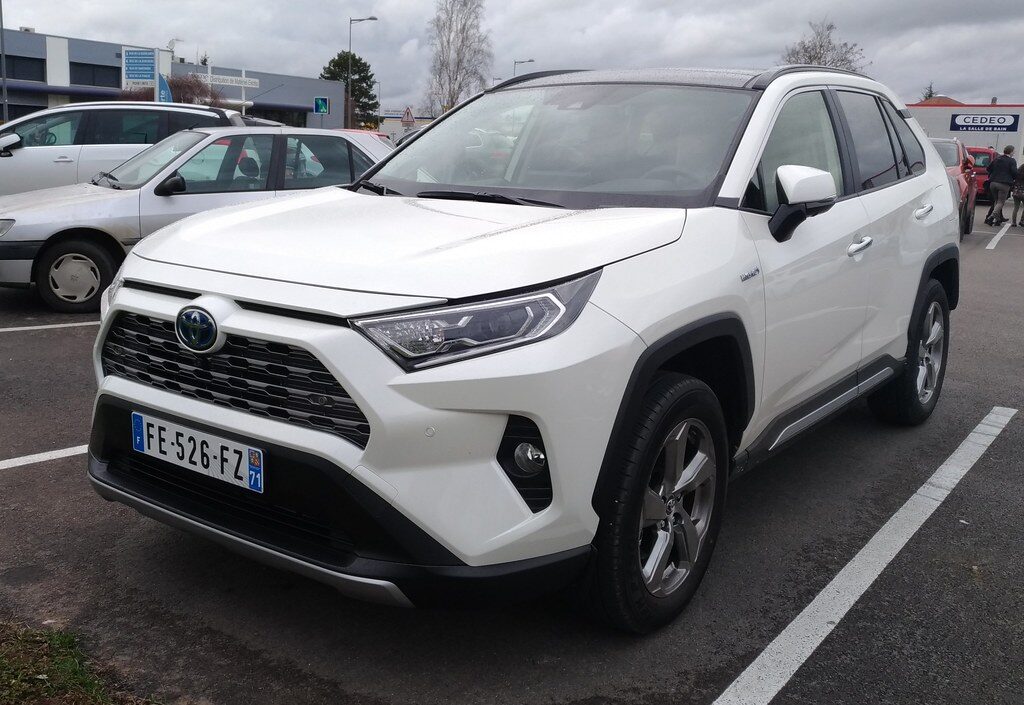
8. RAV4
4Runner’s July ’23 results up 125.6% versus July ’22 clocked near the top when ranked among Toyota’s individual model results. The result of 12,981 vehicles demonstrates how popular SUV sales are for Toyota models and what that can do to your figures in the U.S. market. Meanwhile, Toyota is seeing a major shift to hybrids for larger SUVs (Grand Highlander Hybrid, Highlander Hybrid, 4Runner Hybrid). 4Runner Hybrid sales are up almost 100% as shoppers realize they can now go hybrid without losing ground in the SUV segment. That’s totally part of Toyota’s plan where there’s going to be multiple ways to get to electrification in the future and the recent market trend as fans are selecting electrified powertrains rather than being pushed into one. It’s a broad-spectrum, big-tent SUV segment.
RAV4 Hybrid Momentum:
- Hybrid-only powertrain strategy
- Best hybrid sales month
- 32,350 total units
- Overall volume fell 12.1%
- Supply limits sales
The RAV4 has shown that whether demand or supply is king can affect Toyota’s sales in a big way, even when there are still enthusiastic customers. Although total RAV4 volume dropped 12.1% to 32,350 units, the full-year slide was only due to customers demanding more RAV4s than they had in-store and can be estimated at about 55,000 sales in the U.S. alone. (U.S) Waiting lists for the RAV4 are likely costing the company about 55,000 U.S. sales in 2023). The RAV4 also posted its best month ever for hybrid sales, showing that SUV operators still had enthusiasm for electrified SUVs. In contrast, the rest of the world saw sales dip four months in a row, pressured by Chinese automakers and geopolitical instability.

9. Grand Highlander Hybrid
Demand is robust for the company’s bigger hybrid SUVs, with Grand Highlander Hybrid sales up 34.3% YTD. Highlander Hybrid sales also up 34.8%, and 4Runner Hybrid sales up nearly two times over. So far this year, six out of every 10 Grand Highlanders sold from January through September have been hybrids. But hybrid sales topped out at 65,201 units compared to 43,310 gas-only Highlander Grand Highlanders. In other words, these figures demonstrate a dramatic real-world shift in what powertrains buyers are choosing within the big-ute class Toyota’s hybrid results indicate that electrification isn’t just for the smaller, more compact offerings.
Hybrid SUV Sales Growth:
- Grand Highlander up 34.3%
- Highlander Hybrid up 34.8%
- 4Runner Hybrid nearly doubled
- 65,201 hybrid sales
- 43,310 gas sales
The Grand Highlander Hybrid remains the best illustration of how Toyota’s multi-powertrain approach is succeeding across the full SUV segment. By the end of September, six of every 10 Grand Highlanders sold were hybrids. This equated to 65,201 Grand Highlander Hybrid sales, compared to 43,310 gas models, while Highlander Hybrid sales reached 26,739, well above the 16,211 gas models sold. 4Runner Hybrid sales nearly doubled. That shows that electrification isn’t just about Toyota’s battery-electric bZ line or smaller hybrid models; consumers are embracing hybrid powertrains in larger SUVs, presenting Toyota with a great opportunity to increase electrified sales on all kinds of vehicles.
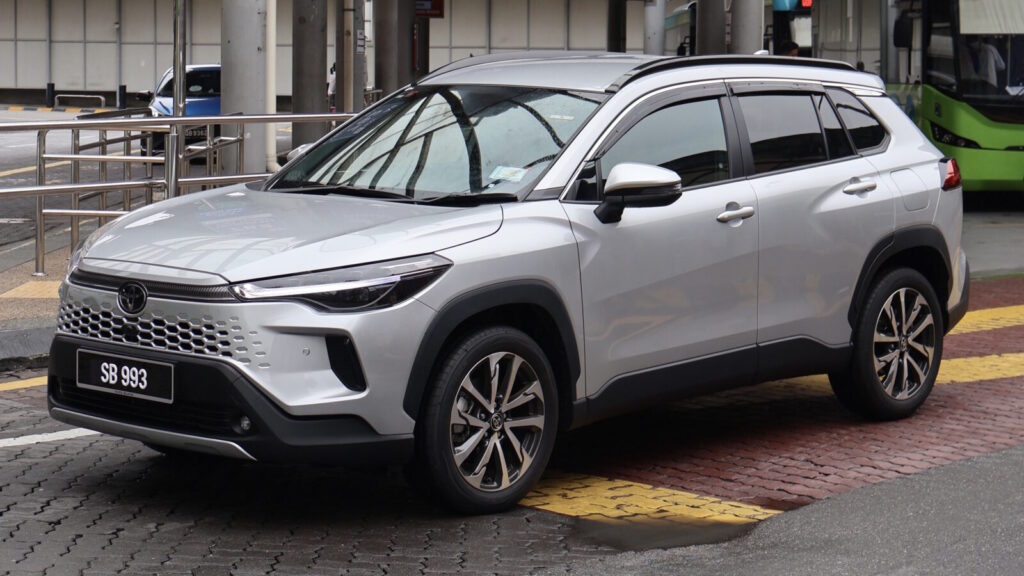
10. Corolla Cross Hybrid
However, the sales picture for the Corolla Cross is, quite simply, very different to those for the larger Honda and Toyota hybrid SUVs. The Corolla Cross Hybrid has been on the market for longer than either the ZR-V or Toyota’s hybrid, so far generating 13,905 deliveries last month, but falling 43.5 per cent from 24,706 in the previous corresponding period, representing roughly one in every seven of the model line rather than one in three. In September, 1821 of the 9776 cars available were hybrids. Corolla Cross petrol sales increased slightly from 48747 in the first 9 months of 2022 to 76226 last month.
Corolla Cross Price Comparison:
- Hybrid sales fell 43.5%
- Gas sales rose strongly
- Hybrid starts at $29,795
- Gas starts at $25,335
- AWD comes standard hybrid
The price difference is one reason why budget-minded buyers are opting for the gas Corolla Cross. The $1,595 destination charge is not included here, so the hybrid’s $29,795 base S hybrid starts about $4,460 above the gas-powered L trim, which has a starting price of $25,335. The SE hybrid has a starting MSRP of $31,115 against $27,665 for the gas LE; the XSE hybrid starts at $33,830 versus the gas XLE at $30,260. All Corolla Cross Hybrids are all-wheel drive, so part of that price premium includes AWD hardware. The hybrid gets 42 mpg combined versus 30 mpg for the gas AWD, saving about $650 per year on fuel. If you buy the AWD model, the hybrid could make up the premium in about five years; the gas model may be a better long-term choice if you do not need AWD.


