





Ford Plans Five New Vehicles Under $40,000 Across Multiple Segments by 2030
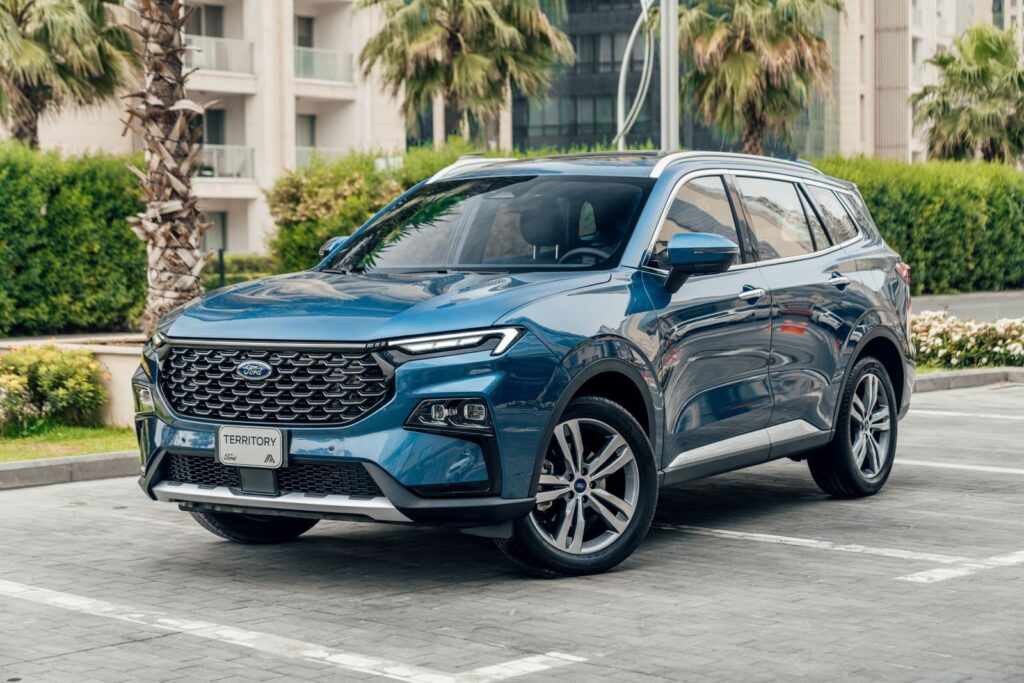
Here are some of the new vehicles coming to Ford by 2030 Ford has announced a huge new line up of five new all-new vehicles priced under $40,000 by 2030. New vehicle prices continue to rise and average around $50,000 for a new car, truck or SUV, so it’s getting harder to find an affordable new vehicle. The new vehicle line up will span several segments including a new passenger car, pickup trucks, crossovers and commercial vans. The new vehicles coming to Ford include a midsize electric pickup truck expected to start around $30,000 in 2027, as well as new all-new nameplates for cheaper and more affordable options.
“In addition to new vehicle offerings, Ford is actively planning for new powertrain choices, including gasoline, traditional hybrids, plug-in hybrids and electric, to give customers an unmatched selection of choices and value,” Ford said in a statement to CNBC. “As monthly payments climb, insurance rates fluctuate and market conditions change, we know that vehicle buyers are feeling greater pressure. That’s why Ford is also considering ways to alleviate that pressure with the Escape, Transit Connect and other popular nameplates that no longer are available while continuing to expand offerings of the lowest-trim and entry-level vehicles, certified pre-owned availability, incentives and the best financing rates in the industry.”

1. Ford Announces Five Affordable New Vehicles by 2030
Ford is gearing up to significantly expand its lineup of inexpensive vehicles, telling dealers it will add five new nameplates under $40,000 by 2030. With new vehicle pricing at an average of about $50,000, Ford is trying to counter the challenge of more expensive models making them ever more unaffordable for buyers on a budget. Instead of trimming the equipment on their existing vehicles, Ford plans to introduce brand-new, never-before-seen nameplates, Ford executives announced to car dealers at the National Automobile Dealers Association show in Las Vegas. Andrew Frick, president of Ford Blue and Model e, explained to the showroom dealers about the scope of the company’s upcoming lineup.
Ford’s Affordable Vehicle Strategy:
- Five new vehicles planned by 2030.
- Every model targets prices below $40,000.
- Completely new nameplates are planned.
- Average new vehicle prices approach $50,000.
- Announcement shared at NADA meeting.
Ford’s proposal would take a big step toward making it easier for a wider range of customers to buy new vehicles. Ford’s five new vehicles will all be new models in a handful of segments, rather than trying to tap into a single vehicle type. That could allow Ford to offer more entry-level options to would-be buyers of passenger cars, trucks, SUVs, or vans at a lower price than they have now. As Frick described it, the expansion would reach all of Ford’s passenger vehicle and commercial vehicle lines, making affordability a priority in all of the company’s future vehicle plans. The move also highlights the pressure from automakers to offer less-expensive models as rising average transaction prices make new vehicles less and less affordable.
2. Ford’s Multi-Energy Strategy Will Offer Different Powertrain Choices
Ford’s five most affordable upcoming products will employ a multi-energy approach. This means that Ford does not plan to manufacture every product using just one type of powertrain technology. Instead, Andrew Frick told us that it was planned to have products available in the categories of car, truck, SUV, and van. Also, that would offer a choice of energy sources. These could be internal-combustion (probably in a conventional gas-only version), hybrid (conventional or plug-in), or fully electric. Frick said that Ford’s broad variety of energy sources and vehicle types would give them the ability to meet the variety of customer needs depending on, for example, where they live and the types of roads that they drive on. In this way, the customer would not be asked to change their behavior if they do not wish to, and also future-proof them for changing conditions.
Multiple Powertrain Options Ahead:
- Traditional combustion engines remain possible.
- Gas-only vehicles may join the lineup.
- Hybrid powertrains provide additional choices.
- Plug-in hybrid options remain possible.
- Fully electric models are also anticipated.
Ford’s multi-energy approach is indicative of the automotive environment. Each manufacturer has altered its plans in response to changing demand, legislation and customer preferences. The data that we have provided shows BMW’s fourth record sales year in a row, although plug-in hybrids helped that, while Stellantis has moved away from plug-in hybrids in favor of conventional hybrids. Canada has also dropped its EV sales target. In this context, Ford’s willingness to contemplate a handful of powertrain options will provide more flexibility in its search for affordable cars. Its customers won’t be faced with having to choose a single technology or have the options determined by the manufacturer: across its five new nameplates, it’ll be able to offer a number of solutions without sacrificing affordability.
3. The $30,000 Electric Pickup Will Lead Ford’s Affordable Push
The first of the company’s core new vehicles will be a midsize electric pickup truck that is set to go into production in 2027. Originally teased as part of Ford’s Universal EV platform developments, this upcoming model is grabbing attention due to its anticipated starting price of about $30,000. Ford has aimed for a truck that provides a combination of practical size and cabin volume along with peppy performance. Its projected size is close to the gas-powered Maverick Ford and it could use a dedicated electric architecture to deliver cabin space similar to that of a Toyota RAV4 in a much smaller overall footprint. Such packaging should give the vehicle an everyday practicality lacking in larger fullsize trucks. Its list price is also likely to make it a tempting choice for consumers in this price class.
What Makes Ford’s Electric Pickup Different:
- Production is scheduled for 2027.
- Expected starting price approaches $30,000.
- Exterior dimensions resemble the Maverick.
- Cabin space compares with Toyota RAV4.
- Dedicated EV layout improves packaging.
The company’s new electric pickup aims to strike that balance of everyday use and capable performance that may shock shoppers at its expected price. Ford is promising performance to rival the Mustang Eco Boost, providing an “economic” argument to go along with its utility. Starting at about $30,000, the new Ford could undercut just about every rival electric pickup in its class. The article also highlights startup Slate’s electric truck as a potential competitor. For comparison, the gas-powered Ford Maverick currently has a manufacturer’s suggested retail price (MSRP) of $28,145, including shipping. So, that makes the electric version even more notable, as the electric pickup would bring battery-powered pickup ownership very close to the price of the current compact gas option, if Ford hits its targets.
4. Ford Plans to Return to the Traditional Passenger Car Market
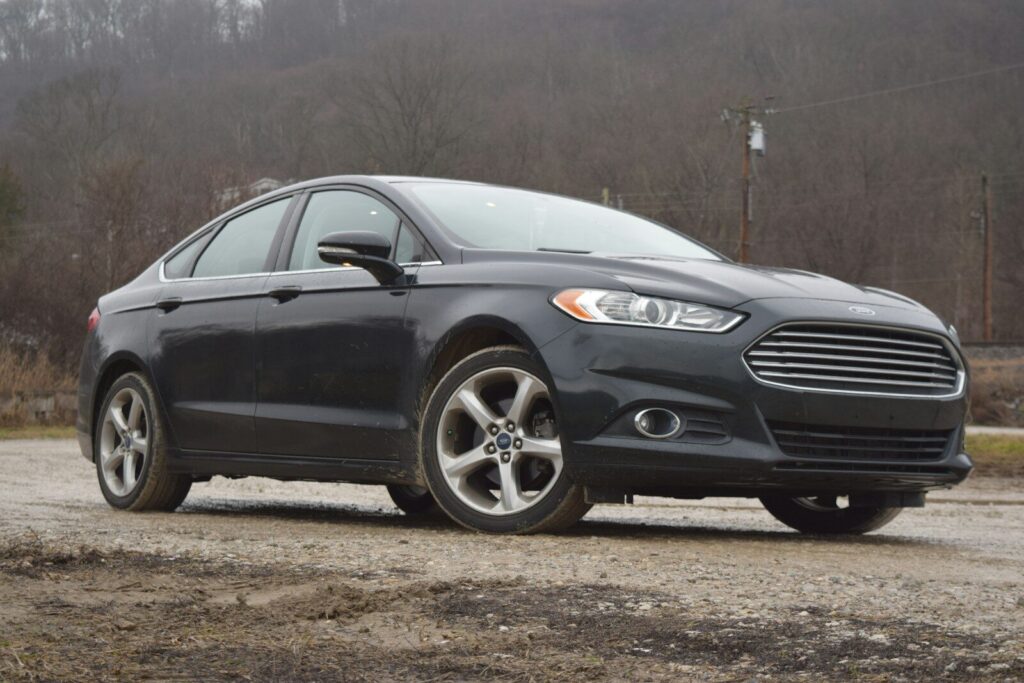
The one area in the U.S. where Ford hasn’t been building all EVs is the passenger-car segment. Ford discontinued its prior lineup of vehicles that included sedans and hatchbacks and focused instead on SUVs, trucks, and, of course, the Mustang. Now, however, the company is planning a return to building a passenger car as part of the new affordable car program, although we’re not yet sure what it will look like. Ford has not announced the final design or the name, but rumors have suggested it could be a modern spiritual successor to the Ford Fusion, which ended production in 2020.
Ford’s Passenger Car Plans:
- An all-new passenger car is planned.
- Ford previously phased out U.S. sedans.
- Mustang remains its traditional car offering.
- Fusion successor remains a possibility.
- Honda Civic buyers offer a target audience.
The revival of passenger cars, if the new vehicle is successfully brought to market, would perhaps also fill a void in the company’s U.S. lineup. Since Ford discontinued its prior sedan and hatchback offerings, car shoppers who compare rivals like the Honda Civic and Toyota Camry haven’t found as many of traditional Ford make. A new, affordable passenger car, offered on a new small vehicle platform, might serve as an appealing alternative to the bevy of high-riding utility vehicles and pickups in the segment for those who would rather buy a car. Ford, though, has not said that the new nameplate will be called Fusion or come exactly as Ford has so far teased. Whatever its name, what Ford’s announced is that the company is not looking to focus on utility vehicles to the exclusion of other passenger cars.
5. Ford’s New Affordable Crossover Could Replace the Escape’s Role
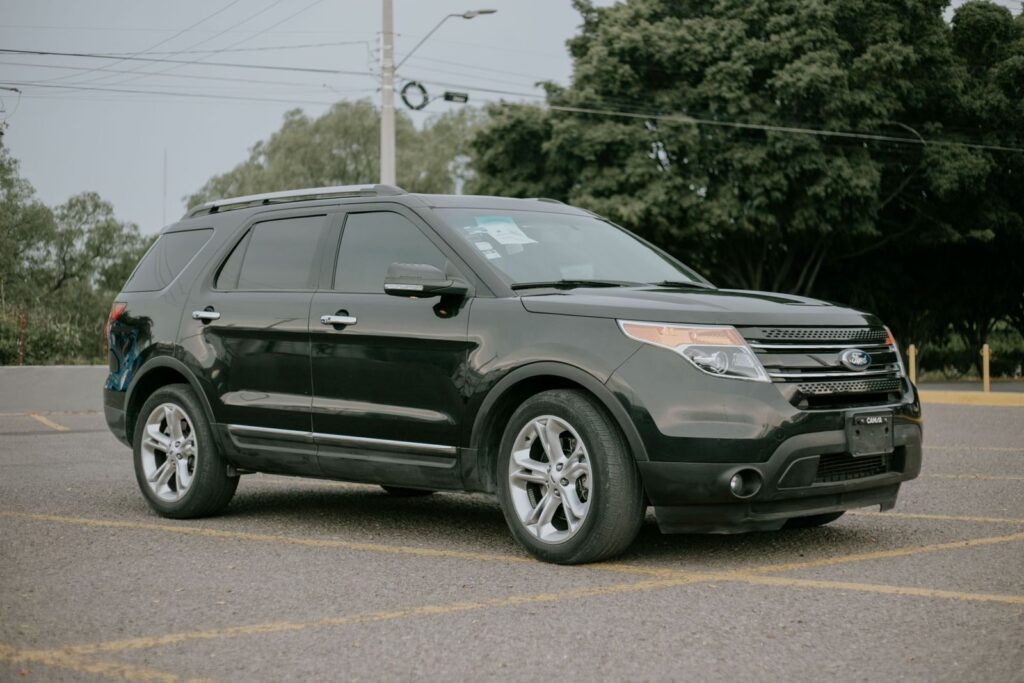
The move to add low-cost vehicles also comes as Ford’s line of entry-level crossovers is evolving. Ford ceased production of the Escape late last year, with dealer inventory of the vehicle to be exhausted by 2026. That leaves Ford in the position of wanting to offer an affordable, easy-to-drive crossover to customers seeking value but not necessarily wanting to buy the fancy trims of its biggest-volume products. “We’re going to run out of FXEs here, we’re still on the inventory to sell, we’ll run out eventually and that won’t stop us from profitable growth on our current nameplates,” Andrew Frick, who is responsible for dealer relations at Ford, said during the NADA convention. This may be Ford’s chance to bridge the gap with a new, practical subcompact crossover aimed at the everyday driver.
Filling the Compact Crossover Gap:
- Escape inventory remains available temporarily.
- Escape enters its final year in 2026.
- Ford needs an accessible replacement.
- Daily comfort remains an important priority.
- New crossover could cost under $40,000.
The nameplate would slot under the recently introduced, costlier Bronco Sport, which Ford would also sell but which uses rugged design cues and is more costly. That leaves room for another small crossover targeted at buyers who value a comfortable daily driver that’s more oriented to the road. Ford wants to keep 70 percent of its owner base from the aging Edge and Escape vehicles within the automaker’s fold as they exit the lineup. An affordable new model of this style could help Ford achieve that, by offering a tried-and-true configuration at a good price. Ford has yet to release any details of its new model, including the model name or powertrain options, or even its final design. But its role is crucial: it could help Ford stay in the game with a small-but-practical family hauler while avoiding more expensive categories of vehicles.
6. Ford’s Affordable Expansion Could Include a New Commercial Van
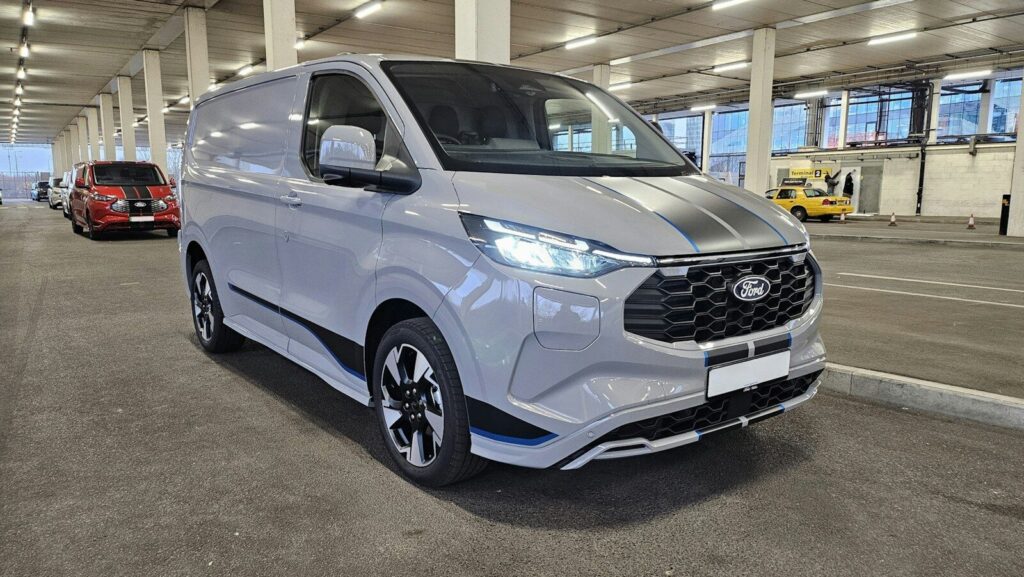
Products in all five segments will include passenger cars, pickups, and SUVs and now vans. Andrew Frick explicitly confirmed that vans will be among those that will see product in the Ford portfolio soon, opening the door to small-business owners, fleet operators, and urban parcel delivery businesses. Ford exited the subcompact van segment in the U.S. after discontinuing the Transit Connect model after MY23. A low-cost van could be a return of sorts for those in need of a compact footprint with everyday usefulness, but without buying a large commercial van. The five-energy approach also leaves doors open for alternative powertrain solutions depending on the end product, with pricing for the new product not yet available but the inclusion of vans making it clear that the low-cost promise extends to commercial customers.
Potential Benefits of a New Ford Van:
- Vans are included in expansion plans.
- Transit Connect production ended after 2023.
- Small businesses could gain another option.
- Fleet operators need practical transportation.
- Multiple powertrains remain possible.
A new van priced under $40,000 could be attractive to companies needing to run a vehicle for deliver work, trade work and other pursuits. Ford filling the gap left by the shutdown of the Transit Connect would make sense to buying customers seeking a smaller utility vehicle. The company’s multi-pronged approach to alternative fuels might also offer commercial buyers flexibility to use whatever powertrain best suits their operating needs. Ford says it hasn’t confirmed if the new van will take the Transit Connect’s nameplate or if it will be an all-new model, and it hasn’t announced final specs, specs, equipment or a launch date. All it has announced is commercial vehicles will be part of Ford’s broader plan to offer low-cost vehicles to consumers.

7. Rising Vehicle Payments Make Affordable Models More Important
Ford’s attention to lower-cost vehicles was partly prompted by the difficulty many American families face when buying a new vehicle. Using Trans Union data presented at the AFSA conference, Ford said the average monthly car payment hit $785 in the last quarter of 2025. The average new-vehicle loan amount also increased to $44,650, creating added monthly strain. And the cost of owning vehicles is on the rise as well: Average annual auto insurance rates increased 12.7% for five years straight. Taken together, a new vehicle can be out of reach for many families. This has led many to turn to used-vehicle dealers or even other automakers’ brands, which typically have a lower starting price. By working to introduce five new vehicles under $40,000, Ford hopes to make a new car affordable for more families.
The Cost of Buying a New Vehicle:
- Monthly payments averaged $785 in Q4 2025.
- Average vehicle loans reached $44,650.
- Insurance premiums rose 12.7% annually.
- Rising costs pressure family budgets.
- Buyers increasingly consider used vehicles.
These financial pressures help explain why Ford wants to make affordability a central part of its future product strategy. A lower starting price can give customers an additional choice when monthly payments and insurance expenses are already stretching household budgets. The planned vehicles could appeal to first-time buyers, families looking for practical transportation, and consumers who might otherwise purchase used vehicles. Ford’s initiative is particularly relevant because the average new vehicle price is hovering around $50,000, considerably above the company’s proposed $40,000 ceiling for the new models. However, the final affordability of each vehicle will also depend on its equipment, financing terms, and ownership costs. By expanding its lower-priced offerings, Ford hopes to make new-vehicle ownership more accessible and give customers additional reasons to remain within the brand.
8. Ford’s Sales Challenges Strengthen the Case for Affordable Vehicles
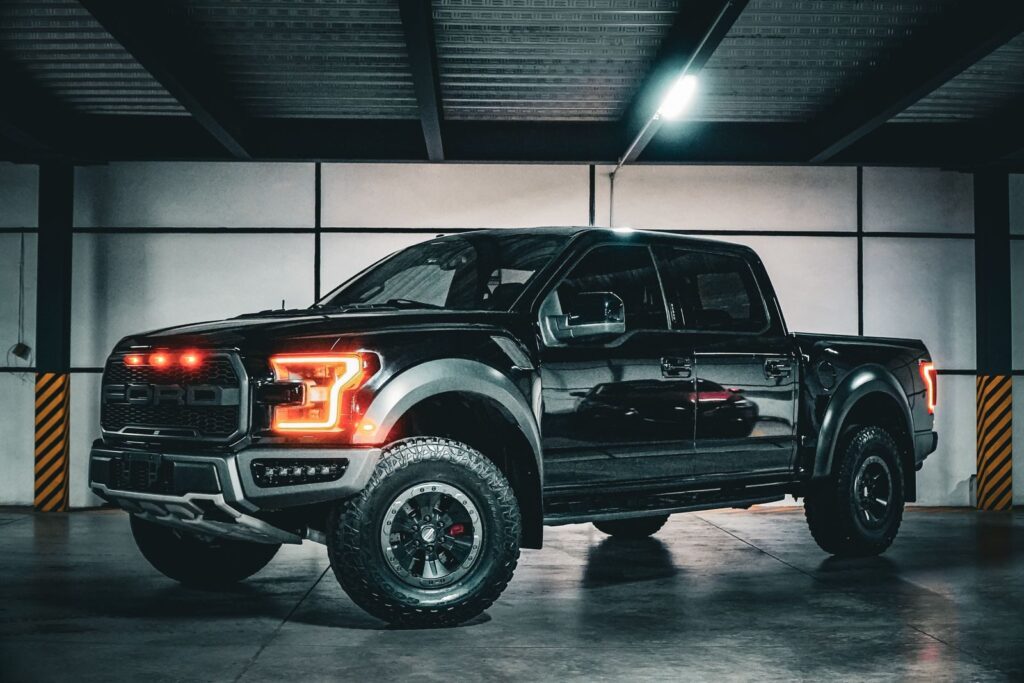
Ford’s recent sales performance provides another reason for its renewed emphasis on affordable transportation. In January, the company’s total U.S. vehicle sales declined by 5.2%. The downturn was affected in part by an 18% drop in F-Series sales following a major fire at supplier Novelis. Because the F-Series is an important part of Ford’s business, disruption affecting its sales can influence the company’s overall results. Developing five new vehicles priced below $40,000 by 2030 could help Ford reach customers beyond its traditional higher-priced offerings. A broader lineup would give budget-conscious families and first-time buyers additional options, potentially helping the company respond to changing demand. The initiative also creates opportunities across several vehicle categories rather than relying on one segment to drive future growth.
Why Ford Needs a Broader Lineup:
- January U.S. sales fell 5.2%.
- F-Series sales declined 18%.
- Novelis fire affected truck sales.
- Five affordable models target broader demand.
- New segments could diversify customer choices.
Ford’s planned expansion is intended to strengthen its position as market conditions change. Affordable cars, crossovers, vans, and an electric pickup could attract customers whose budgets exclude more expensive vehicles. This broader approach may also help the company respond to fluctuations affecting particular models or segments. The planned $30,000 electric truck, for example, would offer a different entry point from Ford’s traditional full-size pickups, while a new passenger car could attract shoppers who do not want an SUV. The company is targeting a launch schedule that brings all five new nameplates to market before 2030. Although the announcement does not guarantee that the vehicles will reverse Ford’s sales challenges, it establishes affordability and product variety as important parts of the company’s strategy for reaching more customers.
9. Ford Introduces Immediate Steps to Improve Vehicle Affordability
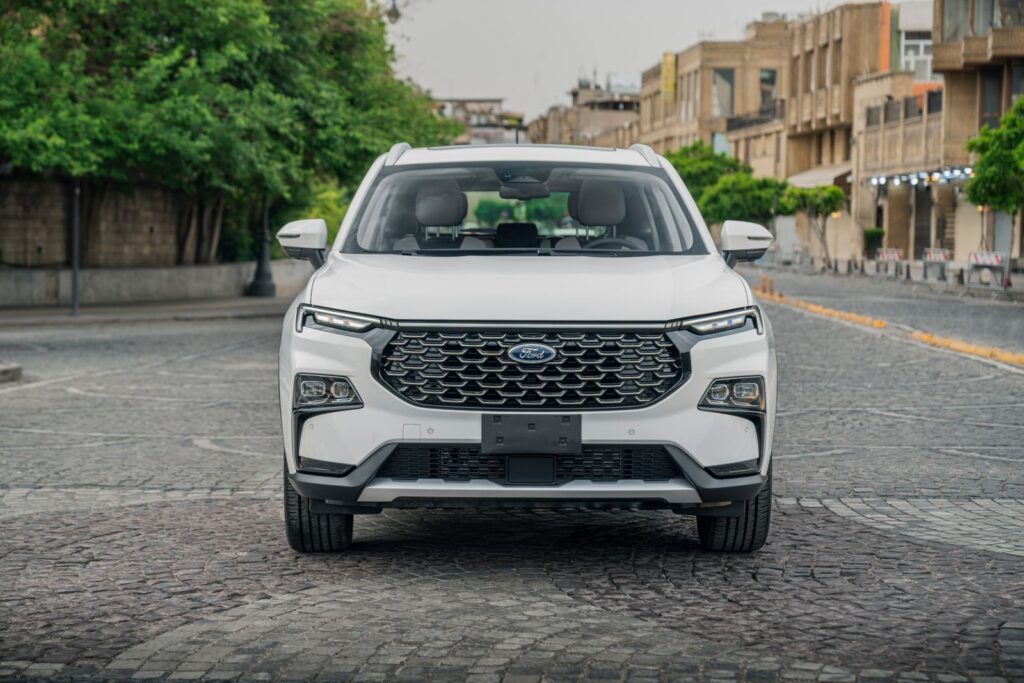
Ford recognizes that customers cannot wait until 2030 for more affordable new vehicles. Alongside its long-term product development plans, the company is pursuing approximately 10 tactical actions intended to improve affordability in the near term. Andrew Frick explained that the upcoming nameplates would gradually fill gaps in the product lineup, but additional measures were needed to help customers immediately. One approach involves expanding entry-level trim options on popular models such as the Explorer and Bronco. The Explorer currently starts above $38,000, making lower-cost configurations particularly relevant to shoppers watching their budgets. Ford is also emphasizing certified pre-owned vehicle programs, which provide buyers with factory-backed used-car choices while giving them another way to purchase a vehicle within their financial limits.
Ford’s Near-Term Affordability Measures:
- Approximately ten tactical actions are underway.
- Entry-level Explorer trims receive attention.
- Bronco entry-level options are expanding.
- Certified pre-owned programs offer alternatives.
- Longer-term financing options help buyers.
Ford’s immediate measures are designed to complement its future lineup rather than replace the need for new affordable models. Certified pre-owned vehicles can offer customers another route to ownership, while first-time buyer financing programs and expanded longer-term loan options are intended to reduce initial monthly payment pressure. Lower-priced trims also allow shoppers to consider popular models without necessarily choosing more expensive configurations. These measures matter because Ford’s five planned vehicles will arrive progressively over several years, leaving a gap between current customer needs and the future product rollout. The company therefore intends to work on affordability both through new vehicle development and through existing sales strategies. Together, these initiatives reflect Ford’s effort to reach buyers who need practical transportation but are increasingly challenged by high vehicle prices and financing costs.
10. Ford’s Road to 2030 Combines Affordability With Product Variety
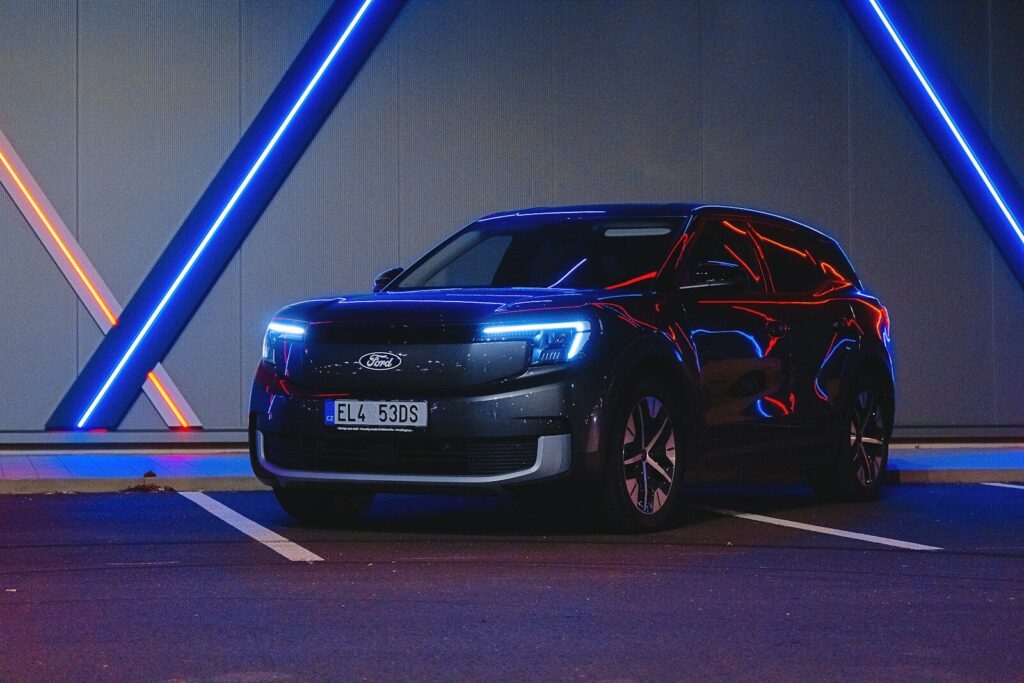
Ford’s plans for five new vehicles under $40,000 represent a broad effort to make its lineup more accessible by 2030. The company is preparing products across passenger cars, trucks, SUVs, and vans, with multiple powertrain options expected across the range. The upcoming midsize electric pickup is scheduled for production in 2027, while the other new nameplates will arrive progressively. These plans complement Ford’s broader product developments, including the Mustang Dark Horse SC succeeding the Shelby GT500, the Bronco RTR aimed at younger off-road enthusiasts, and adjustments to its electric vehicle strategy in favor of high-demand hybrid powertrains. Together, these developments reflect Ford’s effort to balance performance, utility, evolving powertrain preferences, and the need for more accessible transportation.
Ford’s Vision for 2030:
- Five new nameplates target affordability.
- Cars and vans expand customer choice.
- Electric pickup leads the rollout.
- Hybrid powertrains remain strategically important.
- Practical value guides future development.
The success of Ford’s affordability strategy will depend on how effectively the company delivers its promised vehicles and pricing targets. A new passenger car could restore a conventional option to its U.S. lineup, while a compact crossover could help retain Escape and Edge customers. An affordable electric pickup could broaden access to battery-powered trucks, and a new van could serve commercial operators who need practical transportation. The multi-energy approach gives Ford room to address different customer preferences without relying entirely on one powertrain technology. Meanwhile, immediate actions such as lower entry-level trims, certified pre-owned offerings, and financing initiatives are intended to help customers before the new models arrive. By combining near-term affordability measures with five all-new vehicles planned before 2030, Ford is positioning value and wider customer choice as important priorities for its next phase of development.