
Chevrolet’s Electric Camaro: A Legend Reimagined for a New Era
The Chevrolet Camaro has always carried a weight that goes beyond metal, engines, and design. It represents a specific era of American performance culture where raw horsepower, bold styling, and emotional driving experience mattered just as much as practicality. Over decades, it grew into something larger than a car it became a symbol of rivalry, identity, and passion, especially in its long-standing battle with the Ford Mustang. That emotional connection is exactly why any discussion about its future feels significant, even before anything is officially confirmed.
When Chevrolet ended production of the Camaro after the 2024 model year, it didn’t just close a product line it closed a chapter in automotive history. The absence of its V8 sound and traditional coupe design left a noticeable gap in the performance car world. For many enthusiasts, it felt like one more step away from the golden age of muscle cars. Yet, the automotive industry rarely leaves iconic names untouched for long, especially when they still carry strong emotional and commercial value.
Now, the Camaro name is once again at the center of attention, surrounded by speculation, rumors, and evolving industry trends. What makes this situation unique is not just the possibility of a comeback, but the dramatic shift in what that comeback might look like. Instead of simply reviving the old formula, Chevrolet appears to be exploring a completely different direction shaped by electrification, changing consumer behavior, and the rapid rise of performance SUVs.
1. The Legacy that Made the Camaro Brand
The Camaro’s heritage is the story of its original intent to challenge the Ford Mustang. From the outset, it became known as a muscled-up performance machine with styling that screamed confidence and performance over comfort. In the subsequent decades, it’s morphed into a cultural icon, regularly featured in films, in motorsports and around the world. Even as the automotive market shifted, the Camaro’s image remained one that was all about power, aggression, and strong road presence.
Performance Heritage and Market Positioning:
- Built to go against Ford Mustang
- Strong performance identity
- Cultural icon in the automotive industry
- Aggressive styling over the decades
- Enthusiasts across the world
This identity is precisely why its discontinuation was felt so acutely throughout the car world. Though the last iteration was still a muscle car with performance credentials, the broader market had already moved to favor SUVs and electrified drivetrains. As such, the two-door sports car segment simply started losing its relevancy to the masses, though enthusiast interest remained extremely high. It was this shift in trends which dictated the Camaro’s last run.
In spite of this, the Camaro’s legacy is so strong, talks about its future still persist. Many fans would love to see it stick to its guns as a performance focused model even if it meant a fully electric powertrain or a new, dedicated sports platform. It’s a testament to the emotional pull the Camaro nameplate has in today’s car culture.
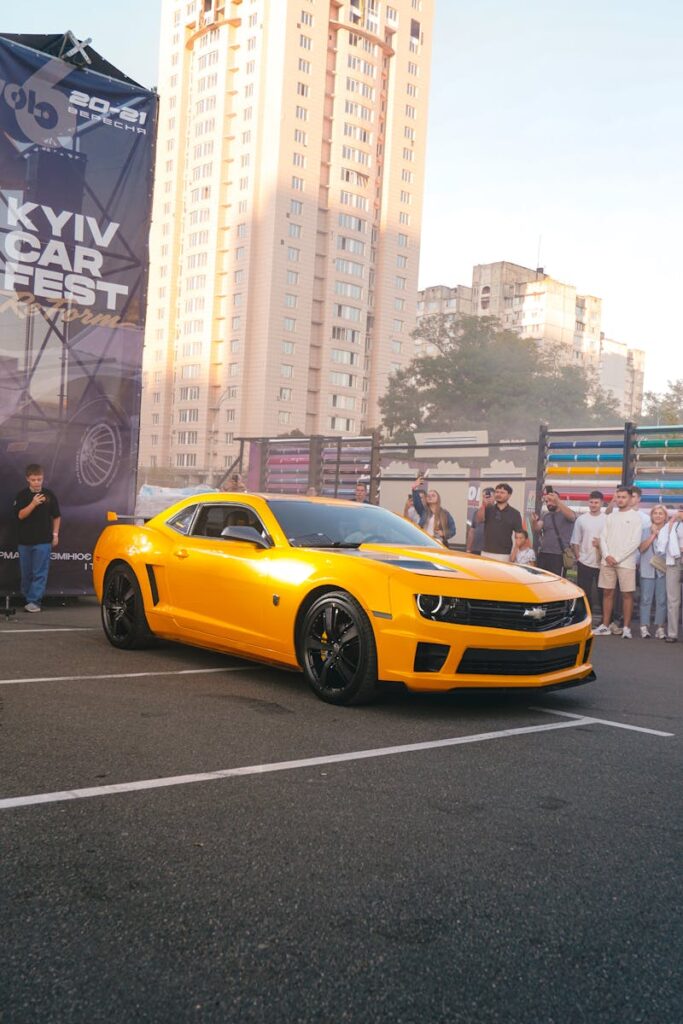
2. The Demise of the Camaro
Contrary to some opinions, the end of the Camaro wasn’t a death born of lost heritage, but a consequence of shrinking market demand. For years, muscle car sales have been in decline, and the mass market audience is now gravitating towards vehicles that are more practical and multipurpose. Even legendary nameplates found themselves victims of this trend. The Camaro, despite having a strong base of loyal supporters, could not sustain enough sales to be profitable in this contracting segment of the market.
Market Trends and Industry Pressure:
- Declining muscle car demand
- Mass market favors practical vehicles
- Shrinking sports coupe segment
- Growth of EVs and SUVs
- Unsustainable sales volume
Concurrent with this decline was the dramatic impact of electric vehicles and crossovers on the industry. Consumers now want more and more utility and advanced technology, and while they still expect good performance, the traditional low-riding, two-door sports car became more of a novelty than a practical choice within the lineup. It was these broader industry trends rather than shortcomings of the Camaro model which signaled its end.
Therefore, the Camaro’s exit was a consequence of the automotive world’s timeline rather than a result of poor performance or a lack of identity. The push towards electrification and multifactored vehicles leaves little room for niche performance coupes, a realization which helped solidify the Camaro’s demise.
3. The Electric SUV Rumor and the Direction of the Market
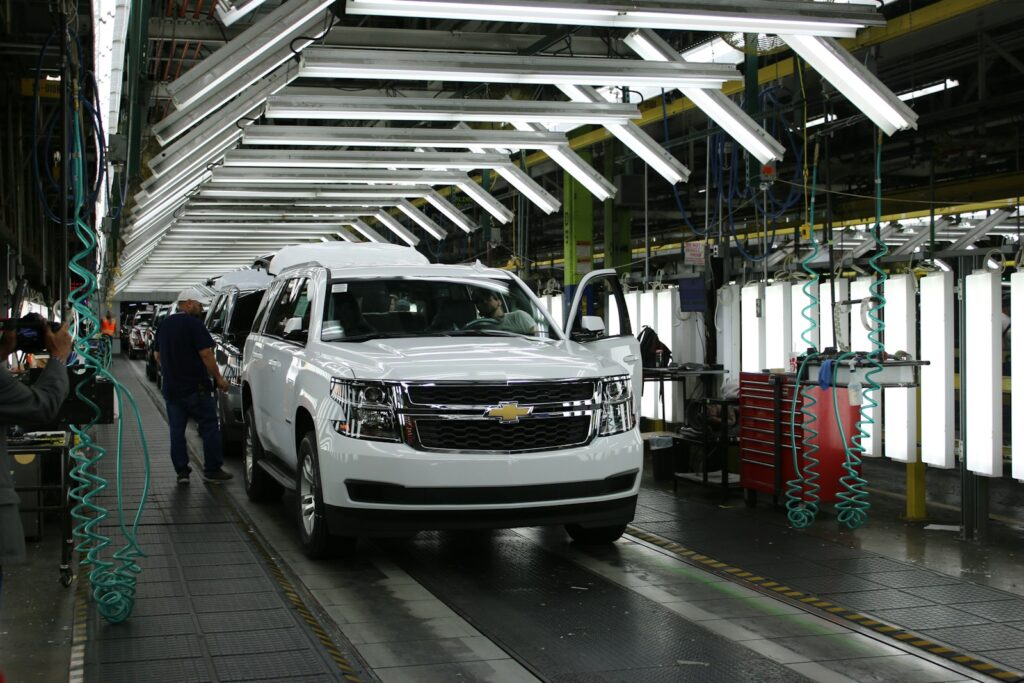
Arguably, the most talked-about option for the Camaro’s future is that of a full electric fast-back SUV. Though perhaps a departure for many from traditional two-door muscle car styling, the move itself fits neatly into the current automotive landscape. The electric SUV is one of the biggest growing segments of the market and it perfectly combines sports car styling with an electric drivetrain to meet consumer expectations. It is in this context that the modern performance identity is taking shape.
Electrification and New Performance Trends:
- Possible electric fastback SUV direction
- Performance SUV segment rapidly growing
- Blend of sport styling and EV tech
- Focus on practicality and efficiency
- Reinvention of classic nameplate identity
If it is developed in this style, the Camaro would shed its classic low-slung coupe silhouette to embody the form factor of a dynamically styled SUV that shares characteristics with the electric performance crossovers on the market. This would essentially be a rebranding of the Camaro’s identity, aligning itself directly with current market expectations for the electric performance segment.
This scenario illustrates just how willing manufacturers are to evolve their legendary nameplates to remain competitive. The emphasis on electric drivetrains and all-purpose functionality are critical priorities for today’s consumer, and even the iconic muscle car has to make a sacrifice to continue living on.

4. Internal Conflict at GM
The fate of the Camaro at General Motors is not being driven by one single, clear vision, but instead by the continuous debate among the decision makers. Some executives reportedly believe that a pure performance EV muscle car is still the correct direction for the brand, to be derived from the same heritage as the outgoing model while incorporating modern electric powertrains. The motivation here appears to be to protect the nameplate’s strong sentimental equity by avoiding a complete reinventing of its identity.
Competing Visions for the Camaro Future:
- Traditional performance EV coupe direction
- SUV expansion for higher sales volume
- Debate between heritage and profitability
- Balancing emotion with market reality
- Unclear long-term brand positioning
Conversely, others are more inclined to re-imagine the Camaro as an SUV with sports car styling and characteristics to increase overall sales volume and reach the broader market. This is a more business-minded strategy that prioritizes profitability by entering the largest automotive segments while hoping to retain some aspects of the Camaro’s DNA. This fundamental conflict is faced by nearly all long-running car brands in today’s market.
The future direction of the Camaro remains in this volatile space between brand loyalty and business needs. The emotional attachment to its muscle car heritage directly clashes with the economic pressures of the modern automotive landscape, placing the Camaro’s identity right at the heart of one of the industry’s most significant discussions.
5. Exterior Design of the Electric Camaro
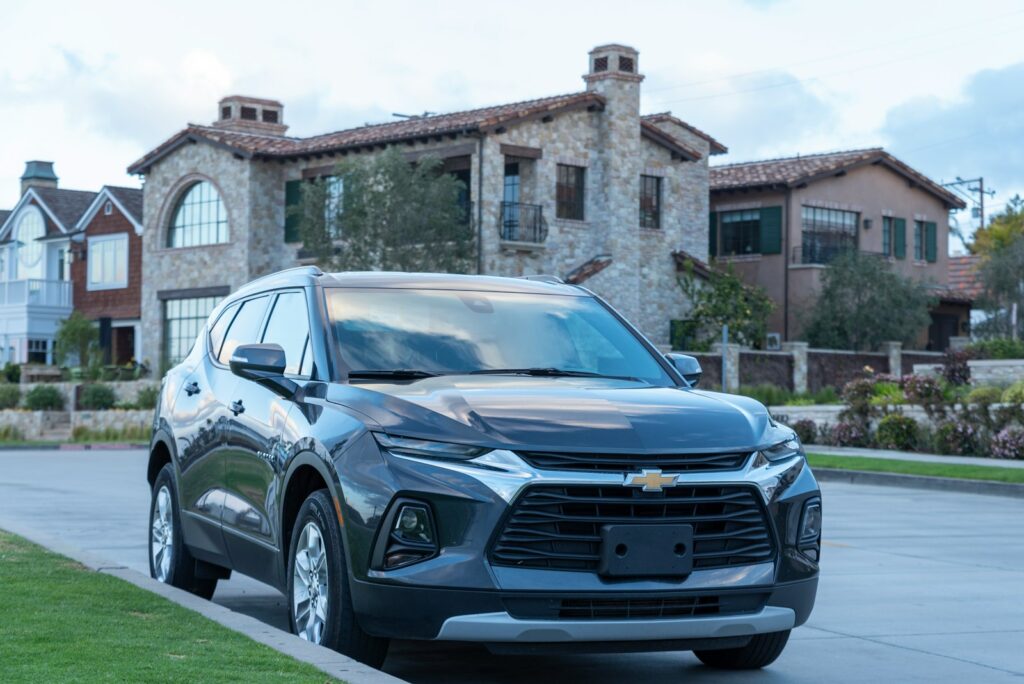
The exterior design for the potential electric Camaro should ideally maintain the aggressive, sporty aesthetic it’s known for while still adopting the design cues of modern electric vehicles and SUVs. The traditional low-slung, broad muscle car shape would likely shift into a more SUV-esque fast-back style with a sloping roofline to keep up with the times and the overwhelming popularity of SUVs and crossover vehicles. This will hopefully marry some of the existing muscular qualities with future-oriented performance design.
Expected Design Cues and Styling Language:
- A fast-back body style for the SUV segment
- Sloping roofline and sporty overall silhouette
- Wide proportions for an aggressive road stance
- Sharp lines to retain muscle car identity
- Emphasis on aerodynamic design
A blend of modern electric styling with familiar Camaro proportions would hopefully keep the vehicle looking and feeling like a true Camaro. Features that would contribute to this are its width, its characteristically sharp lines, and the assertive stance we’ve all come to love. A strong resemblance to the generations that preceded it is key, to avoid completely severing its heritage and to build on the emotional appeal of the muscle car.
6. Interior Experience & Digital Progression
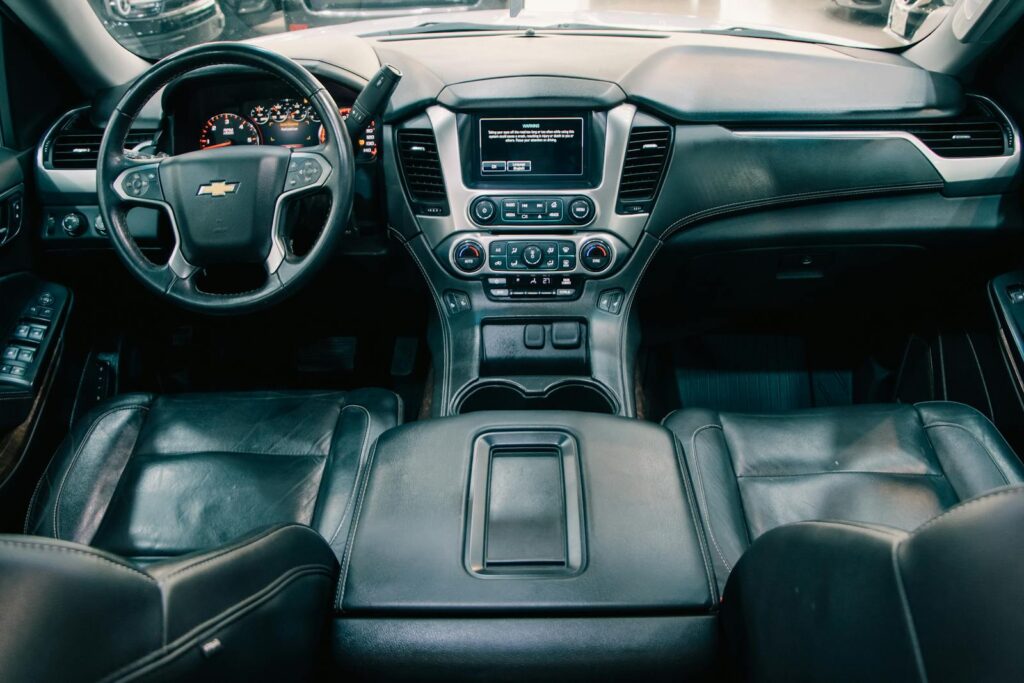
Inside the Camaro’s cabin is expected to evolve toward a highly digital, but also emotionally charged interior experience. Large infotainment screens, advanced driver displays and a driver-focused, performance-oriented interior will be the focus for the dashboard design. However, contrary to the more minimalistic electric vehicle interior designs that are beginning to appear, the Camaro is still expected to possess a strong visual intensity and personality to retain its character as a performance machine, rather than simply a utility-driven electric vehicle.
Driver-Focused Cabin and Digital Features:
- Large integrated digital displays
- Performance-oriented cockpit layout
- Driver-centric interior design theme
- Sport-inspired material selection
- Enhanced infotainment experience
The interior will aim to exude a sporty and immersive feeling. Layered surfaces, a contrast in color and a cockpit-like interior with a driver focus will all likely assist in retaining the vehicle’s performance-oriented image, giving it more character in the interior than your typical electric SUV.
Essentially, the evolution of the interior will be aimed at maintaining the emotional connection with the Camaro name whilst simultaneously incorporating advanced digital technology in an advanced, driver-focused package.
7. Platform Structure and Performance Configuration
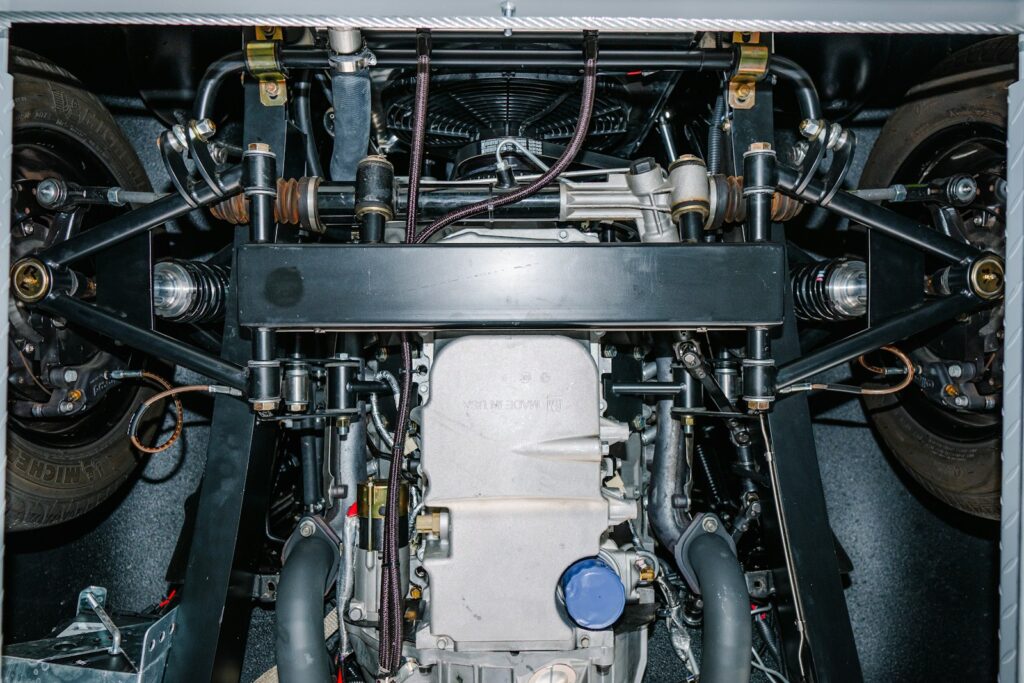
It is believed the Camaro EV will utilize General Motors’ highly versatile and adaptable modular electric architecture that will allow for a variety of performance-oriented trims. Entry-level variants will likely feature a rear-wheel-drive configuration with a moderate amount of horsepower to ensure a great balance of everyday driving characteristics and efficiency. Base models of this variant will aim to balance daily drivability with performance to increase usability.
Scalable EV Platform and Performance Options:
- Modular electric platform architecture
- Rear-wheel-drive entry-level variants
- Dual-motor AWD high-performance trims
- Scalable power and performance range
- Multiple configurations for different buyers
Higher performance models will likely feature the dual-motor all-wheel drive setup, granting the vehicle a huge increase in power and acceleration, as well as enhanced road grip. This versatile architecture will allow Chevrolet to place the Camaro EV in all parts of the automotive spectrum; from a reliable, daily driver electric muscle car, right the way through to an electric performance machine with a massive amount of power aimed at the very core enthusiast.
The flexible electric architecture used is designed for a number of vehicle types, meaning it is very plausible for the electric Camaro to be a part of a new family of cars. It can achieve this by supporting various configurations and performance metrics to allow it to appeal to a wide audience of customers, ensuring it continues to sell at the pace it always has.
8. High-Performance Variants and Extreme Power Potential
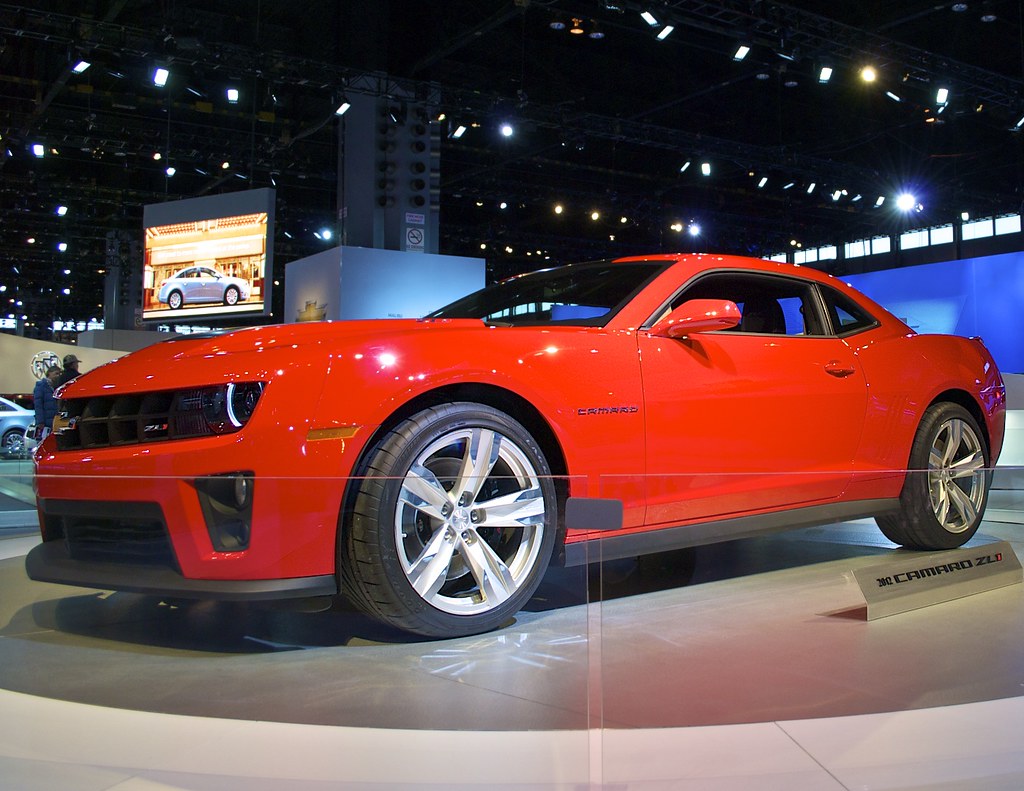
As mentioned above, it is widely anticipated that a range of extreme performance oriented variants of the electric Camaro will be introduced with names like ‘SS’ or even the iconic ‘ZL1’ at the peak. These performance variant cars are expected to continue to uphold the Camaro’s traditional identity of a massive performance machine, now by harnessing an all-electric future. If rumors prove to be true, some versions may even blow the electric vehicle competition out of the water in terms of power and acceleration.
Extreme Performance and Power Targets:
- SS performance variant expected above 600 hp
- Possible ZL1 extreme high-performance model
- Potential tri-motor AWD configuration
- Near 1,000 hp speculation in top trim
- Designed for maximum acceleration focus
Reports suggest that the top end ‘SS’ variants could produce over 600hp at the wheels, granting incredible acceleration and great high speed performance. There are even rumors circulating that a ‘ZL1’ model could arrive, further increasing the vehicle’s performance levels thanks to new and improved electric motor configurations. It is clear that Chevrolet intends for this electric Camaro to continue the legacy of its V8 counterpart, by incorporating performance as a high priority.
It has also been speculated that the top-tier models may even use a tri-motor AWD configuration inspired by other GM electric vehicle platforms. This is thought to have the potential for producing close to or over 1,000hp, making the performance variants of the electric Camaro incredibly quick indeed and making the models appear much higher performance focused.
9. Battery and Range Requirements
The electric Camaro will most likely come in a variety of battery capacities dependent on trim, performance needs and purchase price. Lower cost, entry-level trims are expected to offer a lower range than performance-oriented variants of the car. Smaller, more affordable batteries would be expected to feature on cheaper models to ensure they can still be made competitively.
Range Strategy and Charging Capability:
- Multiple battery pack options available
- Entry models optimized for daily use range
- Long-range trims targeting 300+ miles
- Fast-charging support for convenience
- Balance between performance and efficiency
It is expected that the performance variants will likely use larger battery packs which could give them a possible 300+ mile range under optimal conditions. This will hopefully be more than adequate to ensure that the vehicle remains competitive on the electric performance vehicle market.
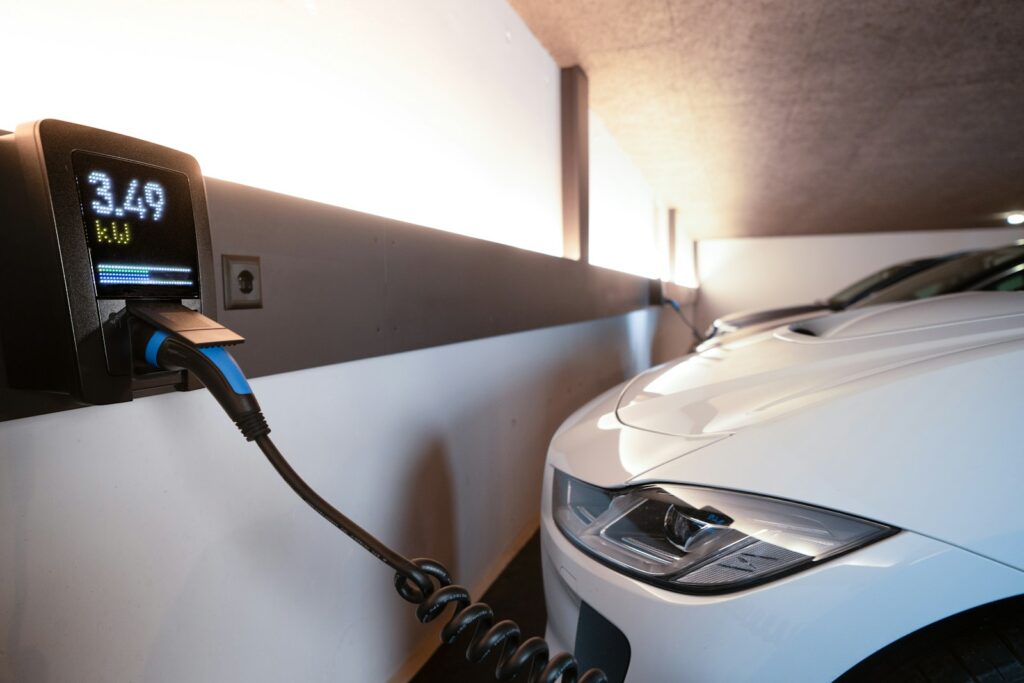
It will be imperative for the model to be able to quickly charge, especially as this is likely going to feature as a daily driver in its entry-level trims. If the vehicle can achieve an acceptable rate of charging speed then it will likely retain an impressive degree of usability.
10. The Future of the Camaro Nameplate
It is undeniable that the biggest question concerning the electric Camaro is its future purpose and definition. It is possible the nameplate will either go full electric or hybrid, however, if either of these options are taken it will remain imperative that the core attitude and performance legacy be kept alive. The Camaro has always been based on performance, character and a competitive spirit that will all need to remain even as its body and powertrain changes dramatically.
Identity, Legacy, and Transformation:
- Preserving performance-driven heritage
- Maintaining emotional brand identity
- Potential shift to EV or hybrid formats
- Reinvention instead of direct replacement
- Continuing rivalry legacy in new form
It is an incredibly important moment for Chevrolet to not only replace the Camaro but reinvent it for a new era. In today’s ever-changing automotive industry, it is very clear that it will not only be the manufacturers who transform and evolve but also their icons as well. It is highly possible that the future generation of the Camaro will help us discover the form that the traditional American muscle car will take in the electric age.