

Driving Tata’s First Vehicle: A WWII V8 Armoured Beast
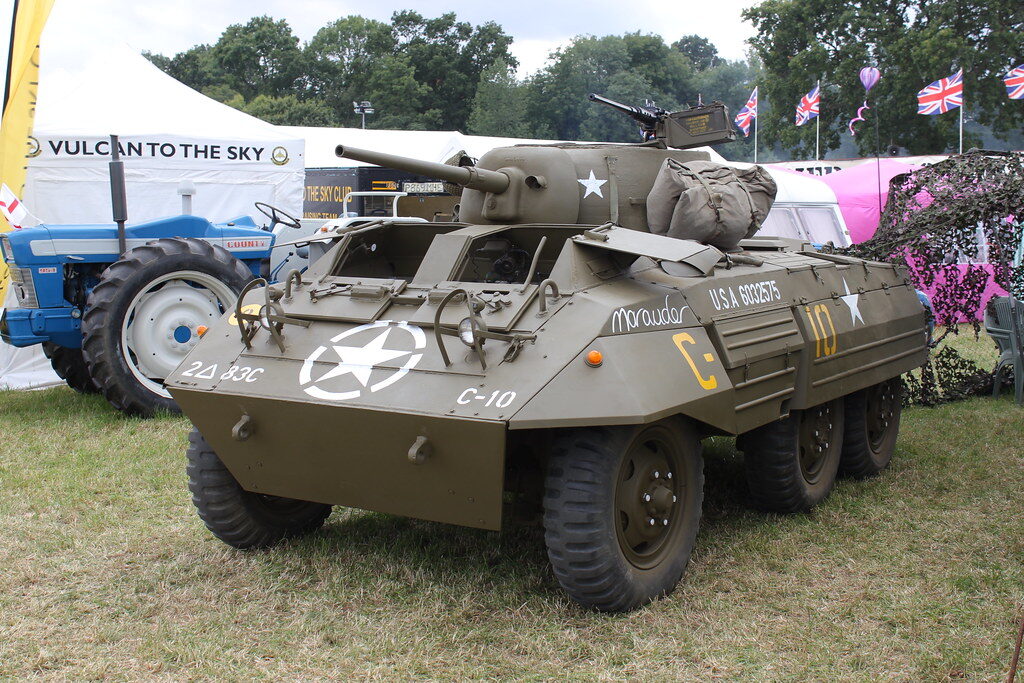
Did you know Tata built an armoured car the Tatanagar in WWII? Because neither did we. That’s the kind of detail that makes you halt and look up, particularly if you were under the impression you knew the basic outline of the group’s timeline. For a car enthusiast, finding this tidbit is a lot like tracing back a family tree to find an unlikely, fascinating uncle who reshaped how you thought about those automotive ancestors.
We came across this one at a classic car show in Jamshedpur, and the story is too fascinating to remain in the archives. The Tata Tatanagar isn’t some long-lost concept car, it’s an actual piece of the company’s genesis that appears to have stayed relatively quiet, even to the extent that an example sits on the island of a roundabout in Tata’s ‘Steel City’ a perfectly inconspicuous testament to the wildly inventive spirit it possesses. Getting the full story is, and really should be, the focus of our attention here.
1. Discovering Tata’s Forgotten Armoured Car
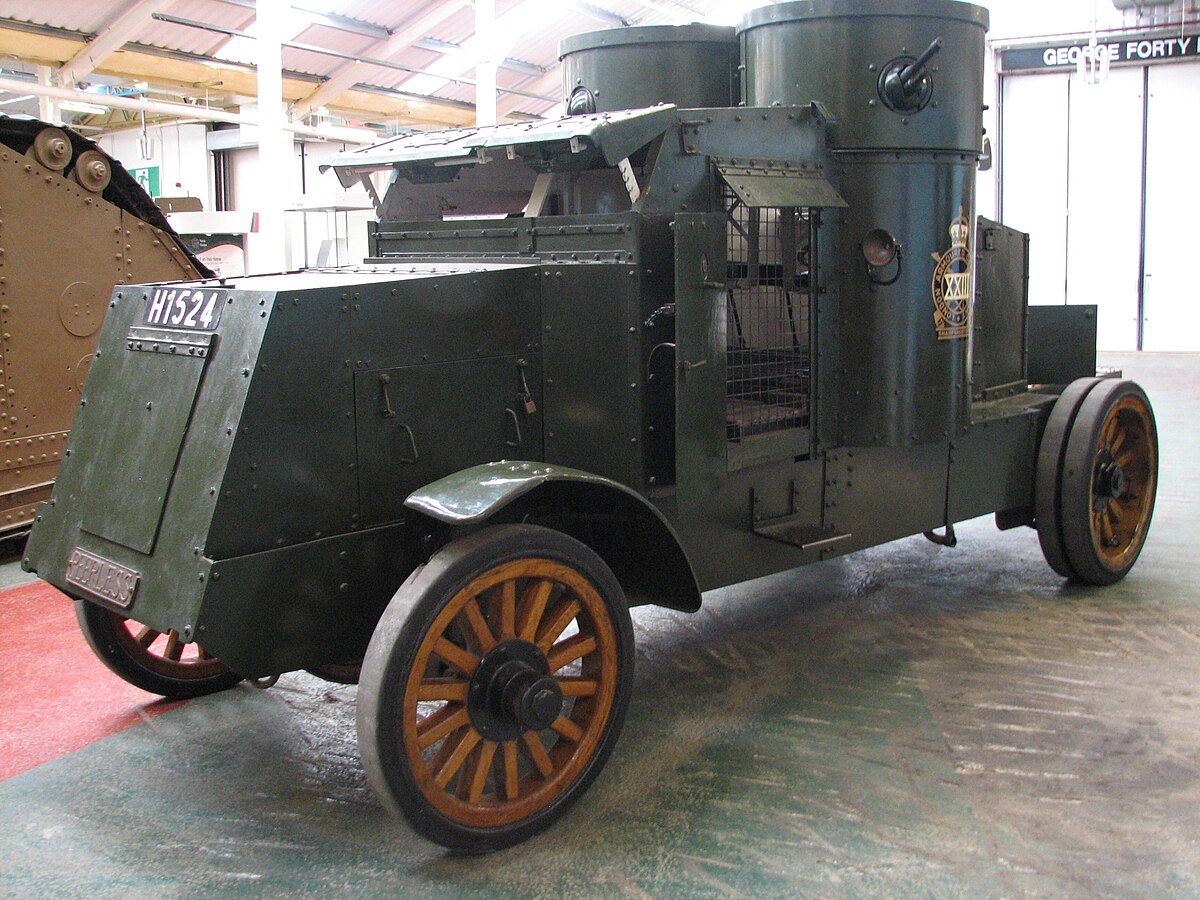
What exactly is this beast? It goes by a much more official military designation, which very few people (apart from a history buff or two) would ever think of these days, Armoured Carrier Wheeled, Indian Pattern or ACV-IP. But everybody knows it by the Tatanagar, given after the city in which it was manufactured and it forever cemented its link to the factory by virtue of this nomenclature. Produced somewhere in the space of 1940-44, this wasn’t an experiment that the government undertook lightly.
The Tatanagar’s Core Identity:
- Officially called the ACV-IP
- Nicknamed the Tatanagar
- Built between 1940-1944
- Roughly 4,600 units produced
- Mk II onward used Ford Canada chassis
This was a colossal wartime project resulting in an estimated production run of more than 4,600 units, a number that indicates just how vital to Allied efforts this vehicle was. Early Mk I versions incorporated a variety of parts, but once later models, starting from the Mk II, rolled off, they all rested atop a tough four-wheel-drive chassis provided by the Ford Motor Company of Canada, a connection that placed Tata’s first design work within an immense, multinational wartime undertaking.
2. A Globetrotting Wartime Warrior
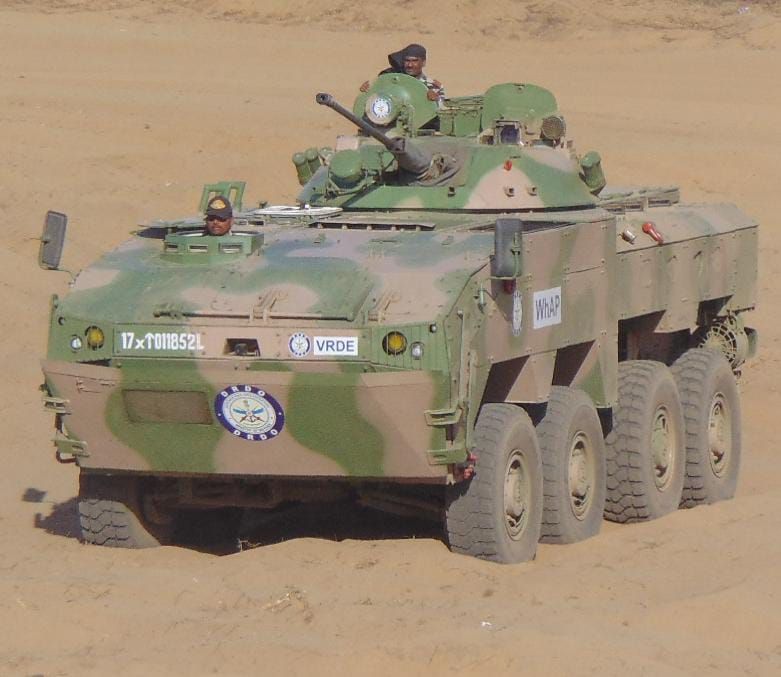
Nor was Tatanagar a purely local defence system. The Tatanagar was a fighting vehicle of global scope. It had participated in the most brutal combat conditions throughout the entire war and was a true cosmopolitan troop carrier of the utmost serviceability. Virtually, wherever it was deployed (and in the course of the war it participated in action on almost every front) its crews and maintenance teams found an environment of radically differing terrain and climates: mud-soaked Italian battlefields with Monte Cassino and its infamous struggles; Egypt and its dusty deserts; the jungle hells of Burma-wherever Allied troops required the support and mobility of armoured vehicles.
Where the Tatanagar Fought:
- Battlefields of Italy
- Monte Cassino campaign
- Deserts of Egypt
- Jungles of Burma
- Served across multiple theatres
It served with honor in the Indian Army and was purchased by a plethora of other Commonwealth armies as well; the 18th British Infantry, the 8th Australian Infantry and even the Royal New Zealand Artillery were among the many that acquired it. The fact that so many distinct national armies purchased it says everything about just how trusted and capable the vehicle proved itself to be in battle.
3. Built at the Birthplace of Tata Motors
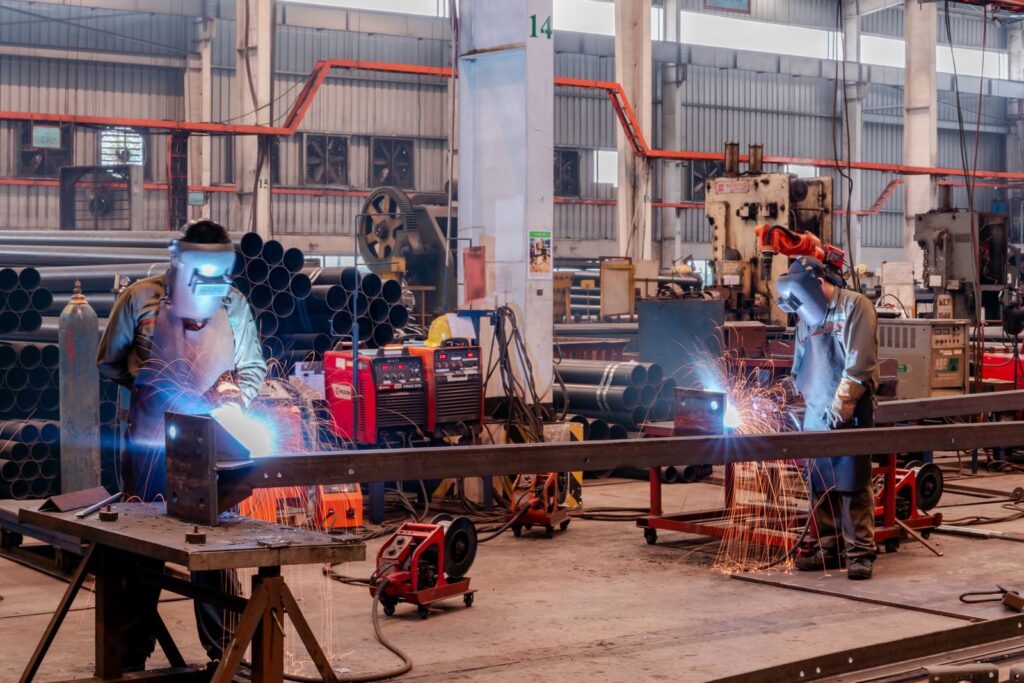
The tale of its construction is an epic of brute industrial power, inherent in the company’s soul from the outset. Tatanagar was built at the Eastern India Locomotive Works plant, Jamshedpur, a plant that was to meet with an altogether unexpected destiny. In 1945 it metamorphosed into TELCO Tata Engineering and Locomotive Company in direct line of descent from production of armoured vehicles to the Tata car manufacturer.
From War Plant to Tata Motors:
- Assembled at Eastern India Locomotive Plant
- Located in Jamshedpur
- Plant became TELCO in 1945
- Direct forerunner of Tata Motors
- Toughness was in Tata’s DNA early
Indeed, these armoured vehicles were some of the earliest products from what would later grow to become the Tata Motors that we know and love today-a fact many casual enthusiasts might miss! Tata’s involvement wasn’t purely symbolic, in other words, and there was a genuine capability for building tough-as-nails vehicles even before the group turned to producing cars, a capability that could arguably be said to still inform Tata’s Engineering principles even now.
4. Tata Steel: The Armour Behind the Armour
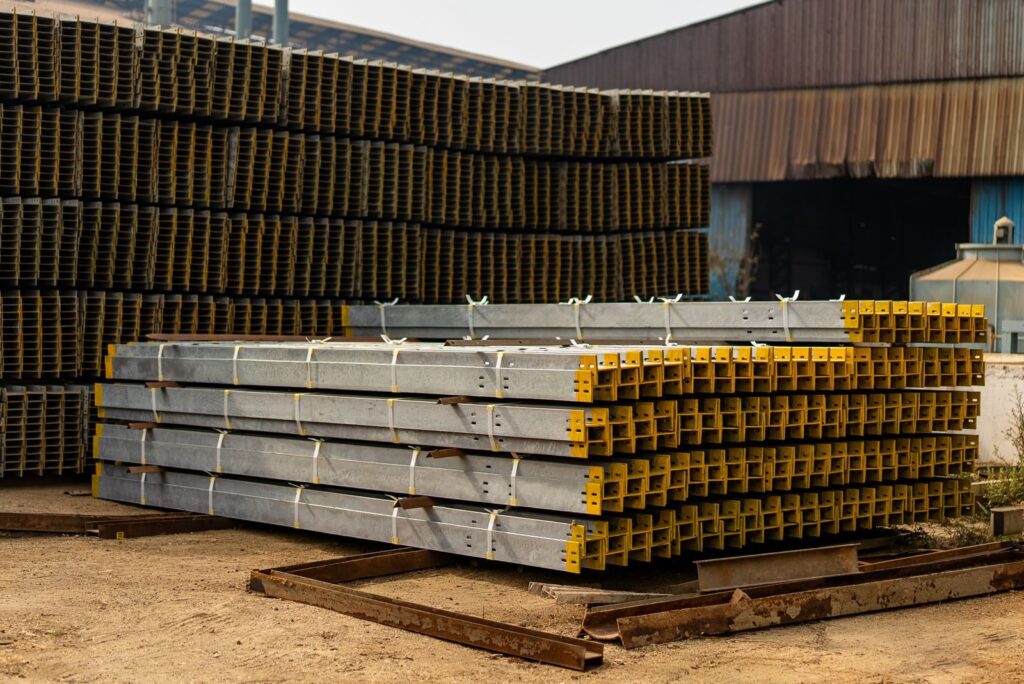
No vehicle built in Jamshedpur can avoid mention of steel. The body and framework of the Tatanagar itself was constructed of steel produced at Tata Steel which was already a major production centre at the beginning of hostilities. Chanakya Chaudhary, VP, Corporate Services, at Tata Steel, states, ” The steel came from Tata Steel, which at that time made two grades of steel: Tiscor and Tiscrom.” He stresses “The Tiscor was for the armoured car”, such was the specificity developed for wartime metallurgy.
Steel and Armour Specs:
- Two steel grades: Tiscor, Tiscrom
- Tiscor used for armour plating
- Standard plating: 8mm thick
- Front armour: 14mm thick
- Sloped nose deflected gunfire
More than mere sheet metal, Tata were manufacturing bullet-proof armour plating ranging in thickness, bullet-proof rivet bars and even the high-grade steel for the welding electrodes the veritable gunsmith to the armoured steel! It was this Tiscor steel, clad the vehicle in 8mm thick armor plating, with specific points at the front of the vehicle being increased to 14mm, and even on the sharp angled nose a deliberately sloped armour design to the vehicle that would allow incoming rounds from light machine guns to deflect rather than receive them.
5. Weapons of the Tatanagar
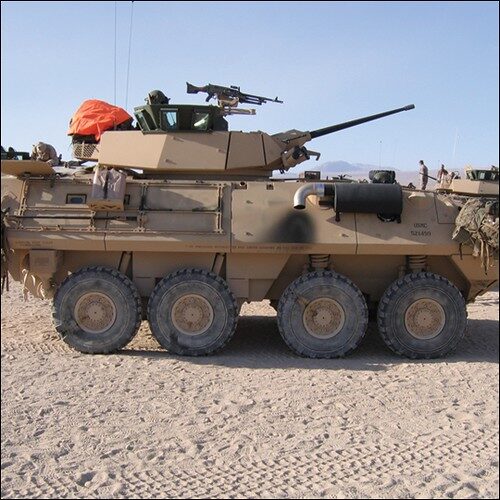
A fortress would want cannons, as the Tatanagar could be typically armed with a trustworthy Bren light machine gun and a terrible rifle, from the Boys company (anti-tank rifle). These actually allowed its crews to have a truly attacking role, not just relying on armour protection alone. Few military history enthusiasts would not be able to recognise a Bren gun, although an even greater caliber of weapon system was a rifle from Boys and, what’s the difference between one gun, one weapon system the rifle was a different class of seriously.
Firepower Onboard:
- Bren light machine gun standard
- Boys anti-tank rifle fitted
- Fired a 0.55mm cartridge
- Mounted on a tripod
- Later versions added a turret
It utilized a huge 0.55mm round and required being utilized on a tripod since it “kicked like a mule”, to a degree that holding it by hand was not at all reasonable. That’s how it was used, to perforate softly armored half-tracks and various other scout vehicles, and, as the war progressed, and the Tatanagar evolved to later models, even sported a turret for a bigger gun.
6. Born From Wartime Necessity
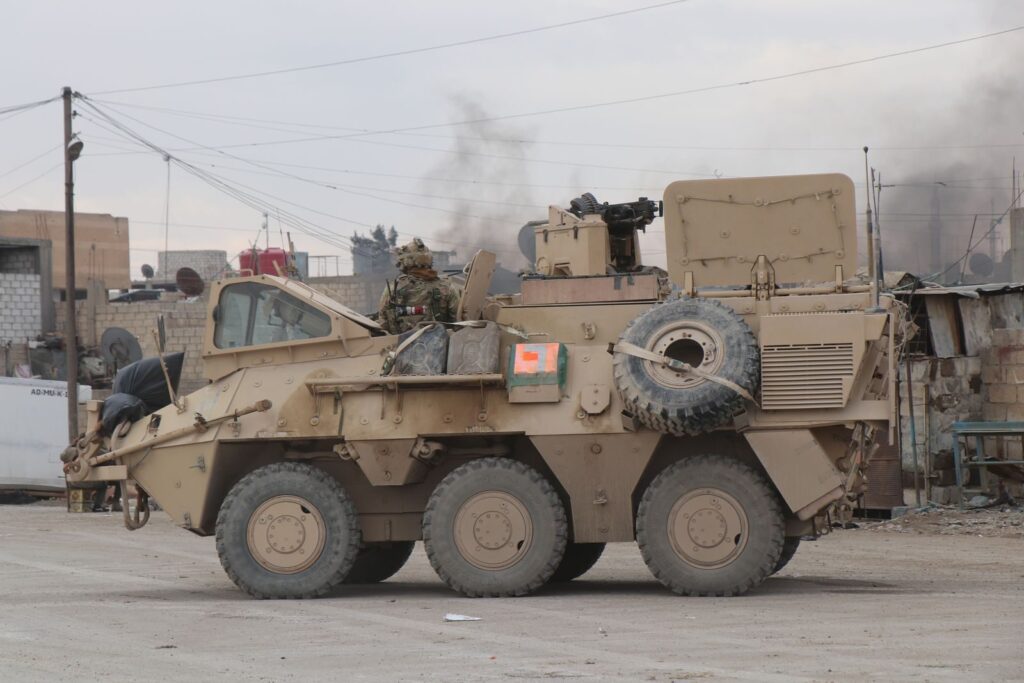
This whole amazing project was a necessity, not a strategy developed over a long period. After the massive expulsion of British forces out of continental Europe by the Germans forced a massive abandonment of equipment and hardware such as tanks, a hole opened in the availability of arms throughout the whole empire, and not just in Britain.
Why the Tatanagar Was Built:
- British forces lost equipment in Europe
- Created armour shortages empire-wide
- China-Burma-India theatre lacked gear
- Tata Steel could make armour-grade steel
- Local manufacture became the answer
However, in the fight against the Japanese, there was so little in the way of heavy weaponry at disposal that the only option was an in-house fix; a fix that was provided by the existence of Tata Steel so called because they knew that they could produce steel to armour plate standards and who so it turned out hold the key that unlocked this whole plan for local manufacturing from a war-time emergency that held some potential but not much.
7. Engine, Powertrain, and Global Cooperation
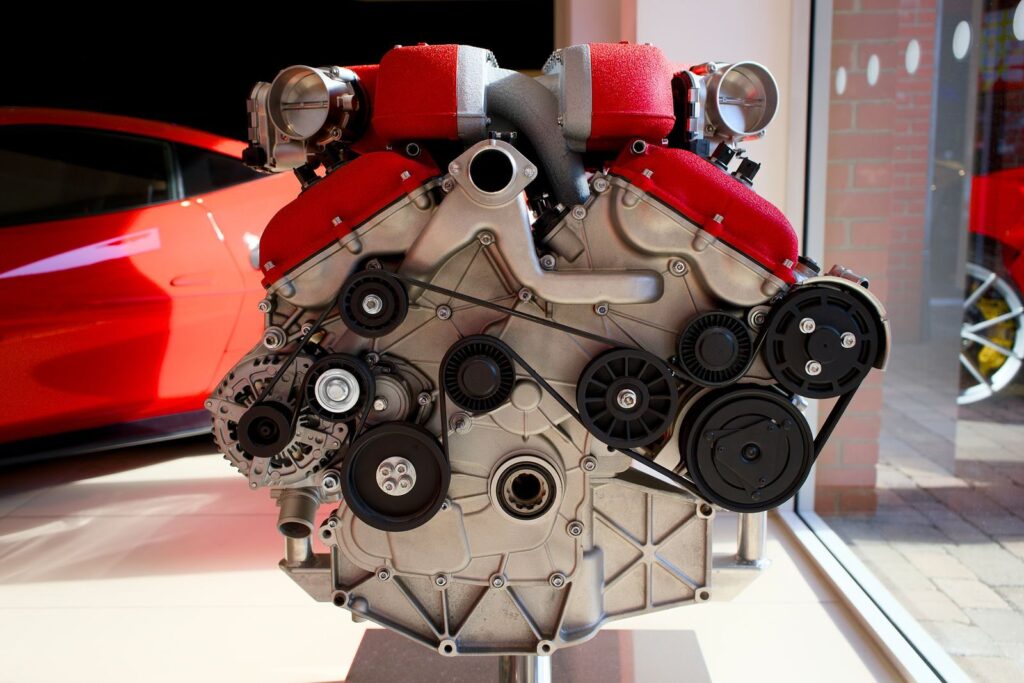
So, what does she look like when she’s all naked and stripped down to the bone? I tell you, she’s packed with some wonderfully clever engineering gems and tricks of the trade that’ll leave you grinning as soon as you figure out just how radically the layout was approached. Believe it or not, this very first vehicle Tata ever built had a mid-mounted motor; not just any motor either, Ford’s muscle US-made V8 selected just for the task of dragging this 2.5-tonne brute, complete with all its armor plate, across the wilds.
Powertrain and Performance:
- Mid-mounted engine layout
- Ford V8 engine used
- Sourced through lend-lease
- Produced 95 horsepower
- Top speed: 80-90 kph
Such the combined origin story tells of a wartime effort around the world. Forged from wartime demand, V8 is also complemented by the rest of the major mechanical and automotive components: transmission, suspension, and the essential four-wheel-drive system have been provided to us by Ford of Canada under that celebrated lease plan, through which both the U.S. And Canada’s great countries gifted to our gallant allies their most needed instruments of war and defense. Operating solely for torque and not for velocity, Ford V8 develops a creditable 95 hp and capable of getting The Tatanagar to somewhere around 80 to 90 kmph on flat ground.
8. Layout of a Mobile Fortress
The overall layout of the vehicle is as unorthodox as its history is. If you were to approach the front of this contraption, what would probably be immediately apparent would be the rear which consists of a long, rectangular box, slatted at an angle in order to accommodate the radiator which undoubtedly afforded it some protection in combat though the question must be how it fared in a hot climate for prolonged periods. Slotted in behind the rear wheels is where the Ford V8 that the truck originally would have held the most weight of its frame.
Getting In and Around:
- Radiators housed at the rear
- V8 sat just ahead of rear axle
- Armoured pod up front
- No easy entry door
- Cramped, purpose-built cabin
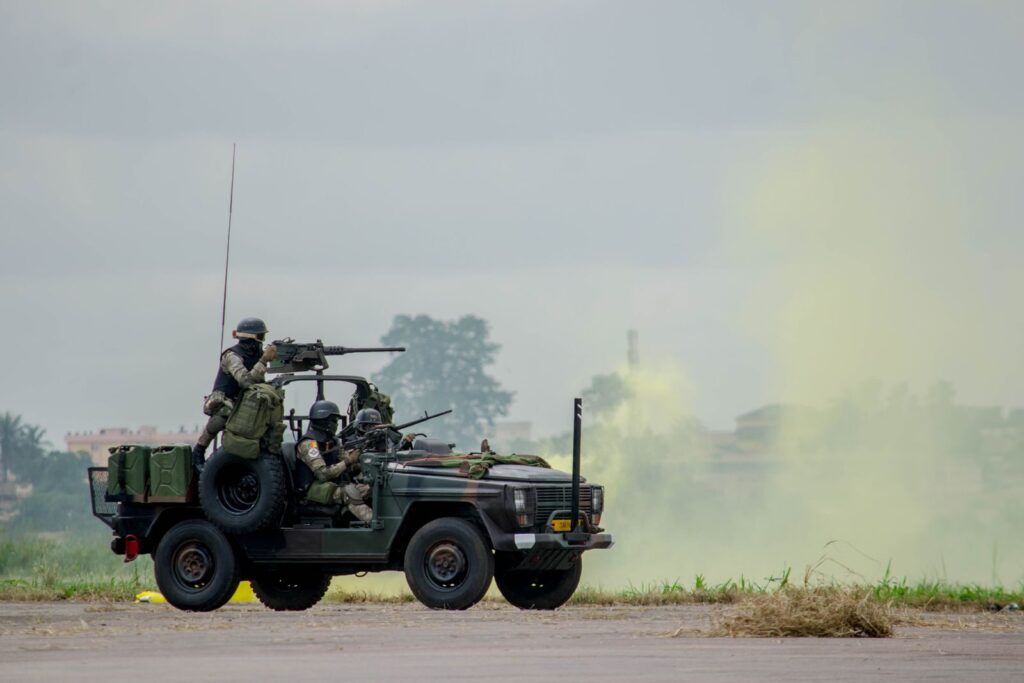
Front-mounted to this is what can be politely termed an armoured cell for driver, gunner and commander, surmounted by an open turret that is peppered with hatches and loopholes. Getting into it is also a bit of an effort, as there is no ready access method: it’s down the small side door or (more accurately) a scrabble over the roof, feet first onto the seat and wriggle down into the cramped and wholly utilitarian driver’s compartment.
9. Driving Experience and Lingering Mysteries
The controls are blessedly primitive and crude; there is nothing to make such a heavy vehicle any easier to drive beyond giving you brute force such as the lack of power steering. The actual vehicle in our story was even powered by a retrofitted Tata 3.0-litre diesel, a rather sensible alternative to the glorious, rumbling V8 that would originally have sent it thundering into battle. With plenty of revs and even more trepidation, the Tatanagar jolts forward, the diesel engine’s torque overcoming the inertia admirably.
Surprises Behind the Wheel:
- No power steering fitted
- Test model used diesel engine
- Steering proved surprisingly light
- Centered weight aids agility
- Several historical details remain unknown
When it gets up to speed on the long roads at the Tata Motors plant, a very welcome surprise arises: what you thought would be a back-breaker when turned is found to be so “surprisingly manageable and not too heavy”, and the way the engine’s weight is perfectly centred the machine turns out to be “reasonably agile on its feet and easy to steer”. When you get out, it leaves even more questions than answers, such as what originally penned it and how it transitioned across its marks, and the most baffling detail of them all: that a subsequent iteration was christened ‘Dhar.’