

The Astor’s Paradox: Why MG’s Tech-Forward SUV Struggles in India
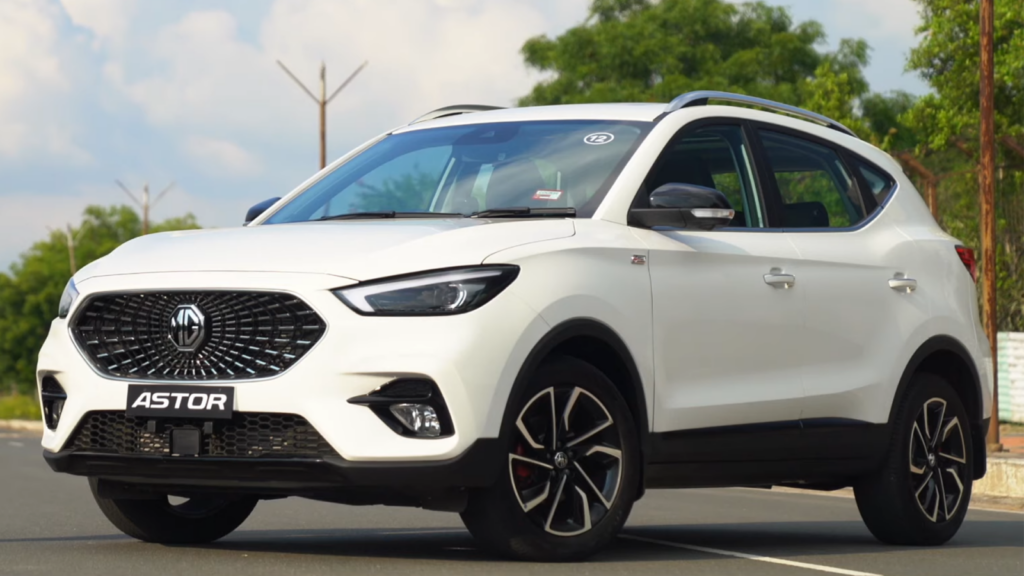
It was no surprise then when MG Motor launched the Astor in October last year, another audacious step from a company desperate to etch its name on the Indian auto landscape. Hailed as India’s first car featuring an AI feature, the Astor did more of the same by the Indian subsidiary of the Chinese company. If MG’s earlier efforts (internet in the Hector and ADAS in the Gloster) have been a pointer, technology has been the vehicle it has employed the driving seat with.
On paper, Astor packed quite a punch for its price point in its segment including a panoramic sunroof, ventilated front seats, sophisticated driver assistance features, wireless charging, a sizeable infotainment screen and a premium feel to even vie for the segment king’s throne.
The story in reality has however played out in contrast to this. Despite a well-packaged range, and a definite positioning with a technological angle, the Astor just hasn’t been able to find buyers in the kind of numbers expected. Its sales figures clearly highlight that what is available in the package hasn’t translated to consumer preference on a widespread basis in India.
1. A Promising SUV With Disappointing Sales
However, the clearest indication of the Astor’s poor show has been its sales. It sold 15,601 units in the fiscal year 2023, bringing it down the hierarchy among mass-market mid-size SUVs and trailing behind the likes of the Skoda Kushaq and Volkswagen Taigun. The car was brimming with features, but it was not enough to convert that value proposition into substantial sales volumes in such a stiff competition.
Sales Figures Highlight The Market Challenge:
- FY2023 sales reached 15,601 units
- FY2024 sales declined to 10,569 units
- Skoda Kushaq and Taigun sold more
- Hyundai Creta reached 162,773 units
- Grand Vitara achieved 121,169 units
In the fiscal year 2024, the situation has deteriorated further with Astor sales dropping to a paltry 10,569 units. This is more so alarming when the rest of the SUV segment still commands significant demand with an intense competition and with consumers eagerly looking for midsize SUVs. Astor was no capable of hold the fort at a time when buyers seemed extremely keen in midsize SUVs.
It has not been a good period for the Astor in comparison to its stiff competition. While Hyundai Creta sold 162,773 units in the said period, Maruti Suzuki Grand Vitara managed to sell 121,169. The numbers clearly show as to how the feature-laden approach of the Astor just could not translate into significant sales. The figures also depict the dominance of the rivals and tough competition.

2. A Crowded Mid-Size SUV Market
The Astor has entered one of India’s most fiercely contested segments. With a vast array of options, buyers in the mid-size SUV category are not short of vehicles that offer varying mix of style, features, performance, efficiency, safety and ownership costs, but this ever widening spectrum of products makes it increasingly challenging for any model to impress and hold ground.
Factors Increasing Competition For Astor:
- Numerous SUVs offer competitive feature packages
- Maruti Suzuki benefits from strong recognition
- Toyota Hyryder expands hybrid SUV choices
- Honda Elevate adds another established competitor
- Buyers consider ownership costs beyond features
Models like the Maruti Suzuki Grand Vitara, Toyota Urban Cruiser Hyryder, and the Honda Elevate’s arrival only tightened the screws further. Bringing in consumer options and reinforcing the footing of well-recognized Indian makers, these cut down on the scope that the Astor had to offer itself merely on its technology and features.
However, this puts a tremendous onus on the Astor’s ability to compete solely on its features. It’s highly possible a customer choosing between a list of SUVs might find the Astor’s features impressive but still buy another from another manufacturer for reasons ranging from badge value, resale value, service network and service points, fuel efficiency or simply perceived reliability.

3. Supply Problems Affected Its Momentum
However, dwindling interest in cars isn’t the only issue that plagued Astor. Like many others over the course of the pandemic, MG Motor India was struggling with semiconductor chip supply shortages which hurt their production and in-turn the availability of cars. This made it tough for the brand to make sure their SUV was available in the numbers wanted by the buyers at the time they were looking at buying them.
Supply Constraints That Weakened Market Momentum:
- Semiconductor shortages disrupted vehicle production
- Limited inventory reduced immediate purchase opportunities
- Fewer vehicles meant reduced showroom exposure
- Customers could choose readily available competitors
- Supply issues weakened early market momentum
Especially with a completely new model, the regular delivery times should be considered. Customers willing to buy can be turned off when the desired vehicle is hard to get, and will switch to the competitor’s comparable SUV, which is readily available right down the street. Customers who are willing to buy can be pulled away quickly to competing brands who have less waiting times and more availability.
Supply issues could have extended to more than the pure selling figures. With short supply, customer test drives were down, vehicle availability on the showrooms was low, familiarity on the part of the customers reduced and word-of-mouth advertising affected negatively. Once availability got better, well-placed competitors with established market position continued to remain well above Astor as a purchase option and hence recapturing lost market initial share, became difficult to recover.
4. Brand Perception Remains a Challenge
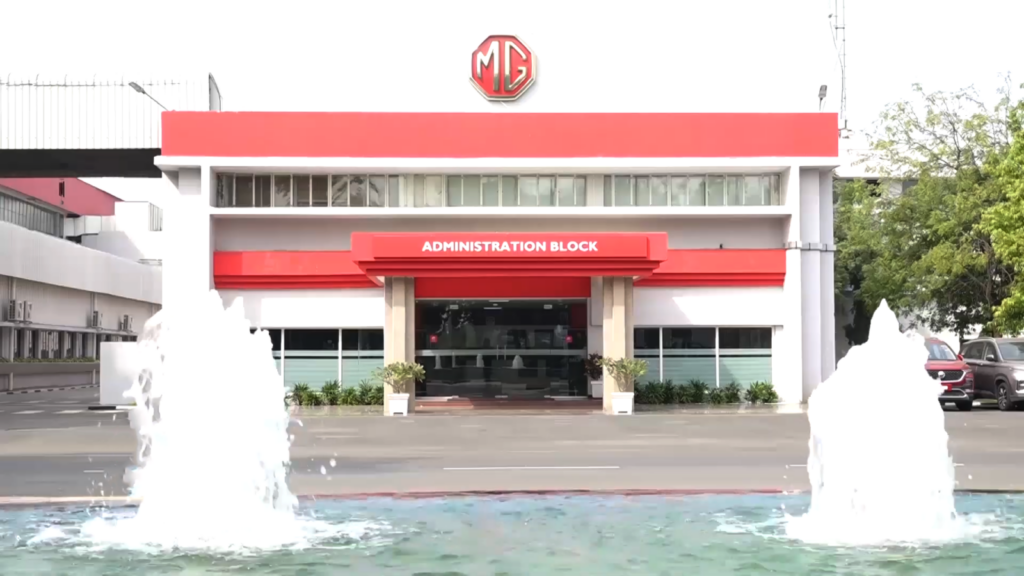
Furthermore, MG’s alliance with SAIC Motor, the Chinese manufacturer, is also impacting customers’ perception in India. Quality and features of a car play an important role; however, the brand and long-term credibility of the manufacturer have also been important considerations in the purchasing decision. In such a market, where customer familiarity of the existing car companies is already high, brand perception is an important differentiator.
Brand Factors Influencing Buyer Decisions:
- SAIC ownership influences some consumer perceptions
- Established brands benefit from long-term familiarity
- Hyundai has strong recognition among Indian buyers
- Toyota and Honda carry established reputations
- JSW partnership could strengthen MG’s local identity
This is going to be even more crucial for a company that’s directly up against brands like Maruti Suzuki, Toyota, Hyundai, Honda. Because these have cultivated many many years of customer familiarity, a brand that is comparatively new will find it extremely difficult to do that in short span of time. Brand equity, it could be said, could push decisions over what may or may not be equipment advantages in cars.
The deal by the Indian company JSW to take a 35% stake of MG seems likely to be the latest step in boosting MG’s local profile. A partnership like this could address some of the image issues, but changing ingrained perceptions is going to take a while. Greater Indian confidence will only be developed through reliable cars, consistent car ownership and commitment.
5. Technology Is Still the Astor’s Biggest Strength
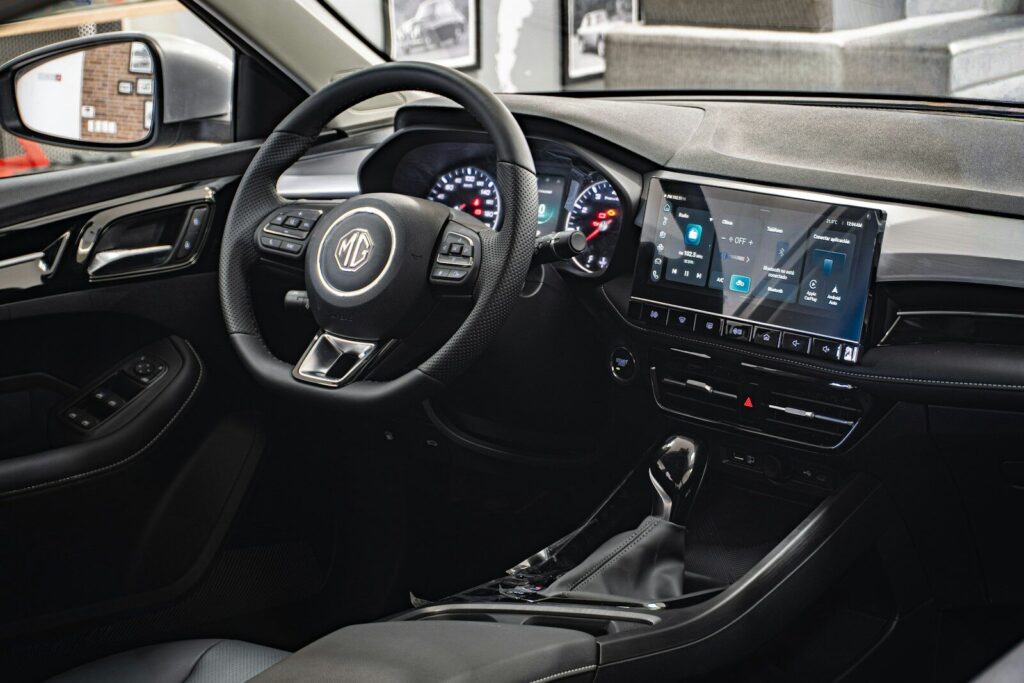
But perhaps the biggest weapon in Astor’s armour remains the tech. On offer are 14 driver-assistance features, which make up its Level-2 ADAS suite. This includes quite a few handy gizmos like Adaptive Cruise Control and Lane Keep Assist, essentially democratizing tech that used to be the exclusive domain of pricey SUVs. This gives the Astor a clear edge for the tech-hungry buyer.
Technology Features Strengthen Its Appeal:
- Level-2 ADAS provides advanced driver assistance
- Adaptive Cruise Control improves driving convenience
- Lane Keep Assist supports highway driving
- Panoramic sunroof adds premium appeal
- Wireless charging improves everyday convenience
The feature list on the equipment is far from over. The list is completed by panoramic sunroof, heated seats in the front ( ventilated front seats ), wireless charging as well as a touch screen that measures 10.1 inches with wireless apple car play and Android Auto. These all go in to giving the interior a more upscale look, and will help differentiate the Aston the spec sheet. An array of features coupled with luxury helps make it even more appealing to the equipment conscious.
MG’s intention is evident; they aim to bring top-shelf features to an affordable segment. The panoramic sunroof, which is offered starting from the Shine variant, which begins just shy of 12.5 lakh, is one such area. Given that technology-Buyers find it hard to resist buying a MG, features-rich Astor remains the only factor that will help them maintain this despite the increasing competition from mainstream manufacturers.
6. The Engine Weakens Its Overall Package
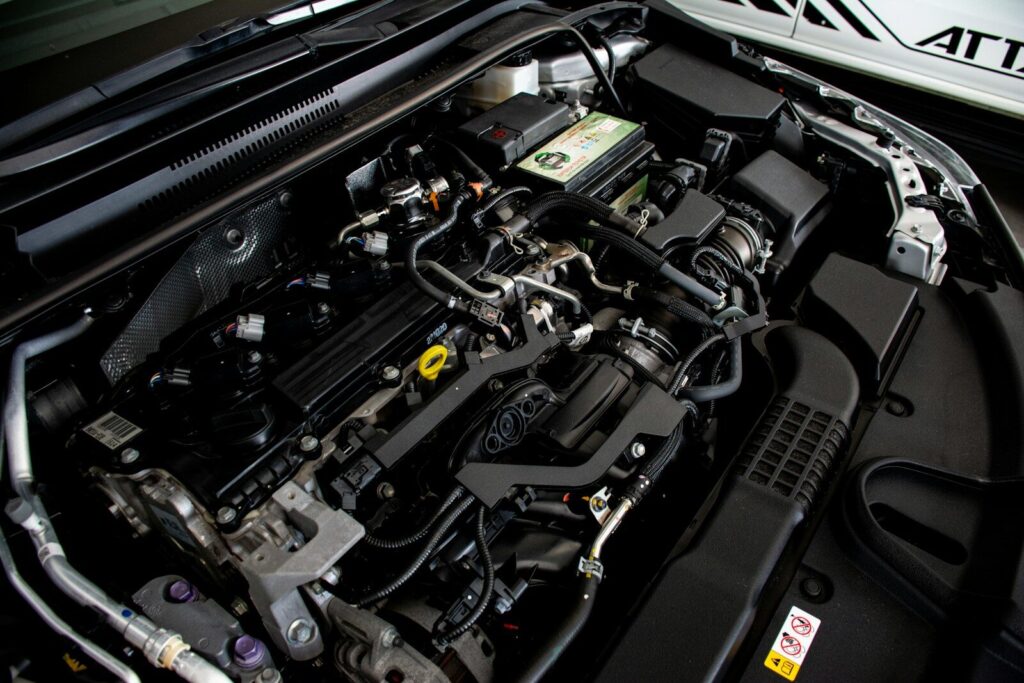
The tech-centric persona of the Astor doesn’t translate into exciting performance. The sole engine in offer is a 1.5L naturally-aspirated petrol producing 110 PS of power and 144 Nm of torque. These numbers are enough for normal usage, but they don’t make the SUV as desirable performance wise as some rivals.
Performance Limitations Affect Driving Appeal:
- Naturally aspirated engine produces 110 PS
- Maximum torque reaches 144 Nm
- City driving performance remains generally adequate
- Turbocharged rivals offer stronger acceleration
- Discontinued turbo engine reduced buyer choice
The given figures would suffice for day-to-day city motoring however compared to the turbocharged petrol rivals available from other automakers the engine does feel somewhat short on spirit, be it while accelerating rapidly, or while overtaking at greater speeds. It is where the Astor might lack responses to drivers who need more performance, either while cruising on the highway or in loaded driving situations.
And with the 1.3-litre turbo-petrol out of the picture for 2025, the choice for performance buyers narrowed further. The forced induction motor had given the Astor an eager bent to its persona and with the turbo gone, it was the naturally aspirated unit alone that was primarily available for buyers of the SUV. As it turns out, the Astor’s advantage in terms of features isn’t accompanied by one on the performance front.
7. Fuel Economy Creates Another Problem
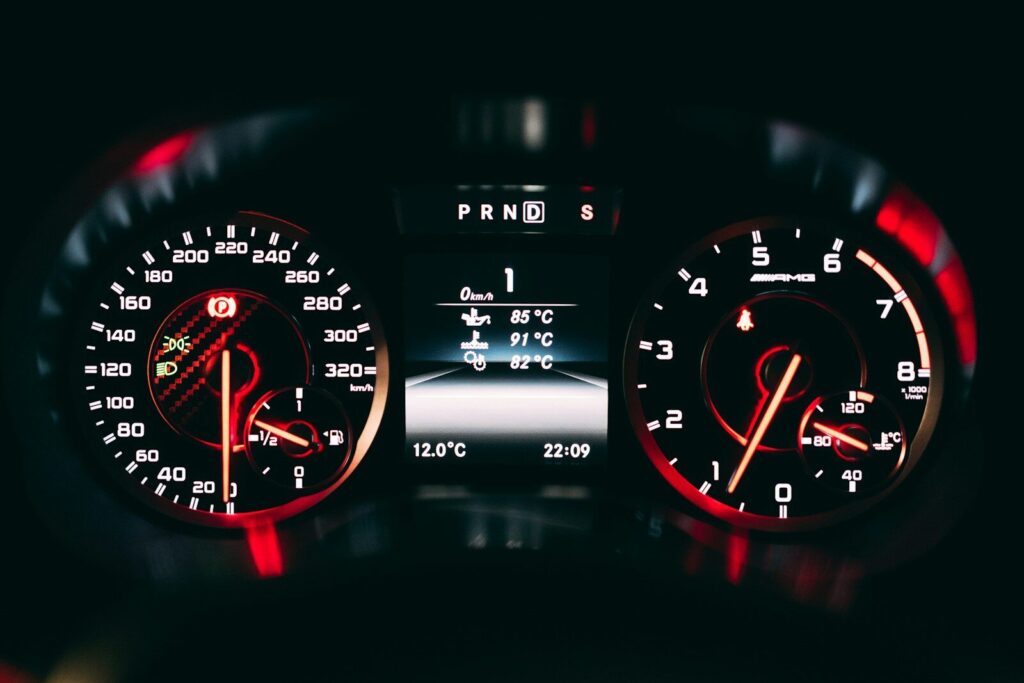
One of the most critical factors for an Indian car buyer is fuel efficiency and it is another forte which receives its share of flak from Astor. City real-world mileage is typically claimed between 7 and 11 km/l of fuel being used over kilometers driven in a mix of driving and traffic conditions. How well does the car actually perform varies from person to person and many may avoid Astor due to low mileage.
Fuel Economy Influences Long-Term Ownership:
- City mileage can remain relatively low
- Congested traffic can increase fuel consumption
- Higher running costs concern regular users
- Competing SUVs may offer better efficiency
- Ownership expenses influence purchasing decisions
This could prove problematic to customers who use their SUVs frequently in busy cities, traffic and at low speeds. Cost of running the vehicle is one of the major considerations at the point of purchase especially if it’s in an area where customers work out the total cost of vehicle ownership in the long run. An SUV with good features would still be undesirable if it meant much bigger monthly bills at the pumps.
The issue is quite relevant considering alternative options. Some one who admires the technology and premium interiors would nonetheless settle for some another SUV, if he has been convinced it will save him some bucks over fuel cost for the period he would use it in. This means yet another obstacle in the Astor path with technology-rich package and feature-list playing up against some mundane financial choices that are very crucial for most SUV customers in India.

8. Small Quality Issues Affect the Premium Experience
The Astor’s cabin and equipment list are designed to create a premium impression, but certain details can work against that objective. One commonly mentioned concern is the grainy quality of the 360-degree camera, which can feel out of place in a vehicle marketed around advanced technology. When a vehicle promotes sophisticated equipment, customers naturally expect those systems to deliver a polished and consistent experience.
Small Details Can Undermine Premium Appeal:
- Grainy 360-degree camera affects usability
- Advanced features create higher customer expectations
- Minor shortcomings become noticeable during ownership
- Inconsistent quality can weaken premium perception
- Everyday performance influences overall customer satisfaction
Individual shortcomings may appear minor, but they matter when buyers are paying attention to the overall ownership experience. A vehicle packed with sophisticated features creates expectations that every part of the system should feel equally polished. Even relatively small issues can therefore become more noticeable when compared with the technology-rich image the Astor is designed to project.
This is where the Astor’s positioning becomes complicated. MG has successfully created a strong specification sheet, but buyers may judge the vehicle by how consistently those features perform in everyday use. When small weaknesses become noticeable, they can reduce the impact of the SUV’s larger technology package and make it harder for the Astor to maintain the premium experience its equipment suggests.
9. Reliability Perception Works Against MG
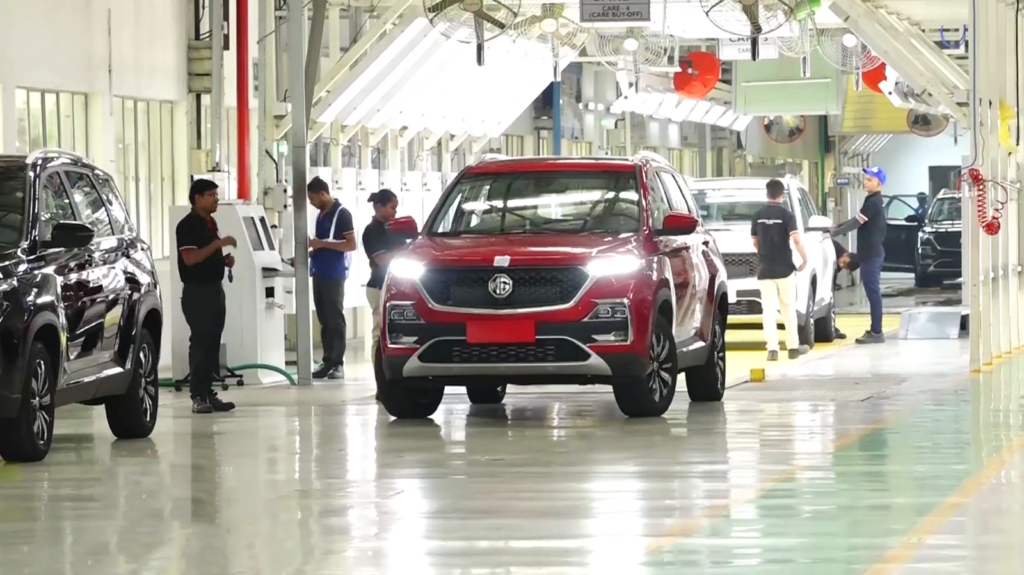
The Astor also has to deal with broader concerns surrounding MG’s long-term reliability. The context includes historical complaints involving other MG models, including gearbox problems, head gasket failures, and premature rusting. Although these concerns do not directly establish that the Astor has the same problems, they can still influence how potential buyers perceive the brand.
Brand Reliability Perception Creates Concerns:
- Historical complaints influence broader brand perceptions
- Complex electronics can increase ownership concerns
- Long-term maintenance remains important to buyers
- Hyundai benefits from established consumer confidence
- Kia offers a familiar ownership proposition
These issues are not specific to the Astor, but perceptions surrounding a brand can influence the way consumers evaluate a new model. Buyers may hesitate when they believe a vehicle with extensive electronics could become expensive or complicated to maintain over a longer ownership period. This concern can become particularly important when customers are comparing the Astor with established alternatives.
Established competitors benefit from years of accumulated consumer confidence. Many Indian buyers already associate brands such as Hyundai and Kia with broad service networks and relatively predictable ownership experiences. MG therefore has to work harder to demonstrate that its technology-rich products can deliver dependable long-term ownership, particularly when buyers are considering the total cost and experience of keeping the SUV for several years.
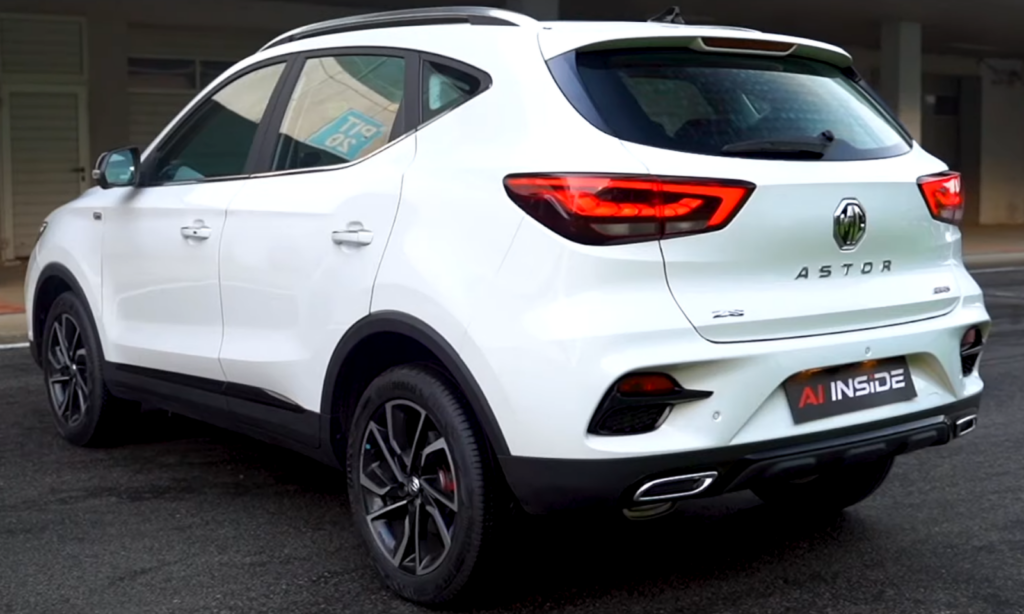
10. The Astor’s Paradox
The Astor’s situation is ultimately defined by a clear contradiction. It offers many of the features that modern buyers associate with a premium SUV, including advanced driver assistance, connected technology, comfort equipment, and a sophisticated cabin. Its technology-rich package gives the Astor a strong specification sheet and helps it stand apart in several areas.
Factors Behind The Astor’s Market Struggle:
- Strong competition limits its market opportunity
- Supply constraints affected its early momentum
- Brand perception influences consumer confidence
- Modest performance weakens overall driving appeal
- Fuel economy raises ownership cost concerns
Yet those strengths have not translated into the sales numbers MG needs. Strong competition, early supply constraints, brand perception, modest engine performance, fuel-economy concerns, and questions surrounding long-term ownership have collectively weakened its position. These factors show that the Astor’s challenges extend beyond its equipment and technology, involving several aspects of the overall ownership proposition.
The Astor is therefore not a vehicle that lacks ambition or technology. Its problem is that the Indian SUV market demands much more than an impressive feature list. MG has created a product that can attract attention in a showroom, but converting that attention into sustained consumer trust and sales remains the central challenge for the Astor.