





Exploring Jerry Palmer’s 1975 Chevrolet Corvette Design Study and Its C4 Lineage
More than just a synonym for speed and performance, throughout its illustrious and decades-long existence the Chevrolet Corvette mirrored and shaped the evolving trends of the American automobile industry-from new engineering hurdles and regulatory environments to a continually changing American taste. Few consumers recognize it outside of the milestone production iterations, but many of the more engaging Corvette anecdotes reside elsewhere, lost in time behind showroom displays or design studio walls in the form of highly improbable concept cars, and this utterly brilliant 1975 design concept is among them, a very deserving and under-sung piece of American history.
Middle of 1970s: The heyday for most traditional sports cars came to a challenging period for several years, thanks to emissions laws, demands for safety, and shifting market trends that dictated where automotive design would head. Output from cars generally went down, exhaust emissions controls were mounted that choked up engines, and convertible Corvettes looked as though their futures might be numbered for several model years. But all through these tough years, innovators inside the corporate walls at General Motors, as well as in the custom body-shops, tried and dreamed of some radical design concepts for cars of the future for the “American Sports Car”.
Well, out of that inspired initiative sprang this stunning prototype 1975 Corvette. By putting talented designers, clever mechanics and a go-ahead Chevrolet dealership together, it modified a showroom stock ’75 Vette to create this absolutely unique custom one-off. Rather than simply another tricked-up performance car, the vehicle offered a window into styling trends the Corvette would embrace in coming years. Fifty years after the concept was presented, its attraction remains as it represents one of those precious windows in which artistry and craftsmanship collided with corporate direction to create a truly magical piece of automobile history.
1. A Turning Point for the 1975 Chevrolet Corvette
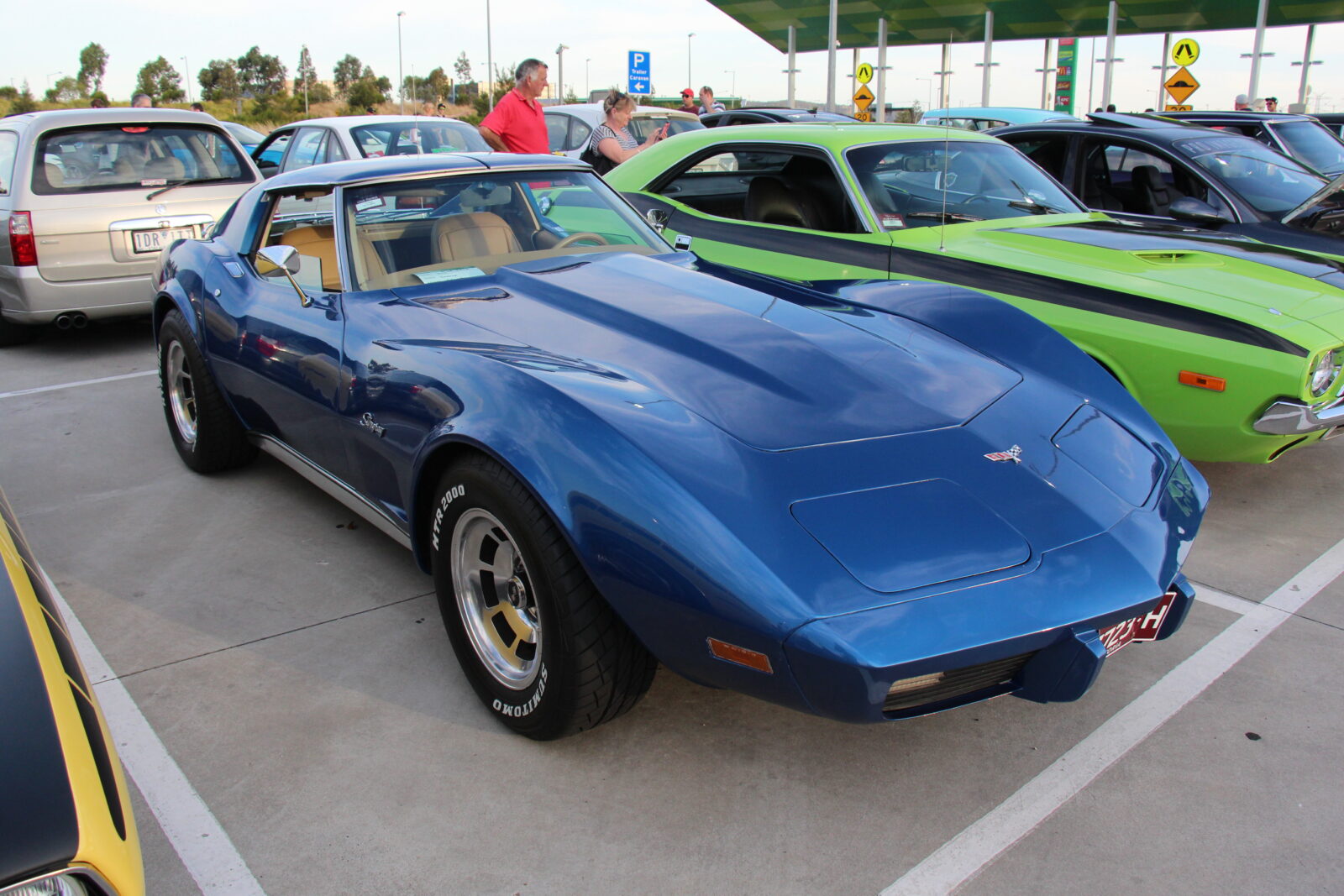
The 1975 model year marked a significant year for the Chevrolet Corvette. With new smog standards, the true dual exhaust system came to a halt as catalytic converters become a necessity, shaping new boundaries in performance. Chevrolet maintained its tried and trusted 350-cubic-inch V-8 available in either standard and higher-output trims; even though horsepower was not what it once had been in earlier muscle-car years, it upheld its standard of sports-car performance in every respect for this era of Corvette, showing Chevy knew what works even with new restrictions being implemented.
Key Highlights of the 1975 Corvette:
- Environmental rules changed performance standards
- Catalytic converters replaced dual exhausts
- Two dependable V8 engine options
- Convertible production ended permanently
- Corvette maintained iconic sports heritage
Conversations over government safety regulations add more ambiguity to convertible designs at this time as well. The rollover-protection regulations sparked fear throughout the industry, and many automakers wondered if it was too late to invest in the future of open-air automobiles. At this time the market has steadily declined for this style of body for vehicles, so Chevrolet stopped producing a Convertible body style of the Corvette for 1975. Out of the total production number for the Corvette (38,465) there were only 4,629 Convertibles made, considerably less than a Coupe model.
These transformations signified the passing of a great era but also opened pathways to innovation. Design moved in new directions as engineers and designers concentrated on aerodynamics, fresh new styling, and overall greater efficiency while ensuring the integrity of the Corvette nameplate and image always remained intact. Through this metamorphosis of change came inspired thought that ventured further than the problems of the present in an effort to guide the future generations of Corvette in a successful path.
2. Frank Milne’s Vision Beyond the Showroom
Even as new legislation had dramatically shifted the automotive industry’s landscape, the desire for creative Corvette design was booming along the West Coast. Frank Milne, the proprietor of the Harry Mann Chevrolet dealership on Los Angeles’ La Brea Avenue, emerged as a prominent force in the trend of experimental design. In charge of “The World’s Largest Corvette Dealer,” Milne felt his showroom was more than a venue to display the latest consumer model. Instead, Milne conceived of displaying eye-popping show cars that offered a tantalizing preview of styling possibilities for the Corvette.
Key Elements of Milne’s Vision:
- Showroom showcased exclusive concept vehicles
- Future-focused Corvette styling concepts
- Handcrafted designs with factory quality
- Exclusive projects beyond production models
- Innovation inspired customer excitement
Instead of leaning towards off-the-shelf aftermarket modifications, Milne tackled daring, one-of-a-kind custom build with the level of execution typically reserved for factory design prototypes and old-school hot rod artisans. He wasn’t looking to build “custom Corvettes,” he was trying to put in play actual pre-production Corvette concepts that simply were going about their business by the agency of some “crazy people.” The stunning prototypes gathered widespread interest from the buying public, automotive enthusiasts, and the press; they certainly put Harry Mann Chevrolet’s status as one of America’s biggest sellers of Corvettes on the map.
To fulfill this concept, Milne reached out to many of General Motor’s esteemed designers. His plan was not simply to give a current Corvette some stylistic upgrades, but to Reimagine it altogether so it will accommodate modern style trends, yet retain its inherent Corvette ethos. His search for a team to realize his ultimate goal took him to some of the best design talent within General Motors.
3. Jerry Palmer Reimagines the C3 Corvette
We know the goal at this time was to use the 3rd generation Corvette chassis to create a totally new and aggressive take on a sports coupe that was at the heart of America and would be recognizable, yet innovative! The car tasked to reinvent that image would be brought in house to the General Motors Design Staff to a bright young kid named Jerry Palmer, a name who would later be celebrated for conceiving the actual production C4 Corvette, having already made design input on the original Camaro & Firebird, though already contemplating better lines and aerodynamics on this early unique Corvette concept.
Highlights of Palmer’s Design Approach:
- Cleaner lines enhanced overall styling
- Aerodynamic proportions improved vehicle appearance
- Factory Corvette served foundation model
- Complete front and rear redesign
- Modern vision preserved Corvette character
The transformation began with a brand-new 1975 Corvette convert equipped with a 350ci V8 and an automatic three-speed tranny. So instead of touching up just the edges, Palmer threw the entire front and rear off and body-shaped new ones on while re-shaping the doors and rock panels to give a seamless blended look. He wanted to give a more modern profile, without discarding the timeless nature of the Corvette people came to love.
Palmer’s refreshed styling gave the sports car an undeniably more streamlined, modern appearance. Side fender scoops were deleted for cleaner bodywork and to improve the vehicle’s aesthetic appeal. The car utilized quad rectangular headlamps incorporated within a low, aerodynamic nose and a distinctive horizontal tail lamp design instead of the car’s circular rear units. The combination of these styling tweaks resulted in a classy concept car that prefigured styling cues Chevrolet was to apply to future models of its legendary Corvette.
4. Bringing the Design to Life with Expert Craftsmanship
However creating this dream concept automobile reality had to take exceptional ability as well as craftsmanship. That job tumbled uponcoach builder Eric Ruffoand he has a reputations as one of finest in making use of fibreglass; making light fibre glass rather than similar materials Utilised on the original C3 Corvette this product allowed Mr Ruffo take designerJerry Palmer’s specifications as well as bring him right into life, this new product would meld seamlessly with the factory framework while keeping the vehicle balance, formas well as its identifiable stance; making it appear quite finished.
Key Craftsmanship Features:
- Precision fiberglass construction techniques applied
- Seamless integration with factory body
- Cleaner exterior styling achieved successfully
- Custom hardtop enhanced overall design
- Meticulous details refined final appearance
This new interpretation featured a much tidier body with all the excesses of a standard 1975 Corvette deleted. The side fender vents had disappeared entirely; leaving the front quarter panels smooth and flowing in line with the rest of the body. Headlamps had become quad rectangular units incorporated into a new aerodynamic front nose, while round rear lights were replaced with new rectangular units to complete an even more contemporary look the likes of which would be rare in US sports cars.
Rounding out this meticulous process of modernization, Ruffo even created a body-color removable hardtop that seamlessly integrated with the existing beige factory soft top. This fusion of design ideas provided the concept car with not only sporty coupe styling when the top was on, but the experience of open air motoring when it was not. Every aspect of the transformation was completed with the level of precision that gave the prototype car the impression of a fully finished car rather than a mere concept.
5. A Concept That Captured National Attention
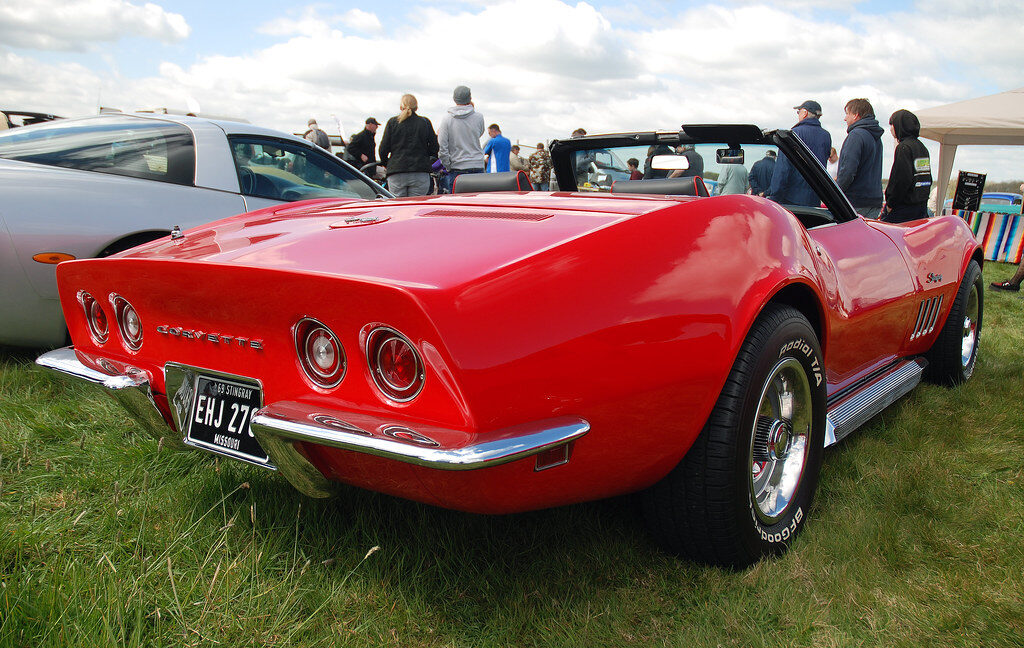
Completed Prototype Project It represented a unique convergence of factory styling cues with some truly outstanding custom coachwork. Once completed this bold red Vette was the star of Harry Mann Chevrolet’s Los Angeles showroom, and a real conversation piece. Onlookers were not so much expecting another tuner, more likely anticipating a close look at upcoming styling direction, as far as Corvettes were concerned. The level of sophistication and execution made it stand out for other such concept and custom jobs from the period.
Reasons Behind Its Widespread Recognition:
- Showroom display attracted countless visitors
- National magazines featured the concept
- Factory-inspired styling impressed enthusiasts
- Refined design appeared production-ready
- Partnership inspired future Corvette concepts
It wasn’t long before automotive rags picked up the significance of this novel undertaking. Several magazines over the latter portion of the decade devoted stories and attention to the one-off Corvette, bringing its modernistic looks to the attention of automotive faithful everywhere. From its svelte stance to the thoroughly production look that still incorporated modern proportions to all of the exquisitely refined design cues to the overall feel, it had readers talking because they could just sense what if something like this hit the streets on an actual Chevrolet. It had real potential to set trends without screaming.
The positive attention received for this successful prototype provided incentive for Frank Milne, Jerry Palmer and Eric Ruffo to further collaborate on different design proposals that pushed the boundaries. This would take the form of another concept the following year again during 1977 that explored the popular fastback hardtop style and built on the spirit of that original proposal, resulting in two concept models demonstrating that individual creativity in support of GM design thinking could also work and generating great consumer interest with regard to future Corvette styles.

6. A Lasting Influence on Corvette Design
While the concept was never produced, there are few one-offs that are quite so important for their story alone. Designed during one of the leanest times in the American high-performance vehicle industry, the concept showed that innovative new thinking wasn’t just possible within the limitations of emission rules and lower output engines; the designers eschewed what others considered obstacles to innovation and instead boldly moved forward with new style.
Enduring Legacy of the Concept:
- Innovative styling inspired future generations
- Streamlined design improved visual appeal
- Advanced ideas shaped Corvette evolution
- Creativity overcame industry challenges successfully
- Concept left lasting automotive influence
Some of the design themes featured on the prototype, of course eventually made it into the production Corvette as design staples the loyal enthusiasts know today. With its sleek body, cleaner side surfaces, a reworked frontal area and lower/cleaner lines all echoed ideas that would eventually make there way onto the later generation Chevrolet sports car, though the prototype held on to a lot of it’s own one-off styling cues, it clearly showed the kind of sophisticated foresight shaping the Corvette of tomorrow from 1975.
Today, the 1975 design study is viewed as much more than an expertly executed custom Corvette. It’s as much a statement of the persistence of the designers, craftsmen, and dreamers who wouldn’t allow new regulations dictate the future of American high-performance automotive styling, or abandon an ideal form. More importantly, by making bold experiments possible and then integrating that spirit into a build, they laid down an immortal element of Corvette lore and to continue influence collector cars and automotive dreams around the globe.
7. Design Details That Foreshadowed the C4 Corvette
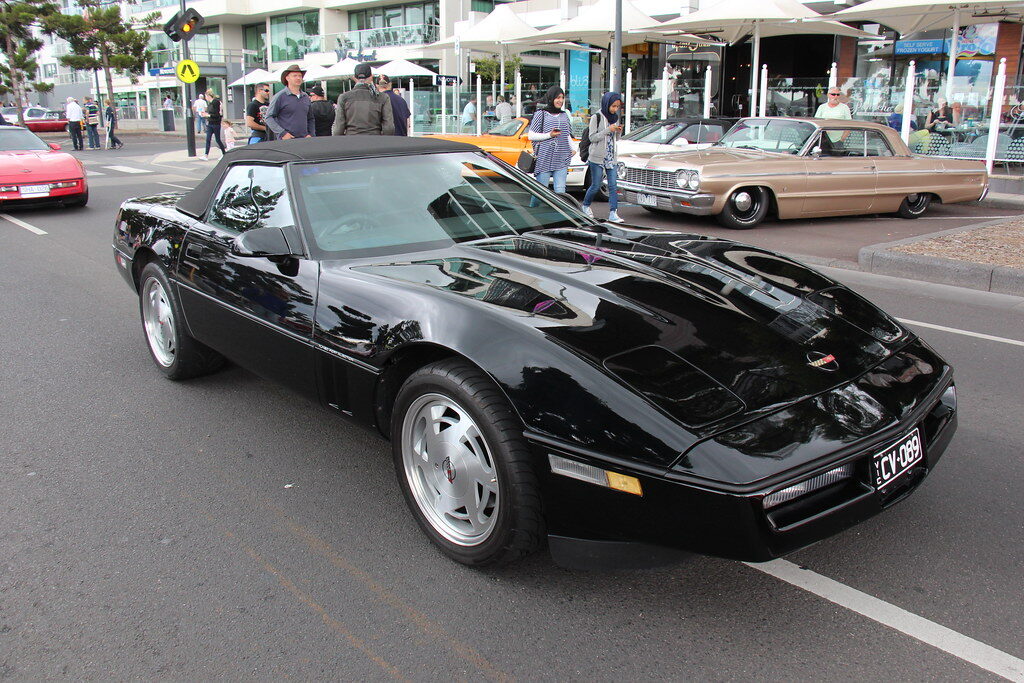
Let’s look a little more at the great concept from 1975, a car with numerous style elements which are very closely tied to the C4 Corvette we knew and love and of course from that classic C3! The styling was penned by Jerry Palmer who went on to create the production C4 in 1984. This design prototype show that a year previously Chevrolet could have conceived clean proportions & improved aerodynamics to reach out over the counter and become what we know the Corvette to be today!
Design Features Ahead of Their Time:
- Cleaner proportions enhanced vehicle profile
- Aerodynamic styling improved visual balance
- Wedge-shaped nose modernized front design
- Horizontal taillights widened rear appearance
- Prototype previewed future Corvette styling
“ The front end alone showed right away that it was quite a departure and gave the car a slick profile because it was wedge shaped,” he says. “Going away from the bubble like front end of the C3 Corvette, Palmer gave the concept a new, pointy nose that would house dual quad rectangular headlights (hidden with rotating covers on the later C4s) that were integrated into a smooth, aerodynamic frontal fascia. By eliminating the distinct fender vent openings the body lines would take on a much smoother overall appearance. ”
The rear end echoed the progressive approach with Palmer substituting the recognizable Corvette rounded taillamps with a more modern horizontal set to make the wide body look wider and more contemporary. Along with the sculpted body lines, the proposal resulted in an individual package for the prototype which nevertheless went as far to demonstrating the possible evolution of a car so rooted in performance without sacrificing the basic concept. Today, the enthusiasts still identify the styling sketch with the foretastes that will define a particular model of one of Chevy’s major production sports cars.
8. A Bespoke Interior Designed for Comfort and Character
The handcrafted attention given to the exterior continued seamlessly into the cabin, creating an interior that felt more personalized than a standard 1975 Corvette. Every major enhancement reflected the vehicle’s unique identity while preserving the comfort expected from a premium grand touring sports car. Rather than relying on excessive modifications, the interior combined practicality with refined craftsmanship to achieve a balanced and sophisticated atmosphere. The result was a cockpit that offered both visual appeal and an enjoyable driving experience. Every detail contributed to the concept’s distinctive character.
Interior Features and Comfort Highlights:
- Recaro seats enhanced driving support
- Woodgrain trim added elegant styling
- Classic steering wheel reinforced heritage
- Comprehensive gauges improved driver awareness
- Premium amenities increased cabin comfort
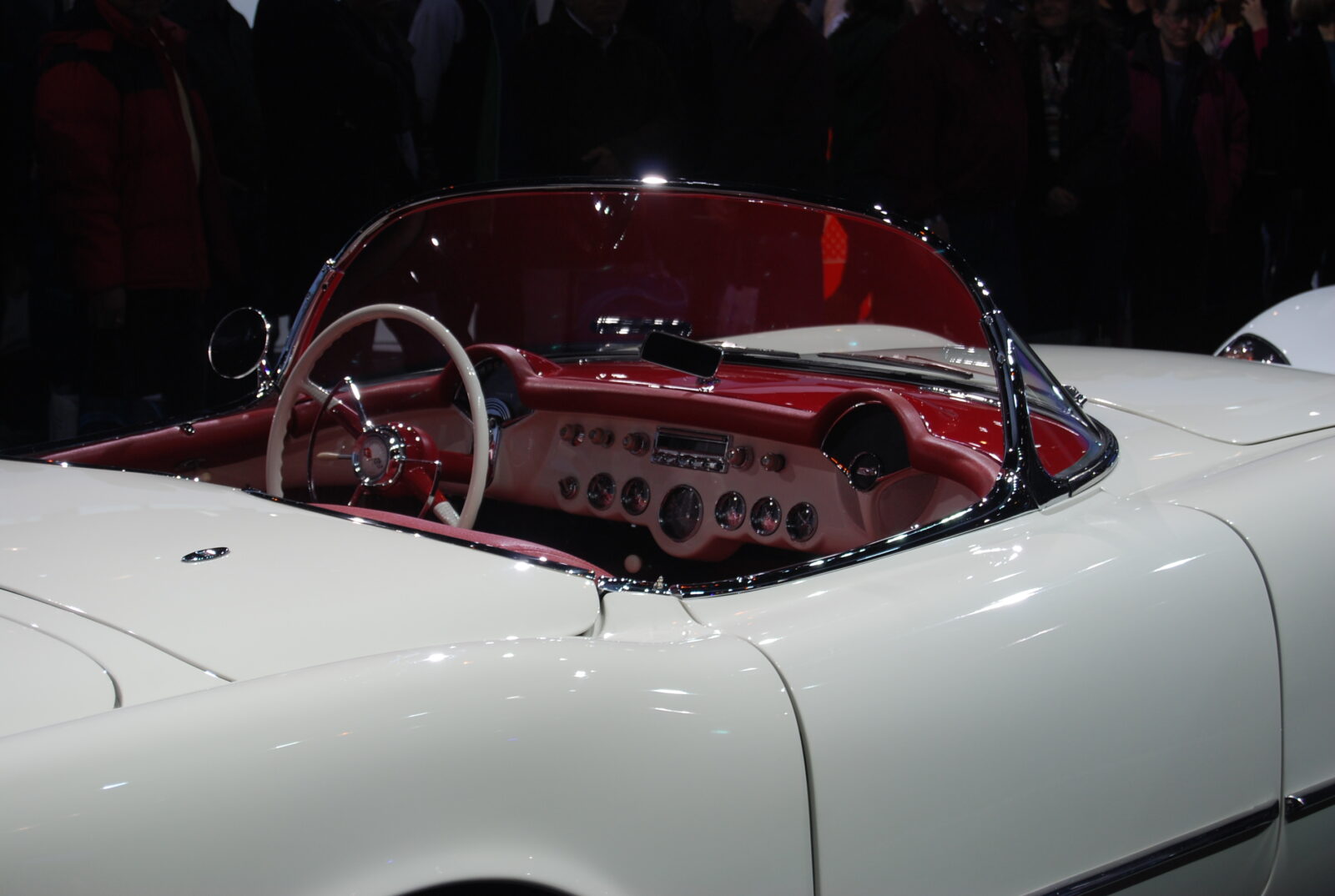
High-backed Recaro bucket seats upholstered in black cloth with matching vinyl accents provided greater support while enhancing the cabin’s sporty character. Coordinated carpeting unified the interior, while attractive woodgrain trim decorated both the center console and door panels. In front of the driver, a classic wood-rimmed steering wheel featuring the Corvette cross-flag emblem blended traditional craftsmanship with modern styling. The dashboard maintained a clean layout with a 160-mph speedometer, a tachometer with a 5,300-rpm redline, and several auxiliary gauges to keep the driver informed.
Comfort and convenience remained central to the interior design. The center stack featured an analog clock alongside factory-style controls, while power windows, air conditioning, map pockets, a padded center armrest, and a period-correct Pioneer AM/FM cassette stereo enhanced everyday usability. These carefully selected features transformed the cabin into a welcoming and functional environment. Together, they reflected the same level of craftsmanship and thoughtful design that defined every aspect of this remarkable Corvette concept.
9. Mechanical Specifications and an Incredible Ownership Journey
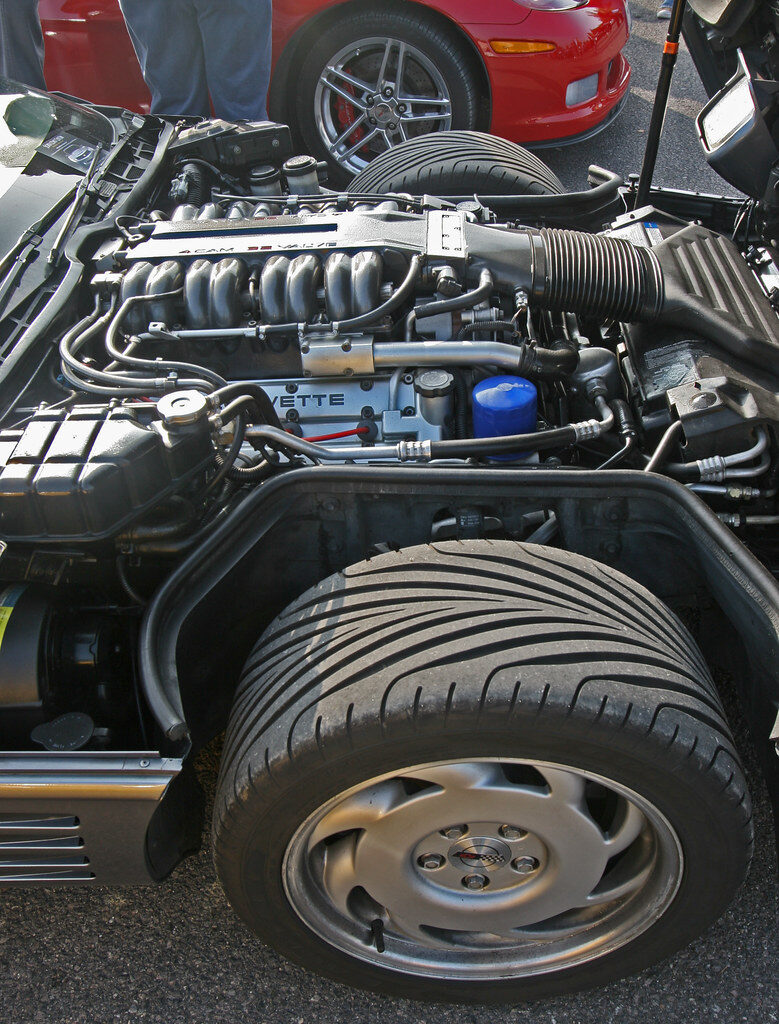
Beneath its front-hinged hood, the Corvette retains Chevrolet’s dependable 350-cubic-inch small-block V8, preserving the original mechanical character of the 1975 model. Equipped with a Rochester four-barrel carburetor and supported by factory-style components, the drivetrain combines reliability with authentic engineering. Power is delivered through a three-speed automatic transmission and a Positraction differential, providing dependable performance. With only 45,500 miles displayed on its five-digit odometer, the vehicle remains an impressive example of Chevrolet’s durable V8 legacy. Its mechanical integrity is matched by a remarkable ownership history spanning multiple decades and continents.
Mechanical and Ownership Highlights:
- Reliable small-block V8 remained original
- Automatic transmission delivered dependable performance
- European ownership expanded vehicle history
- Comprehensive restoration improved roadworthiness
- Originality preserved through careful maintenance
The Corvette’s ownership journey adds significant historical value to its story. After serving as a featured attraction at Frank Milne’s renowned Harry Mann Chevrolet dealership in Los Angeles, the prototype eventually traveled to Europe sometime after 1996. It spent many years in Belgium before returning to the United States after being acquired by a selling dealer in 2024. Prior to its 2025 offering from Mount Pleasant, South Carolina, the vehicle underwent extensive mechanical recommissioning to ensure it remained roadworthy while preserving its authenticity.
The restoration work emphasized long-term reliability without compromising the Corvette’s originality. The Rochester four-barrel carburetor was thoroughly rebuilt, all essential fluids were replaced, and the braking system received a complete overhaul. Replacement components included a new master cylinder, fresh calipers, brake lines, and a proportioning valve, complementing an earlier fuel pump replacement completed in late 2023. These carefully executed updates prepared the concept for continued driving while safeguarding its historical significance for future collectors and Corvette enthusiasts.
10. A One-Off Corvette That Continues to Inspire
Today, this extraordinary prototype remains one of the most fascinating chapters in Corvette history. Accompanied by a clean South Carolina title and valuable historical documentation, it represents a well-preserved piece of automotive heritage. Records such as a framed period photograph, a 1996 California registration document, and an authentic proof-of-insurance card strengthen the authenticity of the concept. These documents also trace its remarkable journey from a California showroom display to Europe and eventually back to the United States. The car continues to captivate collectors and enthusiasts through its unique story and exceptional craftsmanship.
Reasons the Prototype Remains Memorable:
- Authentic documentation preserved historical significance
- Rare concept attracted collector interest
- Innovative design inspired future models
- Skilled craftsmanship defined every detail
- Legacy continues influencing Corvette enthusiasts
During its sale, the Corvette attracted bids reaching $15,000 with no reserve, reflecting the lasting appreciation for rare design studies that capture important moments in automotive history. More than a customized sports car, this handcrafted prototype showcased the collaboration of talented designers and craftsmen who challenged conventional thinking. Every body panel, styling detail, and mechanical component contributed to a story driven by innovation rather than compromise, making the vehicle a truly exceptional creation.
Its greatest accomplishment lies in the influence it carried into future Corvette development. Long before the production C4 Corvette reached showrooms, this concept introduced styling ideas that hinted at Chevrolet’s next generation of sports car design. The project demonstrated that visionary concepts often begin as bold experiments shaped by passionate designers and expert craftsmen. Rather than becoming a forgotten custom build, this remarkable 1975 Corvette remains a lasting tribute to creativity, craftsmanship, and the enduring spirit of American automotive innovation.