


10 Cars Piling Up on Dealer Lots Right Now
Despite a hot start to the year for certain cars flying off dealer lots, other models have turned into wallpaper with no imminent social dance to hit. While there have been wait lists and markups for other automobiles, some cars are lingering more to the back end of the dealership’s space. These are some of the automotive stand-your-ground and, due to a handful of points, can be slow to move.
Car buying service, CarEdge, along with automotive search engine, iSeeCars, put together a list of automobiles that have outlasted dealership stock. The rationale is not only to a lack of attractive options, but often the automotive equivalent of poor value or competitive market and even incorrect positioning. And this, for the dealers, isn’t such a happy time, but for car buyers, well that means it’s potentially an awesome deal here’s what’s lingering longest in 2025 in dealerships.
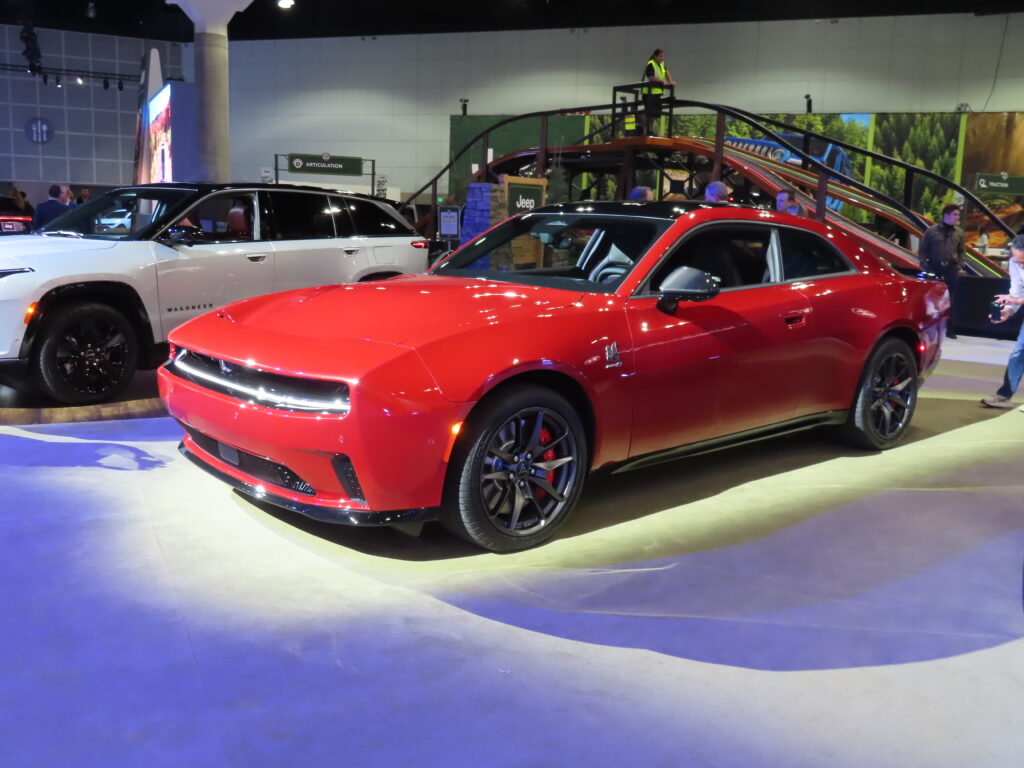
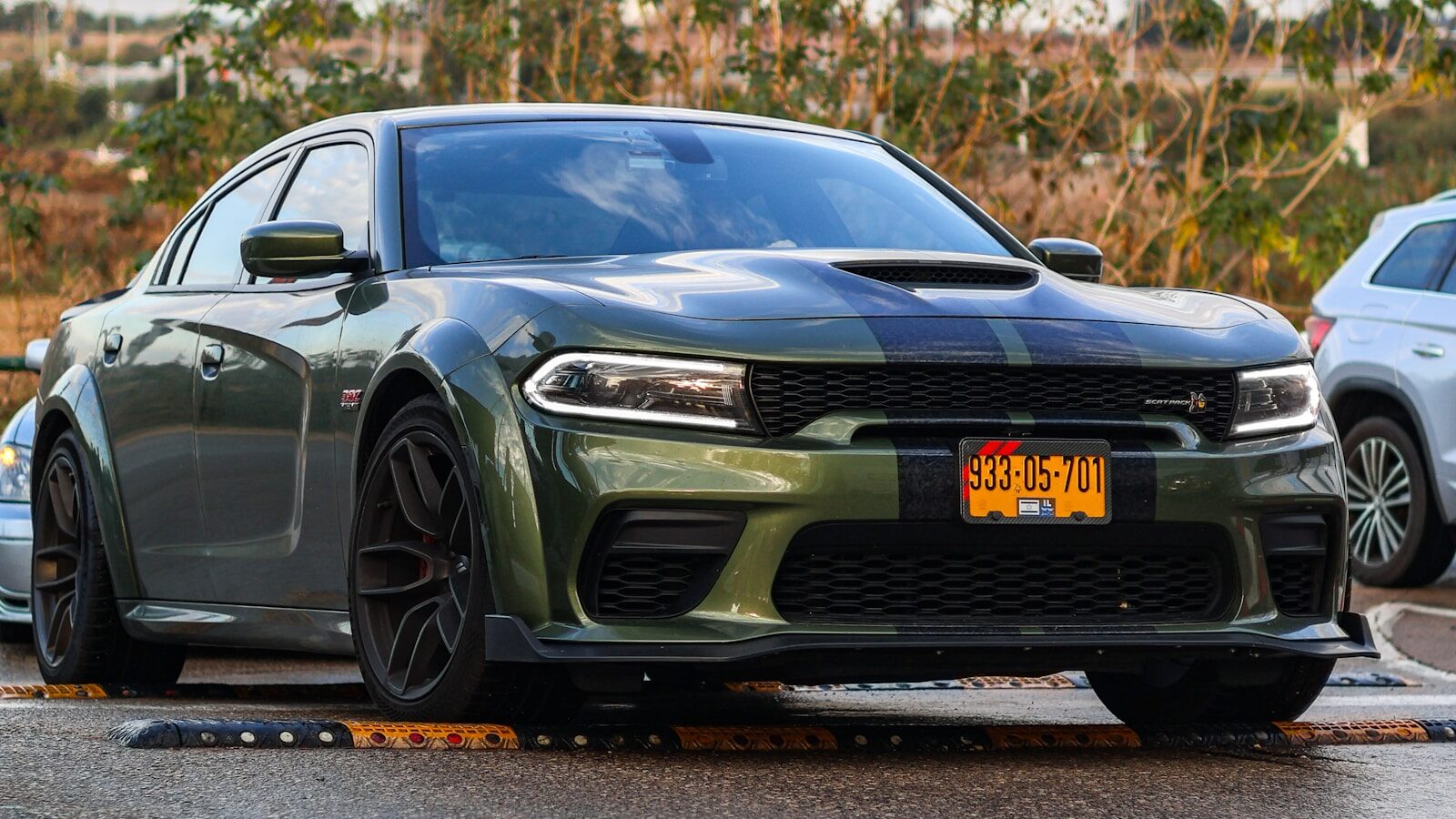
1. Dodge Charger EV Is Stuck in a Culture Clash
And I don’t know what screamed culture clash better than a fully-electric Dodge Charger. Dodge seems to have an overabundance of Chargers a projected 446 day supply. But the all-electric version appears to have even more trouble selling than a conventional gas-guzzling version that has to crawl along on a dealer lot, while the MSRP on this model begins at $54,995, roughly $14,500 more expensive than a baseline Tesla Model 3 and about $12,500 pricier than the Ioniq 6. Those models appeal to the car buyer’s logic when it comes to purchase decisions (i.e. The worth and battery range).
Dodge Charger EV Struggles:
- Market day supply sits at a staggering 446 days
- Starting price of $54,995 undercuts its appeal
- Competes directly against Tesla Model 3 and Ioniq 6
- V8 brand identity conflicts with electric powertrain pivot
- Core audience left behind while new EV buyers remain unconvinced
But the price is just part of the problem. For generations, Charger has evoked the sound and feel of a V8 and pure, unadulterated performance, and for a lot of the brand’s fans, that just isn’t what you’d associate with an all-electric future. It’s a huge gamble on something likely to alienated it’s core customers whilst also failing to convince any new customers to jump in.
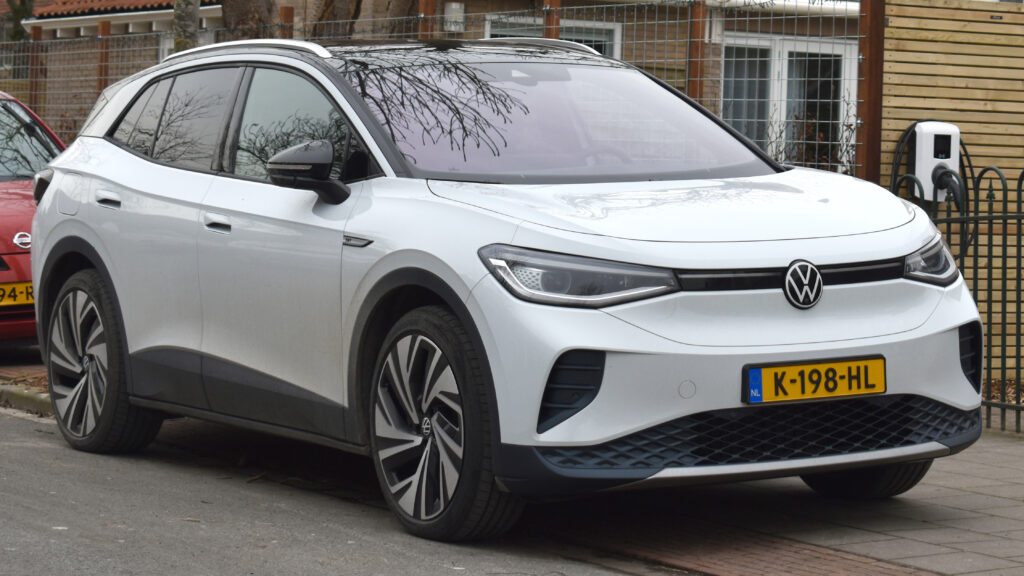
2. Volkswagen ID.4 is the Slowest Selling Vehicle of 2025
The slowest-selling vehicle of 2025: Volkswagen ID.4 The ID.4 by VW takes the bottom spot with a dizzying market days supply of 471. Dealers basically have a Volkswagen ID.4 on the lot to last them through well into next year. The ID.4 started off looking great as an ID.4 would be one of the few vehicles capable of going up against a Tesla Model Y.
VW ID.4 Key Facts:
- Highest market day supply of 2025 at 471 days
- Once positioned as a direct rival to the Tesla Model Y
- Eclipsed by stronger offerings from Ford, Chevrolet, Hyundai and Kia
- Reversal on EV incentives made the car less attractive to buyers
- Competition in the small electric SUV segment proved brutal
Today’s tale is altogether different: VW ID.4 outpaced by far more enticing Tesla, Ford, Chevy, Hyundai, and Kia alternatives in a segment where the competition is nothing less than ruthless. On top of that, a turnaround on federal incentives from the current administration in 2025 will make electric vehicles much less cost-effective to buy for most people.
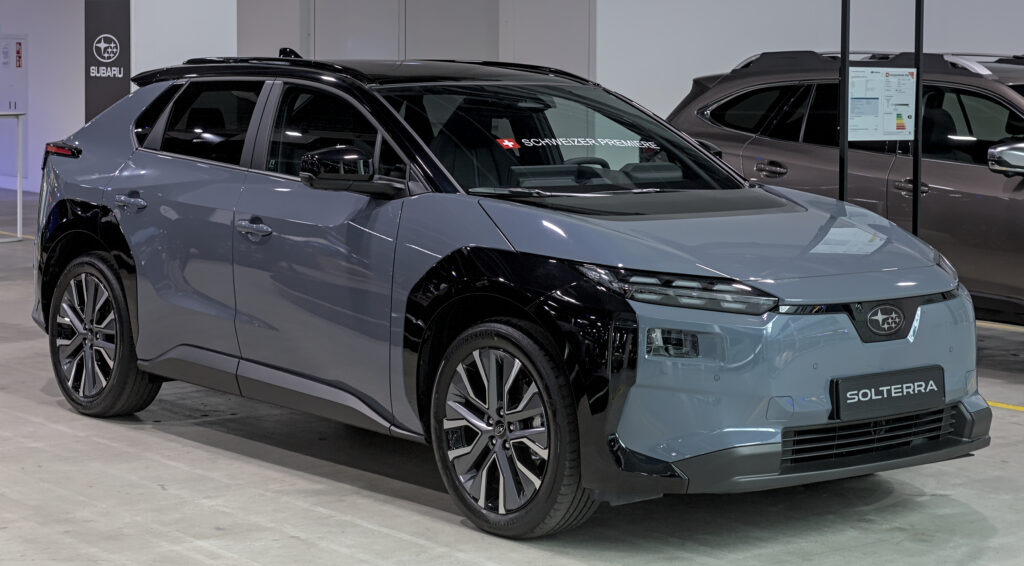
3. Subaru Solterra Fails to Capture the Brand’s Usual Magic
Subaru has an image that has served it exceptionally well reliability backed up by rugged, dependable SUVs. Not so much for EVs, and it’s evident with the Solterra, which has sat on lots for a reported 411-day supply. The car is having difficulty turning the brand’s loyal, cult-like fanbase into consumers of its first full-fledged entry into the already bursting electric vehicle market.
Subaru Solterra Challenges:
- Market day supply stands at 411 days
- Closely related to the equally struggling Toyota bZ4X
- Offers just 288 miles of range against Model Y’s 321 miles
- Described as lacking style and practicality of key competitors
- Driving dynamics rated as bland compared to segment leaders
A close cousin to the Toyota bZ4X, another EV that has had a tough time catching on, the Solterra is outmatched in an ultra competitive segment. While its starting price is lower than some rivals, it lacks the style and practicality of major competitors. The spec sheet tells the story clearly, with the Solterra offering just 288 miles of driving range and bland driving dynamics when compared to the 321-mile range and praised practicality of the Tesla Model Y.
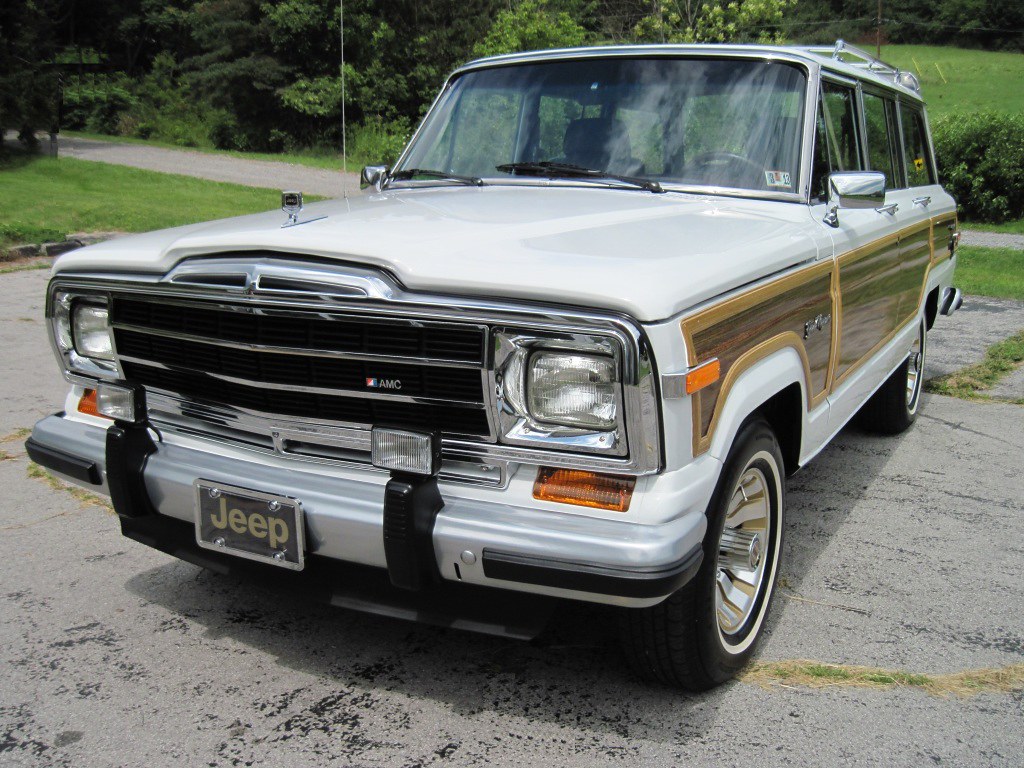
4. Jeep Grand Wagoneer Cannot Justify Its Premium Price Tag
It is not just EVs that are collecting dust on dealer lots. The Jeep Grand Wagoneer, despite earning high marks from publications like U.S. News and World Report, is also struggling to move. It currently has a market day supply of 400 days, indicating that demand is far from strong for this premium American SUV regardless of the critical praise it has received since entering the market as a revived nameplate.
Grand Wagoneer Sales Hurdles:
- Market day supply sits at 400 days despite positive reviews
- Starting price of $63,240 deters many potential buyers
- Chevrolet Tahoe starts lower at $60,400 and outsells it easily
- Ford Expedition and GMC Yukon have greater buyer familiarity
- Newer nameplate lacks the trust built by longer-established rivals
The biggest hurdle appears to be its hefty price tag. With a starting price of $63,240, it is a significant investment, and many of the best-selling models in its class are more affordable. The Chevrolet Tahoe, the most popular full-size SUV of 2025, starts at $60,400. Rivals like the Ford Expedition and GMC Yukon also benefit from a longer production history, giving them a level of buyer familiarity that the newer Grand Wagoneer has not yet been able to establish.
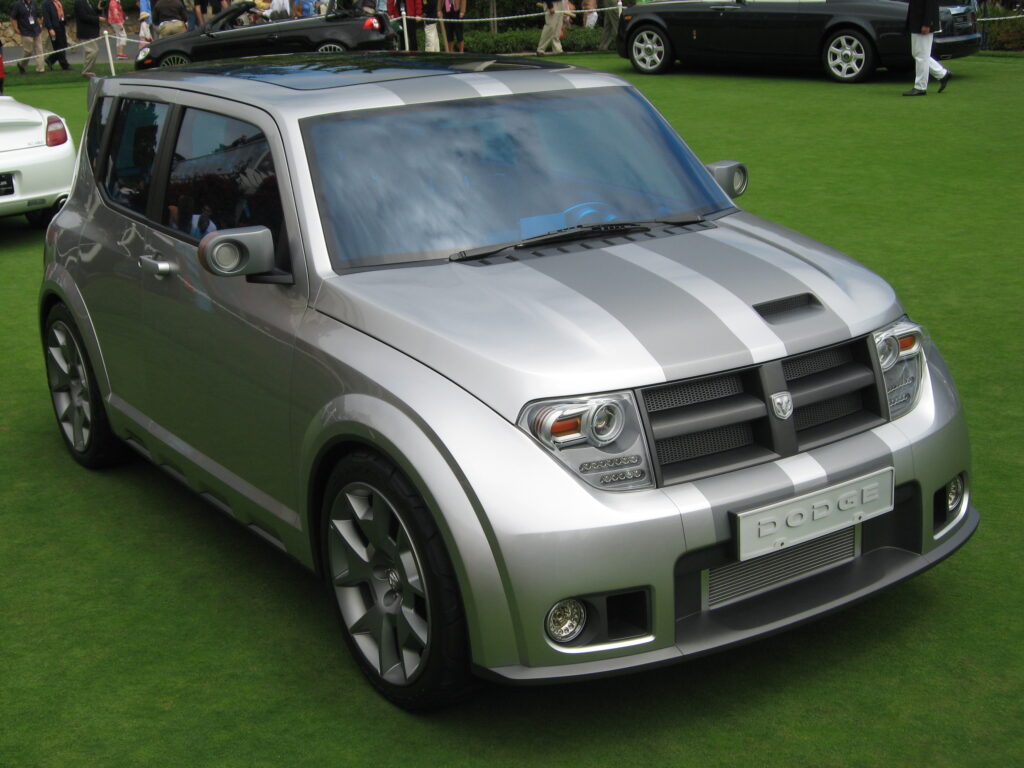
5. Dodge Hornet Has Become Every Dealer’s Biggest Headache
This vehicle that dealers really can’t wait to get off their hands is the Dodge Hornet. Believe it or not, iSeeCars found that a mind-blowing 82.1% of 2024 Dodge Hornet PHEVs in dealer inventory have not sold as of November 2024. This compares to a staggeringly low 0.4% of 2024 vehicles of all makes combined left in dealer inventory. Even the non-plug-in Hornet can’t be found by potential buyers, as 26.3% of 2024 models remain available on dealer lots.
Dodge Hornet Inventory Crisis:
- 82.1% of 2024 Hornet PHEV inventory still on dealer lots
- Industry average for leftover 2024 models is just 0.4%
- Gasoline Hornet also has 26.3% of 2024 stock unsold
- Average PHEV listing price of $41,166 seen as too high
- Dealers refusing to discount despite clear lack of demand
The problem likely lies in the price. Currently, the average listed 2024 Hornet PHEV goes for an average of $41,166. That’s just $244 below MSRP (which for the mid-tier trim level) and prices for the PHEV continue to hold strong even while it isn’t seeing massive demand. It’s a standstill where dealers aren’t dropping the prices and buyers aren’t moving the cars and Stellantis has to be hemorrhage cash by the month to let that continue.
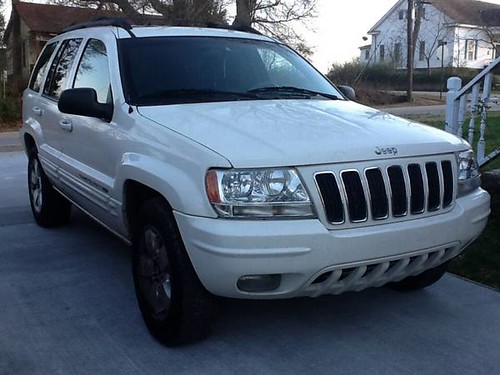
6. Jeep Grand Cherokee Has Drifted into Dangerous Luxury Territory
An astonishing 70.8 percent of the 2024 Jeep Grand Cherokee inventory, a nameplate that has been a fixture in most suburban Driveways for several decades, still sits on dealer lots, which is a rather alarming prospect for Jeep as it continues to struggle with the concept of what buyers in this market will cough up when faced with other options.
Grand Cherokee Leftover Problem:
- 70.8% of 2024 Grand Cherokee inventory remains unsold
- Average listing price has crept up to $64,014
- Competes in luxury territory against German and Japanese brands
- Second-place on the leftover list behind only the Dodge Hornet PHEV
- Points to a systemic pricing problem across the Stellantis lineup
But it’s probably got something to do with price. This Grand Cherokee’s price has already spiralled all the way to the $64,014 average list for this leftover population, plunging headlong into a luxury segment of extreme competition where brand cache is worth just about everything. With all manner of Mercedes-Benz, BMW, Audi, Land Rover, Lexus, Infiniti, etc., offering reputations for refined driving and robust reliability for that money, a Grand Cherokee simply cannot compete without some help from its discount section.
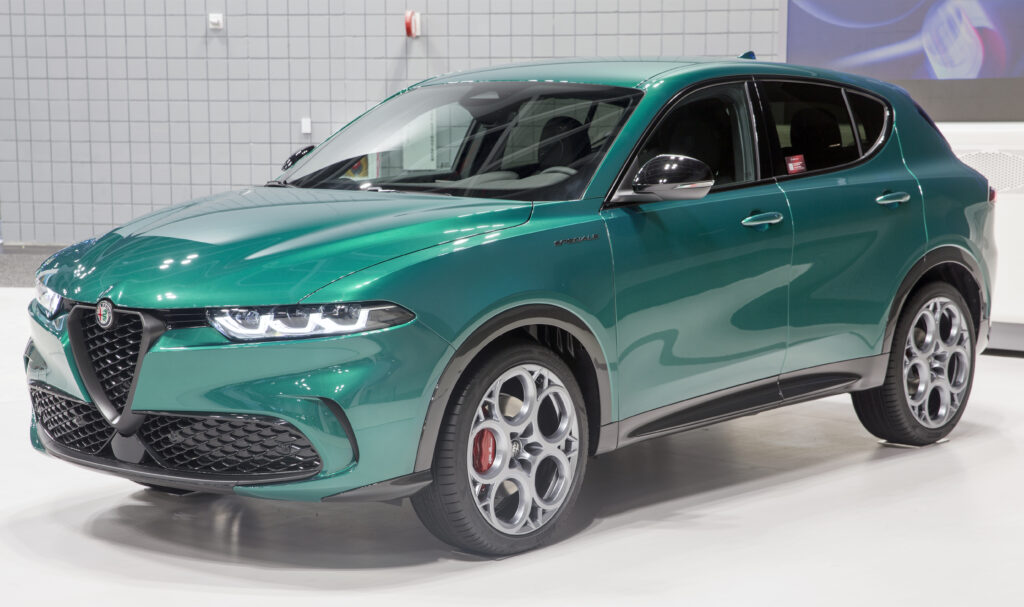
7. Alfa Romeo Tonale Proves That Italian Flair Has Its Limits
The Alfa Romeo Tonale was supposed to be a volume seller, the vehicle that would finally put Alfa on the map in the United States market. Instead, it is the third-worst offender on the leftover list, with 46.8 percent of its 2024 inventory still looking for a home. With an average price of $51,917, it is a pricey entry into a crowded segment where buyers are increasingly unwilling to pay a premium for a brand they are not fully familiar with or committed to.
Alfa Romeo Tonale Issues:
- 46.8% of 2024 Tonale inventory remains on dealer lots
- Average listing price stands at $51,917
- Shares its underpinnings with the struggling Dodge Hornet
- Both versions of the same platform are failing to sell
- American buyers unconvinced that Italian flair justifies the premium
What’s particularly damning is that the Tonale rides on the same architecture as the Dodge Hornet arguably the king of the dealership floor dust gatherers. When both iterations of what is, essentially, the same basic vehicle, are tanking at the showroom, one begins to question if it’s the badge on the grille, or the vehicle itself, that’s the primary culprit. Americans, seemingly, aren’t willing to pay a premium for even the hint of an Italian accent when it’s served in a sluggish, slow-selling disguise.
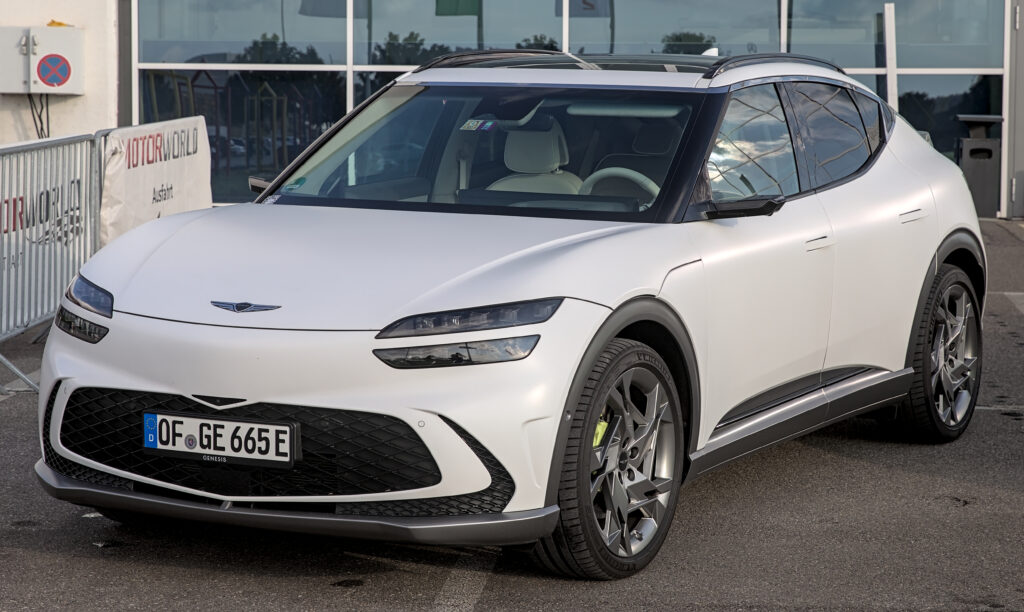
8. Genesis GV60 Gets Squeezed From Every Direction
In a list where cars often sit in lots, it’s noteworthy when a car with 21.8% of its 2024 models yet unsold is also a charming and frankly, cool luxury EV. It feels like a crying shame, given how much character, and frankly, technology the Genesis GV60 holds within. It seems to be getting boxed into a corner, it feels. Too expensive and corporate than the models underneath it, but with neither brand heft of heritage like your more well-known luxury brands.
Genesis GV60 Market Position:
- 21.8% of 2024 GV60 inventory remains unsold
- Average price of $57,764 puts it in a difficult position
- More expensive than related Hyundai Ioniq 5 and Kia EV6
- Competes against Tesla and established German luxury brands
- Market has not yet figured out where Genesis fits in the EV space
In the middle of the $57,764 average price there’s the issue of it’s in a tough spot: The GV60 is the brand is more expensive that its talented Hyundai Ioniq 5 and Kia EV6 corporate cousins, and also faces up against brand-recognition power of Tesla and luxury car companies from Germany, and it’s an awesome vehicle that unfortunately falls victim to a market not quite knowing what Genesis’ place is in the dizzying pace of electrification.
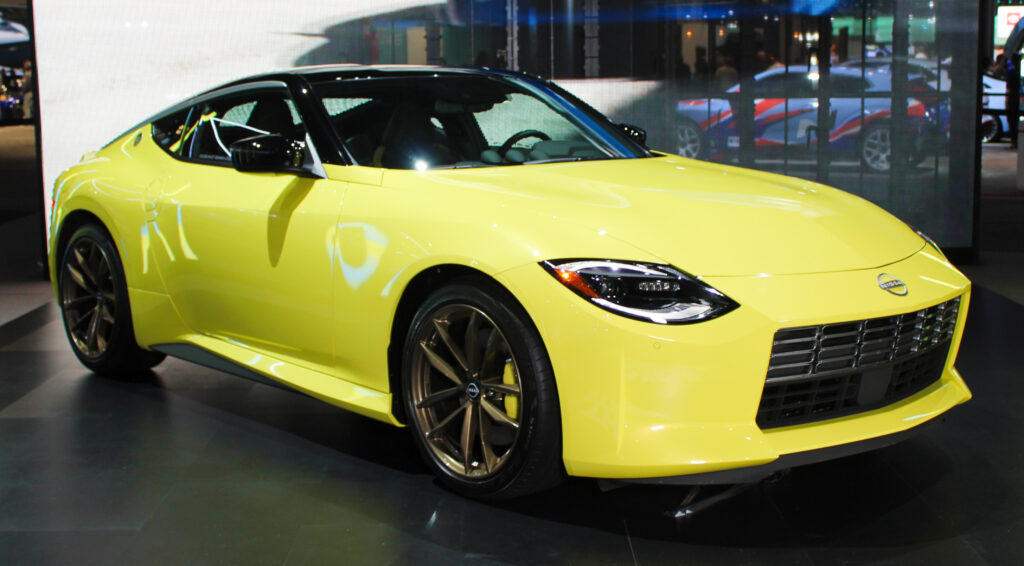
9. Nissan Z Finds Itself in a Shrinking Enthusiast Market
The new Nissan Z should have been a slam dunk: a gorgeous, twin-turbo, rear-wheel-drive sports car carrying one of the most beloved names in automotive history. Yet 18.8 percent of the 2024 models remain on dealer lots. This is a sign that even the most anticipated enthusiast cars are not immune to market realities, particularly when the initial wave of hype and elevated dealer markups fades and the true size of the target audience becomes clear.
Nissan Z Sales Reality:
- 18.8% of 2024 Nissan Z inventory still on dealer lots
- Average listing price stands at $53,289
- Competes directly against Ford Mustang and Toyota Supra
- Initial hype and dealer markups have cooled significantly
- Enthusiast segment may be smaller than Nissan anticipated
The average listing price of $53,289 offers a key clue. While not outrageous for the performance on offer, it puts the Z in a direct dogfight with potent Ford Mustangs and Toyota Supras that carry stronger brand momentum in the current market. After the initial excitement settled, the Z found itself in a niche that may simply be smaller than Nissan had hoped, leaving a brilliant machine waiting for buyers who love it but are in short supply.
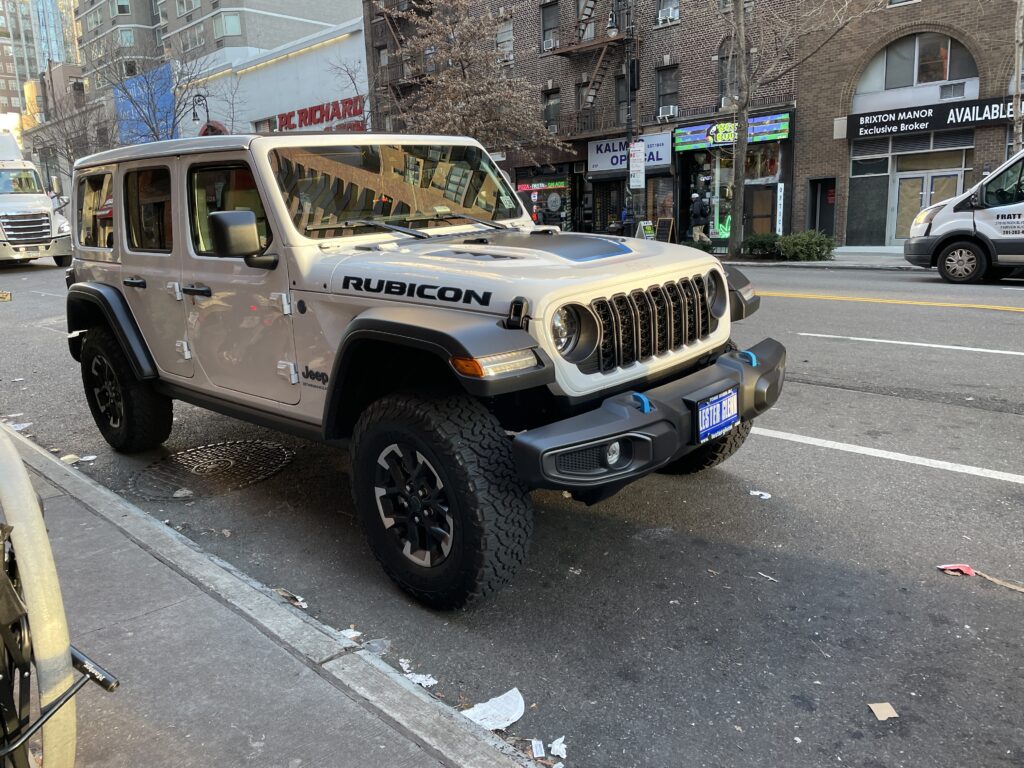
10. Jeep Wrangler 4xe Loses Its Core Audience With a Hybrid System
The Jeep Wrangler is an icon and an off-road cash machine that has historically sold itself without much effort. But the plug-in hybrid 4xe model is proving to be a tougher sell, with 18.2 percent of its 2024 stock still available on dealer lots. For a nameplate as popular and deeply loved as the Wrangler, that is a significant number of leftovers that signals a real tension between the brand’s rugged identity and the direction Jeep is pushing it toward.
Wrangler 4xe Buyer Hesitation:
- 18.2% of 2024 Wrangler 4xe stock remains unsold
- Average listing price sits at $60,740
- Core Wrangler buyers neither asked for nor want a hybrid system
- Complex powertrain conflicts with the brand’s rugged simplicity appeal
- Premium price for technology the target audience does not value
The issue is likely a combination of price and purpose. The average 2024 Wrangler 4xe is listed at $60,740, a hefty premium for a complex hybrid system that many of the Wrangler faithful neither asked for nor want. The core appeal of the Wrangler has always been its rugged simplicity. The 4xe, for all its technical merits, is the opposite of that, and it seems the target audience remains deeply hesitant to embrace a version of their favorite vehicle that feels fundamentally at odds with everything they love about it.