


Ranking the 12 Best Fighter Aircraft of 1969
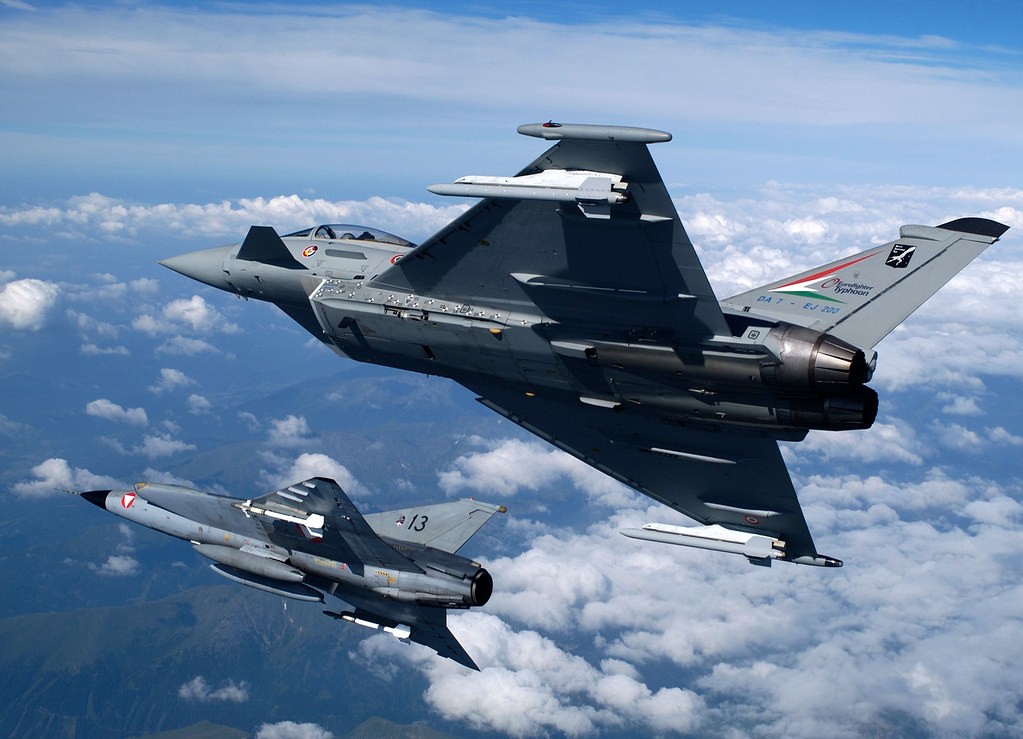
The year 1969 was a deal for military aviation. It was like a crossroads between the days of experimenting with jets and the new era of modern air combat. Twenty years before that a lot of air forces were still using old fighter planes that were basically the same as the ones from World War II. In a really short amount of time aviation technology got a lot better and planes started flying really fast even faster than the speed of sound. This also meant that people had to come up with ways of fighting in the air.
This big change happened because of wars. The fighting in Vietnam and the Middle East made engineers and pilots have to think fast and come up with ideas. This led to a lot of innovation in how fast planes could go what kinds of weapons they could. How well they could maneuver. Fighter planes went from being planes with guns to complex machines that could launch guided missiles from really far away. This completely changed how air combat worked.
With all these new advancements the fighter planes of 1969 were still pretty rough to fly. They did not have all the computer help and automation that modern planes have so how well they performed depended a lot on the pilot. What we have here is a list of twelve of the notable fighter aircraft, from back then. Each one of these fighter aircraft represents a balance of power design philosophy and how well they worked in battle.
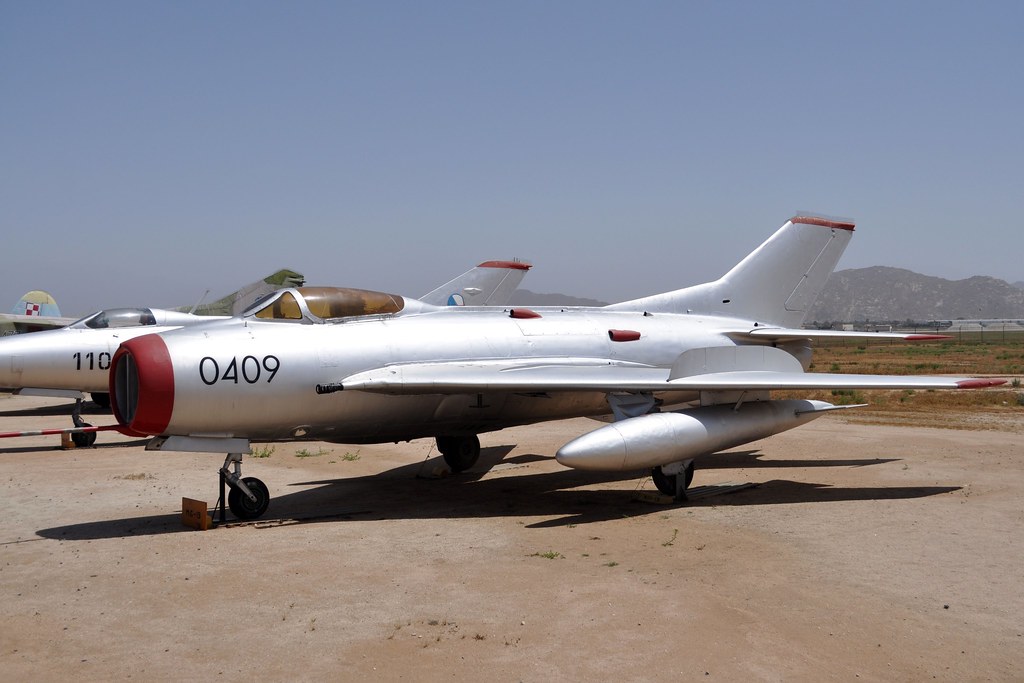
1. Mikoyan-Gurevich MiG-19 ‘Farmer’
Fast and sharp, the Mikoyan-Gurevich MiG-19 ‘Farmer’ carved a name for itself among fighters. With sheer muscle in the air, some called it a flying hot rod loud, intense, unpredictable. Built to sprint, not linger, it thrived where speed mattered most. Because of this, combat became its natural stage. Power poured through every maneuver thanks to a muscular engine wedged into a compact frame. When pushed hard, it climbed like a startled bird, sudden and steep. A pilot’s touch made all the difference it either soared or snapped unpredictably.
Fast Combat Performance Traits:
- Strong thrust-to-weight performance ratio
- Designed for rapid acceleration capability
- Excellent climb rate in combat
- Built for aggressive aerial engagement
- High-speed maneuvering potential
Even so, flying it wasn’t easy mistakes showed up fast. Pilots without much time in the cockpit often struggled to keep control. Without modern gadgets or radar helping out, there was little room for error. Staying ahead meant relying on sharp instincts and constant attention. Learning its habits took patience, practice, tough lessons.
In tight turns above Vietnam, the MiG-19 showed how basic designs might still dominate. Because it twisted faster than fancier jets, it gained upper hand when fights got close. Pilots who knew its edges turned those into survival. Though flawed in many ways, few dared underestimate it midair. Victory often leaned not on gadgets, but sharp reflexes matched with raw machine grit.
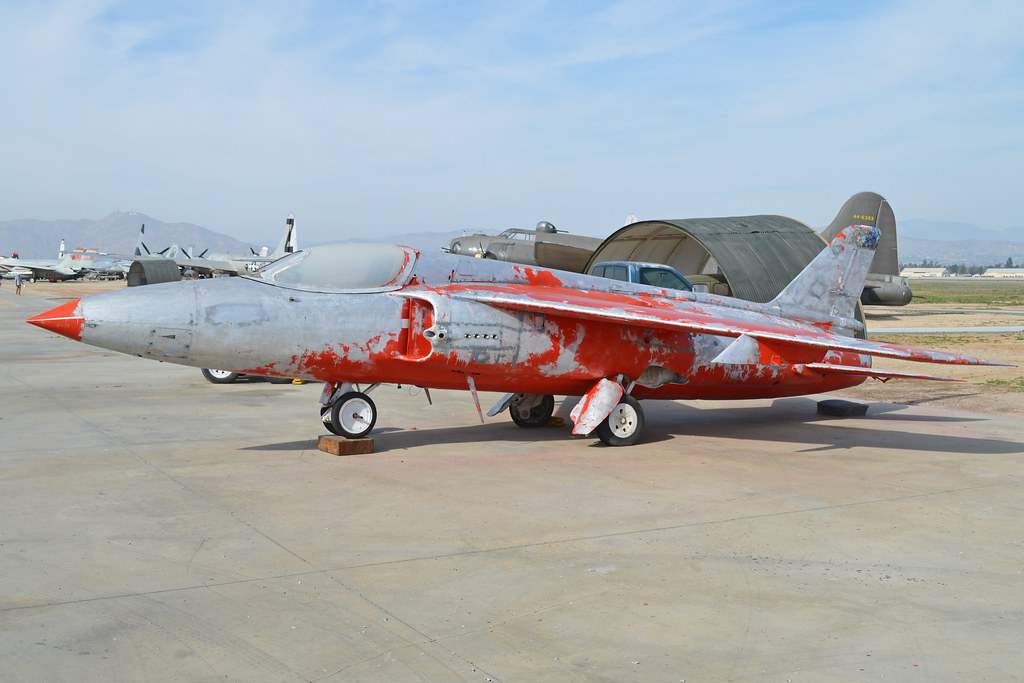
2. Folland/HAL Gnat
Though tiny, the Folland/HAL Gnat fought like a much bigger machine. Hard to spot midair thanks to its slim shape, it slipped past enemy eyes. Because of this, pilots found themselves ahead in quick turning fights. Built light on purpose, it danced through the sky instead of relying on bulk. Performance didn’t always depend on being large this jet showed that clearly.
Compact Design with High Agility Advantage:
- Small size improved combat visibility
- Highly maneuverable in dogfight situations
- Difficult for enemies to track
- Designed for close-range aerial combat
- Lightweight structure enhanced performance
In the heat of the Indo-Pakistan fighting, the Gnat proved its worth without question. Though small and unimpressive at first glance, it moved with such quickness that bigger jets struggled to keep up. Because pilots could trust its sharp reactions, they pushed it hard in dogfights. Surprisingly, this lightweight machine gained admiration usually reserved for heavier models. Even without flashy features, it stood tall among combat planes. While built simply, it carried itself like something much more.
Yet up close, it performed best when fighting at short distances. When dogfights began relying on radar and speed, its flaws stood out clearly. Without modern electronics onboard, it struggled to match later models. As battle tactics changed, so did its usefulness over time. Still, it stayed known for quick moves during a transforming age of flight.
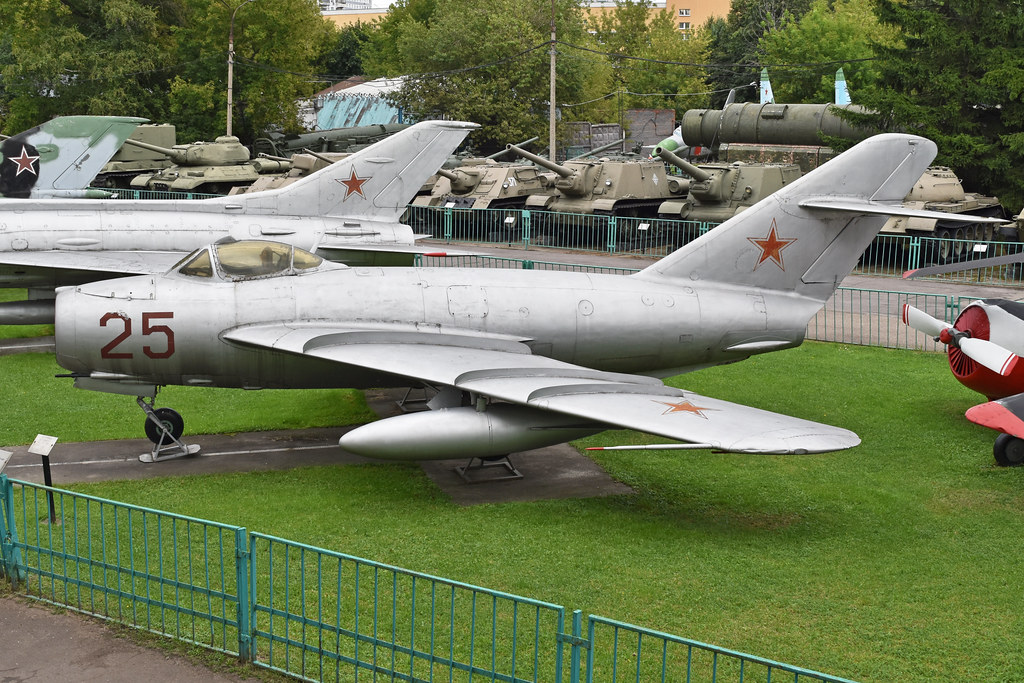
3. Mikoyan-Gurevich MiG-17
Older than newer jets by 1969, the MiG-17 kept earning respect through real results. Yet time started revealing its limits. Because of that, close-in fights at lower speeds played to its strengths. Pilots who turned tightly found it hard to beat. How well it did came down to when and how they flew it. Danger stayed high if flown right.
Classic Jet With Close Range Strength:
- Strong performance in turning combat
- Effective at lower speed engagements
- Simple design required pilot skill
- Limited high-speed maneuverability
- Reliable in specific combat roles
Pilot ability mattered a lot because the MiG-17 was built simply. In tight fights at low speed, it danced around newer jets. When things got faster, though, controlling it turned shaky and uncertain. Quick dogfights made life harder since it couldn’t adapt well. Because of this quirk, how you used it had to be thought through carefully.
Though newer jets had taken the spotlight, the MiG-17 held its ground when bullets started flying. Because of how nimble it was and tough under stress it stayed useful far beyond predictions. When flown by someone who knew its rhythm, results were possible even against faster models. Proof came often: age didn’t kill effectiveness if thinking kept pace. Respect stuck around long after it should’ve faded.
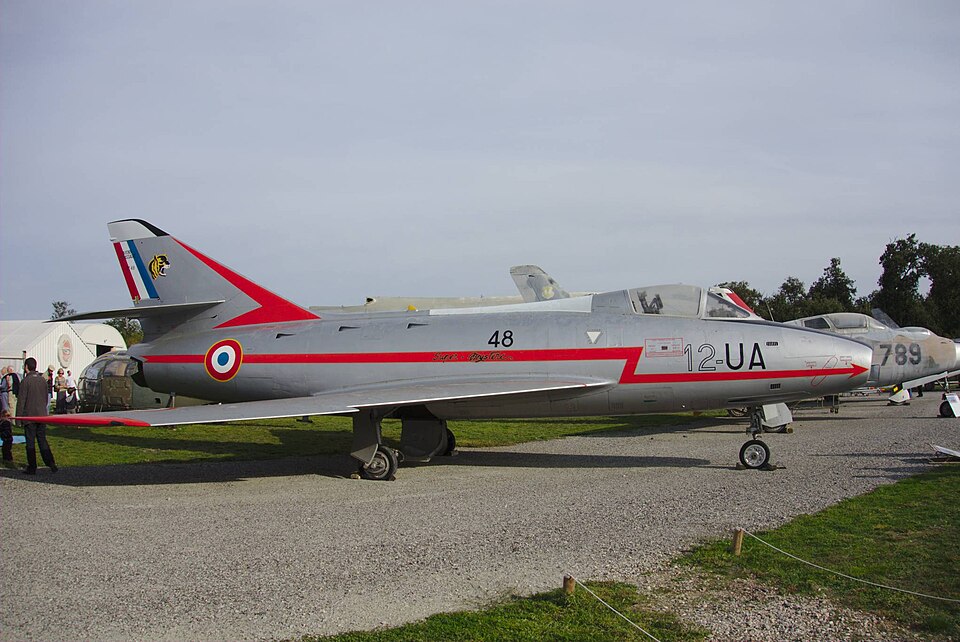
4. Dassault Super Mystère
Supersonic speed? That happened in Europe thanks to the Dassault Super Mystère. Progress took a sharp turn once this jet entered service. Newer models arrived by the late Sixties, making it look outdated fast. Still, experience counted its track record kept it relevant. History remembers it well, even after faster planes showed up.
Early Supersonic Fighter Origins:
- Europe’s first supersonic fighter aircraft
- Fought through real battles while on duty
- Stable and reliable flight performance
- Effective in capable pilot hands
- Bridge between early and modern jets
Even though outdated by newer tech, the Super Mystère proved itself in Middle East battles. When flown well, performance stayed sharp even against modern rivals. Stability mattered most to pilots who trusted its steady behavior mid-flight. Missions unfolded smoothly thanks to consistent flight responses. Tough environments did not weaken its track record of solid service.
One step behind later jets in pace and electronics, the Super Mystère still earned trust through smart build quality. Not quite the fastest, yet it linked old-style jet fighters to faster models that came next. Tough bones showed up clearly in how long it stayed active. While new systems rolled out, several air forces kept relying on its steady performance. A quiet connector in the story of combat planes nothing flashy, just dependable.
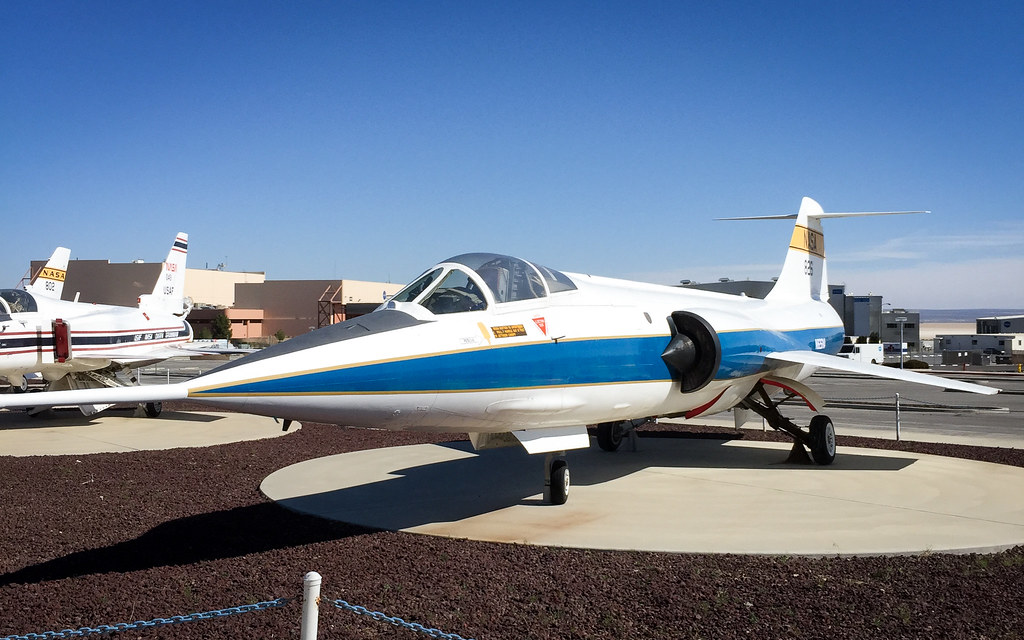
5. Lockheed F-104 Starfighter
Speeding past Mach 2, the Lockheed F-104 Starfighter ranked among the swiftest jets of its time. Built slender and sharp, it sliced through air with help from a robust engine underneath. Because of that setup, climbing fast came naturally no hesitation. In combat missions, intercepting enemy planes became easier thanks to rapid ascent abilities. Engineers prioritized velocity above almost everything else while shaping it. Look at it head-on, you see nothing but intent: pure speed carved into metal form.
High Speed Interceptor Built for Performance:
- Capable of Mach 2+ speeds
- Exceptional climb rate performance
- Sleek aerodynamic design structure
- Designed for fast interception roles
- Strong engine power output
Yet speed took priority over tight turns in the design. When battles got close, it fared poorly compared to nimble rivals. Its role shrank in classic fighter clashes because of this flaw. Turning corners wasn’t its strength outrunning trouble was. Long fights? Not where it excelled.
Because of that mismatch, several crews started flying the F-104 for jobs well outside just dogfighting. Recon flights and ground attacks became common uses across different militaries. Even if it wowed engineers at first, real-world use exposed weak spots fast. High velocity came at the cost of flexibility, clearly shown over time. Ultimately, the plane lived on as intense but narrowly focused in its role.
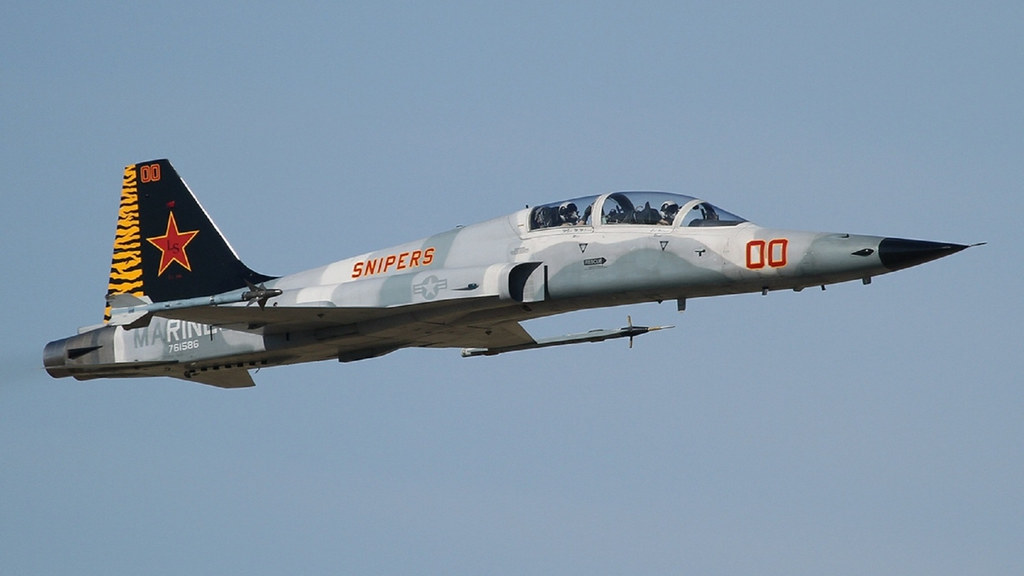
6. Northrop F-5 Freedom Fighter
Away from heavy tech, the Northrop F-5 Freedom Fighter chose speed and smart layout over bulk. Built light, it needed less time and fewer tools to keep running. Many countries found this useful when managing tight resources. Performance stayed strong even though expenses stayed low. A mix of steady flight traits and low upkeep drew interest fast.
Lightweight Agile Fighter Design Approach:
- Simple and cost-effective aircraft design
- Lightweight structure for high agility
- Easy maintenance and operation
- Strong maneuverability in combat
- Popular among global air forces
Surprisingly quick in tight turns, the F-5 didn’t look like much but fought well beyond expectations. Because of how smoothly it handled, pilots found themselves gaining edges in fast-moving fights. Though small and simple, it stayed sharp under pressure when battles got messy up close. While bigger jets relied on speed, this one used nimble moves to stay alive. Respect came slowly, then all at once, after several showdowns proved its worth.
By 1969, the F-5 hadn’t yet reached its limit. Though built simply, it held room to grow. Upgraded electronics made it sharper in battle. Better weapons gave it an edge over older models. The frame was tough enough to take new tech. Operators noticed how easily it adapted to fresh roles. Over time, that flexibility paid off. Simplicity, it turned out, didn’t mean weakness. Combat results backed that idea firmly. What looked outdated still fought well.
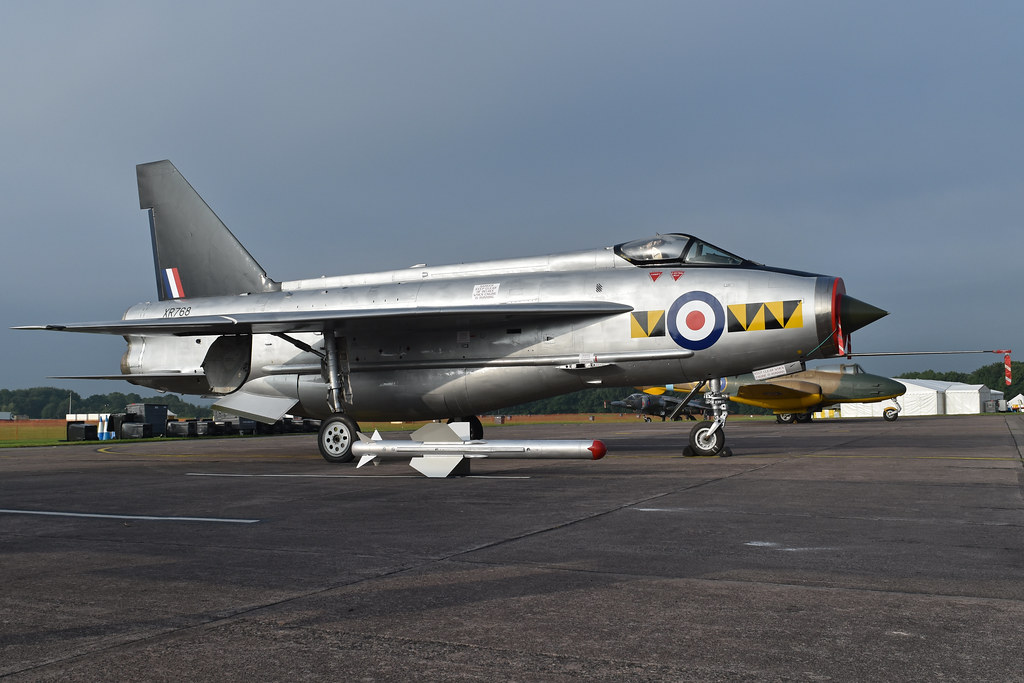
7. English Electric Lightning
Speed first. That shaped everything about the English Electric Lightning. Not long-endurance flights or multi-role jobs just climb fast, go high, stop bombers before they reached targets. In mere minutes, it punched into thin air near space. Few jets matched that rise rate back then. Built narrow in mission focus because trade-offs were needed. Power mattered more than flexibility here. Reaction time counted above all else when enemy planes approached. Performance won out every single design choice.
High Speed Interception Specialist Design:
- Extremely fast climb rate performance
- Designed for rapid interception missions
- Exceptional acceleration capability
- High up, it works better for stopping threats from above
- Focused on speed over versatility
Lightning fast off the line, that jet could outclimb nearly anything in the sky. Reaching high altitudes swiftly meant getting into position before others even scrambled. Because of how quickly it reacted, air defenses leaned on it heavily during urgent moments. Most missions saw it tackling one job only, done very well. Other fighters lagged behind when speed decided who won. Being built for just this task made it stand apart from multirole types. Few planes matched its edge when time ran short.
Still, chasing fast climbs and quick bursts left some gaps. Because of its design choices, fuel didn’t last long midair. Other fighter planes stayed up longer without refueling. So flying far or lingering wasn’t really an option. Every sortie needed tight coordination down to the minute. When everything settled, it stood strong but built for one job only.
8. Saab 35 Draken
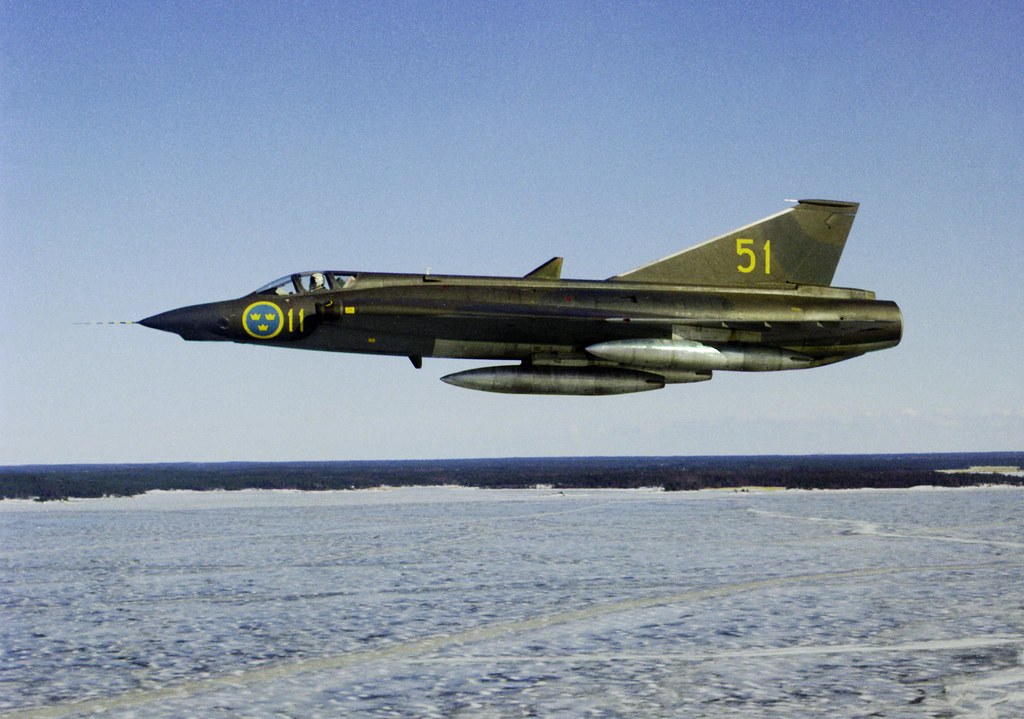
Surprisingly sharp for its day, the Saab 35 Draken brought bold new shapes into jet aircraft thinking. With two sweeping wings joined as one, it kept steady while racing through shifting air pressures. Because of this, few others matched its range of reliable motion. Speed didn’t come at the cost of precision quite the opposite happened. Right away, onlookers noticed how unlike the rest it looked in the sky.
Double Delta Wing Design Improved:
- Double-delta wing aerodynamic design
- Balanced high-speed and stability performance
- Early adoption of data-link systems
- Advanced flight control experimentation
- Strong technological design advancement
Right from the start, this plane packed tech that felt ahead of the curve. Not just new gadgets but links sending data in ways few imagined back then. Because of these tools, planes talked more smoothly with units on the ground. Instead of lagging behind, it leapfrogged most rivals flying at the time. Design choices showed someone was thinking years into the future. In those days, what it carried inside stood out as truly different.
Even without long battle history, the Draken earned deep respect thanks to clever design choices. What stood out most was its unusual wing shape paired with sharp turning skills clear signs of bold thinking. Later jets borrowed ideas directly from its tech playbook. Success here came less from missions flown, more from new paths opened. Still today, it marks a moment when imagination shaped flight progress.
9. Mikoyan MiG-21 ‘Fishbed’
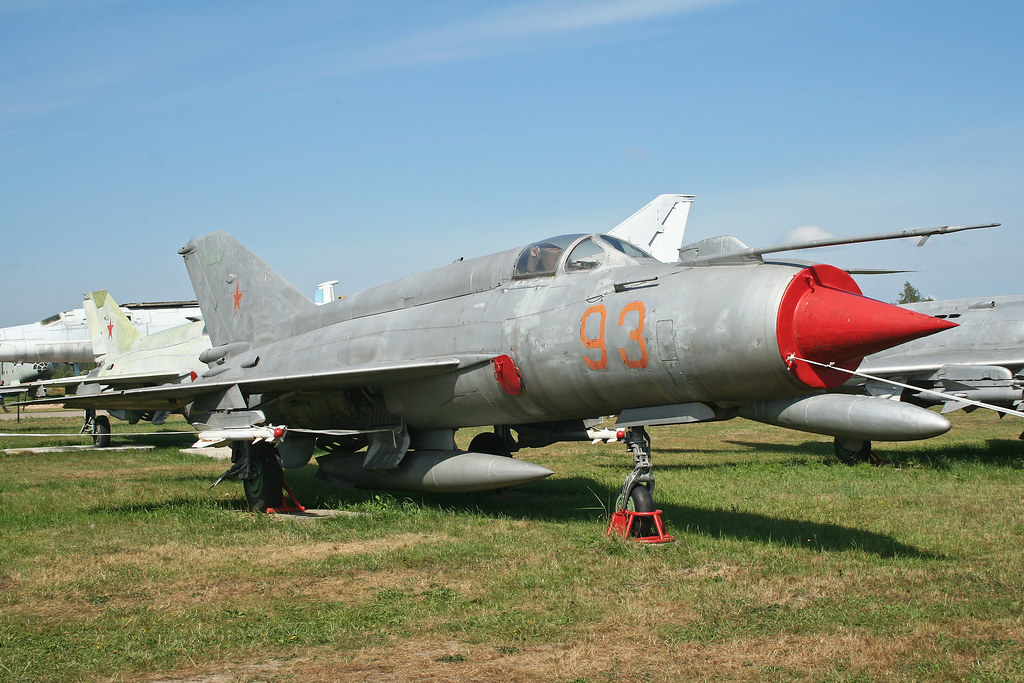
Speed first, then agility that shaped the Mikoyan MiG-21 ‘Fishbed’. Built without fuss, just straightforward mechanics, it reached far corners of the world. Because it worked reliably, nations kept buying them. Not flashy, yet always present this jet filled skies over continents. Simplicity made sense when wars changed fast. Its legacy? Quiet, constant, everywhere.
Mass Produced High Speed Fighter Design:
- Widely used global fighter aircraft
- Focus on speed and agility
- Simple and cost-effective design
- Effective in quick combat engagements
- Small size improved maneuverability
Fast climbs helped the MiG-21 dive into fights then vanish before enemies reacted. Small shape made it hard to spot, harder to hit during sudden clashes. Because of rapid thrust, it often dictated when battles began or ended. In brief skirmishes, older design did not matter much at all. Speed became a shield whenever pilots darted through enemy formations. Sudden strikes followed by immediate exit worked well under clear skies.
Though built with a short reach and basic weapons, the MiG-21 held its ground when battles unfolded. Because it worked without fuss, crews came to count on it day after day. While newer jets arrived with flashy gear, this one kept up through sheer consistency. Success found it not by complexity but by doing essentials well. Over time, respect grew quietly for an aircraft that proved tough, straightforward, and always ready.
10. Dassault Mirage III
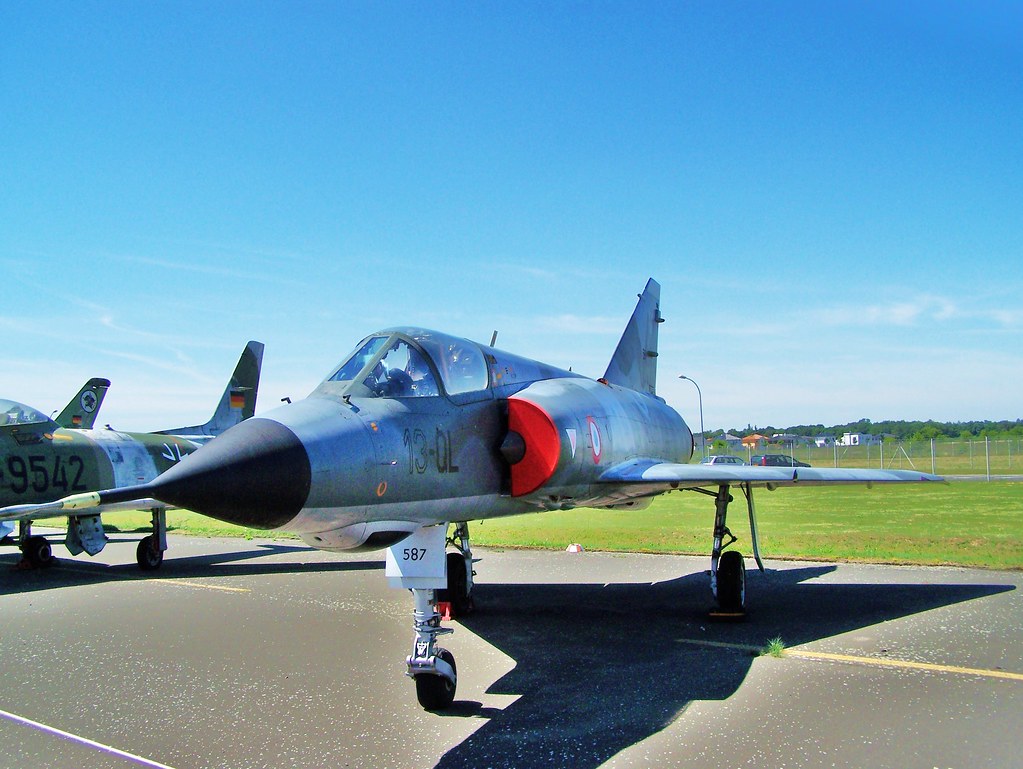
Surprisingly fast, the Dassault Mirage III handled both sky patrols and strikes on land targets without slowing down. Because of how well it held together under pressure, several countries chose to include it in their fleets. Speed wasn’t its only strength steady flight characteristics helped too. While built for high-altitude chases, it adapted easily to lower levels when needed. Some pilots preferred it simply because it responded predictably at extreme speeds. Over time, that consistency earned trust across continents.
Versatile Multirole Fighter Excellence:
- Strong balance of speed and stability
- Capable of multiple combat roles
- Reliable supersonic performance capability
- Effective interceptor and strike platform
- A trusted combat pilot in active service
Pilots trusted the Mirage III because it behaved the same way every time, no surprises. Across many kinds of missions, it shifted roles without fuss. When things got intense in the air, its steady response gave crews confidence. Success in battle came often, thanks to how well it held up under stress. Over time, that kind of performance built a solid name for itself.
Even with small flaws, the machine still worked well under pressure. Because it did what was needed, users trusted it without question. Pilots kept choosing it, even when newer models arrived. Many nations stuck with it for years beyond expectation. When everything is said, respect followed it more than criticism.
11. Vought F-8 Crusader
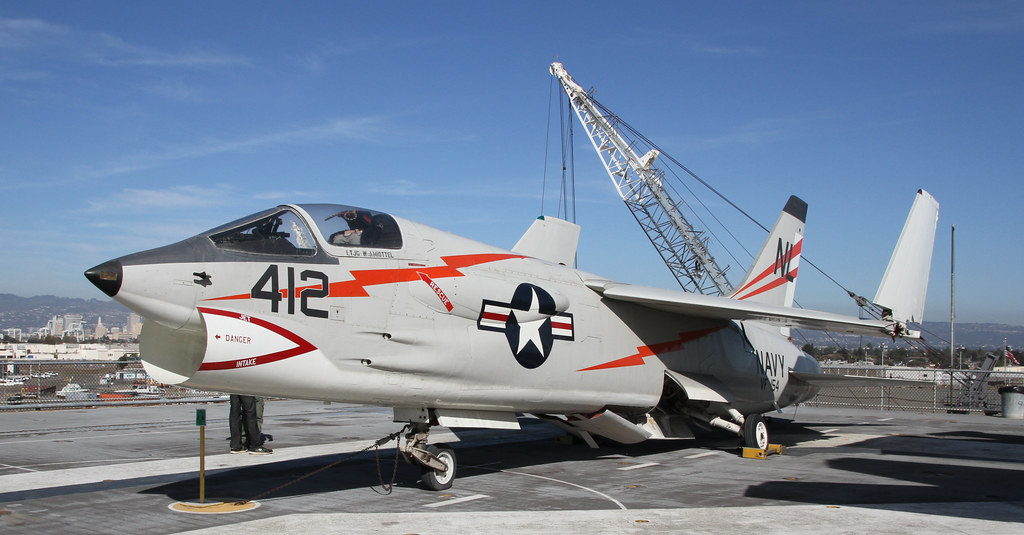
Pilots often praised the Vought F-8 Crusader when talking about tight-turning fights in the sky. Built light but tough, this jet lived on aircraft carriers and thrived where quick moves mattered most. Because of how it sliced through air, sharp turns came naturally even at high pace. Seeing the enemy meant having the edge this plane turned that into victory more than once. Word spread fast among those who flew it: few could match what it did when things got close.
Carrier Based Dogfight Specialist Design:
- Strong close-range combat performance
- Lightweight and powerful airframe design
- Inside the vehicle, the gun setup stayed just as it was originally built
- High agility in visual engagements
- Designed for carrier operations efficiency
What helped the F-8 Crusader stand out? It kept real guns inside when others moved on. Missiles became popular back then, yet this jet still carried cannons. Pilots found themselves better equipped up close because of it. Sharp moves at short distances worked well with bullets. Seeing the enemy clearly meant they could act without guesswork. Reliance on steady firepower made encounters more predictable.
Even in tight turns, pilots found it sharp, always doing exactly what they expected. Because of how well it turned and stayed stable, many called it unmatched when fighting at close range. Not every plane earned such strong trust mid-battle, but this one did. Over time, stories from real missions built its status among warplane legends. When everything’s said, few could argue it defined what dominance in the sky looked like.
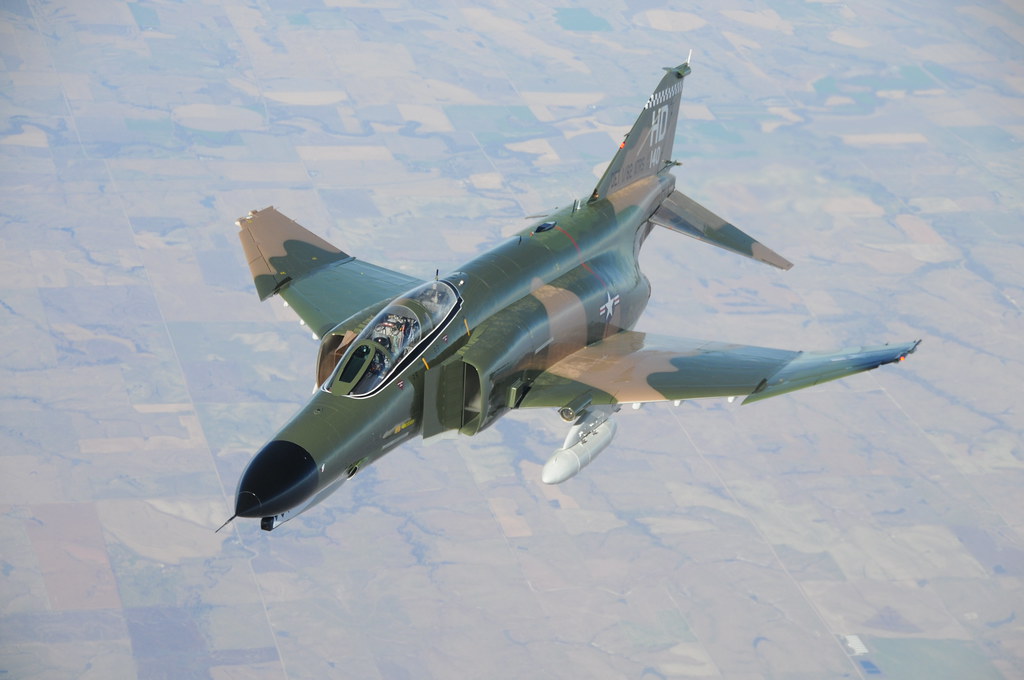
12. McDonnell Douglas Phantom II
Back in 1969, the McDonnell Douglas Phantom II stood at the top of fighter jet evolution. With strong engines paired to cutting edge radar, it carried serious firepower without slowing down. That mix gave it an edge few could match at the time. Built tough but flexible, it handled many battlefield roles smoothly. Soon after arriving, it shaped how air forces operated for years.
Multirole Fighter Jet Capabilities:
- Powerful engines with high performance
- Advanced radar targeting systems onboard
- Heavy weapons load capacity
- Beyond visual range engagement ability
- Highly versatile combat platform
What really set it apart was spotting foes before they came into view then striking first. That kind of reach mattered more than ever once dogfights moved past line-of-sight limits. Still, it didn’t just excel at long-range duels handling varied tasks kept it busy on different fronts. Whether chasing down aircraft, hitting ground spots, or backing up allies, it managed well. Being useful in so many ways meant commanders relied on it heavily.
Even with flaws, the Phantom II performed so much better than expected. Through wars big and small, it built a reputation hard to ignore. Fast, strong, loaded with tech it ruled the skies easily. Later jets were measured against its example. Over twenty years, it quietly came to represent how fast planes evolved.