



GM’s V8 Engine Crisis: What Every Owner Needs to Know
There is a feeling right now about the auto world that is far more serious than just a recall cycle. For many truck drivers, and many who consider themselves GM devotees, what is happening with the 6.2L V8 engine has transcended a mere technical problem and is becoming a question of trust. Trucks aren’t just cars to people who drive trucks-especially owners of full-size models-they are often workhorses, lifestyle tools, and even part of who they are.
What is making this situation so acute is the emotional response among veteran owners. Long time GM drivers are expressing their doubts about their long held belief in the capabilities of GM products. Options like canceling new orders, or refusing to opt for a specific engine variant when ordering new are becoming a concern and that goes beyond simply a dislike of a particular repair.
The core of it is uncertainty. Whether the manufacturer publishes notices, or even releases official recall procedures, owners are left struggling to translate technical issues into day-to-day ownership expectations. And it is this disconnect between technical remedies and confidence in ownership that is fuel to the fires that exist now.
1. A Shift in How People Own GM Trucks
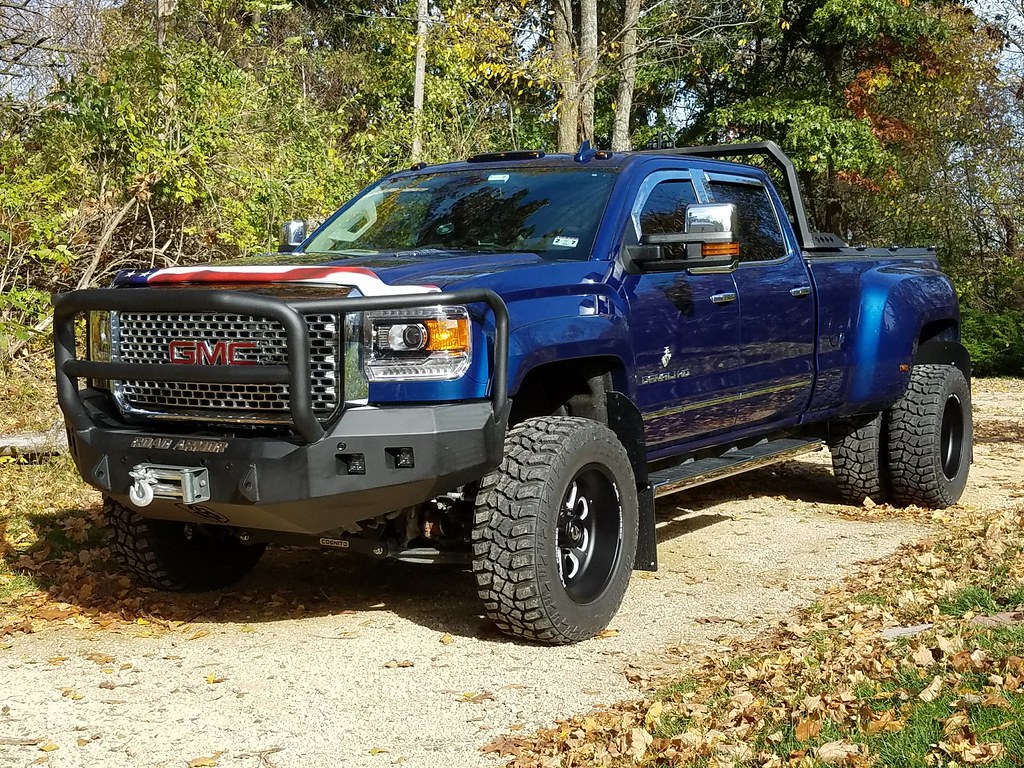
Trust in GM trucks once came from toughness, lasting power, close reliability. Vehicles such as the Silverado, Sierra, Yukon became known for getting tough jobs done year after year. Yet lately, murmurs about problems in the V8 engines began chipping away at that faith. Drivers now look closer at whether these machines hold up over time. That doubt changes how people see owning a GM pickup today.
Trust Issues and Ownership Concerns:
- Long standing GM reliability reputation
- Rising concerns over V8 engines
- Large scale vehicle recall impact
- Uncertainty about repair effectiveness outcomes
- Growing hesitation in purchase decisions
It isn’t small glitches or one-off gripes that bother owners now it’s engines cutting out without warning. With recalls pulling in hundreds of thousands of cars, anxiety spreads faster. Fixes happen, yet questions linger: were the real problems actually fixed? For trucks sold on grit and trust, shaky confidence hits hard. Talks around durability suddenly dominate conversations, louder than before.
Now things are changing how people actually spend money on vehicles. Because they doubt how well engines work now, some buyers put off or skip buys they meant to make. Years of sticking with one company mean less to certain owners who start questioning that choice. What once felt like a strong connection between person and machine faces new strains, unlike earlier recalls. Today, whether folks believe in GM’s trucks hinges more than ever on trust alone.
2. Rising Questions About The 6.2L L87 V8
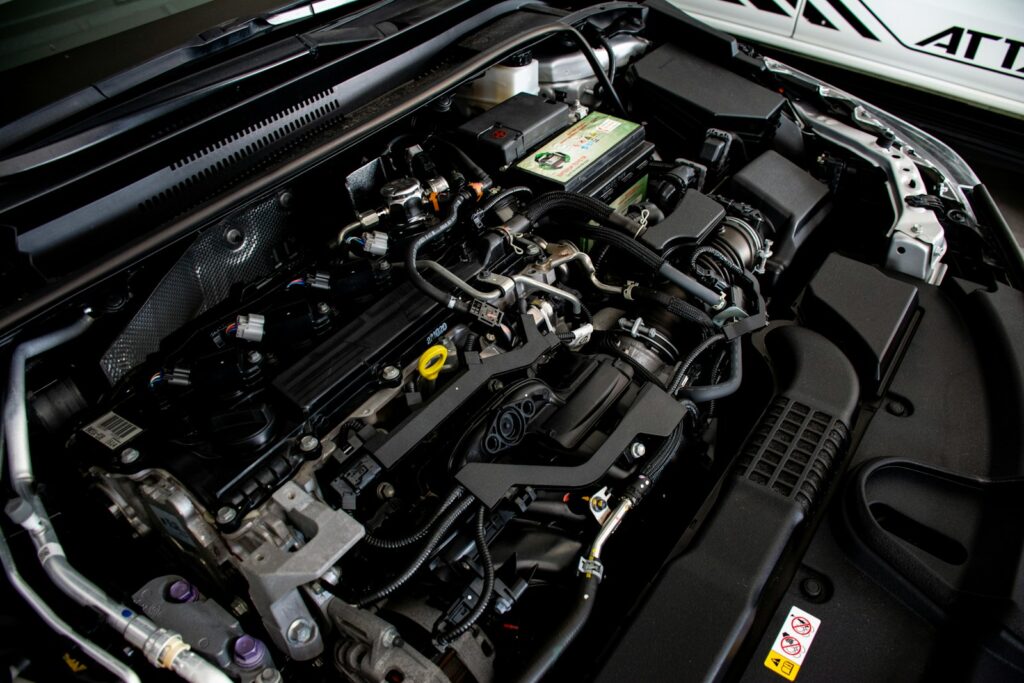
Now sitting at the heart of chatter around GM’s dependability questions is the 6.2L L87 V8 motor. Though praised for its punchy output and steady operation, drivers have flagged mechanical hiccups spanning several production years. Not just one flawed run or rare events problems show up in various models sharing that base design. Because of this spread, interest has grown sharply among users and watchers alike. Heavy eyes now follow every move tied to that engine.
L87 V8 Reliability and Risk Overview:
- Widespread L87 engine failure reports
- Sudden loss of engine power incidents
- Large truck and SUV safety concerns
- Multi model year consistency issues
- Regulatory and manufacturer investigation focus
Out of nowhere, some drivers say their engine just quits while driving like usual. Heavy trucks and big SUVs become harder to control when that happens size makes things riskier. Reports keep piling up, which caught official notice and pushed the maker to look closer. Real people using these machines daily wonder if they’ll hold up over time. Towing loads and speeding down highways adds more pressure problems here hit even harder.
One thing that adds weight to the problem is how differently identical models behave. Where some motors run smoothly day after day, others break down fast even when used the same way. Because of this scattered pattern, drivers struggle to know what to expect. What began as a fixable engine matter now feels like a question of whether you can count on your vehicle at all. How dependable something seems now carries as much impact as how well it runs.
3. Recall Size and Cars Involved
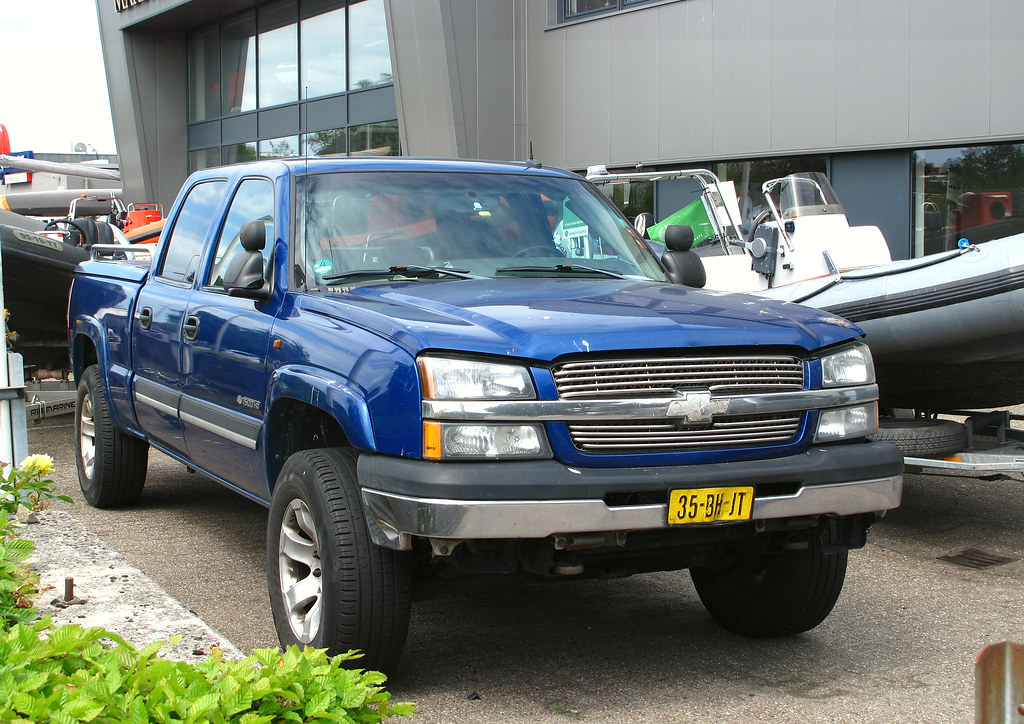
From small towns to city streets, many of General Motors’ top-selling vehicles are part of this recall. Heavy-duty pickups and large SUVs sit at the heart of what customers buy most often from the automaker. Think Chevrolet Silverado 1500, GMC Sierra 1500, along with the Tahoe, Suburban, Yukon, and even the Cadillac Escalade all caught up in the mix. Because these models drive so much of GM’s presence in showrooms, the ripple effect grows fast. Whether used for work or weekend trips, their reach touches both private owners and business fleets alike.
Affected Models and Recall Scope:
- Full size GM truck and SUV lineup
- Silverado and Sierra 1500 models
- Tahoe Suburban Yukon Escalade units
- Hundreds of thousands vehicles involved
- Multi model year recall coverage range
Hundreds of thousands of vehicles in the U.S. carry this problem, a massive count on its own. Once global sales and later manufacturing runs join in, the numbers climb higher still. Among General Motors’ past actions, few recalls have matched this size. Spread across many types of models, the engine once appeared everywhere. Because so many cars share it, the fault travels just as far.
Out here, where roads stretch and schedules pile up, people feel the weight of these changes firsthand. Most folks rely on their trucks to haul kids, gear, tools life stuff across towns or job sites. When service alerts pop up, it throws off more than just engine performance; mornings get messy, plans shift. Trouble isn’t only under the hood it shows up at school drop-offs, worksites, weekend trips. What looks like a fix on paper turns into hours lost, detours taken, trust tested. For thousands, this isn’t news footage. It’s keys in hand, tires on pavement, day after day.
4. Mechanical Roots of the Problem
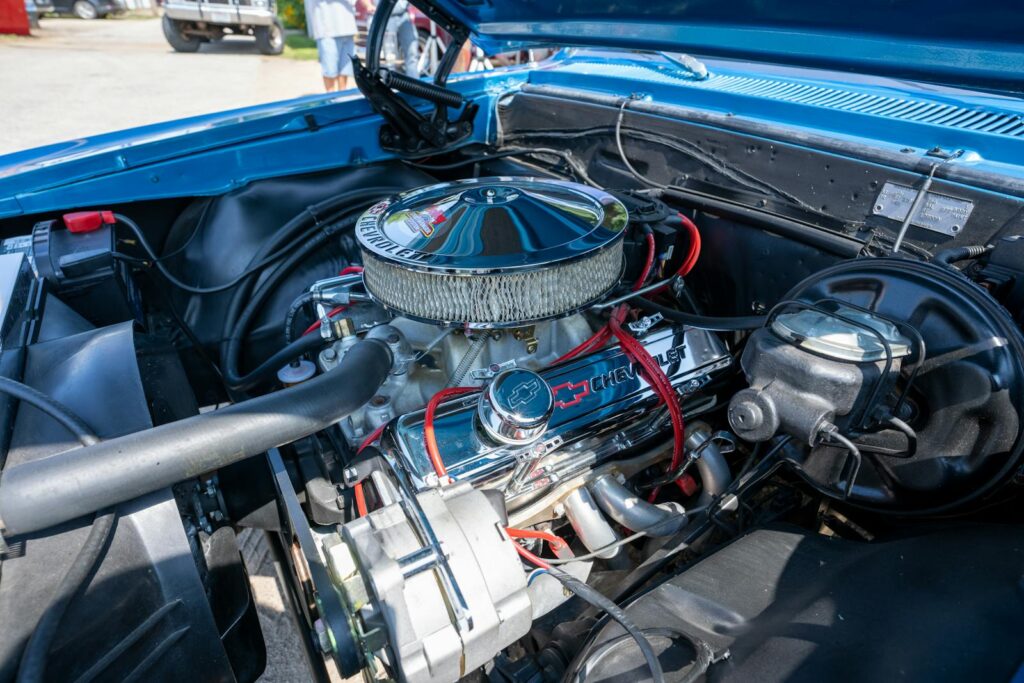
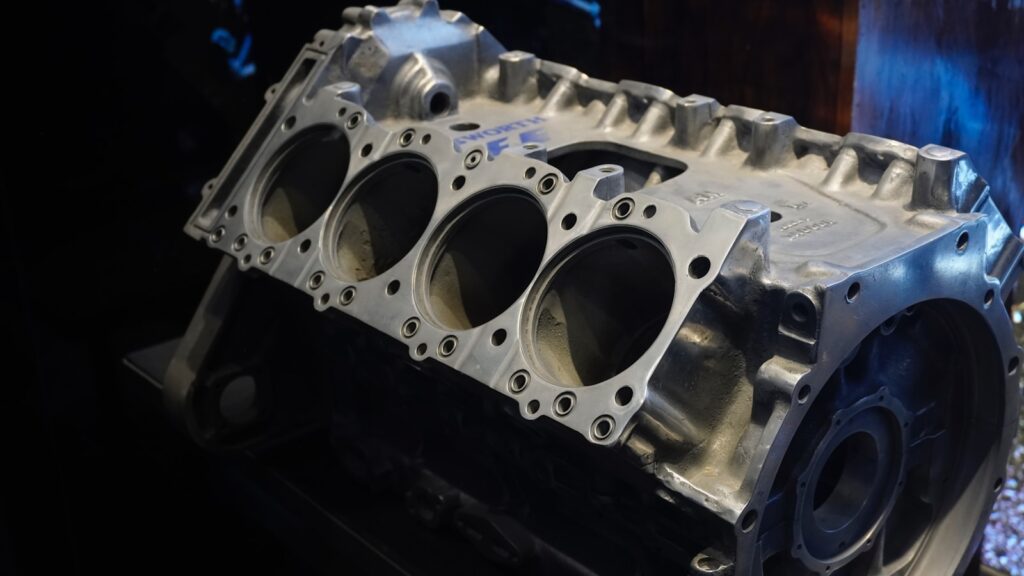
Lately, closer looks at engine breakdowns point more toward what’s happening inside the machine instead of outside influences. The parts drawing most attention? Connecting rods along with the crankshaft setup they turn explosive pressure into movement that drives the vehicle. Under heavy load these pieces face intense strain, so their shape and size must match exact standards when built. Slight flaws during making them might not show up right away yet weaken performance over time. Because of this, understanding the problem takes careful analysis and deep knowledge of how things wear down.
Engine Part Breakdown Review Notes:
- Connecting rod structural stress concerns
- Crankshaft assembly durability investigation focus
- Manufacturing tolerance deviation risks
- Oil pathway flow irregularity issues
- Internal wear under load conditions
Tiny changes in how parts are made might explain why they behave differently when pushed hard. When pieces do not fit together just right, pressure inside the motor spreads unevenly. Sometimes, oil moves unpredictably or carries tiny particles through channels meant to stay clean. Over time, those issues tend to wear things down faster than expected. Under actual road conditions, slight production gaps start to matter more than they seem. Small flaws grow heavier in impact once the vehicle is moving. How something was smoothed or shaped at the factory can shape its fate later on.
Deep inside the machine, the trouble begins where few tools can reach. When flaws live within the engine’s foundation, they resist quick fixes or remote patches. Instead of tweaks, what follows tends to involve reworking essential parts. Fixing such issues pushes projects toward heavier redesigns. More layers get involved, raising expenses along the way. Accuracy matters most when every piece must bear extreme forces.
5. Problems With Suppliers and Making Products
One more twist in the mix shows up when different suppliers enter the engine-making picture. Components vital to function come from outside makers, yet every piece needs to fit tight engineering rules. A slight shift in materials, how parts are cut, or surface finish might snowball into problems after assembly. So the path those pieces travel matters just as much as the machine they build. Because of that, focus now stretches past blueprints and prototypes.
Supply Chain Quality Issues and Production Delays:
- Multi supplier component dependency system
- Strict engine specification compliance requirements
- Manufacturing variation tolerance sensitivity
- Cross facility production consistency challenges
- Quality control inspection process scrutiny
Out of step, the machines at separate factories start to matter when parts must fit just right. Though everyone follows rules, one workshop’s tweak here, another’s adjustment there they add up unseen. Stress hits an engine hard, revealing gaps hidden during calm checks. What seems tiny multiplies fast where power surges. Working apart, yet needing lockstep timing this tight link decides outcomes behind the scenes. Every supplier’s rhythm echoes down the line.
Now more attention focuses on how things are made and checked. Not just one flaw anymore instead, people see problems could come from mismatched plans and actual building work. What stands out here is how intricate car making looks today. Dependability comes less from clever designs alone, yet equally from steady control during each production step. Tight links between parts makers and main factories matter most in the end.
6. GM Recalls Vehicles Over Safety Concerns
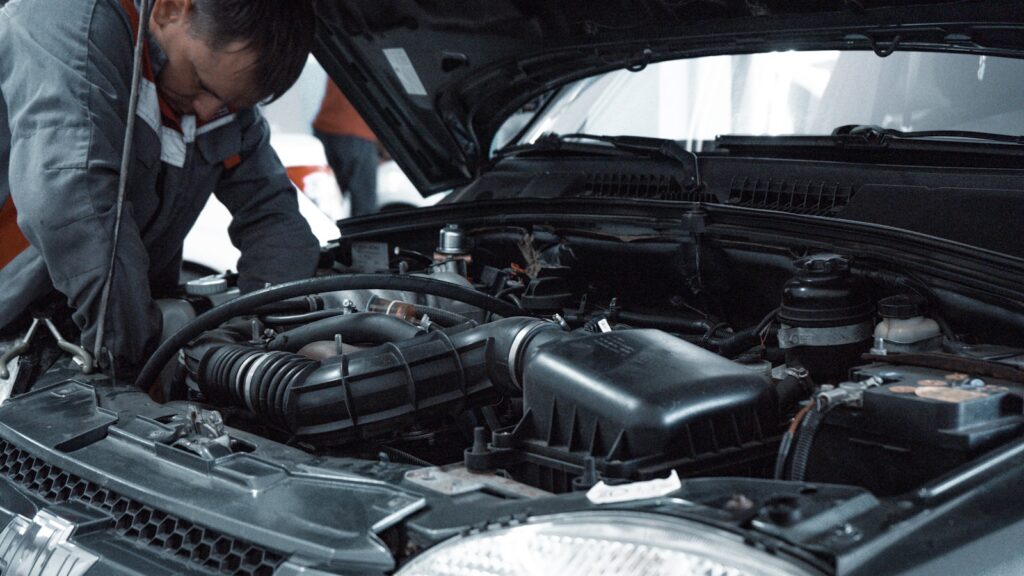
From inspection points at dealerships, General Motors pulls in vehicles needing attention based on a clear recall system. Each engine gets checked one by one some need fixing, others only small corrections, while a few must be swapped out completely. Rather than replacing everything across the board, effort lands where risk runs highest. By doing so, the flow of repairs stays steady without overwhelming service channels. Safety holds firm, spending stays reasonable, work moves smoothly not too fast, not too slow.
Recall Execution and Maintenance Strategy Highlights:
- Dealership level engine inspection process
- Condition based repair or replacement decisions
- Targeted high risk vehicle identification approach
- Updated oil viscosity maintenance recommendation
- Revised long term service guidance system
Some cars that clear inspection now follow new care steps from GM, meant to keep engines running smoothly over time. Because older models showed certain weaknesses, thicker oil is now suggested to ease strain inside moving parts. While past rules stayed unchanged, current ones shift toward fluids that handle heat better. Even small wear points get attention now, since tiny issues can grow faster than expected. Instead of rebuilding systems outright, these updates aim to catch problems before they start. Fewer breakdowns happen later when early habits change subtly.
Still, even with clear plans in place, plenty of car owners hesitate to believe the fixes will hold up. Because what if the changes only lower the chance something breaks instead of solving the real problem. Drivers question if flaws are built into how the engine was made from the start. That doubt keeps conversations going about whether these vehicles will last. So getting people to feel confident again sits heavy on GM’s shoulders ahead.

7. Expansion of Federal Investigation
Regulatory authorities have continued to expand their review as additional reports and complaints related to engine issues have emerged. This includes cases where failures were reported even after vehicles had undergone recall-related service or inspections. The increasing volume of data has prompted a more detailed and ongoing investigation into the situation. As a result, oversight agencies are examining whether the existing corrective measures are sufficient. This has made the issue more complex and continuously evolving.
Regulatory Review and Investigation Progress Highlights:
- Increasing volume of owner complaint reports
- Post recall failure case analysis focus
- Federal level investigation expansion activity
- Ongoing technical data reassessment process
- Unresolved root cause evaluation status
This development adds a significant layer of complexity to the overall situation. When mechanical issues continue to appear even after corrective actions have been applied, it raises questions about whether the root cause has been fully identified. It also suggests that additional technical factors may still need to be understood or addressed. This uncertainty keeps the investigation active and subject to ongoing updates. As more information is gathered, the scope of analysis continues to broaden.
For vehicle owners, the ongoing federal review means the situation remains unresolved and still developing. Final conclusions have not yet been reached, and official guidance may continue to evolve based on new findings. This creates an environment of uncertainty regarding long-term reliability and future service actions. Many owners are closely monitoring updates to understand potential impacts on their vehicles. Ultimately, the investigation remains an active process rather than a closed case.

8. Trust and Engineering Confidence
It started with doubt. Customers noticed something was off durability didn’t feel certain anymore. Trust slipped because what used to be steady now seemed questionable. Buyers expect things to work the same way every time, without surprises. When that changed, reactions followed fast and stayed. For trucks, reliability isn’t just about specs; it shapes how people see the name behind the vehicle. Confidence fades quickly if promises aren’t kept. Engineering once felt solid, now questions linger longer than before.
Customer Trust and Technical Confidence:
- Long term reliability expectation disruption
- Truck buyer consistency dependency factor
- Engineering guidance change uncertainty impact
- Maintenance instruction revision confusion effect
- Customer perception versus design intent gap
Now things shift because new rules on oil and upkeep leave car owners unsure. Once people stuck to fixed schedules, but today’s advice tells them to change that rhythm. Even if the facts behind updates check out, they seem at odds with past directions. What felt clear before now carries doubt especially over time. So how these changes get explained matters just as much as the specs.
Surprisingly, what engineers plan doesn’t always match how people actually feel using it. When updates appear no matter how well justified the moment they arrive shapes reactions more than expected. Because memories of earlier promises linger, owners see adjustments differently than intended. How things are shared ends up shaping outcomes just as much as the fix itself. Matching logic with clarity becomes less about answers and more about connection.

9. How Buyers Respond When Markets Shift
Now things feel different. Shoppers act slower when looking at GM vehicles, both fresh ones and secondhand picks. A question pops up often what kind of motor sits under the hood? Choices get weighed longer now. Some folks just wait, hands off the wheel, holding back until facts settle down. Decisions take time these days. Clarity matters more than speed. Doubt shapes how people move. The mood across lots has shifted without noise or signs.
Market Sentiment and Buying Trends:
- Increased buyer caution in truck market
- Engine comparison driven purchase decisions
- Waiting to spend, held back by not knowing what comes next
- Rising interest in diesel alternatives
- Protection worries shape how warranties get handled
Buyers lately show greater interest in different engine types, especially diesel models among GM’s offerings. Their appeal often ties to a track record of toughness when pushed hard over time. Still, people aren’t turning away from GM trucks altogether. It’s more about weighing what might go wrong before deciding. So now, picking an engine weighs heavier on the mind during buying moments.
Nowadays, vehicle owners care more about staying protected down the road. Talk of longer warranty options often comes up when they discuss upkeep. Because surprises cost money, people look for steady support through maintenance plans. With time, safety nets from makers matter more than before. When machines break less, choices change both in what folks buy and whether they keep it.
10. Future Outlook for General Motors
How things turn out hinges on GM fixing durability over time, also if new engines actually deliver as promised outside test conditions. Progress in design tweaks matters, so does stricter control over parts makers, plus what safety reviewers uncover down the line. All these pieces add up they decide if problems stay small or force big shifts in how vehicles are built. Right now, nothing is settled, many moving parts shape what comes next. What happens soon will set the tone far ahead.
Future Recovery and Engineering Direction Highlights:
- Long term reliability restoration focus
- Engineering redesign and refinement process
- Supplier quality control strengthening efforts
- Regulatory outcome influence on strategy
- Next generation V8 development direction
Fixing an engine problem isn’t the real hurdle for GM. Reconnecting with buyers who once stood by the brand forms the tougher part. Trust, once shaken, doesn’t return overnight in a world where dependability shapes reputation. A working fix on paper means little if people still doubt what lies beneath. Progress shows not just in performance but in how openly mistakes are faced. Steady actions, clear messages, honesty these quietly rebuild what broke. Recovery lives more in behavior than in announcements.
With each new piece of information plus ongoing checks on impacted trucks, the path ahead slowly takes shape. Still, nobody knows how fast people will believe again that hinges on actual performance, not just claims made in labs. What happens next rides heavily on field reports, tweaks under the hood, and what owners actually say about their rides. Trucks powered by GM’s big eight-cylinder engines down the line might carry quiet signs of this rough stretch. In the end, things pivot here trust isn’t built the old way moving forward.