

Beyond the Bombers: 10 Vital WWII Transport Aircraft
Airplanes are usually more talked about for their speeds and dogfights, like bombers are talked about because of how they carry so many bombs and because they fly with an imposing bulk, but when all is said and done logistics decide if war is won or lost. The capability of moving humans and materiel, as well as anything that needed to be transported for miles and miles distance is what decides victory and defeat for a country. Logistics decided the fate of the nations fighting World War II and among the many logistical devices used was transport aircraft. It did not carry with its, what they might consider more appealing military counterparts the stigma and reputation of a fighter jet or the awe inspiring nature of an enemy bomber, but transport planes were important.
Transport planes were used in all of the world’s great military powers during WW II across all theaters of the war-from the icy planes of Europe to the jungles of the Pacific-the backbone of the transportation was comprised of air transport and planes designated for logistics; they brought soldiers to battle, supplied armies with munitions, food, fuel, medical supplies, and any other thing needed and could get a lot of soldiers out to combat quickly. In numerous instances they carried supplies that a nation would never have had the ability to get where they needed them to go and would have meant defeat had it not for air transport. Transport aircraft also performed life-saving services, they brought soldiers away from combat areas so they could receive care from a doctor on a functioning medical facility, not the front lines. Bringing wounded out on transport planes helped to ensure that men that were shot or seriously injured were not left to the fates on the battle lines and, also to some extent; to show to soldiers that no matter what, even when seriously wounded, they will get care.
These transport aircraft took their crew of volunteers and airmen out under difficult conditions from taking fire to battling severe weather, or flying over enemy terrain where they had to avoid fighter attacks, etc. In this article we have decided to provide 10 of the more notable transports that contributed greatly to the overall war effort. In the development of several of these transports a wide variety of design types and civilian planes are mentioned, including a wide variety of planes that were used by a very great number of countries and that were in development due to the urgency of war conditions and the speed at which developments must have taken place to counter other countries.
1. Messerschmitt Me 321/323 Gigant
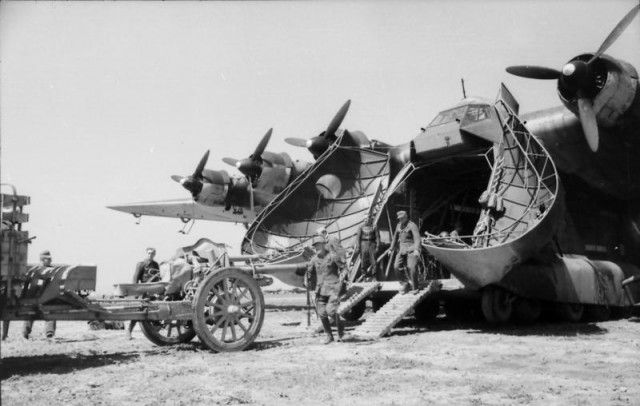
A colossal plane would have to be deployed to transport equipment across the English Channel before the German invasion of the UK. These heavy goods would travel by the Messerschmitt Me 321 a giant troop transport glider that was constructed within weeks. Its wingspan was the same size as that of the B-52 and although incredibly capable, it was extremely difficult to launch effectively using towed launching which was proven unsafe and unreliable. The transport was developed and later transformed into an engine equipped transport named the Me 323. Despite its being incredibly vulnerable, the plane went onto become a valuable asset in troop transport and incorporated design principles used by the aircraft transport systems we use today.
Colossal Design Meets Battlefield Reality:
- Massive wingspan design
- Difficult launch operations
- Converted into powered aircraft
- Six engine heavy lifter
- Vulnerable to enemy fighters
Me 321 Gigant A heavy German cargo glider that was developed in World War II for extensive air assault support purposes, although actual operational utilization never became widespread because of the general lack of towing planes and its own general susceptibility to air attacks when in flight. The transport had exceptionally difficult flight handling on the ground at either takeoff or touchdown bases. In later developments Me 321’s eventually evolved to become Me 323 with somewhat simplified flight handling, though also with a decreased payload capability. In spite of these measures ground and airborne susceptibility was ever a continuing problem limiting the aircraft’s utilization throughout its service life considerably.
2. Junkers Ju 90
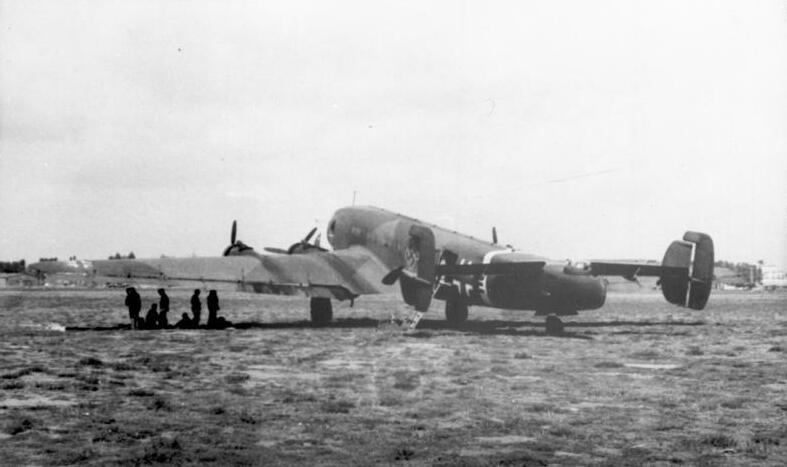
Designed initially as a potent and potent passenger airliner, the Junkers Ju 90 was soon being transformed into military transports for use in the war. Its engineers quickly set to redesigning the plane with a larger frame and better, more capable engines that could support a much greater strain and carry its greater payload as the Junkers Ju 290. In doing this the Ju 290 turned into a very capable heavy transport plane with capabilities it hadn’t even originally been intended to possess and would go down as an important technological step forward. The transition of the Ju 90 for civil to military purpose serves as proof of how the world of aviation grew with wartime pressures and was capable of a quick switch from supporting the civilian world to supporting the military at many various places.
Innovation That Changed Aircraft Loading Forever:
- Started as airliner
- Converted to military use
- Enlarged Ju 290 variant
- Powerful engine upgrades
- Increased load capacity
But perhaps the biggest innovations of this aircraft were the hydraulic rear loading ramp called the Trapoklappe that enabled vehicles to be loaded straight into the plane and what allowed its operators to raise the fuselage until it was almost parallel with the ground. It was introduced into service in 1942, where the Ju 290 was used in Stalingrad before later having a long-range variant that could be used in maritime patrol duties, with a special one modified for the personal transport of Hitler himself before it met its untimely end without him even stepping into it.
3. Avro York
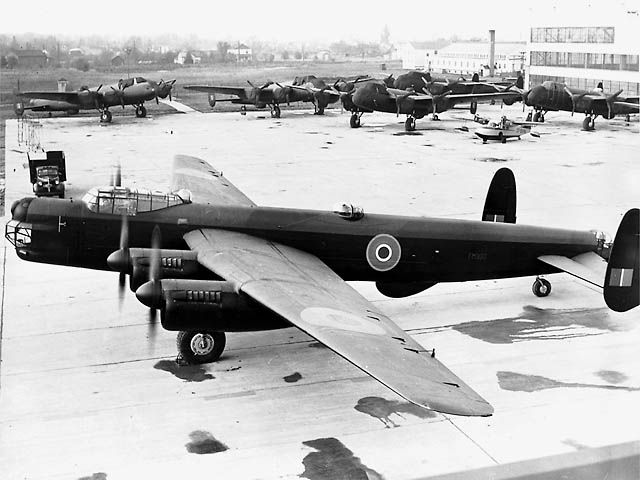
The Avro York utilized the highly capable wing, engine and undercarriage of the popular Avro Lancaster bomber and incorporated a new square fuselage that gave a great deal more space internally and was much better suited for carrying cargo. It first flew on July 5th, 1942 and was a good example of using what you already had to good use, however its production was limited since the factory’s main focus was building Lancaster bombers at the time. It showed that a bomber aircraft could be made into a dependable transport airplane.
From Bomber Roots to Transport Role:
- Based on Lancaster design
- Larger cargo fuselage
- First flight 1942
- Limited production numbers
- Efficient design reuse
Its quadruple Rolls-Royce Merlin engines could push the York to 298 mph and while few were ever constructed, its contribution to wartime diplomacy was undeniable. The prototype, known as Ascalon, served as the private transport of the Prime Minister Sir Winston Churchill, Queen George VI, and all of the Allied war leaders to conferences at Cairo, Tehran, and Yalta, thus demonstrating how important air transports could be in diplomatic missions as well as war.
4. Savoia-Marchetti SM.82 Kanguru
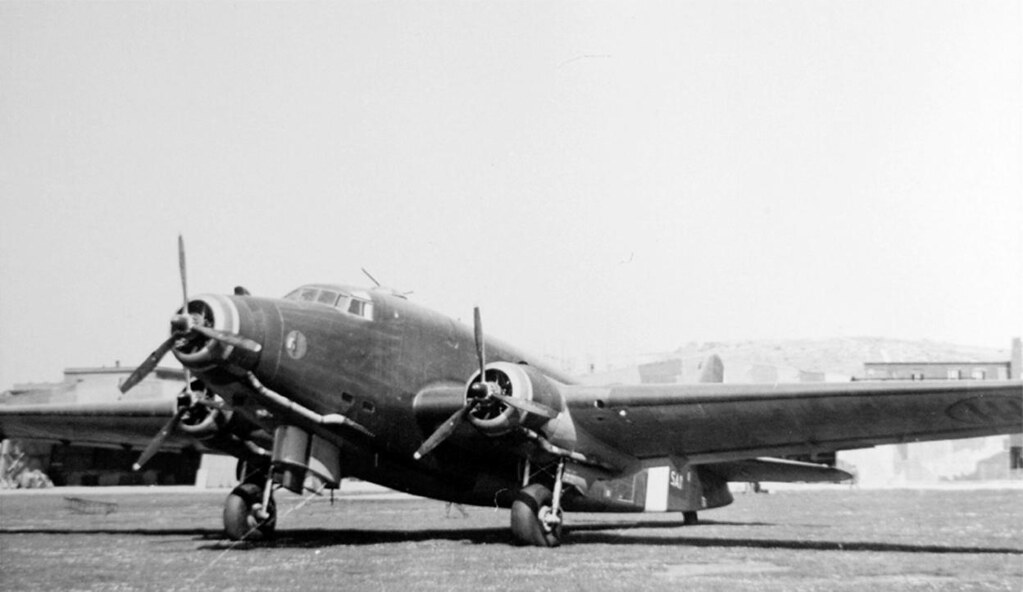
As effective a transport aircraft as any other operated by the Axis powers in quantity, the Savoia-Marchetti SM.82 Kanguru, would serve both the Italian and eventually even the German forces, and Allied forces after 1943. And it would continue in service well into the 1960s as probably the most useful of Italy’s combat aircraft, and it proved that transport aircraft could be essential support assets, useful in several capacities and operating in any environment to keep the fighting forces supplied in numerous locations.
Italy’s Most Reliable Transport Workhorse:
- Highly versatile aircraft
- Served multiple forces
- Long service lifespan
- Strong operational reliability
- Effective in large numbers
Built from a design based on a commercial airliner, the SM.82 had made its maiden flight in 1939 and was impressive, a prototype had completed a non-stop trip of 6,214 miles, this had great logistic importance as it had transported supplies to Italian troops in East and North Africa, it once landed with 51 fighters, and engines. This 726 plane was evidence, that countries renowned for fighter aircraft can also build highly effective transports for large distance logistics.
5. Curtiss C-46 Commando
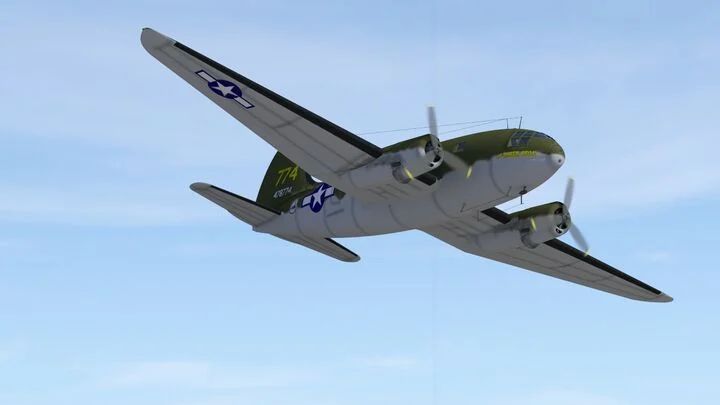
Built from the CW-20 airliner modified into a troop transport, the unpressurized fuselage and massive cargo doors of the C-46 were additional war adaptations. The Commando first flew in 1940. It could fly 55 passengers or 33 stretchered sick and wounded troops.
High Altitude Workhorse of the Skies:
- Derived from CW-20
- Large cargo capacity
- Passenger and casualty transport
- Strong military redesign
- Versatile operational roles
A twin engine aircraft, the C-46 had an excellent high altitude performance. It was needed to fly “The Hump” between India and China over the Himalayas, and also used to tow gliders on large operations including the crossing of the Rhine. By the end of the war 3,330 were delivered. Reliability and good performance cemented its position as one of the Allied force’s key transport aircraft.
6. Junkers Ju 52/3m
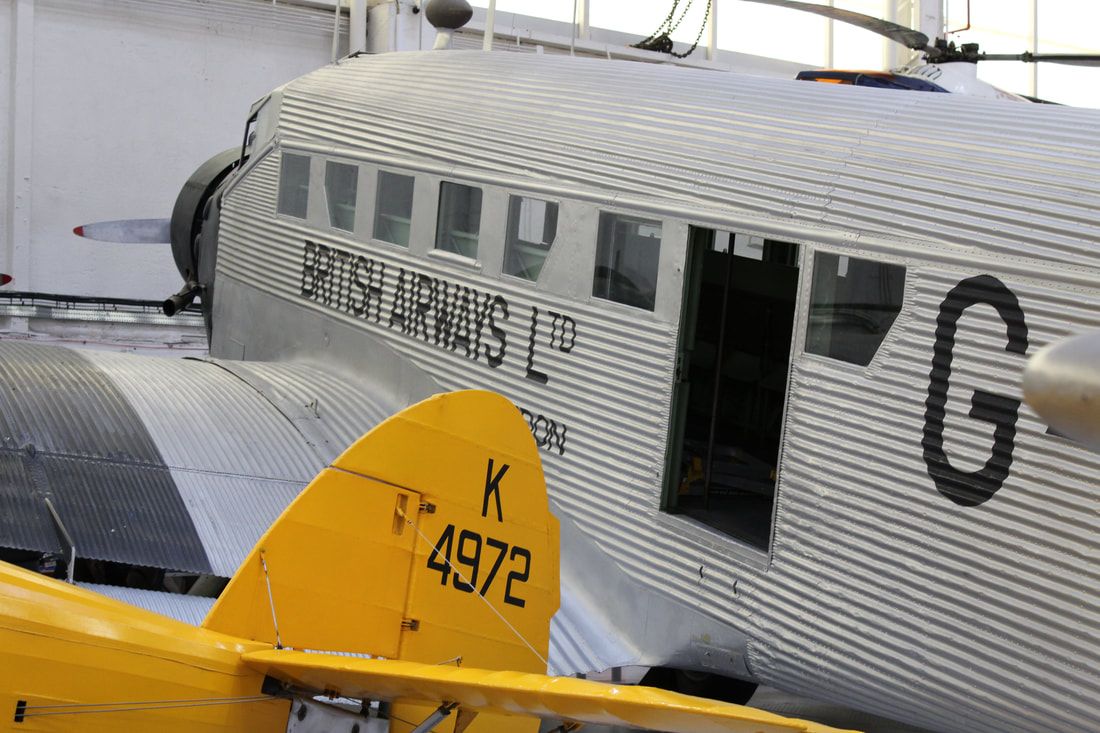
The Junkers Ju 52/3m is also known as “Tante Ju” and “Iron Annie” is an all-metal aircraft that was developed in Germany. He made its debut in the original variant with a single engine. Then an improved model was produced with a triple engine and this aircraft, robustly designed trimotore soon caught the eye of the Luftwaffe and took over not only the transport, but also as bombers.
The Backbone of German Logistics:
- Trimotor aircraft design
- Highly rugged structure
- Dual role capability
- Early military adoption
- Widely used across fronts
It began life as a troop carrier during the Spanish Civil War, shuttling troops from Morocco into Spain, but as a common sight throughout World War II, it supported a number of troop and supply drops to various fronts, including air assaults. Although vulnerable to attack and susceptible to high loses from enemy fighters, especially during the North African campaign and during operations at Stalingrad, because it remained very dependable and over 4,800 were made including a few, for use in the French and Spanish air forces, which did not cease construction of it until 1952.
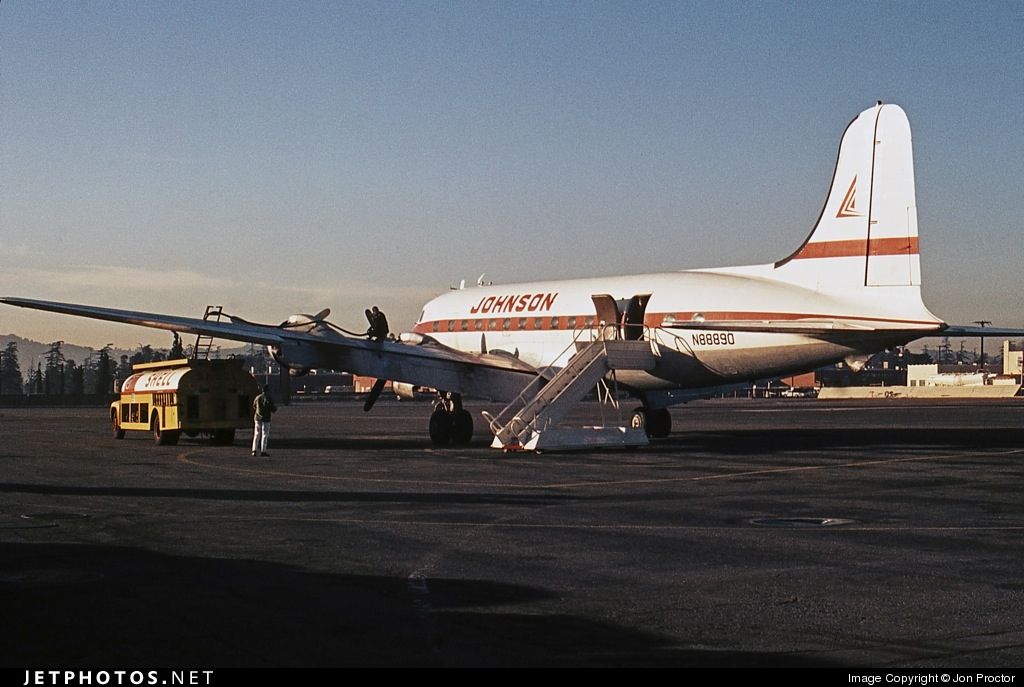
7. Douglas C-54 Skymaster
The Douglas C-54 Skymaster took the pre-war DC-4 airliner and modified it to suit military transport. De-lux features were removed, strengthened floor and massive cargo doors make it an effective workhorse during the war. The US Army was quickly converted to its potential use, ordering huge quantities, its versatility was key from carrying goods to flying VIP’s, The Skymaster was the work horse of allied logistics to and from many remote and hard to reach locations.
Versatility Meets Strategic Importance:
- Based on DC-4
- Strong cargo structure
- Large loading doors
- Multi-role adaptability
- Widely adopted aircraft
The plane made frequent use of as a VIP transport, bringing leaders like President Roosevelt, General Douglas MacArthur and Winston Churchill to engagements, and ferrying delegates to events, such as the Casablanca Conference. It incorporated more contemporary tricycle landing gear for a smoother ride and better stability than older designs. After the war it became a fixture of the Berlin Airlift, flying needed provisions into the blockaded city. It was recognized as one of the best and most reliable transport planes of its day.
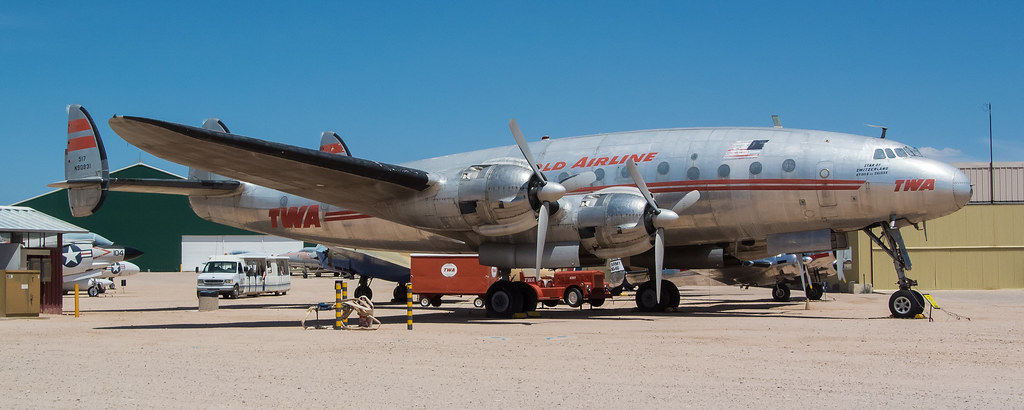
8. Lockheed C-69 Constellation
The Lockheed C-69 Constellation stood out as one of the more elegant transports to serve during WWII. It sported triple tails, a smoothly aerodynamically contoured body and took flight in 1943 as an initially intended commercial airliner that rapidly got pressed into military service. From the engineering standpoint alone, the C-69 raised the transport plane above the pack.
Ahead of Its Time Innovation:
- Sleek aerodynamic design
- Triple tail structure
- Advanced engineering features
- High speed performance
- Long range capability
These aircraft boasted some sophisticated technologies such as a pressurized cabin, turbocharged engines and power assisted controls. These characteristics allowed these aircraft to function at higher altitudes and speeds. Although only a few operated during the war, their potential was astounding. They could reach speeds up to 340 mph and had a range of over 2000 miles. What it represented was a prototype for the transport planes of the future. The Constellation also had an impact on the development of the following aircraft generation.
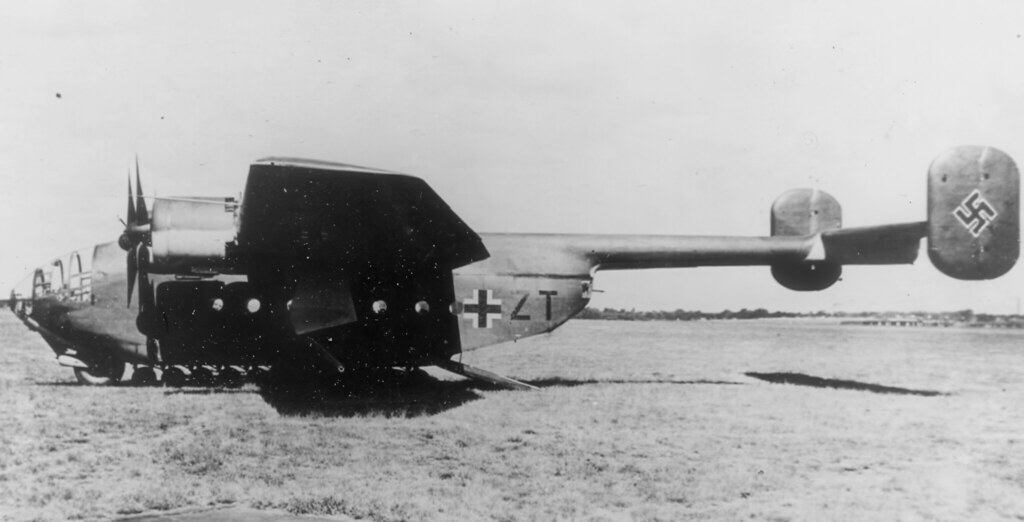
9. Arado Ar 232
One of the very few aircraft, designed from the start as a military transport is Arado Ar 232. While a number of air transports were developed from former bomber or passenger aircraft, the Arado transport, thanks to its conception, set the standards to which future transport aircraft design. The aircraft was intended to resolve standard transport aircraft issues such as: cargo and personnel handling; landing on soft and difficult terrains; take off from short and improvised airfields; as well as high operational reliability.
Revolutionary Design for Tough Terrain:
- Purpose-built transport aircraft
- Innovative structural design
- Improved loading efficiency
- Adapted for rough terrain
- Influenced future designs
Perhaps the strangest part of the Ar 232 was its peculiar undercarriage consisting of a cluster of wheels under the fuselage. This unconventional configuration lent the Ar 232 the nickname “Millipede” and it was capable of taxiing and landing on various types of surfaces including grass and even soft ground. Other novel design features included its raised twin tail assembly, as well as the rear ramp and doors that simplified the loading of cargo. While only a small number were built and at least a few of these served covert operations in the hands of special forces units, the Ar 232 also featured a design that would influence the next generation of military transport aircraft.
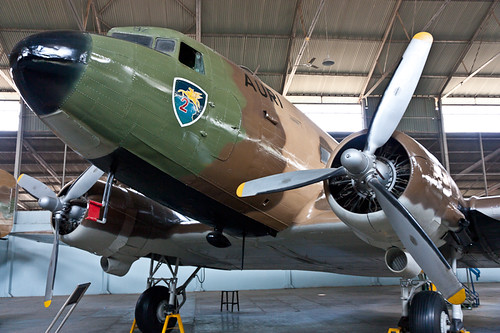
10. Douglas C-47 Skytrain/Dakota
The Douglas C-47 Skytrain, referred to as the Dakota by the RAF (Royal Air Force), was a heavily influencing military transport aircraft during WWII. This model was a modification of the familiar DC-3 airliner, adapted for war with more strengthened airframe and a greater and more powerful engine for increased payload capacity and ability. It’s simple yet robust design also greatly helped the plane to stand up to the trials and tribulations of the war which even caused General Dwight D. Eisenhower to deem it “the most important vehicle we had.” The C-47 played a crucial role in nearly every theater of the war, which made logistics, not unlike direct warfare, instrumental in victory.
The Aircraft That Helped Win War:
- Based on DC-3
- Highly reliable aircraft
- Versatile mission capability
- Critical war contribution
- Massive production numbers
From carrying troops and supplies to towing gliders, the C-47’s varied missions proved it extremely versatile throughout various theaters of operations. It’s also largely famous for its crucial role in carrying paratroopers during major events like the Normandy Landings and the Invasion of Sicily. More than 10,000 C-47’s had been produced by the time the war ended, and after that time the C-47 went on to be utilized for other tasks including Humanitarian and transport for the return of troops.