


Ford’s $325K Mustang GTD: A Supercar You Can’t Drive For 30 Days
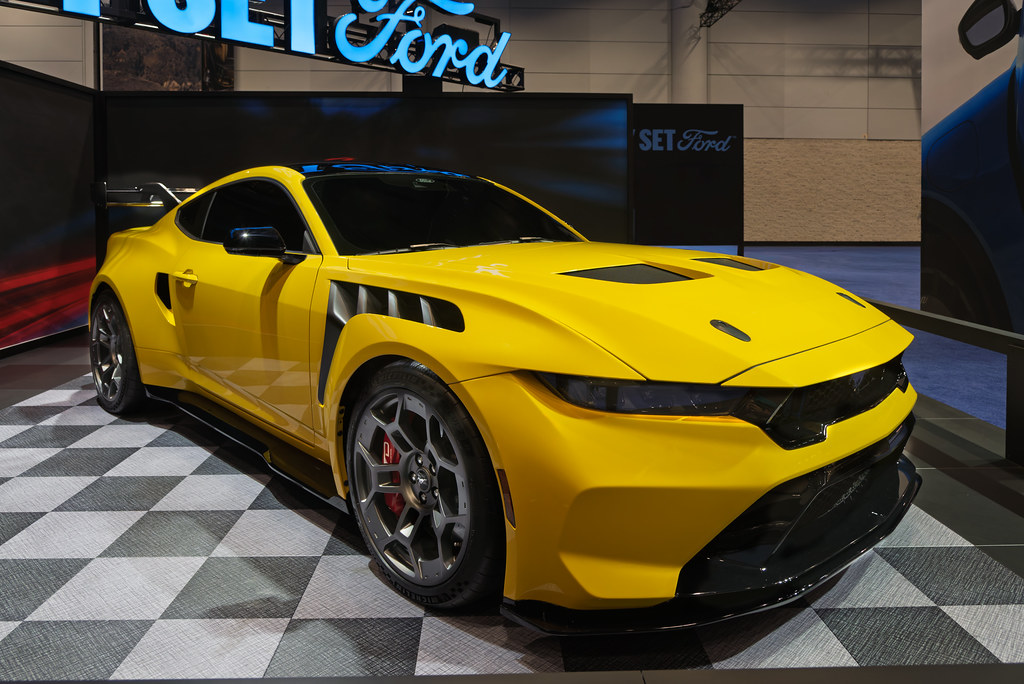
What if you finally took the keys to what may very well be the most technologically advanced and exclusive Mustang built yet? After months of waiting, applications and approvals, here is your 2025 Ford Mustang GTD delivered to your front door. Parked in your garage sits a carbon-fiber bodied monster packing more than 800 hp with engineering rooted in racing that could go head-to-head with many of the top-flight supercars in the world. Its design alone conveys aggression, with its massive wide body and gigantic rear wing promising immediate performance on the street or track.
There’s one strange requirement that comes with the purchase of the $325,000 performance car, however. While it possesses one of Ford’s most potent power plants and is designed for extreme use, Ford strongly urges owners not to drive their Mustang GTD for 30 days after it’s delivered. It’s not a safety, software or a mechanical issue. Rather, the restriction is all about the car’s special paint job and how to protect it.
It’s this unique waiting time that clearly defines just how far removed this car is from, well, your average performance model. It’s so unique, that the last phase of building it happens well after you’ve driven it home. That month-long wait to hop behind the wheel of 815 hp and turn the wick up may not be ideal for a potential owner but it certainly shows the care and attention to detail that goes into a limited production model meant to excel both on and off the asphalt.

1. The Unique 30-Day Waiting Period After Delivery
You would typically not imagine owning a supercar and not being able to drive it from the get go. For the most part, getting the keys to a powerful machine usually comes with open roads, a feeling of exhilaration, and experiences that will stay with you for life. For Mustang GTD buyers though, things have taken an unexpected turn, since Ford suggests that their new super coupe sits for a month after taking delivery before engaging in serious road trips.
Key Reasons Behind the Waiting Period:
- Advanced paint curing process
- Carbon fiber body component finishing
- Protection against surface imperfections
- Paint stability before treatments
- Preserving collector-level exterior quality
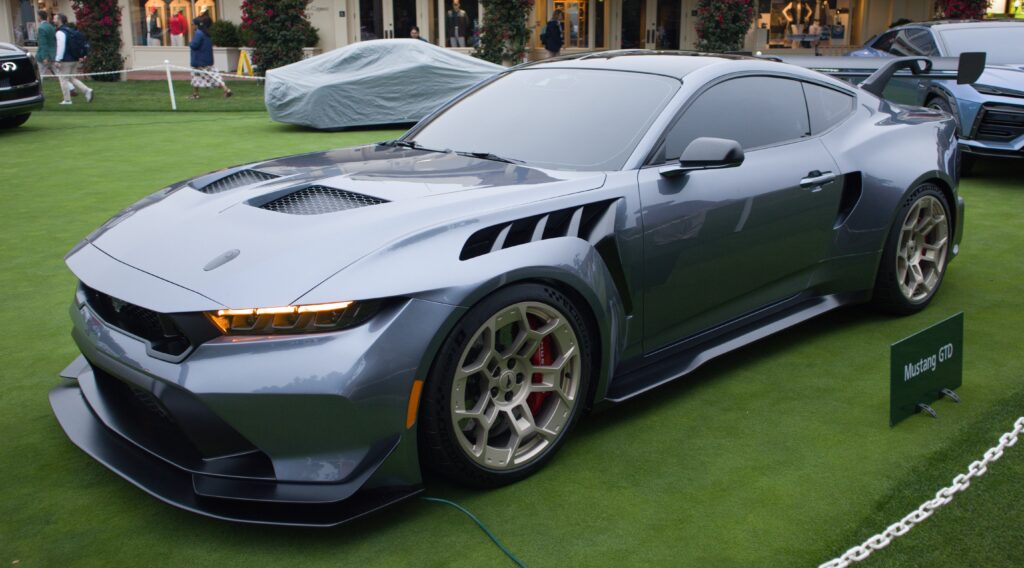
This recommendation has to do with the paint process applied on the Mustang GTD. Given the fact that the Mustang GTD has various carbon fiber body panels; this material can be processed with specific painting techniques for optimal looks and resistance. Not like typical production cars, all parts are developed and finished for this high-performance version.
While they are patiently waiting the paint layer naturally cures through a phenomenon called degassing, the solvents that trap gases are allowed to escape the various paint layers. Adding materials such as wraps or even detailing before this natural degassing has completed will disrupt the process, causing defects like bubbles, distortion, or even warping. As any owner spending that much money on a performance vehicle knows this process allows the Mustang GTD’s paint to get to where it should be before it’s driven daily.
2. Carbon Fiber Construction and Specialized Engineering
More than just a performance-focused variant of the standard Mustang, the Mustang GTD is Ford’s attempt at injecting race-car technology into a production road vehicle. Drawing inspiration from Ford’s Mustang GT3 racing program, the GTD prioritises speed and handling above anything else and puts aerodynamics and efficiency high on its agenda.
Key Engineering Features:
- Race-inspired GT3 technology influence
- Extensive carbon fiber body construction
- Lightweight performance-focused design
- Improved handling and balance
- Precision manufacturing techniques applied
Significant use of carbon fiber to cut weight and bolster rigidity is a key feature of the Mustang GTD. The reduction in vehicle mass aids with better vehicle balance and offers remarkable weight distribution that allows the driver to feel more confidence during aggressive corners at high speeds.
In other areas, the production of the carbon fiber elements has demanded manufacturing and finishing processes beyond those that would be typically used on a conventional metal body panel. Paint will need to adhere to the carbon fibre while at the same time offering a high level of finish that you’d expect from a high-end specialist vehicle. Ford will mention the importance of the curing process for this reason alone, because, from manufacturing and finishing, each element of the GTD’s production is aligned to the car’s performance DNA.
3. The Power Behind the Mustang GTD’s Extreme Performance
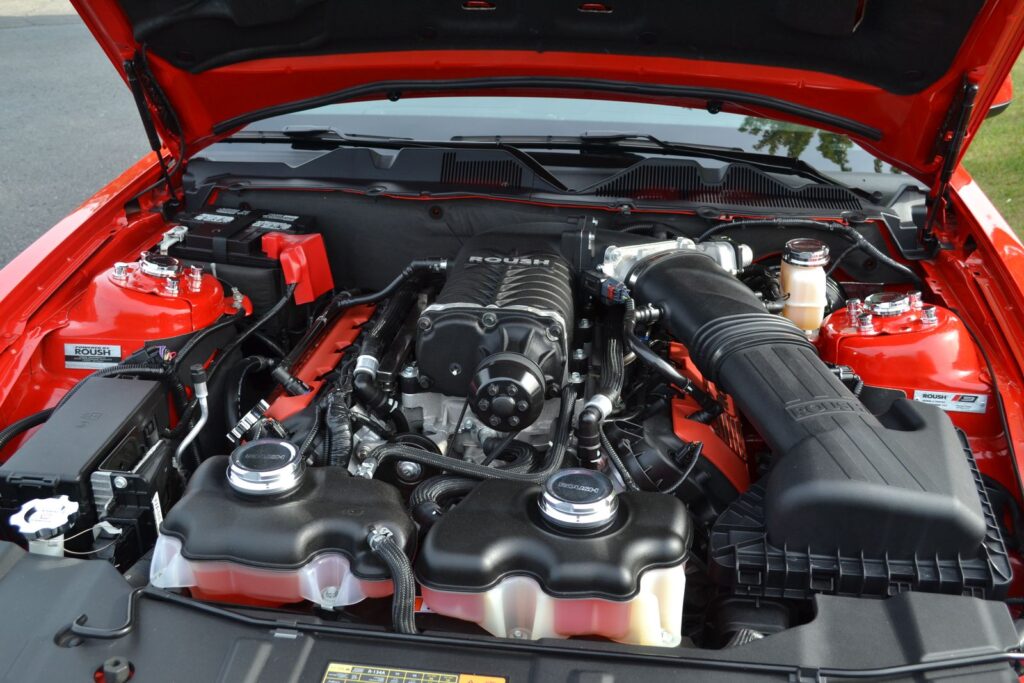
The 30-day waiting list for the Mustang GTD ensures the special exterior finish on this special car remains in good condition, but that’s not the most exciting part about the car. That’s to be found tucked behind its exterior skin in the shape of a supercharged 5.2-liter V8 producing a whopping 815 horsepower. That makes it one of the most potent Mustangs in the carmaker’s history and sets it firmly in exotic high-performance car territory.
Key Performance Highlights:
- Supercharged 5.2-liter V8 engine
- 815 horsepower output capability
- Advanced dual-clutch transmission system
- Carbon fiber driveshaft technology
- Track-focused performance engineering
All that power is distributed to the ground via a lightning-fast 8-speed dual-clutch gearbox that facilitates brisk shifts and ensures the vehicle pulls with gusto across the rev spectrum. In addition, a light carbon fiber driveshaft assists in getting power down to the rear wheels efficiently so the GTD can exploit its capabilities to their fullest.
The reason behind this choice for the Ford team was not solely the top speed. In their opinion, the Mustang GTD is not a drag strip monster, but it has to feel like it belonged on the racetrack too. Each element from the aerodynamic package and the chassis arrangement was designed for better speed capabilities in corners. This is what has transformed the Mustang into much more than a muscle car.
4. Track-Inspired Suspension and Handling Technology
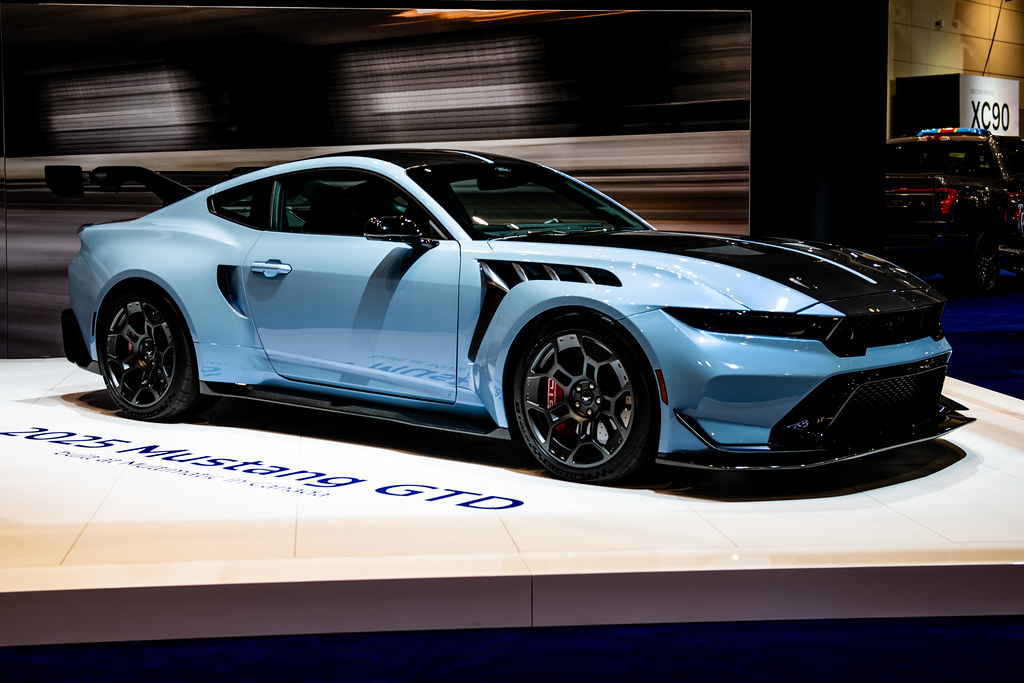
Of course, power doesn’t come cheap, especially not if you want to unleash a bit over 800 horsepower, which is the GTD’s estimated output. To get all that grunt to the ground and maintain the composure required at speed, you’re going to need some cutting-edge suspension. The GTD utilizes some of that high-performance tech Ford gleaned from motorsport in the engineering process, helping to define it as both a road-going vehicle and a road-course racer.
Key Suspension and Handling Features:
- Motorsport-inspired suspension technology
- Short-long arm front suspension
- Improved cornering stability control
- Semi-active hydraulic suspension system
- Adjustable Track Mode ride height
To allow the Mustang GTD to precisely steer the tires where the driver desires, a sophisticated short-long arm front suspension setup is used. It aids in keeping the tires on the road when the car is aggressively cornering, enabling drivers to exploit the extreme performance capabilities to a greater extent.
The second innovative element is the semi-active suspension that features hydraulic controls, allowing the suspension ride height to be adapted in accordance with driving circumstances. The GTD can be lowered by as much as 40 millimeters in Track mode, which results in better aerodynamics, a lower center of gravity, and a very dynamic ride configuration ideal for the track. This shows Ford’s objective: to develop an overall, integrated performance vehicle where engine, suspension, brakes and aerodynamics form a cohesive whole.
5. Aerodynamics Designed for Maximum Performance
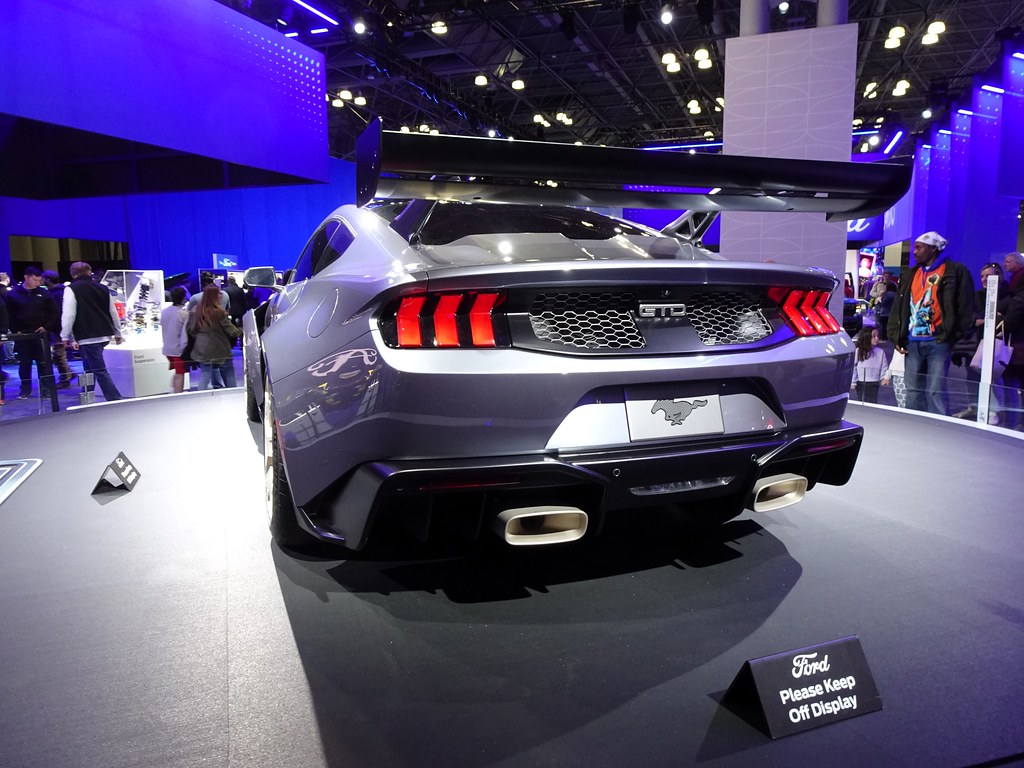
The Mustang GTD’s menacing presence isn’t just for show. Everything from the vents to the wings to the body parts have a purpose in streamlining airflow, cooling the engine, stabilizing the car, and optimizing performance at high speeds. Ford crafted the Mustang’s aerokit so that it could be driven at full tilt without losing composure.
Key Aerodynamic Features:
- Functional airflow management design
- Large cooling front air vents
- High-downforce rear wing system
- GT3-inspired aerodynamic approach
- Improved high-speed vehicle stability
Massive vents on the front manage airflow and prevent excessive heat from building in this machine’s mighty internals, and a colossal rear wing generates downforce to keep the Mustang GTD glued to the pavement through corners and shaving time off lap clocks.
With a look at the Mustang GT3 race car, this GTD’s form follows its function, and then some. Rather than looking like any other Mustang’s typical styling, Ford engineered an aerodynamics system where each bit of the vehicle was designed to be useful. So clearly, this isn’t just any Mustang.

6. Braking System and Performance Hardware Built for the Track
An 800+ horsepower car needs the Hardware to keep up. We’ve specifically tailored a brake system and hardware for the Mustang GTD, including performance suited to consistent repeated high-speed stops during on-track competition, while balancing control, durability and consistent performance.
Key Performance Hardware Features:
- Forged carbon ceramic brake system
- Six-piston Brembo caliper technology
- Michelin Pilot Sport Cup 2 tires
- Lightweight titanium exhaust system
- Track-focused performance components
The stopping power comes from Forged carbon ceramic brake system with six-piston Brembo caliper brakes are fitted to stop this beast of a car. These special brakes are able to handle extreme heat that results from some rough driving as well as save weight on this already lightweight automobile. The result are brakes that can maintain the strength needed while performing in a track situation.
Large Michelin Pilot Sport Cup 2 tyres mean enough traction exists to manage the huge power they also allow you to carry more cornering speed with confidence. A titanium Akrapovic exhaust system makes it lighter and increases the roar of the V8 soundtrack, with the entire package (brakes, tyres, exhaust etc) perfectly balanced for a motorsport-driven feel.
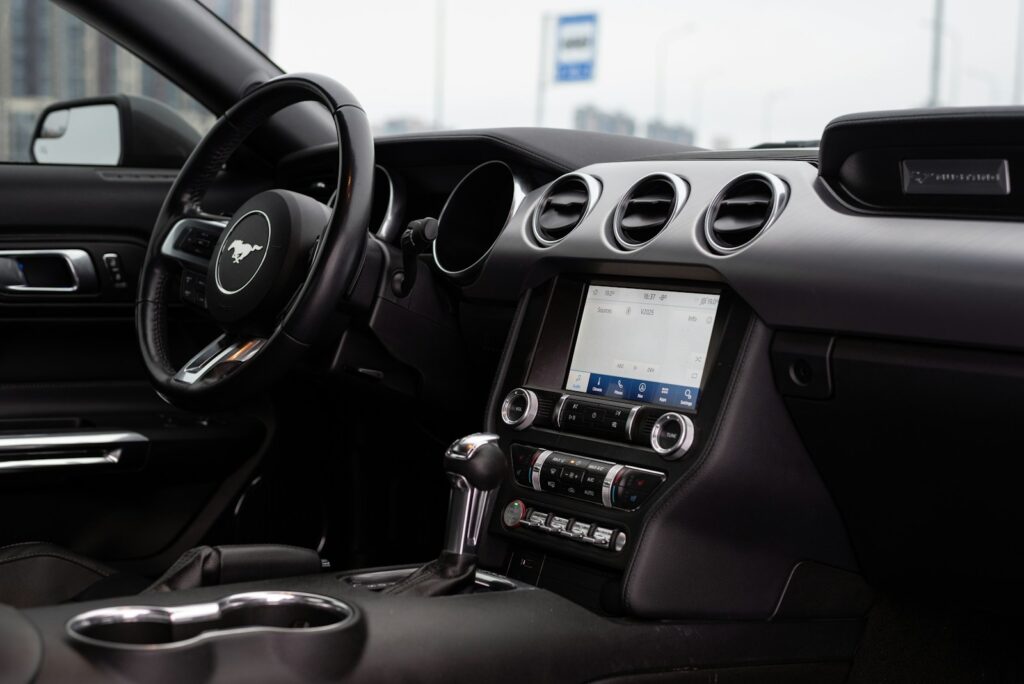
7. A High-Tech Interior Waiting for the First Drive
While the Mustang GTD sits waiting in the booth to dry, you can enjoy its hi-tech cabin as you would a regular vehicle. The GTD has more in common with a current day sports car than past V8 power houses of the automotive industry. Where past machines put it all on pure engine output, this new generation sports car also integrates modern digital technology for the complete racing machine experience.
Key Interior Technology Features:
- 12.4-inch digital instrument display
- 13.2-inch infotainment touchscreen system
- SYNC 4 connectivity technology
- Performance-focused digital information
- Driver-oriented cabin design
The dashboard includes the dual display setup with 12.4-in. And 13.2-in. Screens, a 12.4-in. Digital instrument cluster and 13.2-in. Infotainment system that show key information to the driver, and allows for customization for a contemporary user experience. Both displays reflect Mustang GTD’s high-performance persona and add luxury inside.
It also has Ford’s SYNC 4 connectivity system that comes with wireless capability, built-in navigation and phone mirroring for owners to delve into before getting behind the wheel for the first time. The anticipation itself is an ownership experience, when the owner takes time to learn controls, understand design quality and ready the vehicle for when it is truly capable of showing its best.

8. Understanding the Difference Between Paint Protection and Safety Recalls
Mustangs recommendation of 30-day driving may resemble something in a car recall letter, however there’s no mechanical fault or safety issue here-or reason for this recall. What the GTD requires is driving it during this initial 30-day period to ensure that the finish doesn’t take away from it’s sophisticated quality and look.
Key Differences Between Advisories:
- Paint protection versus safety concerns
- Quality preservation recommendation only
- No mechanical defect involved
- Safety recalls prevent injuries
- Different manufacturer responsibility levels
Ford has also been involved in much more dire, safety-related advisories, such as with Takata airbag recalls where vehicles owner were told to stop driving some models due to the risk of defective airbag inflators breaking apart in an impact and creating hazardous conditions.
That isn’t to say you should avoid this kind of vehicle issue entirely you still want to check safety recalls but it points out why a manufacturer will treat issues like that differently. You don’t have to put the new Mustang GTD on blocks and wait for some major defect to arise before driving, you just have to wait 30 days before the body is finalized so that Ford can properly apply its specialized exterior paint and treatment.
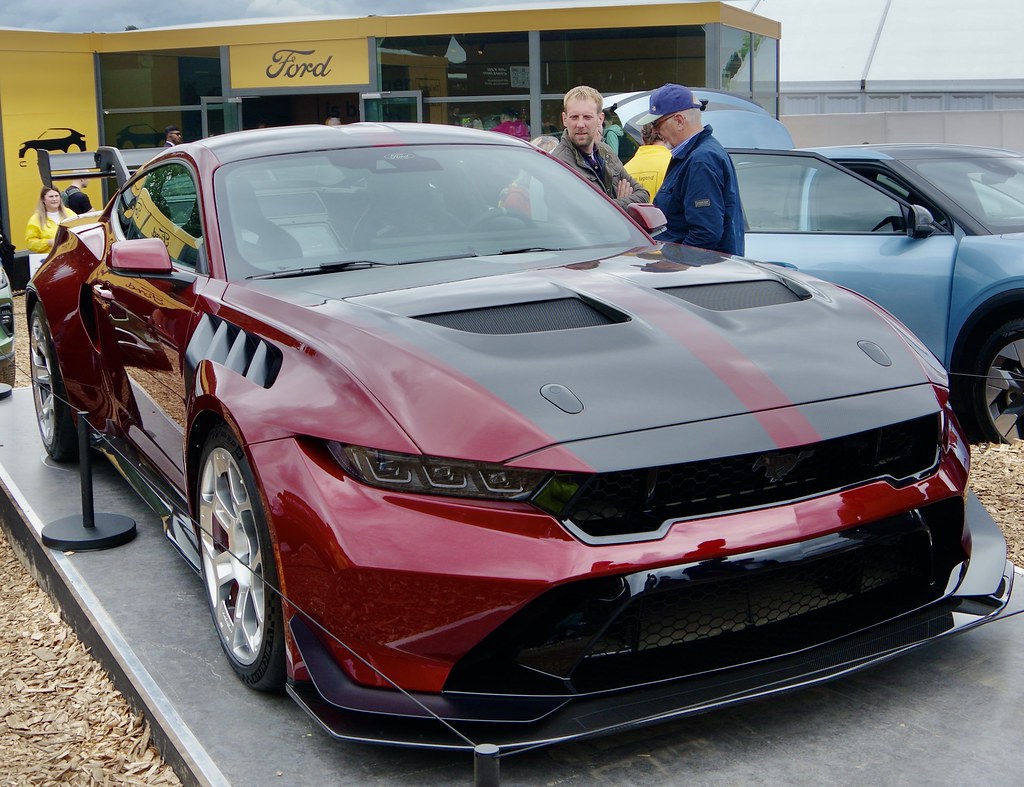
9. The Exclusive Ownership Experience of the Mustang GTD
If you’re considering purchasing a Ford Mustang GTD, this isn’t buying a regular production car. Ford specifically designed this model to be a highly exclusive and low volume performance vehicle, with expected production figures only somewhere between about 300-700 units each year in both the 2025 and 2026 model years. The scarcity factor is certainly on collector car levels.
Key Ownership Experience Features:
- Limited-production performance vehicle
- Exclusive buyer selection process
- Personalized dealership experience
- Specialized ownership requirements
- Collector-focused vehicle journey
The GTD process, is also a mirror to how special this car truly is. No, you cannot visit your nearest Ford dealership and put one in your drive way today. Ford requires those who wish to purchase one to actually fill out a questionnaire, that helps them decide who gets one, or should be given a opportunity to buy one that truly appreciates the engineering, history and cultural weight this specific vehicle holds.
While for others the dealership trip becomes an in-depth walkaround covering all the vehicle care tips, recommendations on upcoming maintenance, as well as specific ownership guidelines, in the 30-day “paint cure” this element is added on after the vehicle has already left the dealer lot. These are ownership experiences defined by patience, appreciation and a fanatical pursuit of quality-the kind that shows you why the Mustang GTD is not merely a performance car but rather the ultimate machine.
10. The First Drive Will Be Worth the Wait
Perhaps the hardest aspect of owning a Mustang GTD won’t be handling its 815hp output or even familiarising yourself with its complicated performance features. Instead, a common dilemma for new GTD owners will likely be patience holding off from firing up the motor and getting this incredibly unique car out on the street.
Key Reasons the Wait Matters:
- Protecting the final paint finish
- Preparing for first driving experience
- Building emotional ownership connection
- Appreciating engineering craftsmanship
- Creating memorable first moments
How could a enthusiast ignore the sound of that supercharged V8 sitting at the back of the garage. A muscular exterior combined with such an powerful motor and a guarantee of performance really gets you hyped before you’ve even turned the key and set it in motion. But we had patience for the paintwork to finish it’s drying process to make sure we send out the car as perfect as can be.
There’s also the element of the 30 day waiting period, which will write a special chapter into the Mustang GTD ownership narrative. Many great cars are known purely for their straight-line speed, technology or lap time but with the GTD experience starting even before turning a wheel the waiting only builds anticipation, culminating in a machine conceived and engineered at the highest level, infused with racing dna and finished to perfection, each acceleration, turn and V8 soundtrack more satisfying. The Mustang GTD elevates Ford to a new tier of ambition and aspiration by coupling its supercar level technology with the timeless icon that is the Mustang.