





India’s Carrier Quest: The Perilous Russian Deal
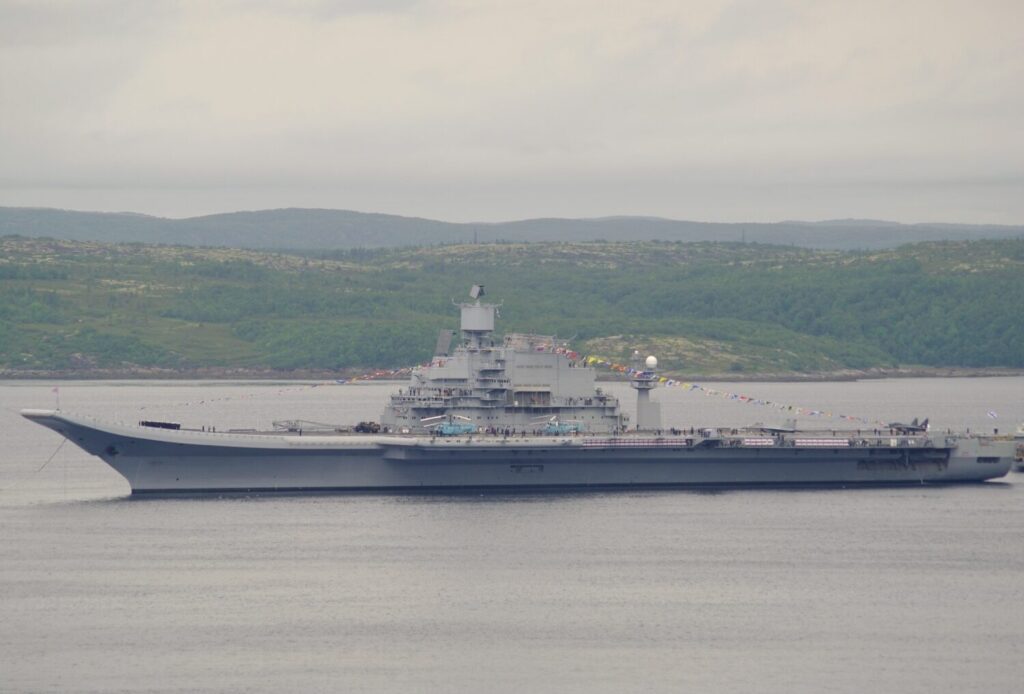
What if this Military acquisition tale of high ambitions, low probabilities, political interference and unprecedented financial risk, reads more like a real-life political saga rather than Defence Deal! Well let us look into one such intriguing and gripping saga of how India managed to put to Sea her own 45,000tonne Aircraft Carrier the INS Vikramaditya previously a derelict Soviet ship left rotting at a drydock, now the symbol of naval might for the Indian Ocean region.
To find the earliest origin of the story one has to reach back to the end of Soviet era, when Russia did own still huge ambitious naval fleet. From that time comes idea of Baku aircraft cruiser, innovative idea, because it should have been combined cruiser and aircraft carrier in one gigasized package. After fall of USSR Russian economy did have serious problems and much part of military machinery has not receive sufficient funding for maintenance.
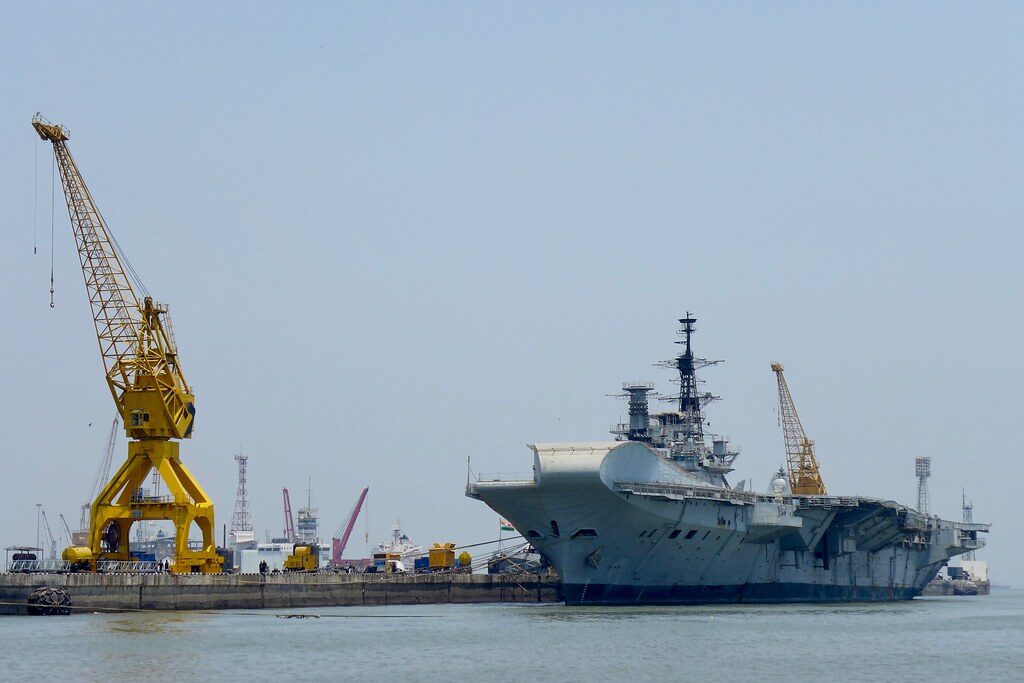
Meanwhile, India found itself in an equally precarious situation at the other end of the spectrum. For the nation navigating sensitive shipping lanes and grappling with burgeoning regional rivalry, the navy played a critical role. A retiring aircraft carrier, the INS Viraat, would soon leave New Delhi without the service, rendering New Delhi and Russia linked through possibly one of the messiest defence contracts ever struck.
1. The Soviet Carrier Behind India’s Ambition
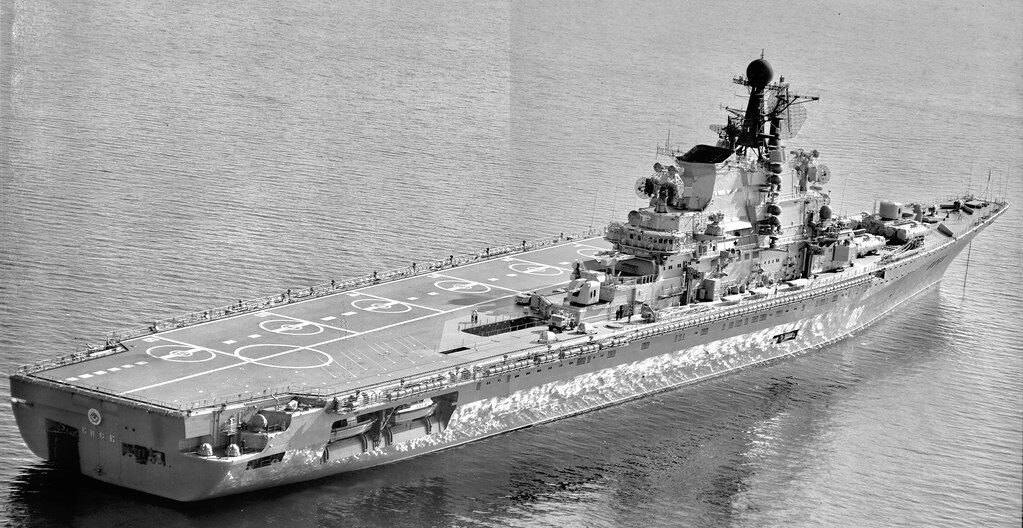
Vikramaditya’s story started as the Soviet Union’s aircraft carrier Baku in the mid-80s, a ship that exemplified the unusual cold-war doctrine at sea. Entering service in 1988, a member of the Kiev-class family of carrier ships, it was armed to a degree that put it in a class of its own, blending its aerial support capacity with more traditional ship weaponry.
Key Features of the Soviet Carrier Design:
- Originating from the Kiev-class family
- Combining aircraft and missile systems
- Reflecting Soviet naval strategy
- Operating helicopters and VTOL aircraft
- Facing post-Soviet operational challenges
The Baku had an angled flight deck along with aircraft hangars, and had a front-facing armament of antiship weapons, air defence weapons, and guns, with a mix that reflected the Soviet doctrine that carriers would not solely depend on its fixed-wing combat air Patrol, but also engage combat enemies at long distance either offensively and Defensively.
Following the dissolution of the Soviet Union the warship became Admiral Gorshkov as new Russian naval budgets were not able to sustain the large fleets. However, an incident in 1996 in the Boiler Room forced out of the water for a refit where, at the time, a new life looked slim.
2. India’s Search for a Carrier Replacement
India was interested in Admiral Gorshkov due to its desire to enhance naval presence and capability in the Indian Ocean. Being an oceanic power, aircraft carriers had a decisive importance in protecting its strategic interest and in reaching out beyond the littoral in this theatre. Being in an aged situation also required to have a new platform to fulfill this need urgently.
Key Reasons Behind India’s Carrier Decision:
- Replacing the ageing INS Viraat
- Maintaining regional maritime influence
- Avoiding long construction timelines
- Strengthening naval aviation capabilities
- Modernising an existing carrier platform
India’s challenge was that its largest carrier of decades past, INS Viraat was due for retirement. And it would take years and cost a lot to create an entire carrier from scratch for India. Therefore, an entire ready, albeit aging one from Russian seemed a viable offer and it would take India’s limited carrier fleet up in number.
Back in 2004, India and Russia signed a deal to develop an existing Soviet aircraft carrier nicknamed “Admiral Gorshkov” in 2004 into a modern warship. Russia provided its services for a basic price of $0 initially with the country promising to undertake the refurbishment of the 45,000-tonne warship itself but the deal quickly turned more complicated after engineers calculated that more funds were required over the initial $974 million estimate.
3. The Beginning of a Difficult Modernisation Project
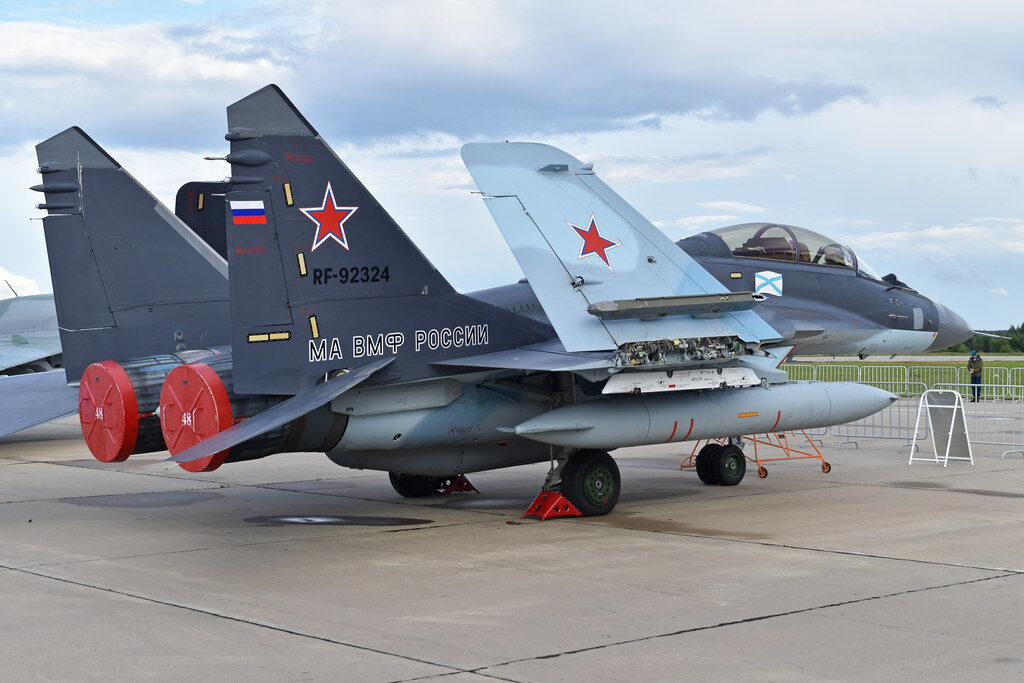
It was not a matter of just repairing the aging ship from Moscow. There was also plan of converting it into a contemporary STOBAR, a concept born out of the needs of Russian Navy but readily lapped up by Delhi to operate the newest family of MiG-29K fighters and also few naval helicopters. The refitted cruiser would be rechristened as INS Vikramaditya.
Key Challenges of the Modernisation Programme:
- Converting into a modern STOBAR carrier
- Adding advanced aviation systems
- Rebuilding major structural sections
- Facing technical and financial difficulties
- Experiencing major project delays
More significant construction work also needed to be completed, entailing thousands of the necessary modification changes, an overhaul of sensor systems, modernized command-control systems, revised aviation maintenance spaces. A ski-jump ramp was built so that fighter aircraft would be launched from the vessel as it traveled through the waves, and an aircraft arresting system was needed to catch incoming aircraft by their tails using arresting wires.
The sheer size of the project began to throw up severe problems. Russia’s Sevmash shipyard was the place to convert the carrier, but its own more extensive history in submarine design put up more hurdles to overcome. Technical difficulties, missed deadlines and contractual disputes about rising prices turned a seemingly relatively simple defence programme into a much more involved defence project than anticipated.
The original delivery schedule targeted 2007, but unexpected engineering problems caused major delays. The transformation of Admiral Gorshkov became a challenging test of cooperation between India and Russia, highlighting the difficulties of rebuilding an older warship while adapting it to modern naval warfare requirements.
4. Rising Costs and a Difficult Negotiation
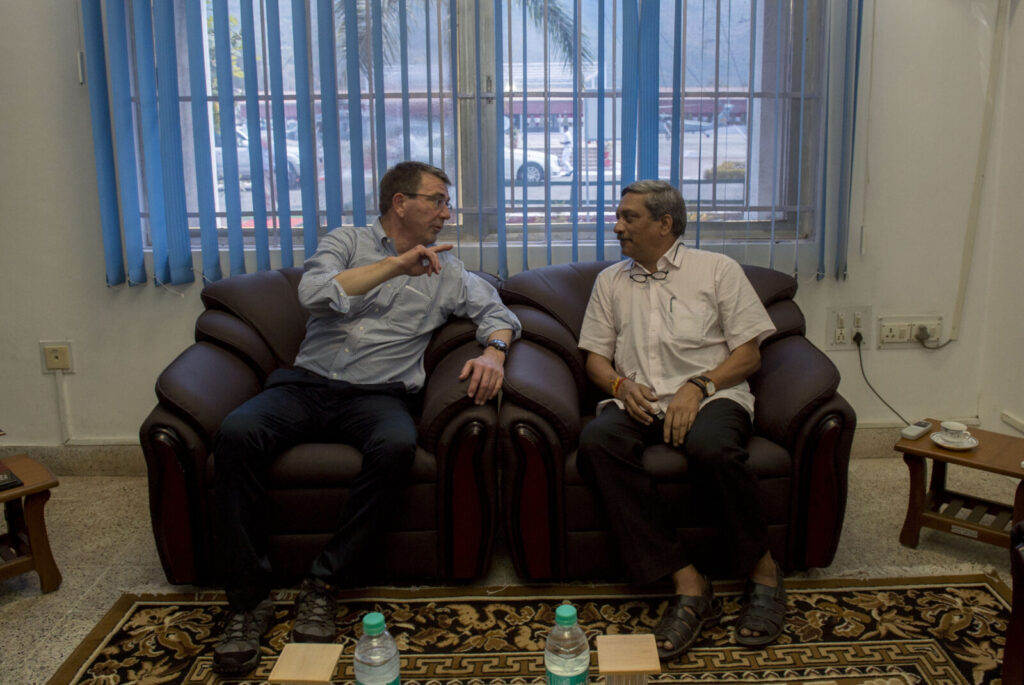
“Further complications arose when the initial timeline was missed and the Indian Navy did not receive the INS Vikramaditya.” “By 2007 it was obvious that the modernization program would still not be complete and the costs had already far exceeded the estimates, and then combined with a decrepit hull, needing reconstruction and complicated work to modernizing an aircraft carrier, serious engineering problems came in the way.”
Key Issues During the Cost Dispute:
- Missing the original delivery deadline
- Increasing refurbishment expenses
- Facing complex engineering challenges
- Negotiating additional project funding
- Managing international defence risks
Russia ultimately agreed to resume talks but demanded much more money to finish the project, saying reconstruction necessitated much more investment than initially expected. New Delhi was placed in a dilemma as it was already deeply invested, not only financially but years of planning, in the aircraft-carrier programme.
The fallout over payment led to a pause between the two governments as responsibility, price and timeline were discussed. Delays ensued as talks dragged, as does any international mega defense deal. This was also a prime example of what can happen when one tries to modernize old defense systems when it is discovered that technical issues arise on projects that are well into the initial stages.
5. The Final Push Towards Completion
The protracted delays with INS Vikramaditya meant that the deal came to need the direct attention of political leaders in both nations. Moscow put pressure on the Sevmash shipyard to bring the modernization of the carrier to the a halt and India eventually put more money on the table to allow the effort to continue. Facing public annoyance over the escalating cost and timeline, the two countries found it in their interest to ensure their historic military relationship was maintained.
Key Milestones Before Commissioning:
- Resolving major project disagreements
- Completing extensive structural reconstruction
- Conducting successful sea trials
- Adding advanced aviation capabilities
- Entering Indian Navy service
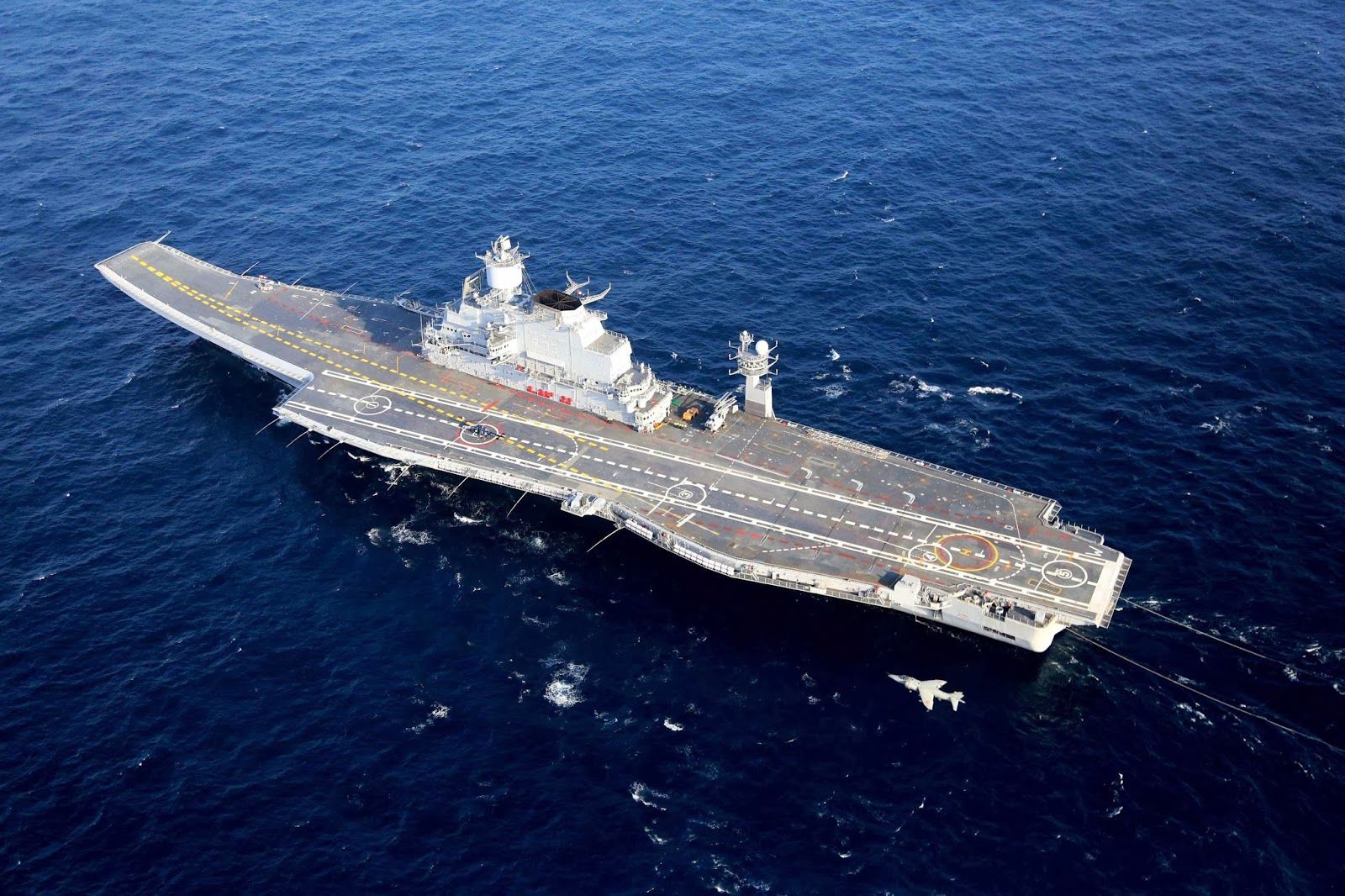
After delays of years finally at last INS Vikramaditya commences on a long journey on its first sea trials in the year 2013. The aircraft carrier INS Vikramaditya was finally completed, the refit of former Russian navy missile cruiser cruiser-carrier was made on modern STOBAR aircraft carrier.
The reconstruction required replacing tens of thousands of internal components and overhauling a complex electrical system, while also adding cutting-edge aviation equipment. The carrier was recommissioned by the Indian Navy in 2013 following a process that lasted almost a decade, pushing the final cost up considerably, to nearly 3 billion$. It serves as an iconic, if costly, illustration of the challenges and successes of major defence procurement programmes.
6. A Powerful Carrier with Major Compromises
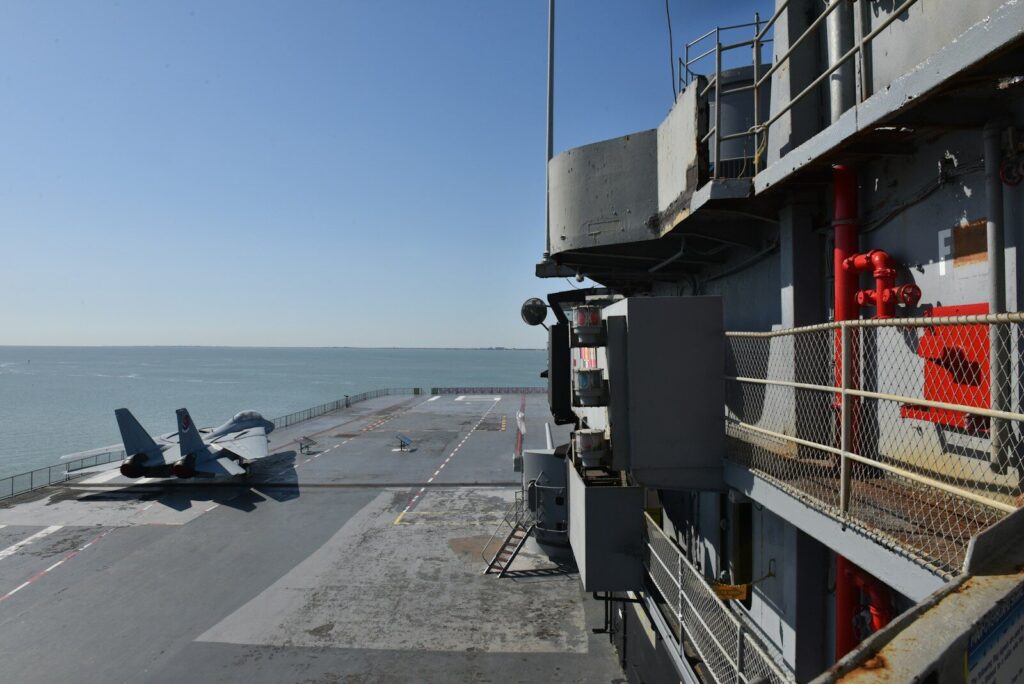
The transformation of the INS Vikramaditya proved to be an incredible engineering triumph, with an old Soviet-era cruiser remade into the flagship modern day aircraft carrier of the Indian Navy. Comprehensive rebuilding work, electronics upgrade and enhanced communications alongside a revamped flight deck now allowed INS Vikramaditya to engage in STOBAR aviation operations, including having a ski jump that allows her to fly MiG-29K fighter jets, and so once again to give India fixed-wing carrier strike aviation capability.
Key Trade-Offs of the Transformation:
- Replacing missile systems with aviation capability
- Creating a modern STOBAR flight deck
- Reducing original offensive weapons
- Increasing reliance on escort vessels
- Balancing old structure with new technology
In order to realize India’s operational objectives the carrier redesign necessitated some major compromises to be taken: much of the initial array of heavy Soviet missile systems, heavy gunnery etc. Were eliminated, in order to make space for additional aircraft related spaces, dedicated areas for storing jet fuel, additional aircraft support equipment, more advanced naval weaponry etc. The character of the ship transformed from that of an offensive weapon cruiser-carrier to a conventional strike carrier oriented towards the utilization of aircraft.
One of the most criticized limitations of the INS Vikramaditya after its commission was its shortage of onboard defensive weapons. India’s only aircraft carrier was not fitted with a full suite of close-in defensive weapons at the time of entry into service, necessitating a reliance on destroyers and frigates to defend it against air and missile attack. The carrier was indeed an asset for India but showed the challenge involved in updating a retrofitted warship to modern naval standards.
7. India’s Complex Defence Relationship with Russia
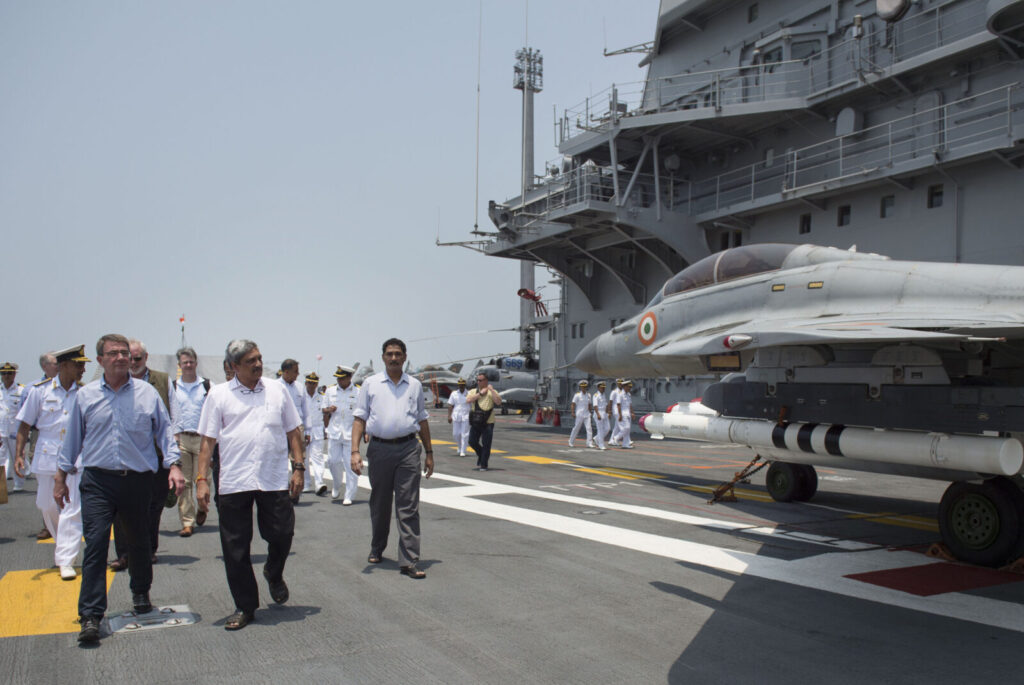
The INS Vikramaditya program is much more than acquisition of a single aircraft carrier; it stands testament to India’s historic defence partnership with Russia. Russia is one of India’s largest military suppliers for several decades to several decades now, with the range of platforms spanning from jet fighters and battle tanks to naval vessels and defense technology.
Key Elements of the India-Russia Defence Partnership:
- Long-term military cooperation
- Supply of major defence platforms
- Cold War-era strategic connections
- Shared technological dependence
- Challenges in major defence projects
The relationship’s foundation was laid during the Cold War, when India adopted an independent foreign policy but chose to build strong defence relations with Russia. It was Russian platforms like the Su-30MKI fighter jet and T-72 main battle tank that were inducted in huge numbers into India’s military, allowing both countries decades of practical interaction.
In contrast, the association has been marked with considerable difficulties. There have been problems with the maintenance support, availability of spare parts, project delays and soaring costs that have marred the defence programs. INS Vikramaditya did offer Russian hardware promising great tactical gains to the Navy; but it also underlined the greater need for better management, careful planning and reasonable expectations in handling a challenging Indo-Russian defence transaction.
8. Lessons from the Carrier Deal and Future Decisions
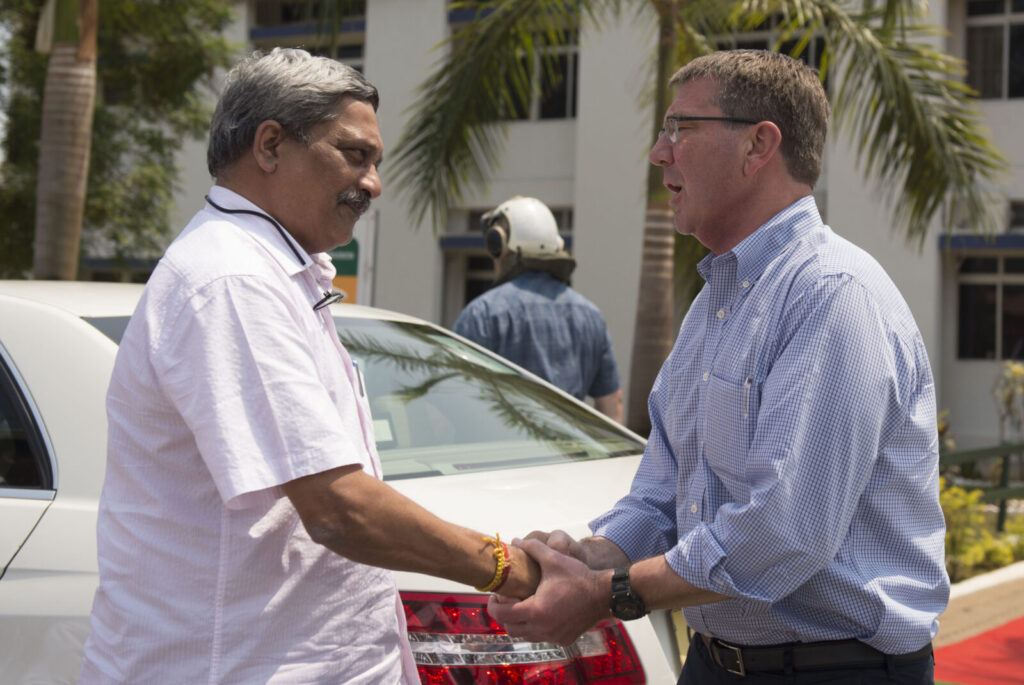
The INS Vikramaditya programme became an important learning experience for India’s future defence planning. The project highlighted the need for careful technical evaluation, realistic cost assessments, and a thorough understanding of industrial capabilities before approving large military acquisitions. It demonstrated that an attractive initial price can become misleading when dealing with complex modernisation projects involving ageing platforms and advanced technology.
Key Lessons from the Programme:
- Evaluating long-term project costs
- Understanding technical limitations
- Improving defence planning processes
- Balancing cost with strategic value
- Strengthening future acquisition decisions
Despite the challenges, India continued its cooperation with Russia because strategic requirements often demand difficult decisions. The changing security environment, particularly the growth of China’s naval capabilities, increased the importance of maintaining a capable maritime force. Strong defence partnerships remained essential as India worked to expand its presence and influence across the Indo-Pacific region.
The carrier also demonstrated that defence programmes cannot be judged only by financial performance. Although INS Vikramaditya experienced delays, rising expenses, and technical difficulties, it delivered an operational aircraft carrier at a crucial time for the Indian Navy. For a country seeking greater maritime reach, the strategic importance of maintaining carrier aviation capability remained a major factor in evaluating the project’s overall value.
9. The Strategic Value of INS Vikramaditya
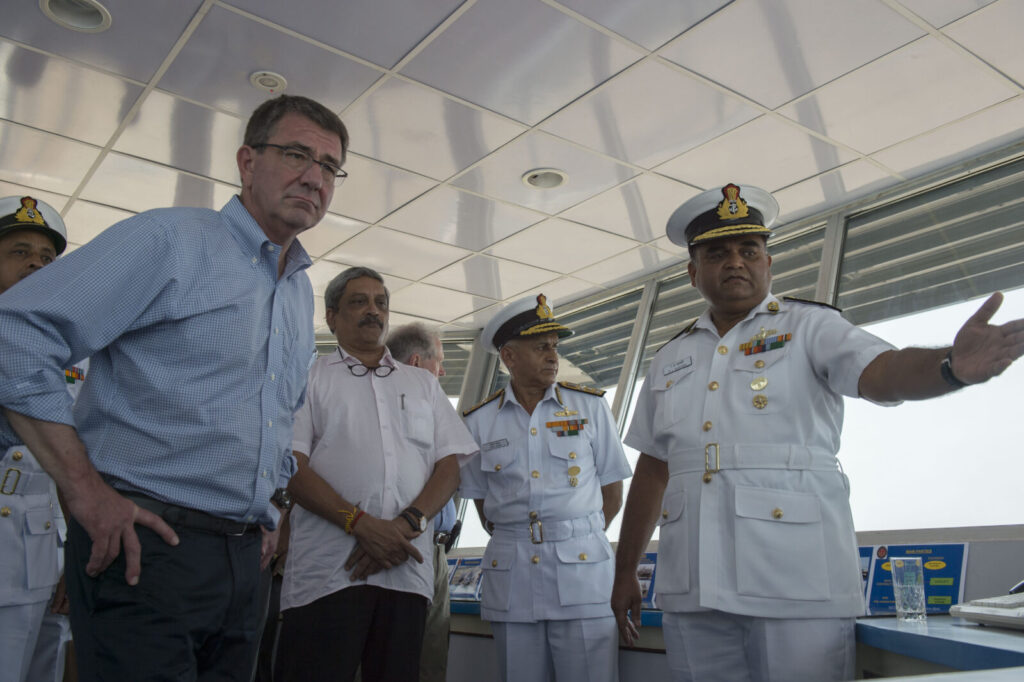
Despite the challenges involved in its acquisition and modernisation, INS Vikramaditya provided India with a significant strategic advantage. Aircraft carriers represent one of the most powerful symbols of naval capability because they allow nations to deploy fighter aircraft far from their own shores. For India, maintaining carrier operations was not only a matter of military strength but also a way to protect maritime interests and reinforce its position as a major regional power.
Key Strategic Advantages of INS Vikramaditya:
- Supporting long-range naval operations
- Strengthening carrier battle groups
- Protecting Indian Ocean interests
- Enhancing maritime influence
- Building naval experience
The carrier became the core of an Indian naval battle group supported by destroyers, frigates, submarines, and support vessels. This combination allowed the Indian Navy to conduct extended deployments and respond more effectively to evolving security challenges across the Indian Ocean region. Although the ship had operational limitations, it restored an important capability that India considered essential for maintaining a credible naval presence.
Beyond its military role, INS Vikramaditya represented India’s commitment to long-term strategic planning. The project demonstrated that developing advanced military capabilities requires balancing technology, cost, diplomacy, and national priorities. While the carrier programme revealed weaknesses in planning and execution, it also provided valuable experience in managing complex naval modernisation efforts and strengthened India’s ability to pursue future defence projects.
10. A Lesson in Ambition, Risk, and Naval Power
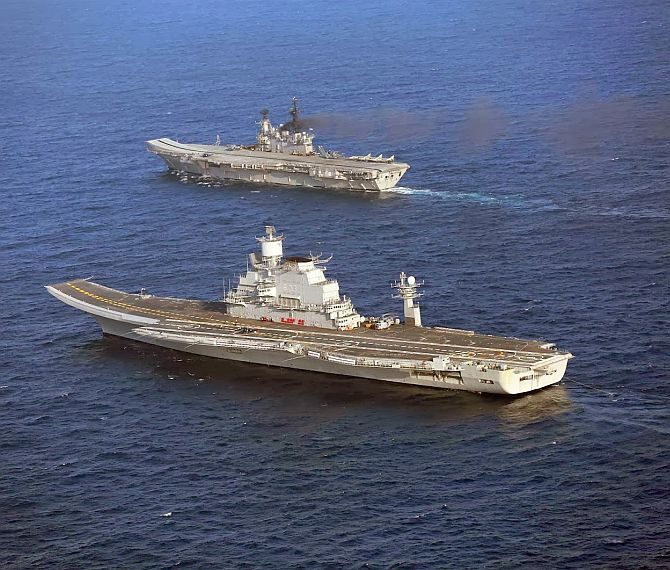
The journey of INS Vikramaditya remains one of the most complex and debated projects in India’s defence history. What initially appeared to be a cost-effective opportunity to acquire an aircraft carrier eventually developed into a multi-billion-dollar programme involving major delays, disagreements, and engineering challenges. The transformation of Admiral Gorshkov highlighted the difficulties of converting an ageing military platform into a modern warship capable of meeting contemporary naval requirements.
Key Lessons from INS Vikramaditya:
- Balancing ambition with practical planning
- Managing complex defence projects
- Understanding long-term support needs
- Investing in naval capabilities
- Preparing for future challenges
The carrier also reflected the broader difficulties faced by countries seeking to expand their maritime influence. Developing a powerful naval force requires significant financial investment, advanced technology, skilled personnel, and long-term strategic planning. India’s experience with Vikramaditya demonstrated that ambitious defence goals must be supported by realistic evaluations of cost, capability, and future operational requirements.
Today, INS Vikramaditya represents more than a naval vessel; it symbolises India’s commitment to maintaining a strong maritime presence and protecting its strategic interests. Although its journey was filled with obstacles, the carrier remains a reminder of perseverance, technological ambition, and the long-term consequences of major defence decisions.