Top 10 Fastest Warplanes Currently in Service in Modern Military Aviation
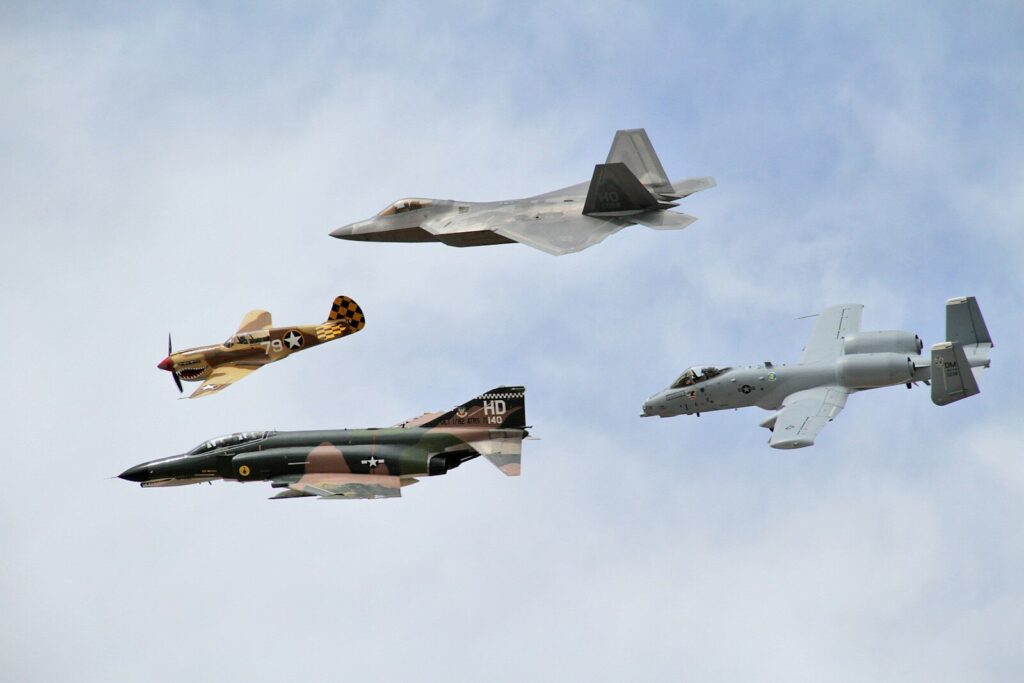
Introduction to Military Aircraft A high-speed, combat aircraft with the capacity to take down an aerial enemy, operate in hostile airspace, and penetrate contested environments is critical to today’s warfare. Machines flying faster than twice the speed of sound necessitate very powerful engines, optimized structures, and advanced aerodynamics design. Speed will continue to be a critical capability for military aircraft, even as stealth and sensors become more important.
Below we have shared 10 fastest military planes based on the material you gave, including information about their top speed, engines, aerodynamic features, fighting role, and services. Whether it’s the old but capable McDonnell Douglas F-4 Phantom II or the mighty Mikoyan MiG-31 Foxhound, all of these aircraft show how the engineering of different generations has strived for ultimate flight. Each aircraft works at high speed to combat different roles ranging from air and long-range interception to air superiority and multirole combat.
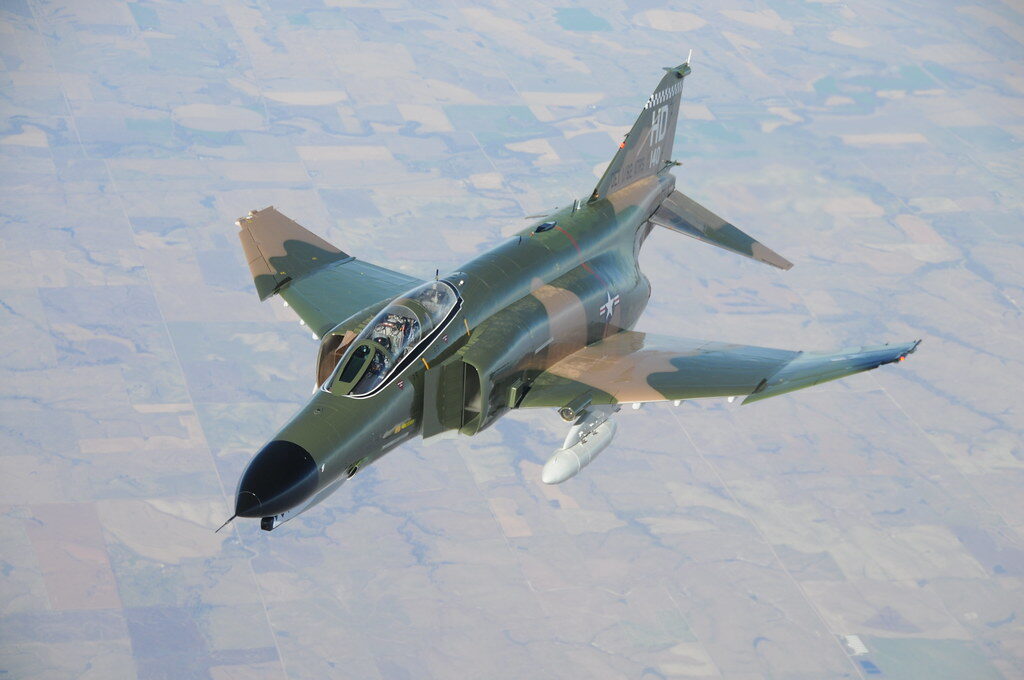
1. McDonnell Douglas F-4 Phantom II
The McDonnell Douglas F-4 Phantom II was a twin engine, two-seat, all-weather, long-range supersonic jet with attack and fighter mission. Early Design F-4s were manufactured in the late 1950’s, designed to be used in the navy, but both the United States Navy and the United States Air Force utilized them for air to air combat, bombing, and reconnaissance missions. The first flight of the Phantom II occurred in 1958. It would go on to become one of the most visible Cold War combat aircraft. 5,195 F-4’s were built between 1958 and 1981, making the Phantom II the highest production U.S supersonic military aircraft in history. Its bulk, powerful engines, and payload meant that it was extremely versatile in a wide range of mission roles, and it could reach operational speeds of Mach 2.2, with a few modified aircraft reaching Mach 2.6 during some of the initial record-breaking attempts at speed and climb rate.
F-4 Phantom II Performance Highlights:
- Twin engines deliver Mach 2.2
- More than 5,000 aircraft produced
- Nine external weapons attachment points
- Served three major American services
- Remains operational with selected air forces
It was declared the fastest fighter by combining two very strong turbojet engines with relatively large air intakes and beefy air frame. It carried more than 18,000 pounds of munitions on nine pylons to include air-to-surface missiles, air-to-air missiles, and bombs. The original model did not include a gun, but later models of the F-4 did have one. They included the M61 Vulcan 20mm rotary gun. Originally only intended as an air-superiority aircraft during the Vietnam War. It was later used for ground-attack and reconnaissance missions; the aircraft was seen in the 1991 Gulf War in the F-4G Wild Weasel guise. While a large number of nations have retired their respective F-4 Phantom aircraft, a number of aircraft still remain in service around the world with Iran being the primary operator; Greece and Turkey also have a handful of active aircraft with Turkey’s upgraded F-4E Terminator aircraft not expected to be retired until 2030 at the earliest.. Iraq military > 2.2.2.1.5 aircraft specifications project history The Dassault Mirage 2000 is a French multirole combat aircraft designed by Dassault Aviation. Firstly conceived in 1972 as the Delta 100.
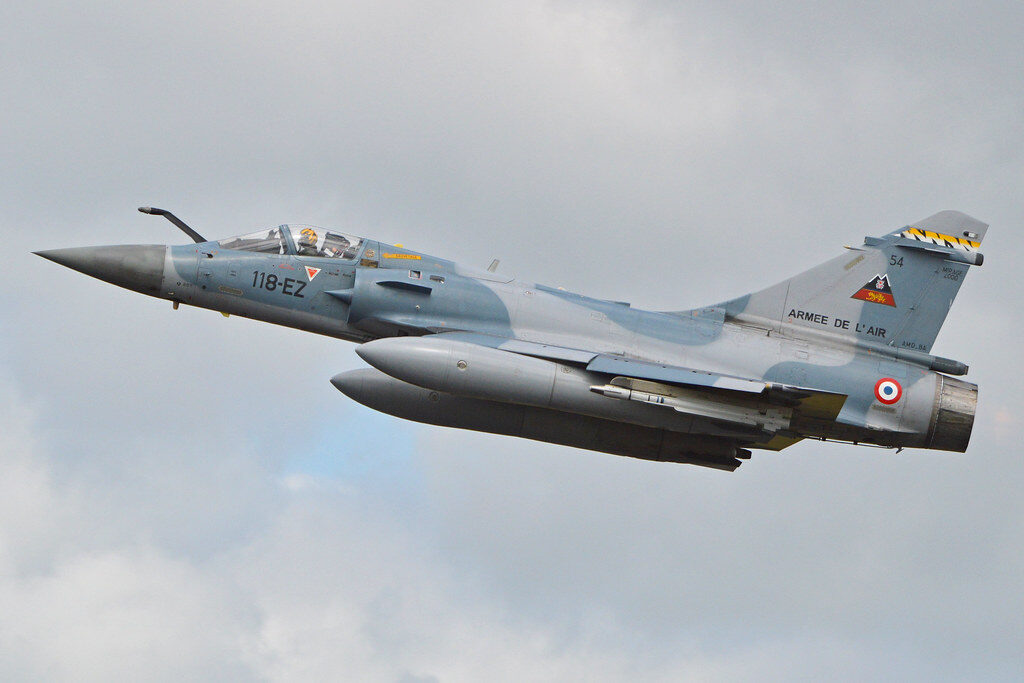
2. Dassault Mirage 2000
Dassault Mirage 2000 Dassault Mirage 2000 Dassault Mirage 2000 Defense News Airplane Model of France by Dassault Aviation 1 related items bas0 was then modified to meet the requirements of the French Air Force as a lightweight fighter to replace the Mirage III. The first prototype had its first flight on 10 March 1978 with the aircraft then entering service in July 1984. Among the notable features of the design are the fly-by-wire flight-control system, which was engineered to counteract the handling issues that had been found in delta-wing planes. It has a top speed of approximately Mach 2.2 thanks to the SNECMA M53. A subtle aerodynamic form with a low-drag also means it can fly very quickly, but can also maneuver relatively well at the same time. Originally it was designed for use as an only air defence fighter, but was then developed into various multirole models.
Mirage 2000 Performance Highlights:
- Delta-wing design supports high speeds
- SNECMA M53 powers the aircraft
- Top speed reaches Mach 2.2
- Fly-by-wire improves flight control
- Multiple nations maintain operational fleets
Versions of the Mirage 2000 optimized for nuclear and ground attack roles. Mirage 2000N was adapted to deliver France’s airborne nuclear deterrent and the Mirage 2000D was a ground attack aircraft. The improved Mirage 2000-5 was used as the basis for a number of export versions. Produced in excess of 600 aircraft production was ended in 2007[3] used by France in several conflicts including the Gulf war, Kosovo war, War in Afghanistan, Syrian Civil War, the Indian Kargil War and follow-up regional conflicts and more recently in Ukraine where its Mirage 2000-5F aircraft have been used to defend its air space and shoot down incoming missiles and drones. The primary French front-line fighter eventually shifted to the more modern and advanced Dassault Rafale.
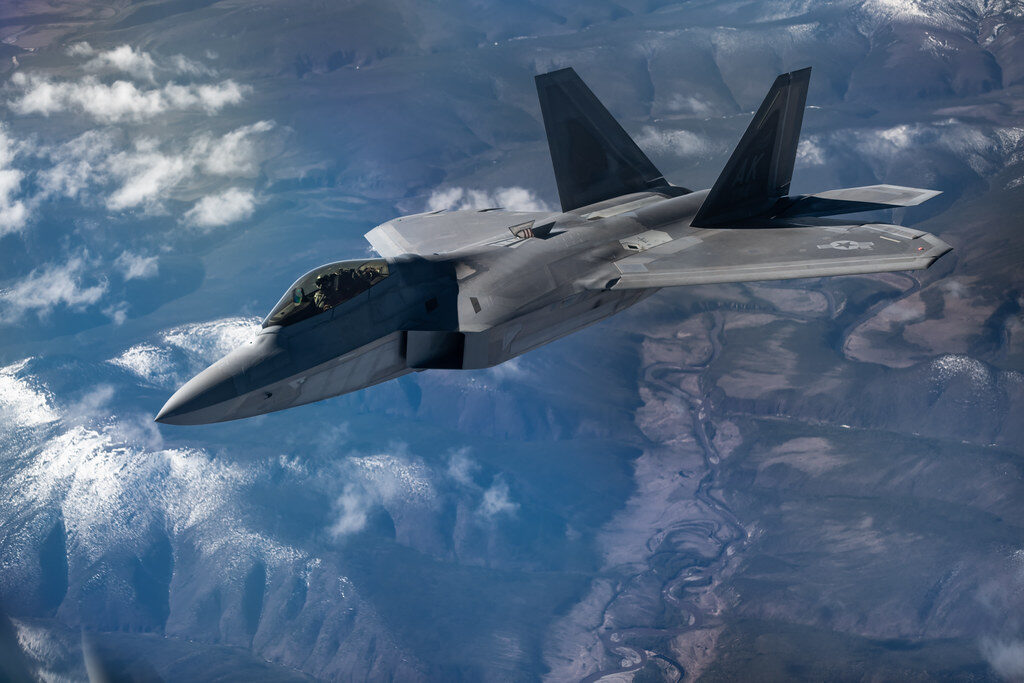
3. Lockheed Martin F-22 Raptor
The Lockheed Martin F-22 Raptor aircraft is an American fifth generation fighter that was initially designed for air dominance but may be used for ground attack, intelligence gathering and reconnaissance. The design requires stealth enhanced radar evading technology, sensor fusion capability, and the ability to supercruise to find and attack targets without the use of external fuel tanks. First flights of the aircraft occurred in 1997 with combat operational status provided to the USAF in 2005. Its style was conceived on the impossibility of coupling speed with radar evasion. If at altitude, the F22 will travel at roughly Mach 2.25 but it has “supercruise,” the ability to cruise at ~Mach 1.8 without it’s afterburners. The F22’s 2 powerful Pratt & Whitney F119 engines provide the power, and that very aerodynamically efficient fuselage in the front of the plane allows for its remarkable speed, maneuverability, low visibility technology, and performance.
F-22 Raptor Performance Highlights:
- Top speed reaches Mach 2.25
- Supercruise approaches Mach 1.8
- Twin Pratt & Whitney F119 engines
- Combines stealth with advanced sensors
- Primarily serves American air superiority
The aim of the F-22 was to ensure that its specialreshaped intakesratiated air just prior to entering the engines to aid performance and help the aircraft maintain its low radar signature. Most of the airframe and weapon systems were built by Lockheed Martin, which completed the majority of the airframes and systems for the aircraft and delivered the wings, aft fuselage, avionics systems integration and training systems; Boeing supplied the bulk of the aircraft’s wings, aft fuselage and weapon systems support structure. The originally envisaged major fleet was never built, and only 187 operational fighters and 8 trainers were ever produced-around 25% less than planned, the last of which was finished in 2012. The F-22 took over the role of the F-15 fighter in the majority of American combat-ready air-superiority squadrons and evolved as the backbone of the nation’s tactical airforces in some locations, based on islands in the vicinity of Okinawa, across the Middle East, and along NATO’s eastern flank. Though originally intended for air superiority, the aircraft has also performed airstrike missions and is likely to remain part of America’s fighter force until the Boeing F-47 (or the latter’s potential successor) comes into service, circa 2030.
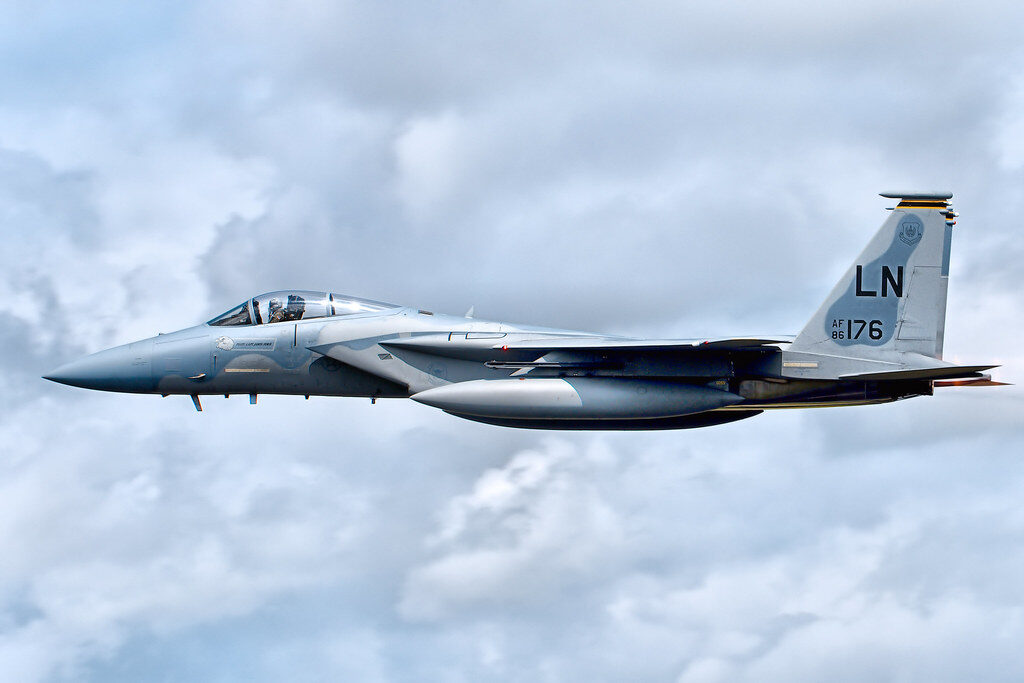
4. McDonnell Douglas F-15C Eagle
The McDonnell Douglas F-15C Eagle single seat all weather, twin-engine air-superiority fighter used by the US Air Force in the 1980s The F-15C fighter was designed and built specifically as an air-superiority combat aircraft to give the US Air Force the most advanced fighter ever. The final version of the F-15, the Eagle was a development of the original McDonnell Douglas McDonnell Douglas F-15E Strike Eagle design, which was conceived in the early 1960s to take advantage of the explosive growth in aircraft speed, ultra low-level flying, and the need to carry extremely heavy armament loads in the absence of a significant radar threat (a mid-range threat appeared in the early 1970s when the F-15 model was being designed). It uses Pratt & Whitney F100 engines and benefits from a light airframe that accelerated to Mach 2.25-2.3 (clean), with a thrust/weight ratio of more than one, while preserving excellent maneuverability at high angles of attack.
F-15C Eagle Performance Highlights:
- Twin F100 engines provide thrust
- Operational speeds reach Mach 2.3
- Excellent acceleration and climbing performance
- Powerful radar supports air superiority
- More than 104 aerial victories
Operational There are operational data which show Mach 2.54 as the maximum indicated air speed in exercises, but in practice Eagle’s meet are Mach 2.25 to Mach 2.3 without external weapons pylons. The Eagle’s wing is designed for excellent flexibility of control at subsonic speeds, yet is s-peed-efficient at supersonic Mach numbers. The aircraft has shot down more than 104 aircraft in combat with no losses and in the data provided the fighter is shown to have been used by the air forces of Israel, Japan and Saudi Arabia. The F-15 made its first Israeli combat in 1979, and the platform was heavily employed by the Israelis in the 1982 Lebanon War. The American F-15s participated in the 1991 Gulf War and the conflict in Yugoslavia. With the F-22 replacing the American F-15C/D in the 2000s, smaller F-22 orders resulted in the long-term employment of the F-15E in some roles. The American F-15C/D is due to remain in service until approximately 2030, while the more modern F-15EX adds further to the strength of the air combat fleet.
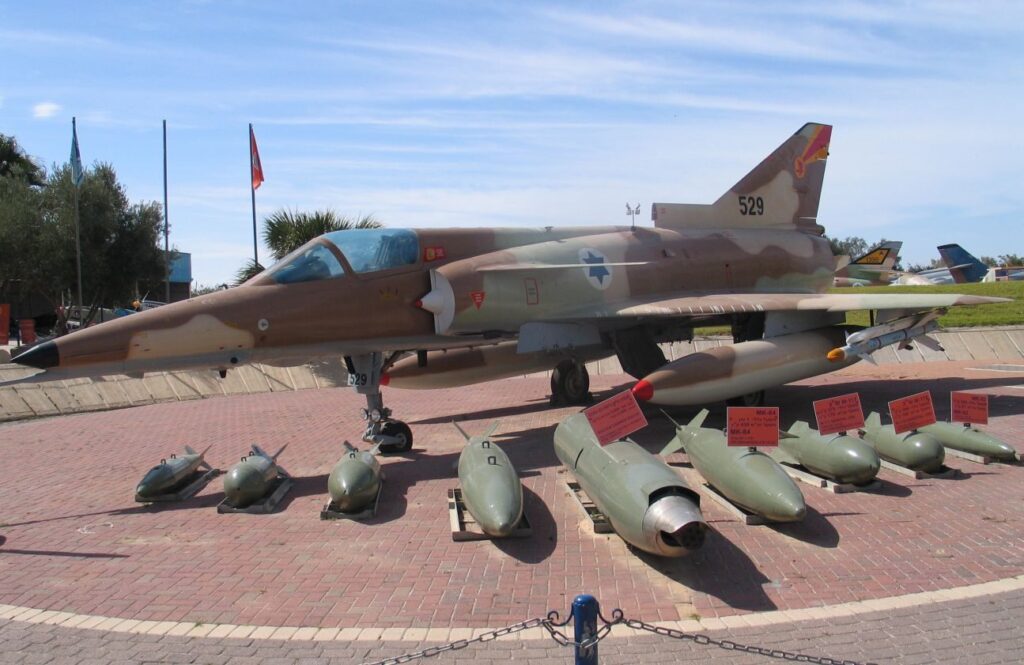
5. IAI Kfir
Kfir. “Cubs” in Hebrew. Israeli multirole combat aircraft built in Israel. The Kfir was derived from the Israeli Nesher fighter aircraft, itself an Israeli variant of the French Dassault Mirage 5. Israeli engineers extensively redesigned the aircrafts’ mechanical and aerodynamic configuration, and the Kfir would be one of the aircrafts’ major technological upgrade packages, replacing the original French engine with a General Electric J79 turbojet engine used in the F-4 Phantom II. A new engine and other adjustments, all of which enhanced thrust power up to Mach 2.3, helped boost acceleration and climb rate for perilous high-speed dogfighting. Structural changes and modifications to the interior of the aircraft which improve airflow meant that the Kfir could still pack a large weapons payload at high supersonic speeds. The Kfir would fly first in June 1973 and would achieve its first combat at the beginning of 1976.
IAI Kfir Performance Highlights:
- Israeli-developed multirole combat aircraft
- General Electric J79 turbojet engine
- Top speed reaches Mach 2.3
- Reinforced structure supports heavy weapons
- Still operated by selected countries
Before exporting to overseas customers, the Kfir was adopted by the Israeli Air Force. The modernised airframe, increased engine power and flight control surfaces and added structural strengthening were appealing to a few users so went on to serve a few nations. The fighter was both a fighter-bomber and a multirole combat aircraft, with more than one type of military task to perform. As per the material supplied over 220 Kfir aircraft were manufactured by Israel Aircraft Industries. Colombian Aerospace Force and Sri Lanka Air Force also still operate a small number of them, as do several private military contracting companies. Those fleets still flying what in the 1980s would have been considered an old aircraft (albeit a very fast one) underscore the staying power of older airframes of more modern aircraft types. Although developed from a prior generation French high-performance combat aircraft range, the fact that the Kfir is fitted with an Israeli engine meant that it was an entirely different aircraft overall, as well as coming with a long combat history of its own.
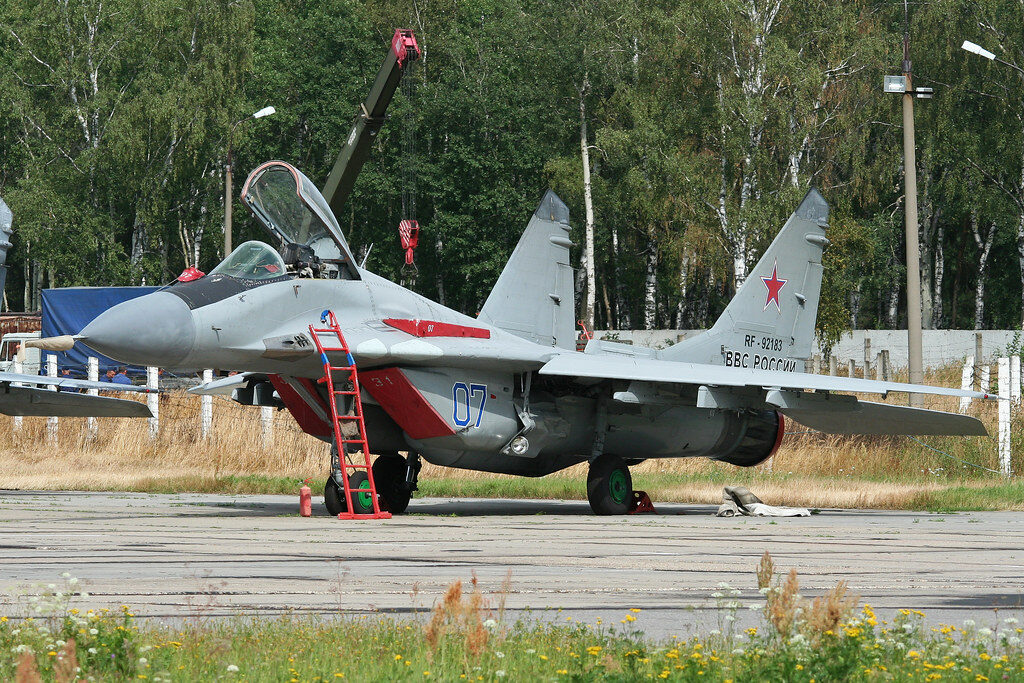
6. Mikoyan MiG-29 Fulcrum
Mikoyan MiG-29 Fulcrum- A high manoeuvrable and high speed, performance multirole jet aircraft. Powered with a single engine, it is capable of air to air and air to surface operations. The MiG-29 (NATO reporting name Fulcrum) entered into Soviet service in 1983, and the MiG-29 was a match for Western fighters such as the American F-15 Eagle and the F-16 Fighting Falcon. Because of its high performance engine and demanding shape, high power-to-weight ratio, Mach 2.3+ speeds. It is intended to be able to engage in flight, melee in air combat. The MiG-29’s best known application has been the helmet-cued R-73 Archer missile system, which enabled pilots to acquire and fire the missile while performing a number of intricate manoeuvres. Conceived primarily as an air-superiority fighter, the MiG-29 has served as a multirole platform. Later versions have upgraded engines, radar, infrared search-and-track sensors, cockpit controls and fuel capacity, adding to the service life of the aircraft beyond its initial life cycle.
MiG-29 Fulcrum Performance Highlights:
- Twin engines deliver strong thrust
- Speeds exceed Mach 2.3
- Helmet-cued R-73 supports engagements
- Agile design suits close combat
- Operated by numerous air forces
Additionally the MiG-29 is relatively costly to produce, and its field performance has some constraints. Its combat radius is relatively short compared to different heavy fighters, and its engines give off plenty of smoke. It might fly from a broken down airfield with out paved runways and plenty of variants are produced, together with the multirole MiG-29M and the carrier-based mostly MiG-29K. The MiG-35 has also built upon family. While some nations, particularly the former Soviet republics, still operate the MiG-29 since the break-up of the Soviet Union, several have purchased it as an export aircraft including India from its original producer. Source list current operators as Russia, India, Algeria, and Ukraine. Later versions received upgraded cockpit displays and sensors, as well as the ability to carry precision-guided munitions and by 2026, the still-operating variants are estimated to number 728.
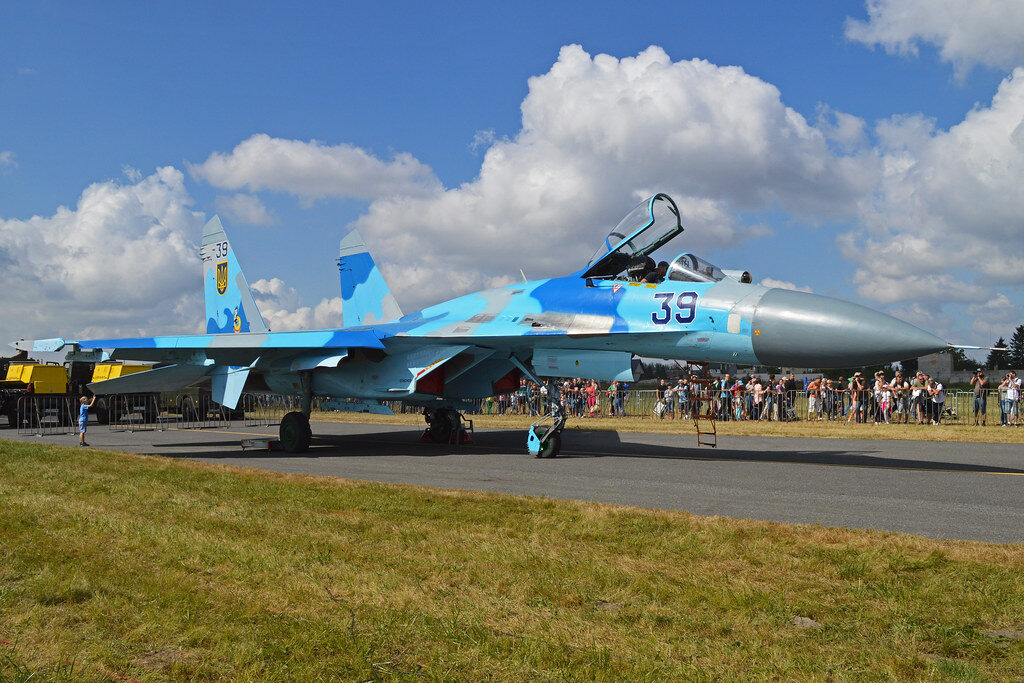
7. Sukhoi Su-27 Flanker
6 INTRODUCTION It was adopted for service in 1985 and served as the Soviet Union’s flagship air-superiority fighter, designed to combat large American combat aircraft (F-15 Eagle) and to offer long-distance protection. The fighter is 22 meters or more in length, with fuselage blended with considerable portions of its airframe in aerodynamic lift zones that makes it capable of operating at high speed with high turn rates at a long range. These aircraft are capable of speeds in excess of Mach 2.3 and are configured in an aerodynamic shape that has been used to execute challenging manoeuvres such as high-AoA Cobra jumps. The ability of the fighter to combine this high speed with high capacity for fuel and the ability to carry many air-to-air missiles makes it a good example of the larger-area control fighter.
Su-27 Flanker Performance Highlights:
- Top speed exceeds Mach 2.3
- Blended fuselage supports aerodynamic lift
- Famous for its Cobra maneuver
- Long range supports extended operations
- Carries substantial air-to-air weaponry
The Su-27 was originally conceived as a long-range air superiority fighter with special tasks in defending the Soviet strategic bombers and soviet coastline from USA navy aircraft carriers battle groups. The specifications of the aircraft in the areas of speed, range and weapon basing capacity were all driven by that specification. Once in service the airframe and systems of the Su-27 were used as a foundation for a number of other, different aircraft types. The Su-30 has been adapted to a two-seat cockpit and air-to air and air-to-surface attack configurations. Su-33 carrier-based fighter The Su-34 was designed from the beginning as a dedicated strike fighter aircraft and fighter-bomber aircraft. The Su-35 was originally designed as an advanced air-superiority fighter aircraft, or strikers, and then modified in some aspects to become a multirole aircraft (including China’s license-produced aircraft, called Shenyang J-11). In addition to the forward-swept wing aircraft, a thrust-vectoring aircraft, known as the Su-37, was also developed. The existing Su-27 still remains on strength with the Russian Aerospace Forces and some other operators.
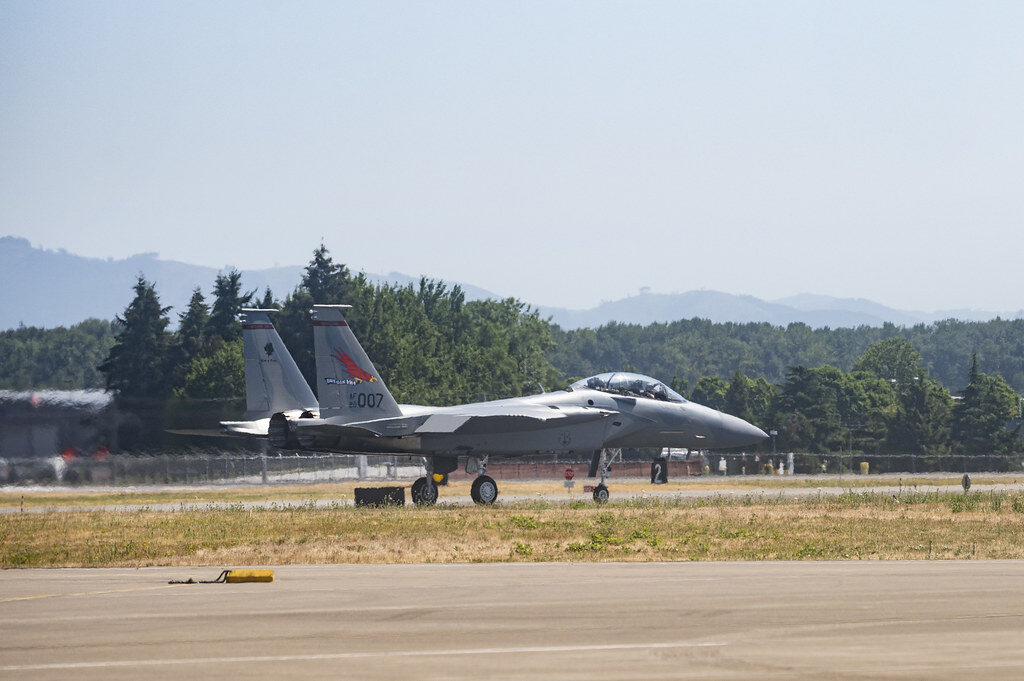
8. Boeing F-15EX Eagle II
The Su-27 was designed as a long range air superiority fighter with a dedicated mission of protecting the Soviet strategic bombers and Soviet coastline from US navy aircraft carrier battle groups. All of the design requirements for the aircraft in the domains of speed, range and weapons basing capacity were driven by that requirement. After entering service the airframe and systems of the Su-27 were used as a basis for a variety of other aircraft types. Su-30 also was modified to a two-seat cockpit and air-to- air, air-to surface attack configuration. Su-33 carrier-based fighter The Su-34 was initially developed as a dedicated strike fighter and fighter-bomber aircraft. The Su-35 was originally designed as an advanced air-superiority fighter aircraft, or strikers, and later was adapted to be a multirole aircraft in some respects (including China’s license-produced aircraft, designated Shenyang J-11). The Su-37, a thrust-vectoring aircraft, was developed as well, other than the forward-swept wing aircraft. The Su-27 still remains in service with the Russian Aerospace Forces and a handful of other users.
F-15EX Eagle II Performance Highlights:
- Practical top speed reaches Mach 2.5
- Advanced radar improves target awareness
- Large payload supports varied missions
- Updated avionics enhance operational capability
- Entered service during July 2024
The Su-27 was conceived as a long range air-superiority fighter tasked specifically to defend the Soviet strategic bombers and the Soviet coastline from US navy aircraft carrier battle groups. The requirements for the aircraft on the factors of speed, range and weapons basing capacity were all dictated by that requirement. After its entry into service, the airframe and systems of the Su-27 were the basis for a number of other aircraft types. Su-30 was also converted to two-seat cockpit and air to air, air to surface attack configuration. Su-33 aircraft for aircraft carrier use The Su-34 was conceived to be a specifically designed strike fighter, aircraft, or a fighter-bomber. The Su-35 was designed to be an advanced air-superiority fighter aircraft, or strikers, later was converted as a multirole aircraft to some extent (including China’s license-assembled aircraft named Shenyang J-11). The Su-37 is a thrust-vectoring aircraft other than the forward-swept wing aircraft. The Su-27 is still active with the Russian Aerospace Forces, and a few other operators.
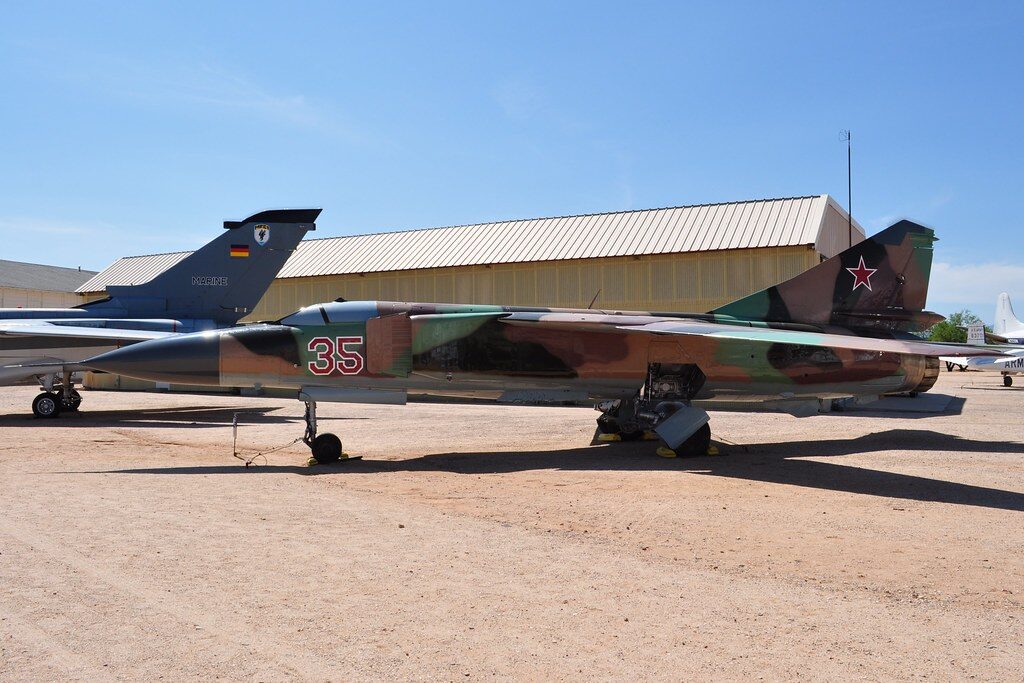
9. Mikoyan-Gurevich MiG-23 Flogger
MiG-23 Flogger [IMAGINE] MiG-23 Flogger was a variable wing aircraft that developed as the Soviet Union built single engine, supersonic fighter aircraft, and presented to Western analysts, test aircraft and operators. It was in operation from 1970 and played an important role in the Warsaw Pact air power during the Cold War period. Since the MiG-23 has variable sweep wing rather than fixed wings configuration, they differ from the same design aircraft. According to the flight manuals used for production fighter, supplied aircraft were thought to have maximum supercruise of Mach 2.55 to 2.6 or higher when carrying 2 R-23 missiles. Design and manufacturing efficiency, ease of construction and the ability to operate on rough runways, made the MiG-23 the most numerous variable wing aircraft with more than 5000 aircraft built. Speed and the aircraft the shape of a variable wing belonging to the third generation of the Soviet aircraft, compared with similar aircraft of the same type.
MiG-23 Flogger Performance Highlights:
- Variable-sweep wings adapt flight performance
- High-altitude speed exceeds Mach 2.5
- More than 5,000 aircraft produced
- Designed for economical mass production
- Remains in limited operational service
MiG-23 Flogger [IMAGINE] The MiG-23 Flogger was a variable wing aircraft which was developed as the Soviet Union designed single engine supersonic fighters aircraft and soon to be presented to the Western analysts, test aircraft and pilots. It was the operational military fleet from 1970 and was a powerful aircraft for the Warsaw Pact air force during the Cold War era. As a MiG-23 is a variable sweep wing and they are not fixed wings configurations aircraft. The flight manuals used in production fighters indicated a maximum supercruise of Mach 2.55 to 2.6 or more in an aircraft fitted with 2 R-23 missiles. Design and manufacturing efficiency, easy to build and able to work at rough runways, caused the MiG-23 the most many than 5000 aircraft manufactured aircraft with variable wing. Speed and the aircraft the shape of a variable wing of the third generation aircraft of Soviet compared with similar aircraft of the same type.
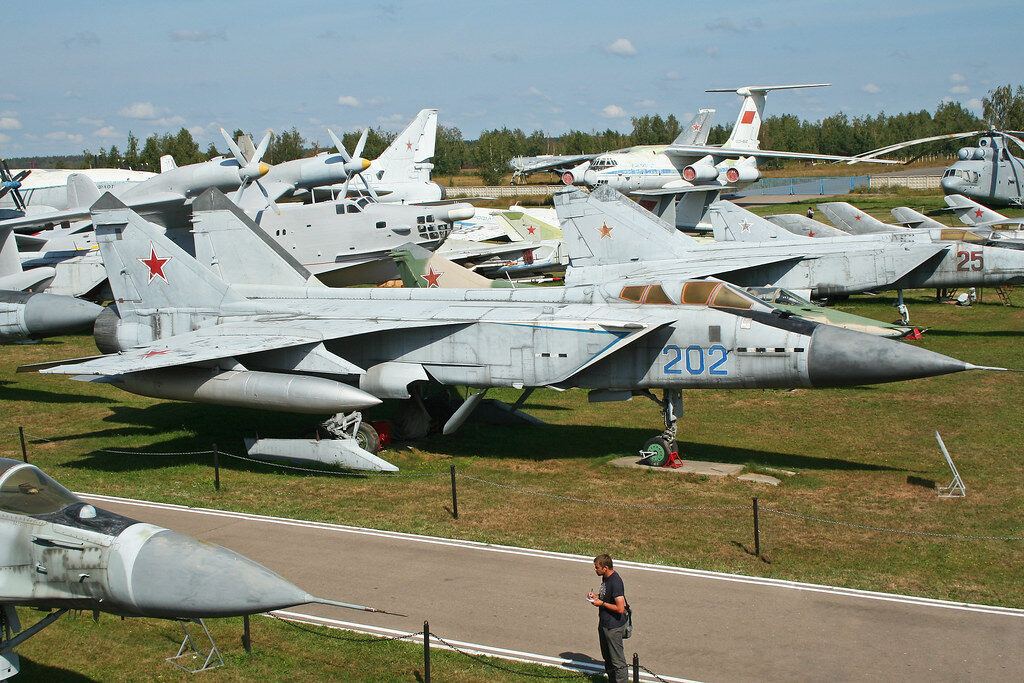
10. Mikoyan MiG-31 Foxhound
The Mikoyan MiG-31 Foxhound is a heavy, long-range Soviet interceptor aircraft developed to succeed the MiG-25. It is one of the fastest operational (man-rated) military aircraft, with a claimed maximum speed of Mach 2.83. It is intended to be able to detect and destroy aerial targets at very long ranges, high speed and high altitude, capable of detecting multiple targets with a powerful radar, and armed with powerful turbofan engines with specially designed air intake ramps to sustain high speed. Contrary to fighters that rely on agility and fighter-to-fighter fighting, the MiG-31 relies more heavily on its range and its higher velocity to close with aerial targets. Zaslon phased-array radar and long range missile armament enable Foxhound to search, lock-on and shoot at several airborne targets at very long range so the targets cannot fire back.
MiG-31 Foxhound Performance Highlights:
- Top speed reaches Mach 2.83
- Designed for long-range aerial interception
- Zaslon radar tracks multiple targets
- Powerful engines support supersonic flight
- Russian Aerospace Forces continue operating
Updated versions of the MiG-31 have added or augmented to the platform’s mission scope. The MiG-31K has the ability to carry the Kh-47M2 Kinzhal air-launched ballistic missile (ALBM) by virtue of high altitude operation and high speed to make the launch conditions as prevalent as possible. The MiG-31 began service in 1981 and was in production from 1975-94 with 519 listed in the material provided. The Foxhound still is maintained on a long-term basis by the Russian Aerospace Forces. The aircraft were retired in Kazakhstan in 2023. The Russian Defence Ministry declared the remainder of the aircraft will be maintained for operational use until 2030 or later, implying that Foxhound has long-term utility thanks to its rated combination of speed, radar coverage, and long-range interception capacity. The forces of the modern day are moving toward increasingly stealthy/mixed sensor operations and formations, but the Foxhound makes clear that the extreme speed of the MiG-31 remains useful when it is necessary to get things done over substantial distances fast.