








Analyzing the Lexus LC 500 Depreciation Curve and Real Market Ownership Costs
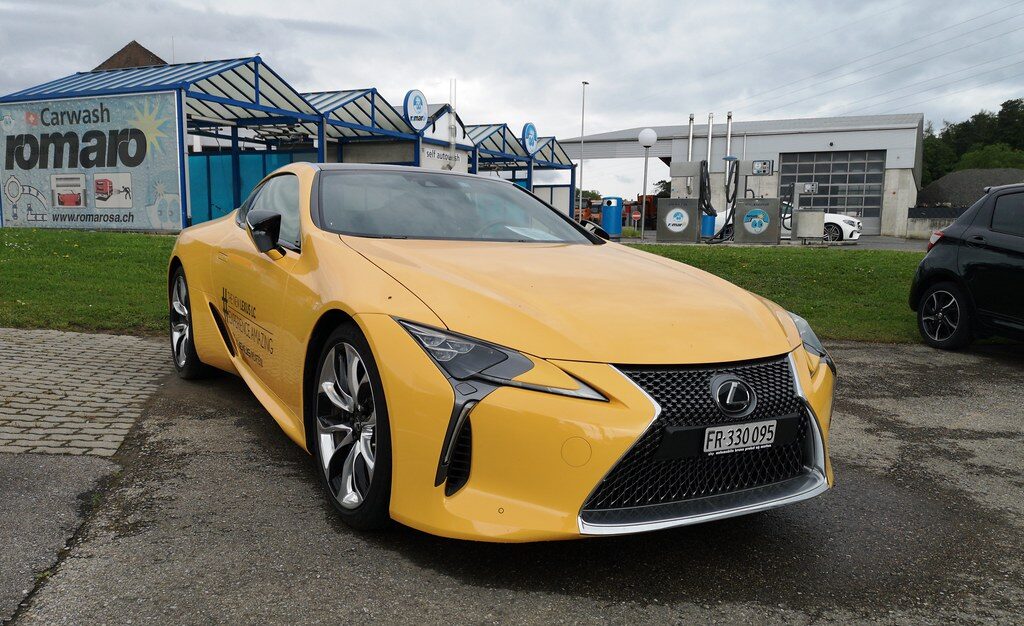
More than likely one of the most compelling Japanese-designed luxury grand tourers of its generation, the Lexus LC 500 possesses a stunning design, brilliant engineering and the great sound of a naturally-aspirated V8. Since its release, with an initial sticker price of around $93,000, the model occupies a space very few manufacturers claim that of a luxurious Japanese sportscar with true performance merits. While these models have steadily become cheaper with depreciation and can be now found in the $75-85,000 range, the luxury two-seater poses an intriguing alternative to high-end European equivalents for those who desire top-level design and performance without top-tier pricing.
To better grasp the financial benefit behind a Lexus LC 500, lets investigate depreciation trends throughout the years. As an original retail price for a 2020 model in the amount of $92,950 was considered, the five year projected depreciation has a 50% value change, or an approximate depreciation of $46,475 and residual value of $46,475 after five years. In the form of facts and figures, it shows that the change in value of the used luxury coupe has changed drastically throughout the models years. From 2020 where depreciation was around 16% compared to 2019 at roughly 20% and 2018 with 29% depreciation.
The financial equation for owning an LC 500 extends well beyond the initial purchase price however. The fuel, insurance, maintenance, finance charges and myriad other ongoing running costs, can greatly impact the bottom line over the course of the high-end two-door’s ownership. This fact is especially true if the purchased example is a used one. Although the initial outlay will be significantly less, by no means does it equate to cheaper ownership of a luxurious sport coupe, a lower initial outlay however does allow for the LC to offer a desirable formula of longevity, mechanical involvement, and opulent comfort to drivers looking for something out of the ordinary.
1. Lexus LC 500 Depreciation and Market Value
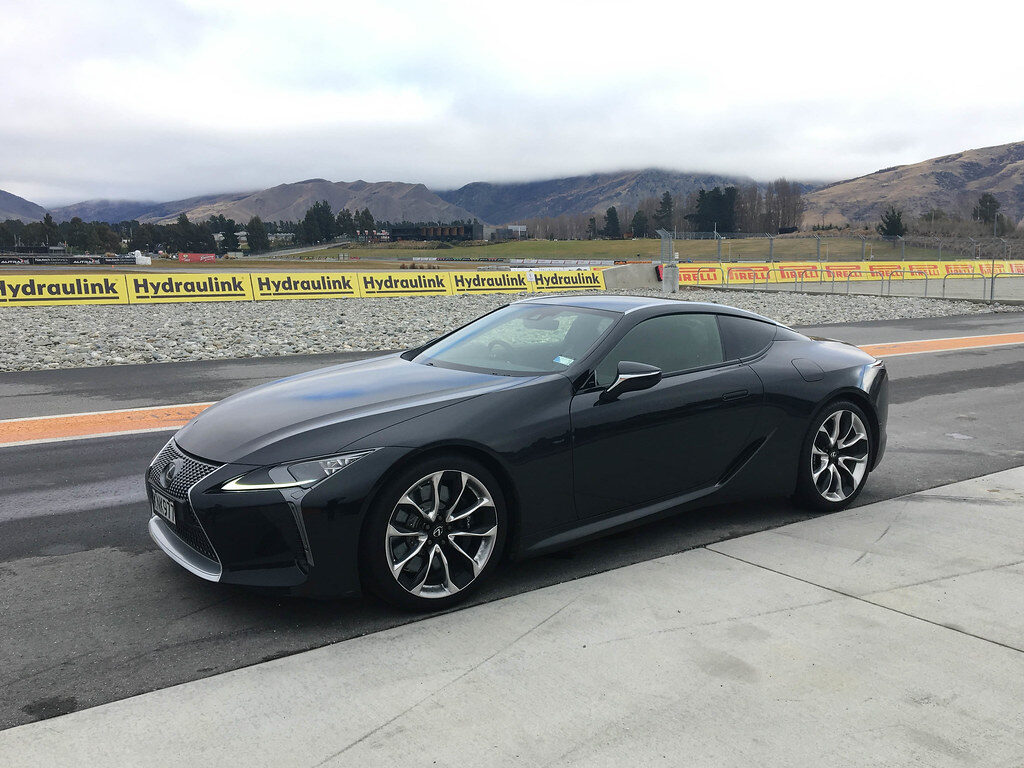
2020 Lexus LC 500 is a good case to highlight the effect of depreciation on the entry cost of flagship luxury coupe. An MSRP of $92,950 is indeed much higher than the entry cost of most mainstream performance cars but depreciation lowers the entry barrier. For five years, it is estimated to depreciate by 50%, which would represent an average value loss of $46,475. The estimated residual value would be $46,475, making a complex V8 grand tourer affordable in five years which nobody could have afforded originally.
Key LC 500 Value Factors:
- Original MSRP near $93,000
- Five-year depreciation forecast reaches 50%
- Projected residual value around $46,475
- Older models become more accessible
- Stronger value retention than rivals
Figures for depreciation at different times show more clearly where this particular model has come and where it has gone. A ’20 reg 500 on launch cost £92,950 and it seems now after about a 16% reduction (£14,983) residual values are about £77,967. The ’19 reg (who is at least twenty percent less valued at £74,050, that’s £18,250 in just two years, when the original purchase price was just £92,300), and you could have bought a ’18 for a relatively small further £65,675, at a depreciation level of about 29% (£26,325 off £92,000, and three years of age).
This aspect, when looked at against competitors, also bodes well for the LC 500, especially value retention. The value retention for a 2020 LC 500 is 50% after five years-the same as the 2020 Lexus GS 350, while others like the 2020 Acura RLX (64%), INFINITI Q70 (63%), and Lexus LS 460 (60%) have higher depreciation forecasts. Better competitors included the 2020 Acura TLX (53%), 2020 Acura ILX (51%) and 2020 Lexus IS 250 (46%) and extremely well was the 2020 Lexus RC 350 (39%).

2. Fuel Costs and the Naturally Aspirated V8
One of the main selling points of the LC 500 for enthusiasts is the inclusion of a 5.0-liter naturally aspirated V8, and performance often comes at the expense of efficiency. Fuel estimates given by the EPA are 15 MPG on the city and 25MPG for highway, and if an owner is driving 12,000 miles a year, fuel expenses for such a car could grow considerably, up to between $3,000-4,000 depending on driving conditions and gas prices. While engine response and audio may be one of the driving factors in purchasing an LC500, prospective buyers should also take into account long term operating costs.
Key LC 500 Fuel Considerations:
- 5.0-liter naturally aspirated V8
- Approximately 15 MPG city
- Approximately 25 MPG highway
- Annual fuel costs can be significant
- Hybrid alternative offers greater efficiency
Managing fuel costs is not something which deters from the character that makes the LC 500 a desirable machine. Smooth accelleration, a sensible cruise, adequate tyre pressures, and of course the ability to comparison shop fuel prices locally; all these can mitigate unwanted consumption. Keeping the tyres inflated will in fact be beneficial on two fronts-both to efficiency and predictable handling. Buyers for whom large excursions are common and they are concerned with fuel usage will want to look at the LC 500h (hybrid) option for alternative approach to the grand touring persona, while owners not necessarily concerned with not getting the V8’s natural soundtrack may be rewarded with this model.
And for car fans, there’s a certain amount built into the price of ownership of this kind of engine. This engine is one of the things that makes the LC 500 what it is and drives it the way it drives, not like the smaller forced-induction German luxury cars built around an ethic of economy. Budget with reason then and don’t expect that a low purchase price will magically get rid of the costs associated with keeping it on the road. Those who anticipate the number of miles they’ll drive each year, monitor fuel economy carefully and are comfortable setting aside the cash needed for premium unleaded won’t break bank driving this automobile.

3. Insurance Costs for a Luxury Sports Coupe
A final periodic cost to factor in is insurance; again, considering buying an LC 500 as a flagship performance luxury sports coupe originally equipped with so much performance and such an high initial purchase price means it’ll need insurance of the caliber this vehicle deserves and which also carries an adequate, accordingly high price. Estimate about $1,500-$2,500 annually for fully comprehensive coverage; premiums can vary widely according to age, driving history and location of each owners, the creditworthiness of the owner, amount of desired coverage, selected deductibles, how the company underwriting each policy views that particular car model and other factors. That means two different LC 500 owners could have quite divergent premiums for two statistically identical sports coupes.
Key LC 500 Insurance Factors:
- Luxury performance coupe classification
- Estimated $1,500-$2,500 annual coverage
- Driving history affects premiums
- Location can change insurance costs
- Coverage limits influence final pricing
Comparing your options can make a significant difference in managing costs like these. Potential owners can ask a number of insurance companies for a quote and then weigh the amount of coverage offered instead of just agreeing to the most impressive introductory price. Depending on the situation, safe driving records, optional vehicle safety features, multi-car policy discounts, or other potential qualifications may also be researched by the potential owners. It is essential to take a very hard look at your liability and comprehensive coverage minimums, because if you simply reduce your coverage levels in an effort to save a few bucks a month, you might be left with a very costly high-performance vehicle that is seriously underinsured.
When determining if a used LC 500 is the right used luxury vehicle for you to buy, you also need to factor in cost of insurance along with both purchase price and depreciation value. A car that’s only 3/4 or half of the depreciation on a $90,000 car will appear less expensive, however due to its performance potential, repair part cost and rarity, as well as the luxury aspect, the insurance may still rise. Factor this cost into a potential car purchase equation before buying the vehicle gives you a better understanding of the cost per month and per year, and does not let a potential buyer buy simply on advertised sale price.
4. Maintenance and Long-Term Reliability
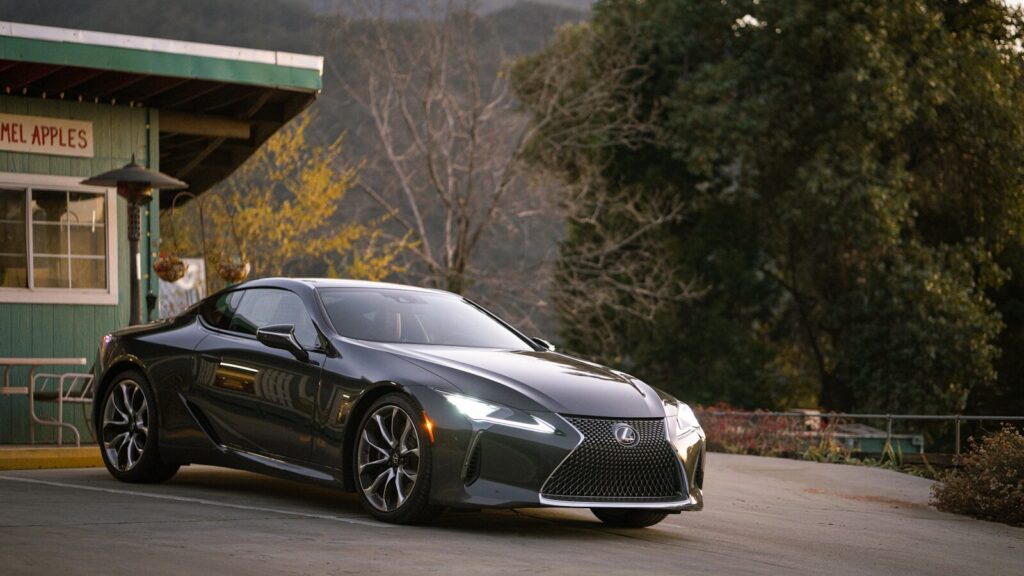
Lexus’ strong record of build quality and dependability should go a long way to make the LC 500 particularly desirable when shopping in the pre-owned market, but any advanced performance coupe will demand appropriate maintenance. Oil changes, tire rotations, and brakes inspections are standard responsibilities of caring for such a car, and would typically be priced around $300 to $800 yearly. Overall yearly ownership of this car in the low to medium thousands of miles a year could run around $500- $1,000 yearly based upon usage, tires condition, brakes and condition.
Key LC 500 Maintenance Needs:
- Regular oil changes remain essential
- Tire rotations support even wear
- Brake inspections prevent costly issues
- Annual maintenance can reach $1,000
- Service history matters when buying
It’s especially critical to follow the manufacture’s recommended servicing regime when buying used. Servicing can alert the owner to parts that need replacing while they’re worn as opposed to broken, and maintain the vehicle’s history information about how the prior owner treated the automobile. This is an aspect prospective buyers of a used one must carefully observe with service documents and the automobile’s history. Even dependable luxury cars can become costly and expensive to operate if routine service is continually deferred, and few actions are better at controlling owning costs than preventatvie servicing.
The presence of a warranty is likely to give an added layer of financial security to the buyer in relation to unexpected repair costs. At a suitable age, existing factory or a purchased extended warranty could be applicable, depending upon existing cover for a given age range, with it being necessary to consider the price to an appropriate benefit. Reliability could make such a product suitable however for what is essentially an exotic performance car but again all regular servicing and checking of minor ailments before they develop in to more serious ones should be adhered to.
5. Financing the LC 500 Purchase
As we can see, financing has a tremendous effect on the total cost of an LC 500 because in many cases, potential buyers may be concerned about the loan’s monthly payment as well as its entire cost. The estimated rates of interest, somewhere in the region of three percent to seven percent, reveal a clear indication of how a customer’s credit situation, and choice of lender will impact their cost of financing. As a case study, taking financing of $100,000, five-year loan, the monthly payments can vary from around $1,800.00 to about $2,000.00, while adding roughly $10,000 to $15,000 over the life of the loan. As we can see, loan terms and interest rates demand as much attention.
Key LC 500 Financing Considerations:
- Interest rates can vary considerably
- Credit profile influences borrowing costs
- Larger down payments reduce financing
- Shorter loans reduce total interest
- Monthly payments hide total costs
A stronger credit profile is able to decrease borrowing costs, and a larger down payment reduces the amount that has to be financed. Buyers should actually compare proposals from various lenders and not immediately opt for a loan with financing at the dealership. Analyzing the loan amount (interest rate, duration, total interest) along with applicable costs, gives one the best sense of his or her ultimate commitment to the deal. Shorter terms, can cause monthly costs to rise, but total interest cost to fall, compared to longer loans that make monthly costs smaller, but the cost of the whole purchase rise.
What loan decision works best in the long run hinges on fitting the payment within the consumer’s overall ownership budget. The price paid for an LC 500 shouldn’t come at the expense of being unable to accommodate the cost of fuel, insurance, repairs, registration, and of course emergency issues. This vehicle can be stressful to own if the buyer has to tighten their belt too much in other life domains, even while driving a car that is one of the absolute best. Smart financial decisions could make a large difference over the life of this car, and they won’t negate the thrill of driving the 500 over the long run.
6. Avoiding Common LC 500 Buying Pitfalls
Used LC 500 models are appealingly inexpensive and it never pays to let the desirability of that sticker be the sole reason for purchase. Ownership, service, mileage and the history of neglect and abuse all matter a great deal. You stand to lose the advantage that devaluation offers if there is not meticulous service history on the vehicle you may end up buying and finding what might already be looming problems through your records and the eyes of the technician are a must before you turn the key for what might turn into a very short drive.
Key LC 500 Buying Checks:
- Review complete maintenance records
- Investigate ownership and mileage history
- Inspect overall vehicle condition
- Obtain professional pre-purchase inspection
- Calculate complete ownership expenses
Fuel and insurance can be other deceptively simple numbers to underestimate while caught up in the excitement of the discounted purchase price. While there is clearly some money off of an original asking price on the LC 500, the 5.0 Liter V-8, performance hardware, luxury appointments, and insurance still all point toward what can only be described as a premier grand tourer. This shouldn’t lull a buyer into thinking that an inexpensive, “throwaway” car results from an arbitrary discount, and some actual financial planning should involve accounting for the ongoing costs associated with a luxurious flagship touring car. Some general guidelines regarding operating a basic luxury/performance car such as a hypothetical operating budget including fuel, repairs and maintenance, and insurance would clear things up considerably.
The smart way to buy a LC 500 is, of course, to buy it as an enthusiast product that requires preparation and discipline. Investigating market prices and dealership financing options, scrutinizing service records, and obtaining insurance quotes will mitigate many unpleasant discoveries. Once those fundamentals are addressed, depreciation can work in your favor instead of deterring you, and you’ll obtain a car that occupied the upper strata of the new-car market for some time. With a statement exterior, sumptuous interior, and naturally aspirated V8 personality, the used Lexus LC 500 is particularly rare on today’s market, especially if planned for.
7. The LC 500 as an Accessible V8 Grand Tourer
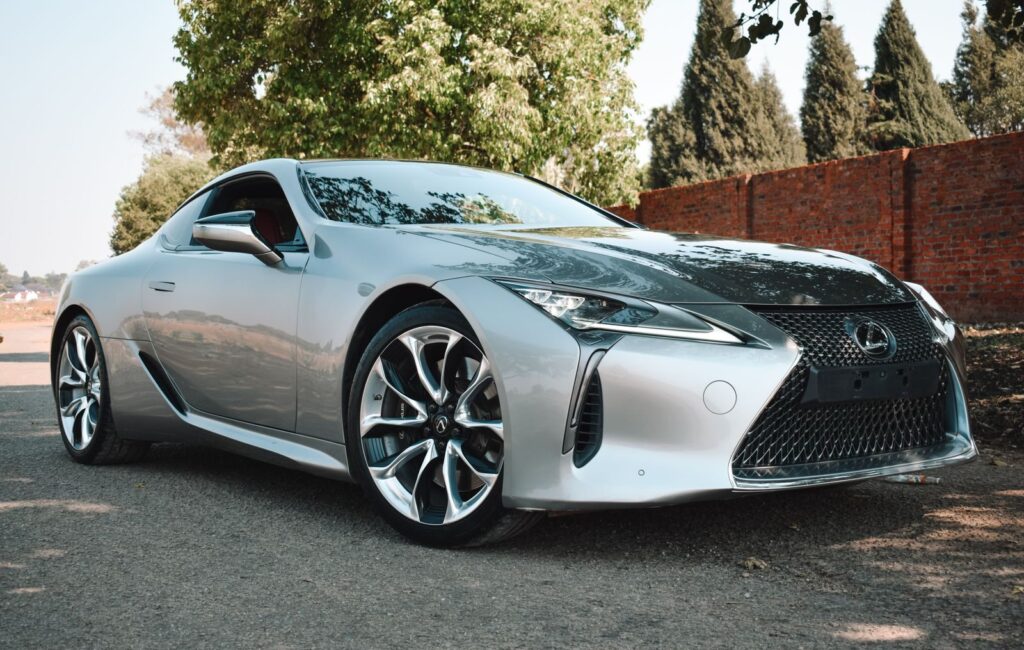
The appeal of the Lexus LC 500 ultimately comes from the way several qualities converge in one package. Its sculpted body gives it the presence expected from an expensive flagship, while the naturally aspirated V8 provides a mechanical character that is increasingly unusual in the modern luxury-car market. Depreciation has gradually moved earlier examples away from their original near-$93,000 pricing, creating opportunities for enthusiasts who want the experience of a high-end Japanese grand tourer without paying the original showroom premium.
Key LC 500 Ownership Advantages:
- Dramatic flagship-level exterior design
- Naturally aspirated V8 character
- Strong luxury grand-touring appeal
- Significant depreciation-based accessibility
- Established Lexus reliability reputation
That opportunity becomes stronger when the vehicle’s value retention is compared with competing luxury models. A projected 50% five-year depreciation rate is not insignificant, but it compares favorably with several alternatives that are expected to lose more of their original value. The LC 500 also benefits from Lexus’s established reputation for build quality, giving buyers an additional reason to investigate well-maintained used examples. While ownership still involves substantial expenses, the combination of depreciation, reliability reputation, distinctive styling, and V8 performance creates an appealing overall proposition.
For enthusiasts prepared to budget responsibly, the LC 500 can therefore represent an unusual balance between emotional appeal and financial practicality. The purchase price is only one part of the equation, with fuel, insurance, maintenance, and financing all deserving careful consideration. Once those costs are understood and planned for, a used LC 500 can deliver the kind of dramatic grand-touring experience normally associated with much more expensive machinery. Its naturally aspirated V8, sophisticated luxury character, and striking design ensure that depreciation has not diminished what makes this Lexus special.
8. Maintenance and Long-Term Reliability
Lexus has built a strong reputation for reliability and long-term build quality, which adds considerable appeal to the LC 500 as a used luxury performance car. However, its premium construction and sophisticated mechanical components still require consistent care. Routine services such as oil changes, tire rotations, brake inspections, and other scheduled maintenance can generally cost between $300 and $800 annually, while total yearly maintenance expenses may reach approximately $500 to $1,000 depending on mileage and condition. These costs remain important to consider even after depreciation has significantly lowered the vehicle’s purchase price.
Key Maintenance Considerations:
- Follow the recommended service schedule
- Review complete maintenance and repair records
- Inspect wear items before purchasing
- Consider remaining or extended warranty coverage
- Budget for unexpected ownership expenses
Following the manufacturer’s recommended maintenance schedule is one of the best ways to protect the LC 500 from unnecessary long-term expenses. Regular servicing allows technicians to identify worn components before relatively minor issues develop into major repairs. Buyers looking at used examples should also pay close attention to maintenance documentation, service intervals, previous repair work, and overall vehicle condition. A well-documented LC 500 can provide considerably more confidence than an example with an uncertain history, particularly when the vehicle has accumulated substantial mileage or has passed through multiple owners.
Warranty coverage can provide another layer of protection for owners who want additional peace of mind. Depending on the vehicle’s age and circumstances, remaining factory coverage or an extended warranty may help reduce exposure to unexpected repair bills. Although Lexus reliability can make the LC 500 a reassuring choice in the luxury-performance segment, no sophisticated performance vehicle should be treated as maintenance-free. Proper servicing, regular inspections, and timely replacement of wear items can help preserve the car’s mechanical condition while allowing owners to enjoy its naturally aspirated V8 and grand-touring character for years to come.

9. Financing Costs and Smart Budgeting
Financing an LC 500 can have a major effect on the total cost of ownership, particularly when buyers focus only on the monthly payment rather than the complete amount they will repay. Depending on credit history and lender terms, interest rates may range from approximately 3% to 7%. A $100,000 loan spread across a five-year term could produce monthly payments of roughly $1,800 to $2,000, while total interest paid over the life of the loan could reach approximately $10,000 to $15,000. These figures demonstrate why financing deserves careful consideration before purchasing a luxury performance vehicle.
Smart Financing Considerations:
- Maintain a strong credit profile
- Compare offers from multiple lenders
- Evaluate APR and total interest
- Consider making a larger down payment
- Review the complete repayment amount
Maintaining a strong credit profile can help buyers qualify for more favorable financing terms, while making a larger down payment reduces the amount that needs to be borrowed. Comparing financing offers from multiple lenders can also reveal meaningful differences in interest rates and repayment costs. Buyers should evaluate the annual percentage rate, loan duration, total interest, fees, and overall repayment amount rather than choosing a loan simply because it produces an attractive monthly payment. A shorter loan term may increase monthly expenses but can reduce the total interest paid over time.
A realistic financing plan should also leave enough room in the household budget for the LC 500’s other ownership expenses. Fuel, insurance, maintenance, registration, taxes, and unexpected repairs all remain relevant after the financing agreement is signed. Stretching too far to purchase the vehicle can turn an exciting ownership experience into a financial burden. A more sustainable approach is to determine the complete monthly ownership cost before agreeing to a loan. This allows buyers to enjoy the LC 500’s performance and luxury without allowing the financing commitment to overwhelm the rest of their budget.
10. Avoiding Common Buying Pitfalls
Buying a depreciated LC 500 can be an exciting opportunity, but the lower used-market price should not encourage buyers to overlook the fundamentals of a proper vehicle purchase. Neglecting maintenance, failing to compare insurance options, and underestimating annual fuel expenses can all increase the real cost of ownership. Buyers should research current market values carefully and examine the vehicle’s complete history before making an offer. For used examples, service records, previous ownership information, mileage, accident history, and overall mechanical condition can be just as important as the asking price.
Important Buying Checks:
- Research current used-market values
- Review complete vehicle history
- Inspect mechanical and cosmetic condition
- Calculate realistic operating expenses
- Obtain insurance estimates before purchase
A thorough inspection is particularly valuable when evaluating a performance-oriented luxury coupe. A vehicle may look exceptional from the outside while still requiring attention to tires, brakes, suspension components, fluids, electronics, or other mechanical systems. Reviewing detailed maintenance records can reveal whether previous owners followed the recommended service schedule or postponed important work. Buyers should also obtain insurance estimates and calculate realistic fuel costs before completing the purchase. Creating a practical ownership checklist makes it easier to identify expenses that might otherwise be overlooked during the excitement of buying the car.
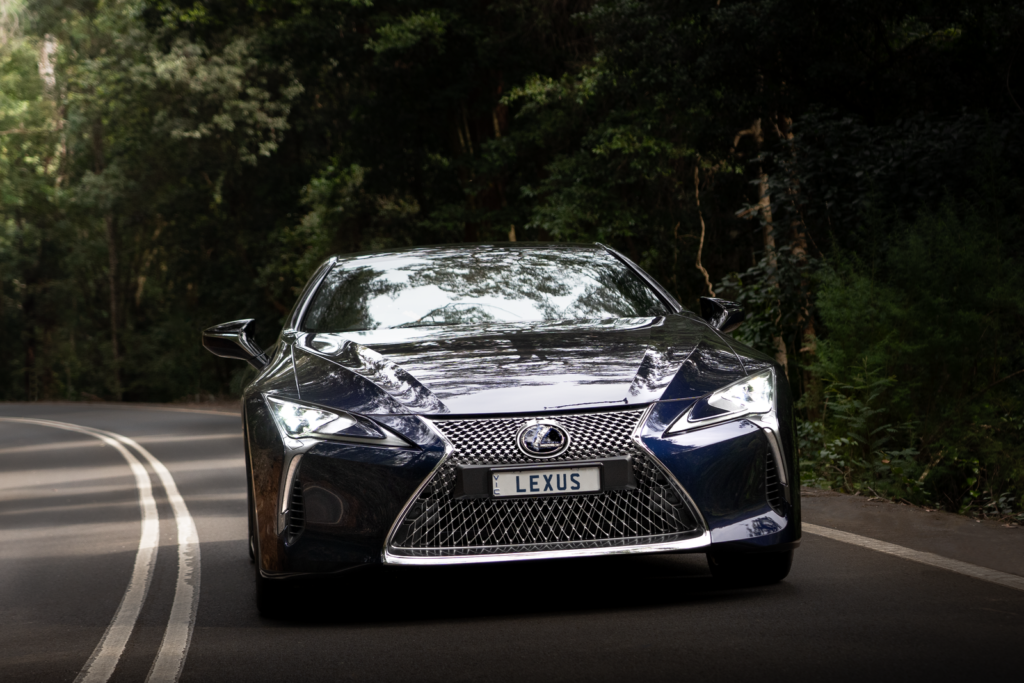
The LC 500 ultimately rewards buyers who balance enthusiasm with careful financial planning. Its dramatic design, naturally aspirated V8, luxurious interior, and grand-touring character make it an appealing alternative to more conventional luxury vehicles, while depreciation has brought earlier examples much closer to the budgets of serious enthusiasts. Understanding the complete financial picture allows buyers to take advantage of that depreciation without being surprised by ongoing expenses. With proper research, a detailed inspection, sensible financing, and a realistic maintenance and operating budget, the LC 500 can provide an exceptional flagship performance experience without the original new-car price.


