








9 Forgotten Muscle Cars That Outperformed Famous Automotive Icons
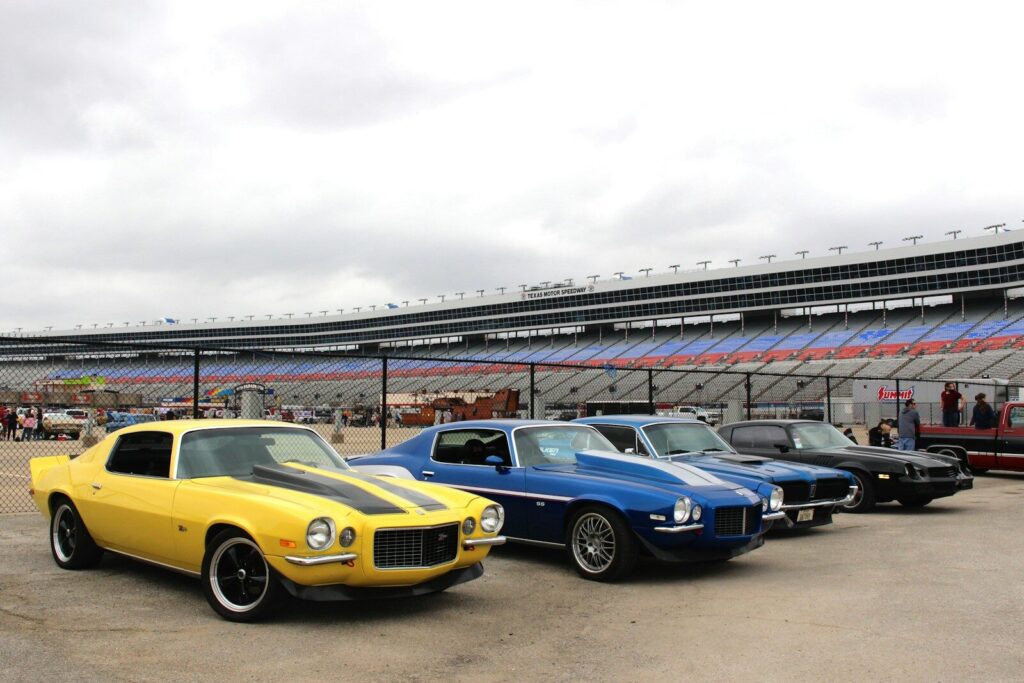
When talking about American muscle cars the list is usually dominated by iconic names like the Mustang, Charger, Chevelle and GTO. During the heyday of American muscle car performance, however, there were plenty of other vehicles that could achieve high speed and pack a punch with a V8 but didn’t have the same kind of fame. Some had more conservative styling while others were less popular models from the same manufacturer.
These Hidden-Idol Muscle Cars Show There Was More to Power Than Looks This hidden performance cars proved you didn’t always have to wear a recognizable body to drive true muscle. With big engines, light bodies, torque to spare, and subtle exterior styling, a handful of overlooked cars from the muscle car era packed a punch in a straight line. From giant sleepers to small coupes, here are nine cars you might have missed.
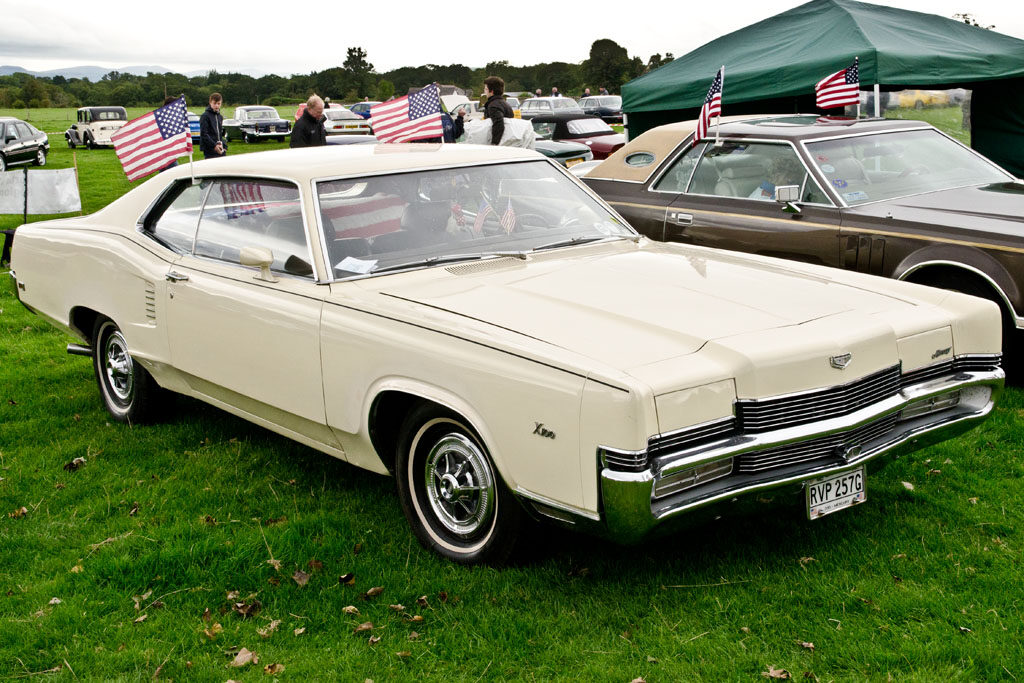
1. Mercury Marauder X-100
The large-displacement V8 was right at home in the generous proportions of the full-size Mercury Marauder X-100, yet combine these two elements and you’ve got a car that looks a whole lot more like a cruising cruiser than a quarter-mile contender. Casual observers would assume this was just another road-going behemoth, not a performance machine, and they would be right: surrounded by such large dimensions and conservative lines, the Marauder X-100 would slip right past most muscle-cars of the era.
Mercury Marauder X-100 Highlights:
- Large-displacement V8 power
- Spacious full-size body
- Conservative exterior appearance
- Strong straight-line acceleration
- Understated muscle-car character
Despite its relaxed visual character, the Marauder X-100 possessed the mechanical muscle necessary to deliver strong acceleration on the open road. Its combination of refinement and raw V8 capability gave drivers a performance experience without requiring an aggressively styled body. That balance remains one of the most interesting aspects of the model today, particularly for enthusiasts who appreciate classic sleepers and full-size American performance cars that could hide their true abilities behind an ordinary-looking exterior.
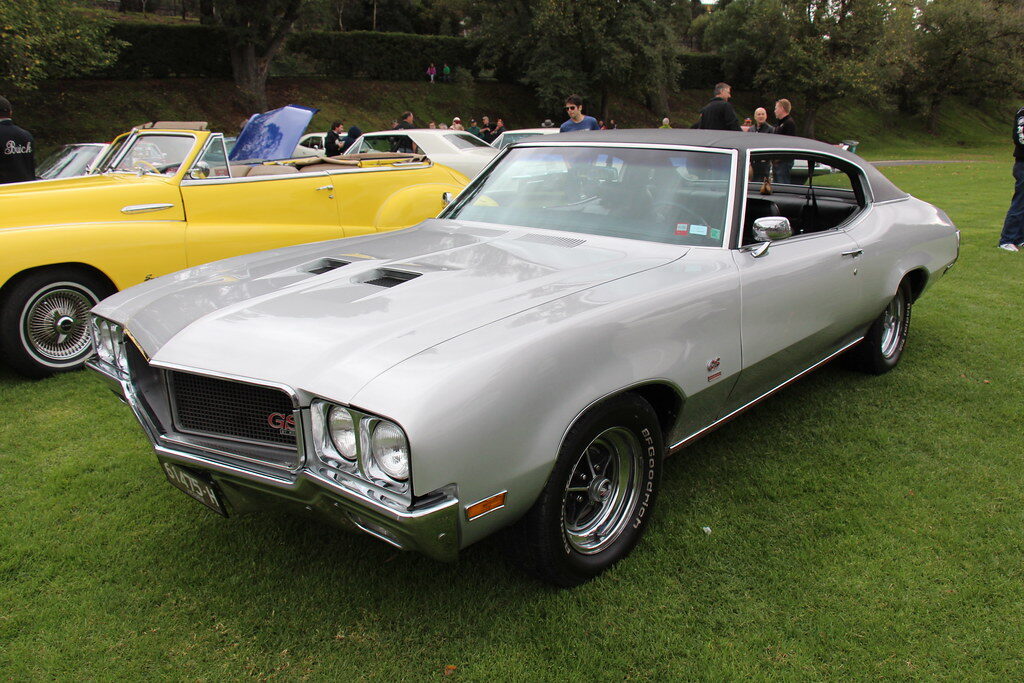
2. Buick GS 455
The essence of the GS 455 was its full-blown, muscle car recipe for raw power and lugging ability that makes old-school American performance so special: the torque. This muscle car monster’s huge V8 also brought plenty of torque under your right foot, making acceleration feel far punchier and quicker in the real world than most cars of the period could muster even classic muscle cars without the “GS 455” badge.
Buick GS 455 Highlights:
- Massive V8 torque output
- Strong low-end acceleration
- Comfortable performance package
- Premium interior refinement
- Underappreciated Buick muscle
The GS 455 also offered a level of comfort and refinement that separated it from more stripped-down muscle cars. Drivers could enjoy a premium interior environment while still having access to serious performance capability. Buick’s established reputation as a more luxurious brand sometimes caused its performance credentials to receive less attention than those of dedicated muscle divisions. As a result, the GS 455 remains an important example of how genuine high-performance engineering could exist within a more refined and understated American automobile.
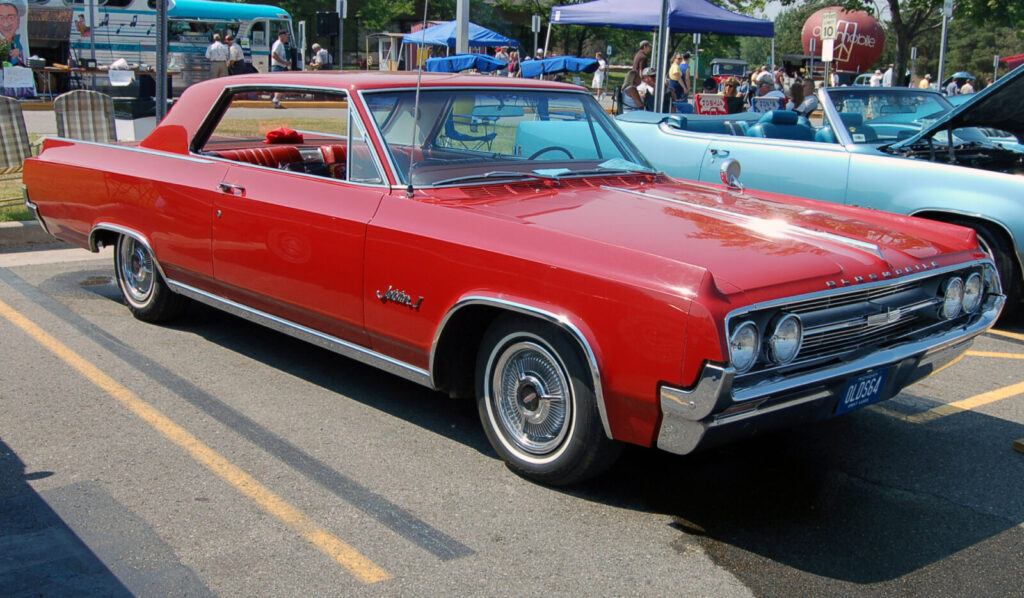
3. Oldsmobile Jetstar I
The Oldsmobile Jetstar I paired a lower weight body with a substantial V8 engine, making a mechanical recipe ready to send a considerable part straight ahead. Instead of counting on a large-size, full frame body to put down the power, the Jetstar I was going to make it count with a body that was more manageable. This contributed a performance character to the car that was easy to overlook against more familiar Oldsmobiles.
Oldsmobile Jetstar I Highlights:
- Relatively lightweight body
- Potent V8 engine
- Strong straight-line performance
- Sleek fastback styling
- Overshadowed by Oldsmobile 442
The Jetstar I also stood out visually through its sleek fastback styling, which gave it a sportier identity than many ordinary Oldsmobile sedans. Despite these performance and design qualities, the model was largely overshadowed by Oldsmobile’s famous 442. Many original Jetstar I examples also disappeared through years of everyday use, making surviving cars particularly interesting today. Its story demonstrates how a capable performance model can become forgotten even when it possesses the ingredients that enthusiasts normally associate with classic muscle cars.
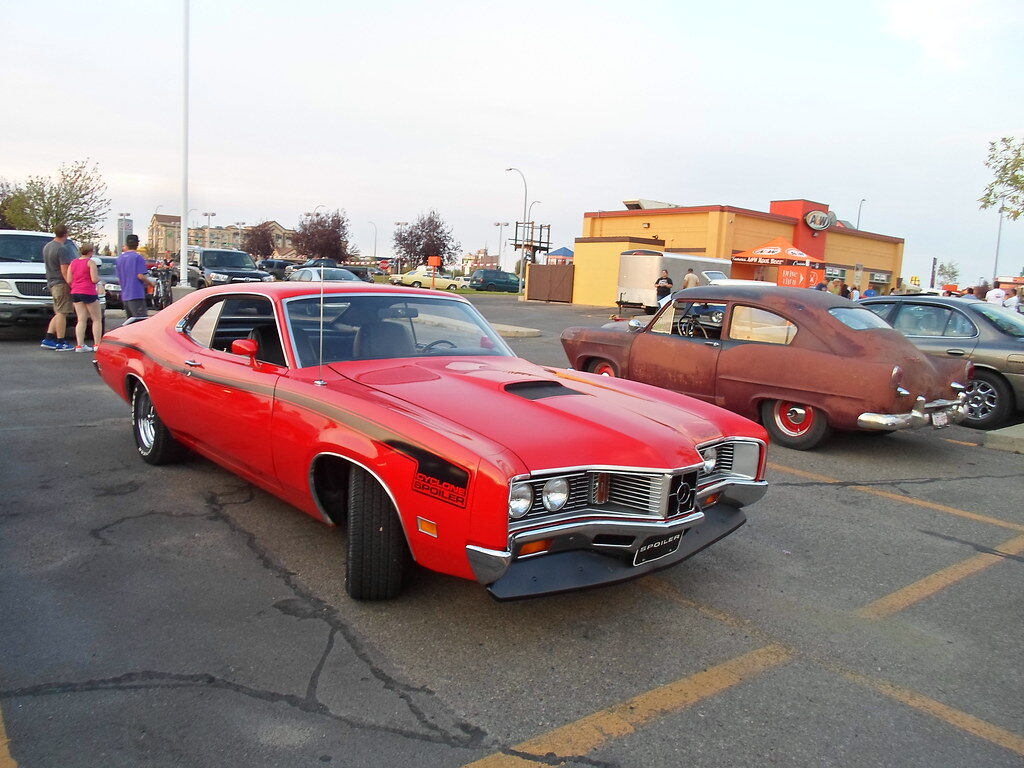
4. Mercury Cyclone GT
While the Mercury Cyclone GT provided good V8 performance, it didn’t get the wide exposure of its Ford counterparts, especially the Mustang and the Torino. It was a slightly different way for buyers to get into the American muscle car game, with a slick body shape, fairly low size profile, and a variety of decent performance engines. Though it shared its era with the some of the biggest names in muscle car history, the Mercury Cyclone GT was no global star.
Mercury Cyclone GT Highlights:
- Strong V8 performance
- Sleek compact body
- Multiple performance engines
- Respectable acceleration capability
- Overlooked Mercury performance model
Its relatively compact proportions allowed the Cyclone GT to make effective use of its available power, while its styling gave the car an appropriately sporty appearance. The Mercury badge, however, often kept the model from receiving the same level of attention as Ford’s most famous performance nameplates. That relative obscurity has become part of its appeal among modern enthusiasts. Surviving examples provide a fascinating look at a period when buyers had many more performance choices than the most famous muscle-car names might suggest.
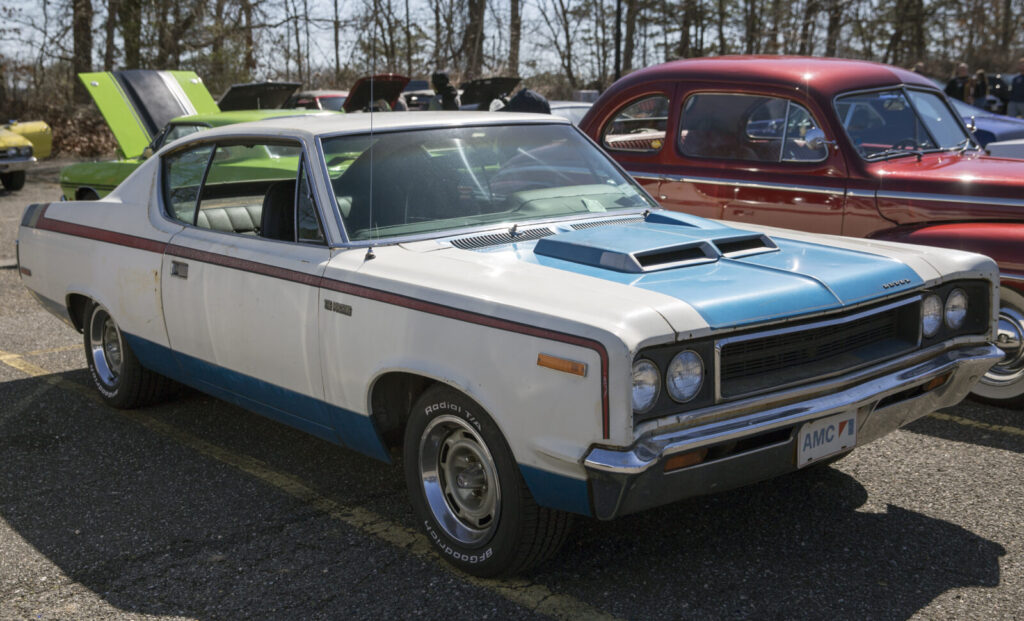
5. AMC Rebel Machine
The AMC Rebel Machine proved American Motors could hold its own with the big Detroit automakers in the performance arena. The muscular V8 engine delivered the kind of grunt required to enable it to accelerate strongly on the straightaways, while the mid-size wagon body it was built on supplied a good platform for converting that power into forward motion. AMC may not have had Chevy, Ford, Dodge or Pontiac speedster status, but the Rebel Machine proved its engineers knew how to build a muscle car.
AMC Rebel Machine Highlights:
- Potent V8 engine
- Relatively lightweight body
- Strong straight-line acceleration
- Bold exterior graphics
- Distinctive AMC performance identity
The Rebel Machine’s relatively lightweight midsize construction helped it make effective use of its available power. Bold exterior graphics also gave the car plenty of visual attitude, although it never reached the enormous popularity enjoyed by some competing muscle cars. Its combination of power, manageable size, and distinctive styling has helped preserve its reputation among enthusiasts who appreciate lesser-known American performance machines. Today, the Rebel Machine stands as a clear example of AMC’s ability to produce a genuine muscle car during the industry’s most competitive performance period.
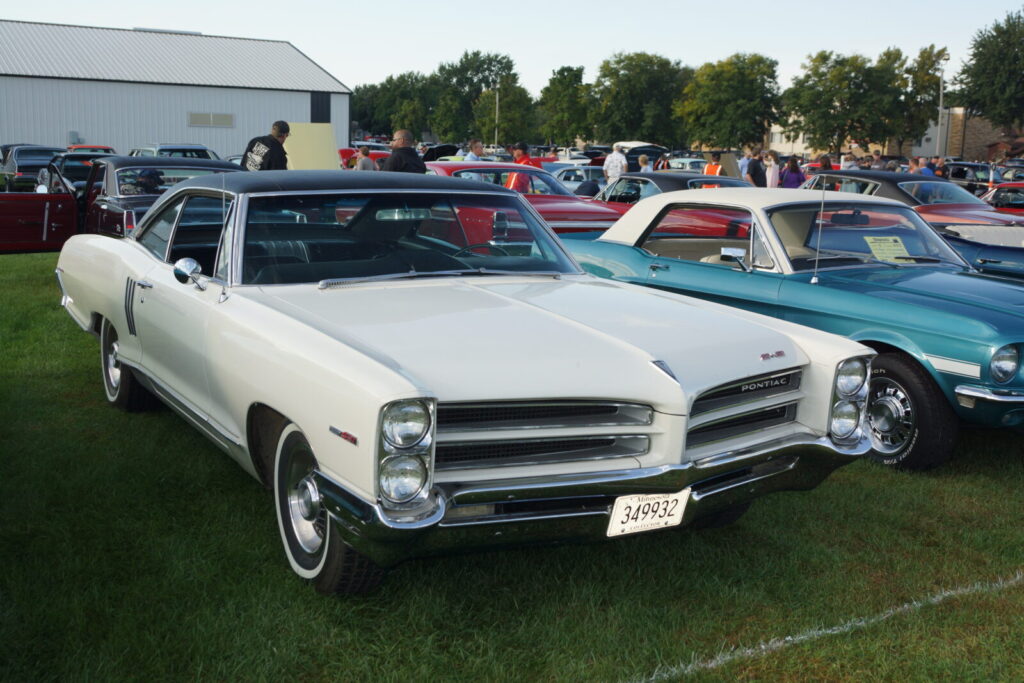
6. Pontiac 2+2
The Pontiac 2+2 placed serious V8 performance into a spacious full-size body, creating a surprisingly capable highway performer that could easily be mistaken for a comfortable cruiser. Its large physical dimensions did not prevent it from offering substantial straight-line performance, but they did make the car less visually threatening than smaller and more aggressively styled muscle cars. For casual observers, the 2+2 could appear to be simply another large Pontiac.
Pontiac 2+2 Highlights:
- Full-size performance coupe
- Serious V8 power
- Spacious body structure
- Strong highway performance
- Overshadowed by Pontiac GTO
Available performance engines gave the 2+2 abundant straight-line capability, allowing it to deliver much more performance than its large exterior suggested. However, Pontiac’s famous GTO dominated the brand’s performance conversation and left the 2+2 in the background. That historical overshadowing is part of what makes the model interesting today. Collectors and enthusiasts can view it as an unusual full-size muscle car that combined substantial power with a spacious platform and a less obvious performance image.
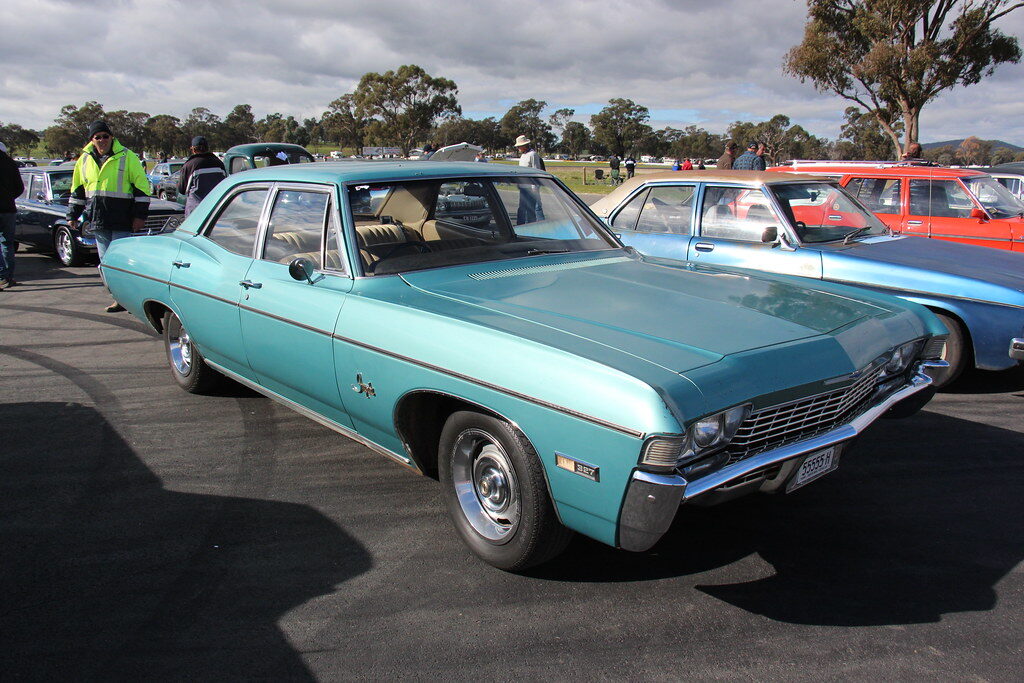
7. Chevrolet Biscayne 427
The Chevrolet Biscayne 427 represented the classic American sleeper formula by placing extraordinary performance beneath an extremely plain exterior. Its conservative appearance gave little indication of the massive V8 engine hidden under the hood, allowing the car to blend into ordinary traffic far more easily than visually aggressive muscle cars. That contrast between appearance and capability is one of the defining characteristics of the Biscayne 427.
Chevrolet Biscayne 427 Highlights:
- Massive 427 V8 engine
- Plain exterior appearance
- Lightweight equipment approach
- Minimal luxury features
- Classic American sleeper
Chevrolet deliberately kept unnecessary luxury equipment to a minimum, helping reduce the car’s overall weight and mechanical complexity. This created an unusual combination in which an ordinary-looking large sedan could deliver remarkably strong acceleration. Few casual observers would expect such a conservative vehicle to move rapidly from a standing start, which made the Biscayne particularly deceptive. Its understated character and serious V8 capability continue to make it a fascinating example of Chevrolet’s less obvious performance engineering from the muscle-car era.
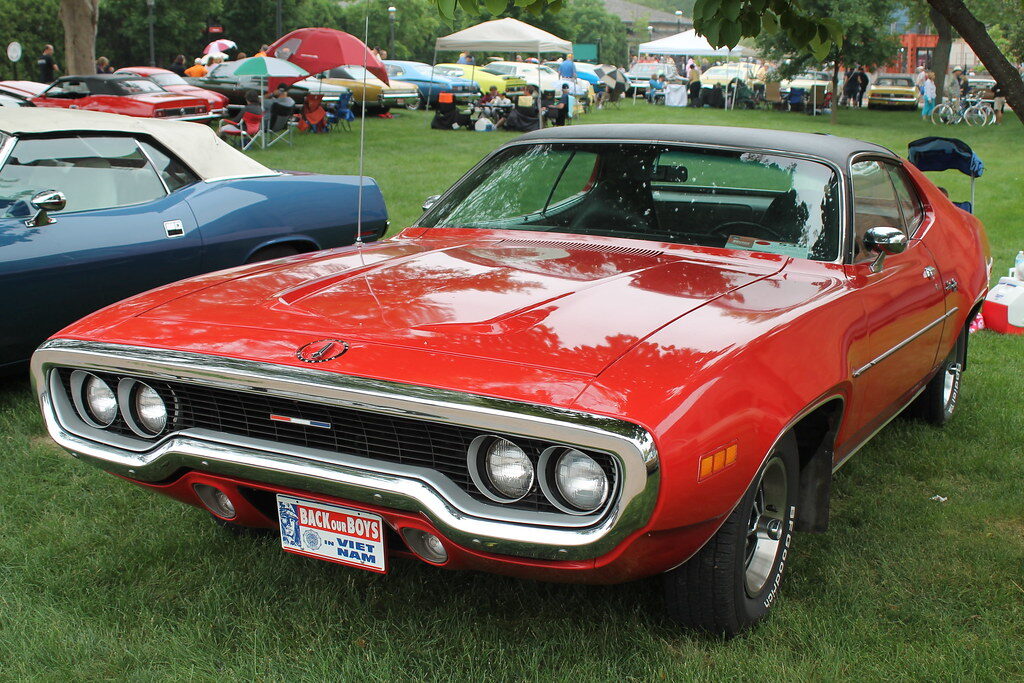
8. Plymouth Satellite
The Plymouth Satellite provided a comparatively understated way to experience genuine Mopar performance. With available high-output V8 engines, the midsize coupe could be transformed into a surprisingly quick machine while maintaining a less aggressive appearance than many of the era’s most recognizable muscle cars. Its restrained styling allowed it to remain relatively inconspicuous, even when equipped with substantial performance hardware.
Plymouth Satellite Highlights:
- Midsize Mopar performance coupe
- High-output V8 options
- Understated exterior styling
- Strong acceleration potential
- Everyday transportation roots
Because the Satellite could look like an ordinary car, many original owners used these vehicles for everyday transportation rather than preserving them as special performance machines. Years of routine driving naturally caused many examples to disappear, making surviving performance-oriented Satellites more interesting to modern enthusiasts. Finding a clean example with serious power under the hood can reveal just how much performance was available outside the most famous Mopar nameplates. The Satellite therefore remains an appealing reminder of the less celebrated side of the muscle-car era.
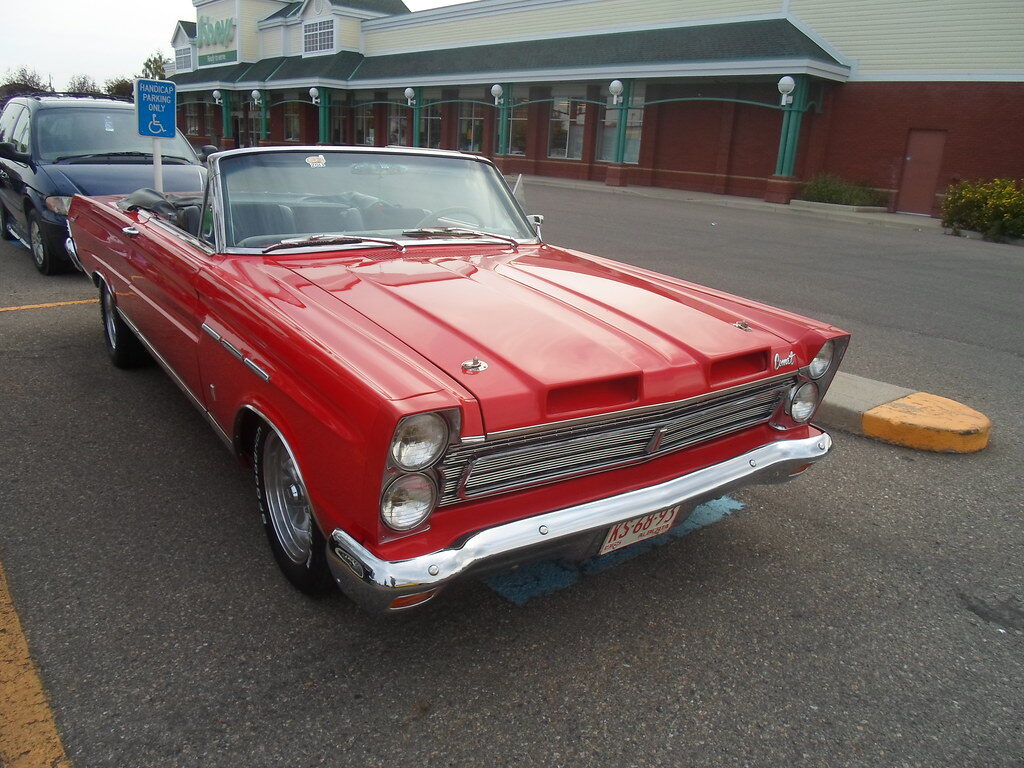
9. Mercury Comet Cyclone
The Mercury Comet Cyclone combined relatively compact dimensions with available V8 power, creating an effective power-to-weight combination that could deliver strong acceleration. Its smaller physical size compared with many larger American performance cars gave the Cyclone an inherent advantage in making efficient use of its available engine output. Despite those capabilities, the model never achieved the same immediate recognition as Ford’s Mustang or other major muscle-car icons.
Mercury Comet Cyclone Highlights:
- Compact physical dimensions
- Available V8 engine power
- Strong power-to-weight balance
- Sporty exterior styling
- Overlooked Ford Mercury performance
The Cyclone’s sporty appearance and strong performance gave it a unique identity, but its subtle styling and Mercury branding kept it largely overlooked. Today, surviving Cyclones attract collectors interested in lesser-known classics. Along with cars like the Mercury Marauder X-100, Buick GS 455, and Chevrolet Biscayne 427, the Cyclone shows how the golden muscle-car era included many powerful yet underrated machines that delivered serious V8 performance without gaining the fame of more recognizable muscle cars.


