








10 Short-Lived Cars That Disappeared From the Market After Brief Production Runs
Every automaker would love a hit car, but not every car goes on to live its dreams. A car launches with bold styling, ambitious engineering and high hopes, then vanishes after a surprisingly short production run. Some luxury sedans quickly failed to sell enough to be worth their high sticker prices, while some quirky crossovers failed to find an audience, despite being the subject of high hopes at launch. If a car’s not well-positioned, practical or up against tough competitors, even a promising start can turn sour.
While some of these models already boasted futuristic looks and forward-thinking concepts, some struggled to mesh different vehicle segments in a way that consumers had difficulty grasping. The Cadillac Cimarron, Subaru SVX and Nissan Murano Cross Cabriolet are just a few examples of how automakers can misfire, even when spending is strong. Looking back at these 10 obscure cars, you’ll see why carmakers put their products on the chopping block even when money isn’t an issue, and how factors like price, performance, usefulness, and even a car’s brand identity can lead to its demise.
1. Cadillac Cimarron
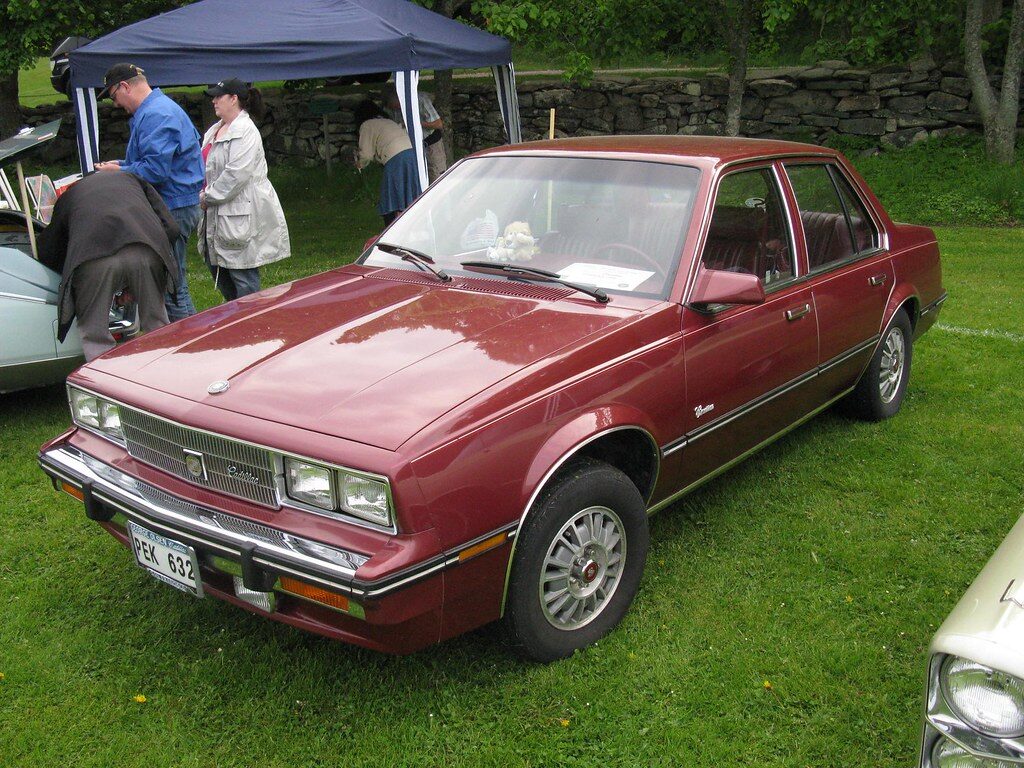
First introduced in the early 1980s, the Cadillac Cimarron was Cadillac’s entry into the market for smaller European luxury sedans gaining popularity. However, the Cadillac was met with criticism immediately because the car was felt to be too similar in feel and performance to lower priced standard vehicles offered by General Motors. Because the structure was shared with the Chevrolet Cavalier, Cadillac was unable to command the higher dollar tag for the vehicle and potential luxury car buyers soon began to wonder whether the Cadillac name was worth the risk. Early Cadillac Cimarron models offered a 1.8 litre engine with inline-4 configuration that could crank out 88 horsepower and 90 lb. Ft of torque. Measuring 175.6 inches by 66 inches wide, the car was not able to provide the smooth acceleration and luxurious feel that customers had come to expect from Cadillac.
Main Reasons Behind the Failure:
- Shared components weakened luxury appeal
- Premium pricing disappointed luxury buyers
- Engine produced just 88 horsepower
- Acceleration failed to meet expectations
- Economy-car similarities damaged brand prestige
The Cadillac Cimarron shows how sometimes a badge can’t hold up a high price tag. Cadillac thought it was targeting buyers of smaller luxury sedans with its new Cimarron but the similarities to the Chevrolet Cavalier made that much harder to achieve. Customers wanted to buy more than a car that was different in name only, and they wanted a different driving experience, better handling, higher refinement and the cachet of the Cadillac badge. What they got was too little, and too similar to a less-expensive car, in the form of a small engine and Cimarron’s shared frame construction. It wasn’t a matter of size, but of perceived value Cadillac’s entry in the economy segment was at odds with what they had to offer and customers weren’t willing to pay a premium for it. The Cimarron proved a failure, an object lesson for badge engineering.
2. Subaru SVX
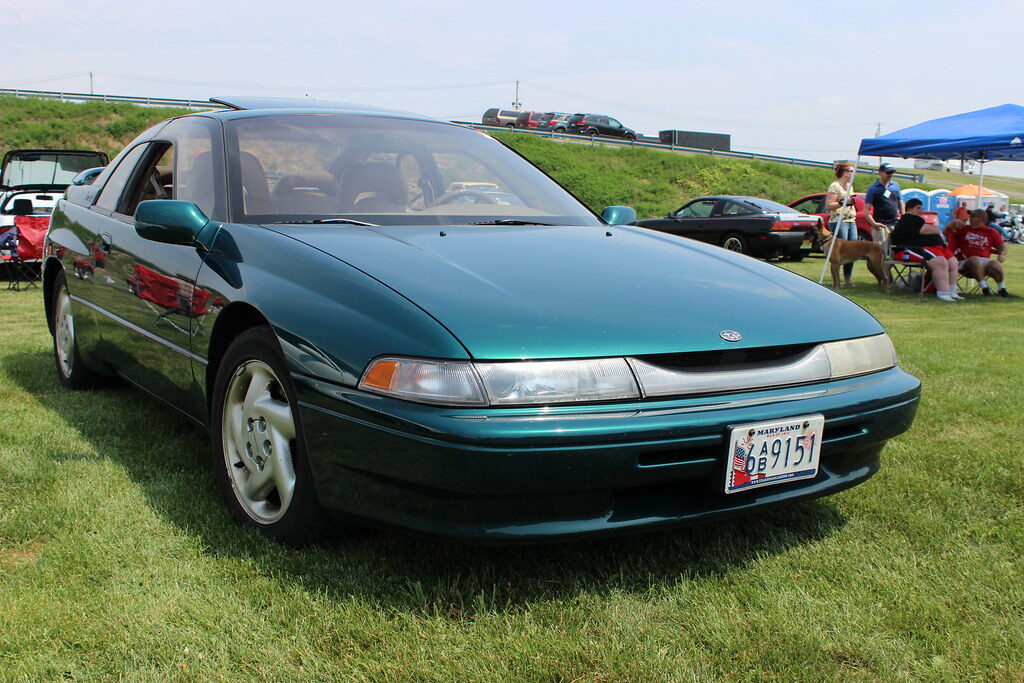
First introduced in the early 1990s, the Subaru SVX was a bold gamble for the Japanese company looking to tap into the premium end of the lucrative grand touring performance segment. It was a sexy coupe designed by Giorgetto Giugiaro and featured progressive styling cues for the time. The most notable of those design features was the aircraft-inspired window-within-window side glass found on each side of the car. It was eye-catching, but not necessarily appealing enough for the market to drive sales. The high price made competition fierce with other established brands and a fresh market that was tough to steer people toward when they weren’t familiar with what was being offered. Under the hood, the coupe was powered by a 3.3-litre flat-six engine that was rated at 230 horsepower and 228 lb-ft of torque. It was only offered with automatic transmissions in many markets. 181.1 inches long and 69.7 inches wide, the coupe weighed heavy despite its eye-catching appearance and set limits on what buyers were willing to pay for complex maintenance.
What Limited Its Market Appeal:
- Futuristic styling attracted limited buyers
- High pricing created stronger competition
- Flat-six engine delivered 230 horsepower
- Automatic transmission limited buyer choice
- Maintenance costs reduced overall appeal
With the Subaru SVX we see how hard it is for a manufacturer to launch into a higher price bracket. Though the chassis and vehicle concept was unique and offered a new take on the usual grand tourer, expensive styling alone was not enough. The premium entry price meant buyers would be left to compare it with other more luxurious and recognized competition, and despite good power from the 3.3-litre boxer six, the weight and limited transmission range combined to restrict wider appeal. Maintenance costs and complicated service requirements only added to the price and made it more difficult for the coupe to attract customers. It showed that manufacturers and buyers had to go beyond a few styling and technical features if they want to offer and demand an aspirational yet successful higher-priced performance coup.
3. Lincoln Blackwood
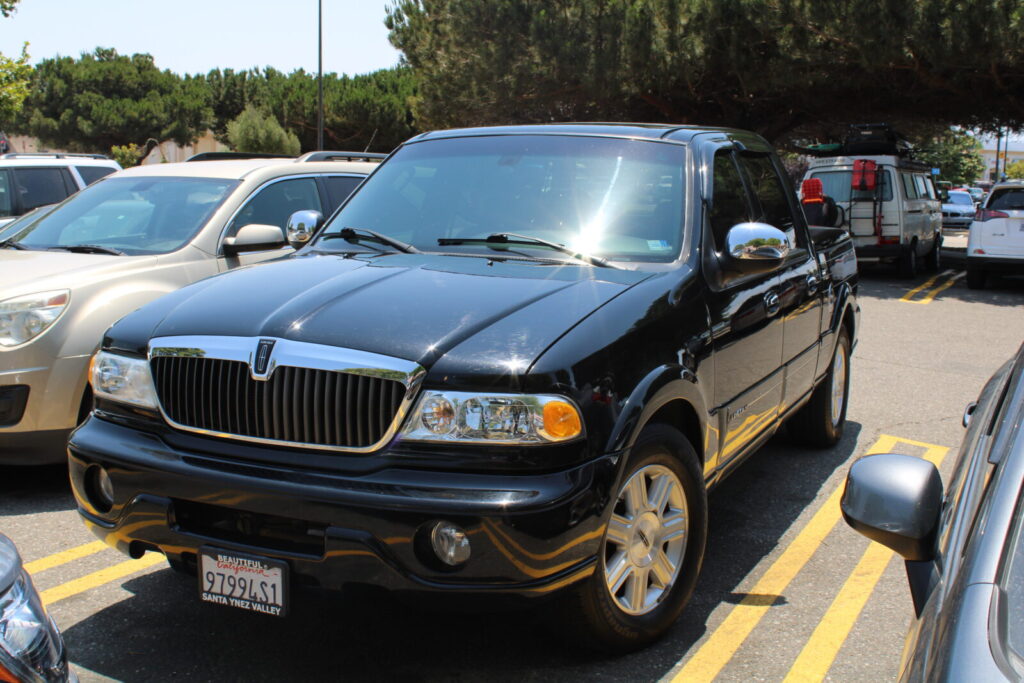
Lincoln went beyond the box with the Blackwood by combining the trim handling of a luxury sedan with the style of pickup. The Blackwood was powered by a 5.4-litre V8 engine delivering 300 horsepower and 355 lb-ft of torque. The vehicle measured 219.9 inches in length and 78.8 inches in width. At almost 7 feet wide and with a V8 engine under the hood, the Blackwood was a very large vehicle, but luxury pickup buyers questioned what it could actually do in the real world. It wasn’t an open truck bed, in fact, it had a carpeted rear bed enclosed by a power tonneau cover. The design made using the truck to do real work a challenge and the fact that it was a rear-wheel-drive vehicle didn’t help. As a high-end luxury vehicle the Blackwood was fairly expensive and that didn’t go far with average buyers who needed an open truck bed. There wasn’t much in the way of selling points and sales dried up quickly. Lincoln had to remove the Blackwood from the line after a single model year.
Major Factors Behind Its Short Run:
- Luxury styling compromised everyday truck utility
- Carpeted bed limited practical cargo use
- Powerful V8 produced 300 horsepower
- Rear-wheel drive restricted buyer appeal
- Production ended after one model year
The short production run of the Lincoln Blackwood demonstrates how can backfire when its target customer doesn’t want quite what you’re building. Instead of finding a happy compromise between comfort and luxury of a prestige car, with the look of a pickup truck, Lincoln’s design elements dilutes the practical benefit that trucking customers wanted from the project. The carpeted cargo bed and power-operated tonneau cover hamper the pickup’s true utility as a tool for transporting gear and being used for work. And the too-high price tag means it isn’t quite as appealing a purchase as standard pickups. Furthermore, its large size and standard RWD setup define it more, with a big engine (like the 5.4L V8) in place, but performance alone doesn’t overcome doubts about its day-to-day usability. Buyers will surely wonder about the purpose of such a vehicle when they could buy a considerably more practical option. In this case, the Lincoln Blackwood has demonstrated a luxurious design that was lacking in the vehicle’s traditional core competencies.
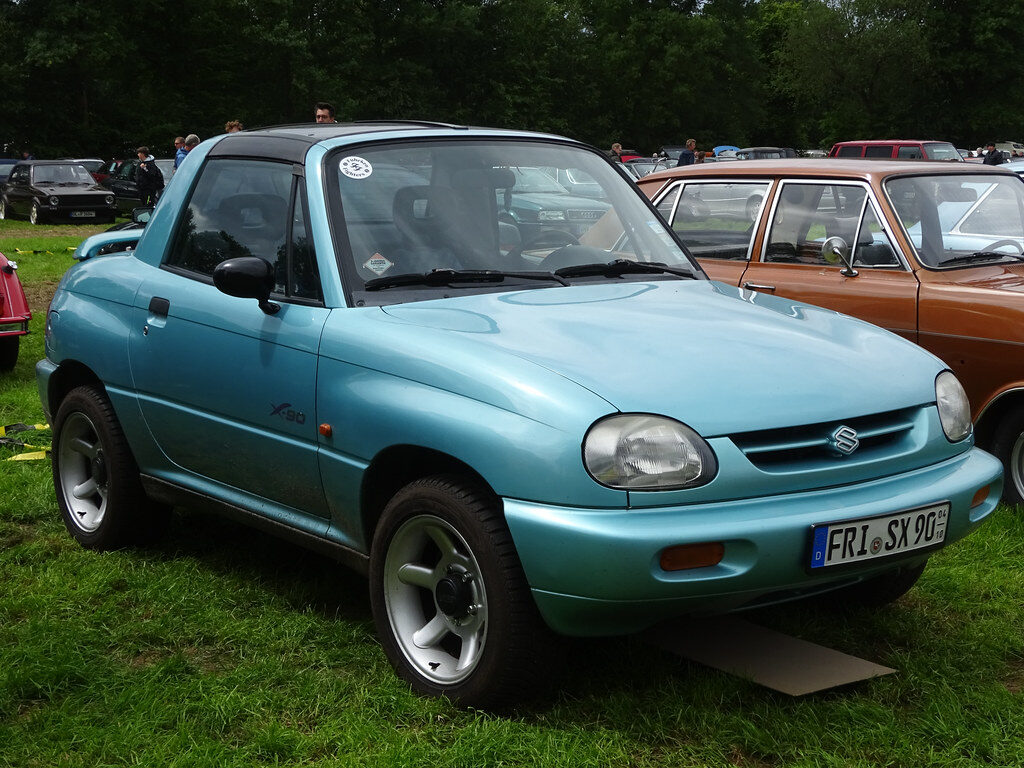
4. Suzuki X-90
The Suzuki X-90 was introduced in the 1990s. The X-90 was a bizarre mash-up of a two-seater all-purpose compact coupe, super-light off-roader and an open-air sizzler. Based on a mini truck chassis, the vehicle was equipped with roof panels that could be easily removed and was higher than a normal vehicle. Unfortunately, the vehicle was misshapen, and everyone was confused by its look, and its appearance was so soft that it failed to resonate with mainstream consumers, and the car became difficult to understand. The size of the car was 146.1 inches in length and 66.5 inches in width, equipped with a naturally aspirated 1.6-litre 4-cylinder engine. With only 95-hp and 98 lb-ft of torque, the car had little footprint and it shared the character of a light vehicle with removable roof panels. Still, because of the small interior, limited cargo capacity, and struggling to find a reason for its existence, it was quickly discontinued.
Where Did Things Go Wrong:
- Unusual styling divided potential buyers
- Two-seat layout restricted passenger capacity
- Small engine produced 95 horsepower
- Limited luggage space reduced practicality
- Unclear purpose weakened market demand
It is in fact the struggles of launching a vehicle that embodies a number of ideas and not doing any of them justice is highlighted here by the Suzuki X-90. With its high ground clearance and truck platform, it had the makings of a very capable off-road vehicle, but with the cocoon-shaped body and hard top panels, and it was a very unusual vehicle to look at. This made it even more difficult to market it to a customer base looking for a practical day-to-day driving vehicle. It also had a modest 1.6-litre engine that produced tepid power figures, and the small cramped cabin and small trunk space made it an odd proposition to use for any extended journey, or with any amount of baggage. Its departure from the norm proportions also meant it was a difficult decision for a customer wanting something more traditional. Just 3 years of production, but it showed how difficult it was to identify a potential market for a vehicle with an individual approach.
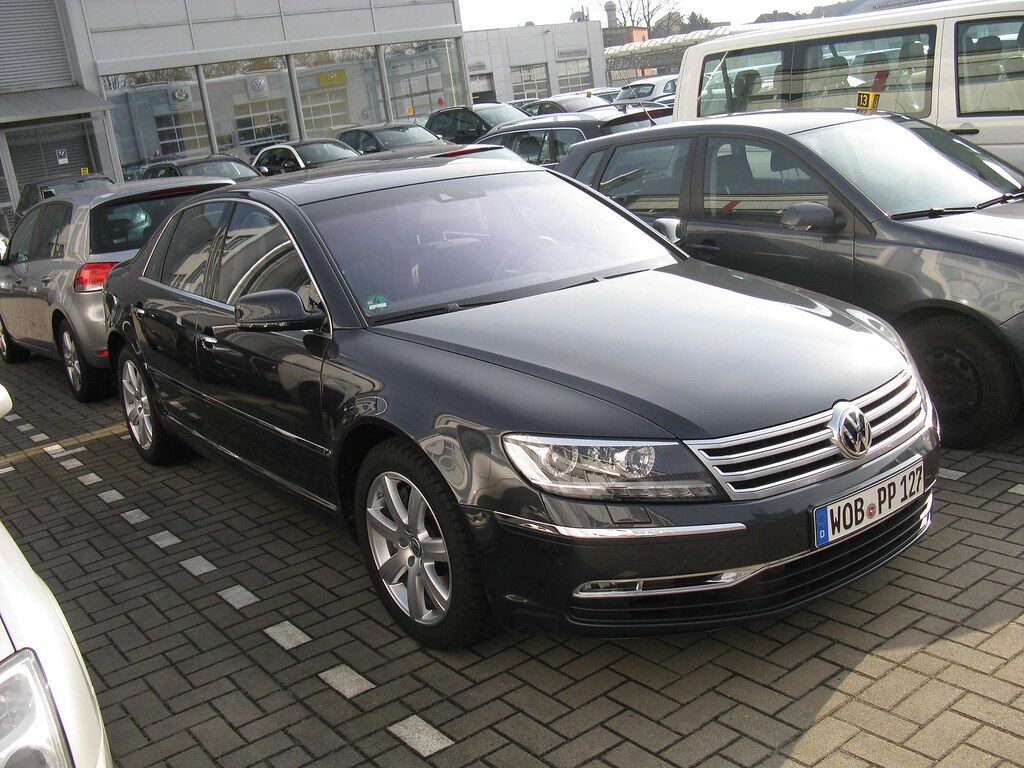
5. Volkswagen Phaeton
Led by former chairman Ferdinand Piech, the Volkswagen Phaeton was an ill-fated attempt at challenging the high-luxury car brands head-on. The full-size flagship was honed with a laser focus on comfortable high-speed cruising, technology, and keeping the internal temperature perfect even under the harshest conditions a group of priorities developed specifically to appeal to would-be buyers. Phaeton was aimed at the pinnacle of the flagship tier of luxury cars, but even with all this work done to craft a piece of craftsmanship and with a handful of techs designed to be desirable, the Phaeton still had a major blunder in the dealer showrooms. Potential buyers were being sold flagship pricing for a car sporting the Volkswagen badge, and the message was hard to send that it belonged in any other tier of high-end motor. With its engineering plan and comfort tech developed to the nines, the Phaeton couldn’t find enough luxury consumers to buy into the fact that it was a luxury car.
Key Challenges That Hurt Sales:
- Mainstream branding weakened luxury positioning
- Flagship pricing discouraged potential customers
- Engineering focused on exceptional comfort
- Advanced technology supported premium ambitions
- Buyers questioned its luxury credentials
The Volkswagen Phaeton proves how a premium brand identity can be critical to a high price tag in a vehicle, even when a vehicle has been subject to the best engineering effort available. Volkswagen’s objective was a flagship to challenge other leading luxury makers through technological comfort, refinement, and technological advances. The vehicle’s concern over cabin conditions in extremely demanding situation exemplified how far these ambitions had gone. The contrast between its street position and the price showed how out of touch the car was with the Volkswagen customer. Many potential buyers of a highpriced, luxury sedan want instant badge credibility, and the Phaeton had to contend against that, as well as against more established luxury models. Its craftsmanship could reflect its technical prowess, but changing people’s minds about where the car fits in the luxury hierarchy was never going to be easy. The vehicle shows how you can believe your technology is in the big league, but that a high price does not always guarantee commercial success.
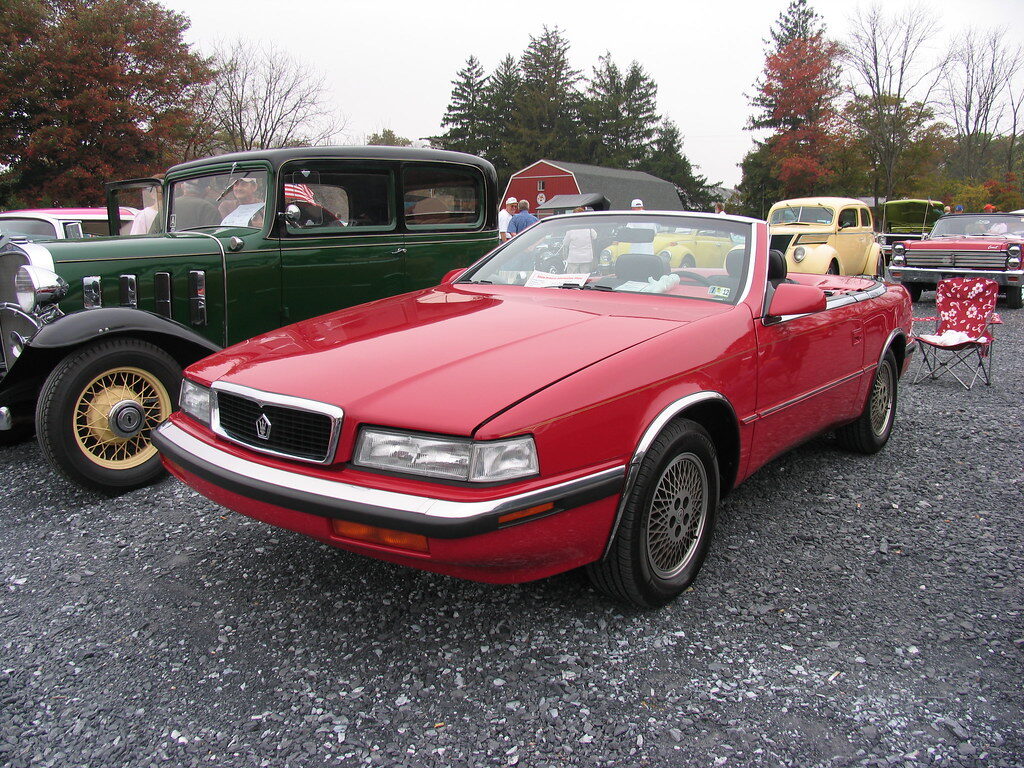
6. Chrysler TC by Maserati
Chrysler gave it a shot at the high life with a high-profile acquisition of the Italian sportscar firm Maserati to develop a grand tourer that, if nothing else, had an uncommon market positioning. This auto was targeted at buyers who wanted a taste of the happening international scene through a car that married American comfort with an infusion of European glamour. Maserati and Chrysler both held high aspirations for the car with the hope of carving out a position for it as a unique high-end premium vehicle. But it was faced with very real commercial obstacles from the outset. Its lofty asking price, the build-up delays and an undefined market focus began to undermine its potential to establish an upmarket audience. It was a car that was asking potential customers to pay a premium for a product that lacked a clear concept of what it was supposed to be better at or different from a premium American-Italian marque was simply not enough. It disappeared from the showroom floor after just two years of production.
Why the Concept Failed to Succeed:
- Partnership created ambitious luxury expectations
- High prices discouraged potential buyers
- Production delays complicated market introduction
- Unclear positioning confused customers
- Traditional luxury rivals attracted buyers
The Chrysler TC by Maserati ultimately proved that a high-profile pair-up does not necessarily lead to a successful product. The aim of the pairing was to combine two unique automotive identities Chrysler’s domestic comfort with Maserati’s marque as an Italian engineering/design house to produce a grand touring car that had the edge over its rivals. However, the benefits that the coupling was supposed to bring did not result in a clear enough incentive for customers to select it over other luxury cars. Its high price meant that the company needed to make it known why it was worth it, delays in its manufacturing, however, created immediate commercial disadvantages; and the car itself lacked a clear position in the market customers could not be sure who the car was intended for. Instead of establishing an exciting rival, it simply had the problem of competing against well-known names that had a very clear identity. Its lifetime short due to the many complications surrounding it explains why high-profile couplings need more than just an expensive tag and solid reputation. To succeed, important areas such as product positioning, pricing and production planning and customer identity need to be consistent.
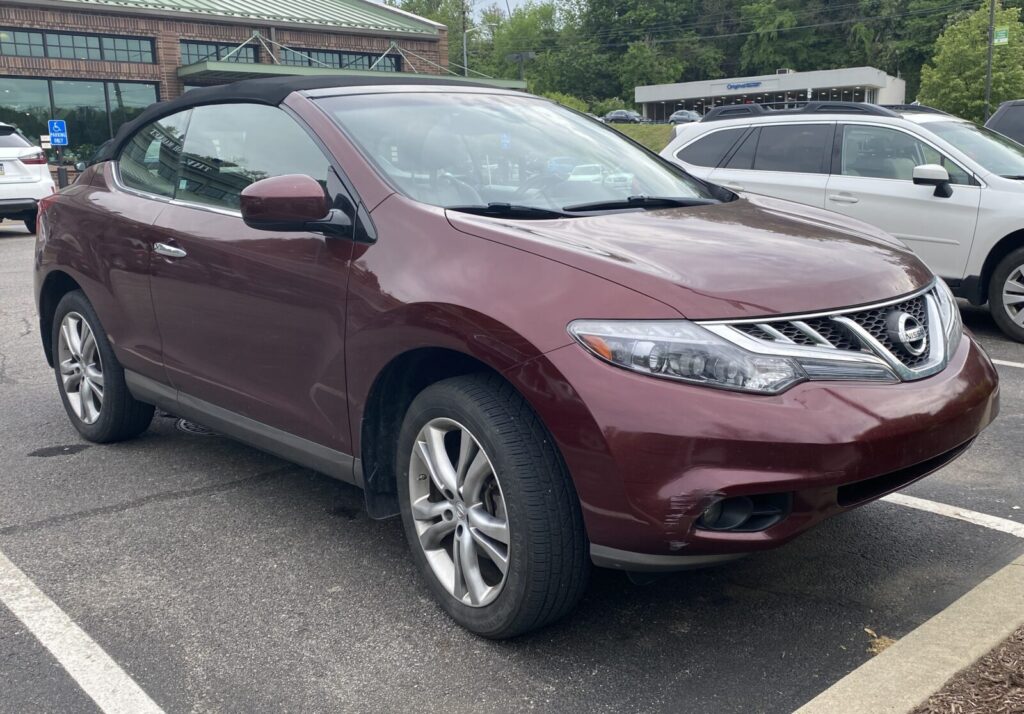
7. Nissan Murano CrossCabriolet
Nissan took a bold automotive gamble with the Murano Cross Cabriolet by seeking to establish a new segment in the car market. The model straddled the divide between a large sports utility vehicle and a convertible with a high stance similar to that of a crossover. The model aimed to combine the visual appearance of a crossover with the drivability of an open-top, all-wheel-drive car. Despite the model featuring a fresh design that sought to combine off-road-vehicle styling cues with an open-top motoring experience, scepticism was instant because of its non-standard silhouette. The removal of the traditional roof and the introduction of a complex convertible roof mechanism resulted in a few sacrifices, including a loss of load space and rear passenger area along with structural difficulties and a higher retail price. The concept was therefore expensive and inconvenient to appeal to a wide customer audience, which resulted in slow sales.
Problems That Drove Buyers Away:
- Unconventional styling divided public opinion
- Convertible mechanisms increased vehicle complexity
- Cargo capacity became more limited
- Rear passenger space was compromised
- High pricing restricted mainstream appeal
This is the Nissan Murano Cross Cabriolet and it is an example of the difficulty when you try to design a vehicle that crosses two categories together. Crossover buyers are often attracted to the practicality of the vehicle, the space for passengers and cargo and so on. Convertible buyers, on the other hand, are more concerned with the feeling of driving with the top down. They want something stylish. Crossover buyers want styling, but to some extent they can be more pragmatic. Nissan tried to marry the best of all worlds and the results proved ultimately to be too compromised to appeal to buyers more broadly. The complex power folding roof mechanism added cost and cut into the interior space. The exteriors dimensions were a little off-beat and therefore polarising. While the concept did give the vehicle an elevated position and the allure of open-air driving, it wasn’t enough to make the model a success in its single market. Mainstream crossover buyers had other options with which to enjoy practicality and the convertible market had other options they could turn to in order to enjoy the open air.
8. Renault Avantime
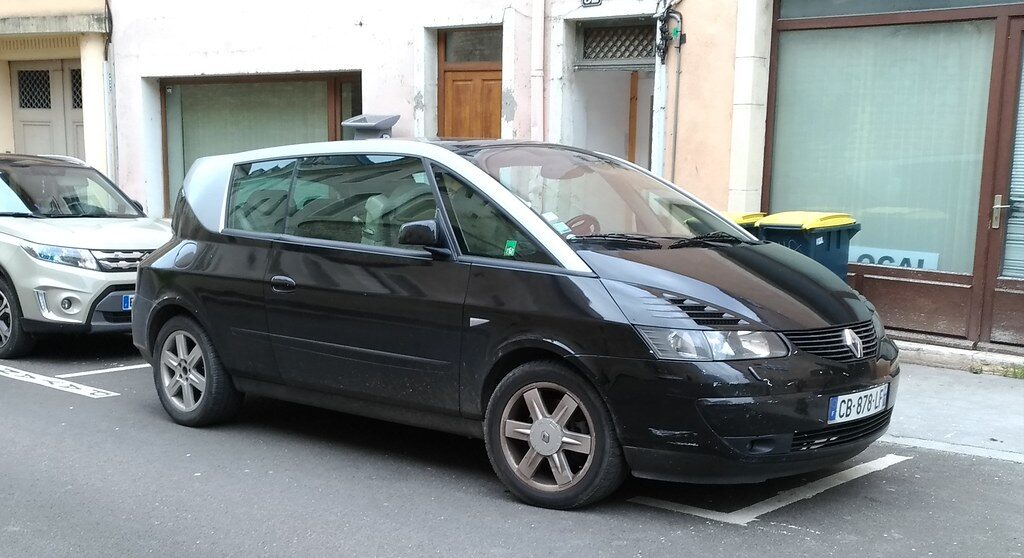
The Renault Avantime was an extremely radical styling experiment that combined the tall proportions of the luxury minivan with a sporty coupe shape. Exhibiting stunning pillarless side glass and futuristic lines, the Avantime tried to find a place in the upper end of the personal transportation sector for an enthusiast clientele seeking an unconventional look. The Avantime was a new interpretation of the luxury car market, departing from the shapes of conventional family sedans and station wagons. Although it explored many new engineering ideas and creative packaging concepts, the Avantime faced immediate commercial failures after its launch. Its distinctive styling was off-putting to many of the traditional luxury car customer base, and would-be minivan buyers could not accept two doors and a more demanding operating theme for their on and off-road transport duties. Due to poor marketing and a crisis in the national economy, sales for the Avantime were miserable, and even innovative ideas cannot always guarantee success.
Biggest Obstacles to Commercial Success:
- Radical styling divided luxury customers
- Two doors reduced family practicality
- Innovative layout challenged traditional expectations
- Weak economic conditions hurt demand
- Low sales shortened its market presence
The case of the Renault Avantime illustrates what can happen when an exotic styling exceeds demand to such a degree that a vehicle cannot be sold as a commercial proposition. While offering a high profile design statement, it combined a tall and minivan-like body with a two-door coupe layout aimed at novelty from more traditional luxury car buyers. The pillarless side glass and styling exaggerated its experimental nature. However, this type of design can create problems when buyers think about how the car might be used. Some traditional luxury car buyers might find it unorthodox, while minivan family buyers might find the two-door body style less useful. The fact that the market was weak at the time compounded the situation. As a result, the Avantime found a much narrower audience than it might otherwise have done. This case shows how a vehicle that might be interesting as an idea can still struggle as a production vehicle, and that it is not enough for a vehicle to be unconventional looking — it also needs to be usable.
9. Isuzu VehiCROSS
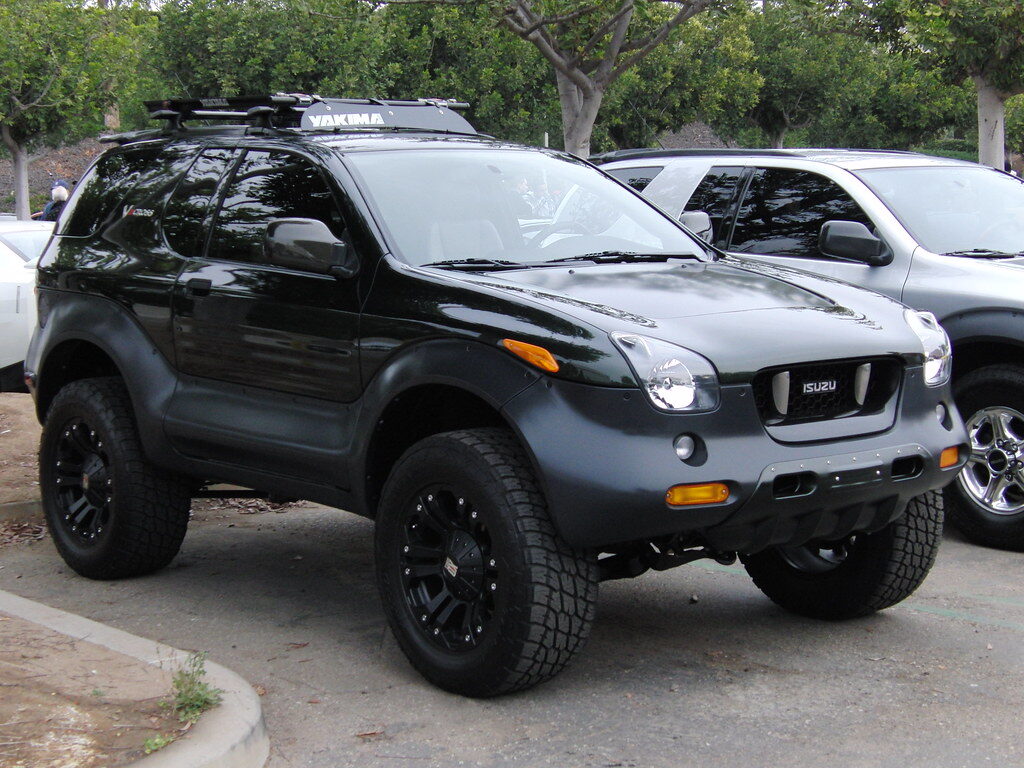
As the futuristic, low-volume SUV was new, the VehiCROSS was truly a concept-car styling translated to production. The production model of the VehiCROSS adopted the look of the visually provocative concept, with the protruding flares and restyled unpainted bodywork, raised suspension and off-road accessories. The target customer for the VehiCROSS was someone looking for a different type of off-road vehicle that would be striking on the road as well, helping it stand out among other traditional SUVs. While the VehiCROSS was well-received by the design community and in enthusiast circles, its sales potential was limited by its price being too high for many buyers and its interior room being quite small while also serving as a daily vehicle. Its radical rounded styling was very bold and may have put off mainstream buyers as too radical. These factors limited the overall appeal of the VehiCROSS, and its high production costs and lack of sales appeal only led to its short production span.
Factors That Limited Buyer Interest:
- Futuristic styling divided mainstream buyers
- High pricing restricted potential customers
- Tight cabin space reduced comfort
- Interior practicality limited daily usability
- Production costs remained commercially challenging
The VehiCROSS proves that it can be difficult to convert an eye-catching concept into a well-selling vehicle with broad appeal. The VehiCROSS’s bold styling, fender flares and raised ride height all contributed to an eye-catching look, while the off-road equipment reinforced its serious “all-road” personality. However, the traits that set the VehiCROSS apart could also make it less appealing. Its tightly packed interior might not appeal to customers looking for a family car, and some buyers could be put off by the lack of space, cargo area or interior versatility. Its high price tag created yet another obstacle, especially for shoppers who could opt for a traditional SUV. Those with a real passion for the VehiCROSS’s quirkiness might be pleased with the vehicle’s unique styling, but this one-of-a-kind vehicle didn’t have enough appeal to sell in high volumes. Its high manufacturing costs also meant it was difficult for the VehiCROSS to establish a solid position in the market while sales volumes remained low. This vehicle demonstrates that it is possible to have a vehicle remembered fondly by enthusiasts without translating this into the mass-market success needed to make a model a flagship product. To avoid shortfalls in sales figures, manufacturers need to find the right mix of personality, capability and affordability.
10. Saturn Relay
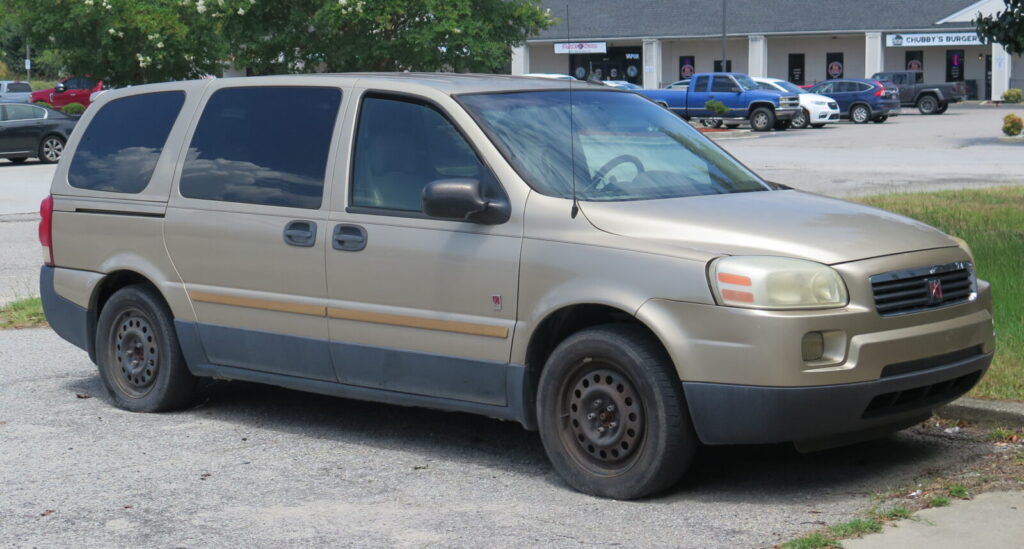
GM’s Saturn Relay was an effort to add a competitor for the family transport market, combining a minivan’s practicality with the front end styling of an SUV. The goal was to produce a “crossover sport van” that would give the family hauler more of a truck-style look. Unfortunately, once it arrived at the dealer showrooms, it faced a host of serious commercial problems. The Relay faced a difficult market against already established competitors, and its dull performance, average gas mileage, and generic branding did not excite potential buyers for a practical family vehicle. Consumers didn’t see the Relay as offering much distinctiveness, or a reason to select it over another minivan or SUV. The vehicle failed to attract much market interest, and was eventually discontinued.
What Led to Its Discontinuation:
- Crowded market increased competitive pressure
- Performance failed to impress buyers
- Mediocre fuel efficiency weakened appeal
- Rebadged design offered limited differentiation
- Low sales led to discontinuation
Lessons from the Saturn Relay The Saturn Relay’s history demonstrates the dangers of the one segment where a new vehicle has little opportunity to enter as a superior alternative. GM’s attempts to make a vehicle more competitive with other established models by giving it the more family-friendly interior layout of a minivan and outside character of an SUV were thwarted by the mundane performance that resulted from average fuel economy and a lack of personality from the Saturn badge. Buyers first consider factors such as costs of operation and utility when choosing a family car before noting features that set that model apart from other competitors in the segment. The Relay could not deliver on those factors. And, the sale as a rebadged unit further undermined the product due to the low novelty of the changes implemented. The result was that this model could not generate the demand necessary to sustain itself in this segment. The bottom line for the Relay is that a design refresh without positioning, innovation and value is not enough.


