





The Great Transmission Debate: CVT vs. Automatic Explained
The selection of the appropriate transmission in the automotive industry is quite a significant issue in the contemporary world than most of the buyers understand. It has a direct impact on the feel of driving a car, its fuel consumption and its cost of maintenance in the long run. Most individuals just desire a comfortable driving experience, but the distinction between the types of transfers is a larger factor than anticipated.
The importance of Transmission Choice
- Influences motivating comfort and smoothness
- Affects fuel efficiency and running costs
- Determines long-term maintenance needs
- Influences vehicle performance
- Plays a role in resale value
The two most popular variants, the conventional automatic transmission and the Continuously Variable Transmission (CVT) are the focus of this discussion. Despite the fact that both are used to drive the engine power to the wheels, they are completely different in the way they work. Being aware of these distinctions helps motorists to select a car that fits their lifestyle, driving, and long term expectations.
1. Conventional Automatic Transmission: A time tested Classic
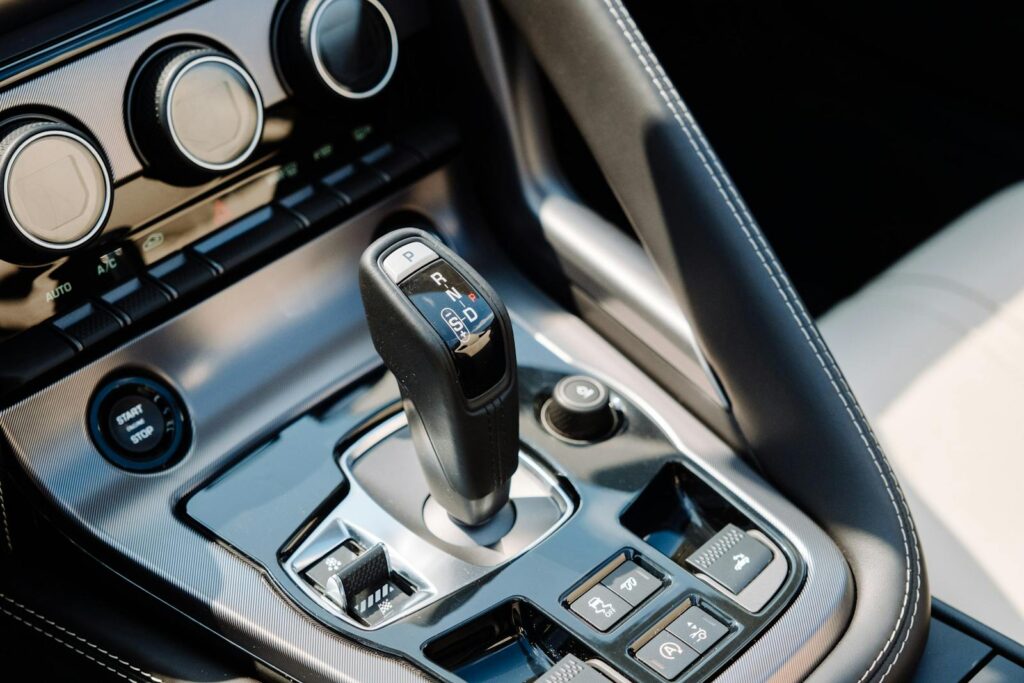
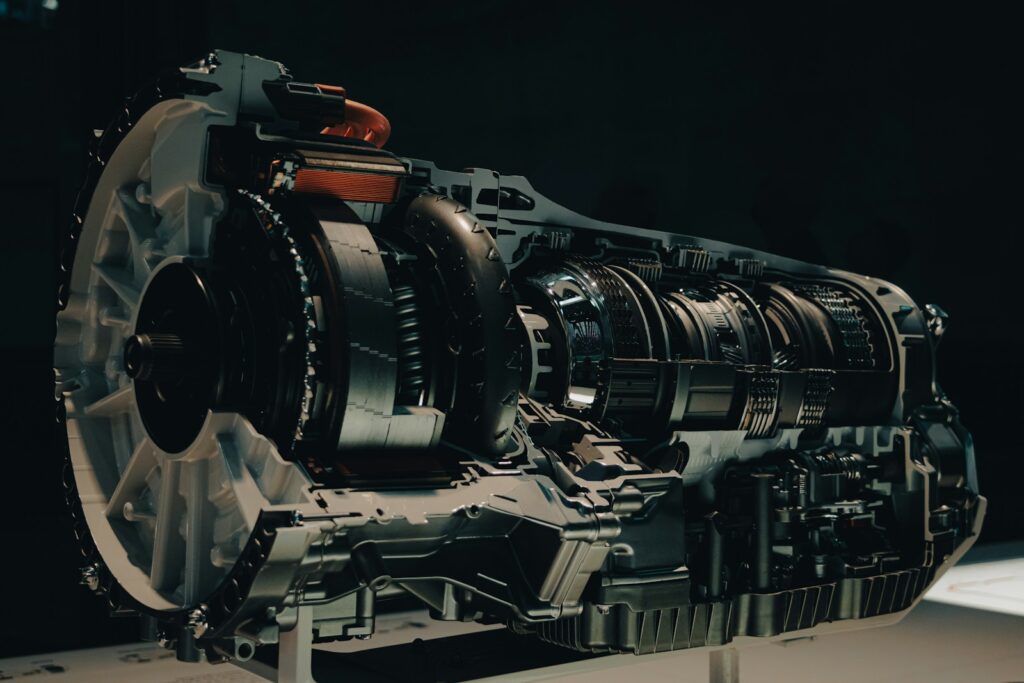
Automatic transmission is a time-tested and proven option over decades, with its reliability and familiar driving experience. It operates with a gear system, clutches and hydraulic controls to change the fixed gear ratios. These changes are felt and the drivers can have a feeling of being in touch with the car when it accelerates and decelerates.
Important Parts of Automatic Transmissions
- Planetary gearsets for multiple ratios
- Gear shifting hydraulics
- Torque converter to provide smooth engagement
- Gear control clutch packs
- Lock-up mechanisms for efficiency
The torque converter is one of the best features that substitute manual clutch. It enables the car to stay in place when the engine is on and gives the car good acceleration at first. In the course of time, automatics have been perfected to provide a more comfortable shift and better fuel consumption, thus making them a reliable option in a variety of vehicles.

2. Advantages of Automatic Transmissions
Automatic transmissions are highly valued due to their reliability and stability in their operations. They are designed to withstand the stresses and are usually in vehicles that require heavy work like towing or off-road driving. Their reliability in delivering power makes them a favourite among the drivers who understand the importance of performance and control.
Benefits of Automatic Systems
- Proven long-term reliability
- Good performance at high loads
- Predictable and controlled shifting
- Widely available servicing options
- Appropriate in high performance cars
The other significant benefit is that they have predictable behaviour on the road. The driver will be able to experience every gear shift and this will assist in knowing how the car reacts under various circumstances. This is particularly helpful when one has to operate a car on steep roads or when it is necessary to have a clear control over the speed and power.
3. Continuous Variable Transmission (CVT): A Contemporary Technology
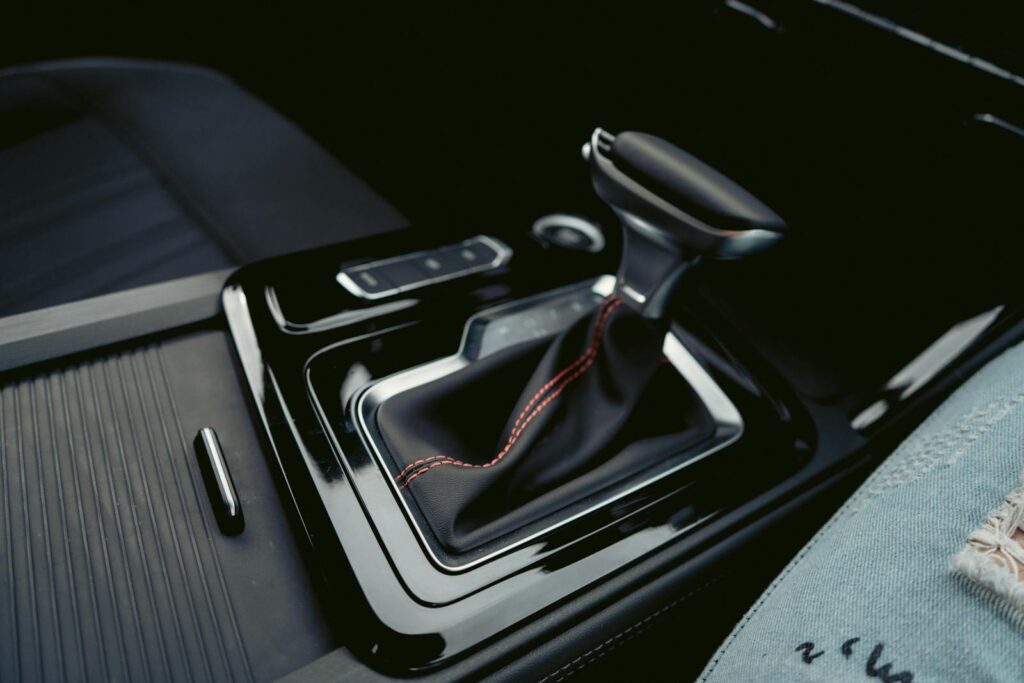
CVTs do not use fixed gears as opposed to traditional automatics. They instead have a system of pulleys which are joined by a belt or a chain to produce an uninterrupted set of gear ratios. This design can enable the engine to work at its optimum speed, irrespective of the speed at which the vehicle is travelling.
Key characteristics of CVT Technology
- Replaces fixed gears with pulleys
- Offers an indefinite number of gear ratios
- Keeps the engine RPM optimum
- Delivers smooth acceleration
- Reduces mechanical complexity
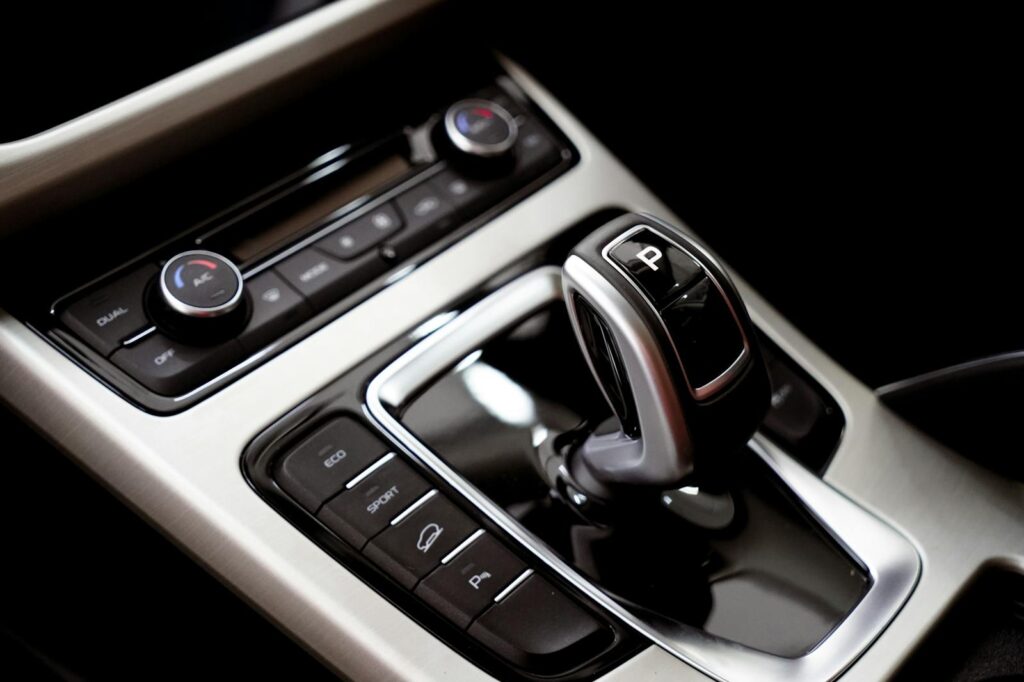
This special system leads to a sense of driving that is smooth and continuous. The gear shifts are undetectable and this aspect is comfortable to many drivers particularly when in the city. The focus of CVT technology is efficiency and ease, making it particularly popular in compact cars and hybrids.
4. Advantages of CVT Systems
The greatest benefit of CVTs is that it improves fuel efficiency. They minimize the unnecessary fuel consumption by maintaining the engine at its most efficient speed. This is particularly useful in stop and go traffic where the conventional transmissions cannot always be efficient.
Why CVTs Stand Out
- Increased daily driving fuel economy
- Smooth and quiet operation
- Less moving parts than automatics
- Best suited to city traffic
- Reduced engine strain
Besides efficiency, CVTs have a less aggressive driving experience. Lack of gear shifts makes it a smooth and stable ride, and this may make the long commute less exhausting. This can be a big benefit to those drivers who do not value performance but appreciate comfort.

5. Driving Experience: On road differences
In comparing the two types of transmissions on the road, the differences are very evident. Automatic transmissions offer a more conventional driving experience, and their shifts are easily felt, creating a sense of power and control. This renders them suitable in scenarios where they need to accelerate swiftly.
On-road Performance
- Automatics provide rapid reaction when accelerating
- CVTs provide smoother power delivery
- Automatics are more fun to drive
- CVTs reduce jerks in traffic conditions
- Driving style has different performance
CVTs are on the other hand excellent in daily urban driving. They are also suitable when there is a lot of traffic in the area due to their seamless ability to adapt. Some drivers however experience a slight delay in response to sudden acceleration, commonly referred to as a rubber band effect, which may be less involving than automatics.

6. Performance on Challenging Terrain
Automatic transmissions are strong in driving conditions that include hills, curves and heavy loads. They have fixed gears that enable them to control better when using steep roads or down slopes. This gives it a feeling of confidence particularly in challenging driving conditions.
Terrain Performance Comparison
- Hills are better dealt with through automatics
- Automatics with better engine braking
- CVTs are more dependent on wheel brakes
- Automatics are more suitable in towing
- CVTs are appropriate to light-duty driving
Though efficient, CVTs are not meant to perform in a heavy-duty manner. They might be weak in situations of intense stress or in situations of heavy loads. Automatic transmissions are more viable to drivers who often drive over mountainous territories or drivers who have to have towing power.

7. Maintenance and Long Term ownership
Another area that these transmissions differ greatly is on maintenance. CVTs also demand special attention, such as special transmission fluids and frequent servicing. The wrong fluid may cause serious damage, and to be reliable in the long run, it is necessary to maintain it properly.
Maintenance Considerations
- Specialised transmission fluid is required in CVTs
- Regular servicing might be necessary
- Automatics have simpler maintenance needs
- Automatics have more availability of service
- The prices are different, based on usage
Generally, the traditional automatics are simpler and less expensive to maintain. They are highly used and therefore most repair shops are conversant with their systems. This availability assists to maintain maintenance fees at an affordable level and makes sure that any kind of repair can be done without much delay.
8. Dependability and Failure Modes
Both types of transmission have their advantages and disadvantages as far as reliability is concerned. Automatics are also characterized by durability and will normally give warning signs before any significant failure happens. The signs enable drivers to solve problems at an early stage, which may save them the expensive cost of repair.
Common Reliability Differences
- Automatics have slow wear features
- CVTs can break unexpectedly
- Automatics are also easy to repair
- Replacing CVT may be a costly exercise
- Lifestyle has an impact on lifespan
Conversely, CVTs may fail suddenly, which is often because of a problem with the belt or pulleys. The failures may make the vehicle useless and in most cases necessitate replacement, not repair. This variation in the failure patterns is a significant element which should be taken into account when assessing the ownership costs in the long term.
9. The Future of the Transmission Technology
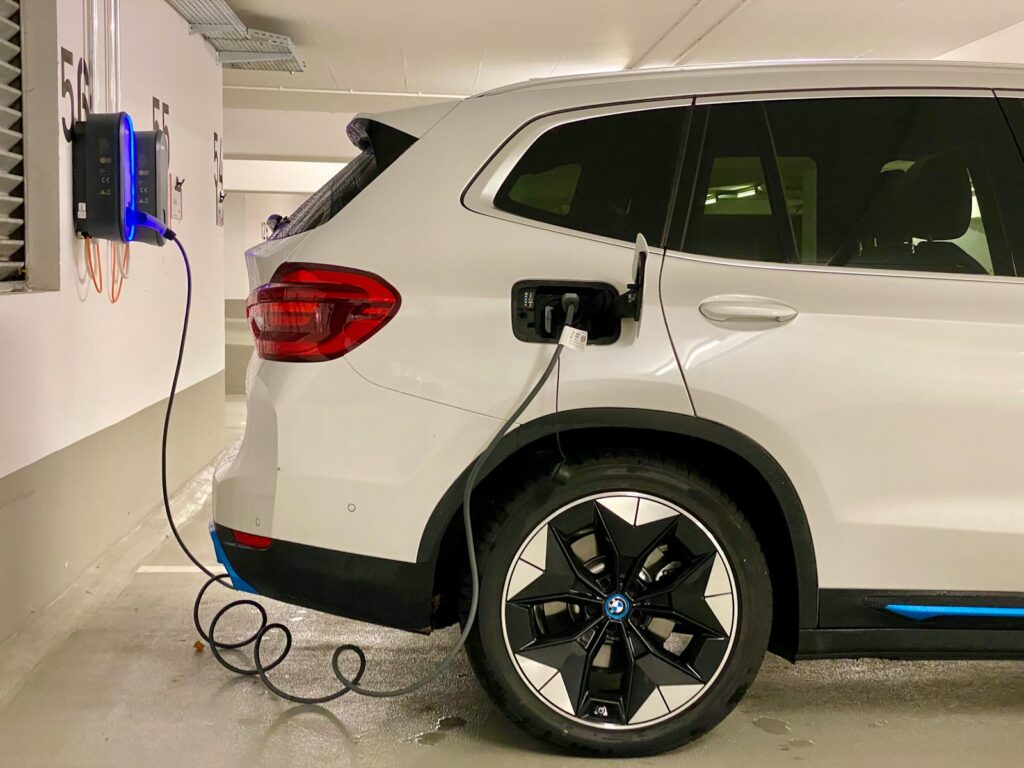
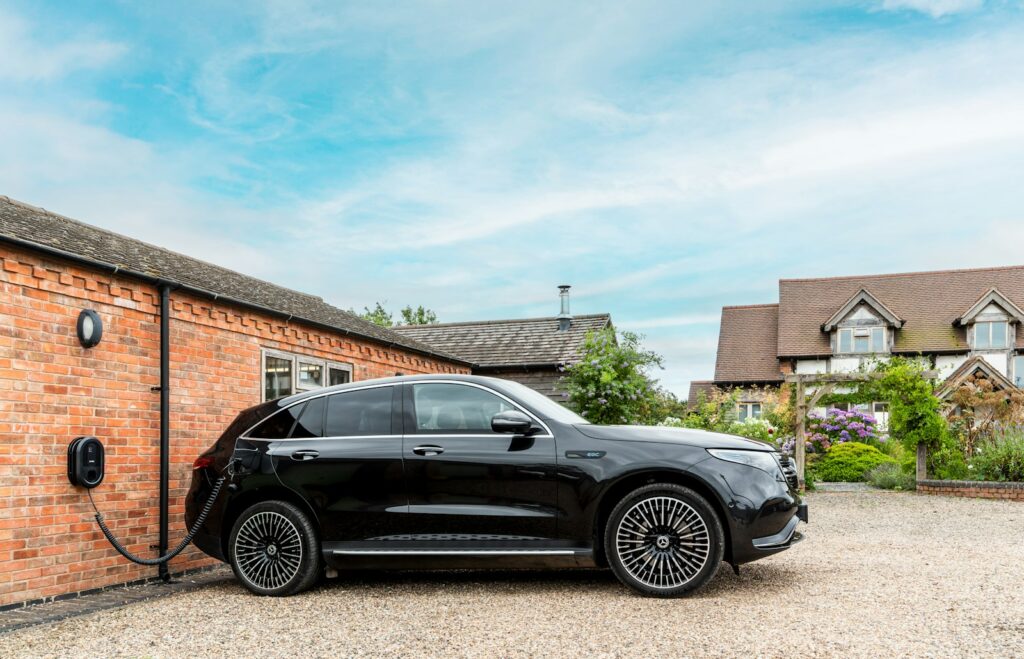
With the shift towards electrification in the automotive industry, the role of conventional transmissions is slowly evolving. EVs do not tend to incorporate complex gear mechanisms as they tend to use simpler systems. Nevertheless, CVTs as well as automatics will still remain in use in petrol and hybrid cars in the coming years.
What Lies Ahead
- Growth of electric vehicle technology
- Continued use of automatics in performance cars
- Enhancement of CVT life
- Target fuel efficiency innovations
- Mixed systems that integrate the technologies
Both systems are being enhanced by manufacturers in order to suit the current day needs. Automatics are now being made more efficient with more gears and CVTs being reinforced to deal with increased power outputs. This development makes both technologies to be relevant in a dynamic automotive environment.