





The Skidding Car Button: When to Turn It Off in Snow
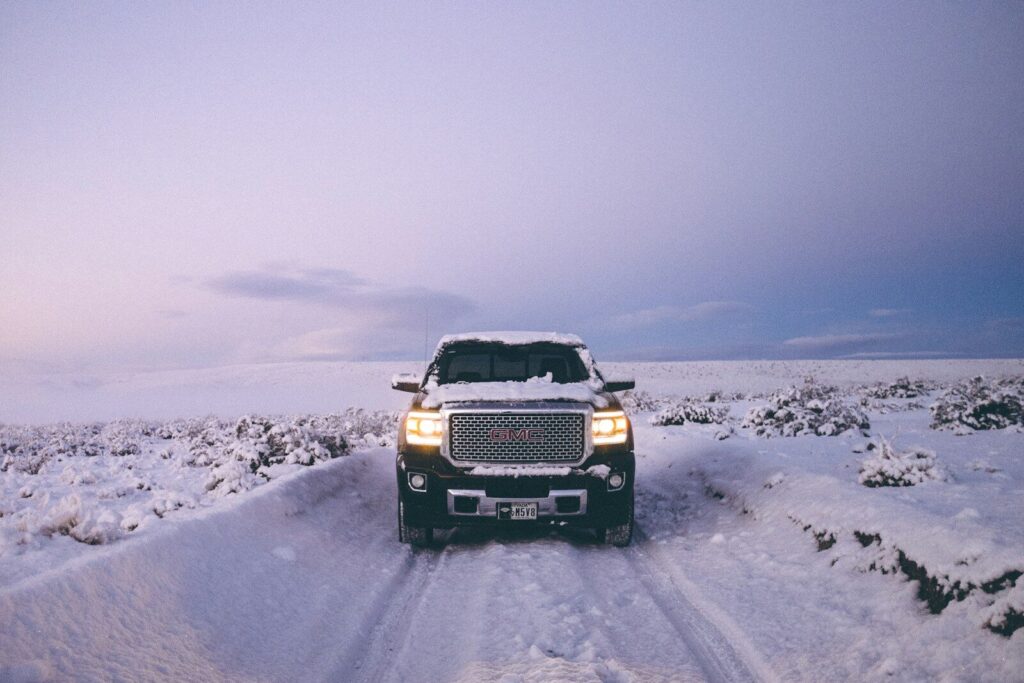
Lots of drivers have seen the dashboard button showing a car with two lines behind its rear wheels. However, many people are not completely sure what the symbol means or when the button should be used. It controls the vehicle’s traction control system, which helps prevent the driven wheels from spinning unnecessarily. The system automatically reduces wheel spin when the tyres begin losing contact with the road. This allows the vehicle to use the available grip more effectively during acceleration.
During winter, traction control becomes especially useful because ice, snow, and slush significantly reduce contact between the tyres and the road. The system continuously monitors how quickly each wheel rotates while the vehicle is moving. It activates when one driven wheel begins spinning noticeably faster than the others. The system then intervenes to help the tyre recover its grip on the slippery surface. Under normal winter driving conditions, traction control should remain switched on.
There are a few situations in which temporarily disabling traction control may be helpful. A vehicle stuck in deep snow, mud, sand, or thick slush may require a small amount of controlled wheel spin to escape. Traction control can prevent this movement by reducing engine power or applying the brakes too quickly. Understanding when to disengage the system can therefore make vehicle recovery less frustrating. Drivers must also know when to switch it back on to maintain safety during normal travel.
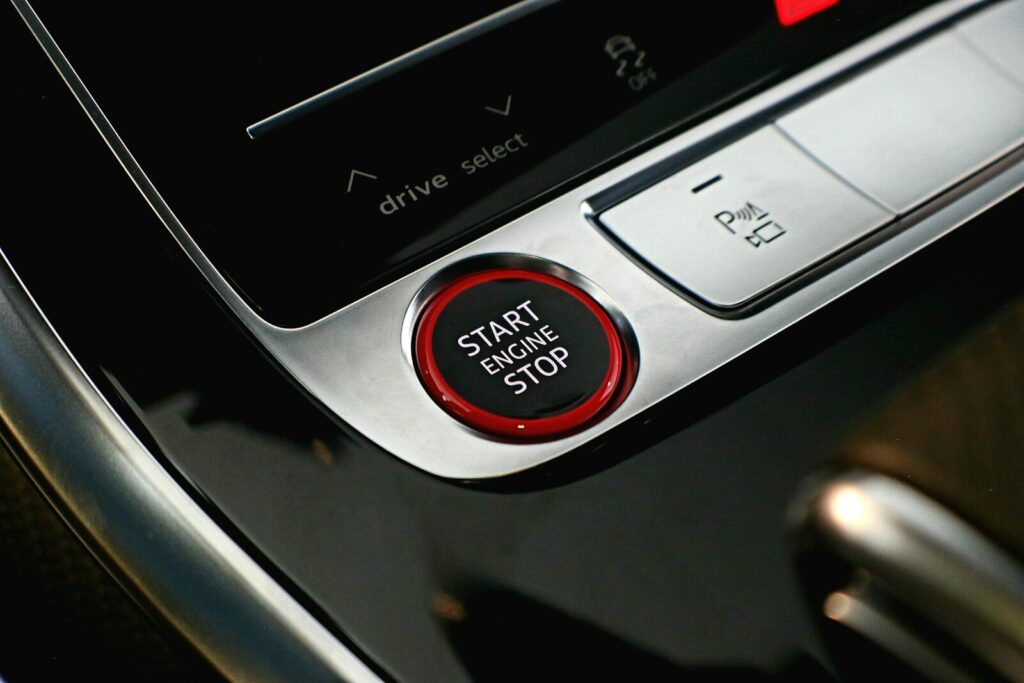
1. What the Traction Control Button Does
The traction control symbol usually shows a car with curved or squiggly lines extending behind its rear wheels. Pressing the corresponding button temporarily reduces or completely disables the system’s intervention. The exact response depends on the vehicle’s manufacturer, model, and electronic settings. Some cars allow drivers to turn off only part of the system, while others provide multiple selectable modes. The dashboard normally displays a warning light when traction control has been reduced or disabled.
What May Happen After Pressing It:
- Traction control temporarily stops intervening
- A dashboard warning light appears
- Engine restart may restore the system
- Higher speeds can trigger automatic reactivation
- Stability control may remain partly active
Depending on the vehicle, traction control may reactivate after the ignition is switched off and restarted. Some systems automatically return at a particular speed to protect the driver during normal travel. In newer vehicles, traction control is often integrated into a broader electronic stability control system. Pressing the button may therefore affect several electronic safety functions rather than traction control alone. Drivers should not assume that every vehicle responds to the button in exactly the same way.
The owner’s manual is the most reliable place to check what the button does in a specific vehicle. Warning lights, dashboard symbols, and available system settings vary significantly between manufacturers. The manual will explain whether the system can be fully disabled or only partially reduced. It may also identify situations in which the manufacturer recommends changing the setting. Understanding this information before winter arrives helps prevent confusion when road conditions become difficult.
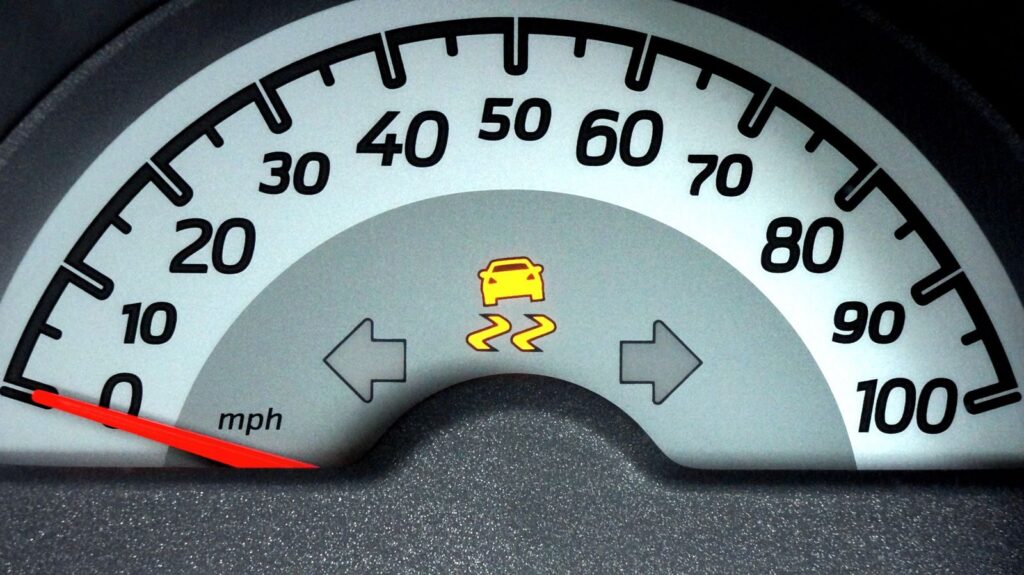
2. How the System Detects Wheel Spin
Traction control generally uses the same wheel-speed sensors that support the anti-lock braking system. These sensors continuously measure the rotational speed of every wheel while the vehicle is moving. The information is immediately sent to the vehicle’s electronic control unit for comparison. A noticeable difference between wheel speeds can indicate that one tyre has started losing grip. This allows the system to identify wheel spin before it develops into a greater stability problem.
Conditions That Commonly Cause Wheel Spin:
- Tyres encounter a patch of ice
- Loose snow reduces available road grip
- Standing water causes sudden wheel slip
- Gravel moves beneath accelerating tyres
- Mud prevents consistent surface contact
The system assumes that traction has been lost when one driven wheel rotates much faster than the others. This frequently happens when one tyre encounters ice while the remaining tyres stay on a clearer surface. Deep snow, standing water, loose gravel, and mud can create similar differences in wheel speed. The spinning tyre may continue rotating without moving the vehicle forward effectively. Traction control recognises this condition and prepares to reduce the unnecessary wheel movement.
The vehicle’s computer can normally recognise and respond to wheel slip faster than most drivers. Intervention may begin before the person behind the wheel notices any unusual movement. This rapid response can stop minor wheel spin from becoming a more serious loss of control. It is particularly valuable when road grip changes suddenly or affects only one side of the car. Electronic monitoring therefore provides an additional layer of assistance during difficult driving conditions.
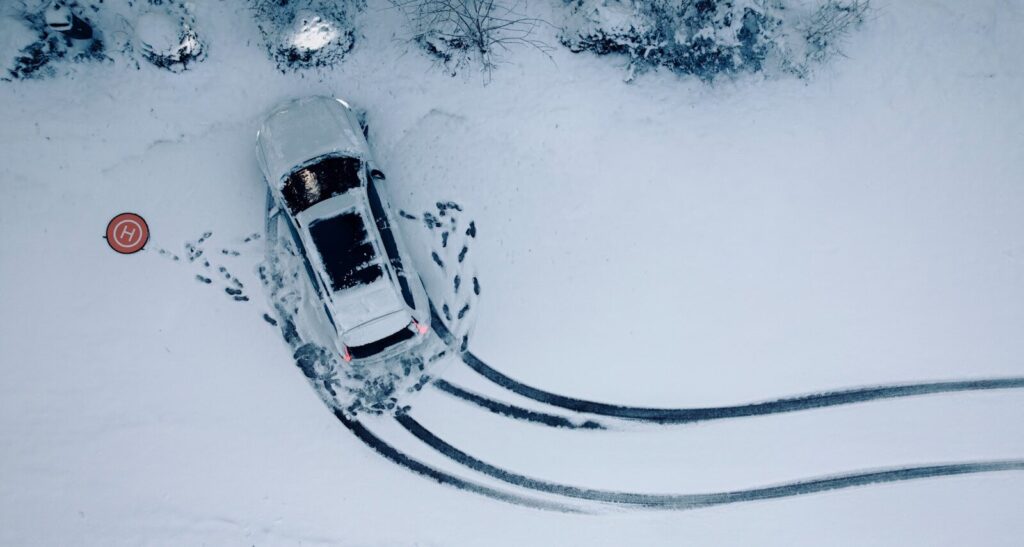
3. How Traction Control Responds
When the system detects excessive wheel spin, it can temporarily reduce the amount of torque produced by the engine. Depending on the vehicle, it may adjust the throttle, fuel delivery, ignition timing, or another engine control. This reduces the amount of power being sent to the driven wheels. The intervention usually lasts only until the spinning tyre begins recovering its grip. Normal power delivery then returns as the wheel speeds become more consistent.
How the System Restores Available Grip:
- Engine torque is reduced briefly
- Throttle response becomes temporarily softer
- Spinning wheel may receive braking force
- Torque moves toward tyres with grip
- Dashboard light flashes during intervention
Some traction control systems also apply braking force directly to the individual wheel that has lost grip. Slowing the spinning wheel can help another driven wheel use a greater portion of the available torque. This is especially helpful when one tyre is on ice while another remains on a surface with better traction. The braking intervention is automatic and normally lasts for only a brief period. Its purpose is to restore useful forward movement without requiring the driver to make complicated adjustments.
The driver may feel a brief reduction in engine power while traction control is operating. A warning or indicator light may also flash on the dashboard during the intervention. This usually does not mean that the vehicle has developed a mechanical or electronic fault. It simply shows that the system has detected wheel slip and is actively responding to it. Drivers should reduce accelerator pressure and allow the system time to restore the available grip.
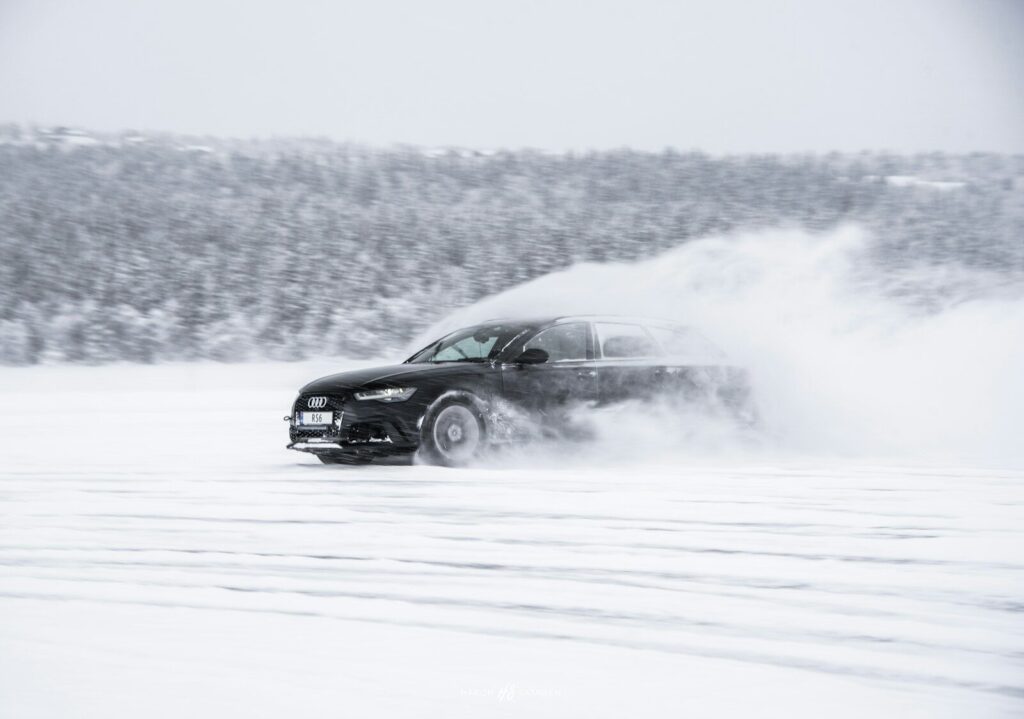
4. Keep It On During Normal Winter Driving
Traction control should remain active throughout ordinary winter journeys. This includes travelling on snow-covered highways, icy city streets, and roads covered with deep slush. It should also stay on while cornering or accelerating away from junctions and traffic lights. These situations can create wheel spin even when the driver is using the accelerator carefully. Keeping the system active provides continuous assistance whenever the tyres encounter reduced grip.
When Traction Control Should Stay Active:
- Driving normally on snowy public roads
- Crossing streets covered with hidden ice
- Travelling through deep roadside slush
- Accelerating gently away from intersections
- Cornering where surface grip may change
The system becomes particularly valuable when road conditions change without warning. A surface that appears merely wet may actually contain a dangerous layer of black ice. One side of the car may encounter packed snow while the tyres on the opposite side remain on clearer pavement. These differences can cause one wheel to spin before the driver recognises the change. Traction control can respond quickly and help prevent the vehicle from becoming unstable.
Turning traction control off during normal travel removes an important layer of electronic assistance. Some drivers may believe they can manage wheel spin more effectively by adjusting the accelerator manually. However, the system monitors every wheel continuously and can react within a fraction of a second. A person may not recognise the loss of grip until the vehicle has already started moving unpredictably. Leaving traction control active therefore provides valuable support without replacing careful driving.
5. Traction Control Helps During Acceleration
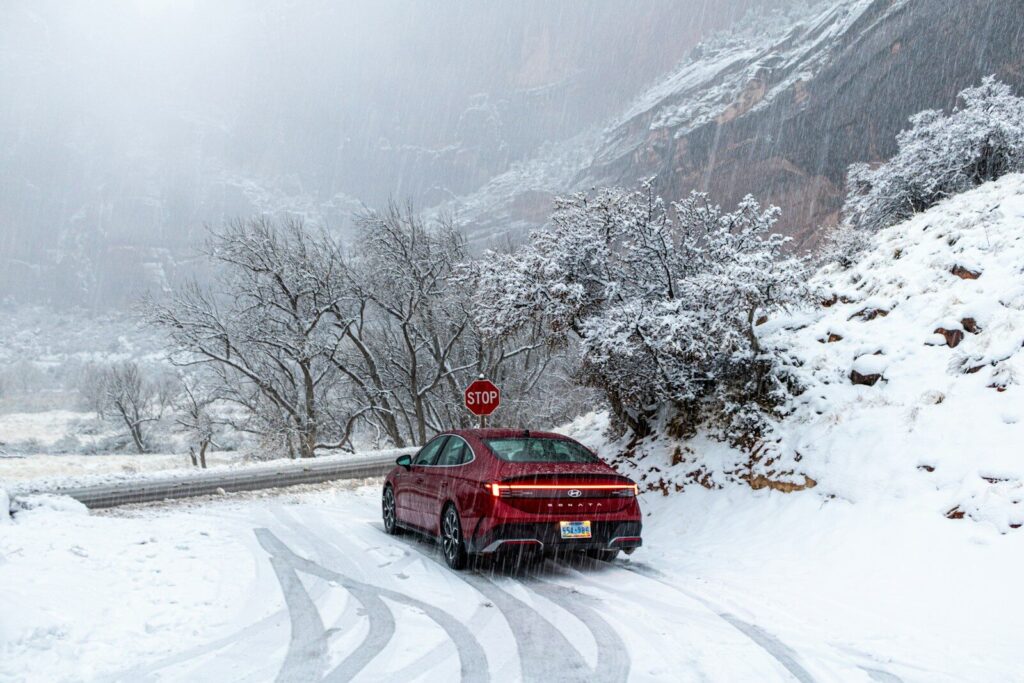
Wheel spin often begins when a driver applies too much power while moving away from a complete stop. On ice or loose snow, a tyre may rotate rapidly without generating enough grip to move the vehicle forward. Increasing accelerator pressure usually makes the tyre spin faster instead of improving progress. This can make the car more difficult to control and polish the snow into an even more slippery surface. Traction control helps limit this unnecessary movement before it becomes excessive.
Habits That Improve Slippery-Road Acceleration:
- Apply the accelerator slowly and smoothly
- Let traction control manage excess power
- Avoid spinning tyres harder than necessary
- Use suitable winter tyres when possible
- Maintain lower speeds and longer gaps
Traction control reduces unnecessary engine power and gives the spinning tyre an opportunity to recover its grip. This intervention may make acceleration feel slower than the driver expects. However, rapidly spinning the tyres rarely helps a vehicle move forward effectively on a slippery surface. Controlled power delivery is more likely to maintain traction and keep the vehicle travelling in the intended direction. Slower acceleration is therefore often safer and more effective in difficult winter conditions.
Drivers must still use gentle accelerator inputs instead of relying entirely on electronic assistance. Suitable winter tyres can significantly improve the amount of grip available on snow and ice. Lower speeds, increased following distances, and gradual steering movements also remain essential. Traction control can manage the traction provided by the tyres and road surface. It cannot create grip when the surface conditions or tyres provide almost none.
6. The Main Exception Is a Stuck Vehicle
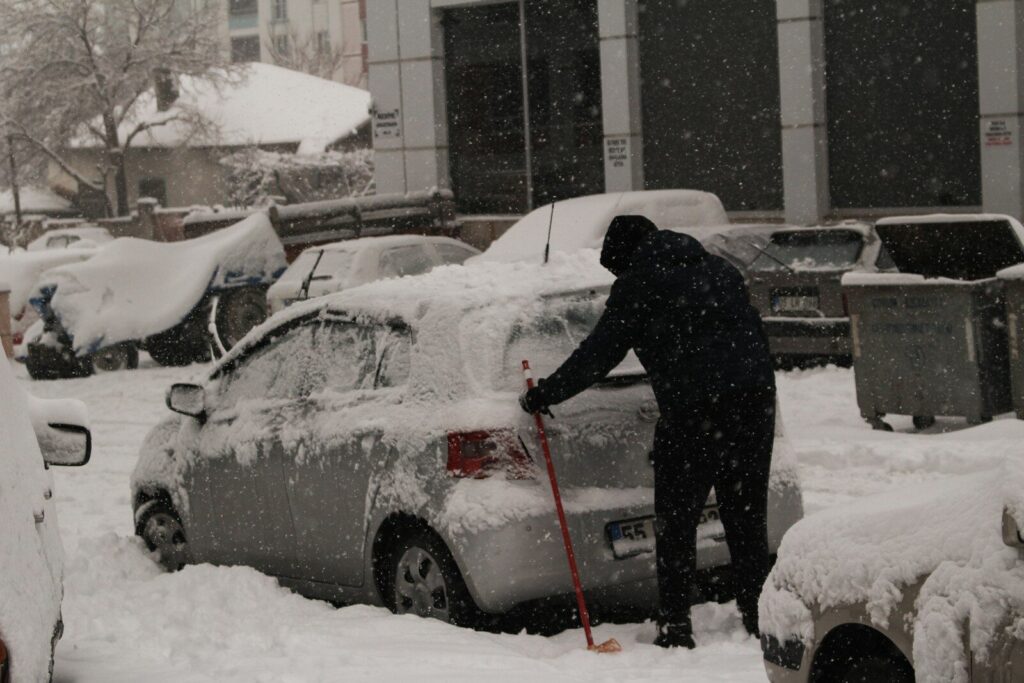
Traction control can become an obstacle when a vehicle is deeply stuck in snow, slush, sand, or mud. In these conditions, the tyres may need a limited amount of controlled spin to clear material from their tread. Some wheel movement can also help the tyres reach firmer ground beneath the loose surface. The system may interpret this necessary movement as an ordinary loss of traction. It can then intervene before the vehicle develops enough momentum to escape.
Why TCS Can Prevent an Escape:
- Stuck tyres need limited controlled movement
- System interprets spinning as lost grip
- Engine power gets reduced too quickly
- Braking can stop useful wheel motion
- Vehicle remains trapped inside the rut
With traction control active, the system sees the spinning wheel and reacts exactly as it was designed to do. It may reduce engine output before the tyres create enough movement to climb out of the depression. Some systems may also apply braking force to the wheel that needs to rotate. This can leave the driver pressing the accelerator while the vehicle produces little forward movement. Temporarily reducing the system’s intervention may allow the tyres to move more freely.
This behaviour does not indicate that the traction control system is malfunctioning. The system is responding to wheel slip in the same way it would during normal road driving. The difference is that escaping a deep rut sometimes requires a small and controlled amount of wheel spin. That same movement would be undesirable and potentially dangerous while travelling at normal road speed. The system should therefore be disabled only for the short recovery attempt.
7. Disable the System Only Temporarily
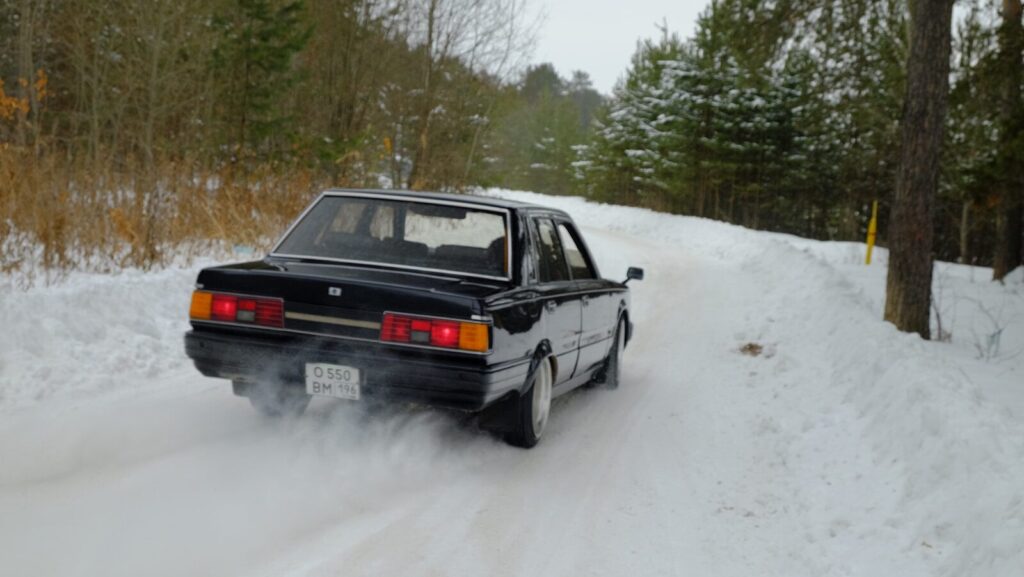
When a vehicle is stuck, pressing the traction control button may reduce the system’s interference. This gives the driver more direct control over the amount of power reaching the driven wheels. The change can help the tyres build enough movement to leave a rut or reach firmer ground. However, disabling traction control should be treated only as a temporary recovery measure. It should never become the vehicle’s normal setting for winter driving.
How to Use Wheel Spin Carefully:
- Apply only light controlled accelerator pressure
- Stop if tyres begin digging downward
- Avoid holding the accelerator fully open
- Clear packed snow from around tyres
- Place traction aids beneath driven wheels
The goal is not to press the accelerator completely to the floor. Excessive wheel spin can cause the tyres to dig more deeply into snow, sand, or mud. It can also overheat the transmission and place unnecessary strain on other driveline components. Rapidly spinning tyres may become damaged or throw snow and debris towards nearby people and vehicles. Only a small and controlled amount of power should be used during the recovery attempt.
Apply gentle throttle and carefully observe how the vehicle responds. Stop if the tyres continue spinning without producing useful movement. Repeatedly adding more power can make the rut deeper and the vehicle more difficult to recover. Clearing packed snow or mud from around the tyres may provide better results. A suitable traction aid placed beneath the driven wheels can also be more effective than additional engine power.
8. Use the Rocking Technique Carefully
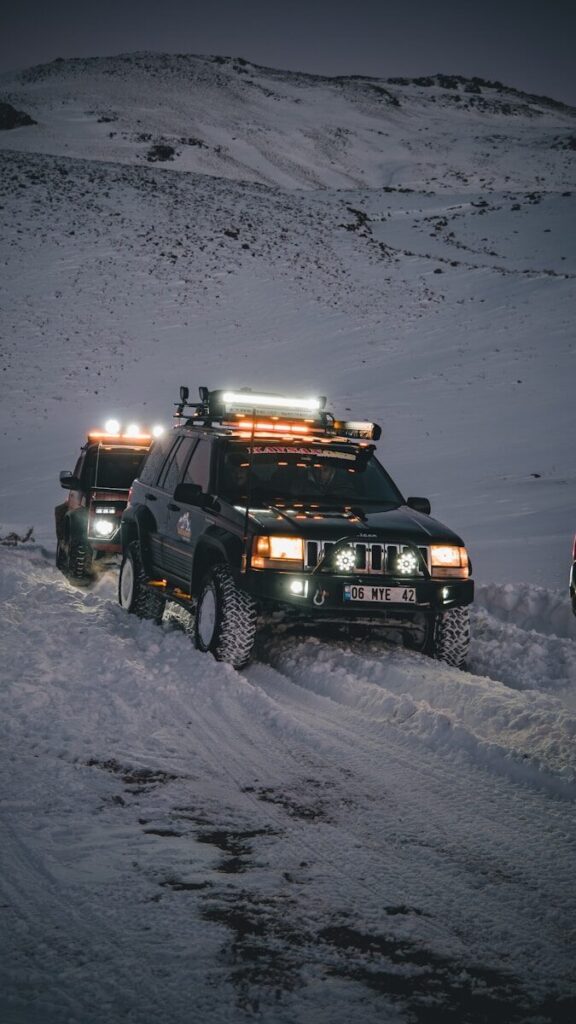
Rocking involves moving a stuck vehicle gently backwards and forwards until it develops enough momentum to escape. The driver alternates carefully between drive and reverse while applying only a small amount of accelerator pressure. Each movement should increase the distance travelled without causing excessive wheel spin. The technique can gradually flatten snow or loosen material around the tyres. When performed carefully, it may help the vehicle climb out of a shallow rut.
Steps for Rocking a Vehicle Safely:
- Begin with very gentle throttle
- Let each movement stop completely
- Select the opposite gear carefully
- Build momentum through small repeated movements
- Avoid aggressive or rapid gear changes
Each movement must come to a complete stop before the opposite gear is selected. Shifting between drive and reverse while the wheels are still rotating can place unnecessary strain on the transmission. It may also damage driveline components or cause the vehicle to move suddenly. The driver should pause briefly before selecting the next gear. Smooth and deliberate changes are safer than fast or aggressive movements.
Traction control may need to remain disabled while the rocking technique is being used. A limited amount of wheel spin can compress loose snow and gradually increase the distance travelled during each attempt. However, the driver must prevent the tyres from spinning aggressively or digging further downward. The process should remain slow, controlled, and carefully monitored. Traction control must be reactivated as soon as the vehicle reaches a stable driving surface.

9. Reactivate TCS After Escaping
As soon as the vehicle escapes from the snow, mud, or slush and reaches a firm, stable, and driveable surface, traction control should be switched back on. During the recovery attempt, drivers are usually focused on maintaining momentum and reaching safer ground. Because of this concentration, they may easily forget that the system was previously disabled. Leaving traction control off can reduce the vehicle’s stability and grip during normal driving. Drivers should therefore reactivate it before returning to regular road travel.
Checks to Make Before Continuing:
- Press the traction control button again
- Check the dashboard warning light
- Confirm normal system status has returned
- Pause before rejoining normal road traffic
- Continue driving gently on slippery surfaces
Most vehicles display a dashboard warning light whenever traction control has been reduced or disabled. Before returning to normal road speed, check whether this warning light has disappeared. The dashboard may also display a message confirming that the system is active again. If the warning remains, consult the vehicle settings or restart the engine if recommended by the manufacturer. Do not continue normal winter driving until the system’s status has been confirmed.
Once the vehicle is moving normally, traction control becomes valuable again. Leaving it switched off on a slippery road increases the risk of uncontrolled wheel spin during acceleration. It also removes electronic assistance that may help the driver maintain stability when grip suddenly changes. The system should remain active for the rest of the journey unless the vehicle becomes stuck again. Drivers must continue travelling gently because traction control cannot replace cautious winter-driving habits.

10. Other Situations and Performance Myths
A long, steep, and consistently slippery hill can occasionally create another exception. Repeated traction control intervention may reduce engine power enough for the vehicle to lose important forward momentum. Temporarily disabling the system could allow the driver to maintain steadier movement up the slope. However, this should be considered only at very low speed and with considerable caution. It should not be attempted when other vehicles, pedestrians, or dangerous obstacles are nearby.
Rare Cases Requiring Extra Consideration:
- Steep hills may require steady momentum
- Repeated intervention can reduce forward progress
- Tyre chains may change system behaviour
- Manufacturer guidance should always take priority
- Public-road performance gains remain largely meaningless
Tyre chains can change how the wheels grip the road and how quickly they rotate. This may affect the way the traction and stability systems interpret wheel-speed information. Some manufacturers provide specific instructions for using chains with electronic driver-assistance systems. Drivers should follow the guidance supplied with both the vehicle and the tyre chains. They should not automatically assume that traction control must always be disabled when chains are installed.
Turning traction control off to improve everyday performance is generally unnecessary. On a dry public road, the most obvious result is often easier wheel spin during hard acceleration. The vehicle may produce more tyre noise or smoke, but these effects do not improve safe progress. Disabling the system can instead make the car less stable when the tyres suddenly lose grip. Traction control should therefore remain active during responsible public-road driving.