

Faster Than a Ferrari: The American Supercar Nobody Bought
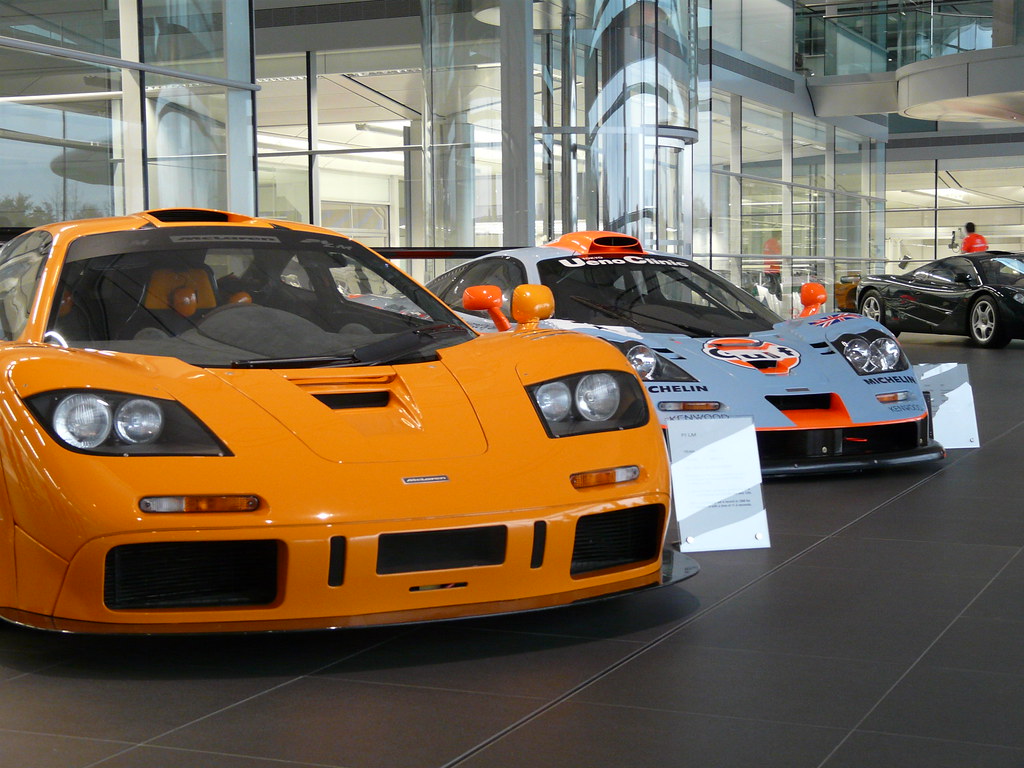
The world of cars has a special charm. It’s like a group where history is just as important as power. When people think of this world they usually imagine Italy or England. These places build cars not for speed but also for their stories. Ferrari, Lamborghini and McLaren are more than brands. They are identities made by years of racing, design and a strong emotional bond with drivers who see cars as more than machines.
In America the idea of performance cars developed differently. It was about straight-line speed drag racing and muscle cars with a lot of power. These cars were strong. Not always balanced. Meanwhile in Europe car makers focused on making cars that could take corners smoothly and move through the air easily. These two ways of thinking rarely met on terms and when they did the results were often surprising.
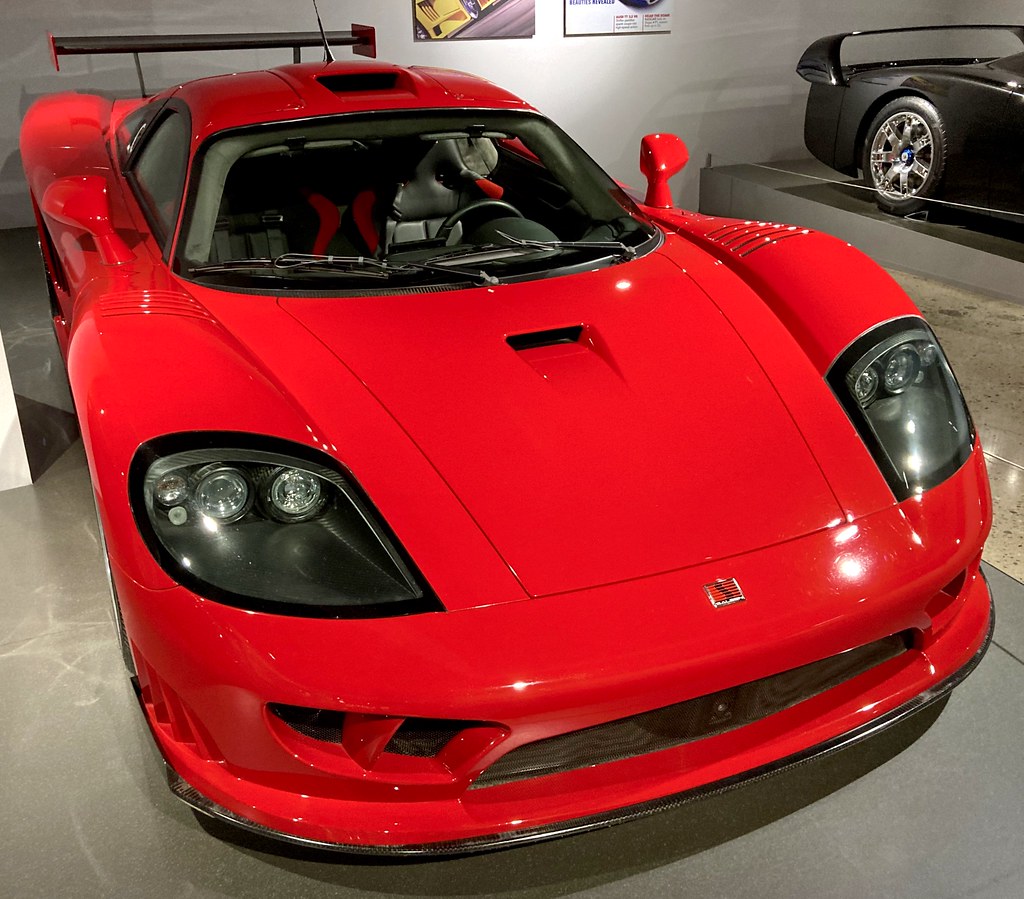
The Saleen S7 came into this world as something that didn’t quite fit into either category. It wasn’t a muscle car. It wasn’t a European-style super car either. It was an attempt to combine goals with independent engineering. The Saleen S7 was built in a way that questioned what an American performance car could be. It tried to merge the best of both worlds. The Saleen S7 was a car, with a lot of power.
1. The European Supercar Identity
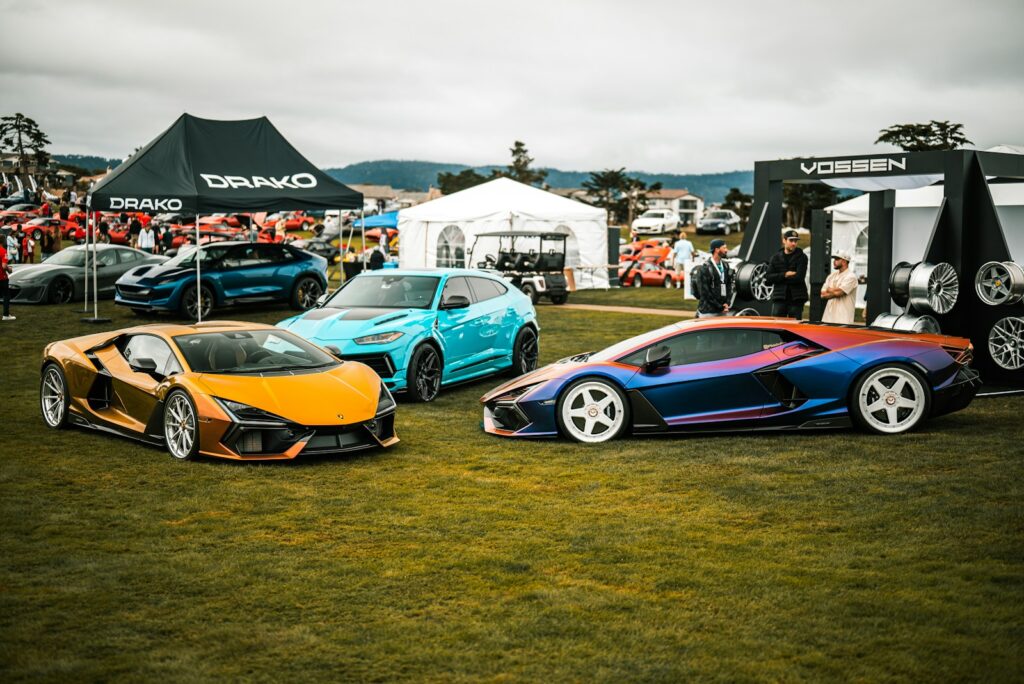
The culture of supercars in Europe has evolved to much more than raw performance specifications. The history, motorsport heritage and emotional storytelling running across generations are highly influenced on these vehicles. Each brand, Ferrari, Lamborghini and McLaren have a different philosophy, such as racing heritage, dramatic design, and precision engineering, that create a common identity which is easily identified and respected worldwide.
Core Identity Elements:
- Powerful motor-sports heritage
- Emotional and cultural narration
- Unique brand philosophy and design
- History of decades of development
- Emblemic worth outside performance characteristics
This identity has not been created overnight; this has been the outcome of decades of perfection, advances in technology, successes on the track, and times of failure and re-invention. This means that customers are not merely spending on speed or engineering prowess, they are spending on a heritage. The hood badge can be as emotionally loaded as the performance statistics of the car, a narrative that goes way beyond the machine.
In this regard, any new player in the supercar arena has to grapple with issues that transcend the ability to engineer them. It is not just a matter of creating a speedy or sophisticated car but also getting accepted in a culture where people hold heritage in the same level of regard as development. Credibility in the supercar world of Europe is established with time and legacy is a strong influence in perception and status formation.
2. American Performance Philosophy
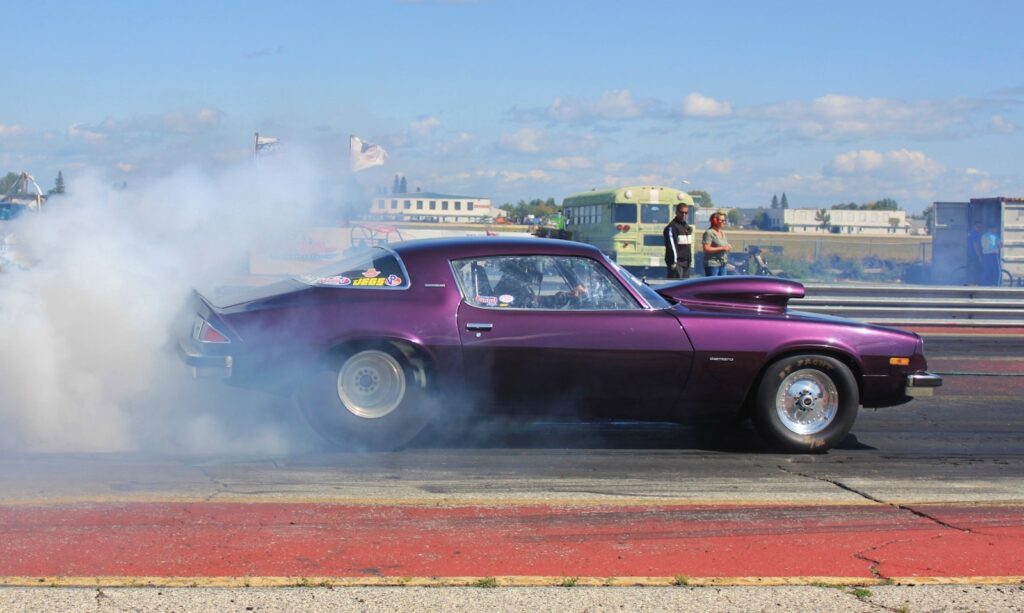
The American culture of performance did so in a highly different environment than Europe. Large motorways, drag racing, and an interest in low cost made the culture of available power and simple engineering. It was the capability to provide raw and overpowering acceleration in a straight line that made muscle cars cultural icons not due to their precision in cornering or their sophisticated aerodynamics but rather because of their capability to provide sheer acceleration in a straight line.
Core Performance Traits:
- Concentrate on straight line acceleration
- Wide road and drag racing influence
- Emphasis on affordable horsepower
- Basic and plain driving experience
- Control of technical complexity
This philosophy not only contributed to the development of legendary vehicles, but also influenced consumer expectations in a new manner. The performance car did not have to be so refined or so technical to be held with respect. Instead, it had to be strong, loud and emotionally direct. That simplicity turned out to be a mark of American automotive identity distincting it among the more precision-oriented international rivals.
Nevertheless, this very philosophy posed some difficulties when the American manufacturers tried to enter the market of supercars. The transition to the next stage of muscle cars development, i.e. to the higher-technology mid-engine super cars, could not be achieved only through the engineering improvements. It required a change of culture in the field of designing as the accuracy, the balance and the aerodynamic efficiency became as significant as the brute power.
3. Steve Saleen’s Vision
Steve Saleen had a reputation of turning Ford Mustangs into performance machines that would out-compete much more expensive European sports cars under some circumstances. His motorsport experience was very profound, where winning is determined by lap times, consistency, and efficiency of the engines, not brand recognition or historical heritage.
Key Vision Elements:
- Racing-driven engineering mindset
- Mustang performance transformation skills
- Concentrate on what has worked
- Threat to European superiority
- Move to autonomous supercar development
Incremental change could no longer keep pace with his ambitions at one point. It started to develop in the notion that America had to have a fully independent supercar one that was not built upon an existing platform but one that was built up on its own two feet and would compete with the best in the world. This was the beginning of the end of tuning and improvement to full automotive making.
The Saleen S7 project was the end result of that vision. This move put Saleen in the same league with the already established European manufacturers with decades of mid-engine layout, aerodynamic and high-speed stability experience. It was a radical move into an industry characterized by accuracy engineering and worldwide status.
4. The Saleen S7 has arrived
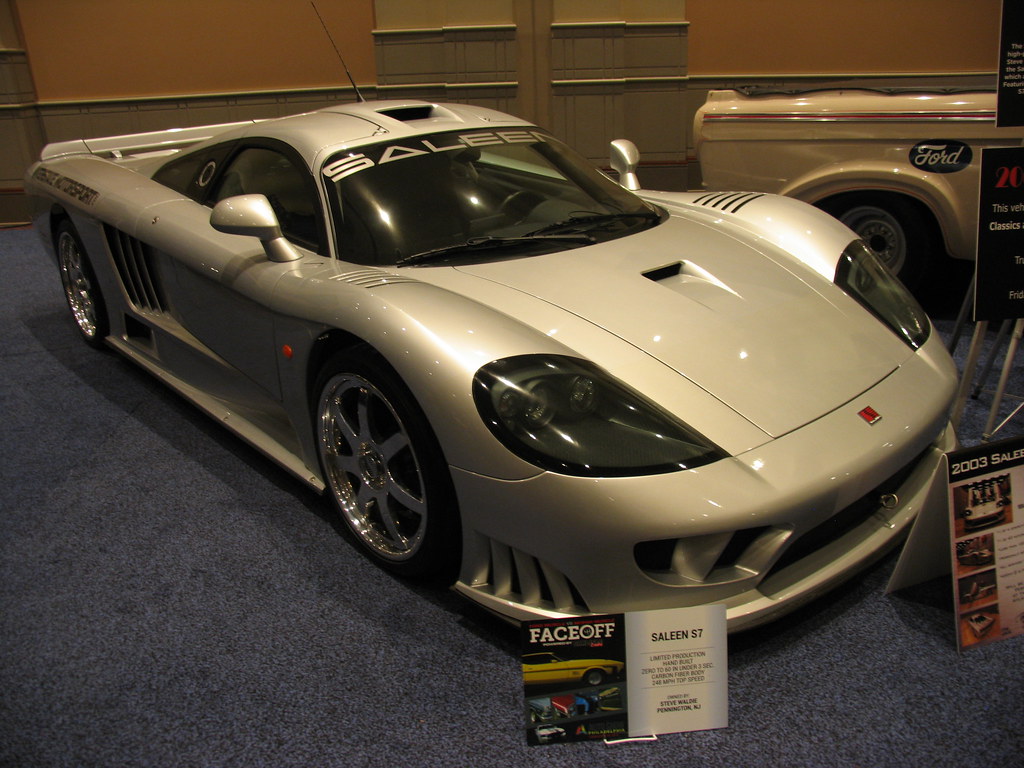
When the Saleen S7 was launched in 2000, it instantly stood out as an unusual product in the world of super cars. Its design was not loaded with a lot of styling but rather it had high levels of aerodynamic efficiency. All curves and surfaces seemed to be designed to accommodate airflow and performance, instead of classic car design and brand-based design language.
Highlights of Design and Performance:
- Lightweight body made of carbon fiber
- Form driven design approach based on aerodynamics
- Very low and wide stance profile
- Stabilizing rear wing
- Track oriented engineering philosophy
The body made of carbon-fiber was a lightweight but strong platform enabling the car to attain high performance levels without breaking down. Its low positioning and broad proportions made it a dominating and violent figure on the road, indicating its purpose as a serious performance machine, as opposed to a stylistic exercise. The massive wing in the back was not merely ornamental but it played a very important role in ensuring stability in high velocity.
Every element of the S7 was indicative of a purpose. It was not designed to fit into its current supercar conventions or fit into a pre-existing category. Rather it was designed as a direct confrontation to those standards, as a statement of American ability in a sphere primarily controlled by European manufacturers.
5. Naturally Aspirated Power
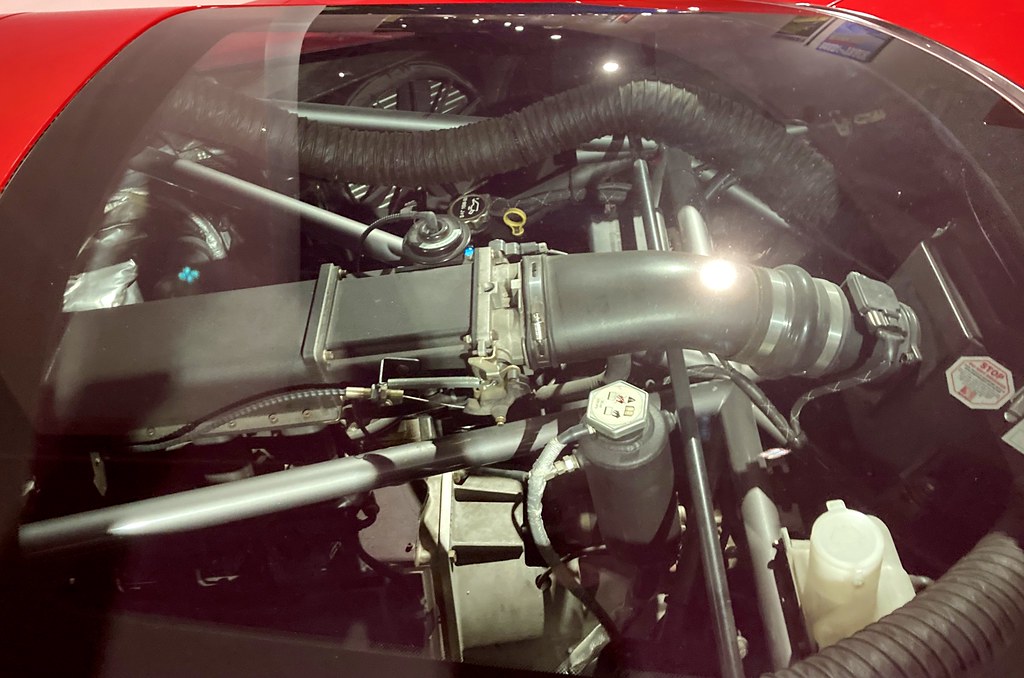
The Saleen S7 has a 7.0-liter V8 engine at its core. This engine is very American in the way it is made for performance. The engine makes about 550 horsepower when it is not using any help to get more power. This puts the Saleen S7 in the group as some of the best European supercars. The people who made the engine wanted it to be strong and simple not complicated with systems to make it more powerful.
Engine Characteristics:
- 7.0 liter V8 engine that’s very big
- The engine makes around 550 horsepower
- The engine gets its power without any help
- When you press the gas the car accelerates in a smooth way
- The engine is simple and easy to understand
The way the engine gets its power is very smooth and always the same. When you drive the car you can feel that the engine is responding directly to what you’re doing. This is different from some engines that use special systems to get more power, which can sometimes make the car accelerate very quickly or slowly. The Saleen S7 engine is simple. Makes the car feel very connected to the road.
Even when it is the basic version the Saleen S7 is very fast and can compete with the best European supercars. The Saleen S7 does not need any help to be fast it is already very good. This shows that American engineers can make cars that’re just as good as the best cars, in the world. The Saleen S7 and its aspirated power are a big part of what makes it so special. The aspirated power of the Saleen S7 is what makes it a great car to drive.
6. The Twin Turbo Transformation
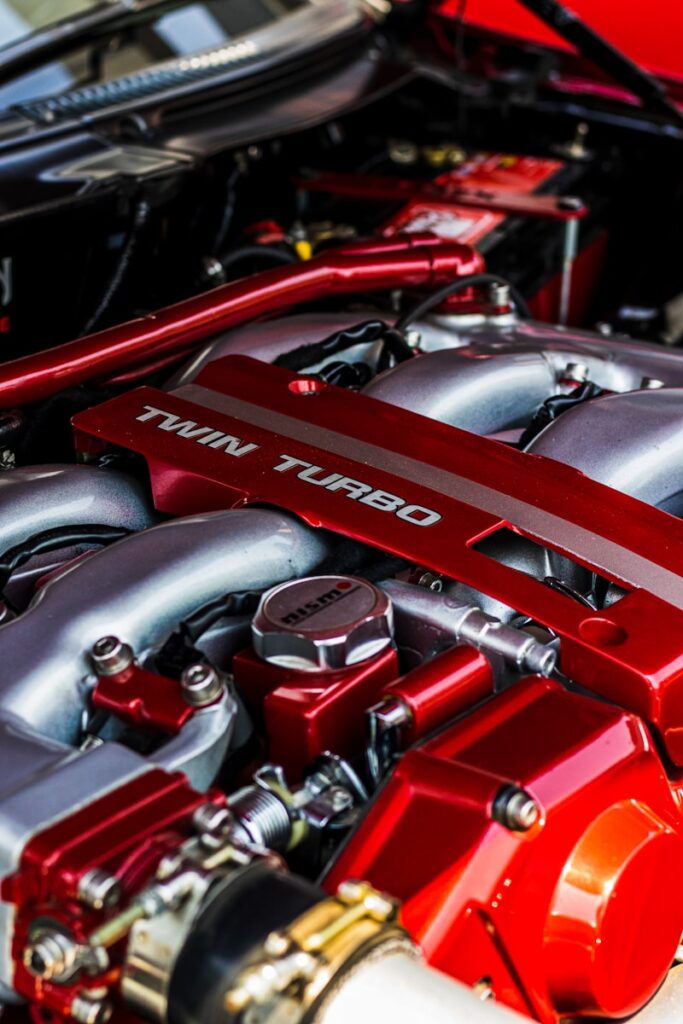
The Saleen S7 became more powerful when it turned into its Twin Turbo version. This change made it perform differently. With the addition of forced induction the engine now produced around 750 horsepower and 700 lb-ft of torque. This made the car go from being a supercar to a very extreme machine almost like a racing car.
Twin Turbo Performance Changes:
- Output increased to 750 horsepower
- Torque raised to 700 lb-ft level
- Forced induction system added
- Acceleration response got much faster
- It gained high performance capability
Driving the Twin Turbo S7 became a much more intense experience. The car accelerated explosively delivering power immediately and strongly. The turbochargers added a lot of boost making power delivery urgent and requiring control especially when the throttle was fully pressed.
The Twin Turbo S7 showed the extreme side of Saleens engineering. It did what few road-legal supercars could do making it hard to tell if it was a street car or a track car. The Twin Turbo model was about extreme capability focusing on raw power and intensity rather, than control. The Saleen S7 Twin Turbo was a powerful machine.
7. Performance Against the Establishment
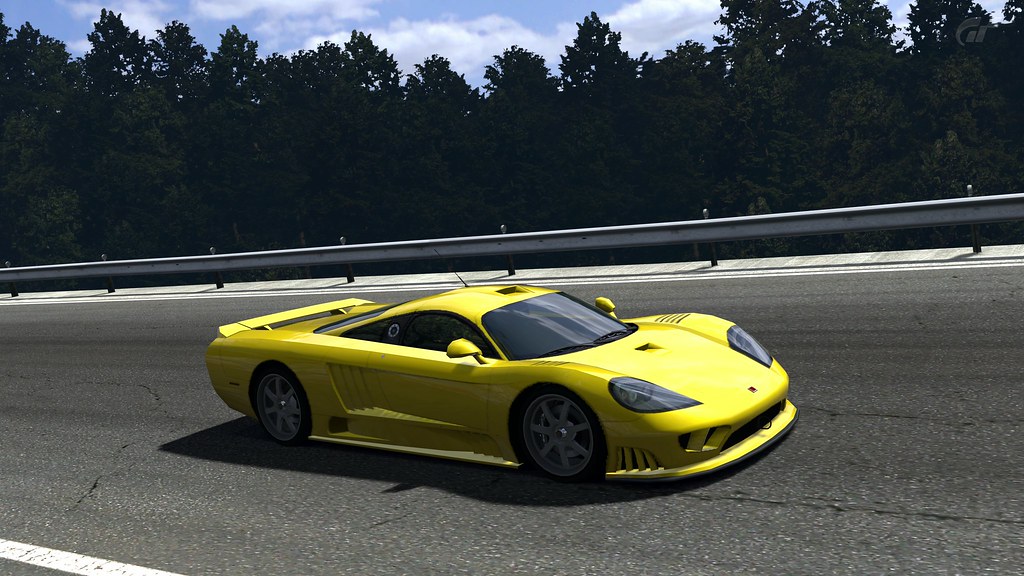
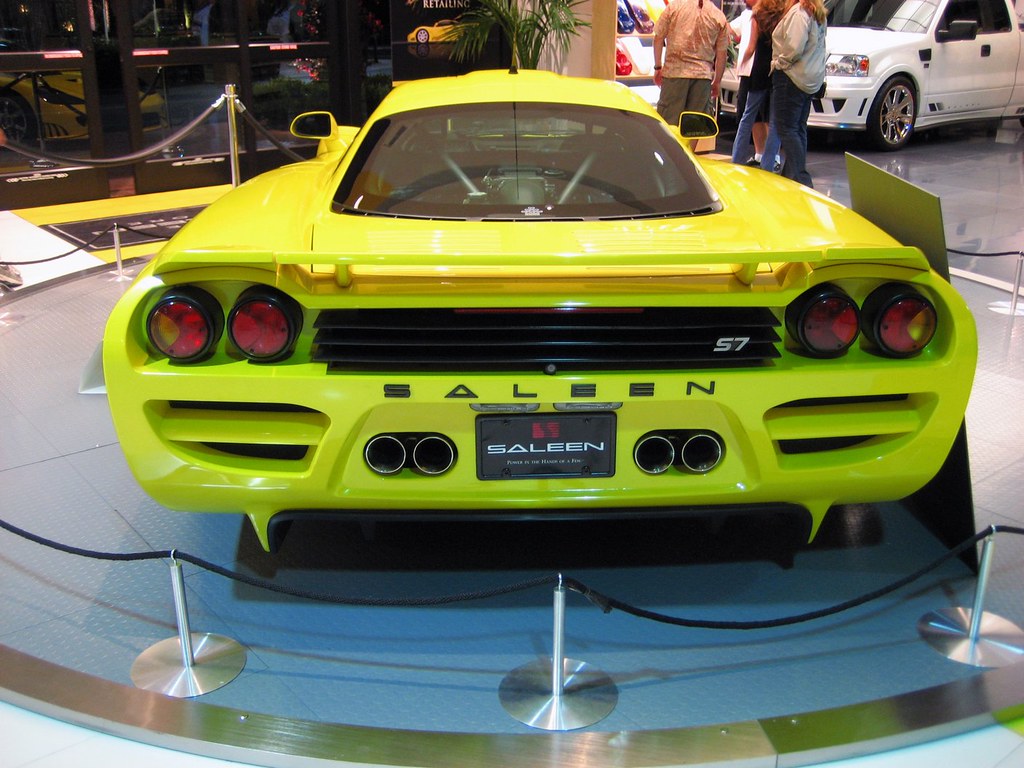
The Saleen S7 Twin Turbo delivered performance figures that placed it directly alongside the elite supercars of its time. With a 0 to 60 mph time of approximately 2.8 seconds, it established itself as one of the fastest accelerating production vehicles available, challenging long-standing benchmarks in the global supercar segment.
Benchmark Performance Stats:
- 0 to 60 mph in 2.8 seconds
- Top speed around 248 mph
- Competes with elite supercars
- Strong straight line dominance
- Global performance comparison level
Its estimated top speed of around 248 mph pushed it into territory occupied by some of the most iconic names in automotive history. Vehicles such as the Ferrari Enzo, Lamborghini Murciélago, and McLaren F1 were all part of the same performance conversation, with the S7 proving capable of standing alongside them in terms of outright speed and acceleration.
These comparisons went beyond technical specifications and became symbolic in nature. The S7 represented a shift in perception, showing that an American-built supercar could compete at the highest level of global performance engineering. It was not just about numbers it was about challenging an established hierarchy that had long been dominated by European manufacturers.
8. Engineering Without Compromise
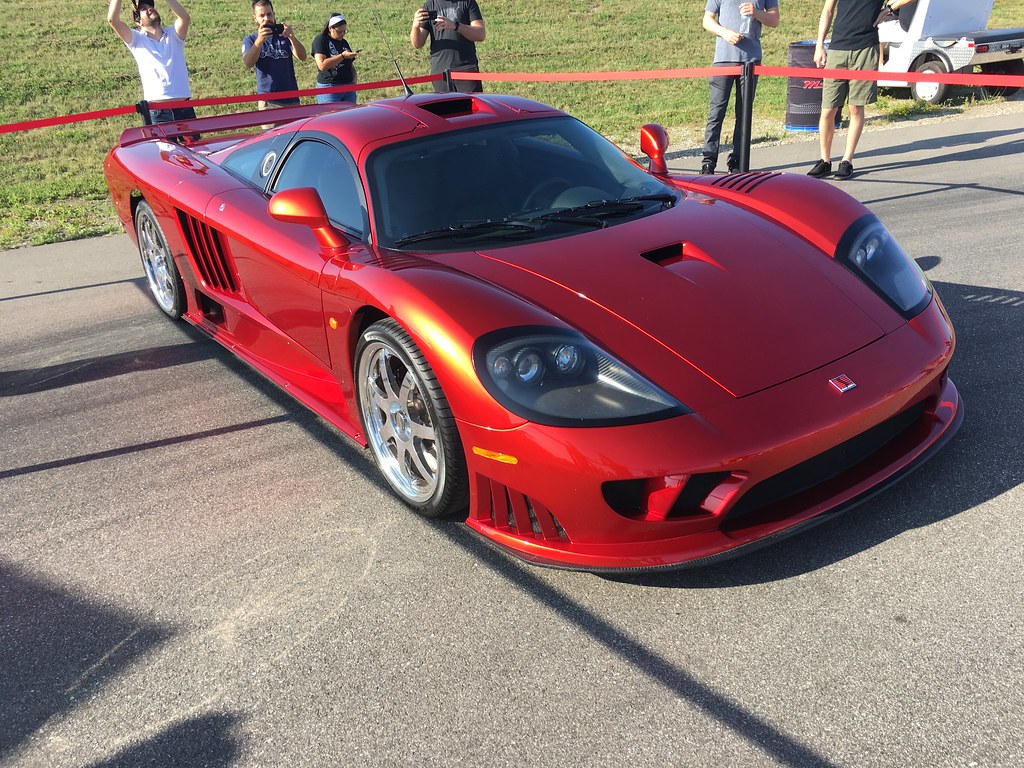
The Saleen S7 was built with one goal. To be as fast as possible. Every part of its design was about making it go faster cut through the air and deliver power more efficiently. This meant that comfort and ease of use sometimes got left behind. The car became like a racing machine than a regular supercar.
Core Engineering Focus:
- Maximum performance, not comfort
- Aerodynamics optimized for speeds
- A lightweight chassis built for performance
- Drivetrain tuned for track-performance
- Minimal compromise on performance
Every part of the S7 was designed with performance in mind. The chassis was made strong and light. The shape of the car was carefully designed to handle airflow at speeds. The engine and transmission were fine-tuned to deliver power directly to the wheels with loss.
As a result the S7 felt like a racing car adapted for road use. It was on the edge between being usable and being extremely powerful. Driving it required skill and focus. It rewarded the driver with exceptional capability. The Saleen S7 was, about performance. The Saleen S7 delivered performance.
9. The Brand Challenge and Market Reality
Despite its engineering and performance features the Saleen S7 had a big problem that couldn’t be fixed just by looking at its specs. In the supercar market how people feel about a brand, its history and being recognized emotionally is just as important as how it can go or how good it is technically. The Saleen S7 was, in a spot because of this, when it came to being accepted by buyers. The supercar segment values brand image and emotional connection a lot. The Saleen S7 had specs but struggled with market acceptance.
Market Position Challenges:
- Limited brand heritage recognition
- Strong competition from legacy manufacturers
- High reliance on emotional buying decisions
- Price positioned in ultra luxury segment
- Prestige outweighing pure performance
Brands like Ferrari, Lamborghini and McLaren have been around for decades. Have a rich history in motorsport and culture. This makes people feel a way about these brands. Saleen is respected in racing and car tuning. It didn’t have the same emotional connection with buyers in the ultra-luxury supercar market.
Buyers had a choice to make. They could choose a known brand or a lesser-known American manufacturer, like Saleen. Often buyers chose the brand they knew and loved even if the Saleen S7 was faster or more powerful. This shows how much brand perception matters in this market.
10. Rarity, Legacy and Cultural Impact
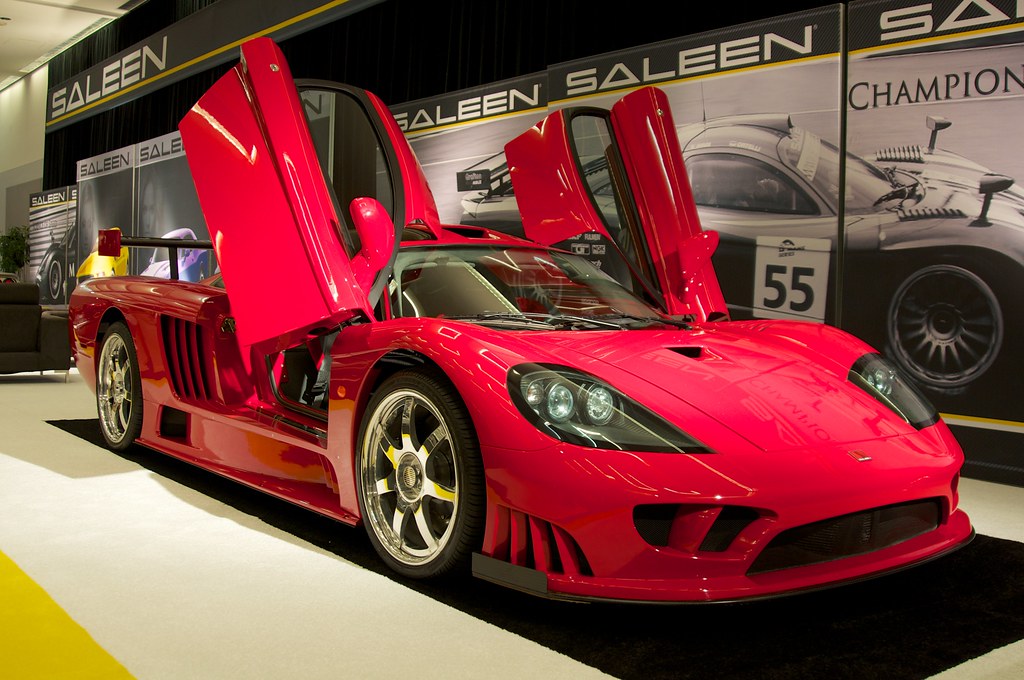
The Saleen S7 was made in small numbers only about 100 were ever built. This means that not many people saw the Saleen S7 on the road. The Saleen S7 did not become well known because of this. Other cars from companies in Europe were seen more often so they became more popular.
Legacy and Cultural Factors:
- Extremely limited production volume
- Low public visibility worldwide
- Strong enthusiast appreciation base
- Symbol of engineering ambition
- Focus on performance over perception
Even though the Saleen S7 was not sold very much it is still loved by people who like cars. They like the Saleen S7 because it was made to be very fast and to show what could be done. The Saleen S7 was a way to challenge the cars that were already popular like the Ferrari.
The Saleen S7 is not about how many were sold. It is about the idea behind it. It is hard to make a car that can compete with the cars, in the world. It is even harder to get people to like the Saleen S7 and think it is one of the best cars.