








How Turbocharged Engines Power Modern Performance Cars and Eighties Racing Legends
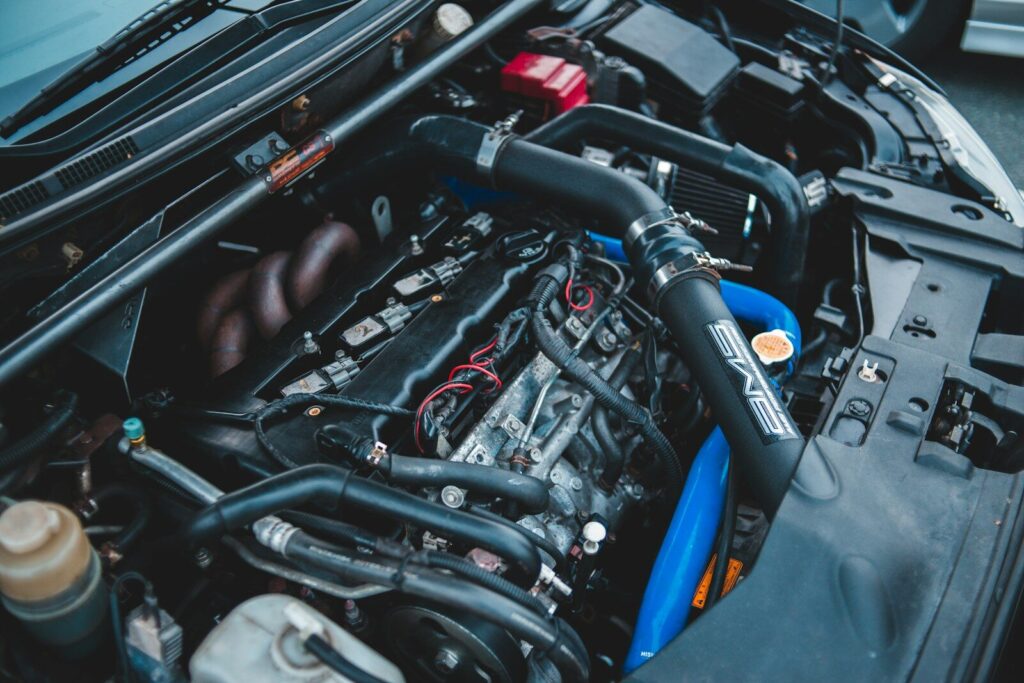
Modern engines wouldn’t be anywhere without the boost of a turbocharger. A modern engine will deliver power as and where you need it, a smaller engine will deliver power equivalent to that of much larger engines just a few years ago. Rather than a larger engine block and capacity, an exhaust system energy is then used to compress the inlet air into a small intake manifold forcing more air into the combustion chamber, which in turn allows for greater horsepower and torque from a more compact, lighter engine, thus utilizing valuable space within the engine bay. Such a valuable addition not only for performance cars but more so for standard road users of today.
The advantages of forced induction are more convincing once you examine what turbocharged engines have accomplished on the hard tracks. Whether it’s consistent power up at the highest mountains; blistering off-line acceleration down the highway, or decisive domination on a race track; the turbocharger continues to defy expectations with what is possible from smaller engines. Vehicles like the Buick Regal Pro Stocker, Nissan GTP race car, and the Lotus Esprit Turbo SE prove how a forced induction engine can be competitive with and exceed what a larger engine and the existing top performance cars have to offer.
But also part of using boosted power efficiently is accepting the increased heat, greater mechanical demand, serviceability considerations, fueling, and potential for cost in further modification that are a package deal when owning one of these engines. Knowing exactly how a turbocharger makes its power, why it can be fuel efficient, and what it demands from both driver and vehicle brings a whole lot of perspective to the popularity that forced induction enjoyed within modern engineering.
1. How Turbochargers Turn Small Engines Into Powerhouses
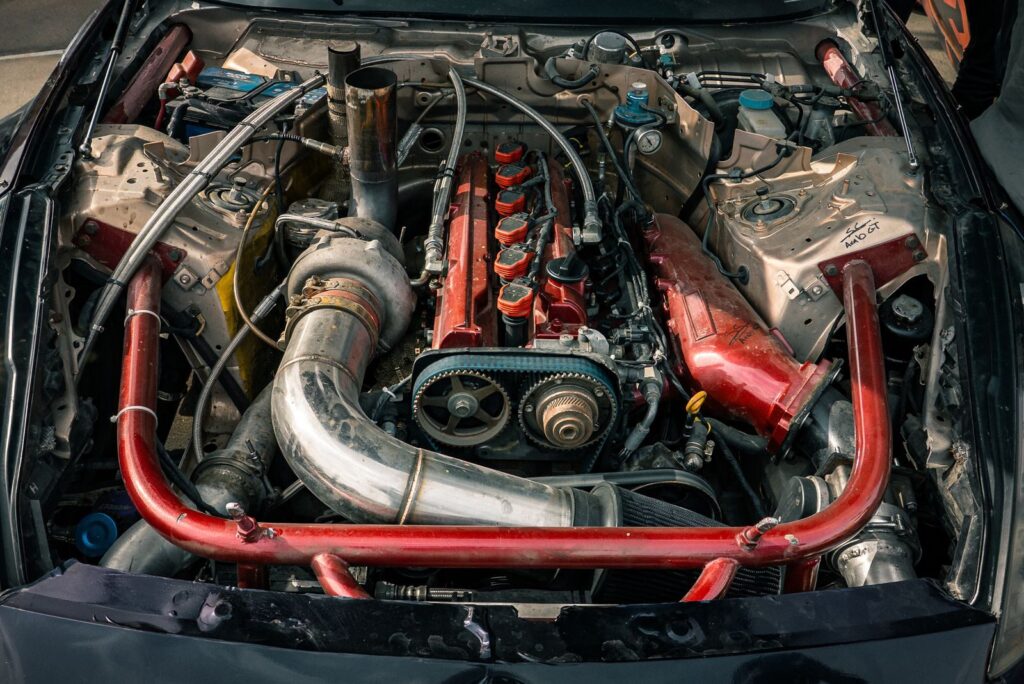
No longer do you need huge, heavy blocks under the hood in order to get massive power out of a car-turbochargers are transforming automotive power in unprecedented ways; giving surprisingly large amounts of power out of relatively small engines, without the necessity of lugging around a huge, heavy block. The turbocharger is basically a thermodynamically and fluid dynamically driven forced induction unit used to force the air going into the intake manifold. Instead of using large, energetic pulses of waste heat shot out of the exhaust, it harnesses the escaping kinetic energy of these gases, and using that power to turn a turbine connected to a compressor shaft on a turbine connected to a compressor, which pulls in outside air and forces it into the engine.
The Basic Turbocharger Process:
- Exhaust gases spin the turbine
- Turbine shaft drives compressor
- Compressor draws ambient air
- Compressed air enters engine
- More fuel creates more power
This forced induction method enable a small capacity to produce the sort of power and torque numbers normally expected from a much larger engine. Instead of expanding the displacement to obtain the power, the engine capacity is allowed to accept far more air in turn able to burn more fuel during each induction cycle. A turbocharger essentially is a device whereby much more performance is achieved for any given physically size engine.
2. Why Turbocharged Engines Produce More Horsepower and Torque
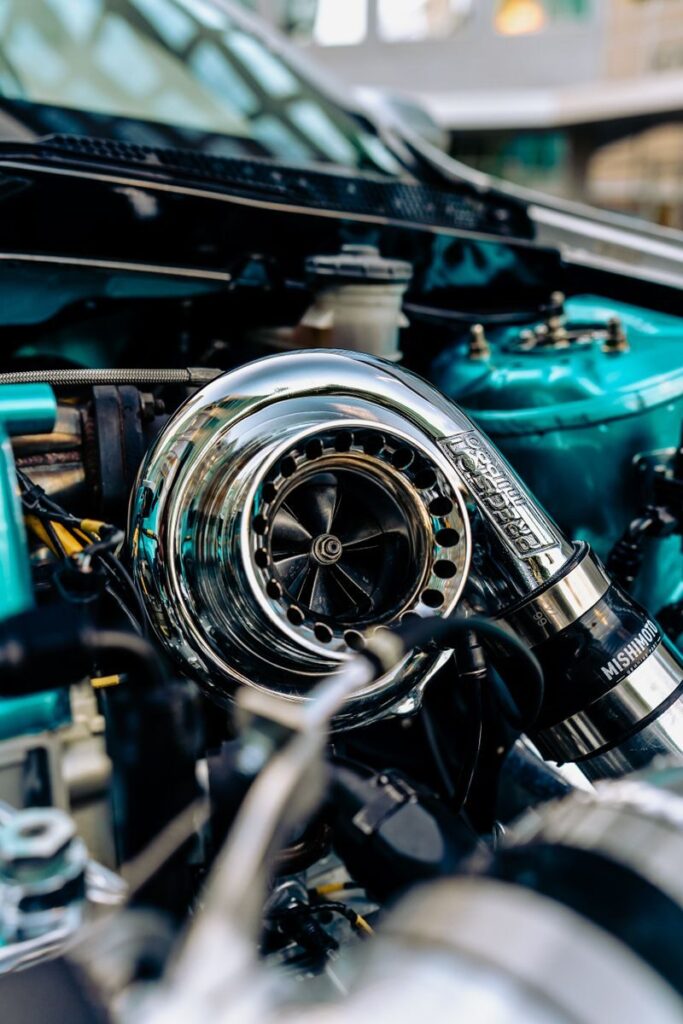
In forced induction, the significant increase in torque and horsepower relative to the reduced engine size is, no doubt, its major appeal. According to the Society of Automotive Engineers, there are instances in turbocharged engines where up to thirty percent additional horsepower could be generated compared to a normally aspirated model of the same displacement. In fact, it is not only peak horsepower that will rise.
Where Turbo Power Makes Difference:
- Smaller engines deliver greater power
- Torque arrives lower in RPM
- Lightweight engines provide strong acceleration
- Compact packaging saves engine-bay space
- Four-cylinder engines gain larger-engine muscle
A good example taken from the above is the 1.0 litre Ford Ecoboost. Famous for its output equalling that of a far larger naturally aspirated engine, the 1.6litre, whilst being relatively lighter is evidence of how the introduction of forced induction as a performance tool has been so widely used. By using compressed air within the smaller engines to expand upon what they are physically capable of creating rather than just increasing physical capacity it became possible for a much smaller, lighter power unit to achieve the required levels of power (translating into a level of urge when needed for drivers without having the physical size to necessitate it!).

3. How Turbocharging Can Improve Fuel Efficiency
When considering how turbo charging affects fuel economy then efficiency gains aren’t the most straightforward claim to consider. Given the right operating condition, forced induction could provide fuel savings as good as the increased performance advantages it gains. Fuel efficiency advantages of around 20-30% over naturally aspirated units are quoted by the Environmental Protection Agency.
Why Smaller Turbos Can Save Fuel:
- Smaller engines remain economical
- Light loads require less fuel
- Full boost demands additional fuel
- Thermal efficiency can increase substantially
- Variable boost optimises everyday driving
This feature controls another part of the engine and is available on most modern engine management systems with use of variable boost. Instead of being one set level, you can continuously vary how much boost your engine receives at any given moment to help with fuel consumption during daily use. It doesn’t mean that once you fit a turbocharger you are just driving around at maximum boost at all times: you only give the engine how you want it to work. It is this trade-off that makes turbocharged performance: the engine does not have to give you tremendous amounts of power all of the time to get good economy, while still able to be extremely potent under normal demand (as long as you press the pedal, anyway!).

4. Why Turbochargers Perform Better at High Altitudes
The benefits of forced induction are especially well represented when a vehicle with a turbo is driven up high in the mountains. Naturally aspirated engines lose a lot of power due to driving them at high altitude because there is not as much pressure forcing enough air in the cylinder. Combustion uses a lack of air to power the engine and higher altitudes create even less pressure pushing the air in, making driving an NA car very noticeably lose performance up high. The turbocharger simply tries to put even more pressurized air into the intake manifold instead of dealing with what mother nature gives you in the way of a lack of air at high altitudes.
Turbocharging’s High-Altitude Advantage:
- Thin air reduces natural engine power
- Turbochargers mechanically compress incoming air
- Compressed air reaches intake manifold
- Power remains more consistent
- Mountain driving benefits from boost
The mechanical features that allowed the turbocharger to function have a role in the way the vehicle sounds, also. Since the system uses the expelled exhaust to its advantage in its operation some of the noise produced by the exhausting gases is reduced, which allowed the boosted vehicle to be significantly quieter on the road than their normal counterparts. These types of mechanical qualities contribute to the progression of turbocharging past the high-performance, or sports car market, and into the consumer car market including SUV’s and motorsport events. The ability of forced induction to overcome these, performance, and packing efficiencies allowed it to evolve from exclusive, highly competitive, use only, to widespread automotive application.
5. How Forced Induction Changed Everyday Cars and Motorsport
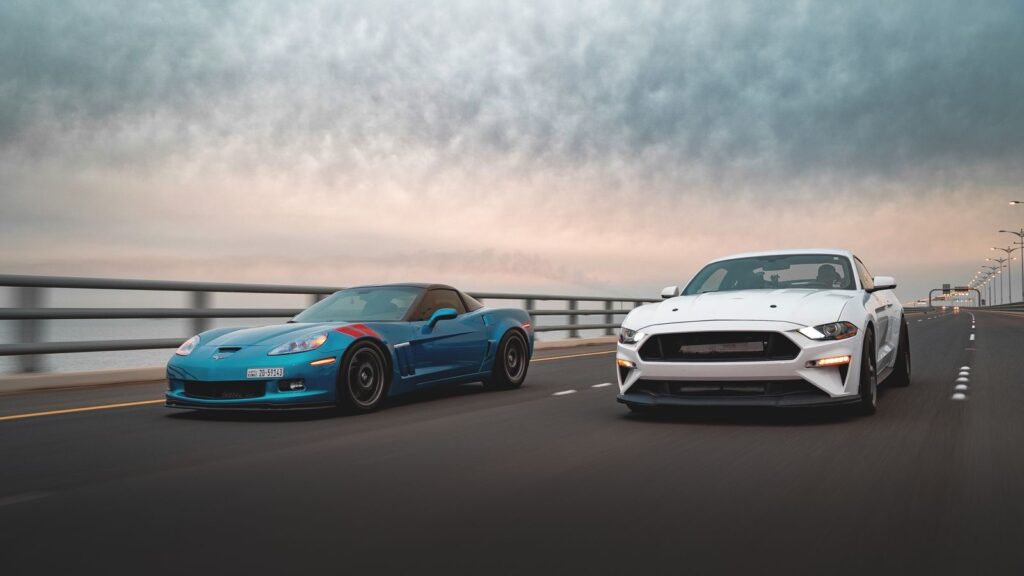
The very flexibility of forced induction has allowed it to make its place in the light duty vehicle market; In 2020, the US light duty vehicle market was 40% forced induction, whereas in 2008, it was only 10%. There is virtually no light duty vehicle that cannot be helped out with a form of forced induction, from street cars to sports cars to dedicated racing machines. Street vehicles such as the VW Golf GTI and the Ford Fiesta ST utilize the turbo charger on what is considered a compact street car, while there is the ability to utilize an even higher-level performance vehicle as shown with such things as the Subaru WRX STI and the Porsche 911 Turbo, to racecars.
Forced Induction’s Growing Reach:
- Market share reached forty percent
- Growth rose from ten percent
- Compact cars gained surprising speed
- Sports cars embraced turbocharging
- Motorsport pushed technology further
In motorsport however, these effects were amplified even more drastically. At once small, aerodynamically inefficient bricks and small, specialised V6- racers forced induction helped knock the traditional big block V8ers on the head in both a strip and road racing setting. The effect of the technology showed everyone that big engine sizes weren’t what was required to generate immense velocity with these forms of racing, instead by increasing pressures via forced induction on the charge and ‘scavenging’ exhaust gases to make the turbocharger work efficiently, small engines could be made to produce huge, specified outputs. These power weight benefits and fantastic packaging efficiencies helped the origins of perhaps some of the best pure racing monsters the mid-1980’s ever saw, and they were only just begining to show how far turbocharging could be stretched when it was specifically for racing application.
6. How the Buick Regal Turbo V6 Challenged V8 Racers
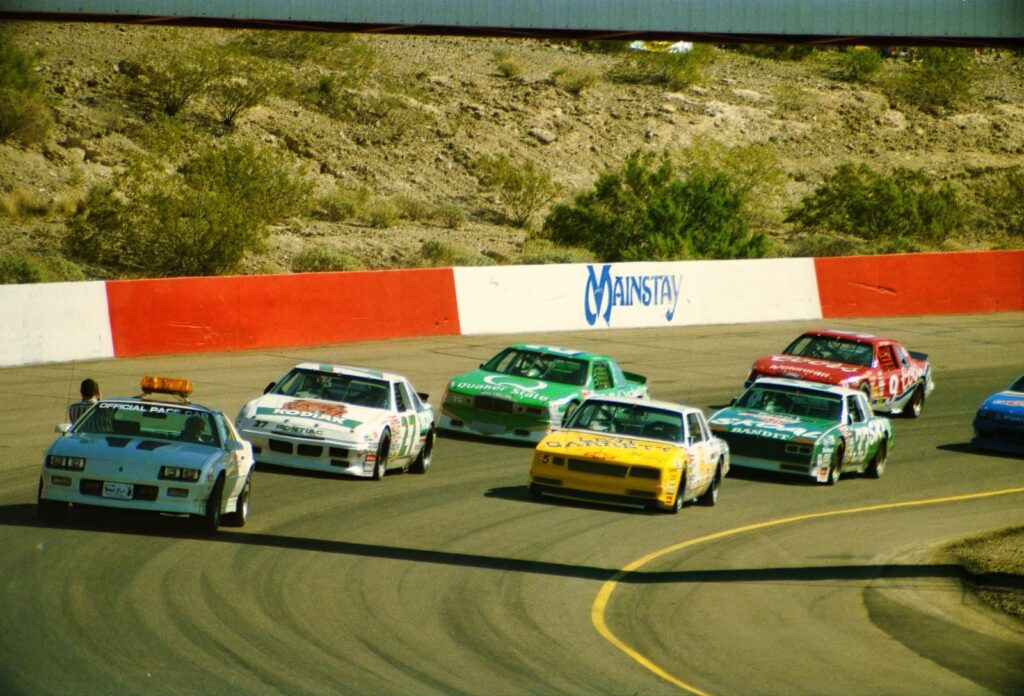
Turbo power saw some impressive entries in the mid 80’s take to the track in Pro Stock and totally rewrite the rules of the sport with smaller power plants that were much faster than its bigger V8 powered counterparts. Without question the craziest one ever to appear on the strip was Buddy Ingersoll’s 1984 Buick Regal Pro Stocker. Ingersoll backed the turbo V6 with a potent 278ci engine and it proved that it would take down a huge displacement V8 that couldn’t gain as much on an open track. The Ingersoll Buick would consistently push towards 200mph and would usually run in the 7-teens, while its competitors, often with 500+ci engines, would barely break into the 7-thirties at 180mph.
The Buick Regal’s Racing Numbers:
- 278-cubic-inch turbocharged V6
- Approached 200 mph
- Ran in the 7-teens
- V8s remained around 180 mph
- Rivals pressured racing officials
The success of the Buick would eventually be the root of much class controvery. As stated in theProvided Text(PT), the owner’s competitive car upset others racers to such an extent that they actively pushed and lobbied officials until they literally took the car out of the class. This despite the fact that Ingersoll’s Regal was stated as being the only true Pro Stocker sold to consumers that maintained the exact same engine in stock.
7. How Nissan’s Turbo V6 Dominated Endurance Racing
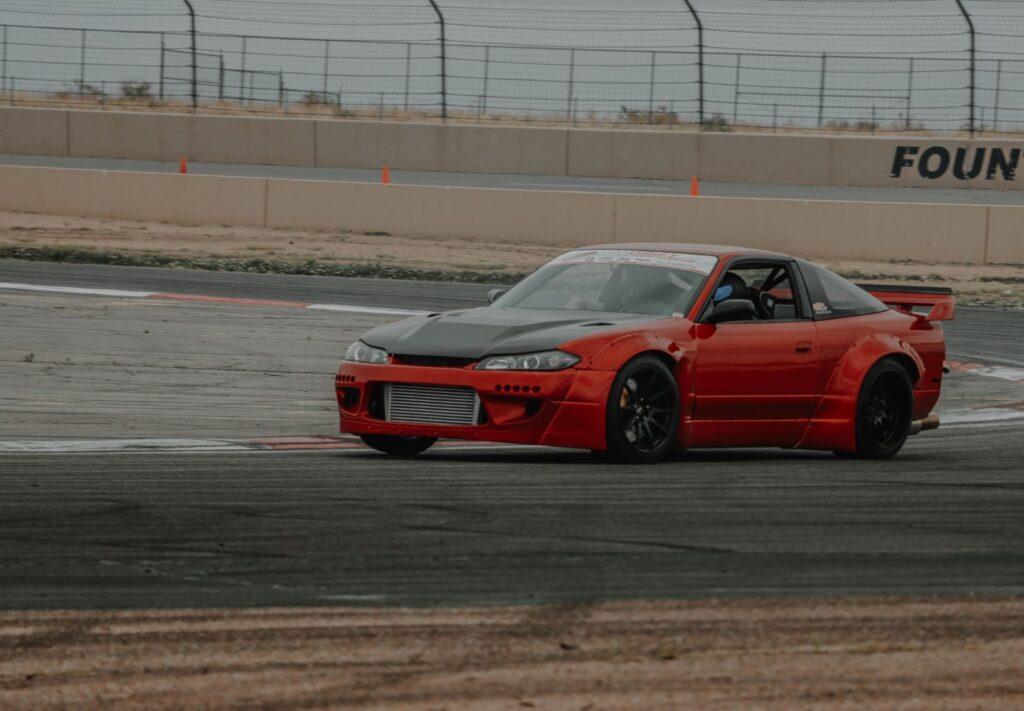
Turbocharged V6 was also a successful player in endurance circuit racing. The Nissan GTP machine ran with forced induction and completely ruled the IMSA championship series and came out of the starting grid to win nine races in a row during 1988, won two straight championships with driver Geoff Brabham in tow even though competing against some serious competitors from other racing manufacturers, such as Porsche, Toyota, and Jaguar. None were bargain teams or cheap racing programs; it was big time performance against megadollar operations.
Nissan’s Remarkable Racing Record:
- Turbocharged V6 powered Nissan
- Nine-race winning streak
- Dominated IMSA competition
- Geoff Brabham drove the car
- Captured back-to-back championships
This endurance racing demonstration reiterates a concept that had been made obvious by other turbo powerplants from this time. By making optimum use of their fuel and air, a much smaller setup in terms of engine config may now be able to match very much larger, and more expensively built engines. Also evident was that turbocharging advantages was not just limited to short periods of high acceleration in this case- a turbo v-6 could indeed be part of a top flight endurance racer. When combined with the Buick Regal drag strip machine, the GTP Nissan had proved that turbocharging could rival traditional engine set-ups in even completely unrelated, high stakes, motorsport arenas.
8. How the Lotus Esprit Turbo SE Turned Small Displacement Into Supercar Performance
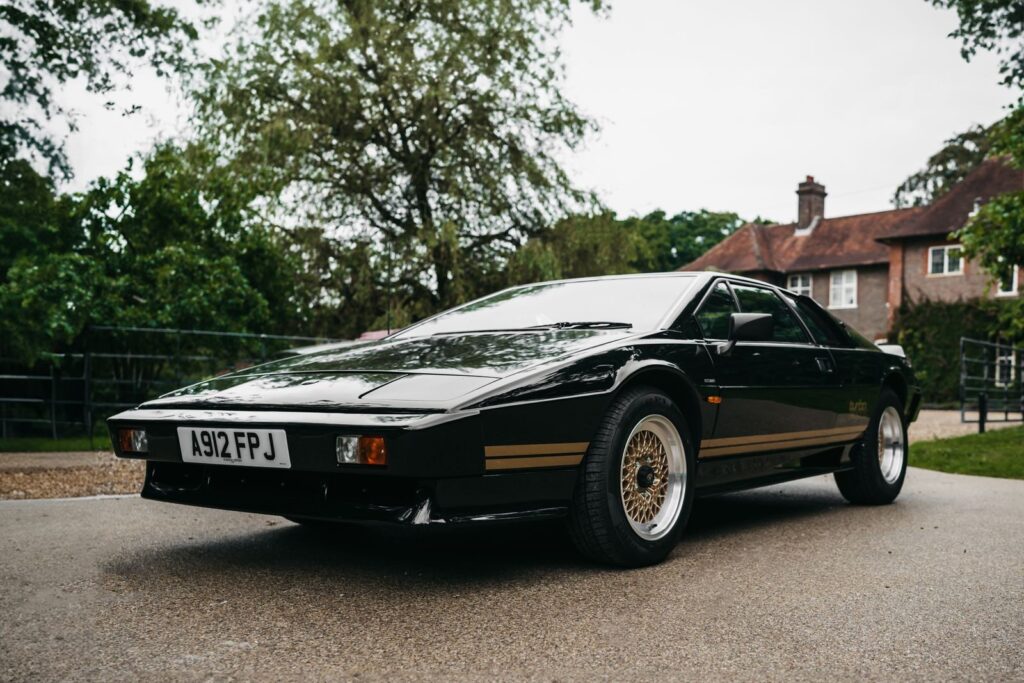
Turbocharging brought similar and incredible performance gains to the streets and for “streetable” performance cars. This mid-engine rocket called the Lotus Esprit Turbo SE showcased the insane potential of a incredibly tiny, four-cylinder 2.2-liter displacement that was capable of 264hp at 6500 rpm. It was shoehorned into a ridiculously tight engine bay and gave the Esprit a specific output of 120 hp per liter due to turbocharging. It would run 0-60 in just 4.8 seconds after around 3000rpm once the turbo caught up and even leave some exotic poster cars like the Lamborghini Countach and Ferrari Testarossa for dead.
Lotus Esprit Turbo SE Highlights:
- 2.2-litre turbocharged four-cylinder
- Produced 264 horsepower
- Achieved 120 horsepower per litre
- Reached 60 mph in 4.8 seconds
- Turbo spooled around 3000 rpm
The same driven-characteristic that Lotus’s own turbos seemed to enhance: The immense thrill. After a momentary delay, when the turbocharger delivered a surge of boost to the mid-engined, light weight car, it could nearly appear as another, considerably larger, automobile. For the purposes of our article, we analogized its acceleration to ‘being fired out of the sixteen-inch cannon atop the USS Iowa,’ truly capturing the punchy nature of such a surge. At any rate the Esprit was thus the road car version of the very principle being demonstrated on race circuits at the time-a small power unit forced into astonishing leaps by use of a supplied breath of compressed air that put the car in a class of considerably less-worldly (and certainly considerably more expensive) automobiles due to its combination of weight, mid-engine layout, and-naturally-forced induction.
9. What Daily Driving a Turbocharged Car Really Requires
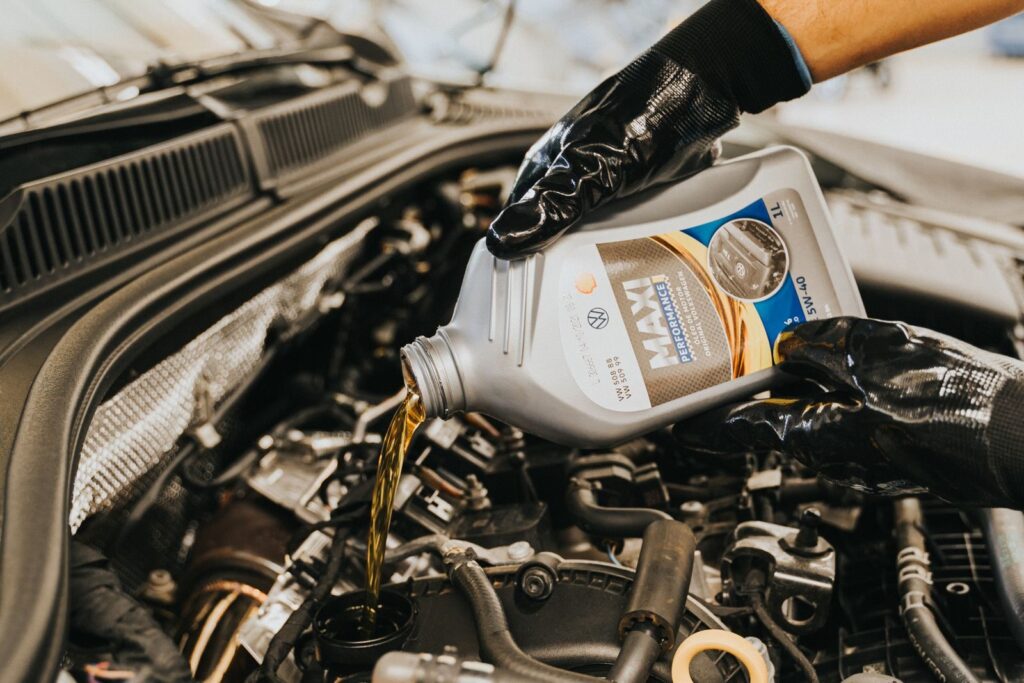
The combination of placing track derived turbocharging performance onto everyday duty leads to an interesting blend of thrills and mechanical responsibility. Turbocharged engines operate under significantly increased temperatures and more demanding stress factors so thermal management of the system becomes another consideration to the owner. Additional parts can contribute to the possibility for failure also hence regular maintenance becomes an even more of an essential item.
Daily Turbo Ownership Essentials:
- Heat management becomes important
- Internal components face additional stress
- Regular oil changes remain critical
- Quality synthetic oil helps
- Turbo lag affects acceleration response
The accounts of a couple of ordinary users detailed in the supply material clearly demonstrate the above described compromise. Sarah, owner of a 1.4 litre turbocharged sedan used for her commuting, loves her car because the power required to merge into traffic on the highway is readily available; it gives around 36 MPG under normal conditions. The key factor is her own keen attention to maintenance, because of a fellow acquaintance losing his turbocharger due to not changing his oil sufficiently. For similar reasons, Mike, the track-day addict owner of a 2.0 litre turbo powered Subaru WRX and owner, agrees that he loves the sheer amount of torque available from near-idle in his Subaru, while ensuring he lets the turbo system cool down correctly after track sessions.
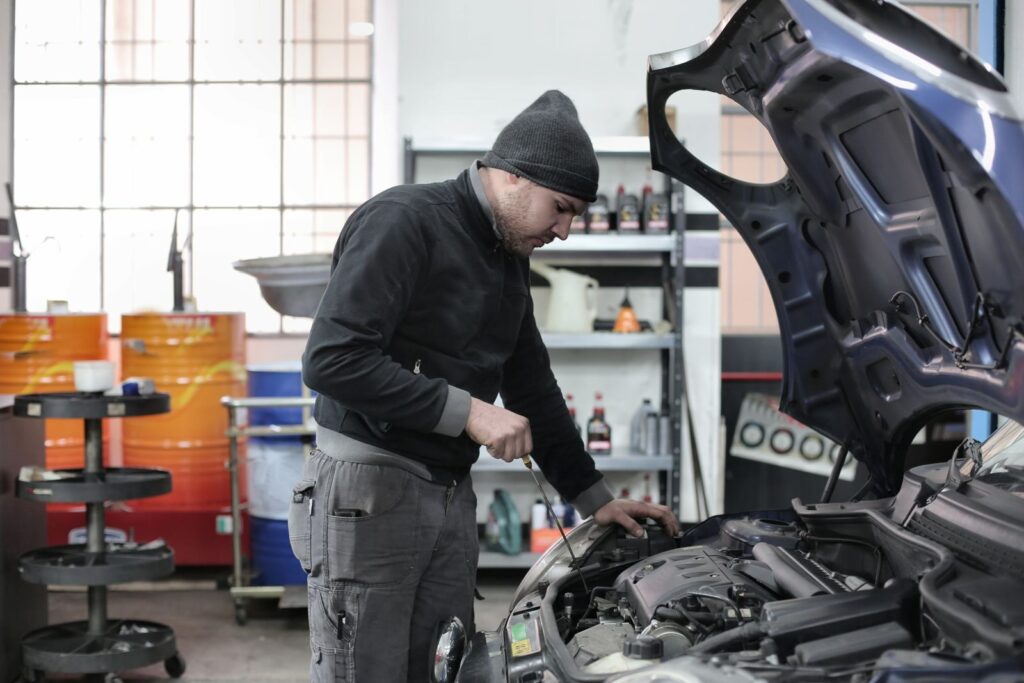
10. The Financial and Maintenance Trade-Offs of Turbocharged Performance
Achieving full value from forced induction necessitates knowledge of what lies beneath the bonnet (not necessarily understanding mechanics though) also the financial implications should be understood. Most turbocharged engines necessitate higher-octane premium unleaded which will add a little to the cost of daily usage, along with when a new turbo kit is added to an original production engine the clutch will more than likely have to be modified to take additional torque along with possibly new pistons or valve specifications-such matters should always be discussed with mechanics though as added power puts more strain on the components. Insurance will often prove an issue due to higher possible reparation costs for a turbocharged engine and a higher risk involved.
Important Turbo Ownership Costs:
- Premium fuel can cost more
- Aftermarket kits require supporting upgrades
- Clutches may need strengthening
- Pistons and valves need consideration
- Insurance may become more expensive
A further issue relating to insurance claims is that custom modifications may have an effect as well. The supplied material states that “lack of notice given to insurer of turbo modification is ground for denying claim, in the case of collision and theft of vehicle.” In conclusion, forced-induction performance entails a clearly defined choice on behalf of the owner to either give up ownership responsibilities for forced-induction benefits.


