Evaluating Pickup Truck Reliability and Key Performance Factors in Dependability Rankings

Pickup trucks are designed to work hard. Whether that means lugging a heavy load, tow a large trailer, or travel down a tough stretch of road, pickup trucks are ready to work. When shopping for a pickup truck, it’s a lot more than just comparing horsepower, towing capacity and new technology, and other details pickup truck buyers need to consider long-term reliability, mechanical longevity, fuel economy and overall build quality.
The J.D. Power 2026 U.S. Vehicle Dependability Study offers insights into what model-year 2023 vehicles look like after three years of ownership. From the top-ranked Ram 1500 and Toyota pickups to the latest software offerings, hybrid powertrains, engine choices and safety ratings, there are many things that go into a pickup’s dependability. These elements can help consumers understand what they can expect out of a pickup truck of any kind and technology before they go to make a purchase.
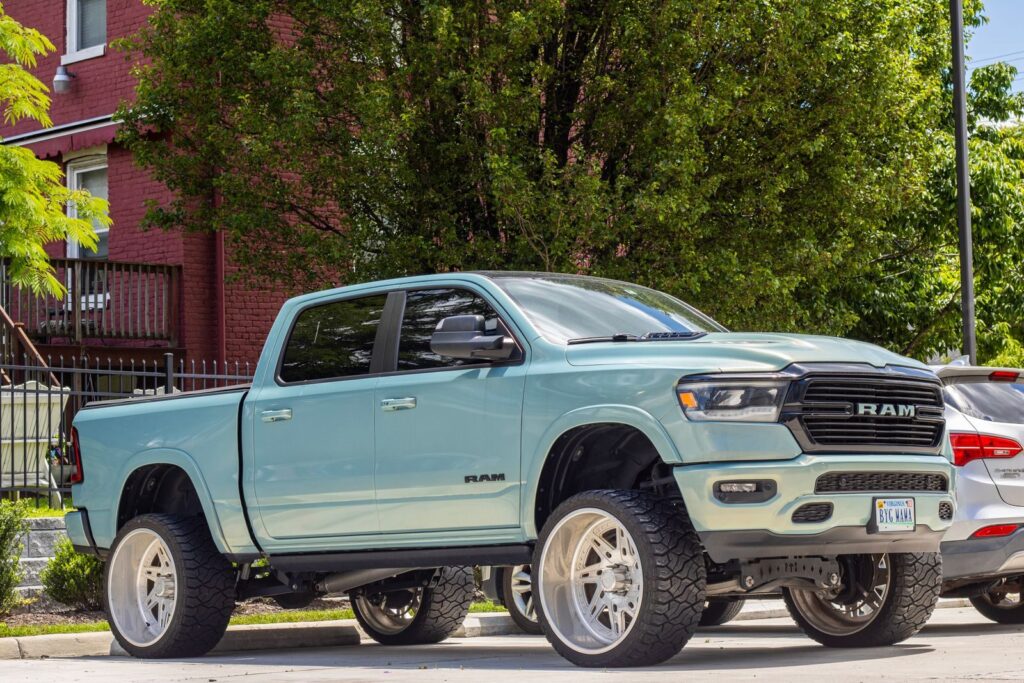
1. 2023 Ram 1500
On the J.D. Power 2026 U.S. Vehicle Dependability Study, the Ram 1500 named the best full-size pickup. This generation of full-size pickup was in production starting for the 2019 model year and was last refreshed for the 2025 model year. It also has the Truck of the Year for 2019, 2021, and 2025 model years. Consumers can choose from a variety of configurations and options to match their intended use. The value-oriented trims can make excellent work pickups, and the high-end trims offer comfortable cabins and the latest technology. Performance fans may even prefer the supercharged V-8-powered Ram TRX with off-road upgrades. This variety of choices can cater to a diverse range of modern lifestyles.
Ram 1500 Performance and Reliability:
- Highest-ranked full-size pickup truck
- Multiple trims suit different needs
- Luxurious cabins offer advanced technology
- TRX delivers supercharged V-8 performance
- Strong comfort and reliability rankings
While the Ram 1500 has standout ride quality, excellent driving dynamics and above-average reliability ratings, there are certainly some trade-offs to be made. Most gas powertrains, with the exception of a turbocharged diesel, have fairly middling fuel economy ratings. Its maximum towing and payload ratings also fall short of segment benchmarks, which could be a sticking point for buyers who intend to regularly tow or haul. Additionally, adding options can significantly increase the final purchase price, raising operating costs and forcing drivers to think about what features are the most important. If comfortable cruising, comfort and prestige are where it’s at, the Ram 1500 could be the right fit, but those that want the best towing or efficiency ratings will want to research carefully.
2. J.D. Power U.S. Vehicle Dependability Study
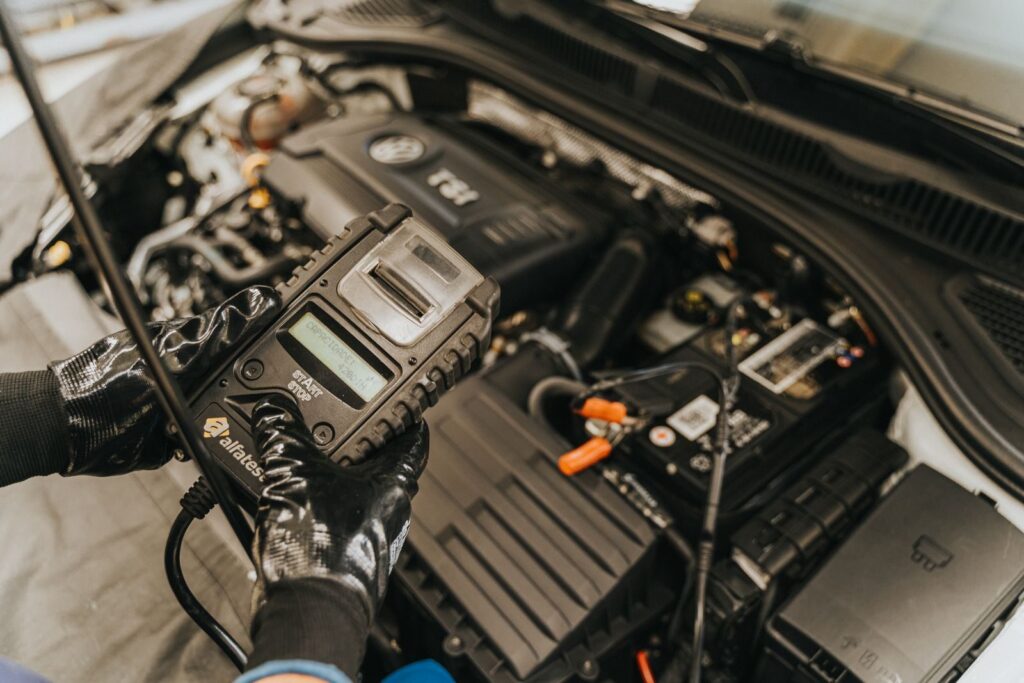
Another significant industry benchmark for assessing automotive quality over time is the J.D. Power U.S. Vehicle Dependability Study. The 2026 U.S. Vehicle Dependability Study from the automotive insights firm involved research survey specialists who analyzed vehicle owner responses from those who had purchased 2023 model-year vehicles at least three years earlier. This real-world research gauges what’s working well, what’s not and where common problems are occurring over the long-term across vehicles during each of the first three years of ownership. It monitors repeat problems, malfunctions, problems with vehicle operations and constructs and compares how individual automakers’ trucks and most 2023 model-year vehicles perform in the real world three years later, which helps consumers compare trucks and determine which models are more dependable.
Measuring Long-Term Truck Dependability:
- Evaluates three-year vehicle ownership experiences
- Uses original owner survey responses
- Identifies recurring mechanical quality issues
- Tracks operational glitches and failures
- Compares durability across automotive segments
Lately, studies have revealed that a growing number of owners’ worries are related to new vehicle electronics and other future vehicle technologies. That’s important because new truck models combine legacy mechanical assemblies with advanced software, connectivity, and increasingly sophisticated powertrain components. Analysis of reported problems allows manufacturers to identify where coming design issues may crop up. For the consumer, the results help to outline a more comprehensive understanding of what a large, expensive purchase should be capable of in a multiple-year ownership experience. Though the truck’s ability to deliver comfort, capability, and convenience on Day 1 may be what attracts us in the first place, a vehicle’s long-term dependability also rests in its core systems’ staying power. Examining the data, along with the buyer’s own operational and lifestyle requirements, can better prepare the buyer for what they will receive from the latest model.
3. Over-the-Air Software Updates
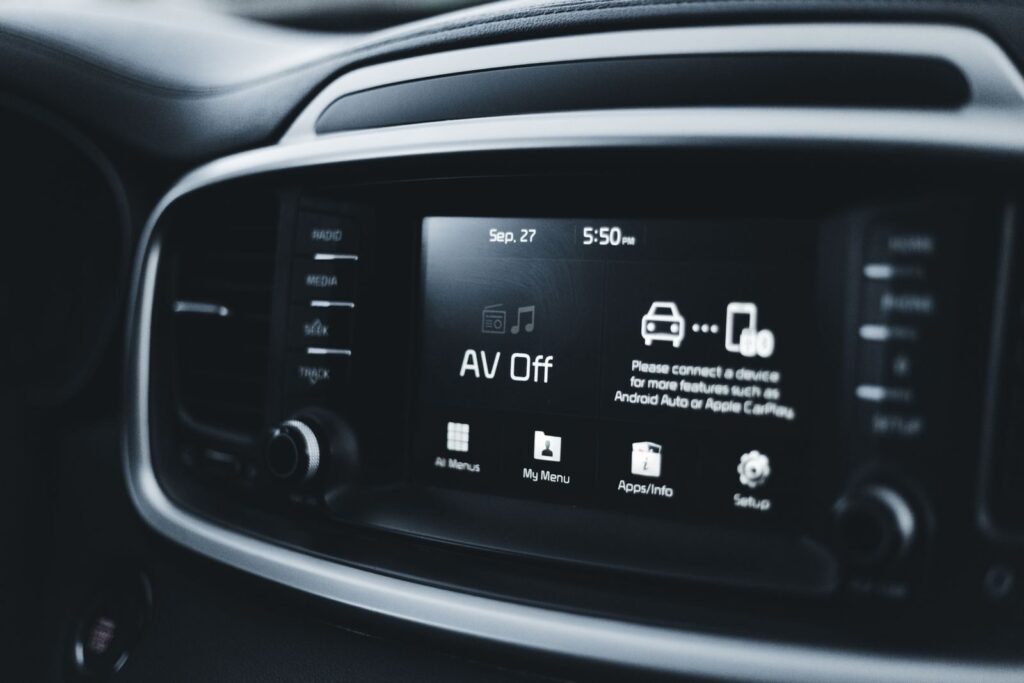
Modern full-size and midsize pickup trucks use integral electronic systems that are updated over the air with software update updates to ensure system functions are maintained or improved. The ability for manufacturers to provide over-the-air updates means that not all system updates require a visit to the dealer or service center to install them. Nevertheless, in a study of three-year survey results from owners, software updates were found to be among the top areas of concern for owners. Although over-the-air updating is a convenience, the actual process can also cause problems if updates do not go as planned. Systems failures and other errors can create frustration for owners when software updates do not install properly.
Common Software Update Problems:
- Wireless updates improve system functionality
- Installation errors can disrupt operations
- Software glitches frustrate vehicle owners
- Update delays create additional concerns
- Driver preferences may reset unexpectedly
Concerns reported by owners shown above are consistent across all technology-enabled vehicles and tend to be centered around electronics reliability issues such as update failures, lock-ups, and unintentional resets of user settings. These challenges highlight the fact that electronics reliability still impacts the ownership experience even when the hardware that drives it is fully functional. Customers rely heavily on these systems to perform day to day, during the daily drive, work-related trips, and on longer vehicle runs. As such, unanticipated software behaviors can erode consumer confidence, cause frustration, and cause what should be a seamless experience for owners seeking worry-free operation. For those considering a new pickup, this builds a further case for hard mechanical reliability as the total package, with strong technologies support ability both for delivering updates, and in preserving the vehicle’s original settings.
4. Phone Integration Systems
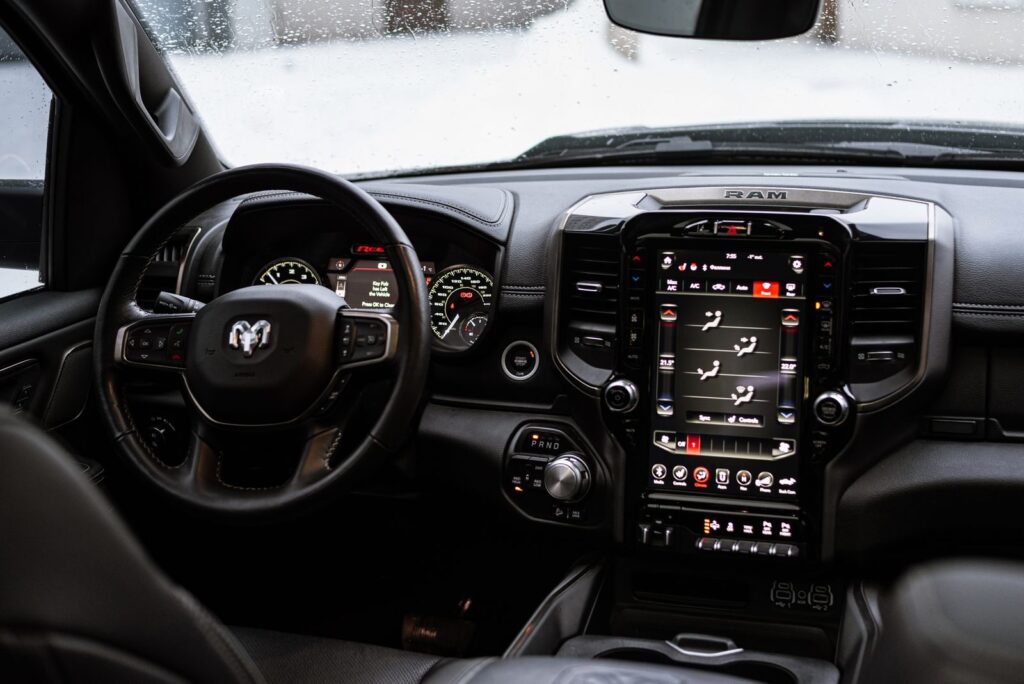
Cabin connectivity and smartphone integration are must-have features on any modern truck buyer’s shortlist, and many new pickup truck models now include smartphone app integration in the cabin. But phone integration modules that connect a driver’s cell phone to the rest of the vehicle’s infotainment system are some of the most common trouble spots for long-term new truck owners, according to the J.D. Power dependability study. That’s because of issues with how well phone interfaces work with the vehicle, which can influence how satisfied new pickups buyers are after three years of ownership. With smartphone integration now a hallmark feature of most vehicles, prospective buyers should take into account the system’s reliability along with its options.
Smartphone Connectivity Issues:
- Smartphone connectivity supports modern driving
- Bluetooth pairing failures disrupt connections
- Hands-free calls sometimes become disconnected
- Mirroring applications may respond sluggishly
- Infotainment reliability influences owner confidence
Some of the most frequent connected vehicle issues include inconsistent Bluetooth pairing, vehicle disconnects, dropped hands-free calls and slow response time to smartphone-mirroring applications. These hiccups can make it difficult to talk to those outside of the vehicle, and turn otherwise useful or entertaining content into an irritating experience in the driver’s seat. These features were designed to work flawlessly for consumers when they got into the driver’s seat so that reliability should be part of the ownership experience. When those features have trouble, consumers can internalize these issues as cues of overall quality problems even if their vehicle’s other mechanical systems are performing up to snuff. Remedial action on these fronts can have a dramatic influence on long-term consumer satisfaction and durability. When shopping for a new pickup, consumers should remember that quality isn’t just about the frames, engines and tow capacity. The connectivity and entertainment experience can be equally important.
5. Electrified Powertrains
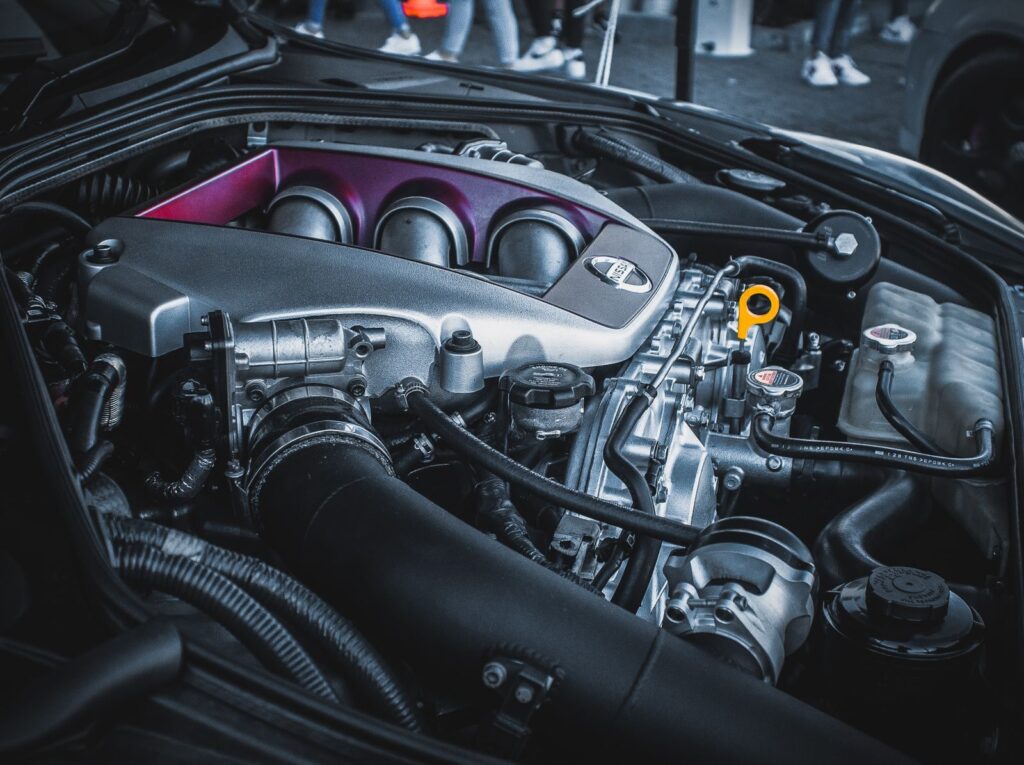
Automakers are adopting a gradual approach to electrification with the rise of mild-hybrid and full hybrid powertrains and other advanced drivetrains creeping into pickup trucks. While they can offer increased efficiency and different driving dynamics, these more complex powertrains also involve additional electrical components and integrated control modules. And which are effective longer-term, all of the interconnected electrical systems in a more complex powertrain? Vehicle dependability study results reveal that concerns over electrified powertrains are seen as one of the big factors influencing long-term truck powertrain reliability. As more powertrain options evolve, you’ll want to be aware of the long-term effects of this more complex approach, both in terms of what the extra components will cost for longevity and what the new driving dynamics will feel like.
Hybrid Powertrain Reliability Concerns:
- Hybrid systems introduce engineering complexity
- Electrical hardware adds potential failure points
- Battery modules require long-term durability
- Control units influence system dependability
- Hybrid adoption makes monitoring essential
Mild hybrids can still add some useful torque boost and modest savings to the bottom line, but add more electrical boxes, battery packs, and control modules that can eventually fail over time, and the entire powertrain is more complex. The job of the powertrain control unit, or ECU, is much more complicated, as it works in tandem with traditional mechanical components, so its durability is an important factor in long-term dependability. Keeping close watch on critical component durability provides manufacturers with an idea of what can go wrong and how electric vehicles hold up over time. This isn’t to say that electrified powertrains are unreliable-only that a serious long-term dependability assessment will need to account for real-world use. As hybrid use increases, owners’ long-term feedback will be important for ascertaining the durability of these systems.
6. 2023 Toyota Pickup
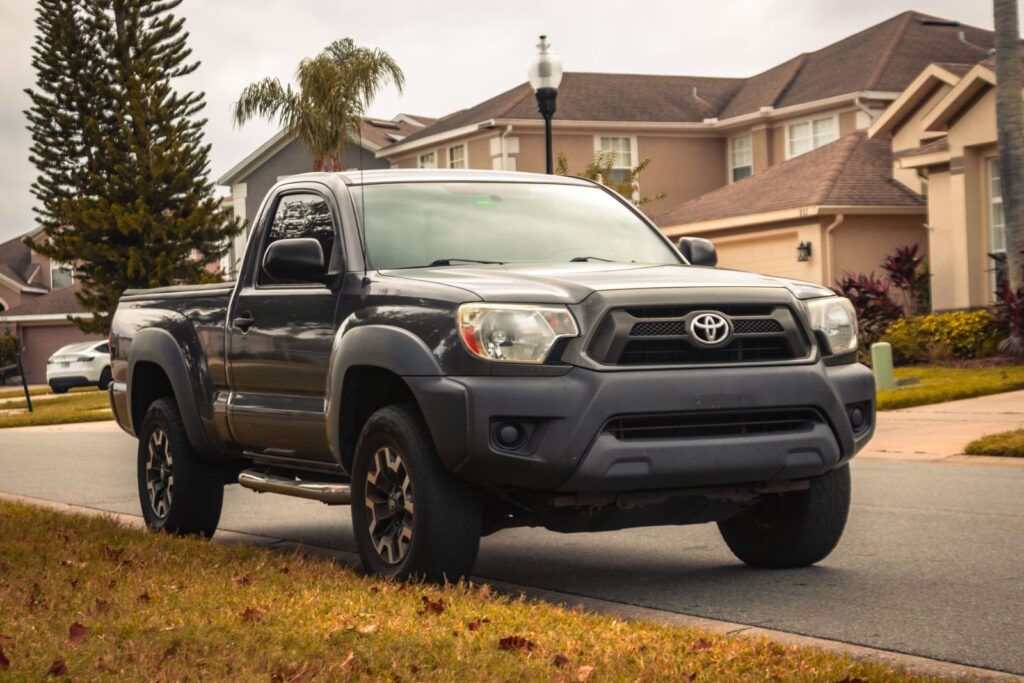
Toyota is one of those brands that scored well on long-term vehicle dependability when the industry tested them in comparison to competing brands. Toyotas have long set the standard for build quality and engineering precision, and that remains true in a nameplate that will be considered a target for pickup shoppers in need of long-term dependability and significantly reduced mechanical failures in their truck. Toyota has learned the value of delivering a truck that can be used and abused and still deliver on the promise of long-term dependability. Long-term reliability information provided by owners of used trucks helps the buyer gauge just how much of the manufacturer’s engineering efforts the everyday truck behaves as expected.
Toyota’s Long-Term Reliability:
- Strong reputation for manufacturing precision
- Focuses on long-term mechanical durability
- Prioritizes component endurance and reliability
- Maintains strong resale value potential
- Earns top dependability assessment placement
When owner comments after three years of ownership show up, so to speak, the full engineering correlation begins to take shape. Reliable engineering, complete mechanical robustness are highlighted. A truck of that experience history can expect solid resale value and very high placement in a very objective ranking of reliabilities. Certainly someone trusting his/her pickup to reliably do 15,000-20,000 miles a year can take his/her reliability trust and convert that into confidence, which is one of the many reasons a pickup is well worth its initial purchase price. Certainly individual ratings may vary, but looking at reliability, long-term owner comments carry value because they show how a vehicle is doing after that relatively short initial period and, in this case, are even more interesting when looking at the last two years of rated pickups.
7. Powertrain Options and Engine Choice
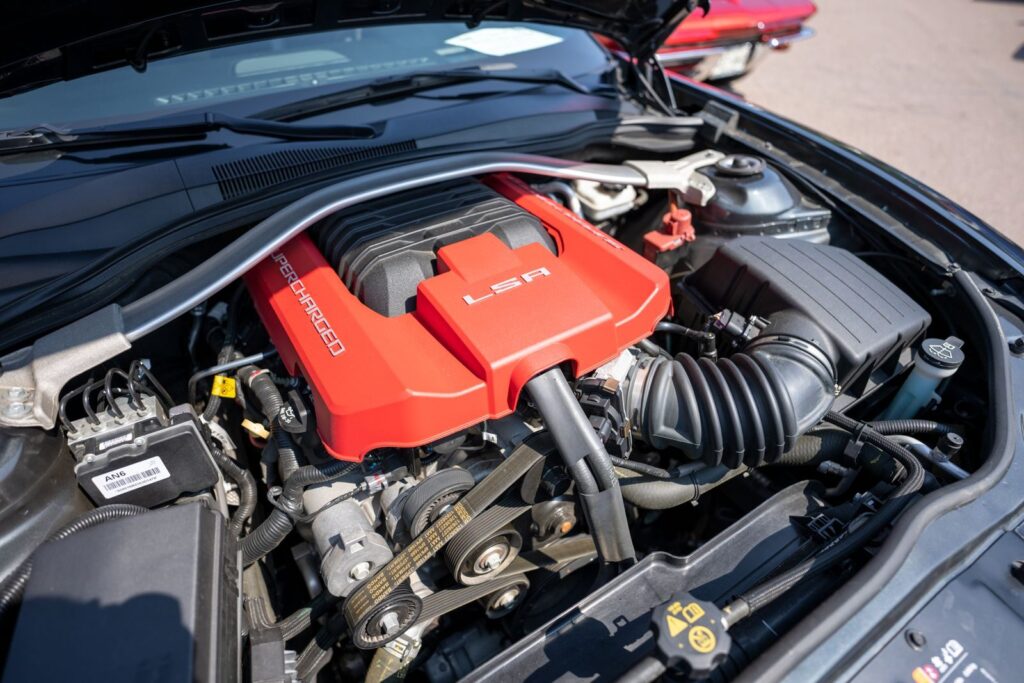
Pickup truck shoppers may find that there are multiple powertrains available for models that can provide a variety of benefits depending on what powertrain option is chosen, the model’s intended purpose, and the preferences of the driver. The available powertrains include a base 3.6-liter V-6, a fuel-efficient 3.0-liter turbodiesel V-6, and a 5.7-liter V-8 intended to provide power for hauling everything from a piece of equipment to a trailer. Since a powertrain choice can have an impact on how well a vehicle can handle the demands of everyday driving as well as carrying out tasks like towing, potential pickup truck buyers should weigh how they will use the vehicle when selecting their powertrain.
Choosing the Right Truck Engine:
- Multiple engines support different requirements
- Turbodiesel V-6 improves highway efficiency
- V-8 engine supports demanding hauling
- Adequate power reserves reduce strain
- Fuel economy affects ownership expenses
The appropriate engine for your specific needs also contributes significantly to satisfaction and long-term cost of maintenance. Driving a tow vehicle especially a pickup close to the wheel or engine’s thermal limit can take a toll on component life, so having a reserve of power is always wise if you plan to tow in the future. As part of the research process, analyze your potential miles per gallon figures for each available engine option to see what the long-term cost of operation might be. The most efficient, whether alone or in combination, are going to be the 3.0-liter turbodiesel V-6, while the conventional V-6 gasoline options are going to deliver good, user-friendly performance regardless of operating environment.
8. Mild-Hybrid eTorque Technology
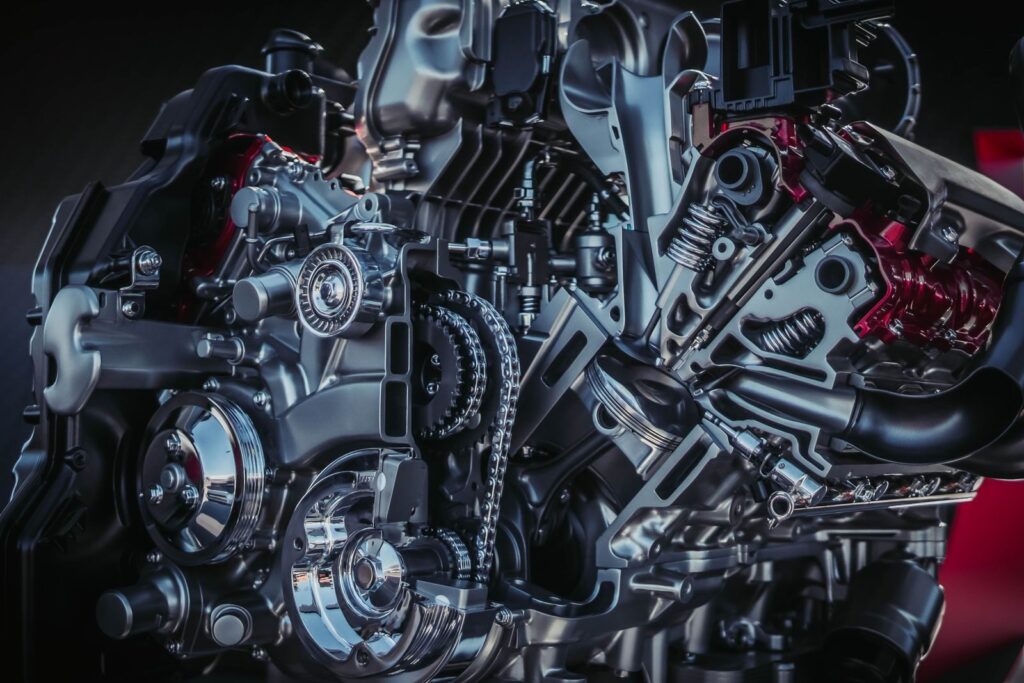
Manufacturers have been adopting more mild-hybrid technology and eTorque is no exception. It comes standard on the 3.6-liter V-6 engine and optional on the 5.7-liter V-8. Unlike a powertrain that would run entirely on the traditional internal combustion engine, mild-hybrid systems such as eTorque couple electricity to specific operating functions to serve as supplementary power assistance, with the aim of making the driving experience more refined and providing extra torque when needed for certain driving conditions. To that end, it is worth knowing how eTorque operates for pickup truck shoppers to understand how it might help and where it complicates the engineering. The accompanying stability findings provide a broader context in which to evaluate its application.
eTorque Technology Benefits and Drawbacks:
- Improves powertrain responsiveness and efficiency
- Uses belt-driven motor-generator technology
- Small battery provides electrical assistance
- Supports smooth engine stop-start operation
- Maintains conventional towing and payload
The eTorque mild-hybrid features a belt-driven motor-generator unit and an off-the-shelf battery pack to operate seamlessly with the engine’s stop-start system and provide added electric torque in the initial stages of acceleration. The system enhances responsiveness at the low end of the power band without penalizing traditional towing and payload performance. Drivers will most likely notice the refinement during normal acceleration and the modest fuel savings that come along with it. While the technology’s performance should be transparent to the user, the additional electric components will mean extra electronic bits and pieces that may give some buyers pause in terms of reliability and maintenance as the vehicle racks up more miles.
9. High-Performance Supercharged V-8 Variants
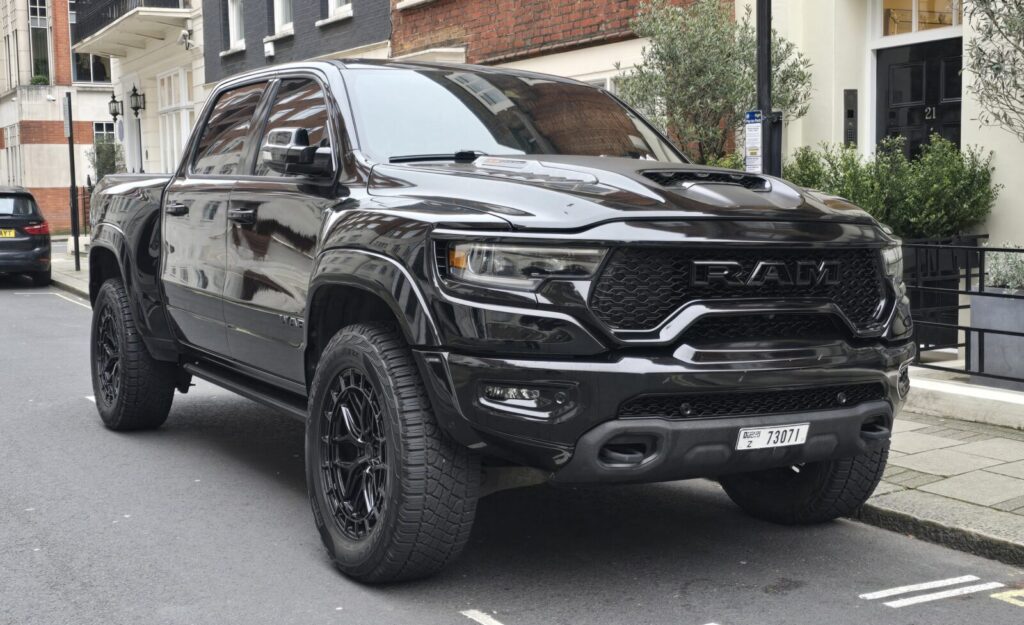
Off-road drivers looking for the most effective performance in rugged driving situations may consider other powerful ram 1500 models such as the Ram 1500 TRX. This model equipped with a supercharged 6.2-liter V-8 turns the full-size pickup truck into an all-terrain performance vehicle, giving it a supercharger engine powertrain that is focused on high output and higher performance for those looking to get the most out of their truck in off-road conditions. That supercharged V-8 is part of the performance package of the truck, but it also has some off-road hardware that is geared toward more challenging driving terrain and conditions.
Supercharged V-8 Performance and Costs:
- Supercharged 6.2-liter V-8 delivers power
- Designed for demanding off-road conditions
- Heavy-duty suspension supports rugged terrain
- Reinforced structures improve mechanical robustness
- Performance focus increases ownership costs
Limited to variants like the Ram 1500 TRX, these supercharged pickups feature harsh off-road suspension upgrades, tough structural enhancements and highly capable underbody accessories ready to take on the nastiest terrain. Such models’ tough mechanical makeup adds to their already high reliability scores and makes supercharged pickups appealing to those who want to see as much off-roading capability as possible. Yet, another thing that consumers need to consider when shopping these types of vehicles is that they significantly lag in fuel economy compared to their naturally aspirated counterparts, while also being more expensive to purchase initially. These differences may not be worth all of the coolness that comes with a supercharged V-8 pickup to those who are focused on keeping their costs low while also getting a maximum level of fuel economy. However, for drivers seeking an in-your-face truck that loves to get rowdy off-road, supercharged pickups can be a great choice.
10. Safety Ratings and Crash Test Performance
Vehicle safety and crashworthiness are other considerations for overall confidence in a pickup truck. Pickup trucks that did well in the crash tests were a list of 2022 Top Safety Pick winners from the Insurance Institute for Highway Safety and four- and five-star overall ratings from the National Highway Traffic Safety Administration. Vehicles that are involved in crashes provide consumers with more clarity on a vehicle’s safety features and capabilities. If a pickup is going to need to lug the tow capacity, payload, and mechanical endurance, it should have a safety cell and safety systems designed to help protect it in a crash. Once there’s crash test information and reliability reporting, buyers will have an even better understanding of quality.
Pickup Truck Safety and Protection:
- Structural integrity supports occupant protection
- Strong crash test performance matters
- Safety ratings guide informed purchasing
- Body-on-frame construction provides sturdy structure
- Reliable safety systems support confidence
The combination of comprehensive occupant protection systems and robust body-on-frame design offers considerable reassurance to the driver and all the vehicle’s occupants. A product’s ability to retain its integrity over long periods of continuous use should form a fundamental part of any used vehicle’s overall quality image. Effective crashworthiness tests by independent safety rating agencies can assist buyers in comparing how well different models perform in crashworthiness tests, while mechanical reliability and dependability tests provides some indication of how the vehicle performs in its day-to-day duties. Balanced consideration of both cues of vehicle quality should enable prospective pickup owners to select a model that delivers a high level of safe, dependable operation throughout its life. Strong safety scores can also instill confidence in the vehicle’s long-term ownership costs.