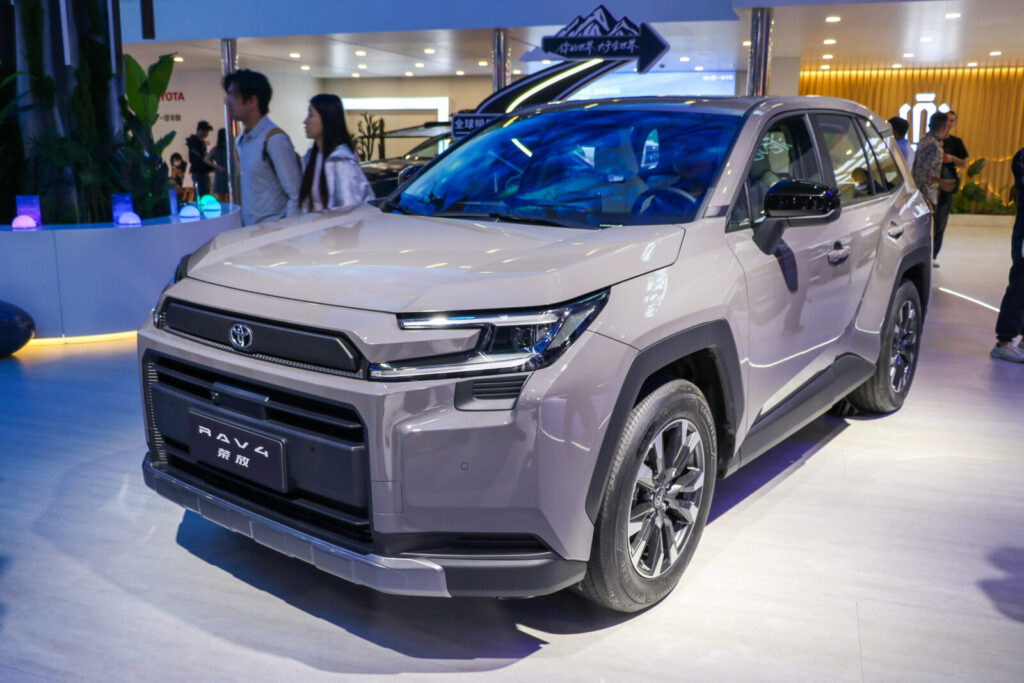
Examining Ford’s SUV Recalls and the Technical Fixes for Affected Models
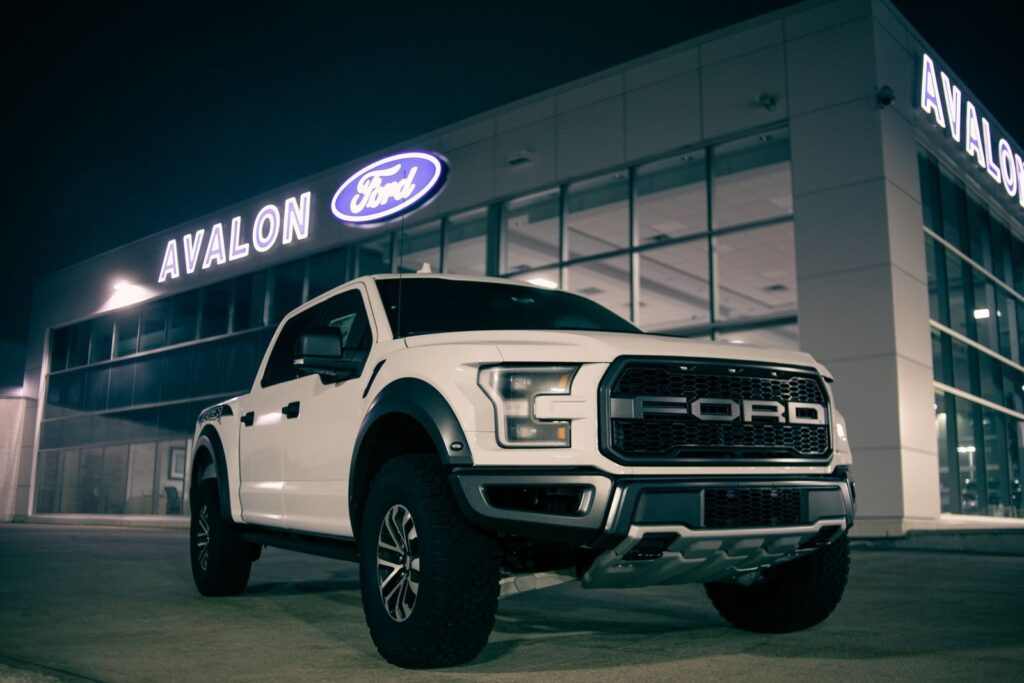
Today’s vehicles are a tangle of tens of thousands of mechanical parts, electronic modules, microcontrollers, and software-that’s complexity on a scale not seen before in automotive engineering. The Ford Motor Company has launched a series of safety recalls for various issues affecting millions of Ford and Lincoln-branded vehicles. Ford’s recent safety recalls range from upside-down camera displays to burned-out windshield wiper motors, wiring issues, and fuel pump and high-voltage battery cell failures.
The most common recall relates to Ford and Lincoln SUVs and crossovers ranging from 2020 through 2026 model years. Certain issues can be fixed with a software update, while others need to be verified and repair or replacement parts need to be installed. In addition to this safety campaign, Ford is dealing with Mustang, heavy-duty pickup, plug-in hybrid, and other vehicle recalls as it tries to keep costs under warranty, meet sales goals, and navigate emerging business conditions.
1. Ford Recalls Nearly 890,000 SUVs Over Upside-Down Camera Images
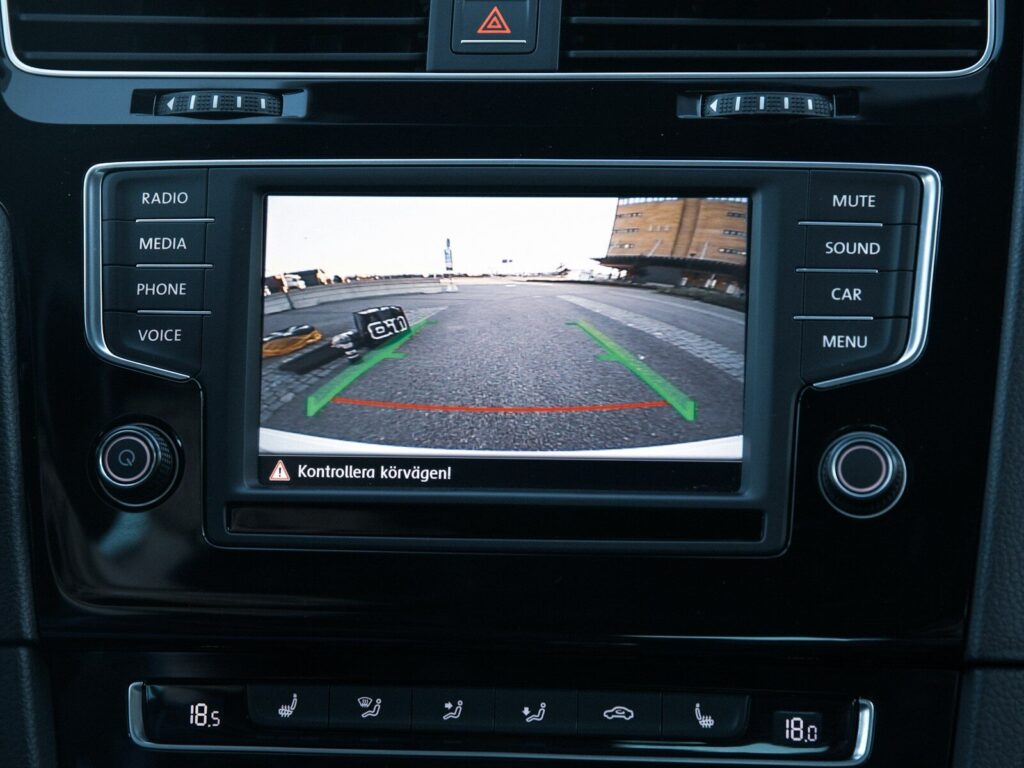
Ford recently announced one of its biggest recalls in recent memory, involving 889,950 Ford and Lincoln SUVs and crossovers built from 2020 through 2024. It’s a fairly simple fix: The rearview camera display goes upside down once you shift the vehicle into reverse. As described in the recall paperwork referenced in this story, the cause is a pulse on the Integrated Circuit data bus when the vehicle is turned on, which rewrites a register in the display’s microcontroller.That causes the entire screen, including the camera overlay and on-screen buttons, to go upside down.Restarting the system temporarily corrects it, but Ford is working on a permanent software fix. The list of affected vehicles the 2020-2022 Ford Escape, 2020-2024 Ford Explorer, 2020-2022 Lincoln Corsair and 2020-2024 Lincoln Aviator also on the recall paperwork but goes on to include the Ford Edge and Lincoln Navigator.
Upside-Down Camera Recall Details:
- 889,950 vehicles affected
- Camera image appears upside down
- Startup pulse causes problem
- Display microcontroller register changes
- Software patch is planned
The fix being considered by Ford is more about correcting the software logic that resulted in the display flipping upside down. Instead of replacing the entire camera or display electronics, the company’s software engineers are designing a specific software fix for the problem to stop the microcontroller register from being updated in the upside down mode. The restart workaround may bring back the screen temporarily, but does not eliminate the electronic glitch, and owners of the affected vehicles will eventually get a software update to fix the problem when it is available. The issue illustrates how such a small electronic event can have significant impact on a vehicles display system; since camera guidelines and virtual on-screen controls can also be inverted, it is certainly not a mere image orientation problem.
2. A Second Camera Recall Affects More Than 849,000 Vehicles
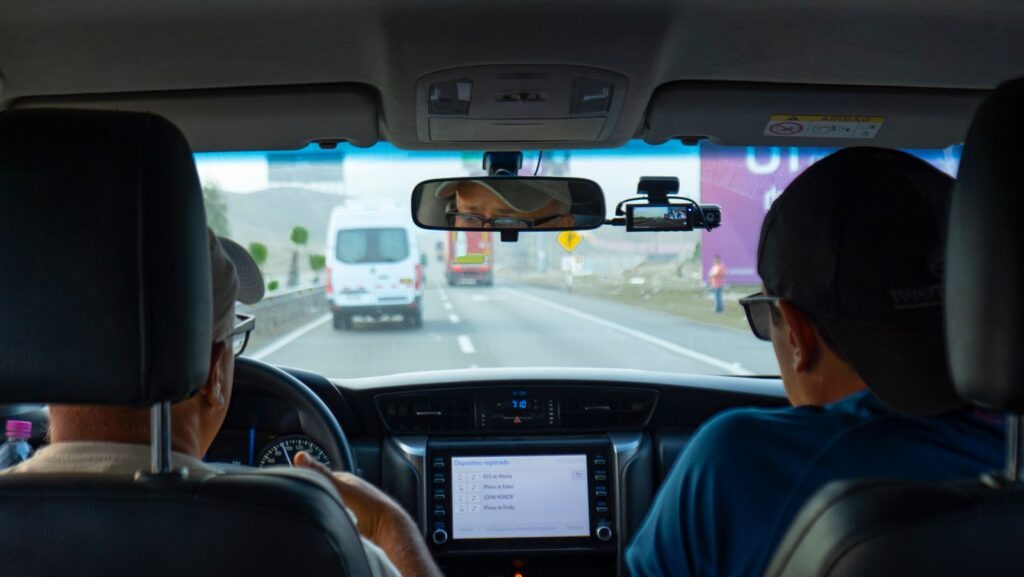
Another rearview camera recall concerns 849,310 vehicles from the 2021 through 2026 model years. It has to do with the Accessory Protocol Interface Module (APIM), which is a control that is used to display the rearward image from the camera. Under certain conditions, the module can overheat and shut down, which then leads to no rearward image being displayed from the rearward camera when the vehicle is put into reverse.This recall is different from the flipped image problem, as instead of just being upside down, the image isn’t shown at all.A Ford Bronco is involved in the recall: 528,168 units were built for the 2020 through 2026 model years, and 321,142 units of the 2021-2024 Ford Edge are affected.
APIM Camera Failure Details:
- 849,310 vehicles affected
- APIM module can overheat
- Rear camera image disappears
- Bronco forms largest group
- Ford is developing software remedy
If the APIM quits working on the SUV while driving, drivers may not even see the camera image in their rearview while reversing. Ford is actively developing a software fix that it hopes will bring reliable operation to this feature. Dealers should be advised when the updated software is ready to be applied to the vehicle.These two recalls, which cover about 1.73 million SUVs with rearview camera display problems after the upside-down camera recall last year, can each cause the image either to be upside-down or not display at all.Because the pictures are displayed electronically rather than with traditional mechanical systems, these recalls underscore the ever-increasing importance of on-board software and electronic modules.
3. Ford Recalls More Than 604,000 SUVs for Wiper Motor Problems
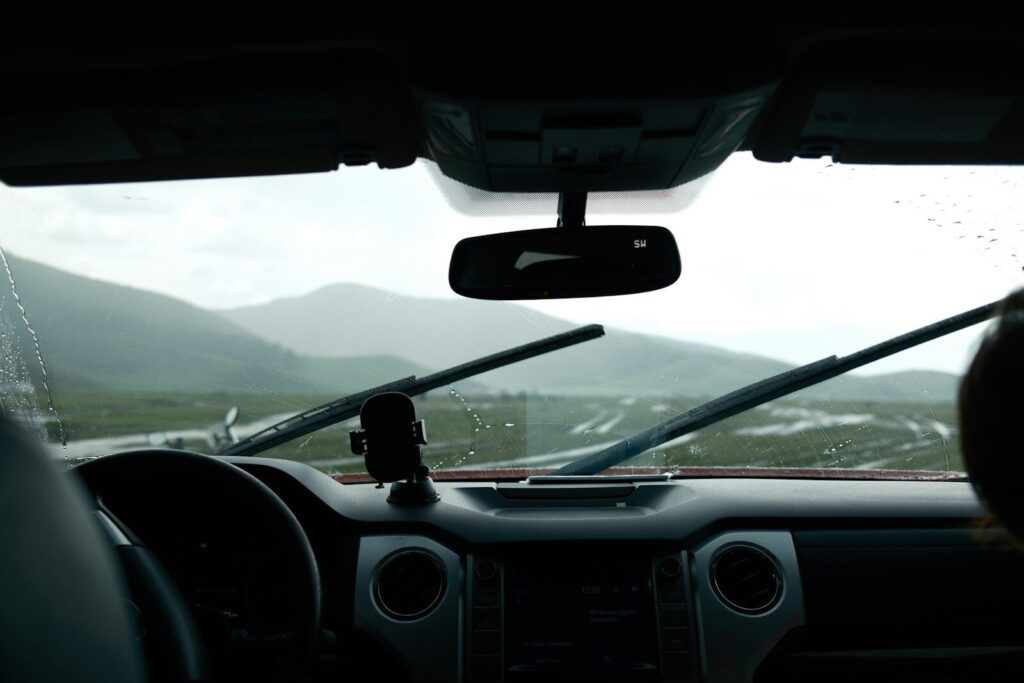
Third same-day Ford recall leaves software behind in favor of physical mechanical defect A third same-day Ford recall goes back to a physical defect rather than using electronic displays and software. This recall impacts 604,533 SUVs due to a possible windshield wiper motor failure. The following SUV models are impacted by this mechanical defect, which has to do with the manufacturer misalignment of the cover terminal and brush card terminal on the wiper motors during assembly: 2020-2022 Ford Explorer 2020-2022 Ford Escape Lincoln Aviator Lincoln Corsair Unfortunately, this issue is due to a manufacturing deficiency in that the misalignment between the cover terminal and brush card terminal during manufacturing can cause electrical connection between the two to degrade with time, eventually causing a total loss of wiper power. Since this issue is mechanical and not one that can be fixed via a software update, the manufacturer has to replace any drive units that are revealed to be misaligned.
Wiper Motor Recall Details:
- 604,533 SUVs affected
- Terminal alignment causes defect
- Electrical continuity can decline
- Wiper power may be lost
- Physical motor replacement required
Ford says it will notify affected owners so they can bring the vehicle to a dealership for inspection and replacement, at no cost. Unlike the cameras, which were software related, the issue with the wiper system can be repaired by repairing the arrangement of the terminals within the wiper motor assembly. It is necessarily separate because there is a lot more variation between the mechanical workings of the vehicle and the sensors and other devices, in the case of the software more calibration than replacement of the wiper motor would be required. The root cause is the wide variation between the placement of the terminals, in turn, the severity of the impact on the manufacturing process.
4. The Three SUV Recalls Cover More Than 2.3 Million Vehicles
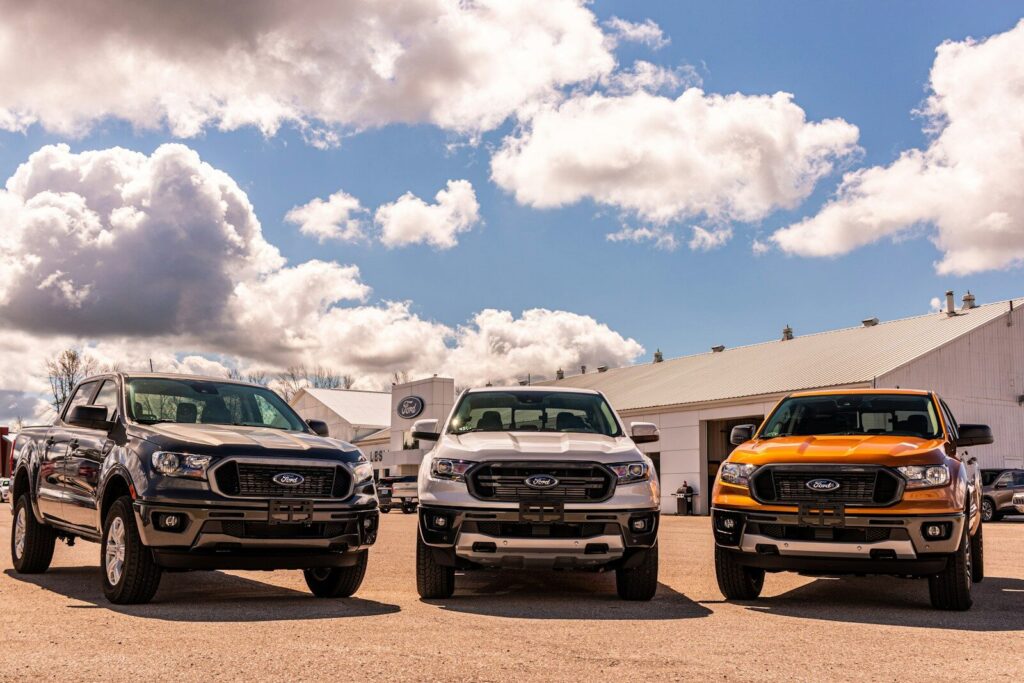
When combined, the three late-September Ford and Lincoln SUV recalls address a population of more than 2.3 million vehicles for the 2020-2026 model years. The two rearview camera recalls combined are for about 1.73 million vehicles, and the windshield wiper motor action is for about 604,533 vehicles. The SUVs span Ford and Lincoln, including Escape, Explorer, Bronco, Edge, Aviator, and Corsair models.All three of these recalls cover different parts, so owners need to verify whether their specific vehicle, and possibly a second vehicle, could be subject to more than one campaign.The Auto Matters.com article directs owners to the National Highway Traffic Safety Administration website for recall data for their specific vehicle identification number.
Combined SUV Recall Scope:
- More than 2.3 million vehicles
- 2020-2026 model years involved
- Camera recalls total 1.73 million
- Wiper recall adds 604,533
- Ford and Lincoln vehicles affected
Owners may check their VIN to see whether their specific vehicle has been named in the recall campaign. The model years and vehicle lines for the camera recalls and the wiper motor campaign vary so some Ford vehicles are affected by the camera recalls and other Ford vehicles will see the wiper motor campaign apply. The technical resolutions also differ; some owners will find that they need only to have a software update applied to their vehicle while others may need a physical inspection or component replacement. The widespread nature of the recall population serves as a reminder of how widespread the issues can be when a technical issue is found in vehicle technology used across the fleet of modern vehicles.
5. Ford’s Mustang Recall Involves an Engine Wiring Harness
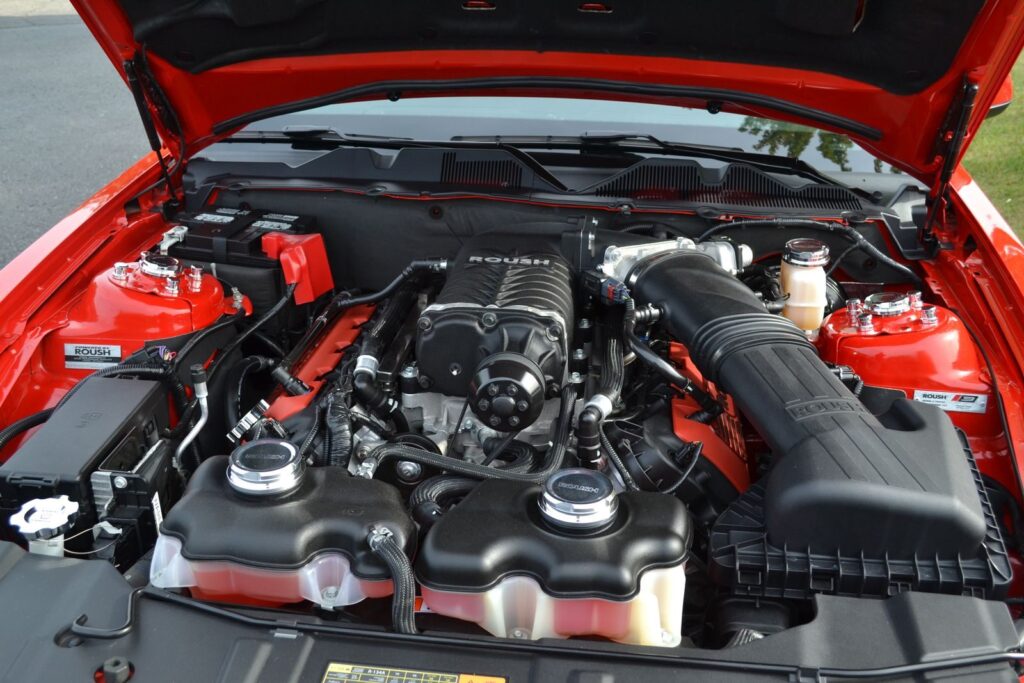
Recalls For Upstream At Ford-not just for SUV’s The National Highway Traffic Safety Administration (NHTSA) says 148,663 Ford Mustang models sold in the U.S. for 2024 through 2026 are being recalled due to a problem with the engine compartment wiring harness. In these vehicles, ground connections in the engine compartment wiring harness are known to become broken over time. When a ground terminal becomes broken, electrical interruptions occur in multiple key vehicle systems.Those systems include the windshield washer and cooling fan, air conditioning, exterior headlights, and other vital safety systems.With these electrical disruptions, a loss of power to drive can occur as well and create further concerns for visibility and crash risk during use of the vehicle. A replacement for the affected ground terminals will be made free at dealerships.
Mustang Wiring Defect Details:
- 148,663 vehicles affected
- Ground terminals can fracture
- Electrical disruptions can occur
- Drive power may be lost
- Terminals will be replaced
Parts availability impacts timing of the repair The complete ground terminal fix won’t be widely available until around March 2027. Ford originally mailed notice between Aug. 31 and Sept. 4 to let owners know of the potential of the charging cord and to keep them informed as the remedy develops. The automaker also confirmed that they are unaware of any crashes or injuries related to the ground wire issue.This Mustang campaign is part of a series of other Ford recalls that started last June involving 91,198 vehicles over a failure of the daytime running lamps to go out as they should.This reveals the automaker’s recent recall expansion in its line of SUVs is not limited to this segment. Other performance and passenger vehicles are also being considered for possible manufacturing and wiring system issues.
6. Additional Ford Recalls Target Engines, Joints and Diesel Fuel Pumps
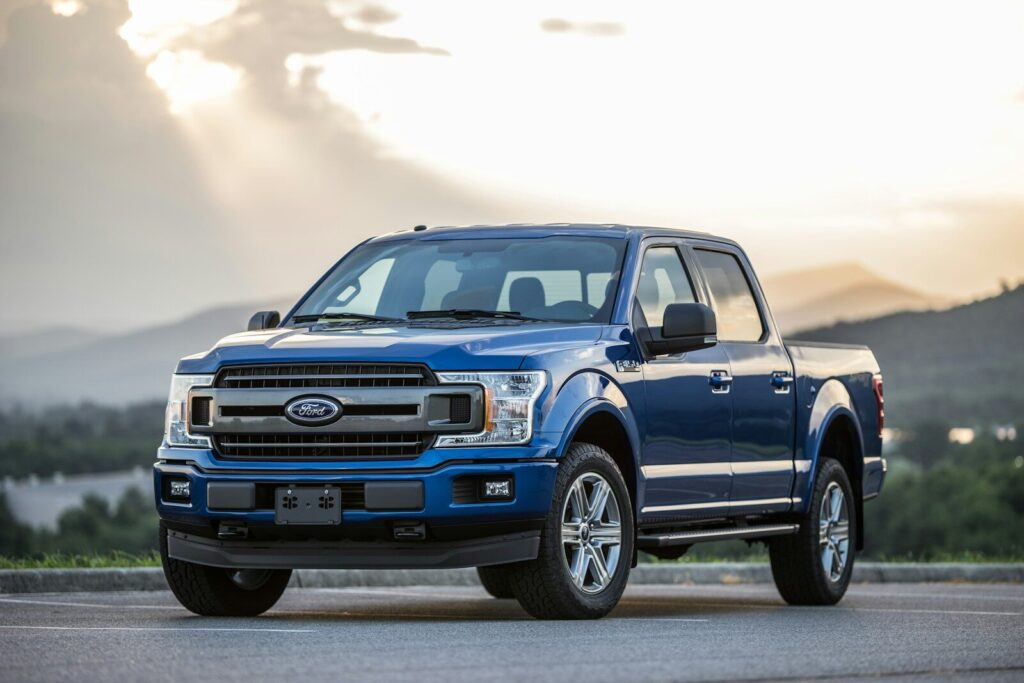
Between the same two busy timeframes, Ford also shipped two other technical recalls relating to trucks and SUVs: More than 10,000 built for the 2026 model year, including the explorer, Bronco and ride Ford Sport, Mustang and riding Ford, are affected by potentially plagued engine piston domes; A second most targeted subscription to only 23 vehicles from the 2026 model year including Maverick, F-150 and Bronco Sports for improperly tightly blended connections. While these routes are significantly smaller than the two major news about cameras and wipers, it shows how Ford’s mass recall activities different from the size and complexity of technical errors, and also details one separate subgroup of four headlines involving a total of 394,466 Ford and Lincoln vehicles including heavy-duty trucks, fairly luxurious SUVs and legacy models as well as plug-in hybrids.
Additional Recall Issues:
- Engine piston defects identified
- Improperly tightened joints recalled
- Diesel fuel pumps can fail
- Window reversal needs recalibration
- Multiple vehicle platforms affected
295,449 are of the 394,466-vehicle group of heavy-duty diesel trucks. The vehicles involved in the concern 2020-2022 F250, F350, F450, and F550; 2020-2022 F600; and 2021-2022 F650 and F750 commercial trucks. Issues with the high-pressure fuel pump are induced by oil deposits of biodiesel buildup on drivetrain roller components. Ford will replace software calibration for the powertrain control module for free as a repair to the concern. 47,818 of the 2024-2025 Lincoln Nautilus also will be recalled for a defect in the automatic window reversal calibration and require a technician to perform a recalibration of driver and passenger door modules.
7. Plug-In Hybrid Batteries and Older Cameras Also Require Repairs
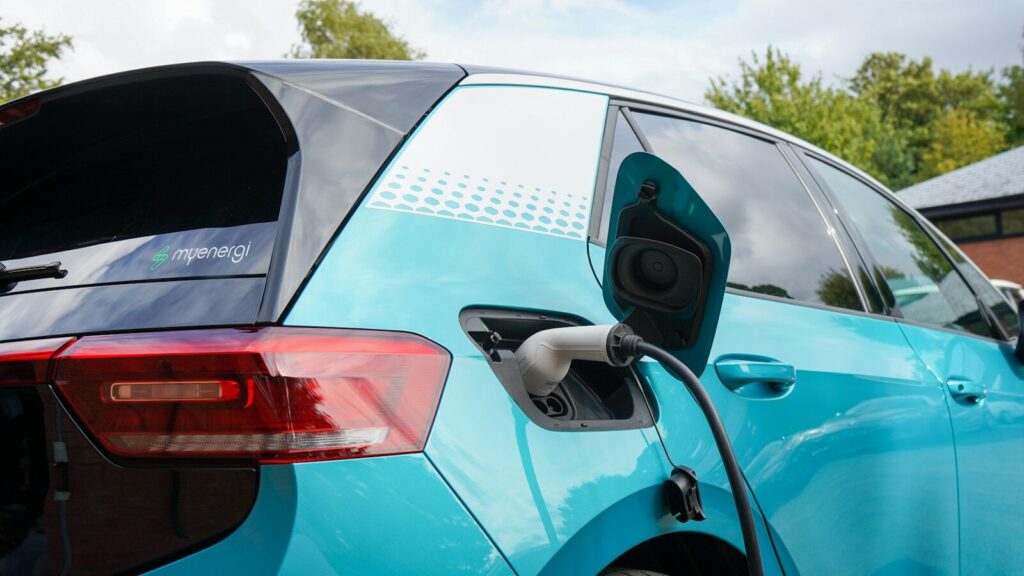
The second set of two recalls in that 394,466-vehicle batch addresses various technical issues. 30,715 2019 Fiesta, Lincoln MKT and Ford Flex vehicles are being recalled because of rearview camera issues that can produce either a blank or fuzzy image. That entails a different type of camera-related defect and means both older vehicles and camera issues are still covered in various technical campaigns. 20,484 of the above 2019-2024 Ford Escape and 2021-2024 Lincoln Corsair PHEVs are also involved in a different technical campaign because of defects in high-voltage battery cells that can lead to an internal short circuit. Ford technicians can use software to reprogram the energy control module on those battery packs or replace the entire pack if necessary.
Hybrid and Camera Recall Issues:
- 30,715 older vehicles affected
- Cameras may appear blank
- Cameras may display distorted images
- 20,484 plug-in hybrids affected
- Battery cells can short internally
The hybrid plug-in recall is most different from the other campaigns because it involves high-voltage battery components. A manufacturing defect can cause a short circuit in the battery pack which may need a software flash or an entire battery replacement depending on the condition of the battery and what is faulty in the module. The older Ford Flex, Fiesta and Lincoln MKT models also share a rearview camera display issue that causes the screen to be blank or display a distorted picture. Because Ford has a recall campaign for both, it is ensuring a defect is not present on new vehicle generations using the complex high voltage battery controllers and conventional camera wiring and systems.
8. Ford’s Financial Position Provides Resources for Recall Work
The recall activity at Ford comes amid a big-picture financial update. Following its strong second quarter earnings, Ford lifted its full-year outlook for adjusted EBIT to 11 billion, from 10.5 billion and also outlined expectations of 7.5 billion for its commercial fleet division Ford Pro and 5billion 5.5 billion for its traditional vehicle division Ford Blue. The company also improved its full-year free cash flow guidance to 6billion 7 billion from a previous 5billion 6 billion projection. And that larger financial picture provides an idea of how well the company can absorb a share of costs associated with any service campaigns and warranty reimbursements.
Ford Financial Guidance:
- EBIT guidance raised
- Ford Pro remains significant
- Ford Blue contributes earnings
- Free cash flow outlook increased
- Recall costs require resources
Meanwhile, Ford has also projected net tariffs for the year would be positive and more than a billion dollars helped by about $3 billion in expected refunds while it has also recorded massive charges and losses. The automaker booked a net loss of $1.3 billion in the second quarter after $4.2 billion in special charges. They were partly related to a $3.6 billion non-cash charge related to the dissolution of the Blue Oval SK EV joint venture and another $500 million from cancelled electric vehicle programmes. Ford’s all-electric division, Ford Model e, is also expected to lose about $4 billion this year, while the automaker also has a $17.6 billion warranty and field-service accrual on its balance sheet.

9. Quality Campaigns Remain Important for Ford’s Long-Term Operations
Handling large recall campaigns not only involves fixing vehicles, it requires management of software calibrations, replacement parts, dealership labor, customer notifications and parts availability across various vehicle lines. These recent campaigns illustrate that as some solutions can be fixed with a calibration update, others require a physical inspection or part replacement. The Mustang ground terminal campaign also demonstrates how the part shortages can extend the repair process, with the remedy not likely to be widely available until around March 2027. Investors have noted that the persistent nature of the quality campaigns is an important operational consideration for long term customer assurance, and Ford’s large warranty and field-service accrual demonstrate the monetary magnitude of a vehicle service obligation.
Recall Management Challenges:
- Software updates need coordination
- Physical repairs require parts
- Dealer service capacity matters
- Parts availability affects timing
- Quality campaigns affect customer trust
Ford’s bigger picture financials also include headwinds from its EV business and special charges. The Ford Model e subdivision looks like a relatively large profitability weight, and the company is also figuring its way through battery pack material back in sourcing decisions, The fires, explosions and recalls are also part of a far more complex operating system planning, designing and building new vehicles, supporting current vehicles, and ensuring that the stated technical solutions are delivered. The recalls’ technical fixes can be as simple as a software reflash or range adjustment or as complex as replacing wiring terminals and motor windings or complete battery packs.
10. Ford’s Recall Activity Covers a Wide Range of Modern Vehicle Technology
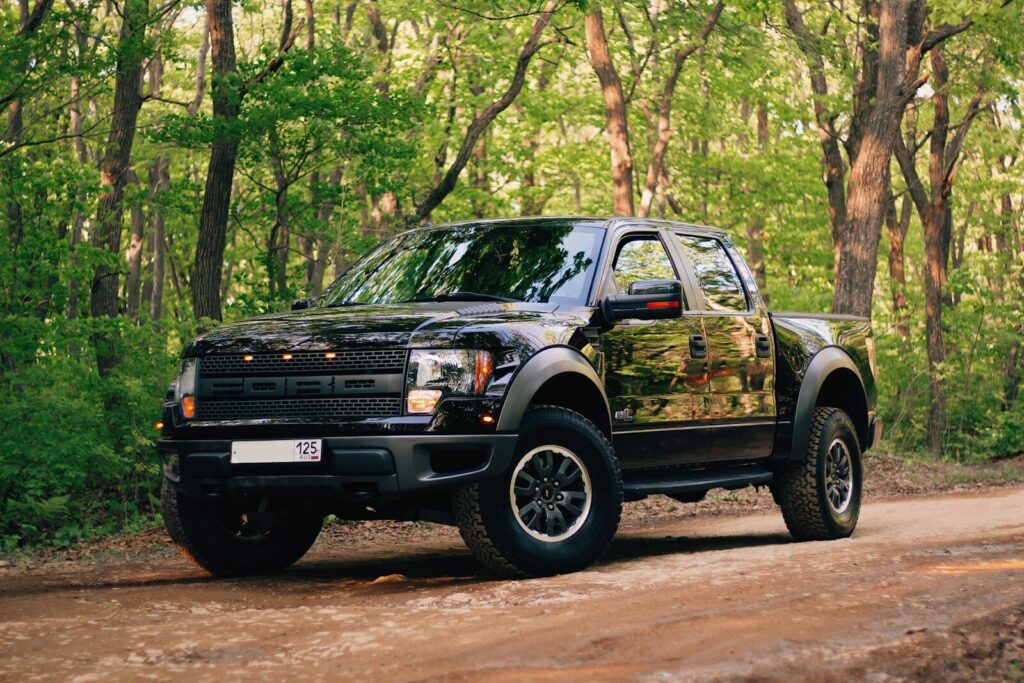
Taken together, Ford’s recent recalls provide a broad look at the technical complexity of today’s vehicles. The affected systems include rearview cameras, display microcontrollers, APIM modules, windshield wiper motors, engine wiring harnesses, piston components, fuel pumps, automatic window systems, high-voltage batteries, and other mechanical joints. The affected vehicles range from older Ford and Lincoln models to 2026 vehicles and include SUVs, sports cars, heavy-duty trucks, commercial vehicles, and plug-in hybrids. Some problems originate from software behavior, while others come from manufacturing defects or component failures. The different remedies reflect the specific technical cause of each problem, with Ford using software patches, module recalibration, physical inspections, terminal replacement, motor replacement, and battery service.
Ford Recall Technology Overview:
- Software issues need patches
- Hardware defects require replacement
- Cameras face multiple problems
- Battery systems need monitoring
- Different models need different remedies
The magnitude of these campaigns shows how contemporary autos integrate the venerable mechanical architecture with modern electronic networks. A small software bug can have an impact on a vehicle’s entire display; a misaligned terminal can ultimately switch off a wiper motor; a busted grounding wire can bring down any variety of systems; a manufacturing defect in a battery cell could give it an interior short-circuit. These recalls aim to locate and fix all those issues with particular technical solutions, and the vehicle owner can just do 1 crucial thing: figure out if their precise make and model is under recall and carry out the required fix. As autos get smarter, program updates, element checks, and recall campaigns will need to have a area in vehicle upkeep.