


Dodge Unleashes the Gas-Powered Charger Fans Demanded
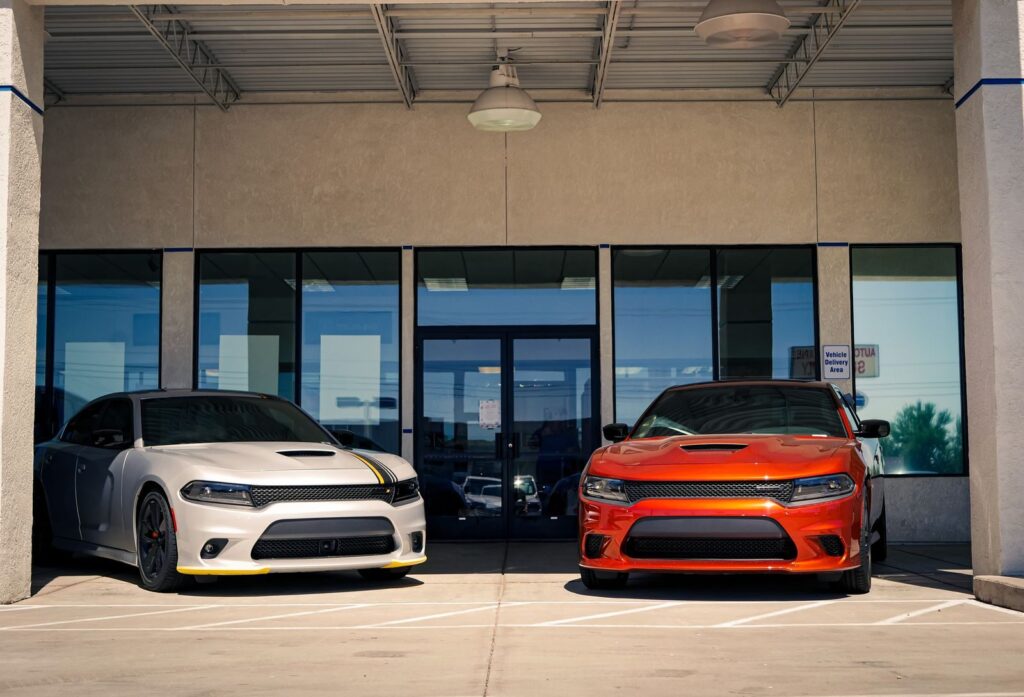
The newest Dodge Charger entered the market with an ambitious electric-first strategy, but customer demand is already reshaping that plan. Dodge introduced the Charger Daytona as a modern interpretation of American muscle, pairing strong acceleration with battery power and a simulated exhaust system. Technical ability alone has not produced the expected enthusiasm. Many traditional Charger customers still associate the name with gasoline engines, mechanical sound, and long-distance convenience, pushing Dodge to give internal-combustion versions a much larger production role.
That shift is becoming visible at the Windsor Assembly Plant in Ontario, where operations are returning to two full-time shifts. The facility will increase production activity as Stellantis prepares the gasoline-powered Charger Sixpack alongside the Chrysler Pacifica and Voyager. At the heart of the strategy is the twin-turbocharged 3.0-litre Hurricane inline-six, expected in 420-horsepower and 550-horsepower configurations. These versions will give buyers serious performance while connecting Dodge’s muscle-car heritage with a newer generation of efficient turbocharged engineering.
Enthusiasts are also watching for signs that the Hemi V8 could eventually return to the Charger. Stellantis is restarting production of several Hemi engines for Ram vehicles, while reports suggest Dodge has examined fitting one into the Charger’s STLA Large platform. No production confirmation has been provided, making the V8 discussion speculative. Even without it, the accelerated focus on gasoline models shows that Dodge is responding to sales, policy changes, tariffs, and the expectations of customers who remain emotionally connected to combustion-powered performance.
1. Dodge Responds to What Buyers Want
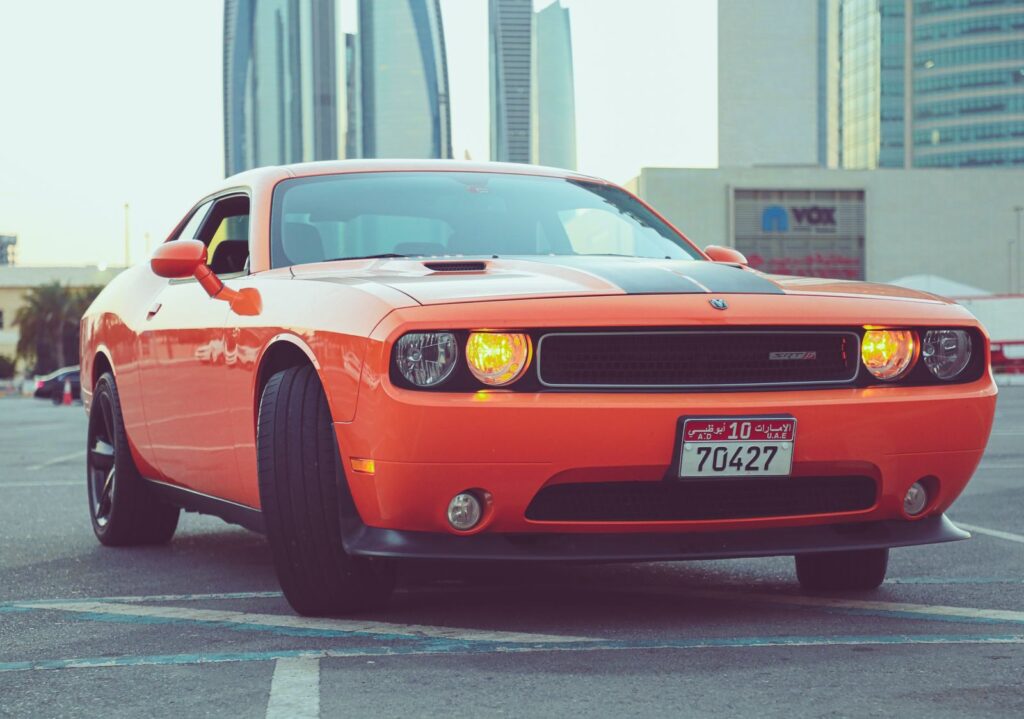
Dodge originally positioned the electric Charger Daytona as the beginning of a new era for American muscle. Its bold design, powerful motors, and artificial Fratzonic exhaust system attempted to preserve familiar excitement while replacing the traditional engine. The car performs strongly on paper, but many buyers appear unconvinced by the idea of electric muscle. The Charger name carries decades of mechanical sound and V8 identity, making it difficult for battery power to achieve immediate acceptance among the brand’s most committed customers.
Reasons Dodge Adjusted Its Charger Strategy:
- Traditional buyers still prefer gasoline
- Electric performance lacks familiar sensations
- Charger carries strong V8 associations
- Customer demand favors greater powertrain choice
- Gasoline models maintain cultural familiarity
Industry analyst Sam Fiorani described the electric model’s arrival as relatively uneventful, reflecting the modest response it received. His assessment was not that the Charger Daytona lacked technical merit. Instead, he argued that the market for this particular vehicle continues to prefer gasoline engines. That distinction is important because an electric car can be fast, attractive, and advanced while still failing to meet the emotional expectations attached to a famous nameplate. Performance figures cannot automatically replace sound, vibration, refueling convenience, and cultural familiarity.
Dodge’s response has been to strengthen its focus on internal-combustion versions rather than forcing every customer toward the electric model. This does not mean battery-powered Chargers will disappear entirely. It means the company is adjusting production priorities to reflect actual demand. Giving customers several propulsion choices may prove more sustainable than treating electrification as an immediate replacement for every established powertrain. The shift allows Dodge to continue experimenting with EVs while rebuilding enthusiasm through gasoline models that feel more familiar to its audience.
2. Electric Charger Sales Reveal a Difficult Launch
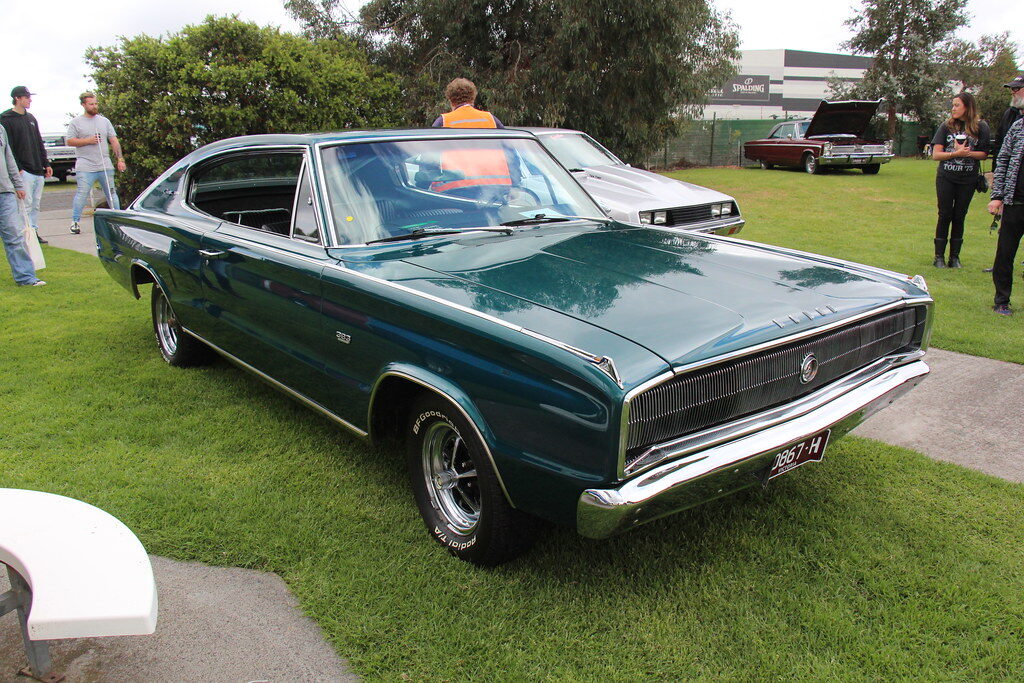
Sales numbers demonstrate the challenge facing the Charger Daytona. Dodge sold only 1,947 examples of the electric muscle car during the first quarter. By comparison, the outgoing Challenger recorded 11,371 coupe sales during the same period in 2023. The comparison is not perfectly equal because the vehicles launched under different conditions, yet the gap remains substantial. It suggests that many enthusiasts did not automatically transfer their loyalty from the familiar Challenger and Charger formula to the new battery-powered model.
Signs of the Daytona’s Difficult Introduction:
- Recorded modest first-quarter sales volume
- Trailed previous Challenger coupe performance
- Lost its base electric variant
- Experienced four-door production delays
- Faced tariffs on Canadian production
Dodge has already decided to drop the base Charger Daytona R/T electric version, marking a significant reversal for a model originally presented as part of the brand’s future. The higher-performance electric variant may continue serving buyers interested in immediate torque and modern technology, but removing the entry model indicates weaker-than-expected demand. It also allows Dodge to concentrate resources on versions with clearer market potential rather than maintaining a broad electric lineup before enough customers are ready to support it.
The four-door Charger Daytona has also been delayed to the 2026 model year after initially being expected sooner. Dodge CEO Matt McAlear linked the R/T postponement to the need to evaluate the effects of U.S. tariff policies, including the 25 percent tariff applied to Canadian-built vehicles. These complications show that product planning depends on more than customer preference. Manufacturing location, incentives, regulation, tariffs, and development costs can all influence whether a vehicle reaches showrooms on schedule and at a competitive price.
3. Windsor Assembly Returns to Two Shifts
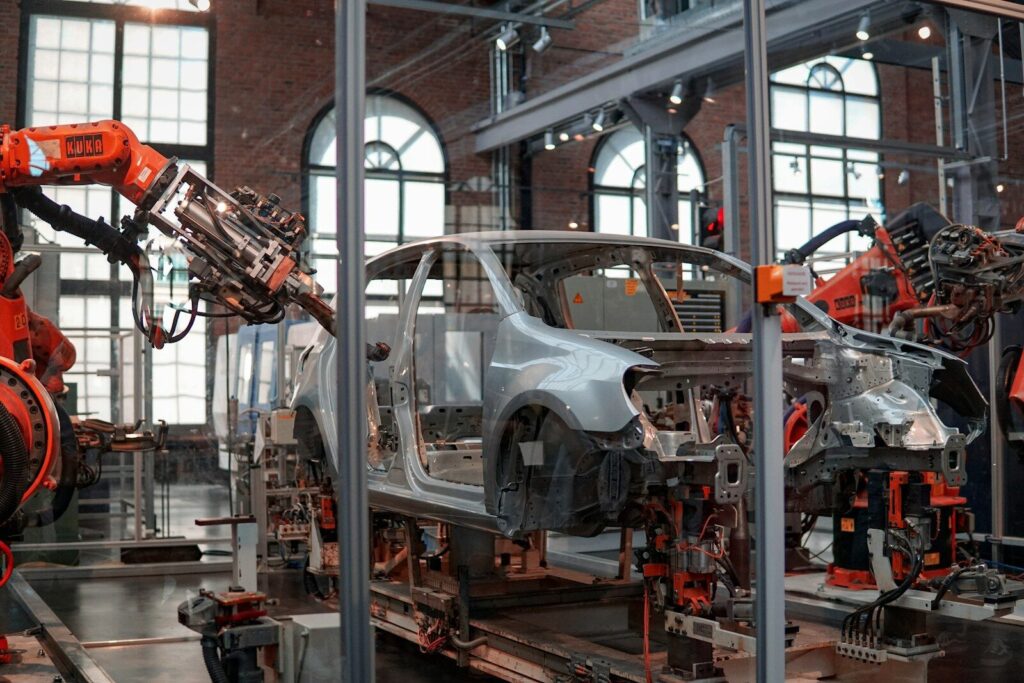
The Windsor Assembly Plant is increasing operations from one shift to two full-time shifts as Stellantis prepares for stronger production activity. The facility builds more than the Charger, so the additional schedule also supports the Chrysler Pacifica and Voyager. Returning workers and expanding line activity demonstrate that the company is preparing for higher output rather than making a small experimental run. The production increase gives the gas-powered Charger a far more serious role within Stellantis’ immediate North American strategy.
Benefits of Expanded Windsor Operations:
- Restores two full-time production shifts
- Supports greater Charger manufacturing volume
- Maintains Pacifica and Voyager production
- Protects approximately 4,500 manufacturing jobs
- Benefits the surrounding Canadian economy
The plant will work through remaining 2025 model-year production before a planned two-week shutdown beginning August 18. Factory shutdowns provide time for maintenance, tooling changes, and preparation for new production phases. In this case, the schedule is closely connected with the accelerated launch of the Charger Sixpack. Coordinating several models within one facility requires careful planning because components, workforce assignments, quality systems, and production speeds must be adjusted without disrupting the Pacifica and Voyager lines.
Windsor employs approximately 4,500 workers, making production decisions important for the surrounding Canadian community. Stellantis has said that the latest changes will not lead to job losses, while Canada’s Industry Minister has received assurances that manufacturing employment will be maintained. Stable production matters beyond the factory because assembly plants support suppliers, transportation companies, restaurants, and other regional businesses. The Charger’s gasoline revival therefore carries economic significance alongside its importance to enthusiasts and Dodge’s brand identity.
4. The Hurricane Sixpack Becomes the Main Attraction
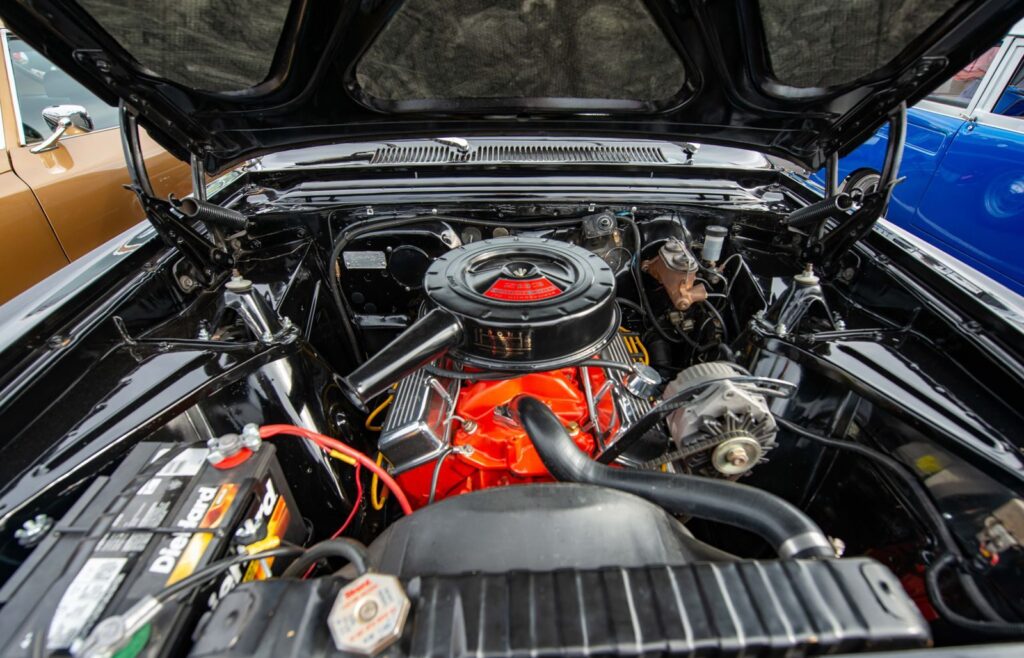
The gasoline-powered Charger will use Stellantis’ 3.0-litre Hurricane twin-turbocharged inline-six engine. Dodge refers to this application as the Sixpack, connecting a modern powerplant with a name familiar from its performance history. Although some enthusiasts may initially object to having six cylinders instead of eight, the Hurricane is not a weak substitute. It has been engineered to deliver high output, strong torque, and modern efficiency while fitting the flexible STLA Large architecture beneath the latest Charger.
Performance Highlights of the Hurricane Sixpack:
- Uses twin-turbocharged inline-six engineering
- Offers two powerful output levels
- Produces up to 550 horsepower
- Balances performance with modern efficiency
- Fits the flexible STLA Large platform
Two performance levels are expected. The more accessible version will produce approximately 420 horsepower, while the higher-output model will deliver around 550 horsepower. Either figure gives the Charger serious performance potential, especially when combined with modern traction, transmission control, and chassis technology. The stronger engine exceeds the output of many celebrated muscle cars from earlier generations. Its character will differ from a naturally aspirated or supercharged V8, but it should still provide the acceleration and force expected from a modern Dodge performance vehicle.
Industry information has suggested that the 420-horsepower model could carry a GT badge, while the 550-horsepower version may use the Outlaw name. Dodge has not made every trim detail official, so those labels should be treated cautiously until confirmed. If adopted, Outlaw would suit the more aggressive Sixpack’s personality and support Dodge’s tradition of memorable performance names. More important than the badge will be whether the engine delivers responsive power, engaging sound, dependable cooling, and a satisfying experience on ordinary roads.
5. Two-Door and Four-Door Production Plans
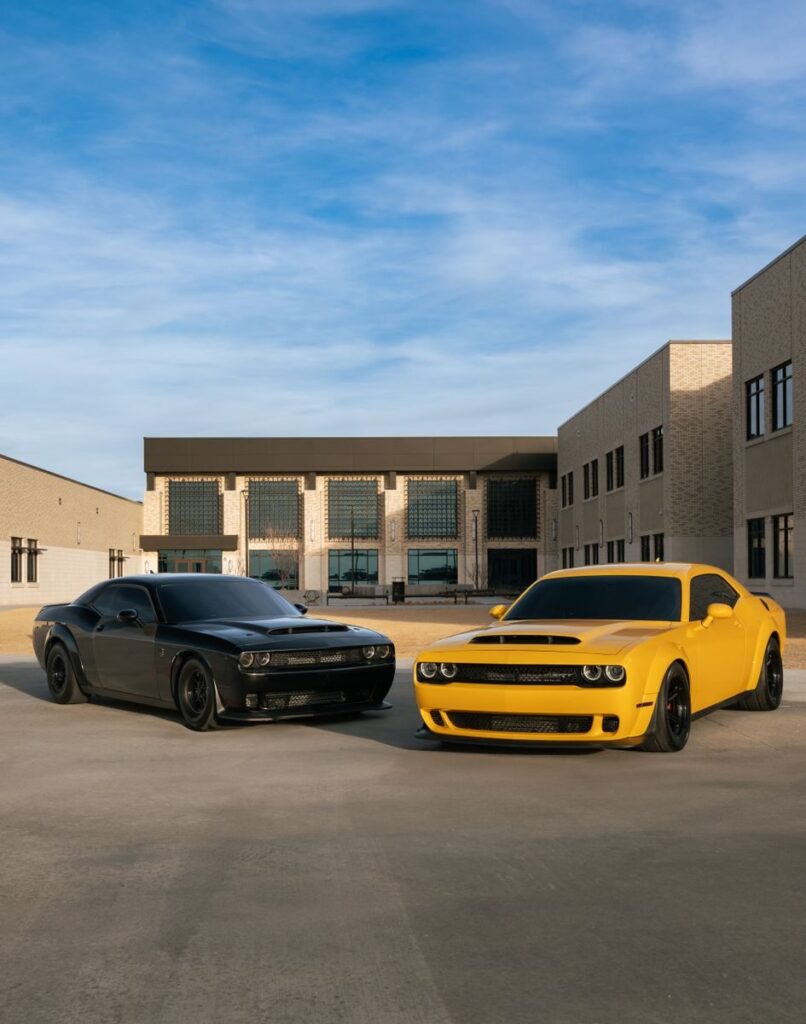
The new Charger architecture allows Dodge to offer both two-door and four-door body styles. That flexibility broadens its appeal beyond the traditional distinction between the Challenger coupe and Charger sedan. Buyers who want classic muscle-car proportions can choose the two-door model, while customers needing easier rear-seat access can select the four-door version. Sharing the same basic design between both configurations also helps Dodge simplify engineering and production without forcing every enthusiast into one type of body.
Advantages of Offering Two Body Styles:
- Serves traditional muscle-car coupe buyers
- Provides practical four-door passenger access
- Replaces separate Charger and Challenger roles
- Shares engineering across both configurations
- Broadens the vehicle’s potential audience
Fiorani projected that two-door internal-combustion Charger production could reach four-digit monthly volume by September. The four-door gasoline model is expected to achieve full production later in the third quarter. These targets indicate a genuine manufacturing ramp-up rather than a limited launch created only to satisfy a small enthusiast audience. Dodge appears to expect the Sixpack to become a core product capable of restoring the sales volume lost during the transition away from the previous Charger and Challenger.
The gasoline-powered Charger was originally expected to arrive later, but its introduction has been pulled forward to the second half of the year. Accelerating a launch creates logistical pressure because suppliers, assembly teams, dealerships, and marketing departments must become ready sooner than planned. Dodge evidently believes that waiting would leave too much demand unanswered. Bringing the Sixpack forward allows the company to respond while interest remains strong and gives customers an alternative to the electric Daytona without requiring another lengthy gap.
6. Why Internal Combustion Still Matters to Charger Buyers
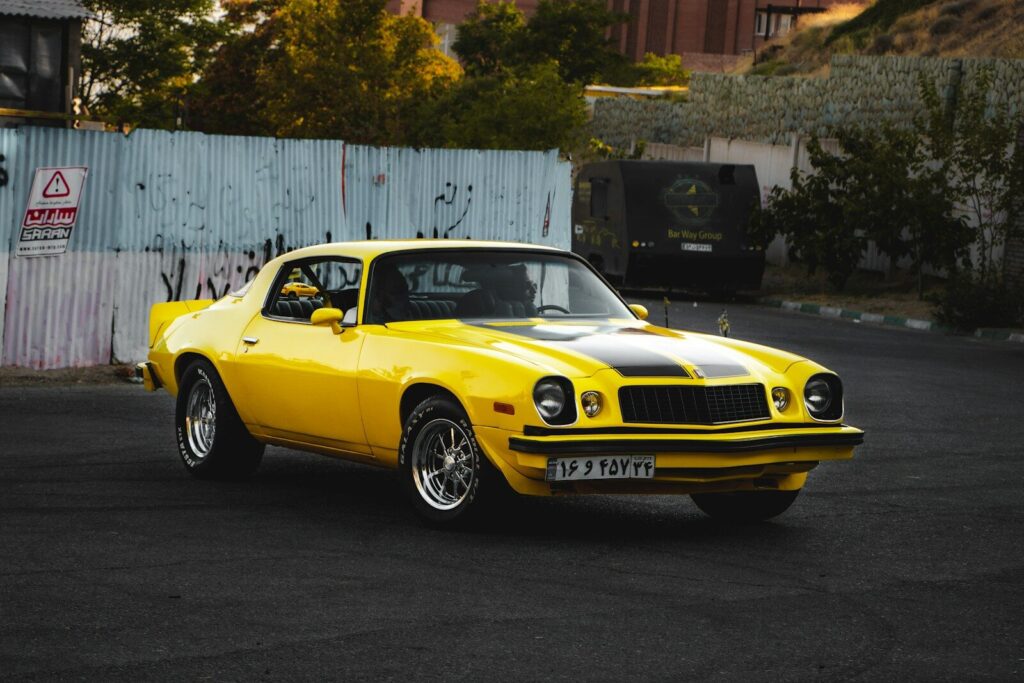
The Charger has never been defined by transportation alone. Its appeal comes from the relationship between design, acceleration, exhaust sound, and mechanical personality. Electric motors can provide greater immediate torque than many combustion engines, but they deliver that performance through a different sensory experience. For buyers who grew up around Hemis, Hellcats, Scat Packs, or classic muscle cars, the engine is part of the vehicle’s identity. Removing it can make an otherwise capable car feel disconnected from the name it carries.
Reasons Combustion Power Remains Important:
- Preserves familiar mechanical engine sound
- Maintains the Charger’s cultural identity
- Supports convenient long-distance transportation
- Avoids dependence on charging infrastructure
- Keeps loyal enthusiasts within Dodge
Gasoline models also offer practical advantages for drivers who regularly cover long distances or lack convenient home charging. Refueling takes only a few minutes, and the established station network reduces planning during road trips. Electric charging continues to improve, but availability and speed vary widely by location. A combustion-powered Charger therefore appeals not only to enthusiasts seeking sound but also to fleet operators and drivers who need predictable range. The vehicle can serve performance, business, and everyday transportation roles without depending on charging access.
Maintaining gasoline choices gives Dodge time to introduce electric performance more gradually. Customers may become more open to EVs as battery costs fall, charging improves, and electric muscle develops a stronger identity of its own. Forcing an immediate transition could instead push loyal buyers toward other brands or used vehicles. The Sixpack strategy keeps those customers within Dodge’s ecosystem while allowing the Daytona to continue finding its audience. Choice may ultimately support electrification more effectively than removing familiar alternatives before demand is ready.
7. The Possibility of a Hemi V8 Return
The largest unanswered question concerns whether Dodge will install a Hemi V8 in the new Charger. The Hurricane provides impressive power, but the Hemi carries unmatched emotional importance within the brand. Reports suggest engineers are investigating whether a V8 can fit the STLA Large platform. A prototype has also reportedly been heard operating with what sounded like eight-cylinder power. Neither point confirms a production model, but together they have encouraged widespread speculation among enthusiasts.
Evidence Encouraging Hemi Return Speculation:
- Engineers reportedly examined V8 compatibility
- A suspected V8 prototype was heard
- Ram Hemi production is restarting
- Several familiar engines may return
- Enthusiasts strongly support V8 availability
Stellantis has created further interest by reviving Hemi production for Ram. Manufacturing of the 5.7-litre Hemi, 6.4-litre Apache 392, and supercharged 6.2-litre Hellcat V8 is expected to resume at the Dundee Engine Plant in Michigan. Restarting these engines proves that Stellantis no longer views the Hemi family as permanently retired. Once production infrastructure and suppliers are active, using selected versions in additional vehicles becomes more plausible, although platform engineering, emissions compliance, cooling, crash standards, and profitability still need consideration.
Analysts have cautioned that available production information does not yet confirm a Hemi-powered Charger. That uncertainty should remain clear because enthusiasm can quickly transform rumors into false expectations. A V8 return would generate enormous attention and could restore an important link with Dodge’s recent performance era. It would also require a convincing business case. The most realistic conclusion is that a Hemi Charger has become possible again, but the Sixpack remains the only gasoline strategy supported by definite production plans.
8. STLA Large Must Balance New and Old Technology
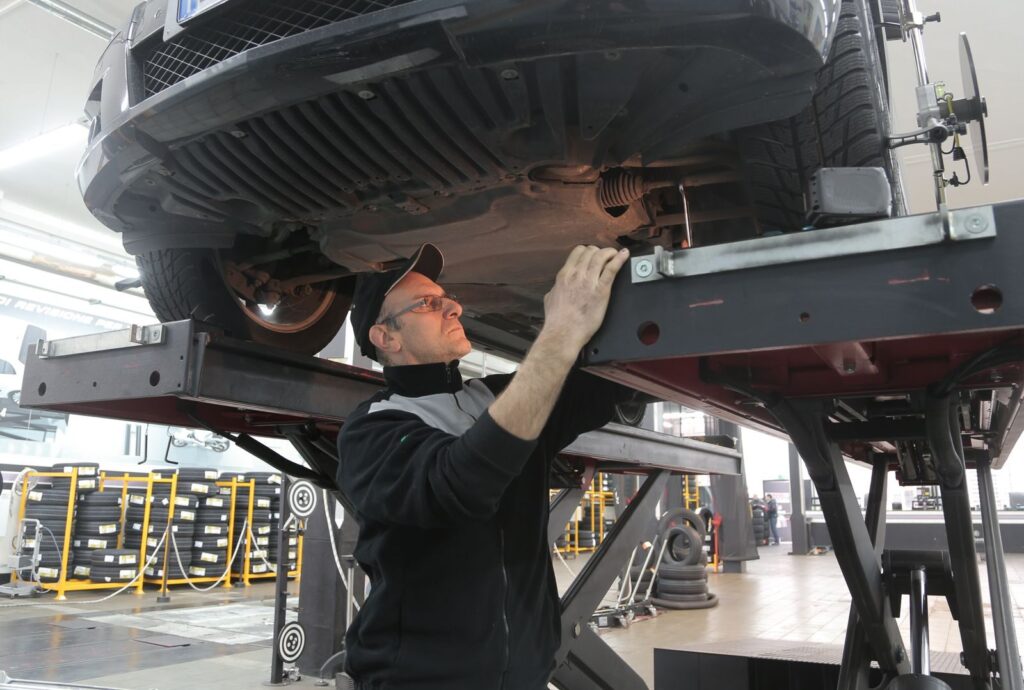
The latest Charger is based on Stellantis’ STLA Large platform, an architecture designed to support several propulsion systems. This flexibility allows Dodge to build battery-electric and internal-combustion models with related body structures and styling. Shared architecture can reduce development costs while giving the company room to adjust production according to demand. It also represents a major engineering challenge because batteries, fuel systems, exhaust components, cooling requirements, motors, transmissions, and crash structures place very different demands on a vehicle platform.
Technical Demands Facing STLA Large:
- Supports electric and combustion powertrains
- Accommodates complex inline-six engine packaging
- Must maintain consistent vehicle proportions
- Balances safety, cooling, and performance
- Enables shared components across versions
For the Hurricane engine, STLA Large must provide enough space for the inline-six, turbochargers, cooling equipment, and drivetrain while maintaining the Charger’s proportions. A potential Hemi installation would introduce further packaging and thermal challenges. Engineers must also preserve cabin space, handling balance, safety performance, and manufacturing efficiency across every version. The platform’s success will depend on how naturally each powertrain fits rather than whether multiple systems can technically be installed beneath similar bodywork.
This flexible approach may prove more practical than developing separate models for electric and combustion customers. Dodge can maintain a consistent Charger design while allowing the market to determine which versions deserve greater volume. Software, cabin technology, suspension components, and production systems can still be shared. The arrangement reflects a broader Stellantis strategy that values optionality during an unpredictable transition. Instead of betting entirely on one technology, the company can redirect investment and factory capacity as regulations, incentives, and customer behavior change.
9. Stellantis Reassesses Its Wider EV Strategy
The Charger is not the only Stellantis product affected by changing market conditions. Retooling plans at the Brampton Assembly Plant for a future Jeep Compass were paused while the company reassessed demand. This suggests that the automaker is reviewing its wider electrification schedule rather than treating the Dodge adjustment as an isolated decision. EV adoption continues to grow, but the pace differs across vehicle segments, prices, regions, and customer groups. Product strategies must account for those differences to avoid costly mismatches.
Factors Influencing Stellantis’ EV Reassessment:
- Uneven demand across vehicle segments
- Changing emissions and incentive policies
- Tariffs affecting Canadian-built vehicle pricing
- High electric development and production costs
- Need for flexible powertrain strategies
Regulatory conditions are also shifting. Relaxed emissions requirements, reduced electric-vehicle incentives, and tariff changes can alter the financial assumptions behind a product almost immediately. A vehicle planned under one policy environment may become less competitive before reaching production. The Canadian-built Charger faces additional pressure from a 25 percent U.S. tariff, affecting pricing and model timing. Stellantis must therefore coordinate engineering decisions with trade policy and market demand instead of assuming that one long-term plan will remain viable without adjustment.
A more flexible strategy does not necessarily represent an abandonment of electrification. It reflects recognition that combustion engines, hybrids, and EVs may coexist for longer than previously expected. Stellantis can continue developing battery technology while protecting revenue from vehicles customers are ready to purchase now. The challenge will be avoiding constant changes that confuse buyers, workers, and suppliers. Clear product commitments and realistic timelines are necessary if the company wants its strategic flexibility to appear disciplined rather than uncertain.
10. What the Charger’s Future Now Looks Like
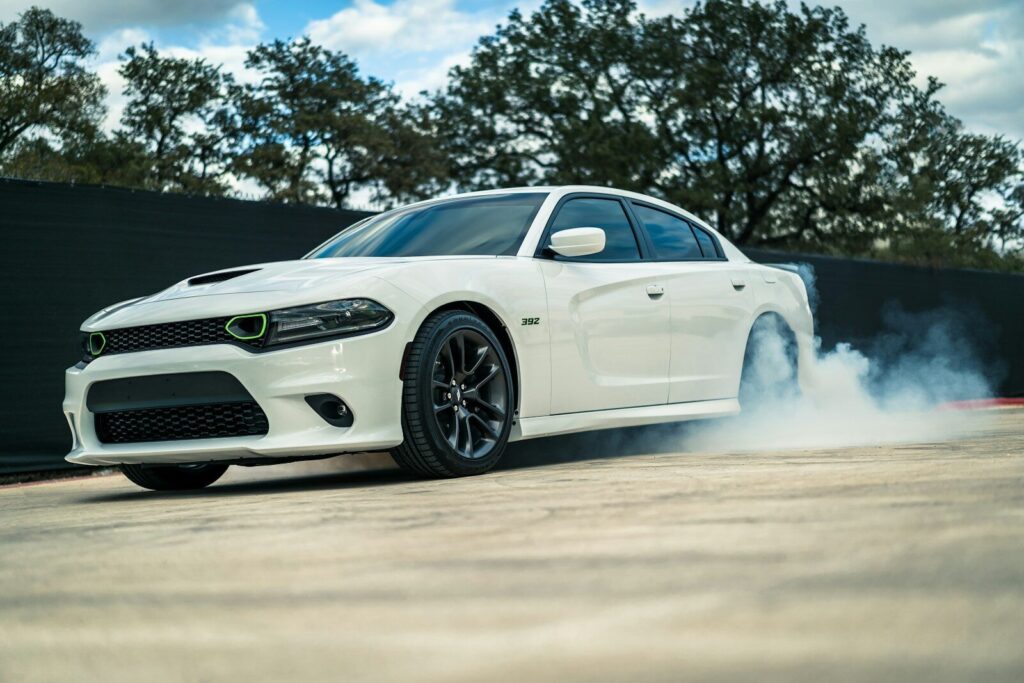
The immediate future of the Dodge Charger will be shaped heavily by the Hurricane Sixpack. Its 420-horsepower and 550-horsepower versions provide the performance required to make the new platform credible among traditional buyers. Two-door and four-door configurations should allow the model to serve enthusiasts, families, fleets, and customers who previously chose either the Charger or Challenger. If the engines deliver character alongside their impressive output, the new car can establish an identity beyond simply being the gasoline alternative to the Daytona.
Key Elements of the Charger’s Future:
- Hurricane Sixpack becomes central powertrain
- Two body styles broaden appeal
- Electric Daytona remains selectively available
- Potential Hemi version maintains excitement
- Production follows actual customer demand
The electric Charger will remain part of the lineup, but its role is becoming more focused. Rather than carrying the entire future of Dodge muscle, it can appeal to buyers interested in immediate electric acceleration, distinctive technology, and reduced local emissions. The Sixpack can serve those who prefer internal combustion, while any future Hemi would sit at the emotional top of the range. This structure gives Dodge several ways to interpret performance without expecting one propulsion system to satisfy every customer.
Dodge’s course correction demonstrates the importance of listening to the market. The Daytona introduced a bold idea, but its early response showed that the Charger audience still wants engines, sound, and familiar refueling convenience. Returning Windsor to two shifts and accelerating Sixpack production gives that demand a direct answer. The new Charger’s story is no longer exclusively electric. It is becoming a multi-powertrain revival where modern turbocharged performance leads the way and the possibility of a V8 continues to keep enthusiasts watching.