



Mercedes’ New CLA EV Redefines Entry-Level Luxury
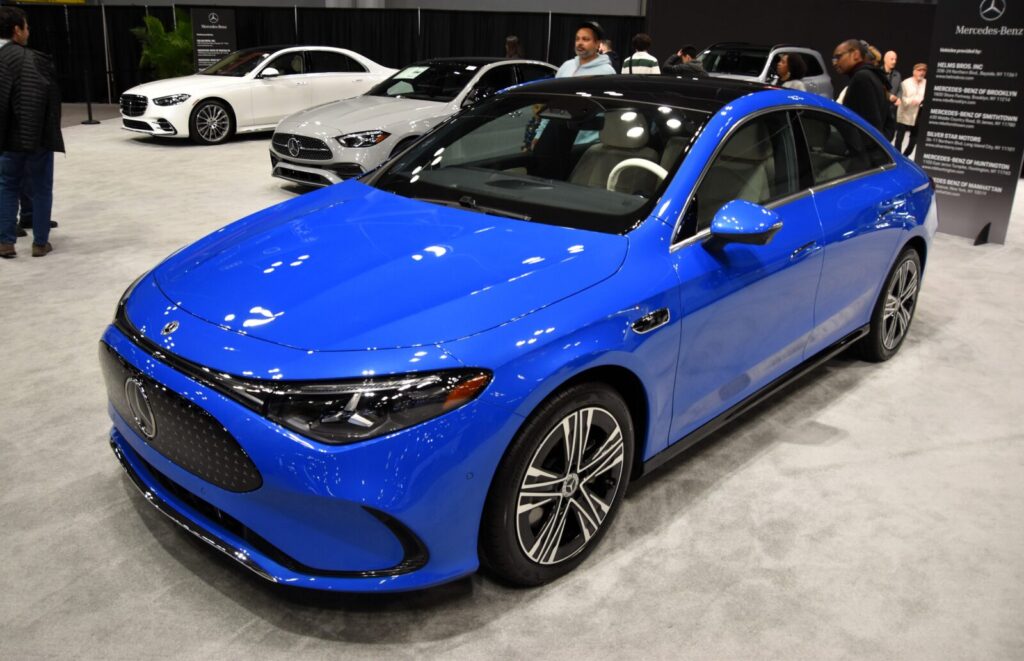
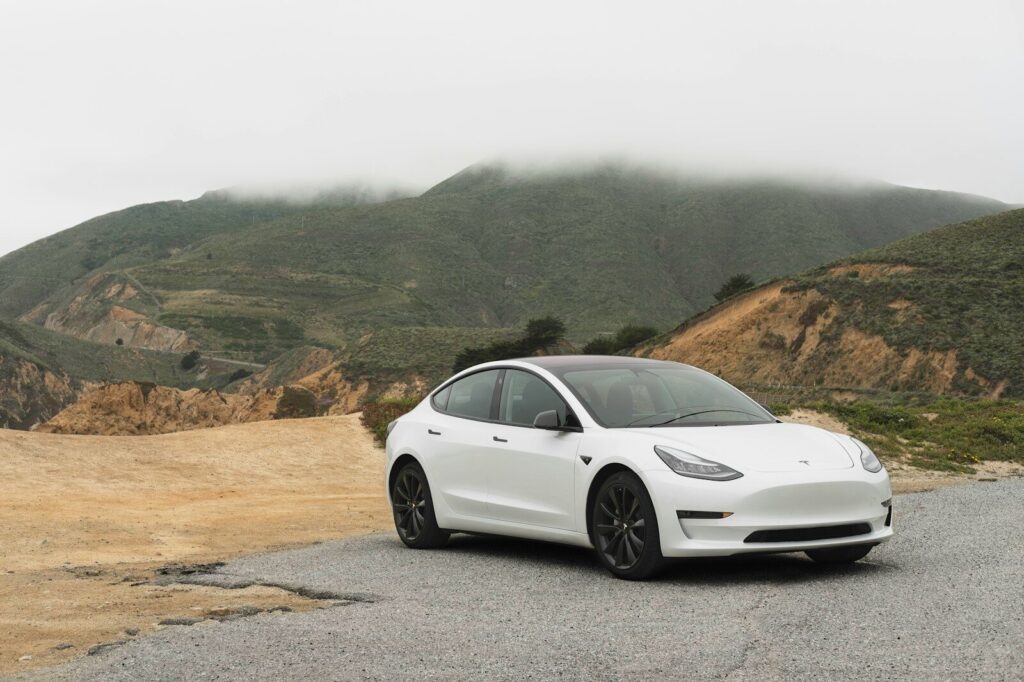
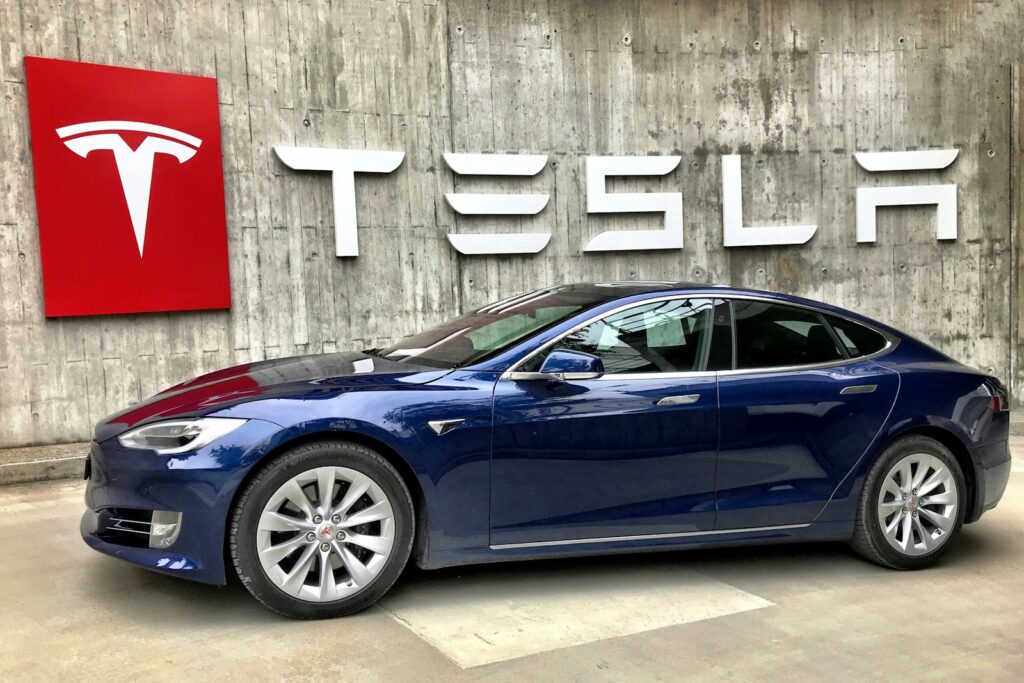
As likely the closest look yet at Mercedes-Benz’s next generation of electric cars the 2026 Mercedes-Benz CLA EV sets itself apart quite distinctly from previous smaller sibling efforts accompanying pricey EVs like the EQS. Instead Mercedes has developed an all-new platform for a more technologically superior all-electric future, which is complemented with a more efficient and faster charging vehicle and a whole new digital environment. Positioned as approachable technology leader that goes after the Tesla Model 3 and BMW i4, while continuing to deliver everything you know and expect from a Mercedes Benz vehicle regarding comfort, refinement, design and aura, it marks the coming of more volume oriented EQ vehicles.
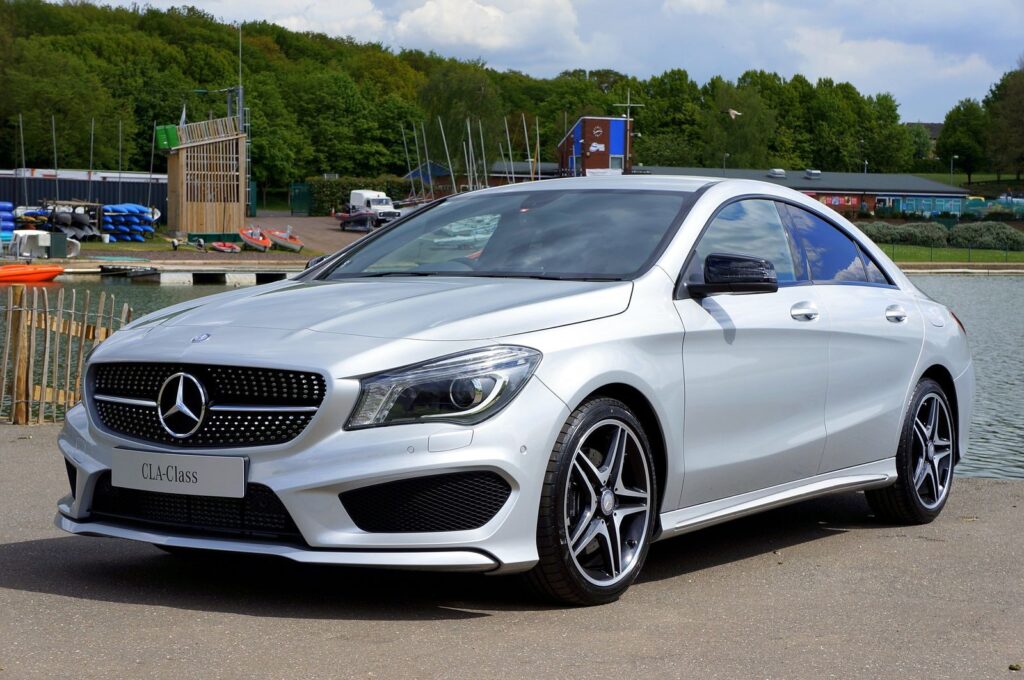
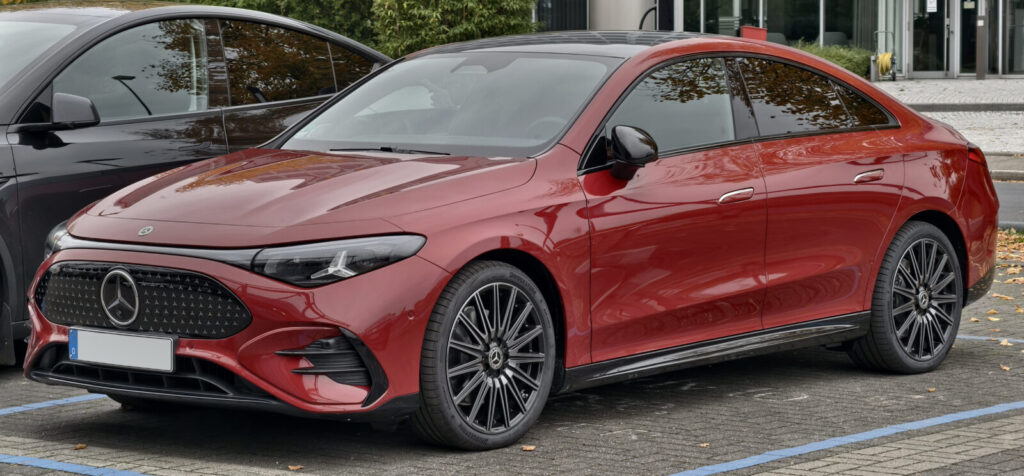
Even though Mercedes has moved away from the bulbous, aerodynamically optimized design that characterized the initial EQ models, the new CLA takes on a familiar silhouette for a four-door coupe. The CLA, with its more proportioned design featuring a longer hood and a commanding presence, looks right at home as a sport coupe. In place of the grille the new car has a panel studded with 142 tiny stars that encircle the large central badge and graphics in the style of the three pointed stars adorn the inside of the headlamps and rear lights – they ensure this Mercedes doesn’t become an anonymous EV.
Perhaps the biggest leaps are concealed under the skin. The CLA, built on the new Mercedes-Benz Modular Architecture, employs an 800-volt electric architecture that borrows lessons from the hyper-efficient Vision EQXX concept. The CLA 250+ rear-wheel-drive car, should produce 374 miles of EPA-estimated range from an 85-kWh battery, capable of handling charging at 320 kW DC at a public fast-charger. Combined with the price and some clever software and well-appointed cabin, that’s more than enough to land it among the best luxury EV sedans.
1. A New Direction for Mercedes-Benz Electric Design
Mercedes opted for flowing, curved body styles in its earliest EQ EVs because efficiency had to be maximized to boost their driving range. And even though the EV-specific EQS achieved brilliant aerodynamic figures, its rather egg-like proportions alienated some buyers and frankly didn’t do premium-price luxury much of justice when compared to regular Mercedes sedans. The new CLA is one of Mercedes’ efforts to balance aerodynamic purpose with something more traditional, and its profile still manages to scream sporty sedan and not “generic electric egg pod.
Important Elements of the New Design:
- Conventional profile replaces rounded proportions
- Coupe silhouette creates elegant appearance
- Strong contours provide muscular presence
- Illuminated grille contains 142 stars
- Lighting establishes a consistent identity
A low roof, cascading side-profile and compact stance define the CLA’s four-door-coupe signature. Bulging body contours and a more focused front result in a muscular stance without discarding the kind of class associated with the three-pointed star. This signals the end of radically dissimilar designs for Mercedes petrol- and electric- powered models. Future electric vehicles would benefit by sharing Mercedes’ styling and branding clues, expressed as lighting treatments, proportions and surface treatments, while customers will recognise and feel at home with them immediately.
By far the most striking part of the exterior is the illuminated grille panel. 142 three-pointed stars fill the entire field around a substantial Mercedes-Benz emblem, making the car’s front end instantly recognizable at night. Even the car’s headlights and tail lights feature stars embedded in their design. Mercedes deliberately wanted this element to be attention grabbing, as it now has the function to convey personality, replacing what, on a car with an internal combustion engine, would solely be used to help feed the engine’s thirst for air when moving forwards.
2. The MMA Platform Creates a New Technical Foundation
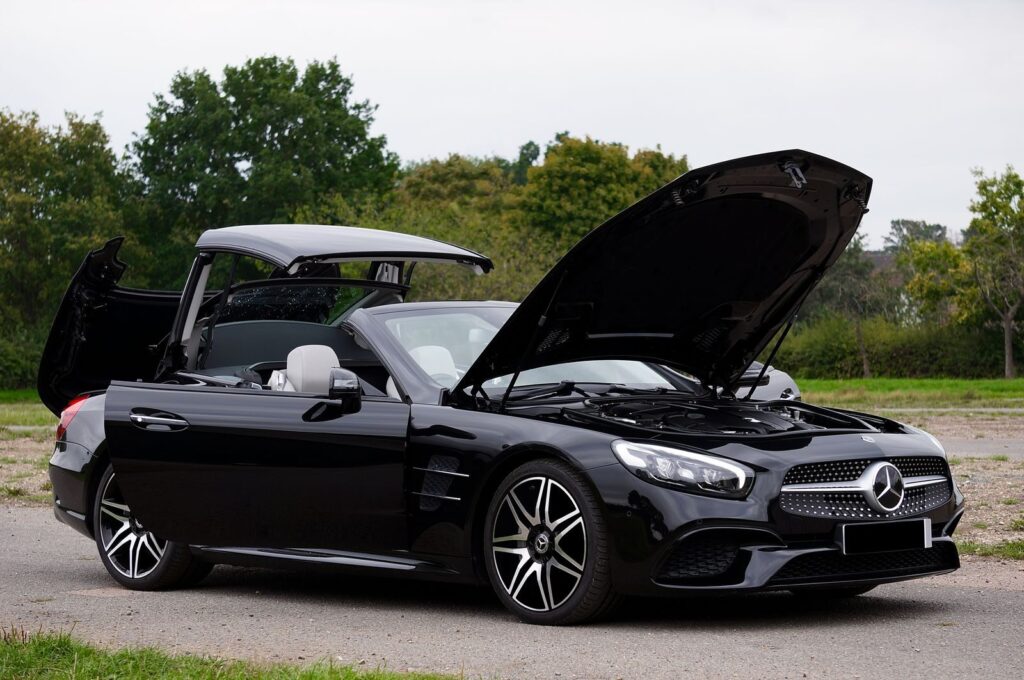
The CLA is the first production vehicle built on the Mercedes-Benz Modular Architecture, commonly known as MMA. This platform was developed primarily around electric propulsion, allowing engineers to optimize battery packaging, efficiency, interior space, weight distribution, and electronic systems from the beginning. A gasoline-powered CLA will also follow, but the architecture’s priorities clearly favor electrification. This approach differs from adapting an existing combustion platform, where batteries and motors must fit around structural decisions originally made for an engine, transmission, exhaust system, and fuel tank.
Technical Advantages of the MMA Platform:
- Electric propulsion guided platform development
- Battery packaging receives greater optimization
- Heavy components remain positioned low
- Mechanical systems gain improved integration
- Architecture supports several future models
An electric-first platform allows Mercedes to position heavy components low within the floor, supporting stability and freeing useful space above them. Engineers can also design cooling, crash protection, suspension mounting points, and charging hardware around the battery rather than adding them later. The resulting vehicle benefits from an integrated structure in which mechanical and digital systems were planned together. That coordination is especially important for modern EVs because energy efficiency depends on much more than battery capacity or motor output alone.
The MMA platform is expected to support additional compact Mercedes models beyond the CLA, spreading development costs across several vehicles. A common architecture can simplify manufacturing, software integration, service training, and component sourcing while still allowing different body styles and performance levels. The CLA therefore serves as more than one new sedan. It establishes the technical foundation for a broader family of vehicles that will determine how Mercedes competes in the compact luxury market as electric propulsion becomes increasingly central to the company’s product strategy.

3. Vision EQXX Technology Improves Energy Efficiency
The CLA’s efficiency advances draw heavily from research completed through the Mercedes-Benz Vision EQXX concept. That experimental vehicle explored lightweight construction, aerodynamic optimization, electrical efficiency, thermal management, low-resistance components, and intelligent energy use. The purpose was not simply to install the largest possible battery. Engineers instead examined how every system could consume less electricity. The production CLA applies those lessons in a vehicle designed for normal manufacturing, ownership, and service rather than remaining a one-off laboratory demonstration.
Efficiency Improvements Derived From Vision EQXX:
- Lightweight construction reduces energy consumption
- Aerodynamics support longer driving range
- Thermal management limits electrical losses
- Smaller battery reduces overall weight
- Intelligent systems improve energy utilization
The rear-wheel-drive CLA 250+ uses an 85-kWh battery yet is expected to deliver an EPA-estimated range of approximately 374 miles. By comparison, the much larger Mercedes EQS requires a 118-kWh battery to achieve its substantial range. Vehicle size and testing conditions differ, so the figures are not directly interchangeable, but the CLA’s result demonstrates a major improvement in energy use. Carrying a smaller battery also reduces weight, material requirements, charging time, and potentially the cost of producing the vehicle.
Mercedes has quoted a WLTP range of up to 792 kilometers, or approximately 492 miles, under the European testing cycle. WLTP results are generally higher than American EPA estimates, so customers should not expect those figures to be identical in real-world driving. Temperature, speed, traffic, wheel size, climate-control use, and elevation will also affect actual range. Even with those variations, the CLA’s combination of an 85-kWh battery and long estimated range should reduce anxiety for drivers who regularly travel beyond urban charging networks.
4. The 800-Volt System Enables Faster Charging
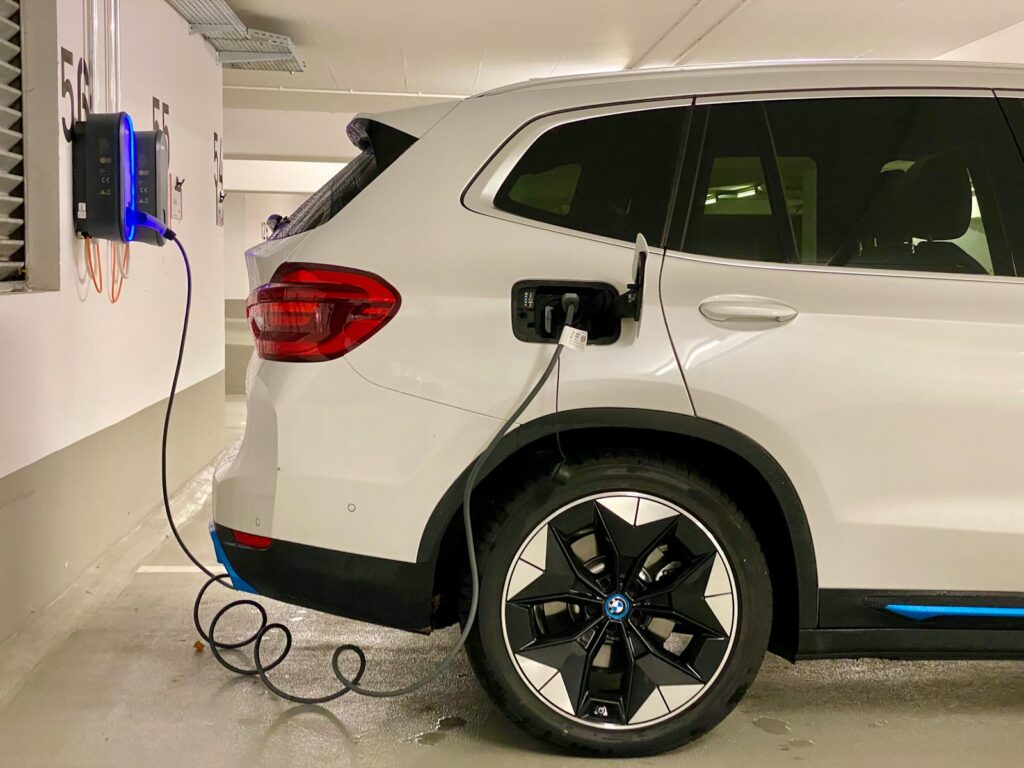
The CLA becomes the first Mercedes production EV to use an 800-volt electrical architecture. Higher-voltage systems can transfer substantial power with lower current, reducing electrical losses and heat within cables and power electronics. They can also support lighter wiring and faster charging when the vehicle is connected to compatible equipment. This technology has previously appeared mainly in more expensive electric models, making its arrival in Mercedes’ entry-level sedan an important sign that advanced charging performance is moving into a more accessible segment.
Charging Benefits of the 800-Volt Architecture:
- Higher voltage reduces electrical losses
- Reduced current limits unwanted heat
- Lighter wiring improves vehicle efficiency
- Charging power reaches 320 kW
- Ten minutes can add 202 miles
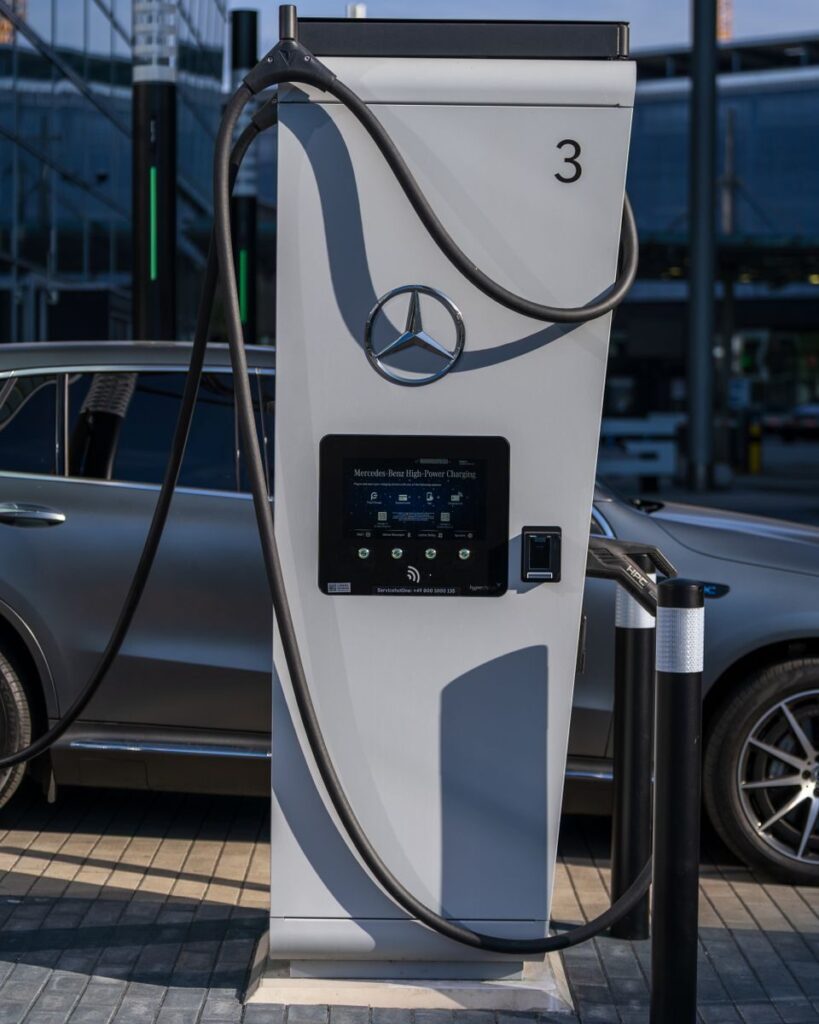
At a suitable high-power DC charging station, the CLA can accept up to 320 kW. Mercedes says the system can add as much as 202 miles of range in approximately 10 minutes under ideal conditions. Actual charging speed will depend on battery temperature, current charge level, charger output, weather, and whether the battery has been preconditioned. The maximum rate will not continue throughout the entire session, but a strong charging curve could make highway stops short enough to resemble ordinary rest breaks.
Fast charging is particularly valuable when paired with high efficiency because every minute of energy transfer produces more usable driving distance. A less efficient vehicle may accept a similar charging rate yet recover fewer miles during the same stop. The CLA’s smaller battery should also require less total electricity to refill than a large luxury EV pack. Drivers who charge primarily at home may rarely need the full 320-kW capability, but it provides important flexibility during road trips and unexpected high-mileage days.
5. Native NACS Support Expands Charging Access
The CLA will be the first Mercedes electric vehicle offered in North America with a native North American Charging Standard port. This connector allows drivers to use compatible Tesla Supercharger locations without carrying a separate adapter. Direct compatibility addresses one of the frustrations experienced by owners of earlier non-Tesla EVs, who often encountered incompatible connectors, unreliable public stations, or additional hardware requirements. Easy access to a broad and familiar charging network can make long-distance electric travel considerably less stressful.
Advantages of Native NACS Charging Support:
- Separate charging adapter becomes unnecessary
- Compatible Superchargers become directly accessible
- Broader network supports longer journeys
- Navigation identifies suitable charging locations
- Mercedes hubs provide additional alternatives
Supercharger access does not mean every Tesla location will automatically support the CLA, as compatibility can depend on station generation, software, payment integration, and network availability. Mercedes drivers will still need accurate navigation information showing which chargers can serve their vehicles. The car’s route-planning system should help identify suitable stops, estimate remaining charge, and precondition the battery before arrival. When those systems work together, charging becomes part of the journey plan rather than an uncertain interruption requiring several separate applications.
Mercedes is also developing its own high-power charging hubs, giving CLA owners alternatives beyond the Tesla network and existing third-party providers. A combination of native NACS compatibility and Mercedes-branded infrastructure should improve coverage and create more competition among charging operators. Home charging will remain the most convenient option for many owners, but dependable public access is essential for apartment residents and long-distance travelers. The CLA’s success will depend partly on whether the charging experience consistently matches the speed and simplicity promised by its advanced electrical system.
6. Two Electric Powertrains Serve Different Priorities
The rear-wheel-drive CLA 250+ uses a single electric motor producing 268 horsepower and 247 lb-ft of torque. Mercedes has tuned this model around efficiency, refinement, and smooth power delivery rather than maximum acceleration. It can reach 60 mph in approximately 6.6 seconds, which is quick enough for merging and routine highway travel without turning every throttle input into an aggressive event. This version should appeal most strongly to buyers who prioritize driving range, comfort, and lower energy consumption.
Performance Differences Between Electric CLA Models:
- CLA 250+ prioritizes maximum efficiency
- Single motor produces 268 horsepower
- CLA 350 adds all-wheel drive
- Dual motors generate 349 horsepower
- Additional performance reduces estimated range
The dual-motor CLA 350 4Matic adds a second motor to provide all-wheel drive, increasing total output to 349 horsepower and 380 lb-ft of torque. Its estimated zero-to-60-mph time falls to 4.8 seconds, delivering stronger acceleration and easier highway passing. All-wheel drive should also improve traction in rain, snow, and other low-grip conditions. The additional motor and higher output reduce estimated range to approximately 312 miles, creating a clear trade-off between performance, traction, efficiency, and maximum travel distance.
Both models are designed primarily as refined luxury sedans rather than dedicated sports cars. The CLA 250+ delivers its power progressively, while the CLA 350 feels noticeably stronger without becoming harsh or difficult to manage. Mercedes is likely to introduce a faster AMG version for customers who want more aggressive acceleration, suspension tuning, and braking performance. Keeping the standard versions comfortable allows the CLA to serve commuters and long-distance drivers while leaving space in the lineup for a more specialized performance derivative.
7. A Mild-Hybrid Gasoline CLA Will Follow
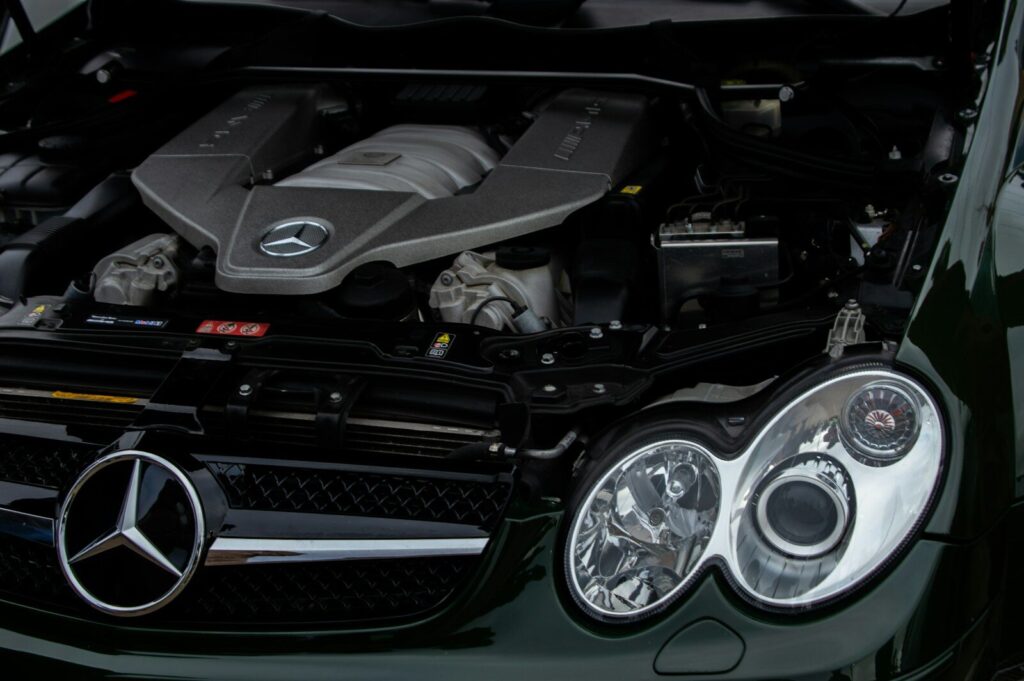
Mercedes has not committed the CLA exclusively to electric propulsion. A next-generation gasoline-powered CLA 250 is expected to follow the EV, using a turbocharged 1.5-liter four-cylinder engine supported by mild-hybrid technology. A small 1.3-kWh battery will assist the powertrain and allow engine-off coasting under suitable conditions. This arrangement should improve efficiency without requiring the owner to plug in the vehicle, making it useful for buyers who want reduced fuel consumption but cannot depend on home or public charging.
Important Details About the Gasoline CLA:
- Turbocharged engine displaces 1.5 liters
- Mild-hybrid system improves fuel efficiency
- Small battery supports engine-off coasting
- Owners will not require charging
- Alternative serves varying regional requirements
The availability of a combustion model gives Mercedes flexibility as electric adoption progresses at different rates across global markets. Charging infrastructure, incentives, energy prices, regulations, and consumer preferences vary considerably between regions. An electric-first strategy allows the company to prioritize the CLA EV while still serving customers who require gasoline convenience. This transition approach may protect sales volume and prevent buyers from leaving the brand simply because their local conditions do not yet make a fully electric vehicle practical.
Offering both powertrains on the broader MMA strategy does not weaken the importance of the electric CLA. The EV receives the headline technology, including the 800-volt architecture, long-range battery, rapid charging, and advanced packaging. The mild-hybrid version operates as an alternative rather than the product around which the platform was primarily designed. Mercedes is clearly signaling that electricity represents its preferred future direction, even while acknowledging that a complete and immediate move away from combustion would not suit every market or customer.
8. MB.OS and the Superscreen Transform the Cabin
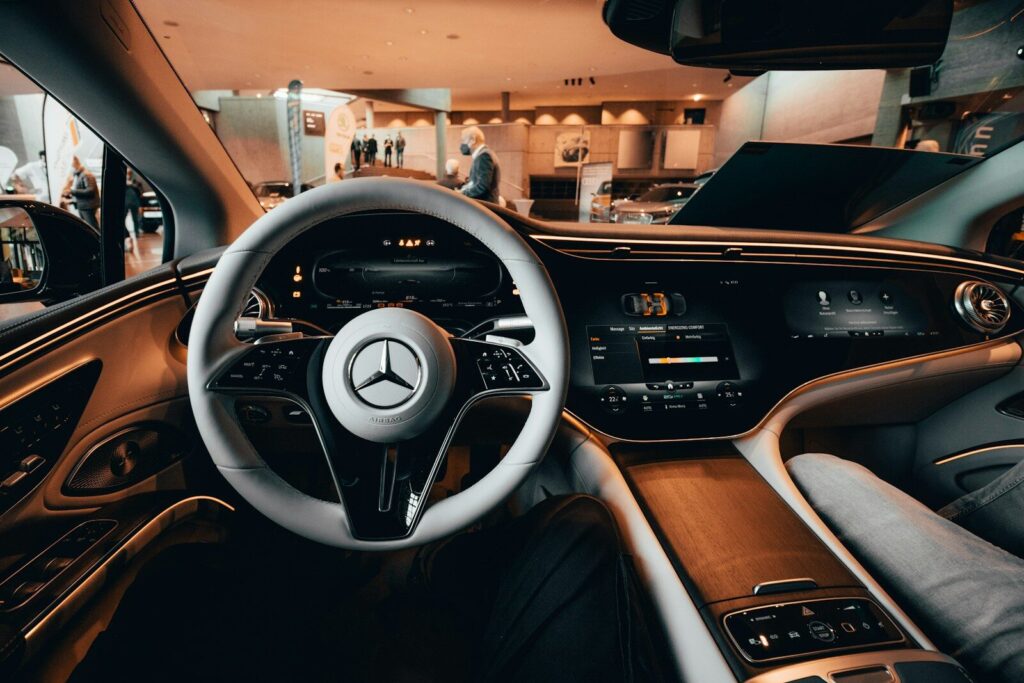
The optional MBUX Superscreen stretches across much of the dashboard and contains three separate displays beneath one broad glass surface. Drivers receive a 10.3-inch digital instrument cluster, while the center of the cabin features a 14-inch infotainment touchscreen. A second 14-inch display serves the front passenger, allowing entertainment and information access without taking control of the main interface. The arrangement creates a futuristic environment, but Mercedes says the system was designed around useful functions rather than screens added only for visual impact.
Digital Features Included With the Superscreen:
- Dashboard integrates three separate displays
- Driver receives digital instrument cluster
- Central touchscreen measures fourteen inches
- Passenger gains an independent display
- MB.OS combines major vehicle functions
The displays operate through the new Mercedes-Benz Operating System, known as MB.OS. This software platform integrates navigation, vehicle settings, entertainment, charging functions, and connected services more deeply than previous systems. Google-sourced information improves navigation and location data, while wireless Apple CarPlay and Android Auto remain available for drivers who prefer familiar smartphone interfaces. A unified operating system should also make it easier for Mercedes to deliver updates, add features, repair software problems, and maintain consistent behavior across future models.
A screen-dominated dashboard can become distracting if controls are confusing or common tasks require too many steps. The CLA’s success will therefore depend on interface clarity, response speed, voice control, and the availability of intuitive shortcuts. Mercedes must ensure that visual sophistication does not undermine basic usability while the vehicle is moving. The Superscreen is included with the upper Pinnacle package rather than every model, allowing buyers who prefer a simpler cabin to choose a version without the passenger display and its associated cost.
9. Artificial Intelligence Expands Voice Assistance
Mercedes has integrated technology from ChatGPT and Google Gemini into the CLA’s voice assistant. The system can use ChatGPT to answer conversational or general-information questions, while Gemini supports location-based searches using Google’s extensive geographic data. A driver might ask about a sports team and then request a list of nearby Italian restaurants without manually switching applications. The assistant is designed to understand follow-up questions and maintain conversational context more naturally than a conventional command system.
Capabilities of the Artificial Intelligence Assistant:
- ChatGPT answers conversational information requests
- Gemini supports location-based vehicle searches
- Follow-up questions retain conversational context
- Future updates may expand functionality
- Voice control could reduce distraction
The artificial-intelligence assistant still has limitations during its initial release. It may not be able to play every specifically requested Spotify track or add appointments directly to a user’s Google Calendar. These missing functions prevent it from becoming a complete digital replacement for a smartphone assistant. Mercedes says future software updates will expand its abilities, showing how the vehicle’s feature set can continue developing after delivery. Customers should judge the system by its available capabilities rather than purchasing solely on promises of later improvements.
Voice control can improve safety when it reduces the need to navigate touchscreen menus, but it must respond accurately and quickly in real driving conditions. Cabin noise, different accents, weak network coverage, and vague requests can affect performance. Drivers also need clear information about which data is processed locally, sent to external services, or stored through connected accounts. If Mercedes combines dependable recognition with transparent privacy controls, the assistant could become one of the CLA’s most useful features rather than a technological novelty.
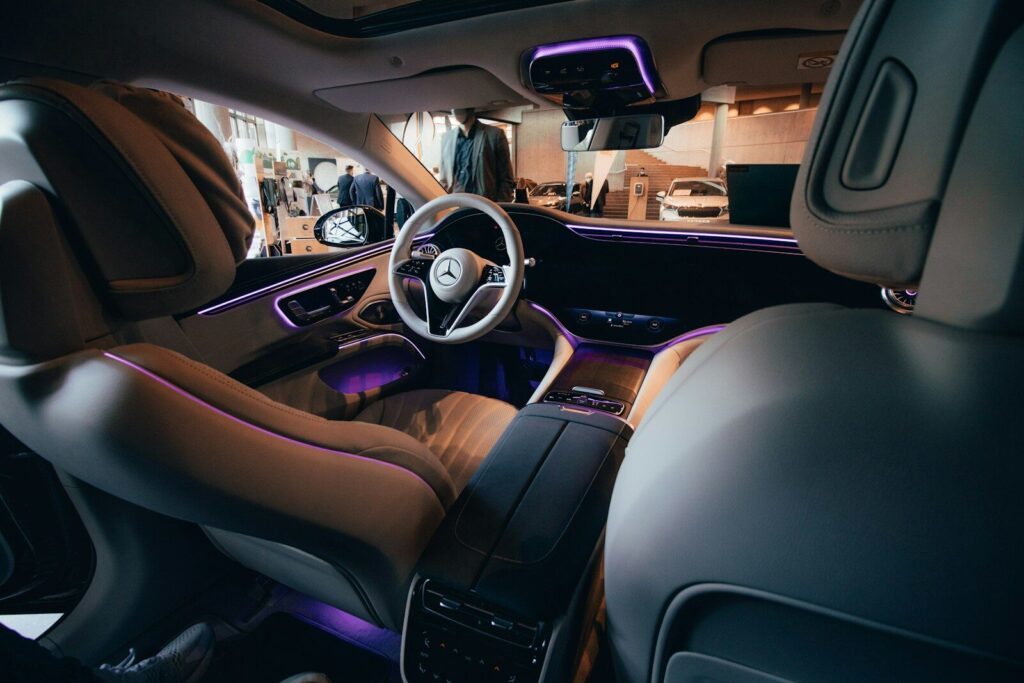
10. Premium Comfort Arrives at Competitive Pricing
The cabin uses improved materials, including available paper-coated trim and two-tone upholstery, to create a more premium atmosphere than previous CLA generations. A front luggage compartment also returns to a Mercedes passenger vehicle for the first time in approximately 90 years. The frunk can hold a carry-on-size suitcase, adding useful storage without reducing rear cargo capacity. Passenger room remains tighter in the back because of the sloping four-door coupe roofline, making the CLA better suited to smaller households than buyers requiring generous adult rear accommodation.
Comfort, Equipment, and Pricing Highlights:
- Improved materials create premium atmosphere
- Front trunk adds practical storage
- Panoramic glass roof comes standard
- CLA 250+ starts at $48,500
- Packages add advanced convenience features
A panoramic glass roof comes as standard equipment but does not include a retractable sunshade. The uninterrupted glass makes the interior feel brighter and more spacious, yet it may allow additional heat into the cabin in sunny climates. On the road, the CLA compensates with excellent refinement, limited wind and tire noise, and a suspension that absorbs broken surfaces effectively. The compact dimensions suit dense urban streets, while the quiet ride gives the vehicle a level of maturity expected from a more expensive luxury sedan.
The CLA 250+ starts at $48,500, while the CLA 350 4Matic begins at $51,050. The Exclusive package adds features including power-operated pop-out door handles, dual-zone climate control, and wireless phone charging. The Pinnacle package introduces the Superscreen, head-up display, digital key, and power-closing trunk. With average new-car prices near $50,000, the CLA places advanced electric technology within reach of younger luxury buyers while offering long range, rapid charging, distinctive design, and a recognizable premium badge.