








The 1970 Chevrolet Chevelle SS 454 LS6 and Its Muscle Car Legacy
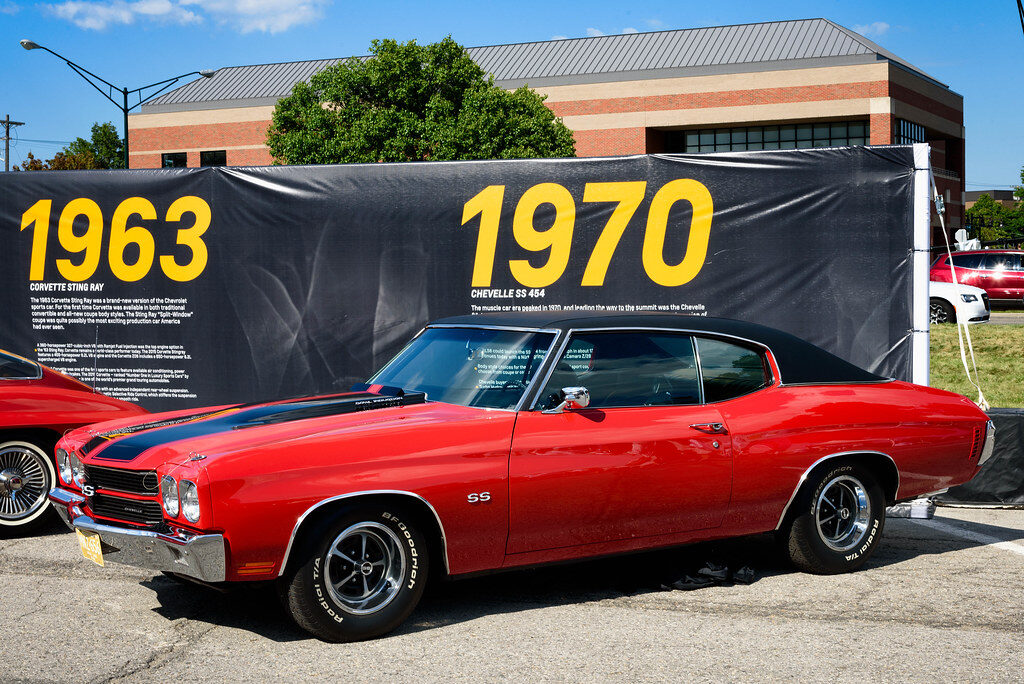
This 1970 Chevrolet Chevelle SS 454 LS6 is an incredible muscle car. What started out as a utilitarian chevy that was simply mid-sized has evolved to become a far more powerful beast. This car was built as a replacement for use on everyday car trips, as a family vehicle, and for general all-around versatility. It transformed all the more quickly when Chevrolet rolled out the Super Sport performance kit. It was ultimately that evolution which peaked in 1970 with the LS6 454.
Although the LS6 was rated at 450-hp and 500-lb-ft at the factory. It was among the most powerful production cars of 1970 because of its incredible output. But the car still was practical, too, with bench seats and air conditioning. Its modest trim rendered the performance obscured amid a relatively familiar exterior. That wild package is part of what made the LS6 Chevelle so special in muscle car terms.
Nevertheless, the LS6 era did not last very long at all in the vehicle world. Within days, insurance premiums began rising as emissions laws got tougher. Chevrolet had to restrict its big block engines after 1970 because of changing fuel regulations. In the present, this limited LS6 Chevelle has become a sought-after collectible vehicle. Its power, its scarcity and its rich history still set the mark for the muscle car continuum.
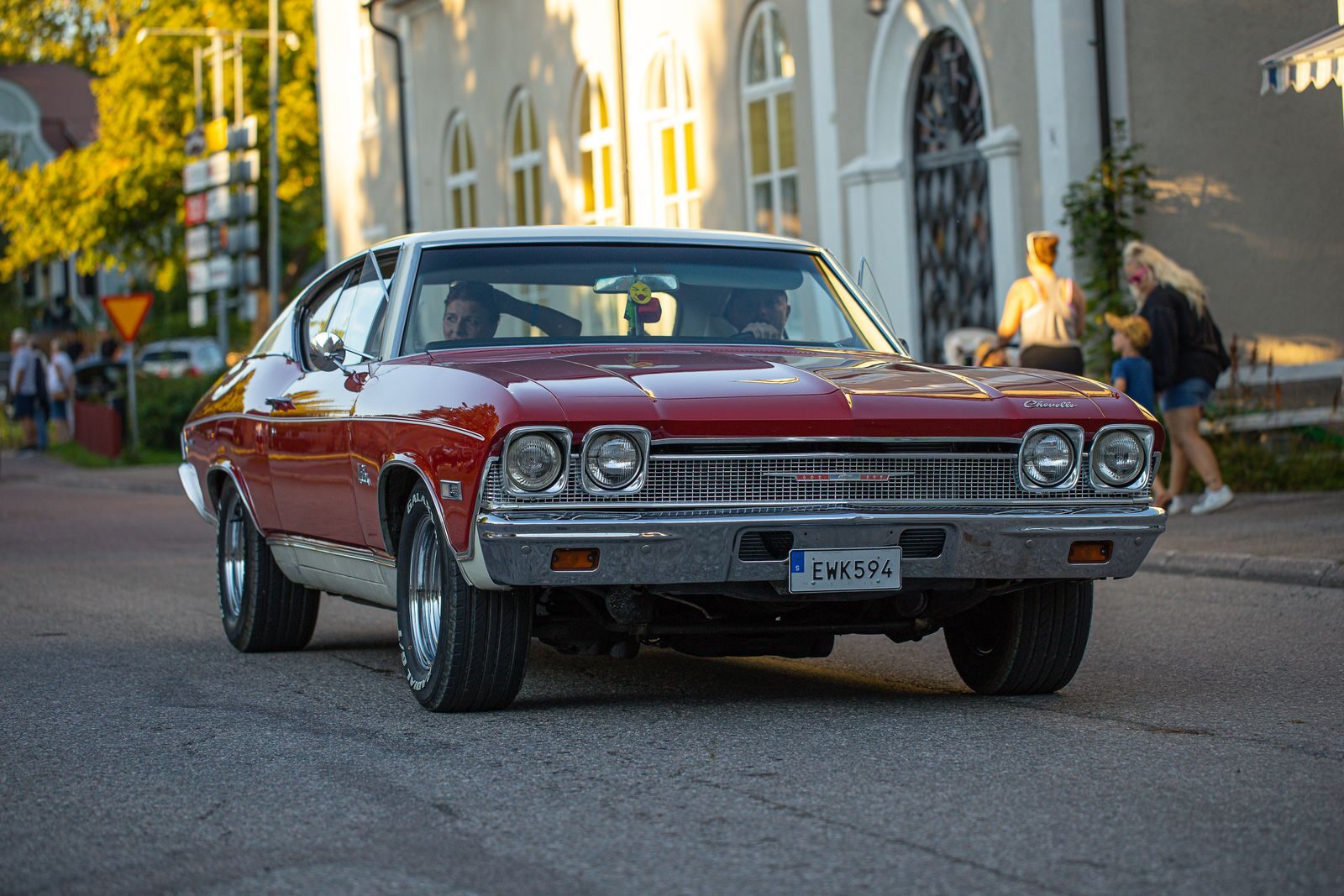
1. The Chevrolet Chevelle Began as a Practical Mid-Size Car
The very first Chevelle arrived in 1964 with a very down to earth goal in Chevrolet’s product portfolio. Sitting comfortably above the compact Chevy II and below the full-size Impala, the mid-size Chevelle met the needs of drivers who wanted interior space, convenient size, and a car that handled decently in day-to-day driving. The 115-inch wheelbase was long enough to keep the car comfortable, but not so large that it lost the size advantage of a sedan. Chevrolet offered the Chevelle as a two or four-door sedan and coupe, as well as a convertible and station wagon, and the initial models didn’t emphasize big power as much as they offered an affordable, sensible family car. Powered by the 120-horsepower 194-cubic-inch L6 engine and small V8 engines, Chevelles were introduced as a good, reliable family car.
Key Points That Shaped the Chevelle:
- Introduced as a mid-size Chevrolet
- Positioned between two popular models
- Offered several practical body styles
- Early engines focused on usability
- Built reputation for everyday reliability
By the time the 1960s came to a close, Chevelle had become one of Chevrolet’s best-selling names. Chevelle’s adaptable A-body layout gave GM a platform upon which to tinker, as the muscle car battle heated up in Detroit, eventually leading GM to make heavier-duty hardware and add more powerful engines to the prototype used originally for budget friendly transporation. That formula set Chevell apart, making for an intriguing juxtaposition; beneath the family friendly platform, the Chevelle was rapidly become a very serious high-performance automobile. Not just an affordable car, the Chevelle served as a platform for some of Chevrolet’s greatest engines, culminating in the 1970 SS 454 LS6.
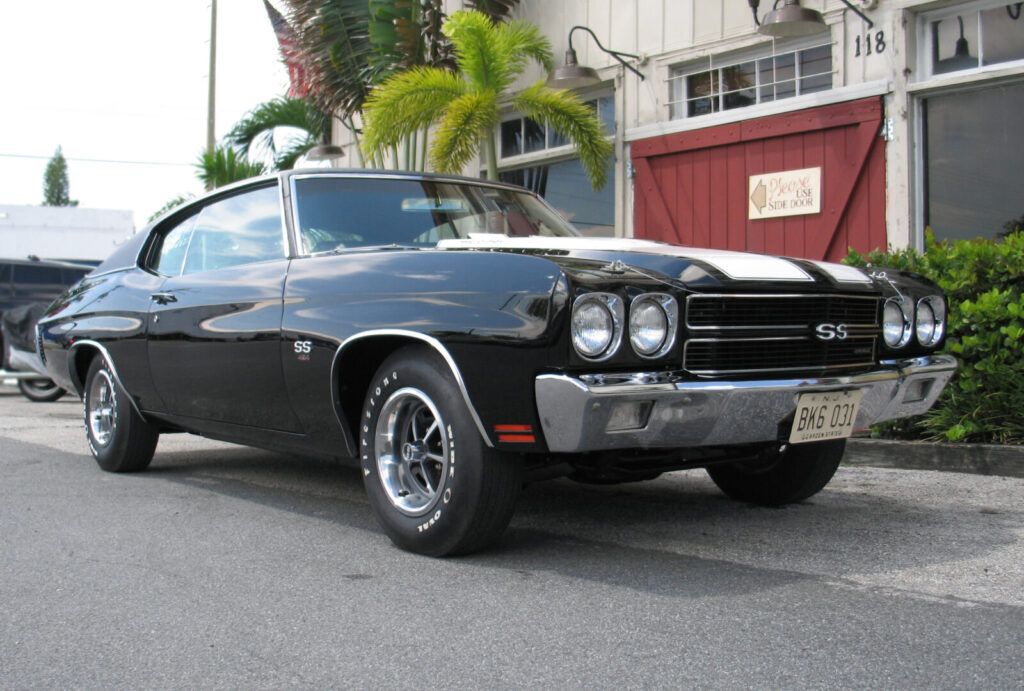
2. Chevrolet Took the Chevelle SS to Its Extreme
The highest point of the Chevelle transformation was the 1970 model year, with the debut of the LS6 454 big-block V8. Of course, not every 454 Chevy Chevelle was a brute, either. Most of the Chevelles had a factory 454 that was much more common, with a rating of 360 horses, as they set around the LS5 specification. The LS6 was an extremely devoted performance package based on an incredible 11.25:1 compression ratio, a solid-lifter camshaft, and a single Holley four-barrel carburetor on an aluminum intake manifold. The LS6 was a full 7.4-liters and claimed a factory number of 450 horsepower and 500 pound-feet of torque. That factory horsepower figure placed the LS6 comfortably at the top of the production-car market for 1970, and put the Chevelle in a performance league well above the practical origins of that car.
What Made the LS6 Special:
- 7.4-liter big-block V8
- Factory-rated 450 horsepower
- Produced 500 pound-feet torque
- Used aggressive engine hardware
- Became Chevrolet’s ultimate Chevelle engine
Chevrolet had to beef up more than just the LS6 engine to hold all that power, as the package also included forged pistons and a four-bolt main block. Stronger suspension and brakes were also part of the overall package to help manage the car’s colossal muscle. Customers could have their LS6 mated to a Muncie four-speed manual or a Turbo Hydra-Matic automatic. Either way, a common Chevrolet was turned into a high-performance force to be reckoned with. Chevrolet didn’t build an entirely new supercar platform for the LS6. It was simply dropped into the existing Chevelle lineup, making the transformation even more impressive. The combination of practical car with extraordinary engine output became one of the hallmark features of the 1970 Chevelle SS 454 LS6.
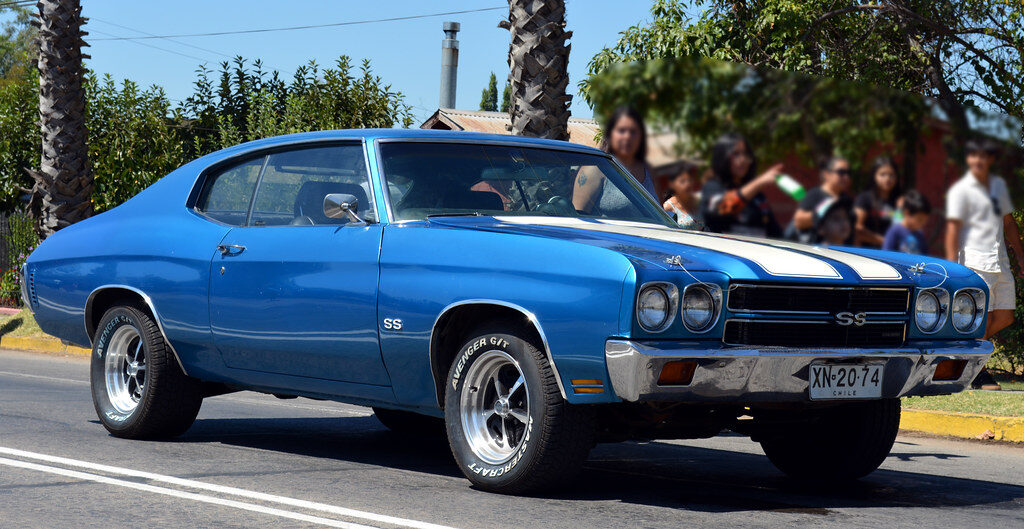
3. The 1970 Chevelle SS 454 LS6 Delivered Exceptional Performance
What made the 1970 Chevelle SS 454 LS6 so special was the huge performance from a very recognizable mid-size package. Chevrolet rated the LS6 at 450 horsepower and 500 lb/ft of torque, rates that were nothing short of phenomenal in a street-driven factory car in 1970. Documentation from the era revealed just how fast the family car could go, with Hot Rod recording a 13.4-second quarter mile at 108.17 miles-per-hour, while Car Craft stopped the clock at 13.1 seconds at 107.01 miles-per-hour. The car even had the ability to retain such family-friendly attributes as a bench seat and air conditioning, making it a bit of a shocker performance-wise in comparison to the overall package.
Performance That Defined the LS6:
- Rated at 450 factory horsepower
- Delivered 500 pound-feet torque
- Ran deep into 13-second quarters
- Reached over 107 mph
- Combined practicality with extreme speed
LS6’s performance was not about putting up a big hp number, though; the brute torque count enabled this car to leave other muscle cars in the dust in a straight line. The 440 Six Pack Dodge Challenger and Ram Air IV Pontiac GTO were some of the LS6’s contemporaries, but the Chevelle still hung well amongst the factory cars of the day. Even some big block Corvettes from model year 1970 ran slower quarter mile times depending on the rear axle gearing and traction, so the LS6 truly was an exceptional combination of performance, utility and downplayed looks. Chev was able to put out a car that looked a little ho-hum, but packed such a punch that it fell amongst the highest performers of all factory rides.
4. The Chevelle’s Understated Design Hid Its Serious Performance
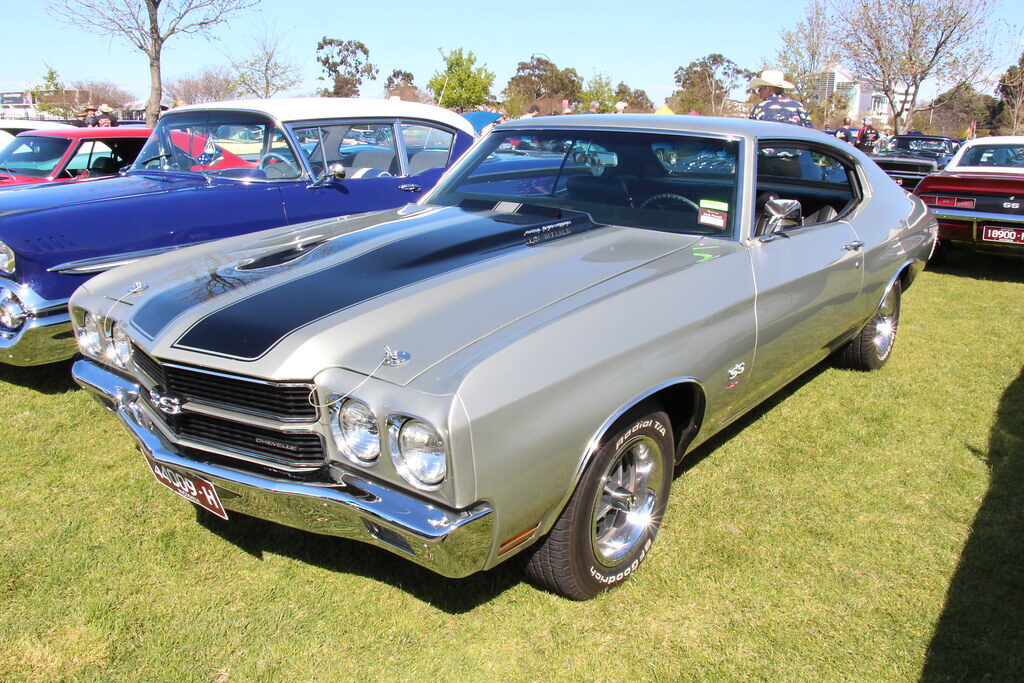
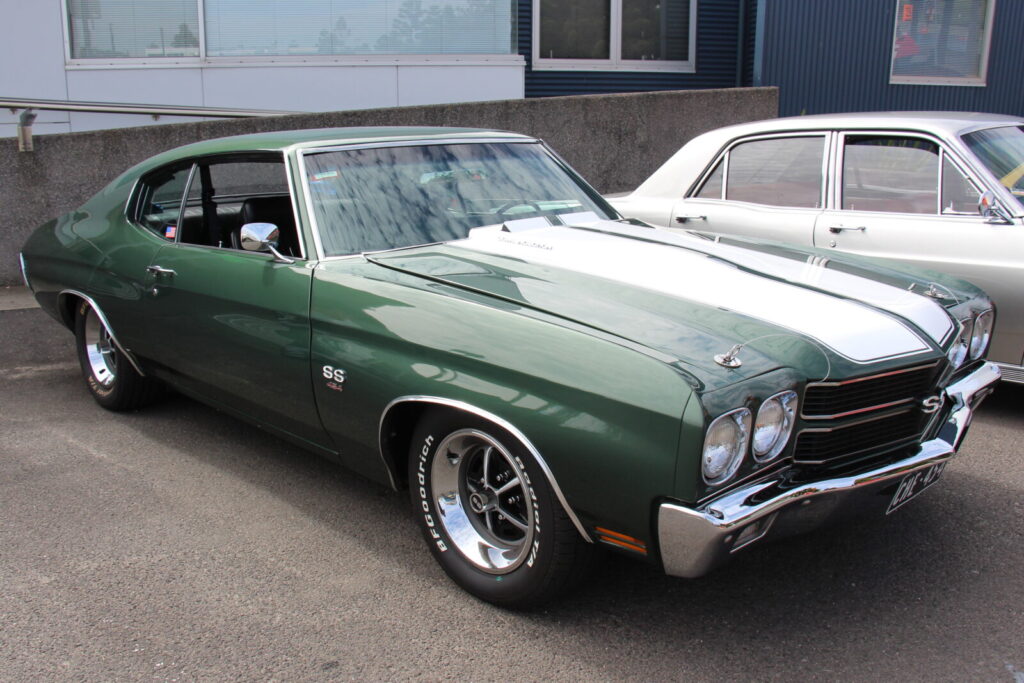
The 1970 Chevelle SS 454 LS6 didn’t exactly advertise its presence with a boisterous flamboyance. Chevy included enough visual touches to suggest what was under the hood without completely abandoning the Chevelle’s original style. The cowl induction hood with vacuum operated flap was a giveaway of performance. Blacked out grille bits and faint hood stripes also helped set the SS apart from the run-of-the-mill Chevelle. All of that and some subtle SS badging and emblems could still keep the newcomer pretty subdued. That made this car so much more interesting than just some anonymous mid-size Chevrolet. Someone could pull up in what looked like a common mid size Chevrolet, but underneath could be a first class 454 big-block engine.
Subtle Details With Serious Meaning:
- Cowl induction hood added distinction
- Vacuum-operated flap enhanced its appearance
- Blacked-out grille created contrast
- Hood stripes remained relatively subtle
- SS badging completed the look
This laid back character was present throughout the interior and body styles as well. Not only did Chevrolet provide a comfort package that included bench seating and optional air conditioning, they also offered the high output package in convertible form as well. In convertible form, the almost surreal combination of high speed looseness and comfort was even more striking and the LS6 Chevelle became quite a different animal from some narrowly focused performance car. It could be a family car while still possessing enough guts to threaten some of the fastest street machines out there. That stark contrast between potential day-in day-out mechanical workhorse and all-out speed demon was a signature of the high output Chevelle and it helped to make the LS6 a truly remarkable muscle car.
5. The LS6’s Huge Power Created Traction and Handling Challenges
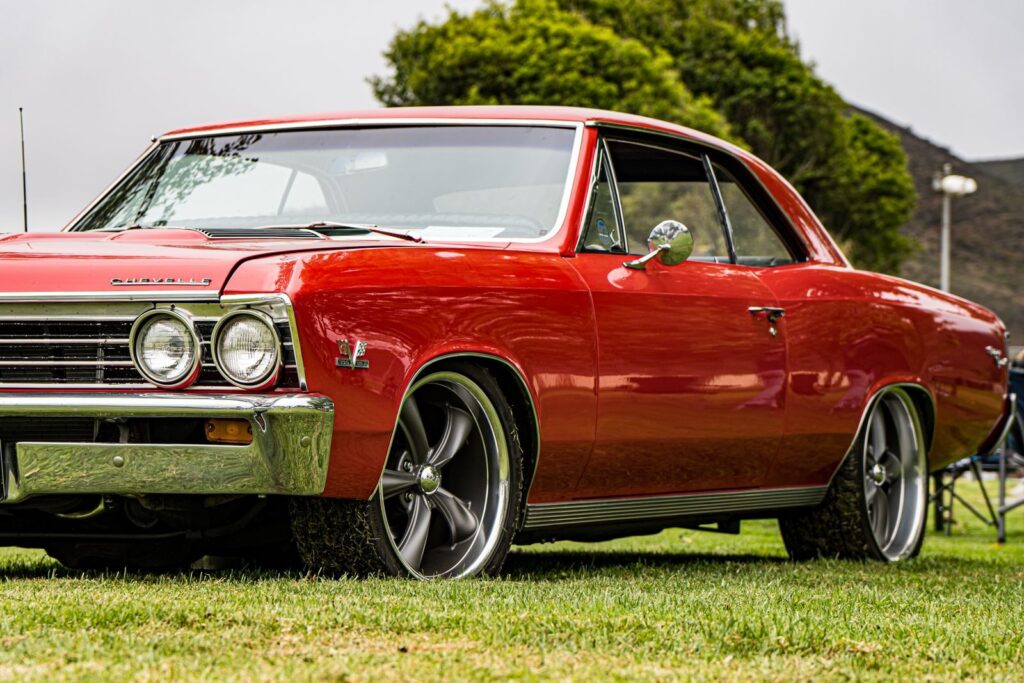
Making 450 horsepower and 500 pound-feet of torque was a lot of power, but that weight needed to be directed in a way to maximize grip. And not only did the 1970 Chevelle SS 454 LS6 have tons of power, but it was decades before traction control, driver aid systems and performance tires became standard. The enormous iron block 454 sat far over the front axle, and relatively soft suspension at the rear could give a bit when the driver lifted the throttle to take advantage of the power. With 500 pound-feet of torque out of nowhere, driver who knew how to handle the LS6 could get the rear tires to light up and begin spin in two gears of the transmission putting a premium on driver finesse.
Managing the LS6 Was No Simple Task:
- Massive torque overwhelmed rear tires
- Front axle carried heavy engine
- Rear suspension struggled under acceleration
- No modern traction control existed
- Drivers needed careful throttle control
Similarly, the braking and chassis aspects illustrated yet again the difference between this machine’s most violent engine output and the fundamental shopping-carter’s package that it actually was. Though SS models could be ordered with disc brakes up front, the standard rears were drums, meaning the Chevelle’s the ability to stop might not be in fact commensurate with the panicky, explosive launch capability of its LS6. The A-body chassis had been designed and optimized for human transport, not for sustained beating the engine into the ground, if you will. To keep that high-compression big-block alive and in the power Band is to demand significantly more attention than simply how hard one can put on the gas.
6. The LS6 Combined Muscle Car Power With Family-Car Practicality
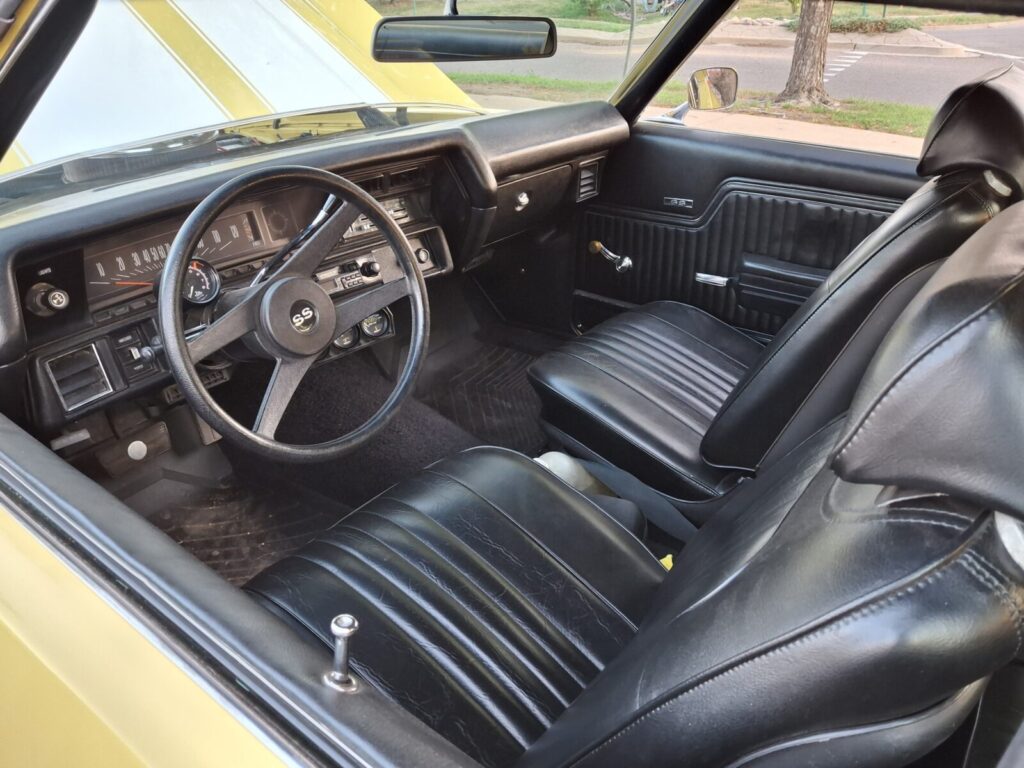
One of the most un-muscle car things about the Chevelle SS 454 LS6 was that with the car came a great deal of performance, along with some practicality. Chevelle buyers could get the LS6 with many of the options that one might consider ideal for family sedans such as bench seats and AC. In addition, it was based on the handy Chevelle body shell, and nobody would necessarily look at the car and see the great and mighty piece of performance machinery that was underneath. The duality of the car was quite amusing: a Chevelle could be as restrained looking as you want on the outside and have a drivetrain powerful enough to run with the best specialized performance machinery.
The Family-Car Muscle Car Formula:
- Approximately 4,475 LS6 units
- Bench seats remained available
- Air conditioning could be selected
- Convertibles offered open-top cruising
- Practicality remained part of its identity
The same principles carried over to the body styles and exterior enhancements available. Chevrolet allowed the high-performance package in cars that could still wear rather understated wraps; convertibles were among the choices. Instead of swathing the car in all-out exterior styling and add-ons, Chevrolet placed the hood stripes, black-out elements, cowl induction hood, and SS badging all that the average driver needed to know. The LS6 was all that, and that was what made the LS6 Chevelle so elusive. The car did not have to wear an exotic body to be a supercar; Chevrolet could show what could be achieved when a standard family sedan was equipped with a wildly powerful big-block motor and all the supporting components needed to handle it.
7. Changing Regulations Quickly Ended the High-Compression Era
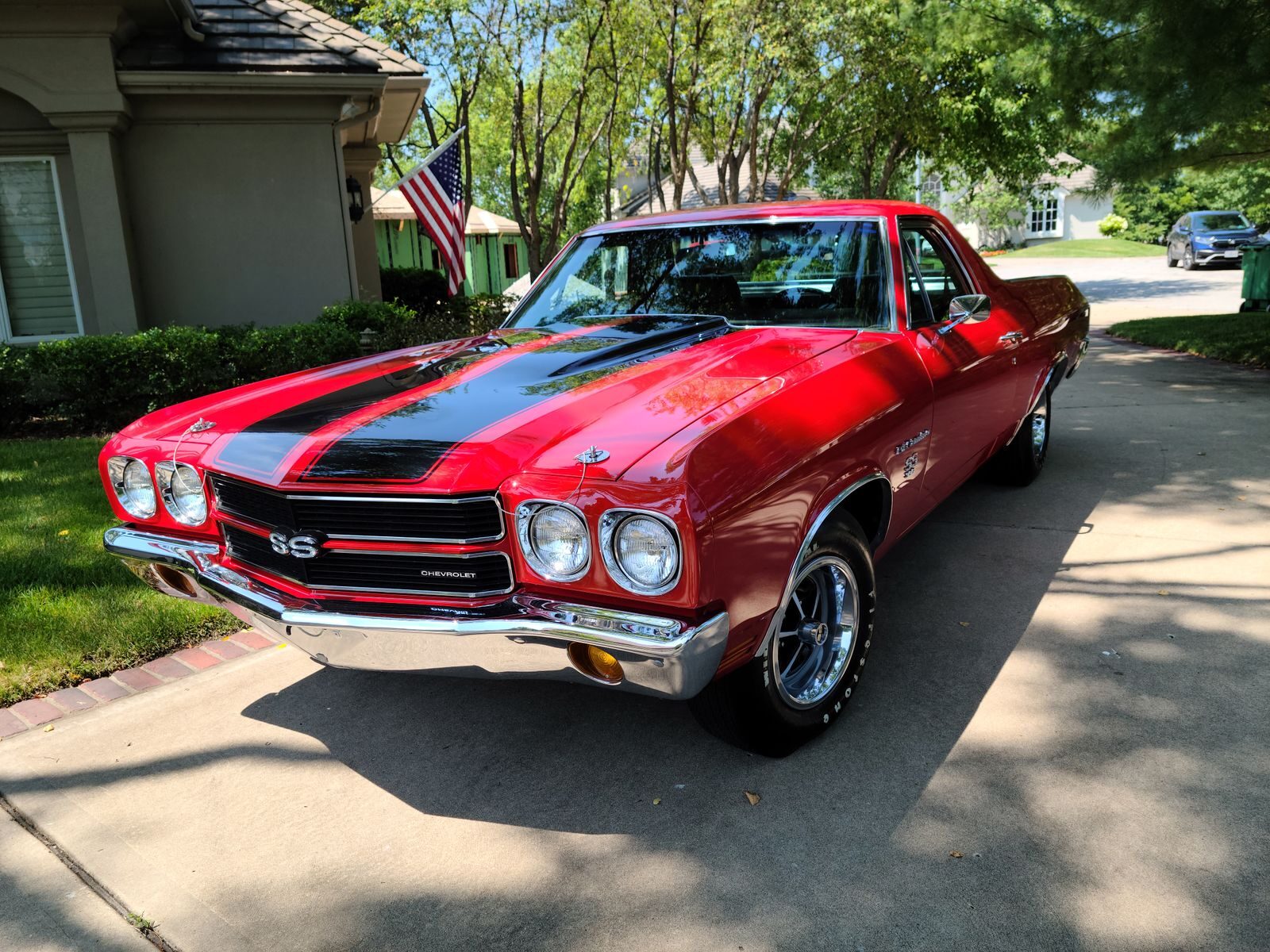
The short window of time during which a Chevelle SS 454 LS6 like the one seen here could exist in its purest form was barely a blink. Things in the automotive world shifted swiftly after the 1970 model year, and by 1971, manufacturers were faced with the reality of slashing the number of high-output engines available. Insurance surcharges on high-horsepower cars skyrocketed, discouraging some consumers from buying them, especially young enthusiasts. Meanwhile, federal emissions rules and fuel specifications mandated lower compression ratios for 1971, requiring Chevrolet to weaken its large-displacement engines to run on unleaded gasoline. That effectively ended the brief window that a factory production car could have a high compression engine, enormous power, and a family sedan body style all in one neat package, like the 1970 LS6 Chevelle.
Forces That Changed Muscle Cars:
- Insurance costs rose sharply
- Federal emissions rules became stricter
- Fuel standards were changing
- Engine compression ratios decreased
- Big-block engines were detuned
The LS6 thus gained the status of a marker in the history of automobiles, rather than just another powerful engine. Those 450hp were the height of an age that would soon become due to the cumulative pressure of legislation, insurance, and fuel considerations. In a matter of months, the circumstances under which Chevrolet could stock an engine of such high compression in a family car would disappear. Its fleeting existence, however, not only makes it a sought-after collectible but also reveals the heyday of a no-holds-barred muscle car conception that allowed manufacturers to install monsters in family cars, prior to the regulatory and liability problems that would make this much more difficult to achieve.
8. The LS6 Became a Collector-Car Legend
2.5 decades later than the original muscle car heyday, a 1970 LS6 Chevelle has evolved into a highly regarded collector car. With just 4,475 copies made, well-documented cars are a must-have for collectors. Unparalleled factory performance, extraordinary rarity and a reputation that has increased over the decades have elevated the LS6 from a new muscle car to a blue-chip collector item. Well-documented and well-preserved, these cars bring significant premiums at auction, as six-figure prices have become part of the modern lexicon. From the estimate sheet furnished in the PHS documents, perfectly documented examples bring a benchmark figure of about $173,000; cars with extraordinary documentation sell for more.
Why Collectors Value the LS6:
- Approximately 4,475 examples produced
- Rare correctly documented survivors remain
- Six-figure auction prices are possible
- Pristine values reach roughly $173,000
- Represents peak Detroit big-block engineering
The collector appeal extends well beyond the rarity of the LS6. LS6s reflect a specific era of Detroit engineering one where factory builders were still willing to bolt monstrous performance engines into ordinary cars. Its factory horsepower number of 450, 500 poundfeet of torque and unique blend of conservative styling and capability make it a hotwired time capsule. And the car embodies the dying days of muscle cars before insurance factors, safety rules, emissions and fuel quality totally changed the scene. Thus for collectors the proper LS6 is more than just a high-value classic. It is more than just a relatively high-powered family car. It is a snapshot of a very short time when buying a Chevrolet was like owning the fastest street machine in the world.
9. The Chevelle SS 454 LS6 Stood Apart From Its Rivals
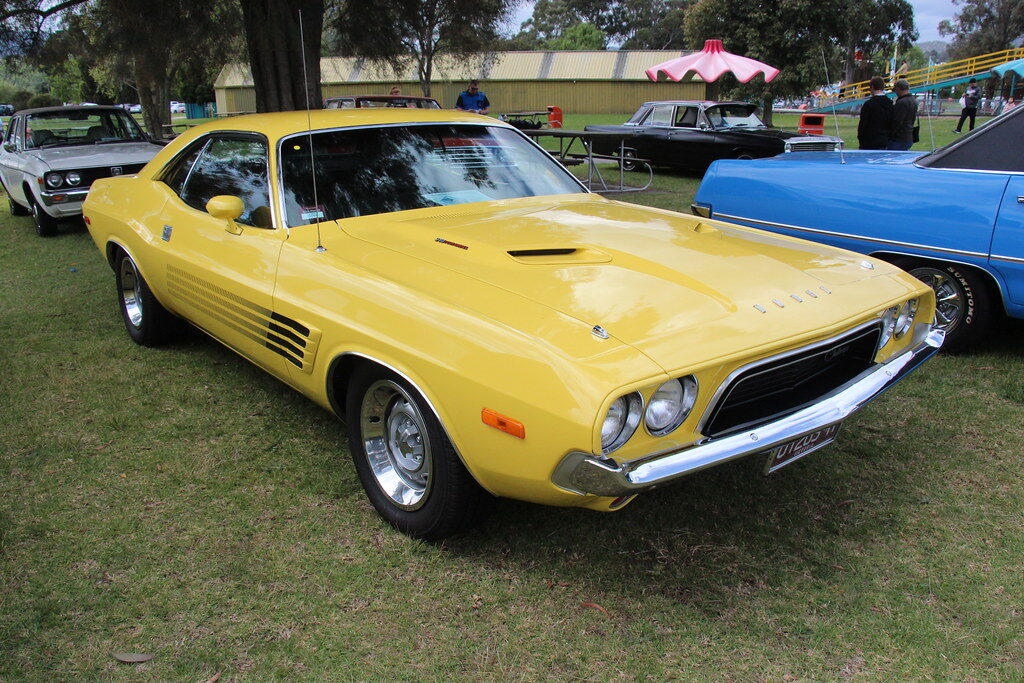
The 1970 Chevelle SS 454 LS6 existed in a world already full of muscle cars that could kick out some serious speed. Cars like the Dodge Challenger with 440 Six Pack, the Pontiac GTO with the Ram Air IV, could all leap ahead of the Chevelle, helping to establish 1970s muscle car performance. However, the LS6 remained unique as it combined its mind-boggling torque and factory horsepower with a very practical daily driver. With 450 horsepower at the wheels, the LS6 was more powerful than any other production car in the comparison, while the 500 pound-feet of torque gave the car a very nonchalant attitude about head-starts. That even GM’s big-block Corvettes could turn in a slower quarter-mile time, depending on tire traction and rear differential gear ratios.
A Muscle Car With Its Own Position:
- Challenged powerful Dodge competitors
- Rivaled Pontiac’s performance offerings
- Delivered enormous big-block torque
- Outpaced some period Corvettes
- Retained practical mid-size proportions
It wasn’t that the Chevelle was necessarily better. That nose-heavy configuration, combined with its rear traction deficiencies, rear drum brakes, and relatively soft suspension all suggested it was a little compromised by its architecture. What was important though was how well Chevrolet married those characteristics to a fantastically strong engine. The LS6 showed that a middle-of-the-road family car could be just as intimidating as a dedicated sports car and that uncommon combination made the LS6 stand out from the pack, helping it even before the addition of the potent engine to gain legendary status. And of course, it didn’t have to be based on a true sports car foundation to excel, just a run-of-the-mill design that simply got a heart transplant, thanks to a mighty LS6.
10. The 1970 LS6 Chevelle Became a Symbol of Muscle Car Engineering
The 1970 Chevelle SS 454 LS6 is the ultimate expression of this specialized muscle car concept. Based on a somewhat utilitarian mid-size family car that had been introduced in 1964, Chevrolet slowly but surely built a dedicated high-performance high-output performance version. By 1970 the LS6 featured a 7.4-liter big-block V8 producing a then-unbelievable 450 horsepower and 500 pound-feet of torque, huge mechanical bits, and available manual or automatic gearboxes. It was a machine capable of extraordinary performance but was perfectly content with bench seats and air conditioning. It was just a mainstream Chevrolet transformed into something at an extraordinary mechanical extreme.
The Legacy of the LS6:
- Represented peak muscle car engineering
- Combined family usability with speed
- Produced extreme factory performance
- Became highly desirable among collectors
- Defined Chevrolet’s big-block legacy
The tale of the LS6 also revealed how quickly the muscle car scene evolved. Higher insurance premiums, legislation and more restrictive emissions laws, along with new fuel standards, brought the curtain down on the high-revving production big-block era all too suddenly. The LS6 thus is an excellent representation of what was probably the last gasp of unrestrained Detroit muscle. Rarity, significance, factory specifications and verifiable performance make it a sought-after item in the collector marketplace, where an immaculate example lists for an average of $173,000 and outstanding cars can sell for considerably more, putting the motor who cowered by an unassuming family car in his place.


