Examining How Changing Owner Preferences and Market Competition Are Reshaping Tesla Loyalty
The automotive industry is witnessing one of the most exciting transitions in recent history as consumers, technology and market choices are all changing at a dizzying speed. EVs have been practically synonymous with Tesla for the last ten years, a brand that has been aligned with the interests of tech lovers and environmentalists alike. That perception is fragmenting today as customers are beginning to have far more options for electric, hybrid and traditional gas-powered vehicles. Original equipment manufacturers (OEMs) are switching up their EVs, while consumers are rethinking their allegiance to brands in terms of their product offerings, ownership costs, charger availability and much more.
Tesla remains relevant in the shifting landscape, but now competitors eager to make the most of a new, more diverse market for electric vehicles are challenging its dominance. Tesla was founded in 2003, and was known as Tesla Motors, Inc. Before changing its name to Tesla Inc. In February 2017. It was then based in Palo Alto, Calif., but it has since expanded from vehicle sales into other markets, including its automotive and energy-generation-and-storage products, Superchargers, in-app upgrades, Powerwall and Megapack battery systems, solar roof products, self-driving and AI systems, vehicle-control systems and powertrains. The shifting loyalty landscape, then, is only part of a wider switch in the EV space.
1. Tesla’s Customer Loyalty Has Fallen as Rivals Gain Ground
Tesla’s customer-retention standings have also seen a major change in its core market. Data published by S&P Global Mobility and cited by L’Automobile Magazine indicated that in just one year Tesla’s customer loyalty rate has plummeted from 67% to 58.1%. Customer retention is a key metric in the auto world, as the automakers have for years hoped that existing customers will come back to them when buying their new ride. Ford at the same point in time achieved a loyalty score of 59.6%, surpassing Tesla for the period cited.
Tesla Loyalty Changes:
- Loyalty fell from 67%
- Loyalty reached 58.1%
- Ford reached 59.6%
- Rivals gained former owners
- Retention became more competitive
The larger appeal, according to Tom Libby, director of industry insights at S&P Global Mobility, was about more than the vehicle. Tesla was once seen as the pace setter, and its vehicles considered the premium EVs,” he told Bloomberg. “That was the position then, but it now lives in a much more competitive space, where consumers can now compare Tesla vehicles to more recently introduced vehicles from traditional automakers on multiple metrics. As more automakers roll out EVs, the brand’s once unchallenged status as the face of ultra-modern EVs is now no longer so unique.
2. An Aging Lineup Is Changing How Buyers View Tesla
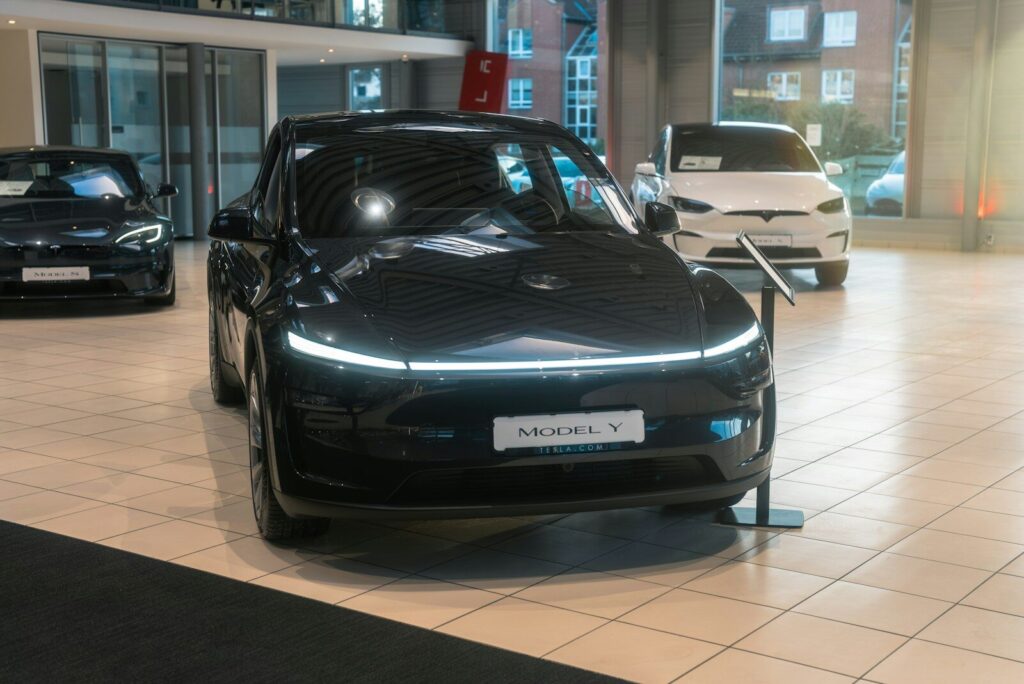
Tesla’s declining consumer loyalty has been driven in part by the age of its product portfolio The company’s sales are also heavily weighted toward the Model 3 sedan and Model Y crossover, and none of its new high-volume product launches have been able to substantially refresh that lineup. The Cybertruck is a major product, but it has not attracted mass volume. “The lack of compelling new launches has driven Tesla’s biggest fans to seek other automakers and types of vehicles,” according to analysts Reuters spoke to.
Tesla Product-Lineup Challenges:
- Model 3 remains central
- Model Y remains dominant
- Few high-volume launches
- Cybertruck targets specialized buyers
- Rivals offer newer choices
The void of an accessible and affordable family SUV has opened a door for competitors. Traditional automakers are aware that shoppers who previously considered Tesla have more options when they enter a dealership. Those options include models built with various family budgets, body styles, driving needs, and ownership experiences in mind. That variety means buyers don’t have to stay within one automaker’s ecosystem just because they want an EV.
3. Executive Politics Has Become Part of Brand Perception
Tesla’s changing consumer relationship also extends beyond vehicle hardware and product strategy. CEO Elon Musk has become increasingly associated with the American right, creating friction with some progressive and environmentally minded consumers who formed an important part of the company’s early customer base. Vehicle purchases can involve personal identity, cultural associations, and perceptions of the company behind the product. As a result, executive visibility can influence how some owners feel about continuing to associate themselves with a particular automotive brand.
Brand Perception Factors:
- Executive political visibility
- Changing consumer sentiment
- Early progressive customer base
- Public statements create friction
- Brand identity is shifting
According to L’Automobile Magazine, some Tesla owners have affixed bumper stickers reading, “I bought this Tesla before Musk went crazy,” as a more tangible form of protest against the CEO’s public statements. This is an example of how the cultural implications of owning a Tesla has shifted for some consumers. The brand was once heavily linked to a future-facing tradition of progressivism, technology and environmental progress. The link is more complicated now, however, and presents other automakers with an opportunity to woo customers still seeking a technologically-advanced vehicle but who no longer see themselves in the Tesla narrative.
4. Model 3 Remains a Central Part of Tesla’s Story
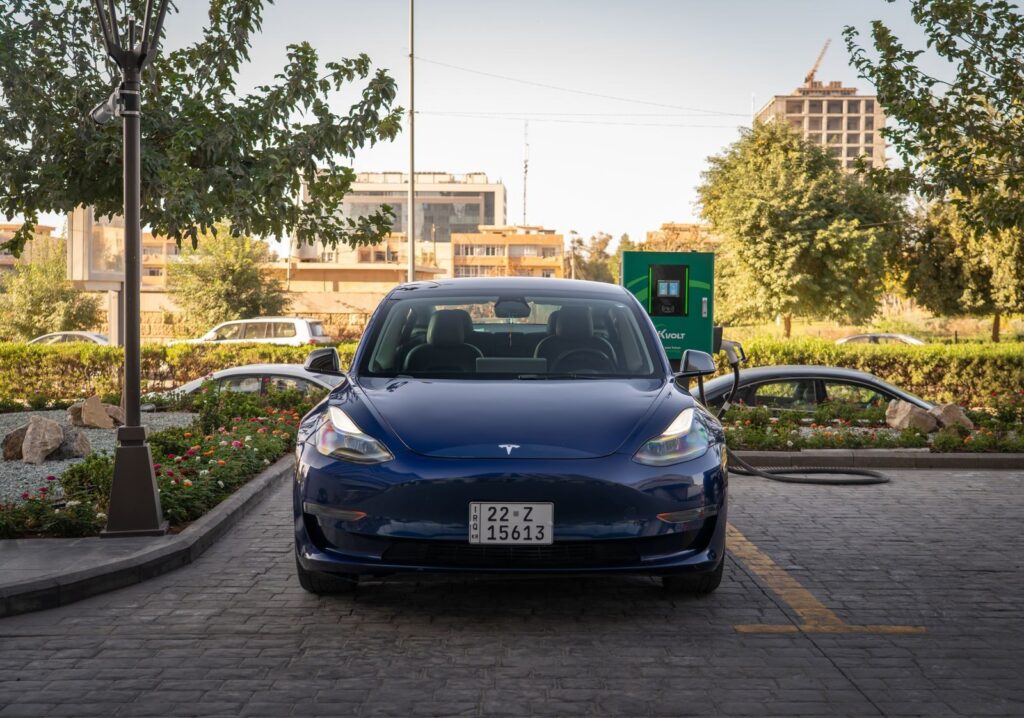
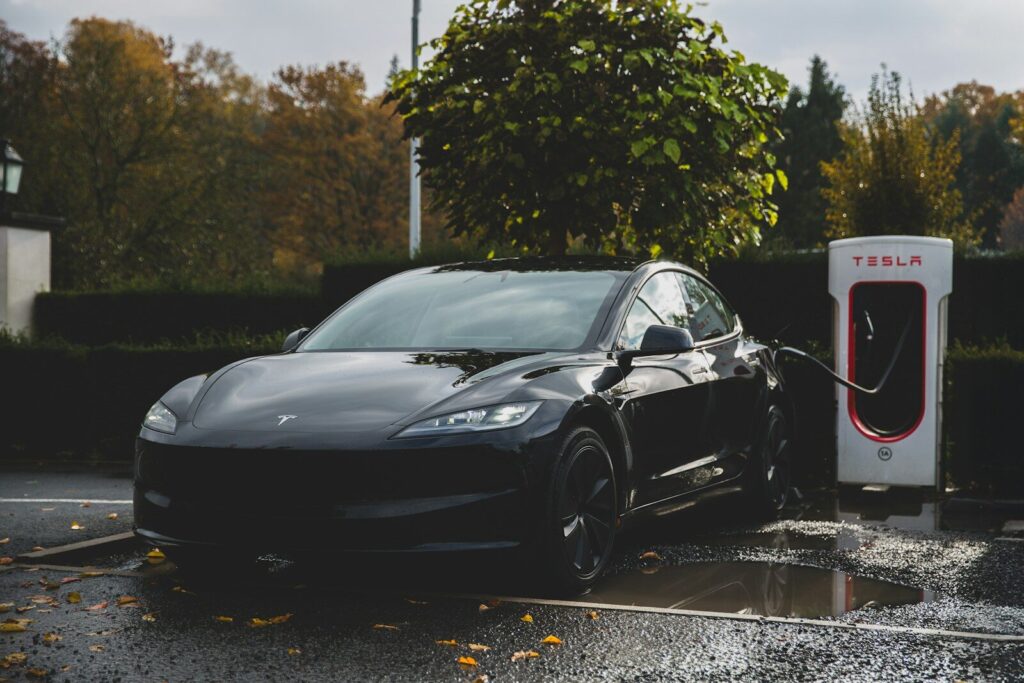
The Tesla Model 3 remains one of the company’s flagship vehicles. It’s a battery-electric mid-size sedan (BD series) with a fastback body style that launched in 2017 as an affordable version of Tesla’s premium Model S and Model X. It was the world’s best selling plug-in electric vehicle from 2018 to 2020 (before the Model Y broke through the one million sales mark). In June 2021, the Model 3 became the first electric vehicle to reach a global sales of over a million units, underlining its importance to Tesla.
2025 Tesla Model 3 Details:
- Mid-size battery-electric sedan
- Introduced globally in 2017
- Related closely to Model Y
- Single-speed fixed transmission
- Facelift introduced from 2023
Frame by Kypros 2024 27 07 23 The frame of 3 2024 is founded with the work of a visual designer Franz de Holzhausen and features a single-stage straight plan 9:1 proportion. The foundation of this car in manufacturing is not yet finished, yet a presentation of a stylish facelift was introduced with the upgraded interior and external style starting at the end of the year 2023 or at the beginning of the year 2024 in the model referring to GigafremNShen factories in Shanghai and USS islands Shop. This is still one of the most characteristic Tesla models as the world’s opponents became additional.
5. Many Defecting Tesla Owners Still Choose Electric Vehicles
Tesla’s customer attrition doesn’t mean those drivers are returning to ICE vehicles. The explanation offered by S&P Global Mobility data is interesting: Of all people who have left Tesla, 70% have gone into another EV. The non-Tesla/EV percentage is among all buyers who left the Silicon Valley automaker; for those to-a-former Tesla owner consumers leaving Tesla at all, they went into an ICE or hybrid 30% of the time. That contrasts to Chevrolet, where of former Tesla owners who got into GM, 55% got an ICE or hybrid.
Where Former Tesla Owners Go:
- Many remain within EVs
- Some choose gasoline vehicles
- Others choose hybrids
- Chevrolet attracts former owners
- BMW attracts luxury buyers
The BMW pattern is significant as well because about half of the former Tesla customers ended up with a combustion-engine car and the other half are split between hybrids and electric cars such as the iX1, i4 or i5. This shows that former Tesla customers are shopping for powertrains independently of their prior experience with EVs. Powertrain shopping has thus become less associated with one individual automaker. Buyers can remain “all in” on electric propulsion while shopping for new brands, or they can shop hybrids and gas-powered vehicles to better suit their individual needs as car owners.
6. Tesla’s Competitive Advantage Over Rivals Has Narrowed
Tesla’s power to bleed customers away from rivals has declined as well. Tesla initially gained four new buyers from Chevrolet for every new one lost to the traditional automaker, based on S&P Global Mobility’s data on powertrain choices. That four-to-one figure has shrunk to near two-to-one. And it gets even worse when it comes to BMW: five years ago, Tesla was gaining 9 new customers for each one it lost, but that ratio has narrowed to about 1.5 to 1.
Changing Customer Acquisition Ratios:
- Chevrolet advantage narrowed significantly
- BMW ratio fell sharply
- Legacy brands regained customers
- Tesla faces broader competition
- Acquisition advantage is shrinking
The data illustrate how the legacy automakers have bolstered their loyalty and customer acquisition in the expanding market for electrified vehicles. The legacy automakers now have electric, hybrid and combustion vehicles that look just like what consumers had before, all in a larger overall segment of the market. Buyers have greater flexibility to cross between engine types without giving up the legacy automaker brands they knew. By comparison, Tesla had previously maintained, at much greater proportion, the ability to win over customers.
7. Global EV Drivers Still Show Strong Electric Commitment
Even with Tesla customers defecting, the world loves electric motoring. A Global EV Alliance research poll carried out by Bloomberg, conducted in 18 nations including the US, Canada, Brazil, Austria, India, and France with more than 23,000 EV drivers, weighted according to national shares of the global EV fleet, to ensure the results were robust for markets such as China, the research makes the distinction between leaving the car brand and leaving electric motoring.
Global EV Loyalty Findings:
- 92% reject gas-only return
- Only 1% definitely return
- 4% consider plug-in hybrids
- 7% remain undecided
- 0.5% reported by Plug-in America
In the study, 92% said they wouldn’t go back to a gas-only car and just 1% said they definitely would go back to a gas-powered, internal-combustion vehicle. Another 4% said they probably would try a plug-in hybrid. The rest said they were undecided. Additional data from Plug-in America shows that just 0.5% of EV owners would ever go back to gas-powered vehicles. The data shows that switching brands can even occur when consumers are still clearly committed to electric cars.
8. Charging, Insurance, and Ownership Costs Can Affect Satisfaction
While there are many advantages to owning an electric vehicle (EV), there are some practical considerations as well. According to the research conducted by the Global EV Alliance, “45% of respondents to the survey stated that lower running costs were the main advantage of having an EV while 40% said ‘climate friendly’ was very important; 32% said the local environmental benefits were important; 21% said driveability was an important benefit; 18% said lower running costs were an important benefit.” Instant torque, cabin comfort and the ability to drive away daily with a fully charged EV are all benefits of EV ownership but one that require readily available charging stations.
EV Ownership Benefits and Challenges:
- Lower operating costs matter
- Climate benefits remain important
- Charging availability creates challenges
- Insurance can cost more
- Public charging adds expenses
The charging issue is especially noticable for those drivers that don’t have access to owned home charging. A Reddit r/Autos driver who kept his Model 3 for 3 years said ownership felt like a second job, while commenters bemoaned the lack of guaranteed home charging. DC fast charging can also add up when it’s commercial chargers, with rates getting close to how much you spend at the pump on a gas-powered vehicle. Bankrate notes that EV insurance premiums can be up to $2,800 higher per year than gas car rates, while the average new EV transaction price is still at about $58,000 with incentives.
9. Range and Practical Ownership Concerns Encourage Alternatives
Perhaps even more of an obstacle than the cost of a new EV is the impact of real-world driving conditions. Cold winter temperatures can cut range and drain batteries faster, while hot weather can be the same if air-conditioning is used extensively. Additionally, speed on highways, towing, cargo and other driving conditions often decrease real-world range versus ideal comparisons. A long road trip to rural destinations where the charging infrastructure may be limited will need to be carefully managed with plenty of charge time planned.
Real-World EV Considerations:
- Cold weather reduces efficiency
- Summer cooling uses energy
- Highway speeds reduce range
- Towing increases energy consumption
- Rural charging requires planning
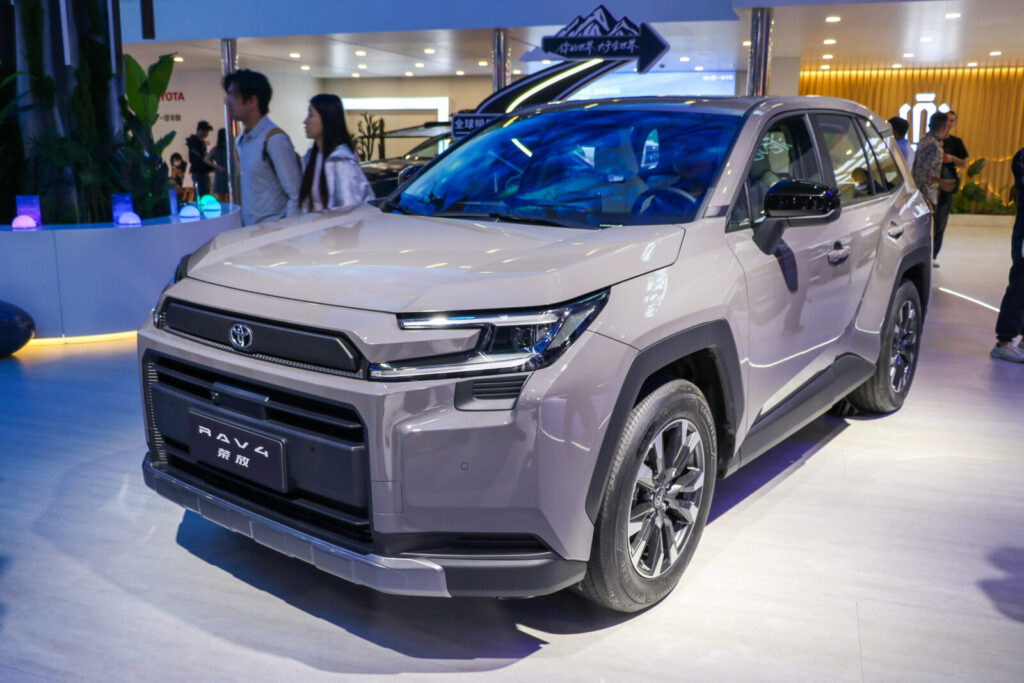
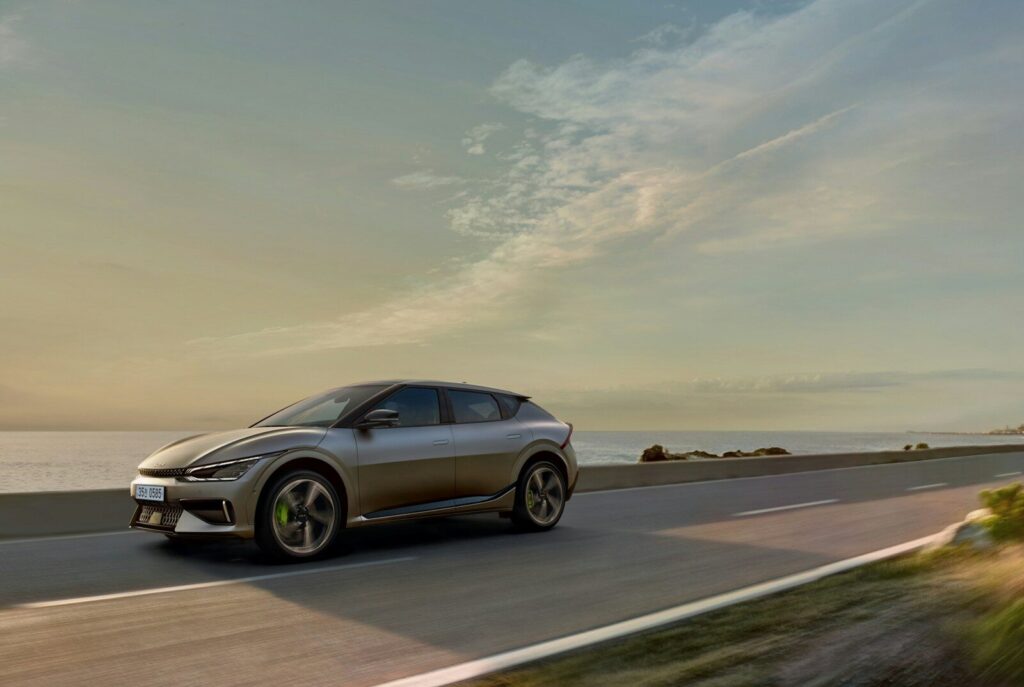
The range anxiety these issues create is one reason some former Tesla owners are going hybrid. The Toyota RAV4 Hybrid and the Ford Escape Plug In Hybrid offer the range of a gas engine and quick refueling, along with the electric efficiency of a smaller engine for shorter trips. A plug-in hybrid can be an option to those who can’t charge every day or two, but still want to drive mostly on electricity. And those who don’t charge at home have choices such as the Hyundai Ioniq 5, the Kia EV6 and the Ford Mustang Mach-E.
10. A Broader EV Market Is Reshaping Tesla’s Position
But the EV market has also become a far more open playing field. “With over 100 EV models on sale in the U.S.,”Argonne National Laboratory writes, “buyers can choose a vehicle at nearly every price point, body style, and vehicle class.” Bloomberg reported that Tesla sales fell 9% globally in 2025, and U.S. sales were down 7% versus the previous year. New-vehicle registrations in California, historically an important market for Tesla, fell from 11.6% in 2024 to less than 10% in 2025, according to the California New Car Dealers Association.
The Expanding EV Marketplace:
- More than 100 EV models
- Tesla sales declined globally
- U.S. sales also declined
- California share moved lower
- Chinese brands expanded globally
According to Yahoo Finance, Tesla’s brand value decreased 36% in 2025 to $27.61 billion, while BYD went from being the 10th best-selling automaker in 2024 to the world’s best-selling EV maker. Data from the International Energy Agency shows that 20% of the world’s new cars in 2024 were electric, with Chinese brands accounting for more than half of all global EV sales. And at the same time, EV owners show a healthy level of brand loyalty and electric vehicles cut tailpipe emissions, with the potential for Environmental benefits as the electric grid becomes greener. The changing Tesla loyalty data signals a world where EVs are making up an increasing share of global vehicle sales and where the dominance of specific EV brands is declining. A more competitive car market means consumers can find EVs, hybrids and gas-powered vehicles from a wider selection of automakers.